
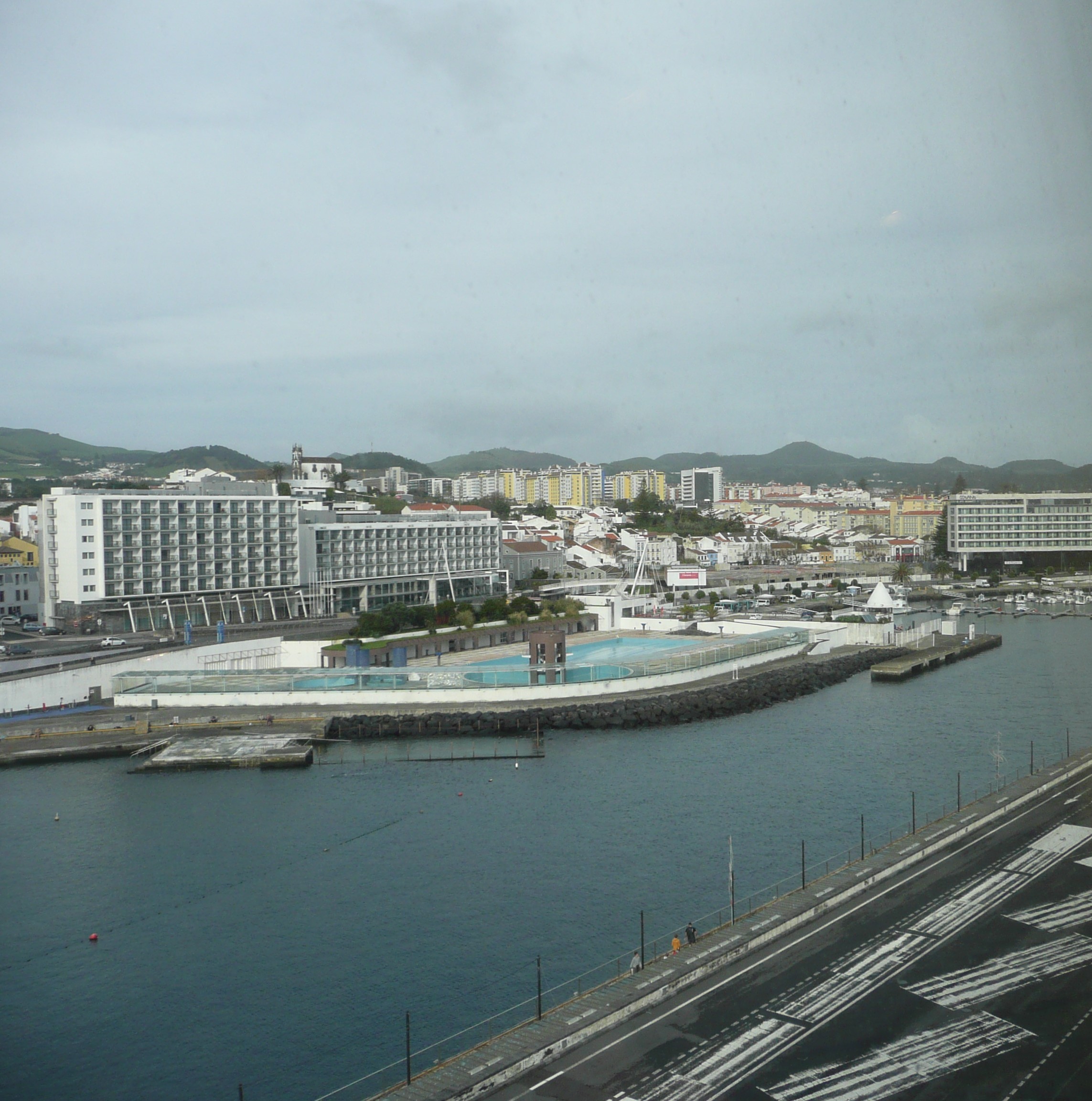
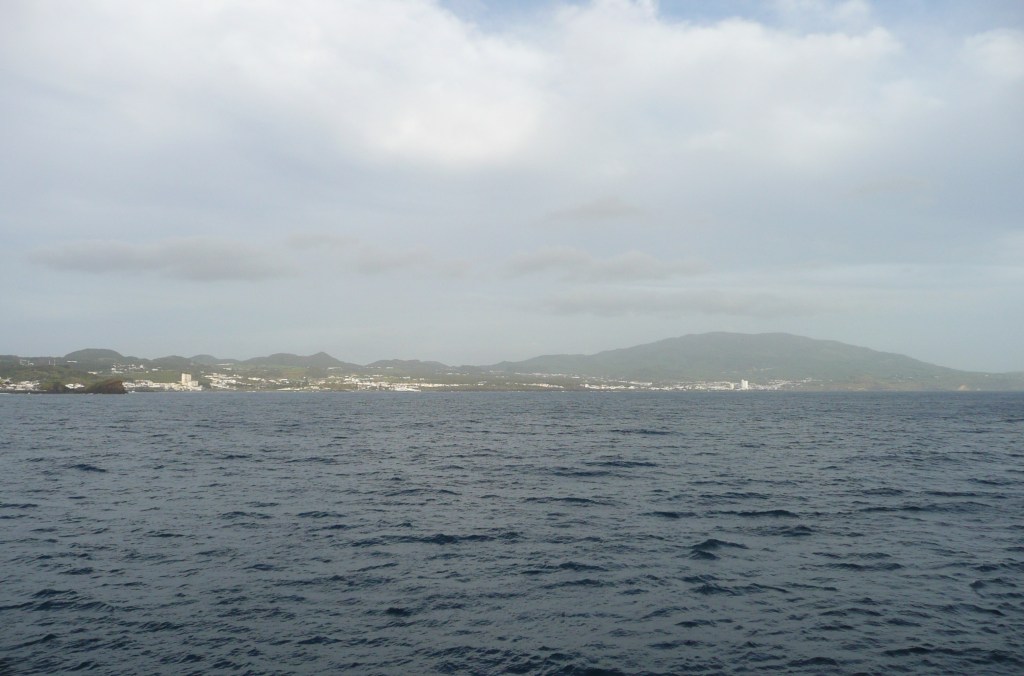
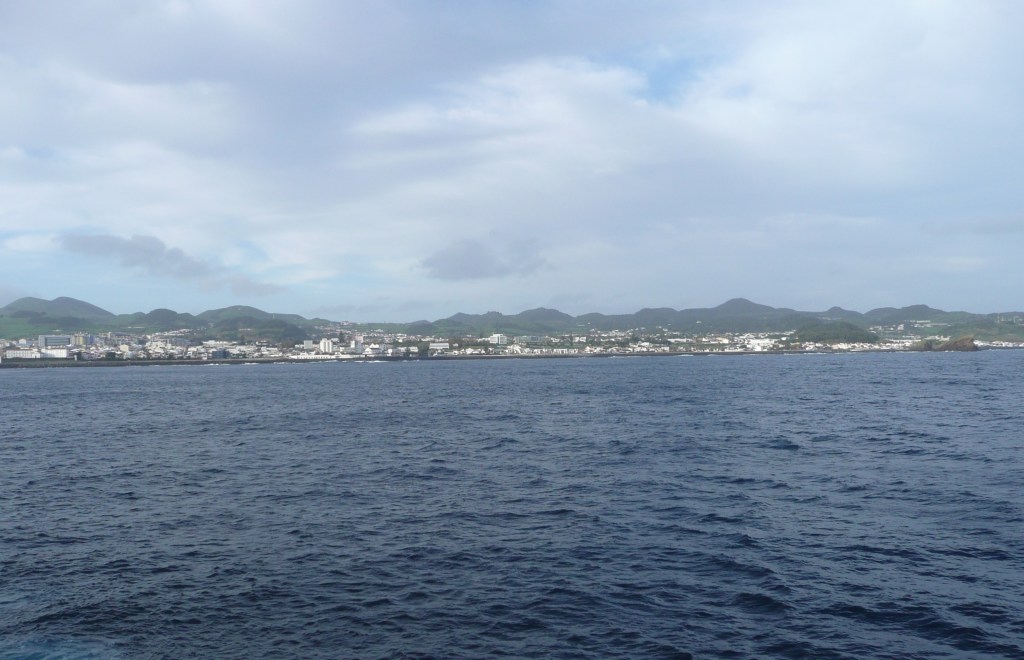
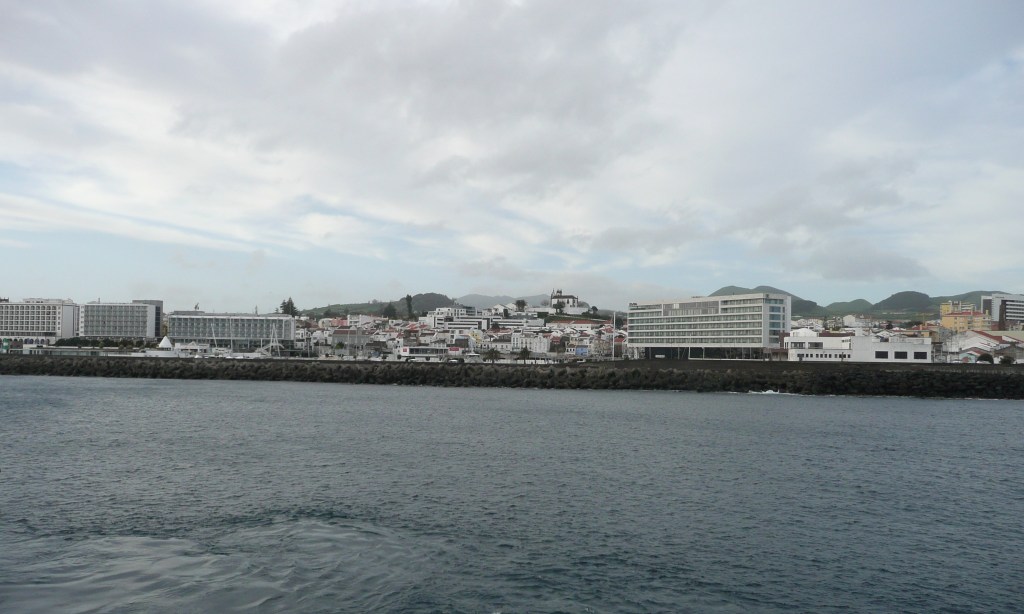
Na południowo-zachodnim krańcu wyspy São Miguel jest stolica Azorów zwana Ponta Delgada, co po portugalsku znaczy „wąski przylądek”. Zeszliśmy na ląd rano, w zimnej mżawce miasto wydawało się ponure, ale było chłodno i wilgotno, czyli dla mnie cudownie.
On the southwestern tip of São Miguel Island lies the capital of the Azores, Ponta Delgada, which means „narrow cape” in Portuguese. We disembarked in the morning, and the city seemed gloomy in the cold drizzle, but it was cool and humid, which, to me, was wonderful.
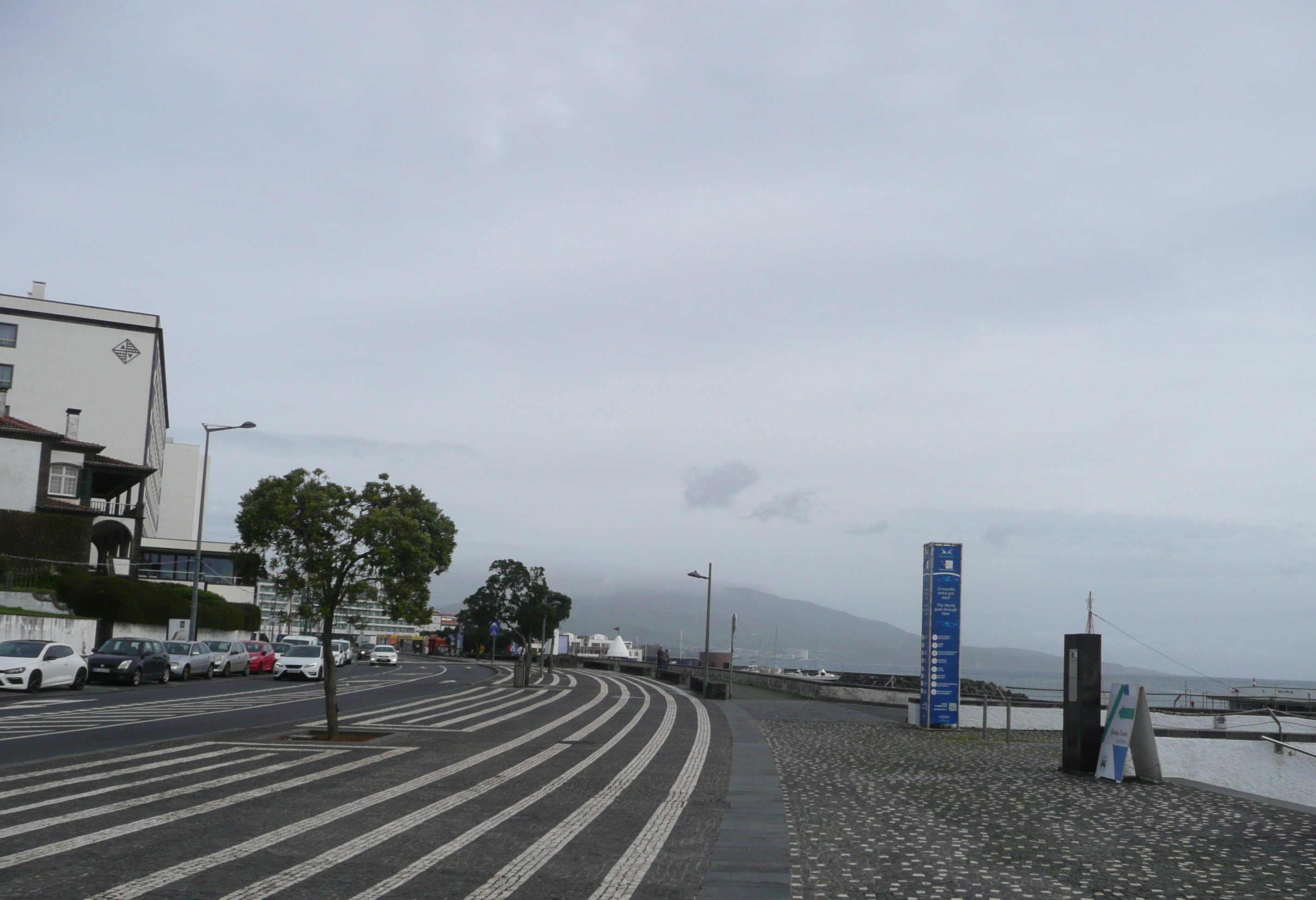
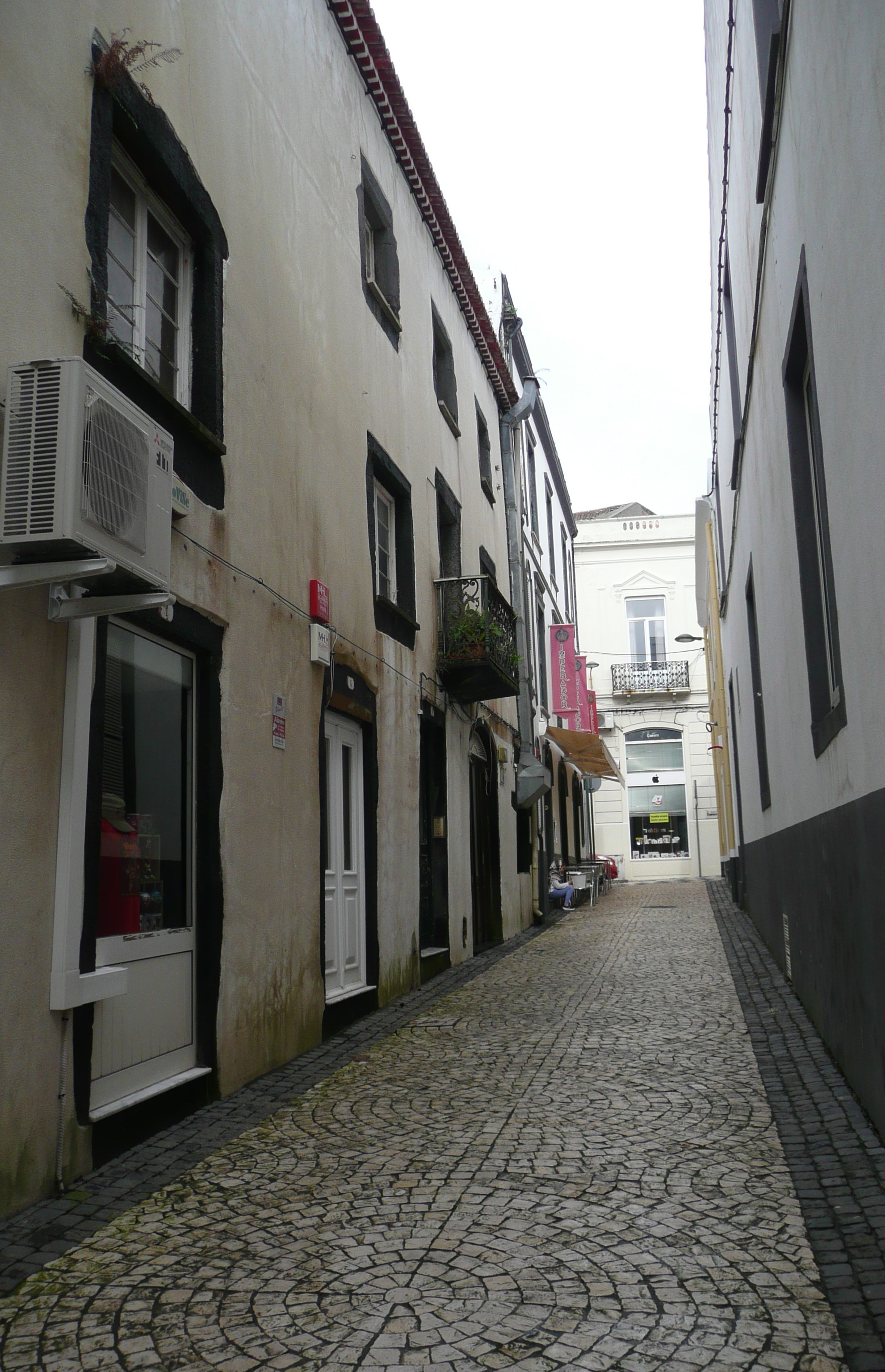
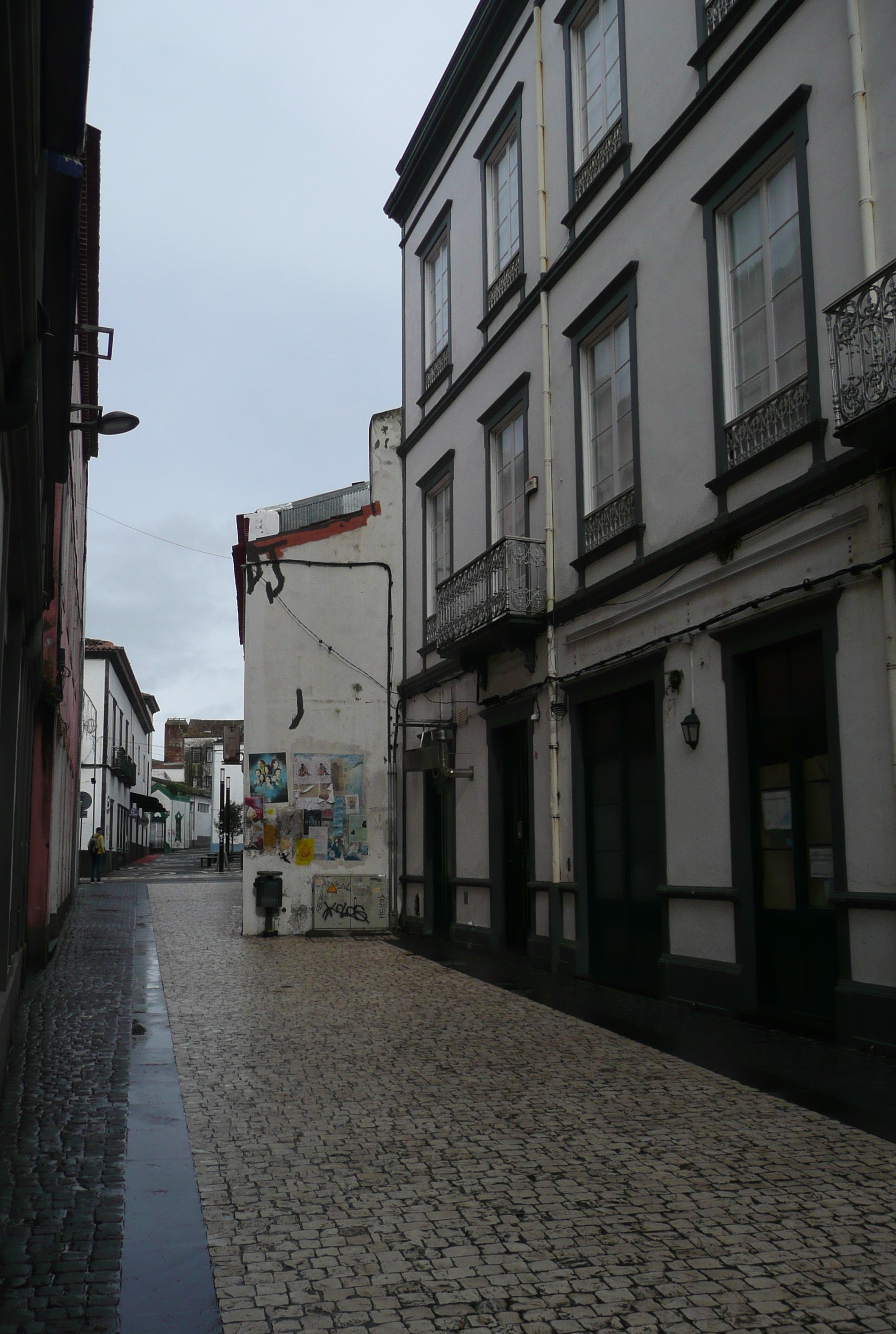
Pięknymi chodnikami ruszyliśmy w stronę domniemanego centrum, mijając po drodze zamknięte sklepy, kawiarnie i restauracje. Uliczki starego miasta były prawie puste, ale zważywszy na wczesną porę nie można było oczekiwać tłumów. Miasto ma około 67 tysięcy mieszkańców, ale widocznie nikomu nie chciało się wychodzić z domu. Jedynym człowiekiem, który przywitał nas osobiście na jednej z ulic był nawalony żul, który okazał się Amerykaninem z Chicago mieszkającym na wyspie od wielu lat.
We set off along the beautiful sidewalks toward the supposed center, passing closed shops, cafes, and restaurants along the way. The streets of the old town were almost empty, but considering the early hour, crowds were unpredictable. The city has a population of about 67,000, but apparently no one wanted to leave their homes. The only person who greeted us in person on one of the streets was a drunken bum who turned out to be an American from Chicago who had lived on the island for many years.
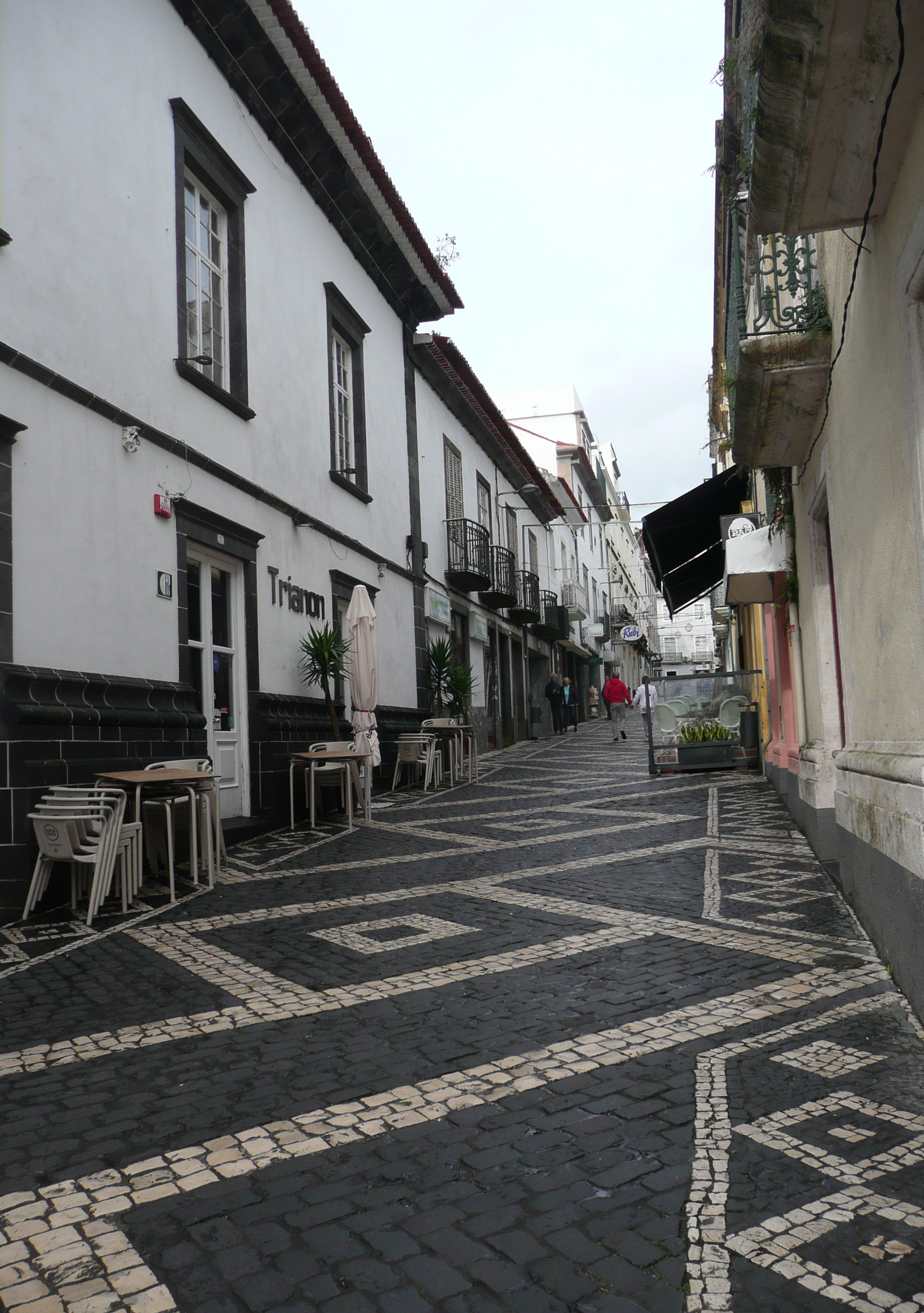
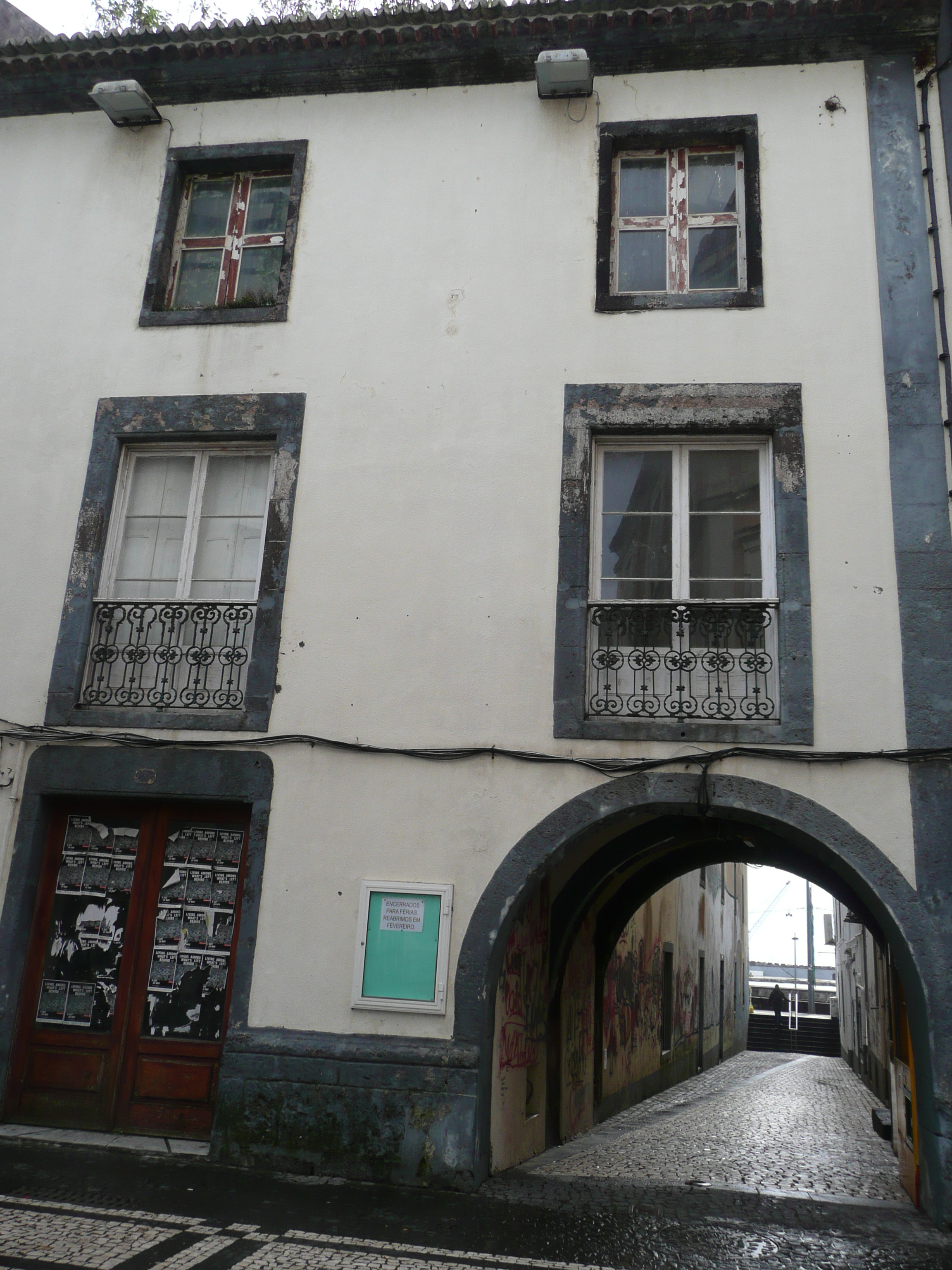
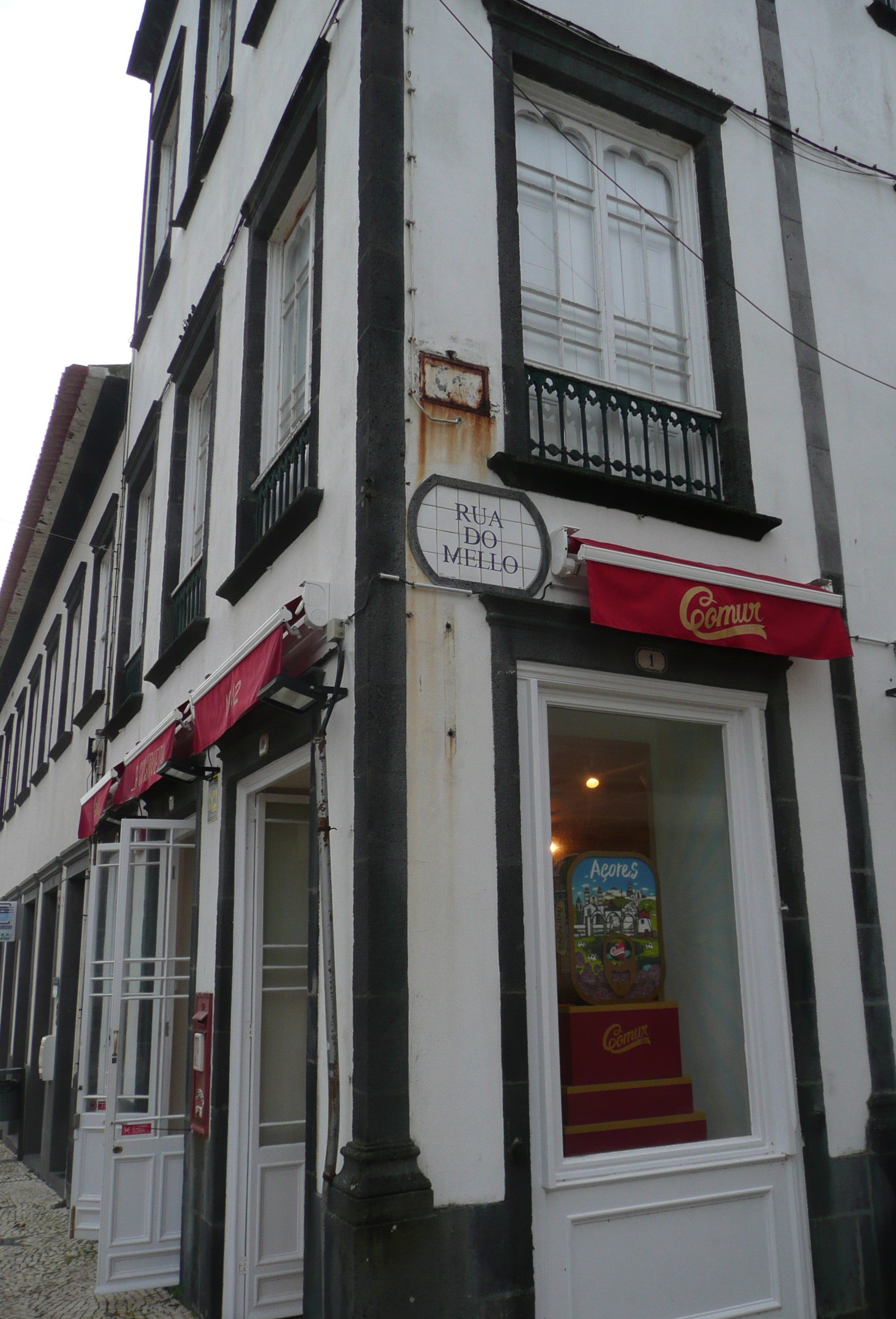
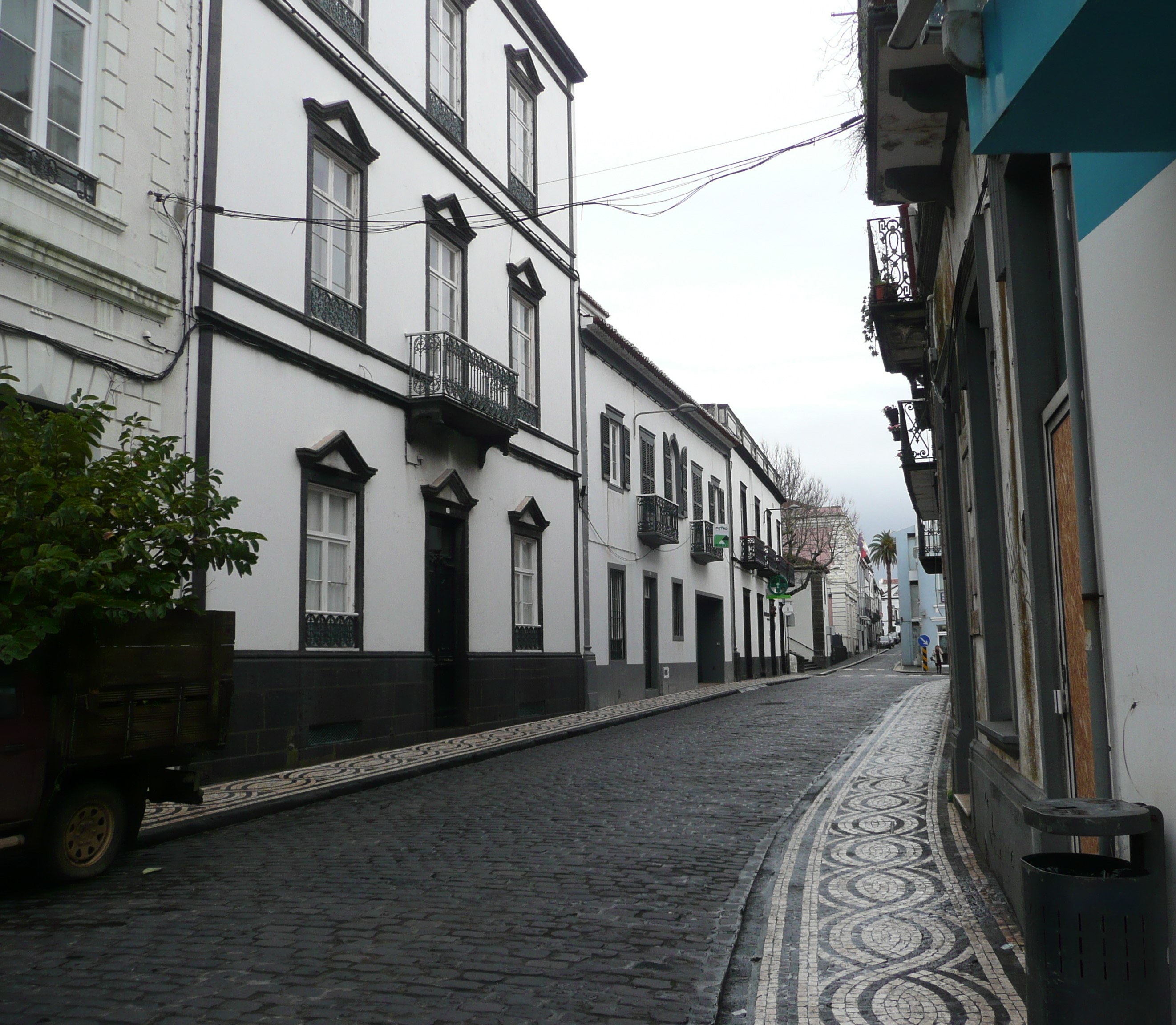
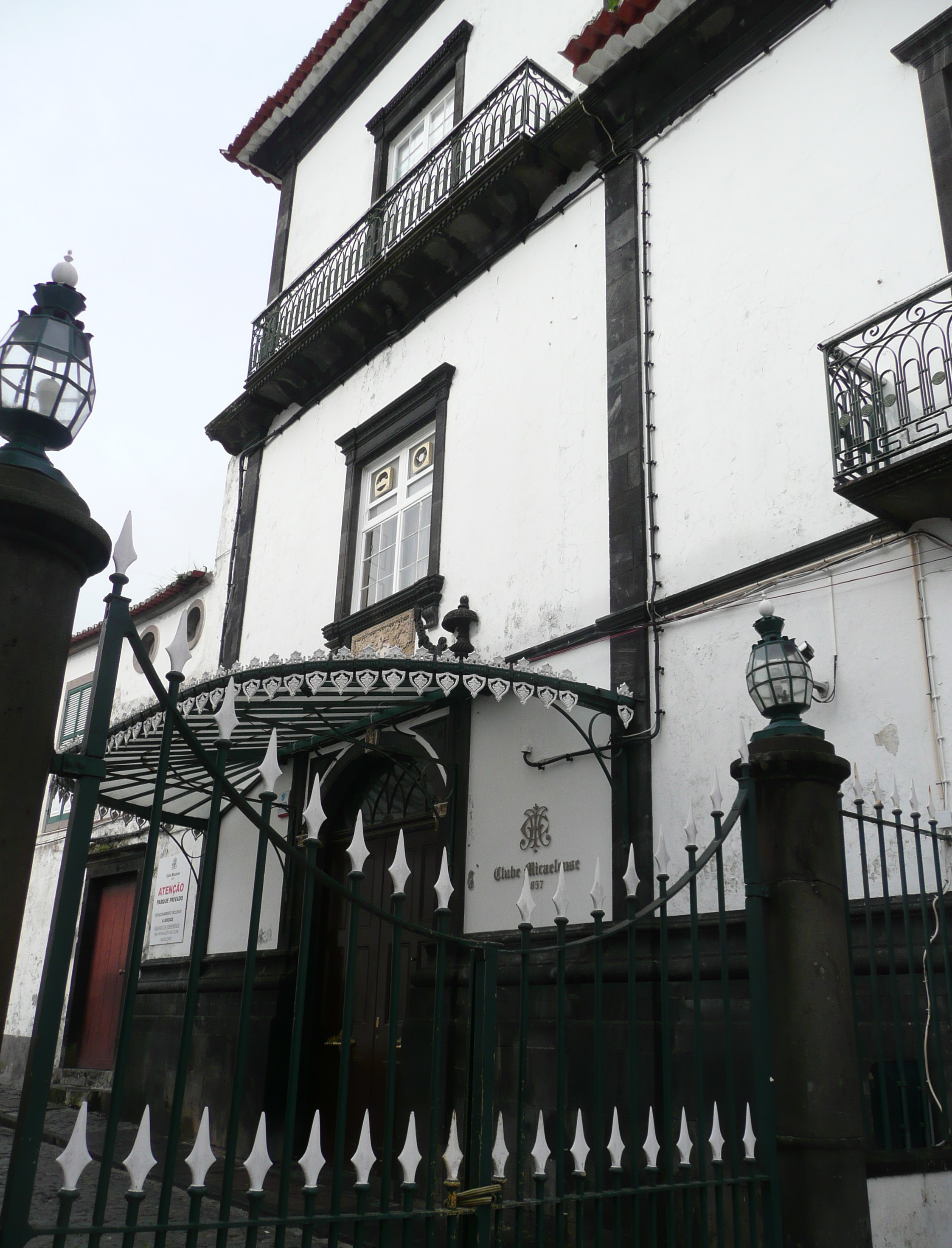
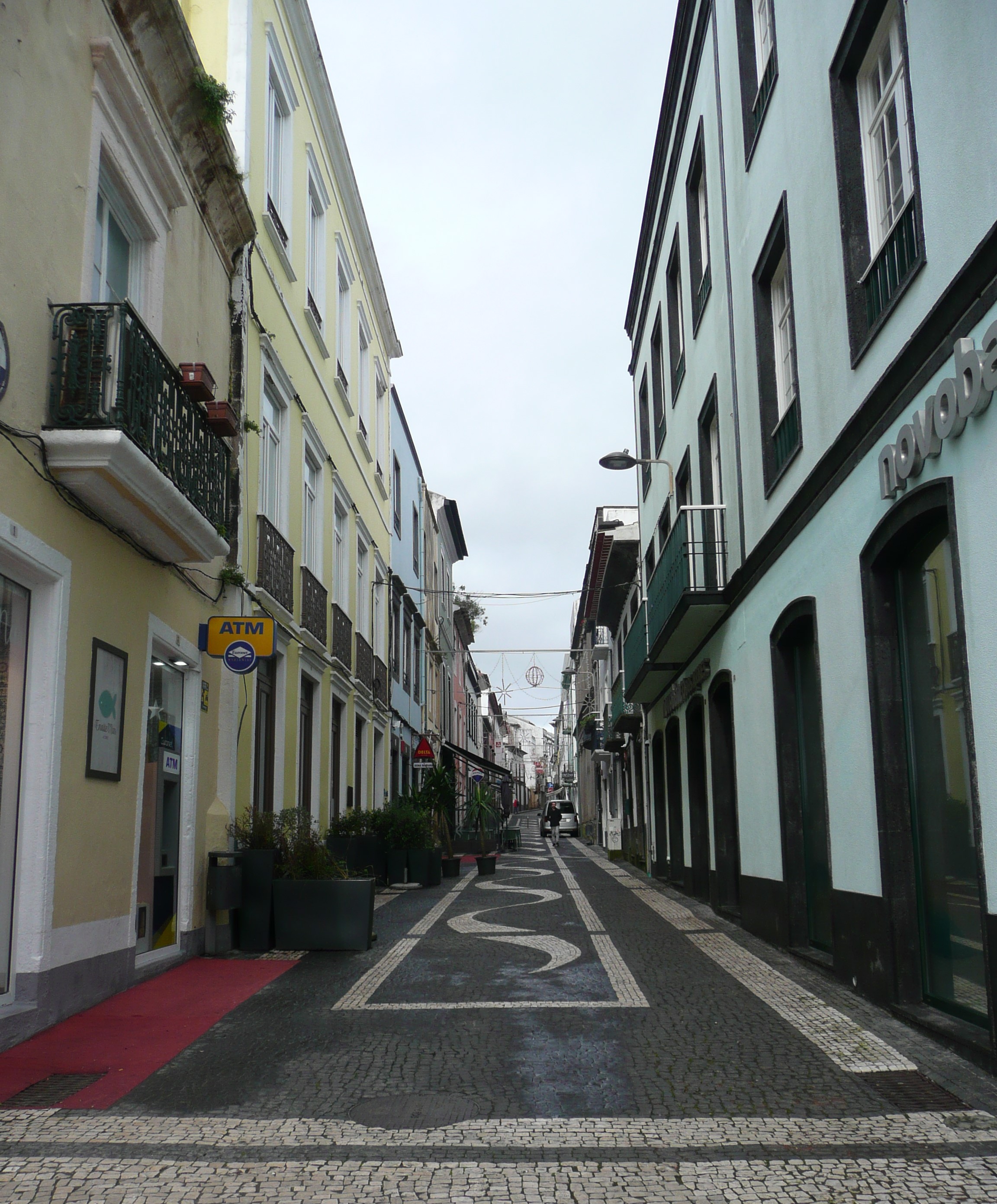
Zbliżaliśmy się do centrum, poznając to po coraz szerszych ulicach i czystszych fasadach domów. Było też więcej ludzi, a niektóre kawiarnie były już otwarte.
As we approached the city center, the streets were getting wider and the facades cleaner. There were more people there, and some cafes were already open.
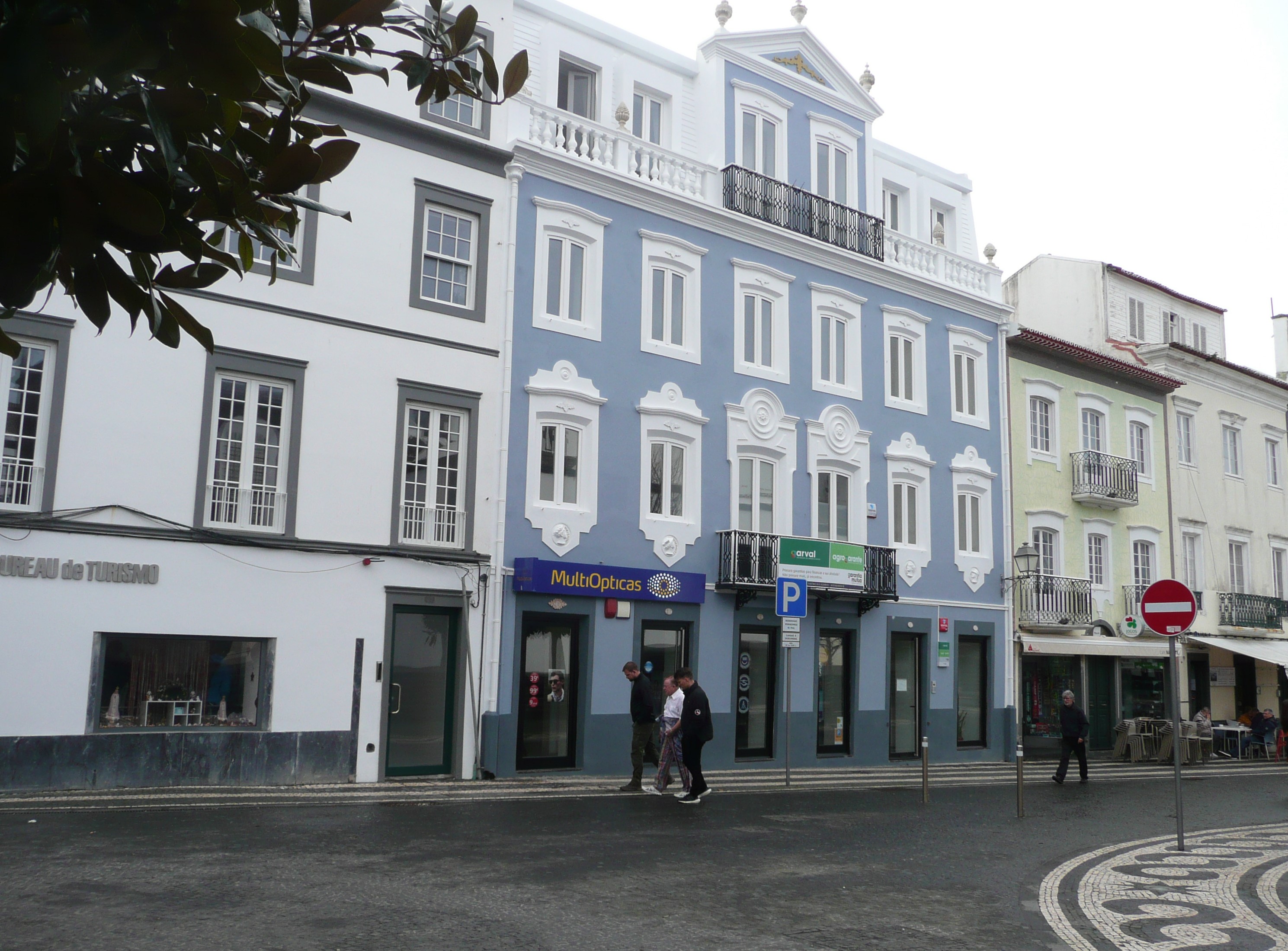
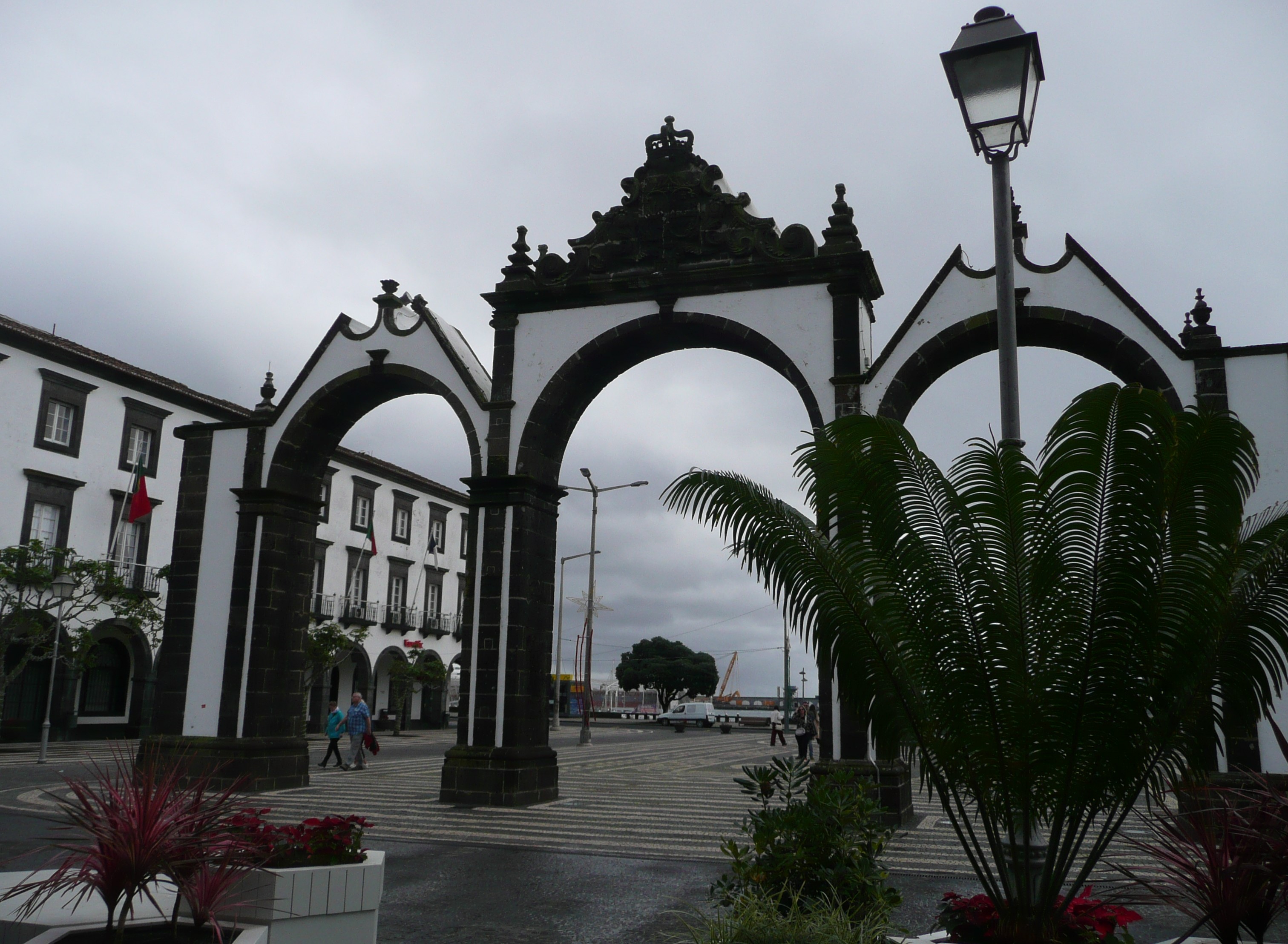
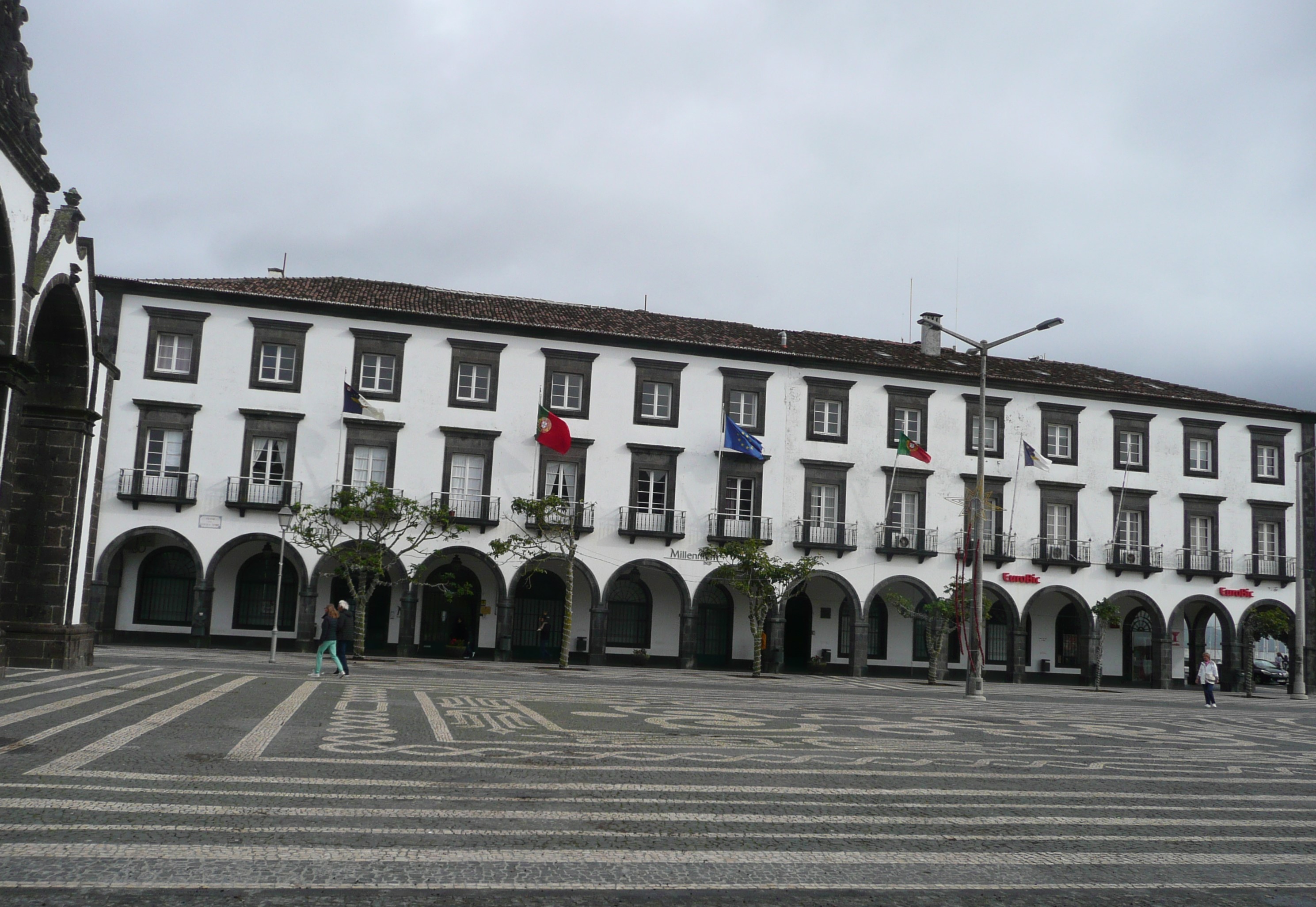
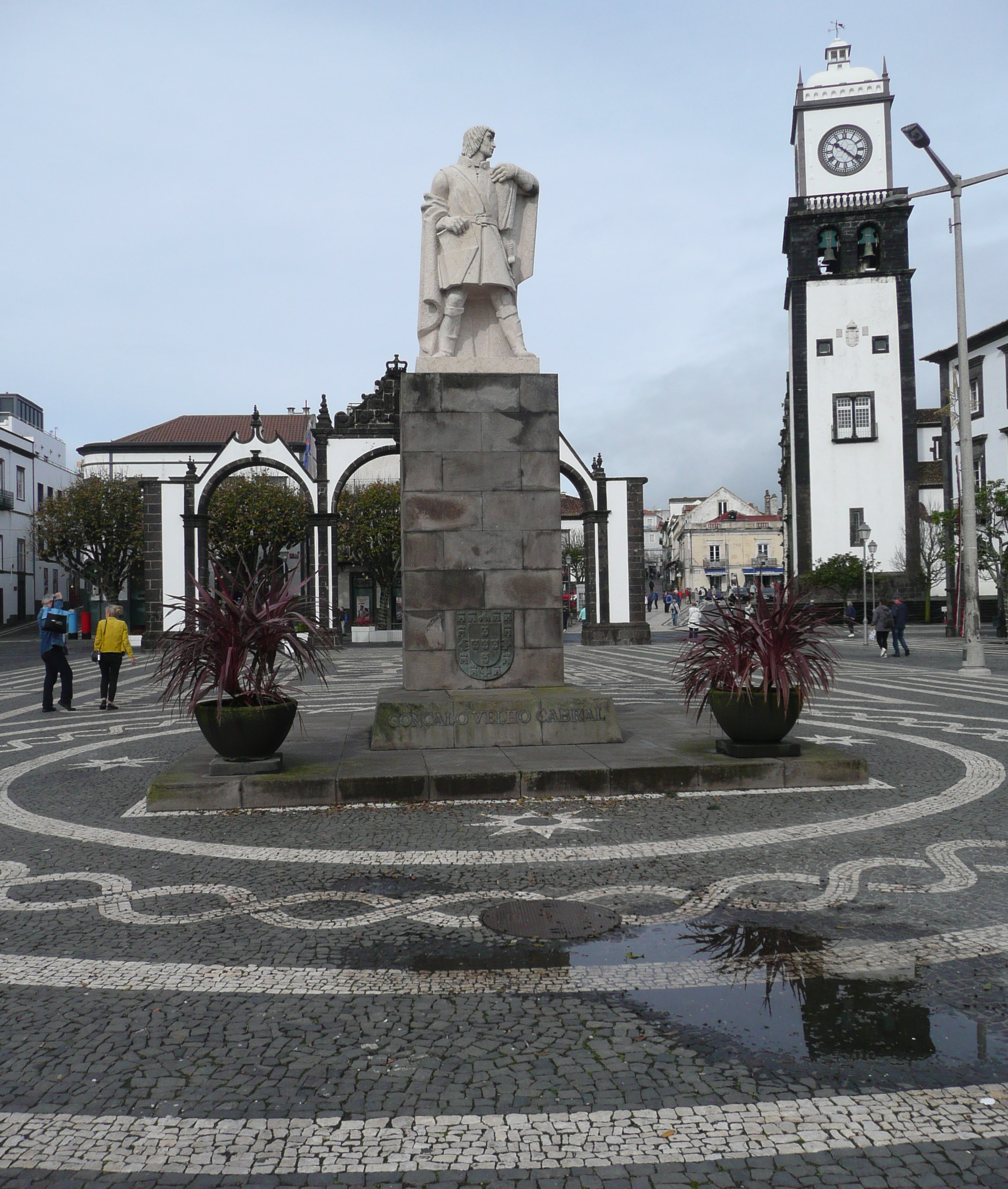
No i wreszcie trafiliśmy na główny plac miasta, ten z kościołem i innymi okazałymi budynkami, które są fotografowane przez każdego turystę.
And finally we reached the main square of the city, the one with the church and other impressive buildings that are photographed by every tourist.
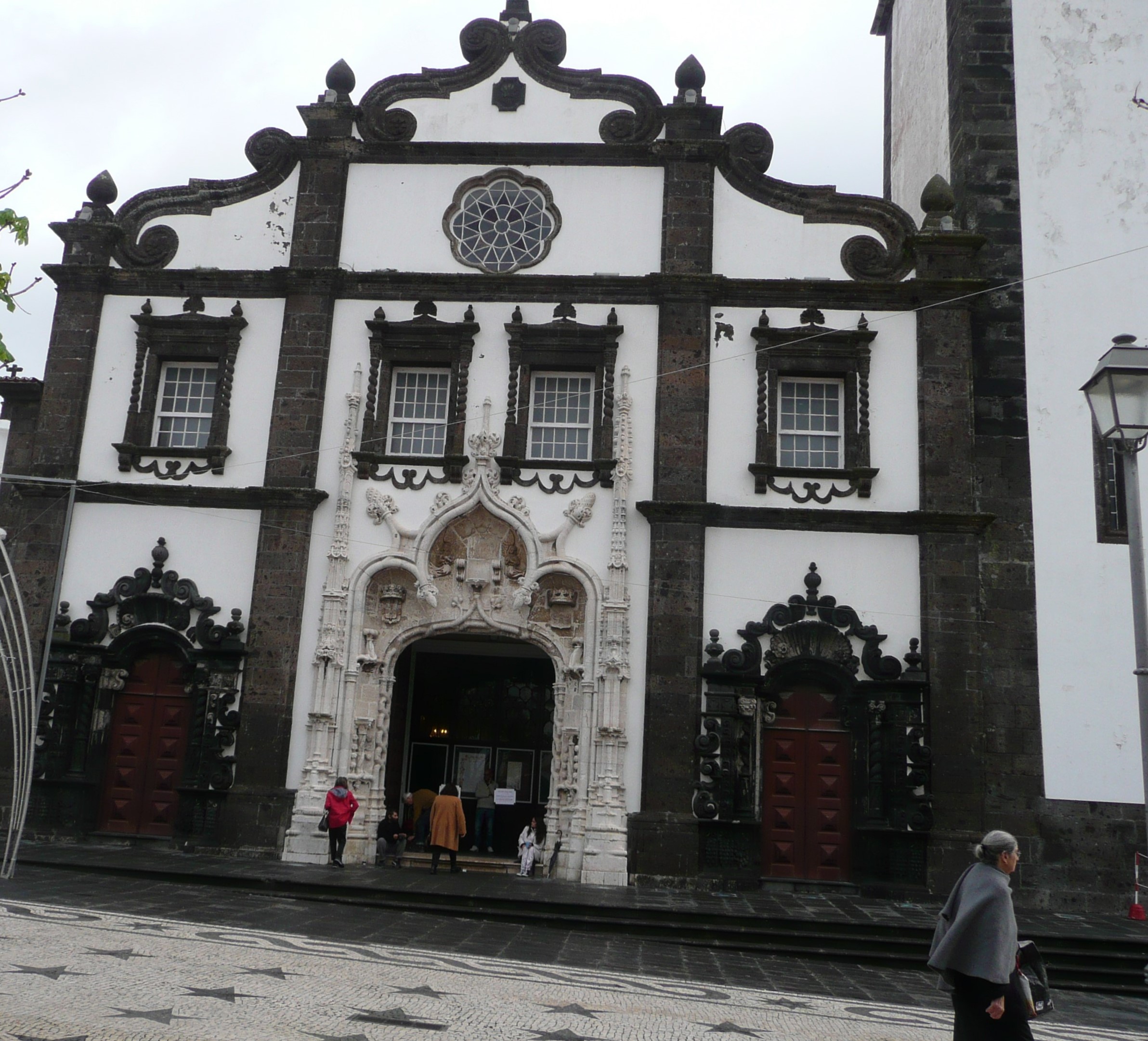
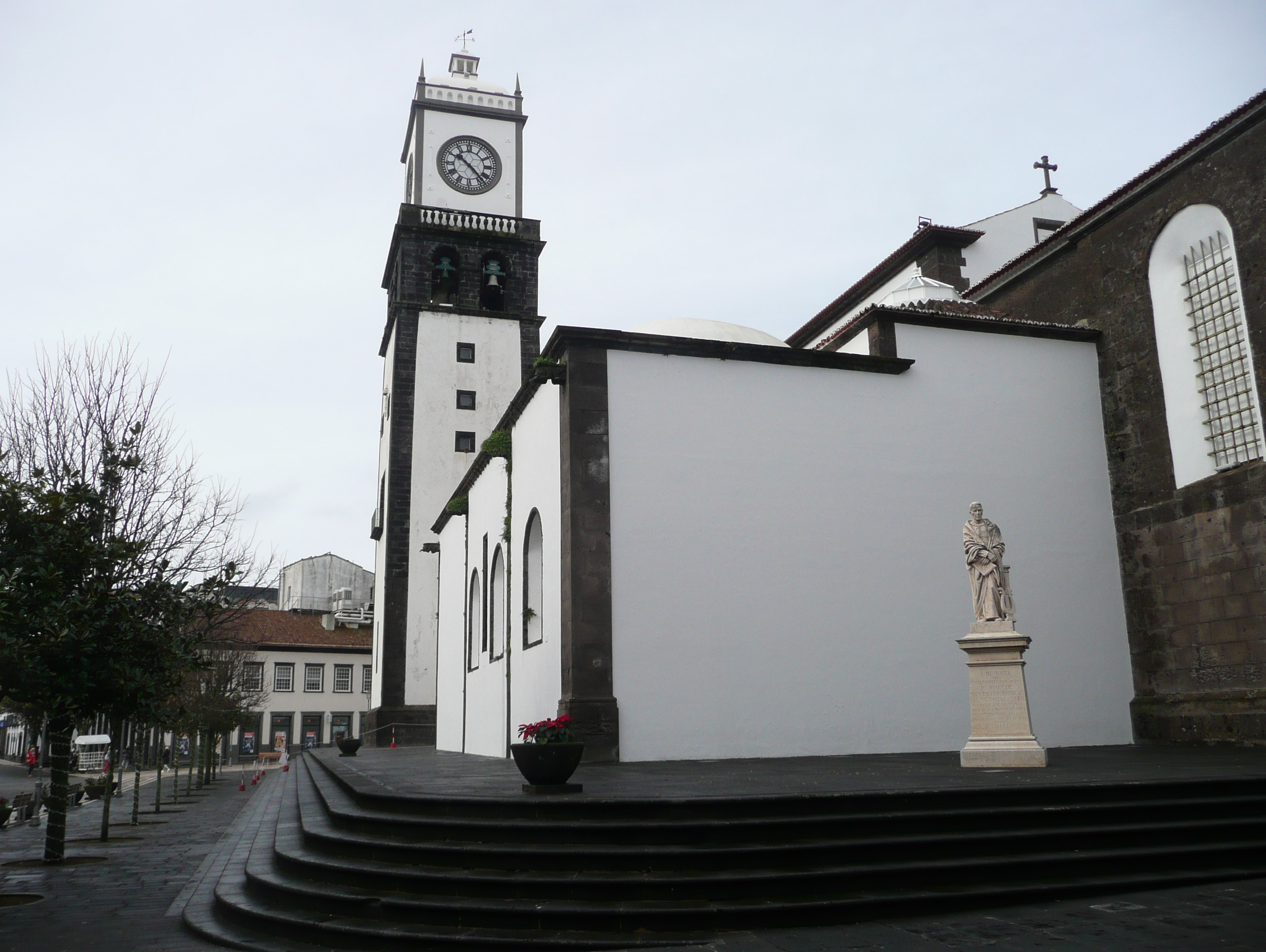
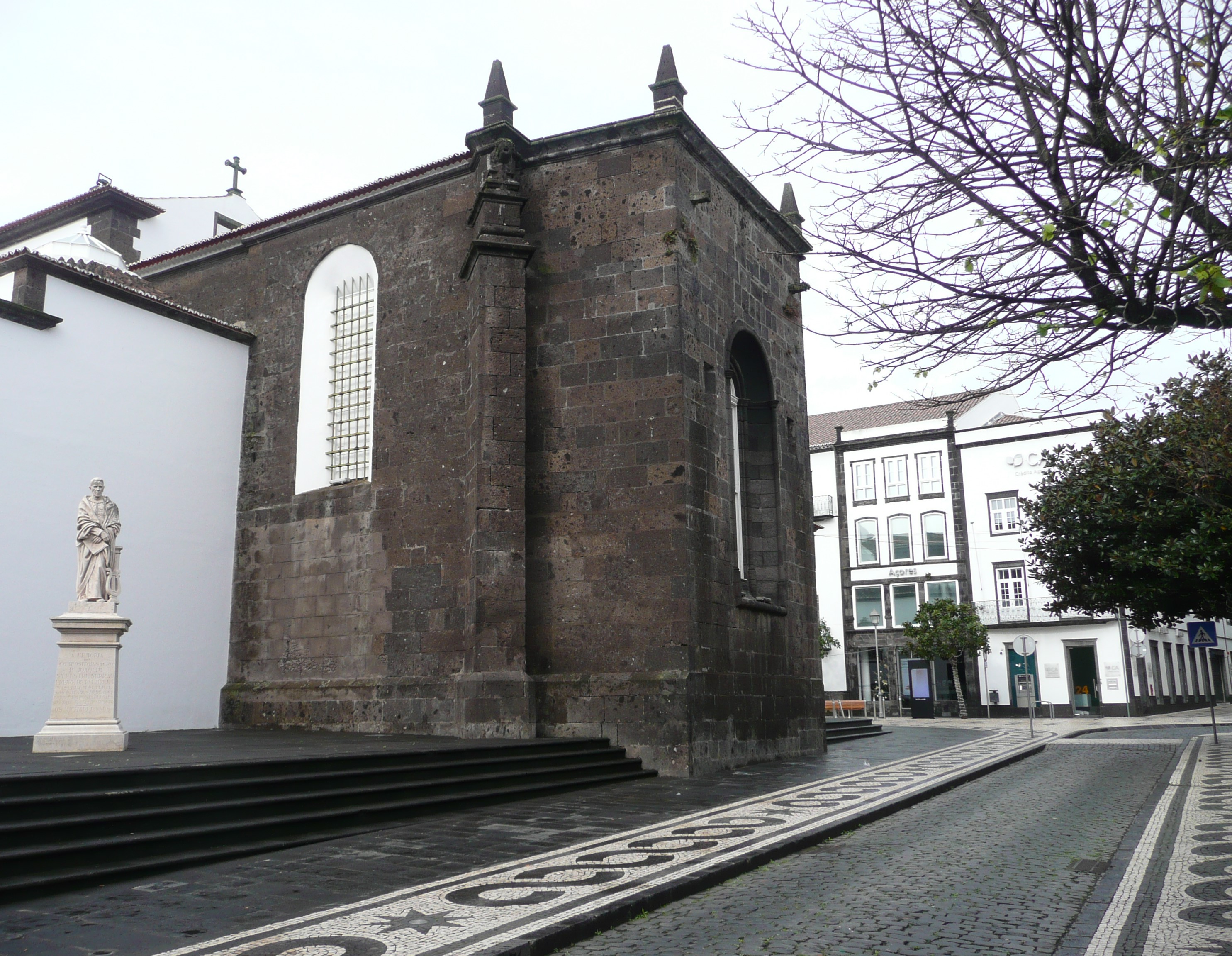
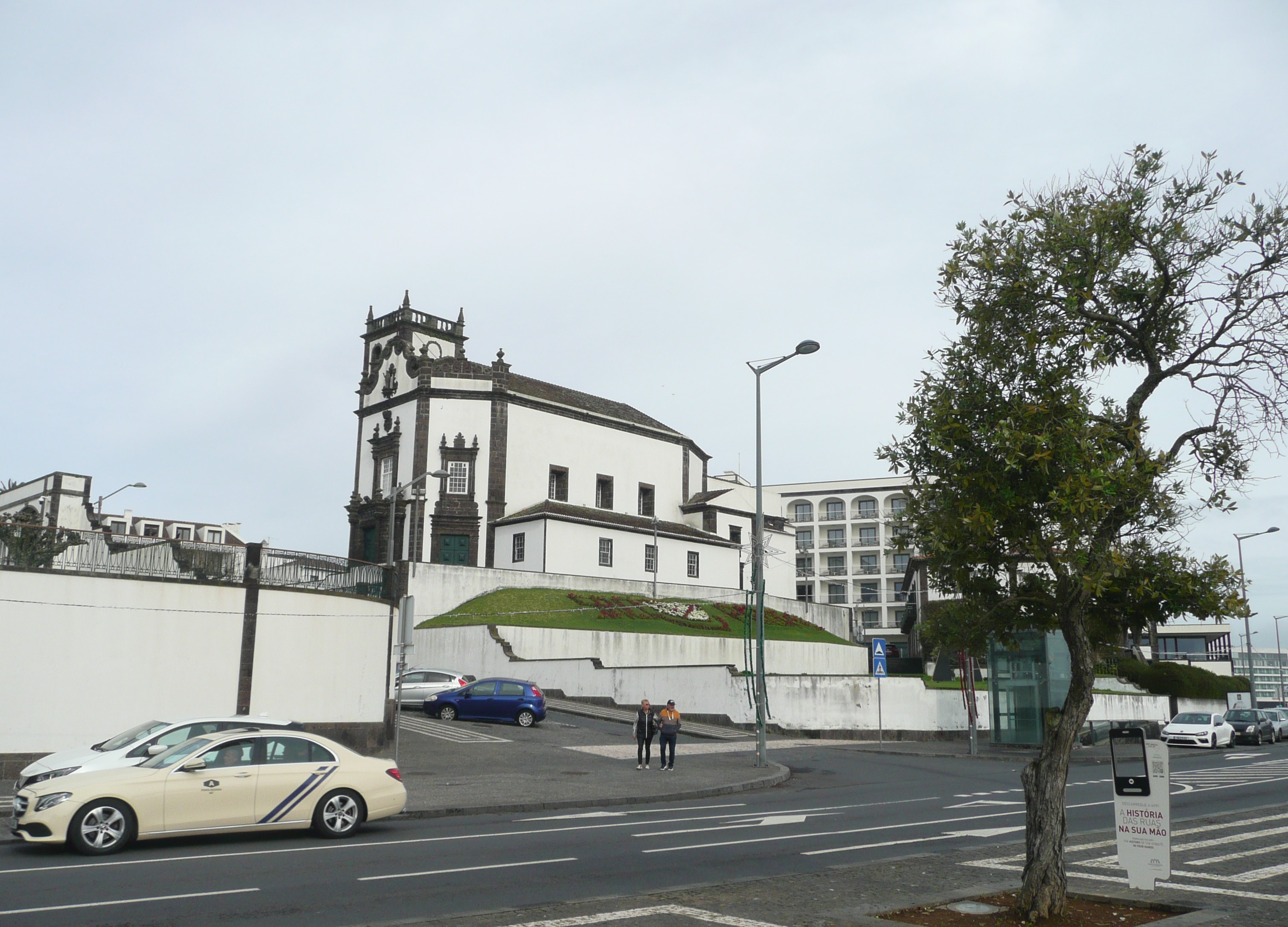
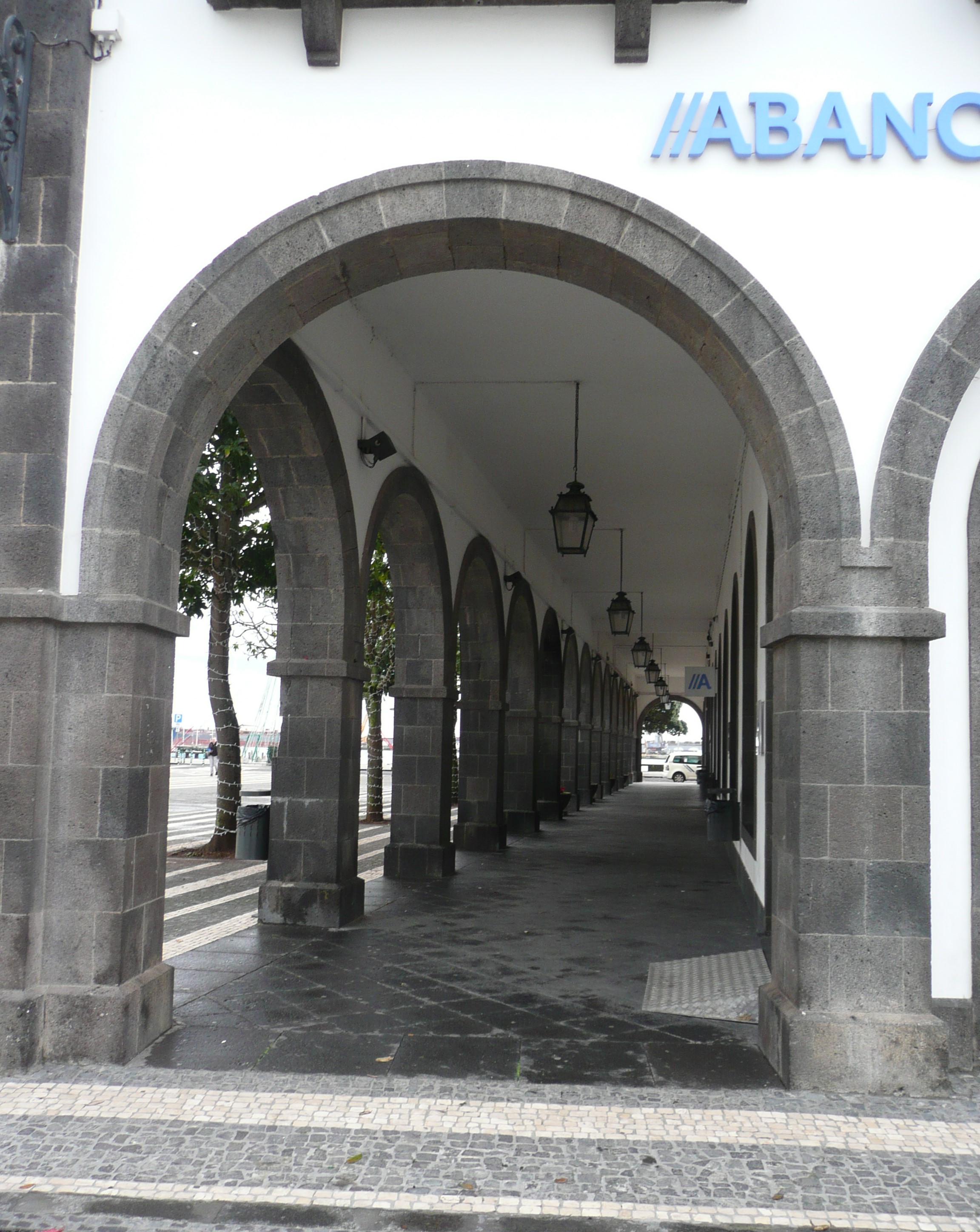
Powyżej: kościół z trzech stron, poniżej: główny plac miasta, czyli Portas da Cidade, z widokiem na ocean i z budynkiem władz, siedzibą banków i pomnikiem kapitana Donatário Gonçalo Velho Cabral, który zmarł około 1460 roku. No i przestało padać.
Above: the church on three sides, below: the city’s main square, Portas da Cidade, overlooking the ocean and featuring the government building, the bank headquarters, and the monument to Captain Donatário Gonçalo Velho Cabral, who died around 1460. And then it stopped raining.
 distantcruise