Inverness – Inbhir Nis

Inverness

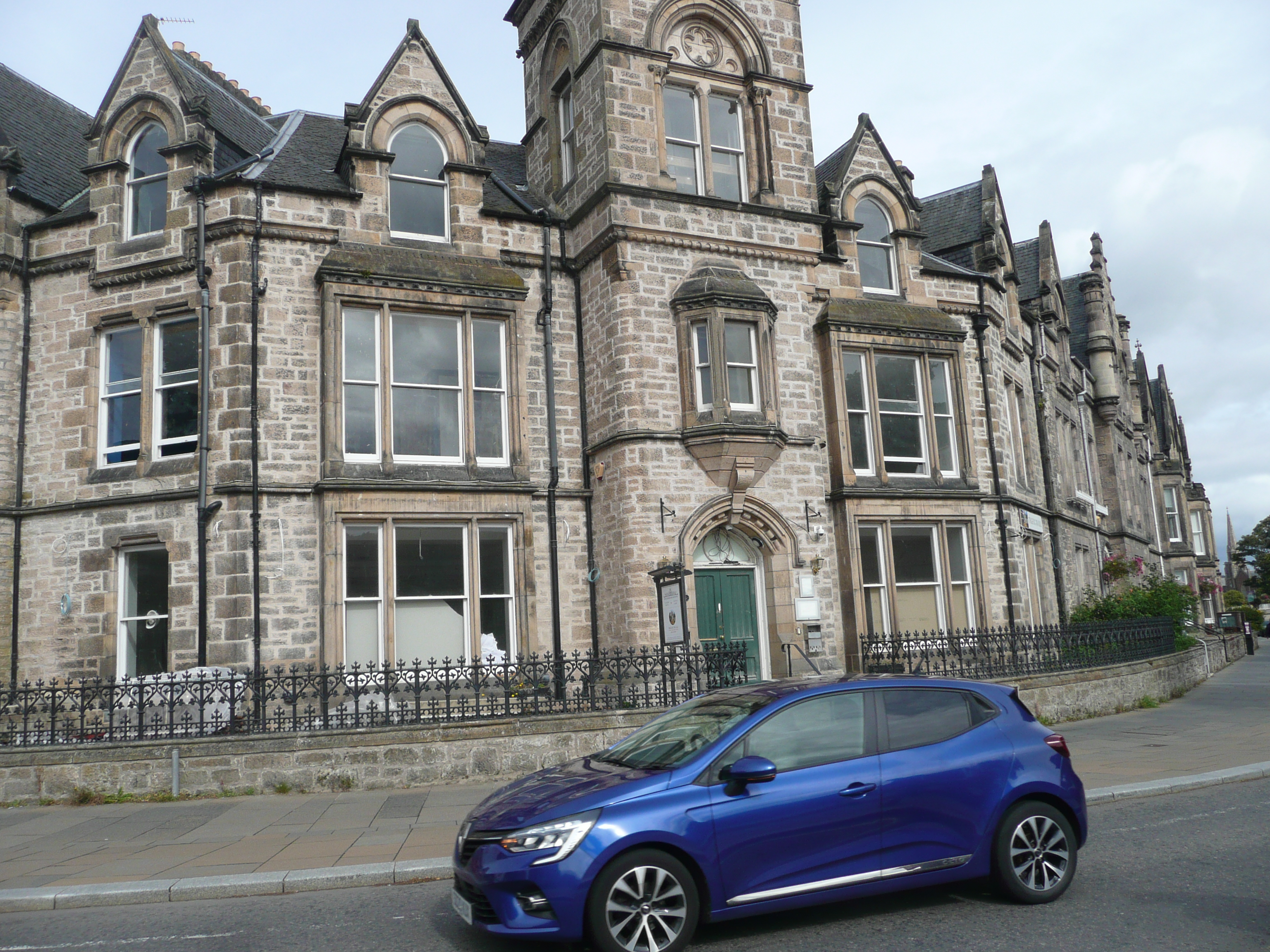
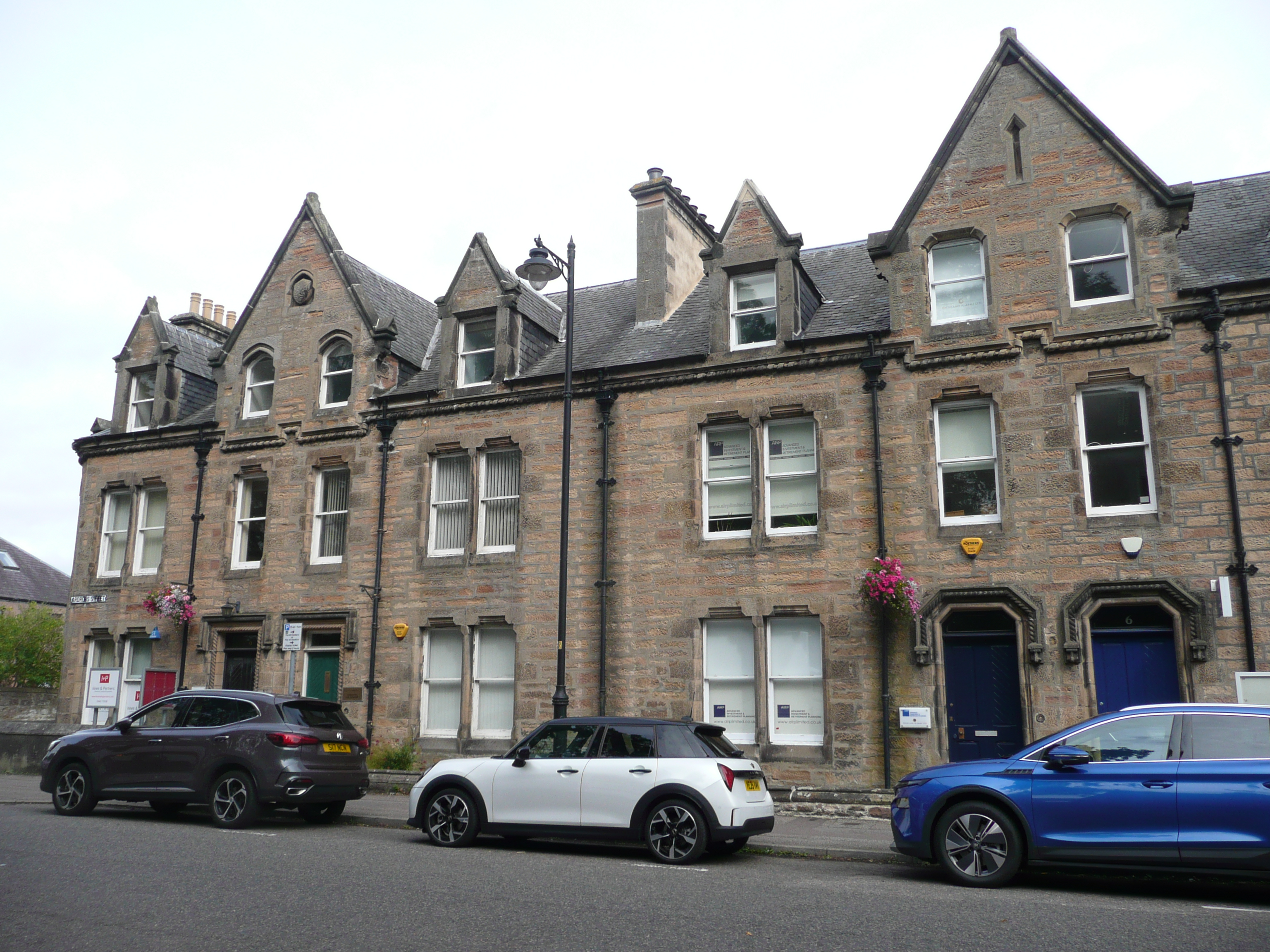
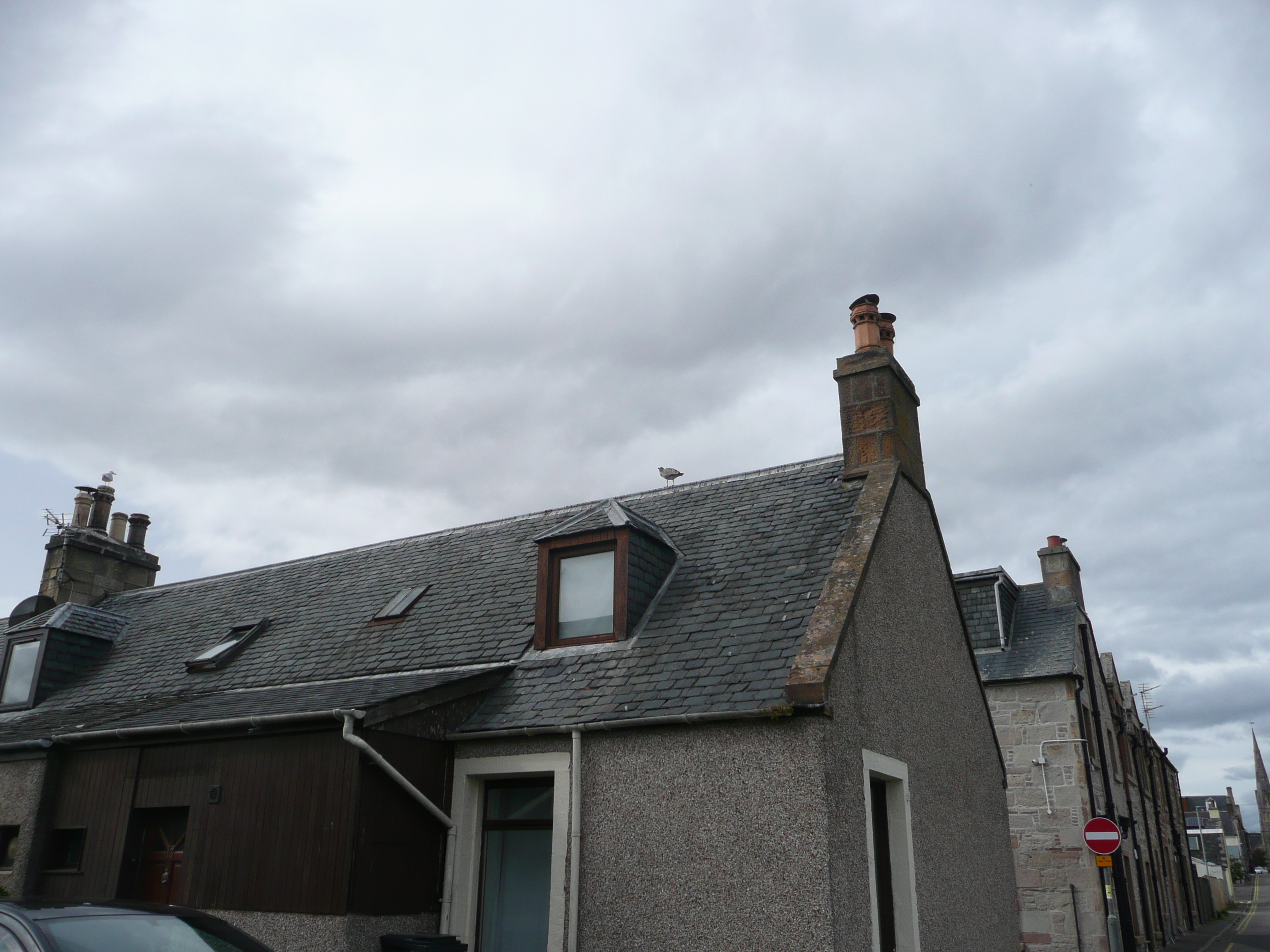
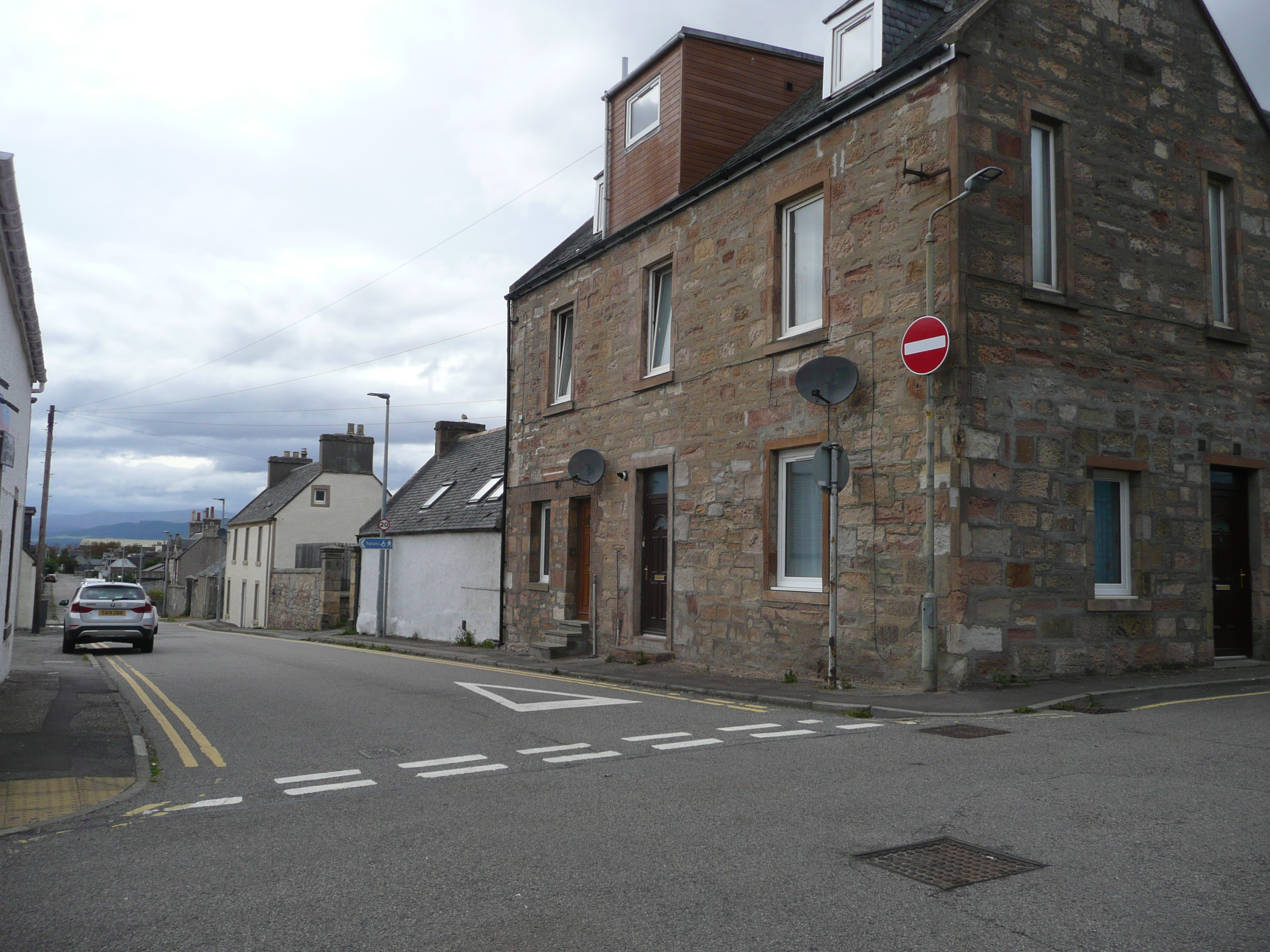
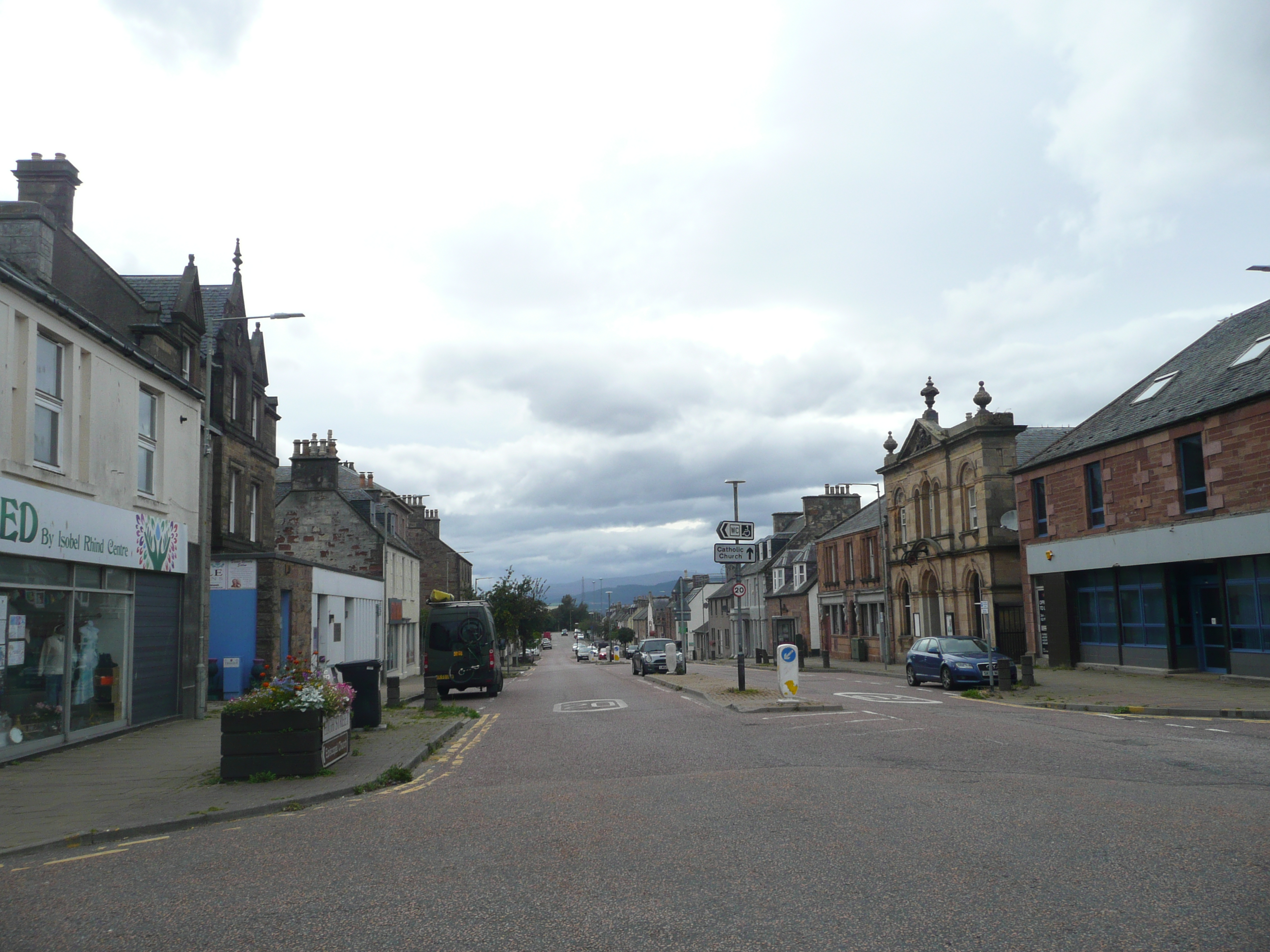
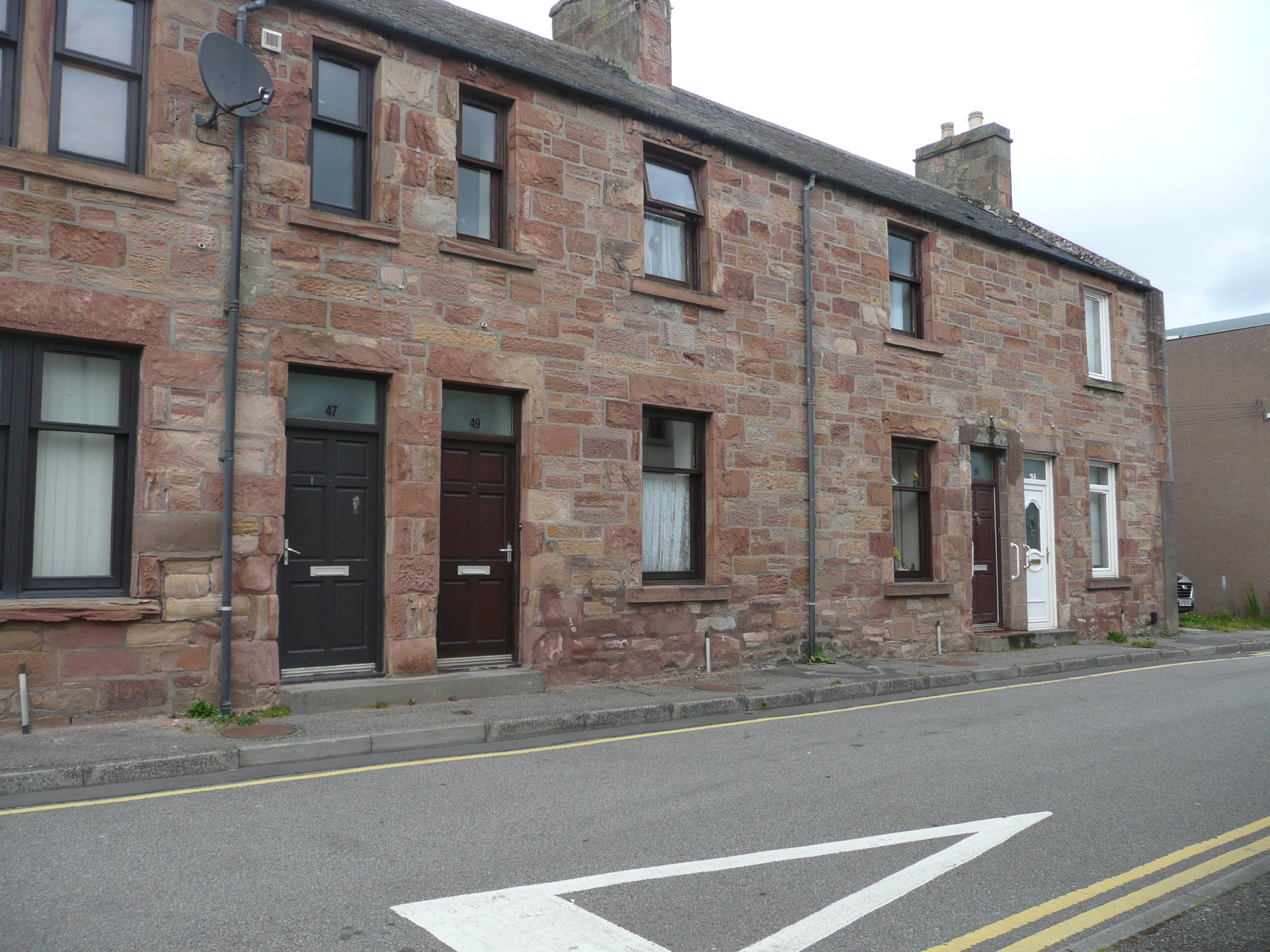
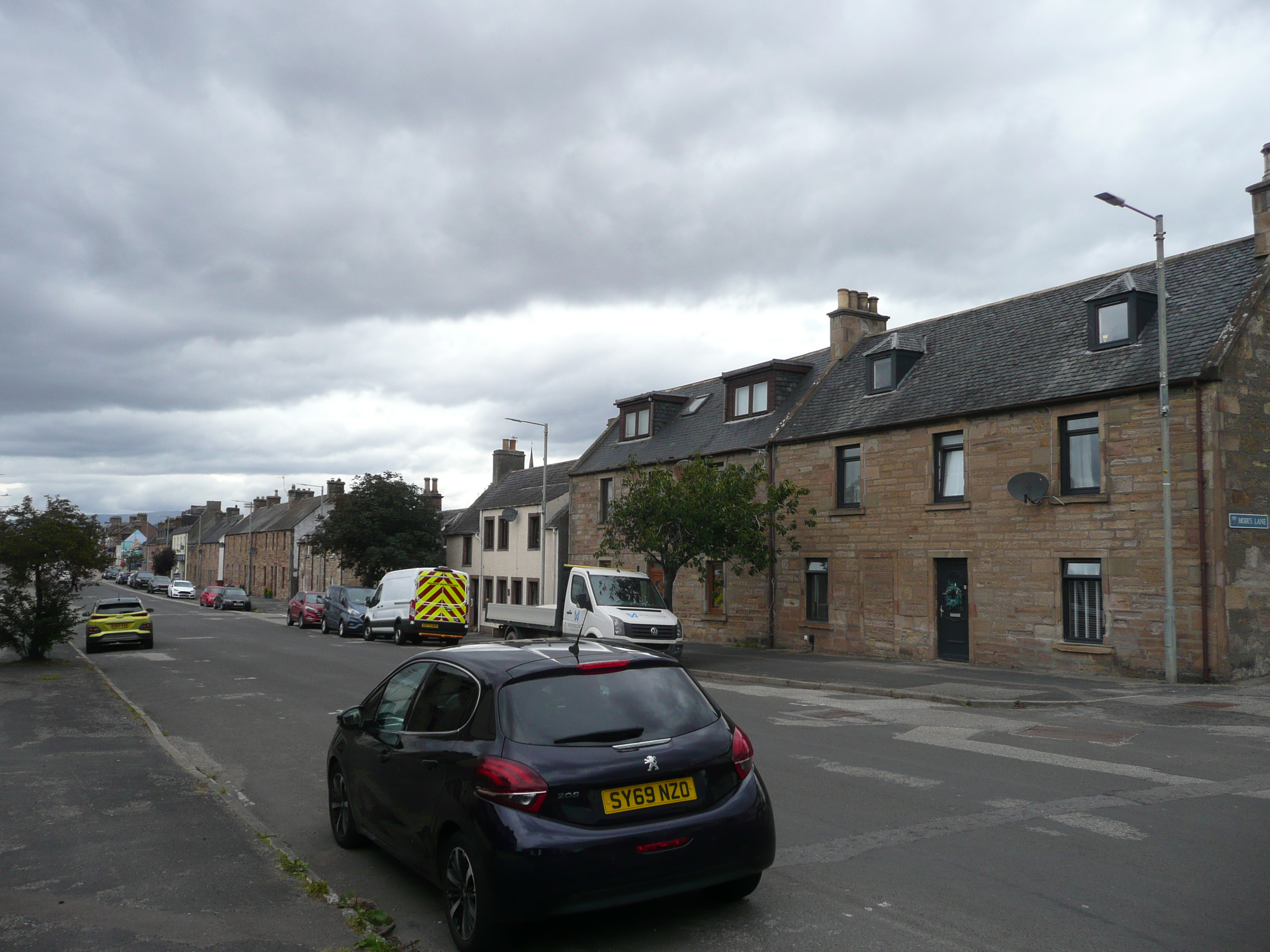
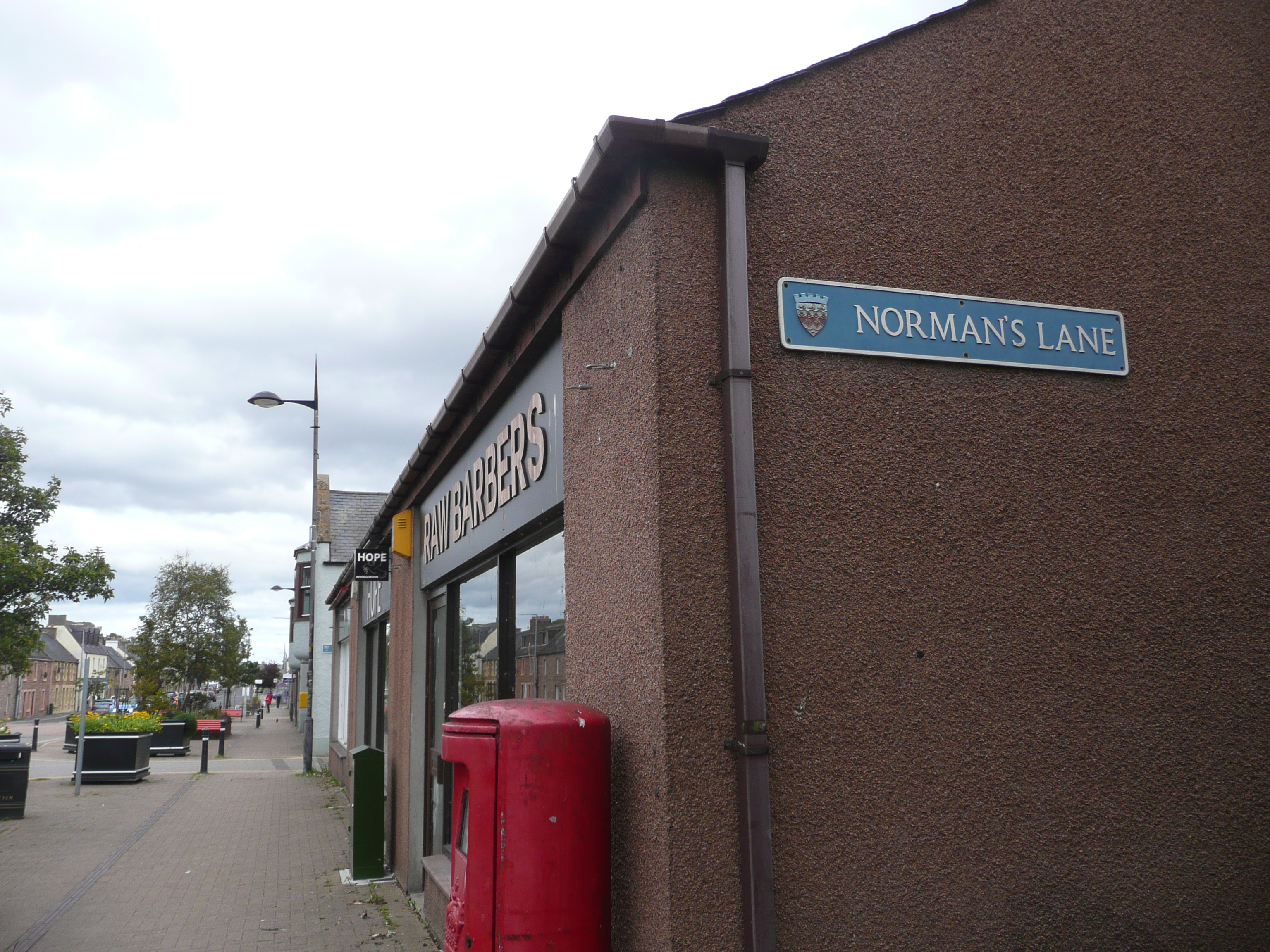
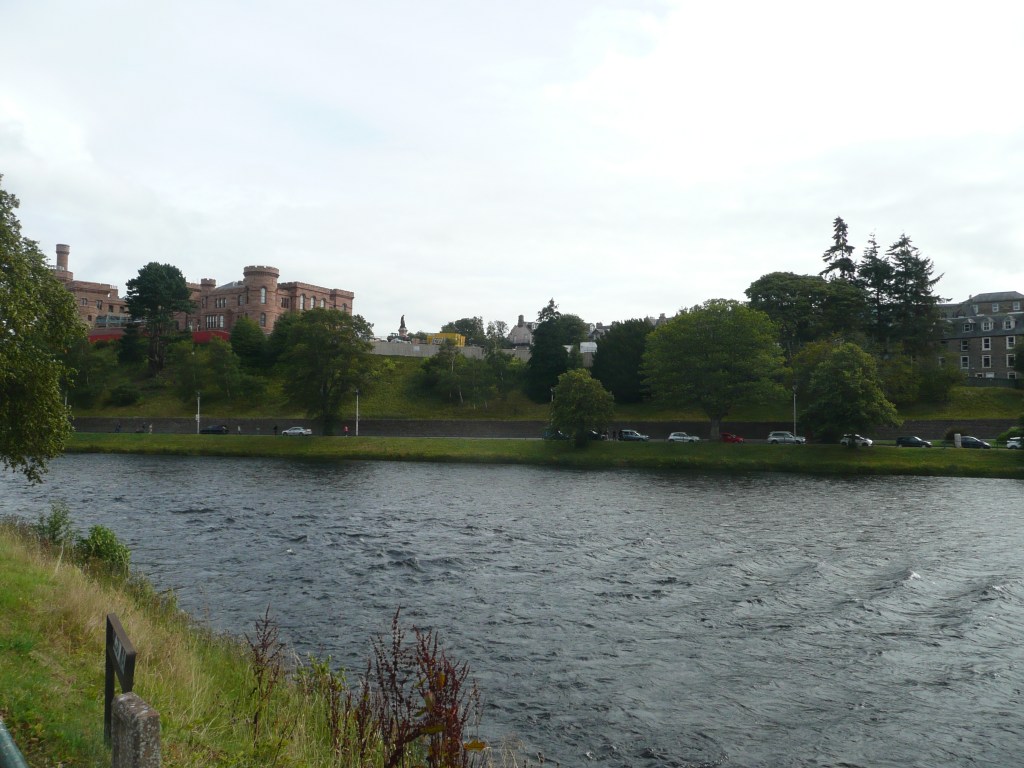
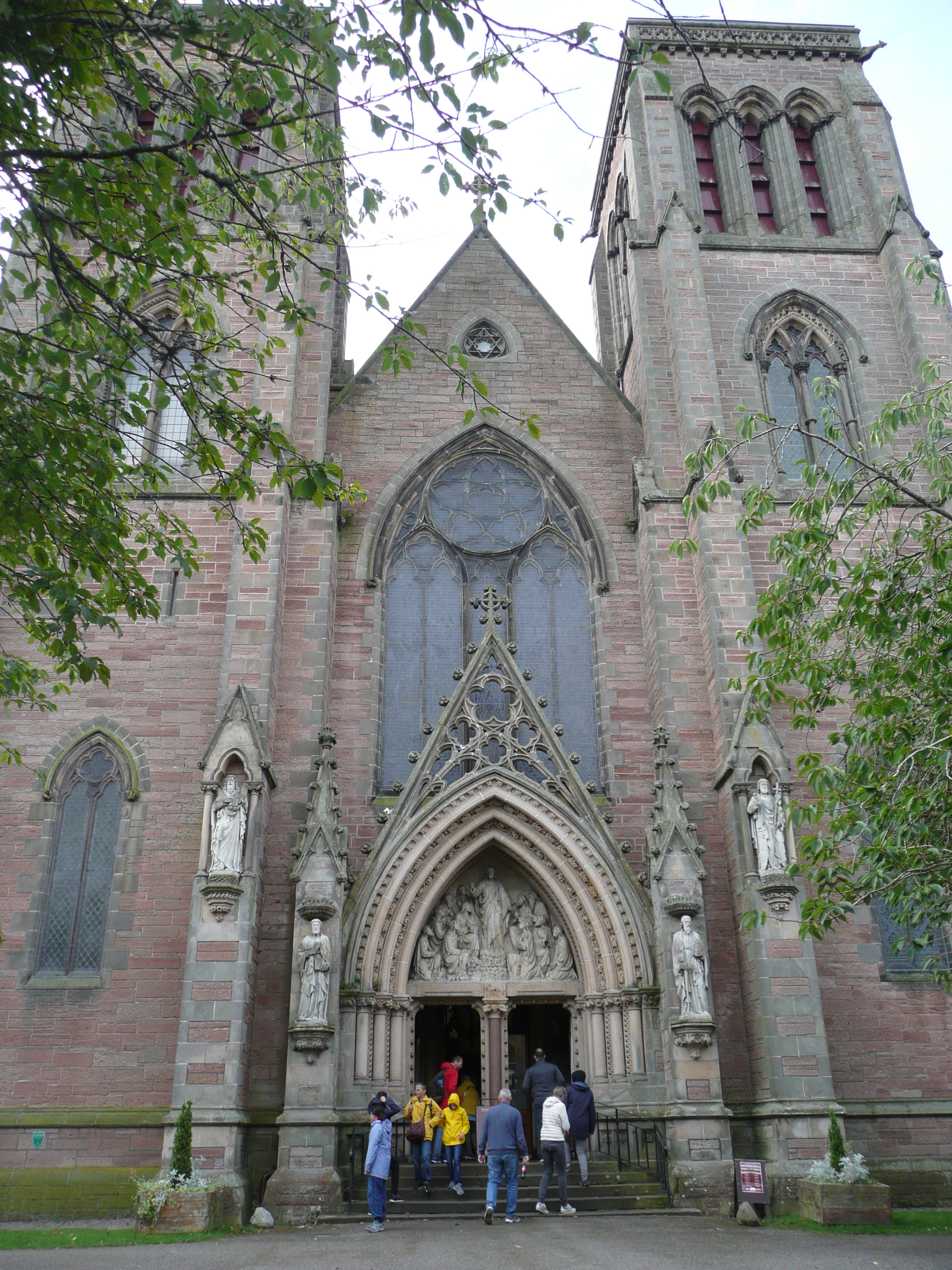
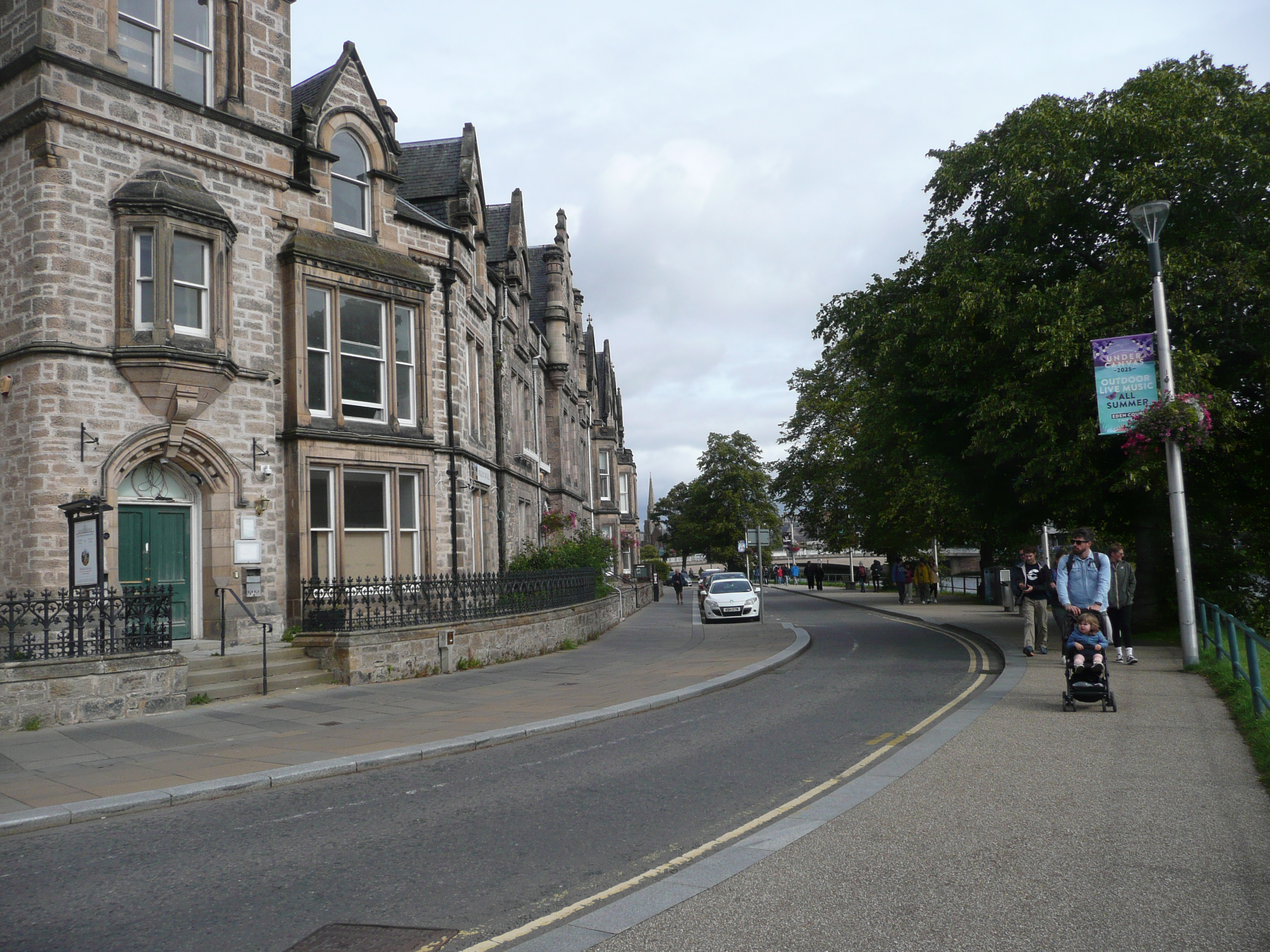
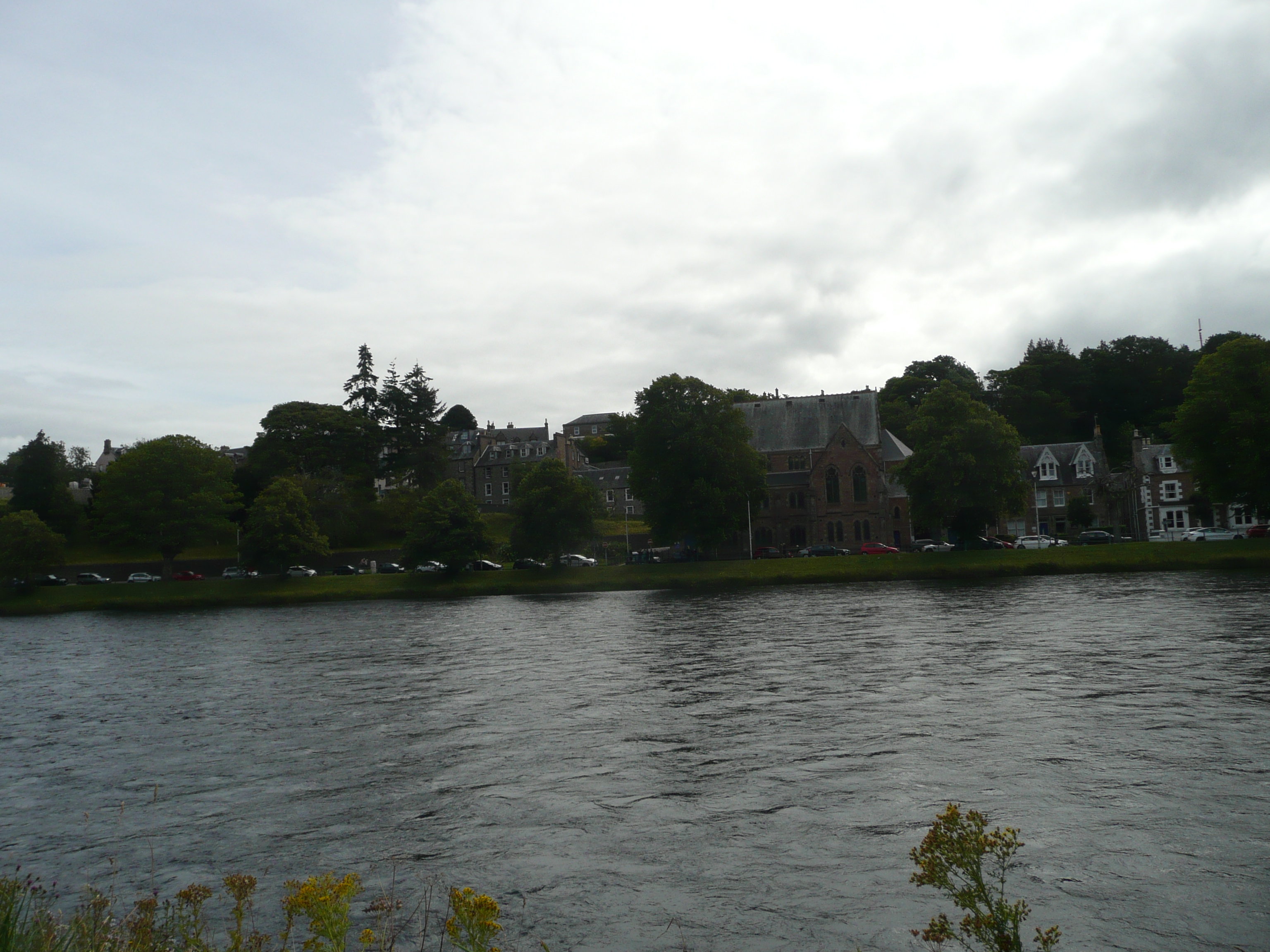
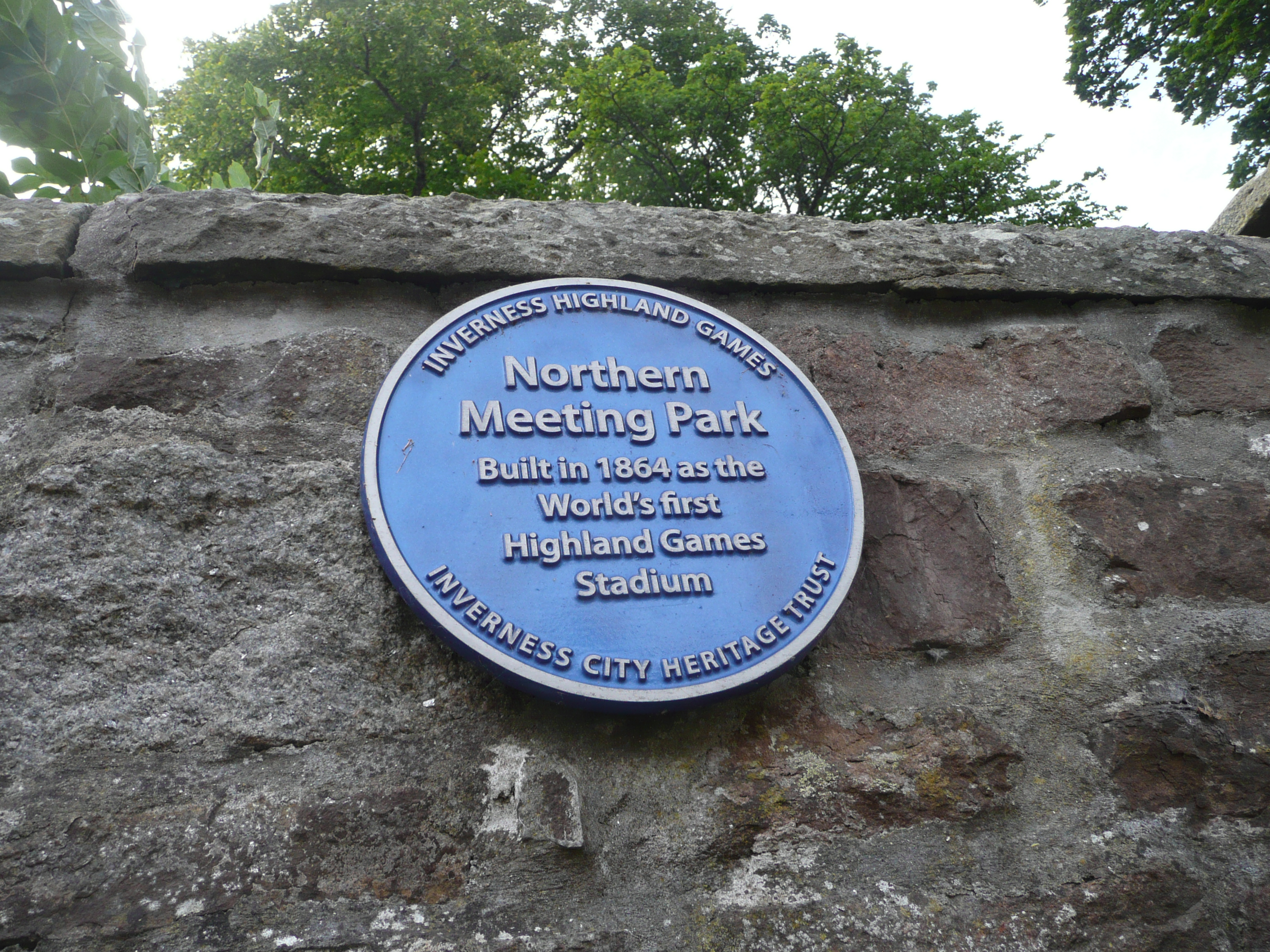
Przyjechaliśmy do Inverness wcześnie rano, ale miasto już tętniło życiem. Ulice były pełne spacerujących, w katedrze św. Andrzeja trwała msza, właśnie otwierano miejski stadion. Nasz kierowca (w kilcie!) mówi, że Inverness jest jednym z najbezpieczniejszych miast w Szkocji i że wszyscy chcą tu mieszkać, co powoduje ogromny wzrost cen nieruchomości. Opowiada o zamku, pamiętającym czasy Piktów i Makbeta, który tu właśnie miał zabić Duncana. Pytam go o mojego ulubionego pisarza, który mieszkał w Inverness – Alistaira McLean*. Musi sprawdzić w internecie i dziękuje mi za informację 🙂

We arrived in Inverness early in the morning, but the city was already bustling with activity. The streets were full of people strolling, mass was underway in the St. Andrew’s Cathedral, and the municipal stadium was just opening. Our driver (in a kilt!) tells us that Inverness is one of the safest cities in Scotland and that everyone wants to live here, which is causing a huge increase in property prices. He tells us about the castle, which dates back to the Picts and Macbeth, who is said to have killed Duncan here. I ask him about my favorite writer who lived in Inverness, Alistair McLean*. He has to look it up online, and thanks me for the info 🙂
Iverness po gaelicku oznacza „ujście rzeki Ness”. Miasto ma około 45 tys. mieszkańców i jest stolicą Highlands. Rzeka Ness toczy swe wody do zatoki Moray Firth, a słynny zamek jest w remoncie i nigdy nie został odwiedzony przez Elżbietę II.

Iverness is Gaelic for „mouth of the River Ness.” The city has a population of around 45,000 and is the capital of the Scottish Highlands. The River Ness flows into the Moray Firth, and its famous castle is under renovation and has never been visited by Elizabeth II.
Pokrzepieni krwawą historią tego kawałka Szkocji ruszamy dalej na południe drogą A82, żeby zobaczyć coś, co przyniosło Szkocji więcej sławy i pieniędzy, niż Sean Connery.

Buoyed by the bloody history of this part of Scotland, we head further south on the A82 to see something that has brought Scotland more fame and fortune than Sean Connery.

Inverness
  • Alistair McLean – szkocki pisarz, autor wielu powieści sensacyjnych i wojennych (między innymi: Działa Nawarony, Tylko dla orłów, HMS „Ulisses”, Lalka na łańcuchu, Stacja arktyczna „Zebra”).
  • Alistair McLean – Scottish writer, author of many thriller and war novels (including: The Guns of Navarone, Where Eagles Dare, HMS „Ulysses”, A Doll on a Chain, Arctic Station „Zebra”)
Invergordon – Inbhir Ghòrdain

Cromarty Firth

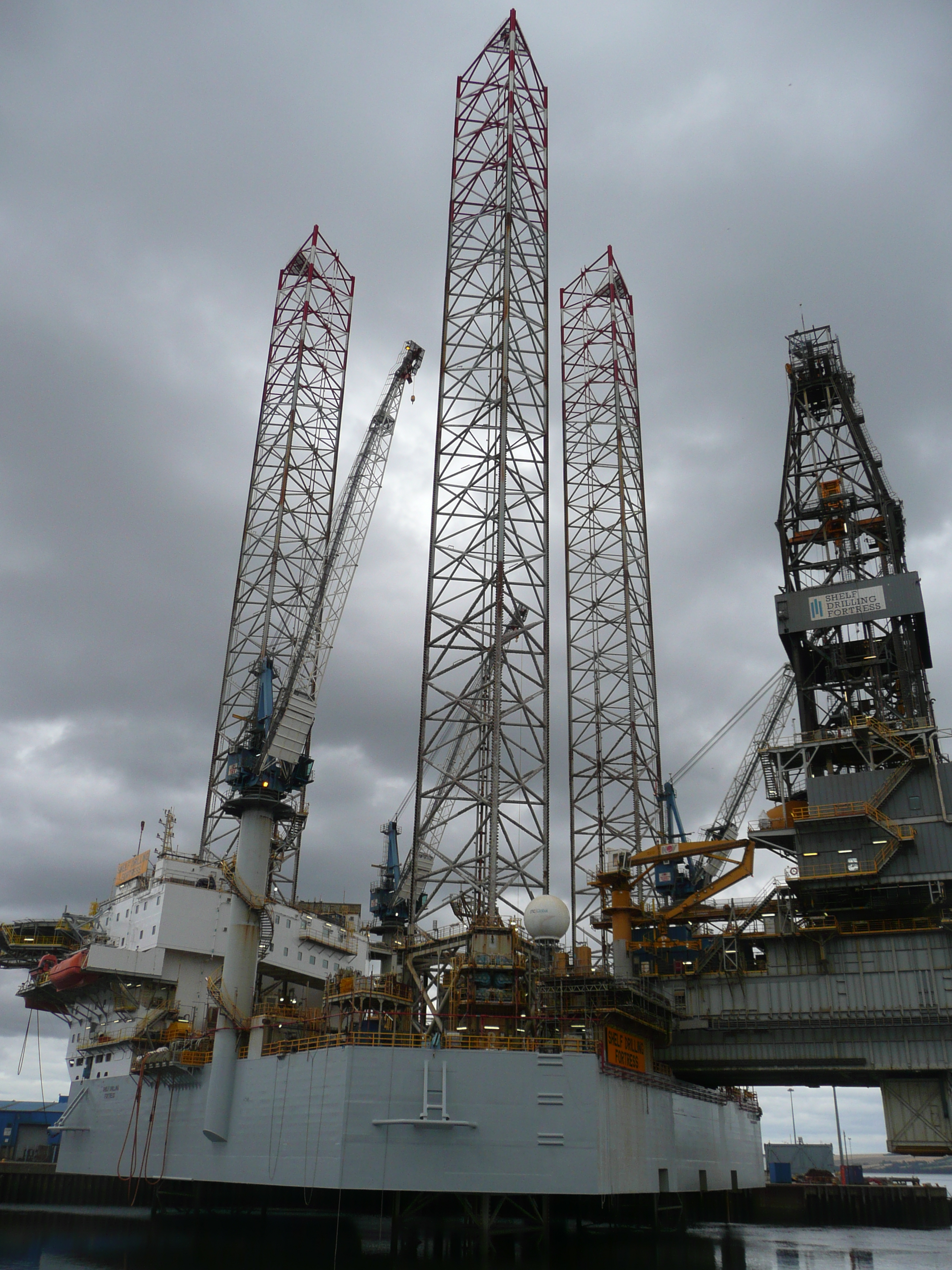
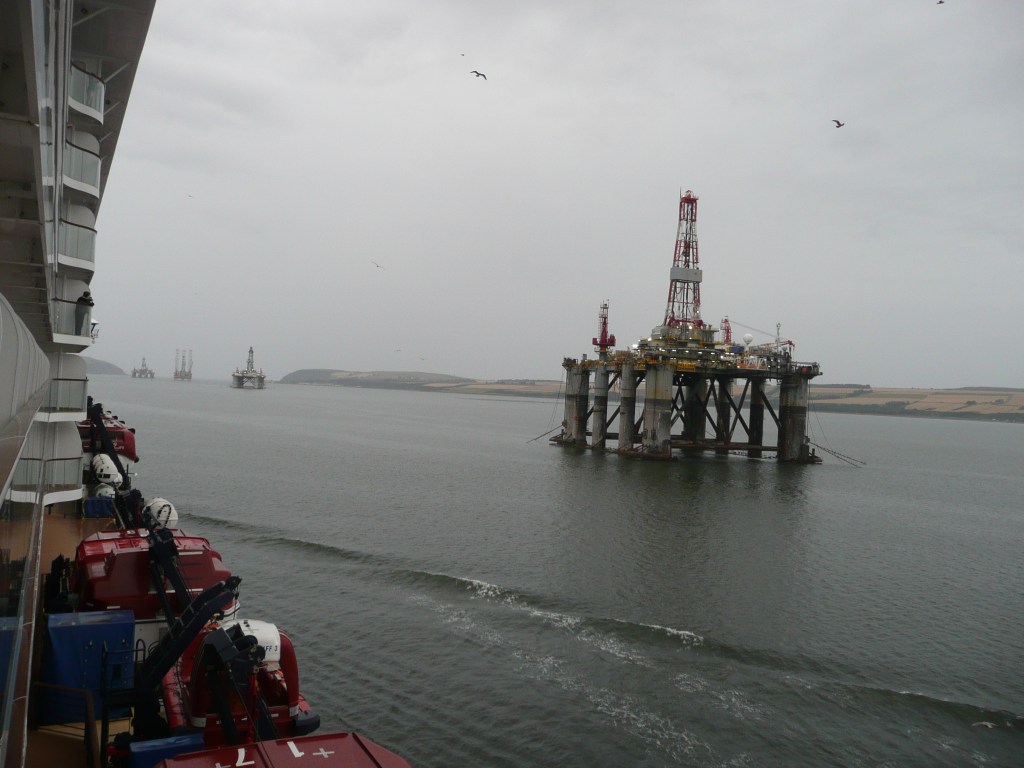
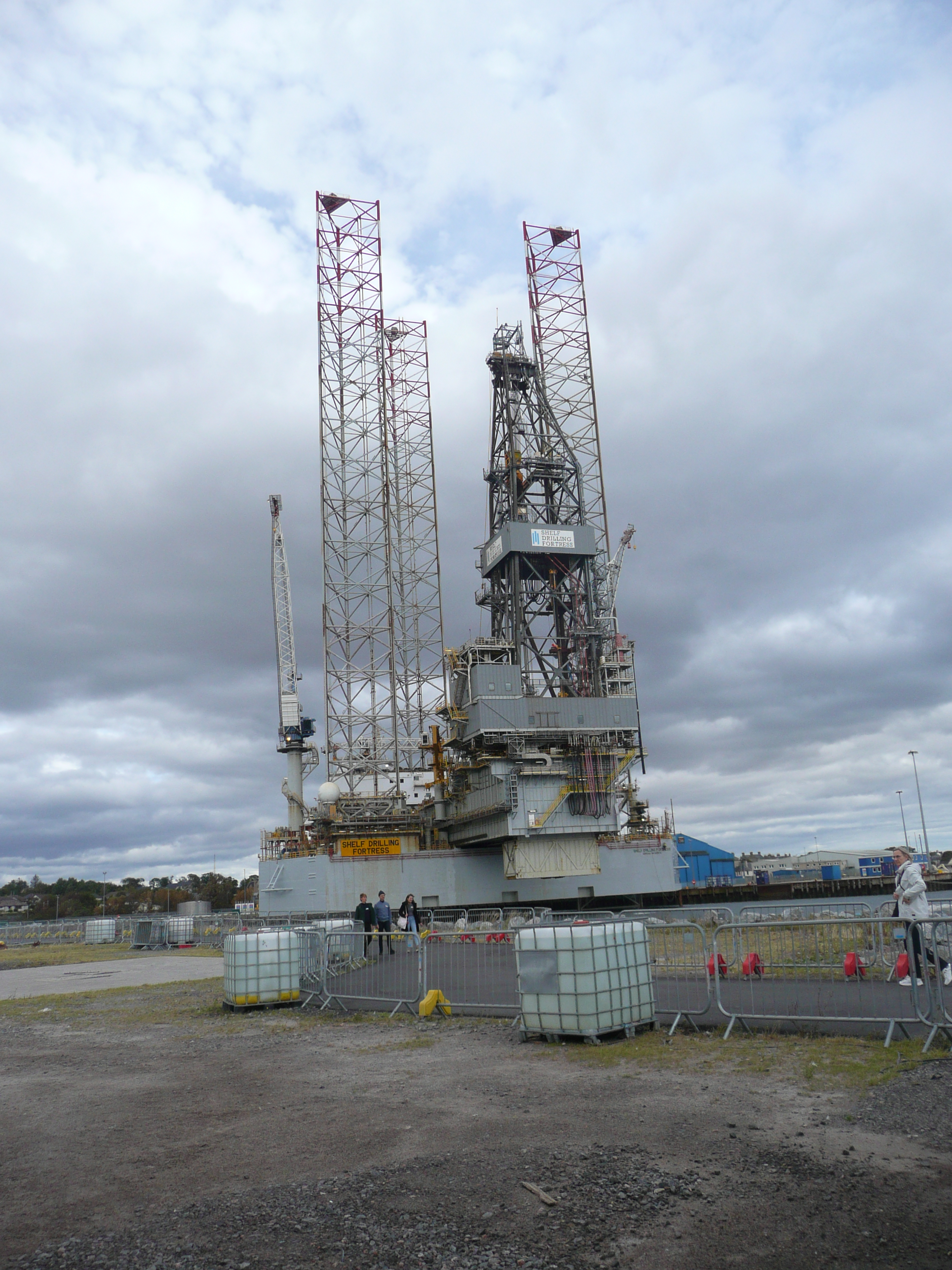
Jesteśmy w zatoce Cromarty Firth – długiej na 30 kilometrów, wąskiej gardzieli płynącej od Morza Północnego do portu w Invergordon, u wschodniego wybrzeża hrabstwa Highland w Szkocji. Każdego roku ponad 30 000 ptaków spędza tu zimę, żywiąc się 21 gatunkami alg i trawy morskiej. Jest domem dla 300 fok pospolitych i grupy 195 delfinów butlonosych. Co roku przypływa tu 10 000 szkockich łososi, które wędrują przez zatokę Cromarty Firth do swoich rodzimych systemów rzecznych w regionie Highlands. Niedługo potem 200 000 ich narybku powraca w dół zatoki, przez cieśninę Sutors, do Morza Północnego. Oprócz łososi dziesiątki gigantycznych wież wiertniczych jest holowanych do portu i tam remontowanych.

We’re in the Cromarty Firth—a 30-kilometer-long, narrow neck of water that runs from the North Sea to the port of Invergordon, on the east coast of the Scottish Highlands. Each year, more than 30,000 birds spend the winter here, feeding on 21 species of algae and seagrass. It’s home to 300 harbor seals and a group of 195 bottlenose dolphins. Every year, 10,000 Scottish salmon arrive here, migrating through the Cromarty Firth to their native river systems in the Highlands. Shortly after, 200,000 of their fry return down the bay, through the Sutors Strait, to the North Sea. In addition to the salmon, dozens of giant oil rigs are towed into port for repairs.

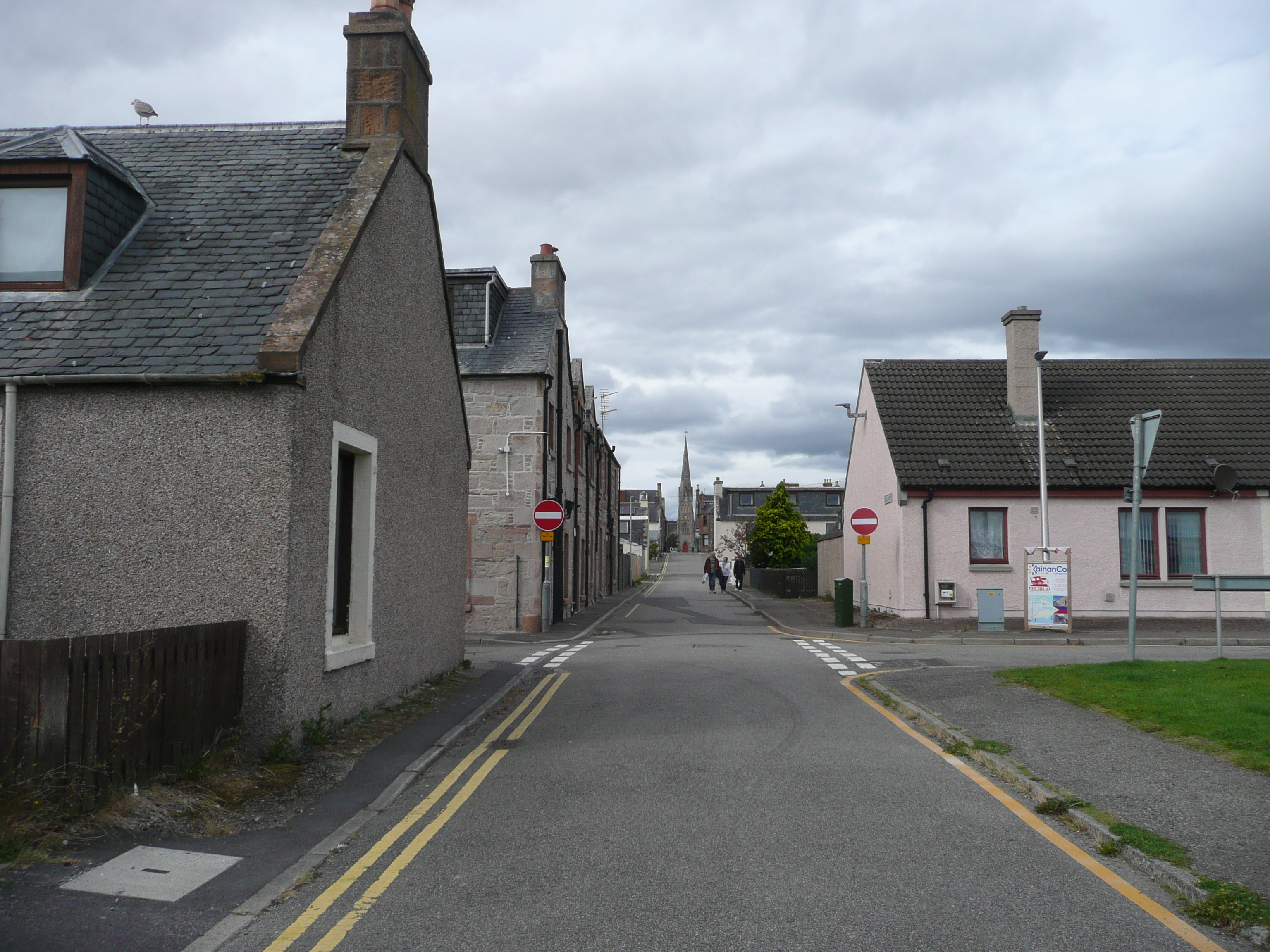
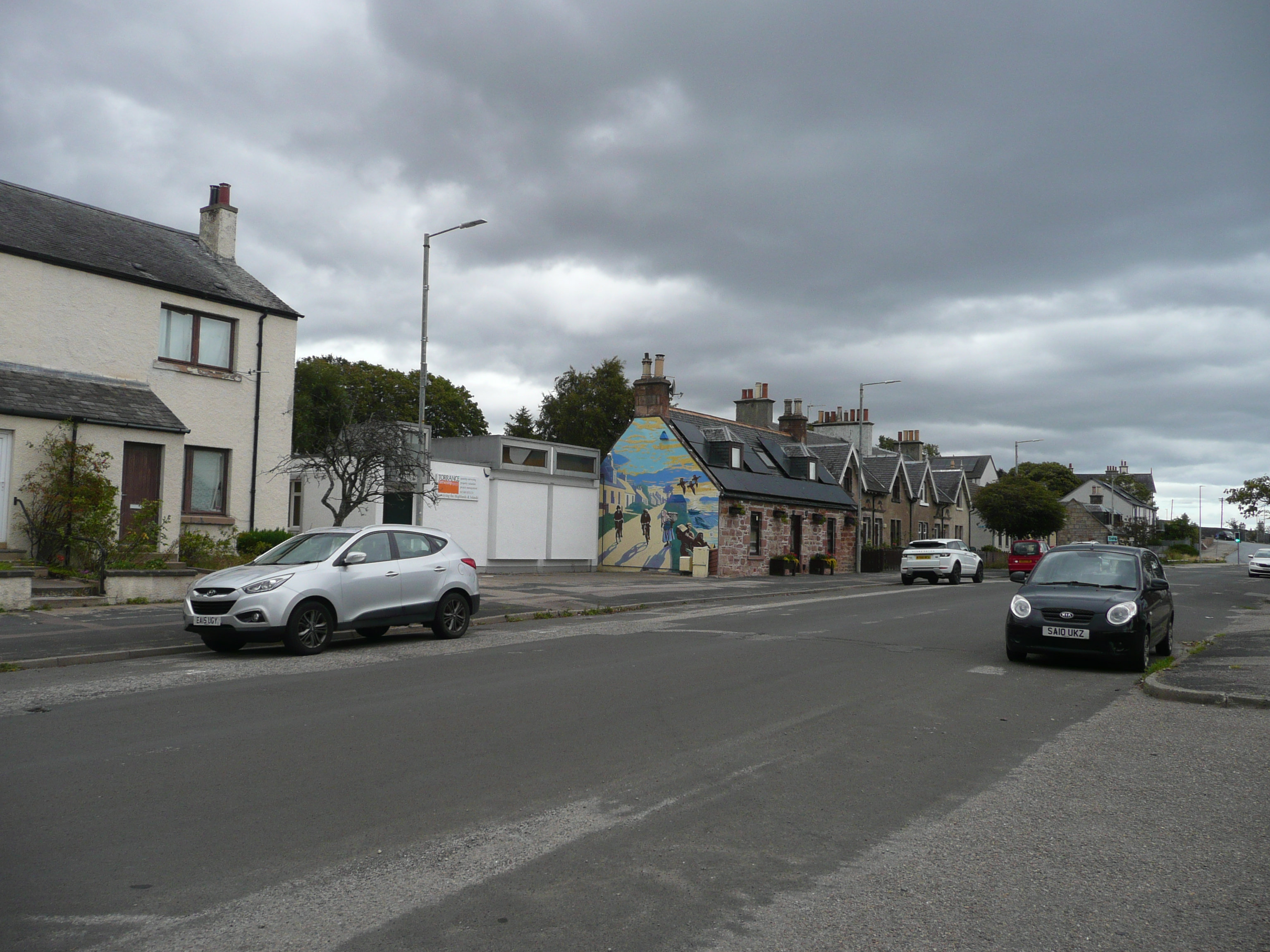
Miasteczko Invergordon to licząca około 4 tysięcy mieszkańców mieścina, słynąca z portu i destylarni, produkującej Single Grain Highland Whisky. Po wyjściu z terenu portu idziemy prawie pustymi ulicami miasteczka w stronę kościelnej wieży.

The town of Invergordon, with a population of around 4,000, is famous for its port and distillery, which produces Single Grain Highland Whisky. After leaving the port area, we walk through the nearly empty streets of the town toward the church tower.

Dochodzimy do głównej ulicy, zwanej chyba w każdym mieście w Wielkiej Brytanii High Street. Tu toczy się życie, mimo świątecznego dnia kilka sklepów jest otwartych, zajętych jest kilka stolików w miejscowej cafe. Wstępuję do sklepu Co-Op, żeby kupić musztardę… angielską. Bałam się, że nie będę rozumieć angielskiego ze szkockim akcentem (miałam kiedyś kumpla Szkota i rzadko rozumiałam, co do mnie mówi, a mówił bez przerwy), ale rozumiem świetnie. Powoli zmierzamy w stronę portu, niewiele już zostało do obejrzenia.

We reach the main street, what every town in Britain calls High Street. Life is bustling here; despite the holiday, a few shops are open, and a few tables are occupied at the local cafe. I stop at the Co-Op to buy some mustard… English. I was worried I wouldn’t understand English with a Scottish accent (I once had a Scottish friend, and I rarely understood what he said, and he spoke constantly), but I understand perfectly. We slowly make our way towards the port; there’s not much left to see.

Wkrótce wyruszymy w głąb Highlands na spotkanie zamków, jezior, wrzosowisk i pewnego potwora.

Soon we will be heading deep into the Highlands to encounter castles, lochs, moors and a certain monster.

Szkocja -Scotland

Płyniemy do Szkocji. Wiecie jak powstała? Na początku czasu Bóg rozmawiał o stworzeniu świata z aniołem Gabrielem. Opowiedział mu o swoich planach dotyczących tego kraju. „Dam Szkocji strzeliste góry i wspaniałe doliny lśniące fioletowym wrzosem. Jelenie będą wędrować po okolicy, orły złote będą krążyć na niebie, łososie będą skakać w krystalicznie czystych rzekach i jeziorach, a otaczające morza będą roić się od ryb. Rolnictwo będzie kwitnąć i nastąpi wspaniałe połączenie wody z jęczmieniem, które będzie znane jako whisky. Węgiel, ropa naftowa i gaz – wszystko tam będzie. Szkoci będą inteligentni, innowacyjni, pracowici i…” „Chwileczkę!” przerwał Gabriel. „Czy nie jesteś odrobinę zbyt hojny dla tych Szkotów?” Ale Wszechmogący odpowiedział: „Niezupełnie. Nie powiedziałem ci jeszcze, kim będą ich sąsiedzi!” W tej historii zawiera się cała Szkockość. A wiecie dlaczego Szkoci noszą kilty? Bo gdy Bóg patrzy w dół, wie, że powinien być dumny, a gdy diabeł patrzy w górę, wie, że powinien się bać. I jeszcze moje ulubione szkockie przysłowie: Wybacz swojemu wrogowi, ale zapamiętaj imię tego drania.

Kocham Szkocję.

North Atlantic

At the begining of time god was discussing the creation of the world with angel Gabriel. He told him of his plans for this country. „I’m going to give Scotland towering mountains and magnificent glens resplendent with purple heather. Red deer will roam the countryside, golden eadles will circle in the skies, salmon will leap in the cristal clear rivers and lochs, and the surrounding seas willteem with fish. Agriculture will flourish and there will be a glourious coming together of water with barley to be known as whisky. coal, oil and gas – all will be there. The Scots will be intelligent, innovative, industrious and…” „Wait a minute!” interrupted Gabriel. „Are you not beeing just a wee bit too generous to these Scots?” But the Almighty replied „Not really. I haven’t told you yet who their neighbours are going to be!”. This story encompasses all that is Scottish.
Why Scots wear kilts? So that when god looks down he knows to be proud and when devil looks up he knows to be afraid.

And my favourite scottish proverb: „Forgive your enemy, but remember the bastard’s name”. I love Scotland.

Sztorm, statkowe życie i stare pieniądze. Storm, ship life and old money

North Atlantic

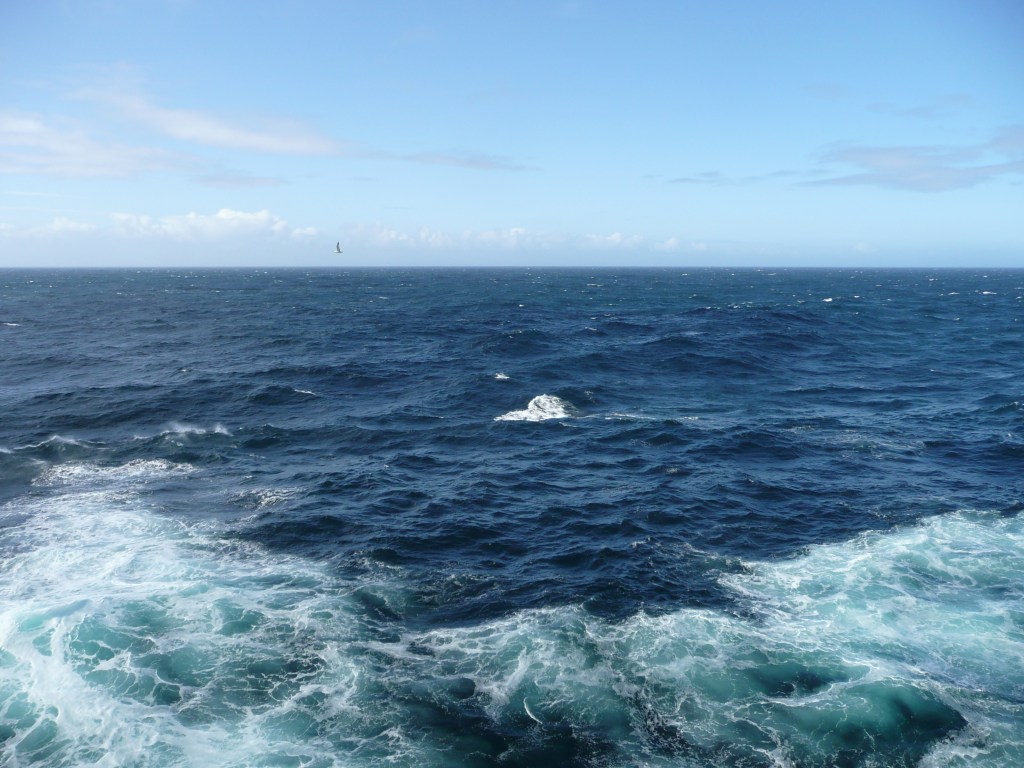
Sztorm dopadł nas na 61°35′ N 7°14′ W. Pływałam już po morzach i oceanach, ale takich fal jeszcze nie widziałam! Nasz olbrzymi statek wznosi przód na kilka metrów w górę, żeby zaraz spaść w przepaść, kiwając się do tego na boki. Wiecie jak trudno jest w tych warunkach nieść talerz pełen jedzenia? Albo szklankę z piwem? Na wyższych pokładach jest najgorzej, z powodu przechyłów zamknięto basen zewnętrzny. Idziemy do jednego z barów na pogaduszki i tam poznajemy straszliwą prawdę o naszym statku… otóż wszystkie drinki są wliczone w cenę!

A storm hit us at 61°35′ N 7°14′ W. I’ve sailed the seas and oceans before, but I’ve never seen waves like these! Our enormous ship lifts its front several meters into the air, only to plummet into the abyss, rocking side to side. Do you know how difficult it is to carry a plate full of food in these conditions? Or a glass of beer? The upper decks are the worst; the outdoor pool has been closed due to the heel. We go to one of the bars for a chat, and there we learn the terrible truth about our ship… all drinks are included in the price!

Muszę wam opowiedzieć o starych pieniądzach. Kiedyś przez kilka lat mieszkałam i pracowałam w Zjednoczonym Królestwie (i były to najlepsze lata mojego życia). Kiedy w wyniku zaniku mózgu postanowiłam wracać do Polski, zabrałam ciuchy, książki i gotówkę w postaci funtów szterlingów, zwanych dalej GBP. Moja ostatnia wypłata miała zostać przelana na konto w banku i czekać na mnie do skutku. Było to prawie dziesięć lat temu. W tym czasie moje GBP leżały w szufladzie ze skarpetkami i… straciły ważność. W czasie poprzedniego rejsu mieliśmy zawinąć do Portsmouth i tam miałam iść do banku, ale nie popłynęliśmy do Anglii z powodu sztormu. Miałam nadzieję, że tym razem się uda… Ale się nie uda. Trzeba zamówić darmowe Martini Bianco…

I have to tell you about old money. I once lived and worked in the United Kingdom for several years (and those were the best years of my life). When, due to a brain failure, I decided to return to Poland, I took clothes, books, and cash in the form of pounds sterling, hereafter referred to as GBP. My last paycheck was supposed to be deposited into a bank account and wait until I received it. That was almost ten years ago. At that time, my GBP were sitting in my sock drawer… expired. On our previous cruise, we were supposed to dock in Portsmouth, and I was supposed to go to the bank there, but we didn’t make it to England due to a storm. I hoped it would work this time… but it won’t… Must order free Martini Bianco…

A takie rzeczy się dzieją, kiedy jest się miłym dla Stewartów: And this is what happens when you are nice to the Stewarts:

Jeszcze prawie dwa dni podróży przez północny Atlantyk. Płyniemy do kraju, którego narodowym zwierzęciem jest jednorożec, a narodową rośliną – oset. Już wiecie?

Almost two more days of travel across the North Atlantic. We’re sailing to a country whose national animal is the unicorn and whose national plant is the thistle. Do you already know?

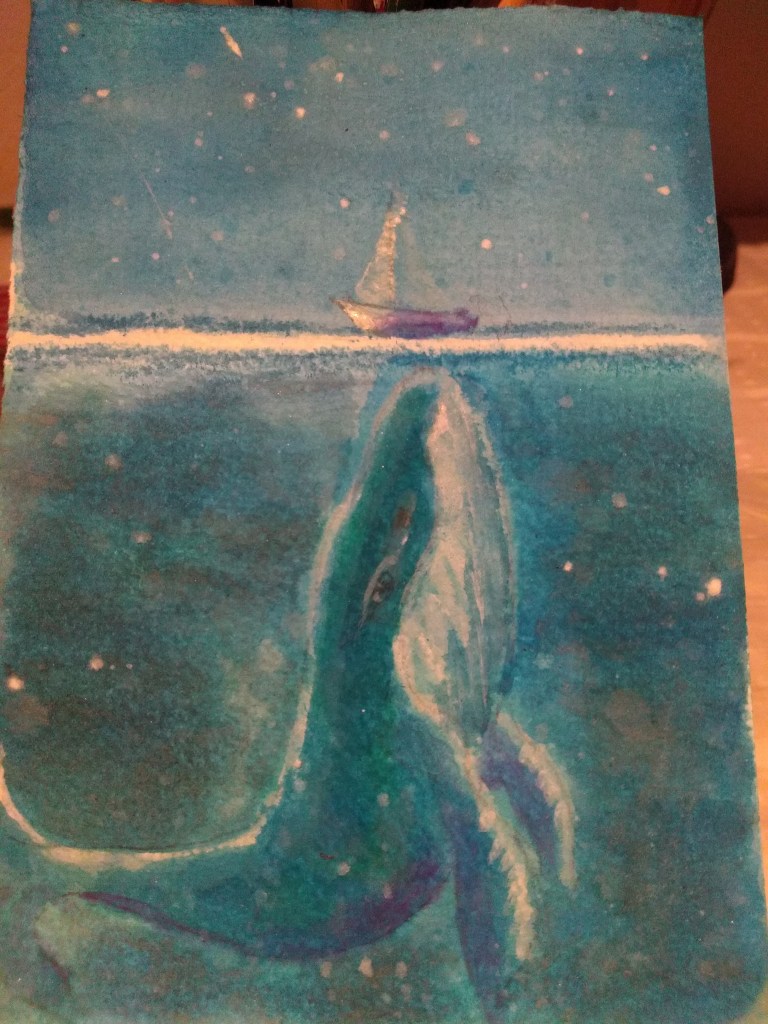
Namalowałam / I painted

Ja w łódce i humbak / me in the boat and the humpback whale

Humbaki i banany / Humpback whales and bananas

Dwadzieścia minut po pożegnaniu portu w Akureyri płynęliśmy w stronę ujścia fiordu i nagle dostaliśmy wiadomość, że na bakburcie będzie widać wieloryby!!! Wieloryby, które zawsze chciałam zobaczyć, które były na mojej długiej liście „rzeczy do zobaczenia przed śmiercią”, cudowne, prawie mityczne stworzenia, w obronie których podpisałam tysiące petycji, a nawet napisałam list do prezydenta Obamy. I były! Trzy piękne, wielkie cielska, widziane tylko przez sekundę na powierzchni i nurkujące w głębiny, potem przez chwilę było widać ich białe brzuchy i znów znikały. Humbaki, bo to były humbaki są malutkie. Mogą mieć 17 metrów długości i ważyć do 30 ton. Takie przytulanki…

Twenty minutes after leaving Akureyri Harbor, we were sailing towards the mouth of the fjord when we suddenly received word that whales would be visible on the port side! Whales I’d always wanted to see, whales that had been on my long list of „things to see before I die,” wondrous, almost mythical creatures for which I’d signed thousands of petitions and even written a letter to President Obama. And there they were! Three beautiful, enormous bodies, visible only for a second at the surface and then diving into the depths, then their white bellies were visible for a moment and then they disappeared again. Humpback whales, because they were humpback whales, are tiny. They can be 17 meters long and weigh up to 30 tons. Such cuddly creatures…

Podczas gdy inne wieloryby chcąc się najeść szybko pływają w prostej linii z otwartą buzią, humbaki wypuszczają bąble powietrza, które zamykają ryby i skorupiaki w jednym miejscu. Potem wynurzają się z otwartymi paszczami połykając setki ryb naraz. Widzieliśmy je później jeszcze raz – z trzynastego pokładu wydawały się malutkie. Tym razem było ich osiem i tym razem też nie udało się ich sfotografować.

While other whales swim quickly in a straight line with their mouths open to feed, humpbacks release air bubbles that trap fish and crustaceans in one place. Then they emerge with their jaws open, swallowing hundreds of fish at once. We saw them again later—from deck thirteen, they seemed tiny. This time, there were eight of them, and again, we couldn’t photograph them.

Po wyjściu w fiordu płyniemy na wschód, a póżniej popłyniemy wzdłuż wybrzeża Islandii prosto na południe. Przy okazji chciałabym was zapytać, czy wiecie jaki kraj w Europie uprawia najwięcej bananów? Tak, Hiszpania na Wyspach Kanaryjskich i Francja na Martynice. Ale w Europie (!) najwięcej bananowców uprawia się na Islandii. Na Islandii, dzięki energii geotermalnej rosną też pomidory, papryka i truskawki, maliny, ogórki…

After exiting the fjord, we sail east, and then sail along the coast of Iceland straight south. I’d like to ask you, do you know which country in Europe grows the most bananas? Yes, Spain in the Canary Islands and France in Martinique. But in Europe (!) the largest banana plantation is in Iceland. In Iceland, thanks to geothermal energy, tomatoes, peppers, strawberries, raspberries, cucumbers…

Iceland