Sztorm, statkowe życie i stare pieniądze. Storm, ship life and old money

North Atlantic

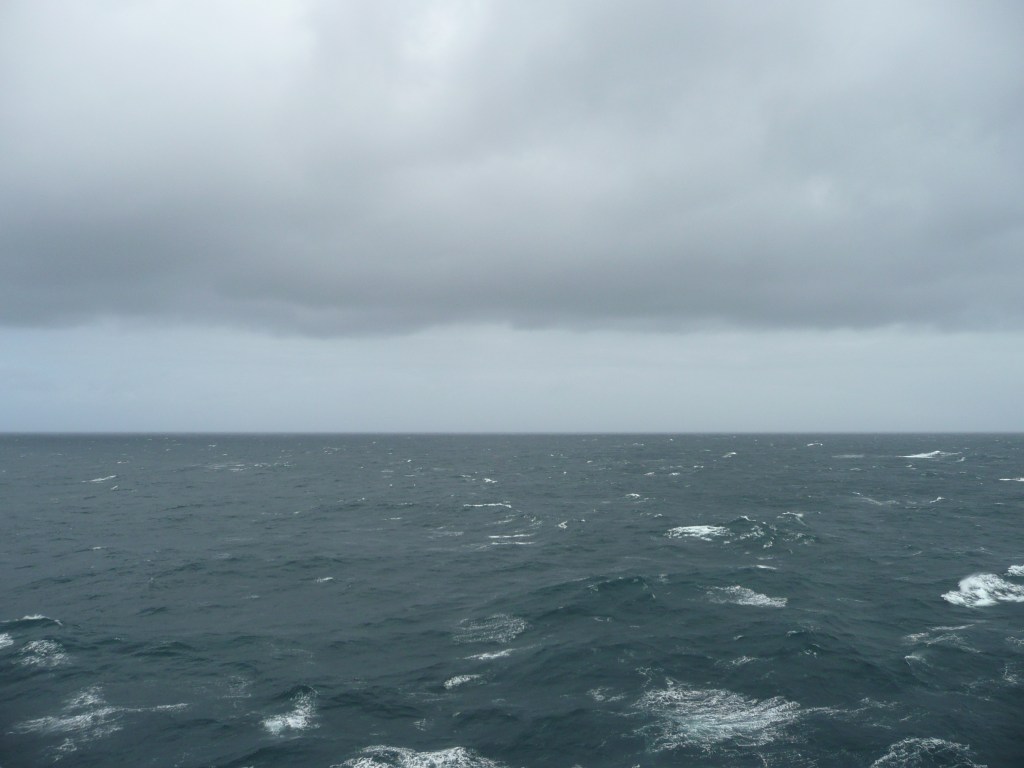
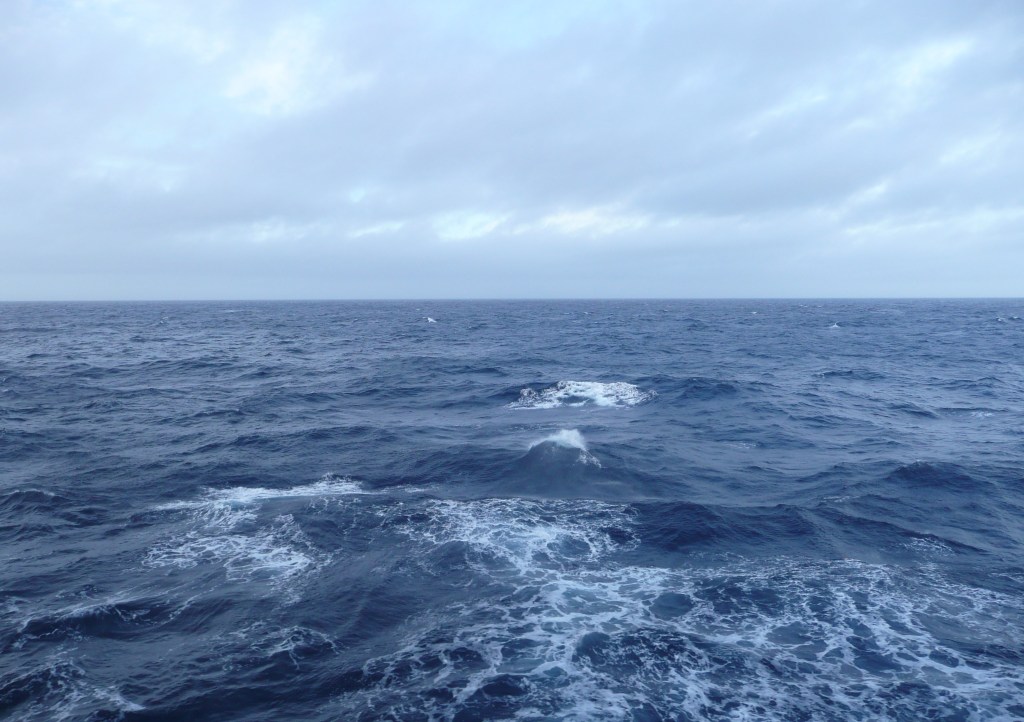
Sztorm dopadł nas na 61°35′ N 7°14′ W. Pływałam już po morzach i oceanach, ale takich fal jeszcze nie widziałam! Nasz olbrzymi statek wznosi przód na kilka metrów w górę, żeby zaraz spaść w przepaść, kiwając się do tego na boki. Wiecie jak trudno jest w tych warunkach nieść talerz pełen jedzenia? Albo szklankę z piwem? Na wyższych pokładach jest najgorzej, z powodu przechyłów zamknięto basen zewnętrzny. Idziemy do jednego z barów na pogaduszki i tam poznajemy straszliwą prawdę o naszym statku… otóż wszystkie drinki są wliczone w cenę!

A storm hit us at 61°35′ N 7°14′ W. I’ve sailed the seas and oceans before, but I’ve never seen waves like these! Our enormous ship lifts its front several meters into the air, only to plummet into the abyss, rocking side to side. Do you know how difficult it is to carry a plate full of food in these conditions? Or a glass of beer? The upper decks are the worst; the outdoor pool has been closed due to the heel. We go to one of the bars for a chat, and there we learn the terrible truth about our ship… all drinks are included in the price!

Muszę wam opowiedzieć o starych pieniądzach. Kiedyś przez kilka lat mieszkałam i pracowałam w Zjednoczonym Królestwie (i były to najlepsze lata mojego życia). Kiedy w wyniku zaniku mózgu postanowiłam wracać do Polski, zabrałam ciuchy, książki i gotówkę w postaci funtów szterlingów, zwanych dalej GBP. Moja ostatnia wypłata miała zostać przelana na konto w banku i czekać na mnie do skutku. Było to prawie dziesięć lat temu. W tym czasie moje GBP leżały w szufladzie ze skarpetkami i… straciły ważność. W czasie poprzedniego rejsu mieliśmy zawinąć do Portsmouth i tam miałam iść do banku, ale nie popłynęliśmy do Anglii z powodu sztormu. Miałam nadzieję, że tym razem się uda… Ale się nie uda. Trzeba zamówić darmowe Martini Bianco…

I have to tell you about old money. I once lived and worked in the United Kingdom for several years (and those were the best years of my life). When, due to a brain failure, I decided to return to Poland, I took clothes, books, and cash in the form of pounds sterling, hereafter referred to as GBP. My last paycheck was supposed to be deposited into a bank account and wait until I received it. That was almost ten years ago. At that time, my GBP were sitting in my sock drawer… expired. On our previous cruise, we were supposed to dock in Portsmouth, and I was supposed to go to the bank there, but we didn’t make it to England due to a storm. I hoped it would work this time… but it won’t… Must order free Martini Bianco…

A takie rzeczy się dzieją, kiedy jest się miłym dla Stewartów: And this is what happens when you are nice to the Stewarts:
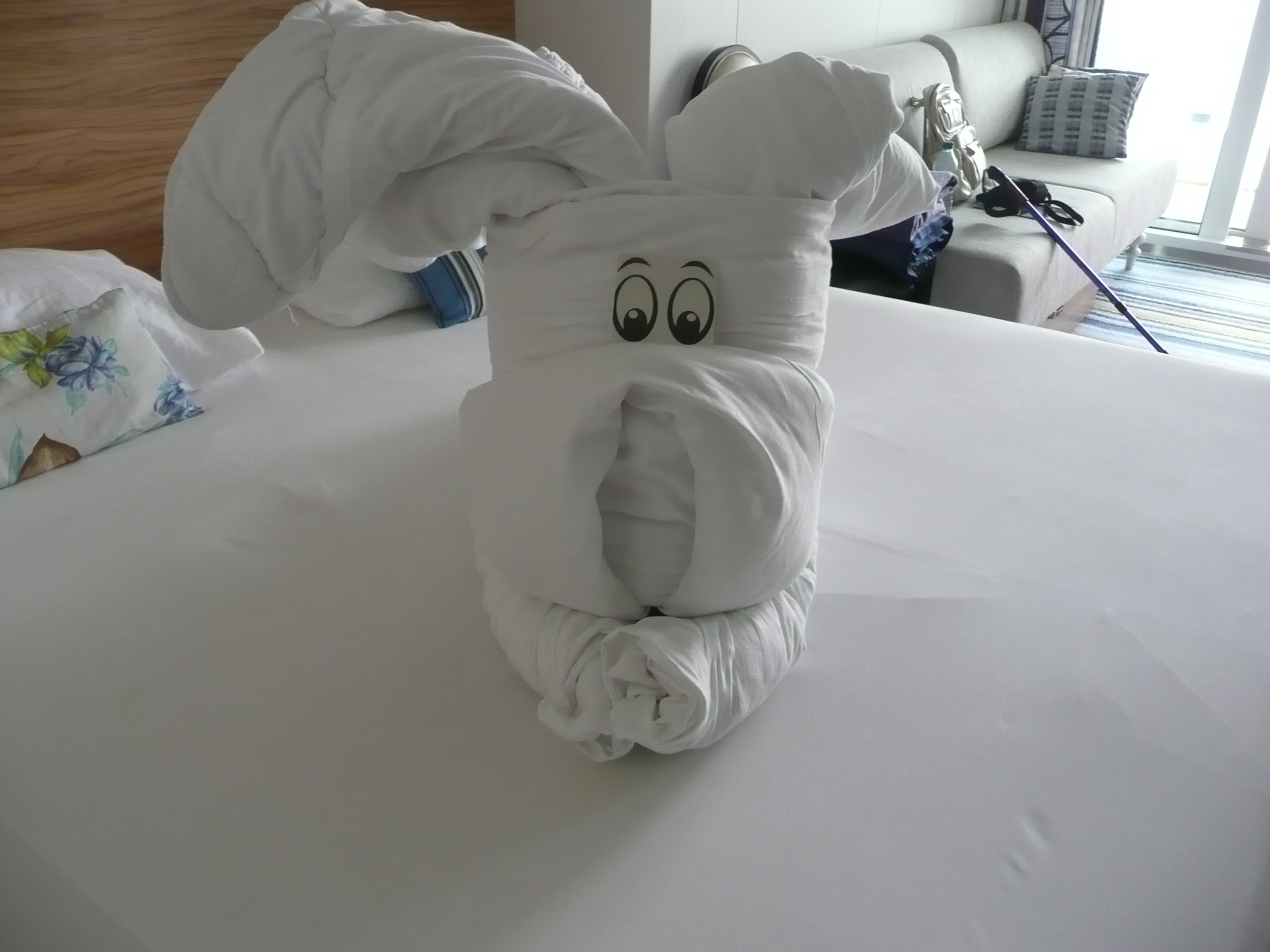
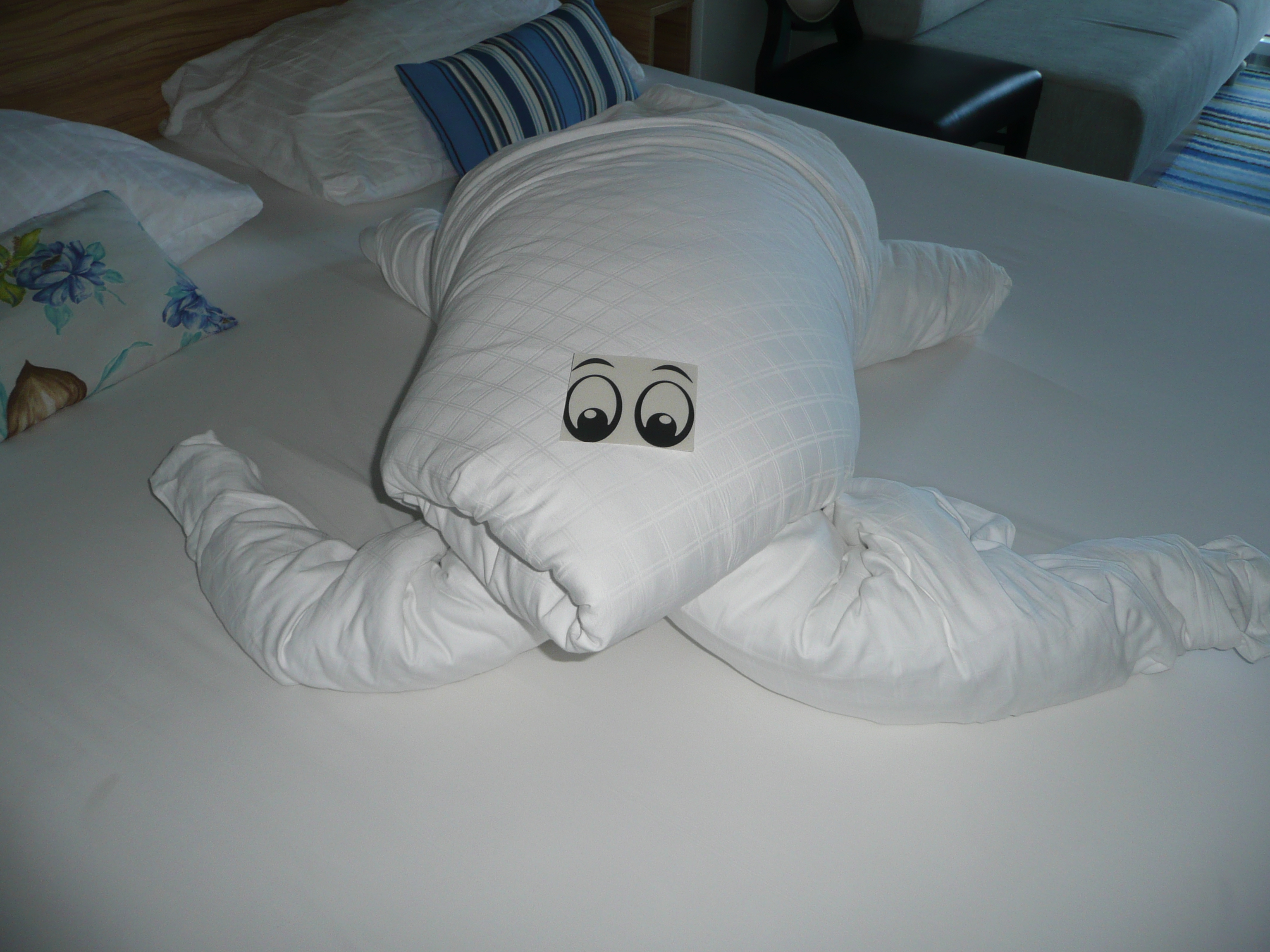
Jeszcze prawie dwa dni podróży przez północny Atlantyk. Płyniemy do kraju, którego narodowym zwierzęciem jest jednorożec, a narodową rośliną – oset. Już wiecie?

Almost two more days of travel across the North Atlantic. We’re sailing to a country whose national animal is the unicorn and whose national plant is the thistle. Do you already know?

Namalowałam / I painted
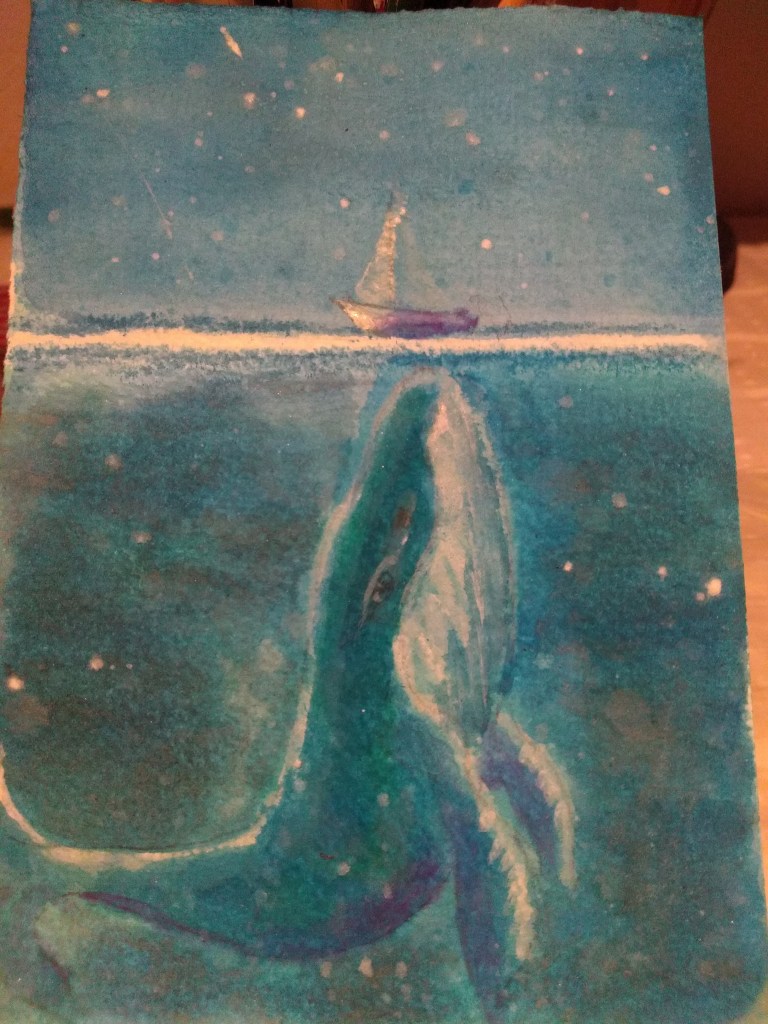
Ja w łódce i humbak / me in the boat and the humpback whale

Północny Atlantyk – North Atlantic

Fale są potężne, wiatr z zachodu ma prędkość prawie 100 km/h. Statkiem huśta niemiłosiernie, ale to dobrze – w restauracji nie ma zbyt wielkiego tłoku, a na siłowni są tylko trzy osoby oprócz mnie. Już się domyślam, dlaczego dopłata za kajutę z balkonem była taka niewielka – bo nie można z niego korzystać przy takiej pogodzie. Kiedy nie wieje jak na Śnieżce, to pasażerowie z sąsiednich kajut urządzają na swoich balkonach cholerne palarnie. Dobra, miałam nie narzekać…

The waves are huge, and the wind is coming from the west at almost 100 km/h. The ship is rocking mercilessly, but that’s a good thing – the restaurant isn’t overly crowded, and there are only three people in the gym besides me. I can already guess why the extra charge for the balcony cabin was so small – because you can’t use it in this kind of weather. When it’s not windy like on Śnieżka moutain, the passengers in the neighboring cabins set up their own damned smoking areas on their balconies. Okay, I wasn’t supposed to complain…

North Atlantic and stormy weather – Północny Atlantyk i sztorm

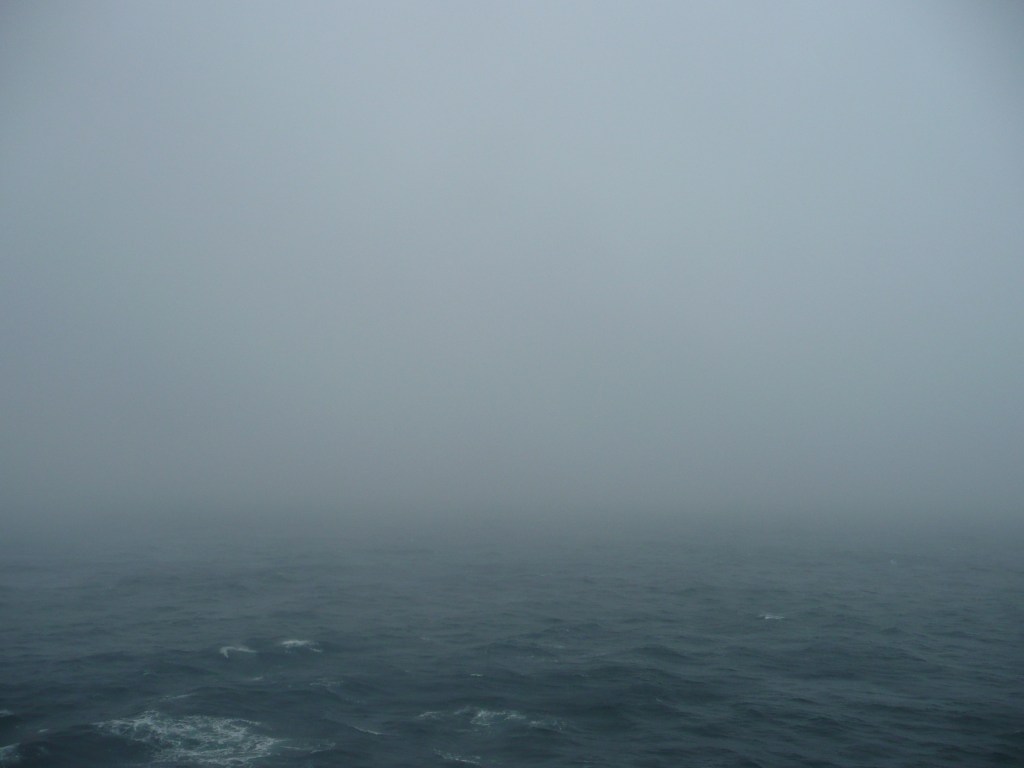
Wieczorem świat wkół statku nieco się uspokaja, za to pojawia się mgła. Zasypiam z myślą, że powinni koniecznie włączyć jakieś buczenie (według prawa morskiego statek o napędzie mechanicznym w ruchu powinien wydawać jeden długi dźwięk co 2 minuty), bo jesteśmy już blisko brzegu. Skąd wiem? Bo wpadłam na pomysł, żeby włączyć radio w telefonie i zeskanować częstotliwości. I usłyszałam ładnie brzmiący język, którego nigdy jeszcze nie słyszałam. Jutro dopłyniemy.

In the evening, the world around the ship calms down a bit, but fog settles in. I fall asleep thinking they should definitely turn on some sort of buzzer (according to maritime law, a powered vessel underway should emit one long beep every two minutes) because we’re already close to shore. How do I know? Because I got the idea to turn on the radio on my phone and scan the frequencies. And I heard a beautiful-sounding language I’d never heard before. We’ll arrive tomorrow.

North Arlantic – great fog / Północny Atlantyk – wielka mgła

Północ, północny zachód – North, northwest

Płyniemy drugi dzień. Wieje silny zachodni wiatr, temperatura 11 stopni. Fale są wysokie, trochę kołysze, zwłaszcza na 12 pokładzie gdzie przesiadujemy w wielkiej statkowej restauracji z bufetem. Na tym samym pokładzie są dwa baseny, opanowane przez wrzeszczące dzieci, które sprawiają, że nie mam zamiaru nawet tam zaglądać. Za to na siłowni dzieci nie ma, za to są dziesiątki spoconych ludzi, próbujących spalić obfite śniadanie na rowerach, bieżniach i atlasach. Moje przejechane na rowerze 10 kilometrów na nikim nie zrobiłoby wrażenia, ale dla mnie to zachęta do poszukania małego conieco w bufecie…

We’re sailing on our second day. A strong westerly wind is blowing, and the temperature is 11 degrees Celsius. The waves are high and there’s a bit of rocking, especially on deck 12, where we hang out in the ship’s large buffet restaurant. On the same deck are two swimming pools, overrun by screaming children, which makes me not even want to go there. There are no children in the gym, though, instead there are dozens of sweaty people trying to burn off a hearty breakfast on bikes, treadmills, and multi-gyms. My 10-kilometer bike ride wouldn’t impress anyone, but it’s an incentive for me to find a little something at the buffet…

W tej restauracji jest codziennie pieczony chleb, ale jaki… Najlepszy na świecie, lepszy nawet od tego, jaki pamięta się z dzieciństwa… Poza cudownym chlebem jest mnóstwo wspaniałych rzeczy do jedzenia i picia, nawet dla takiej rozpuszczonej wegetarianki jak ja. Myślę, że najpóźniej jutro przestanę się mieścić w spodnie.

This restaurant bakes bread daily, but what a bread… The best in the world, even better than the one you remember from your childhood… Besides the wonderful bread, there are plenty of wonderful things to eat and drink, even for a spoiled vegetarian like me. I think I’ll stop fitting into my pants by tomorrow at the latest.

Norden North Sea – północne Morze Północne

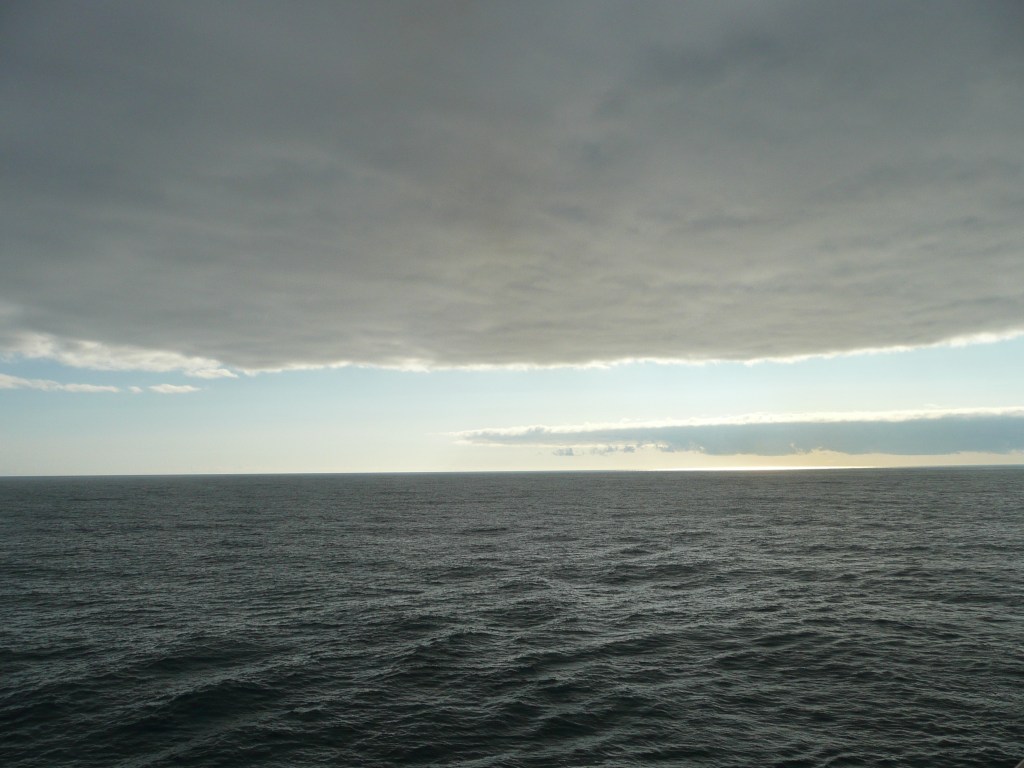
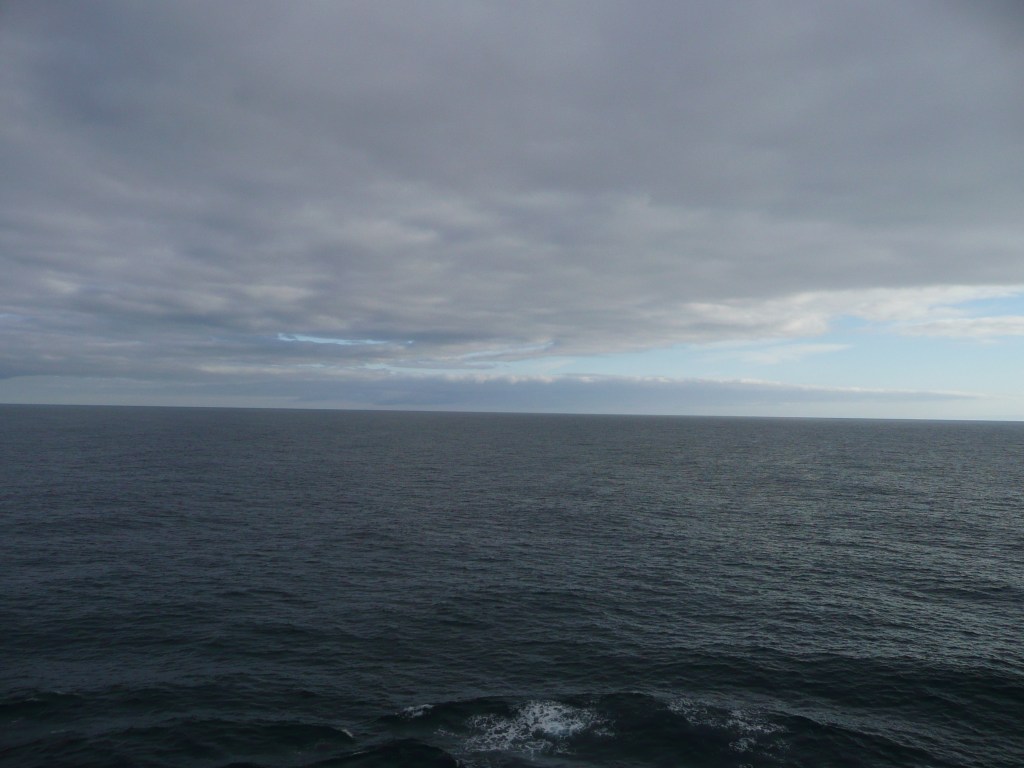
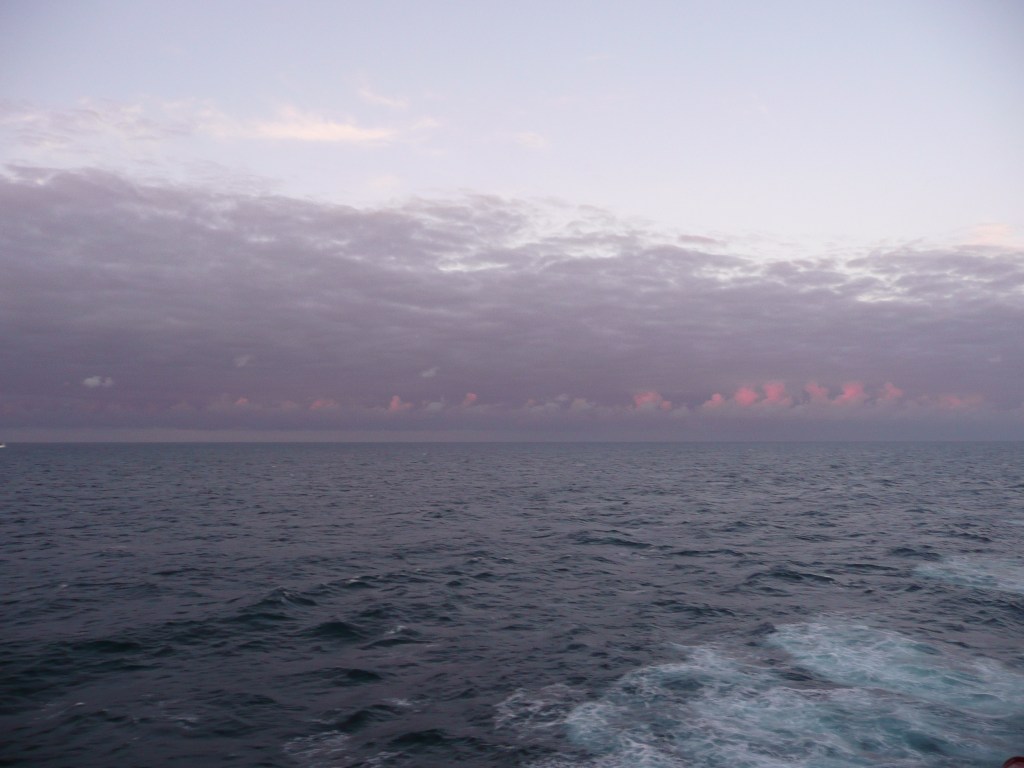
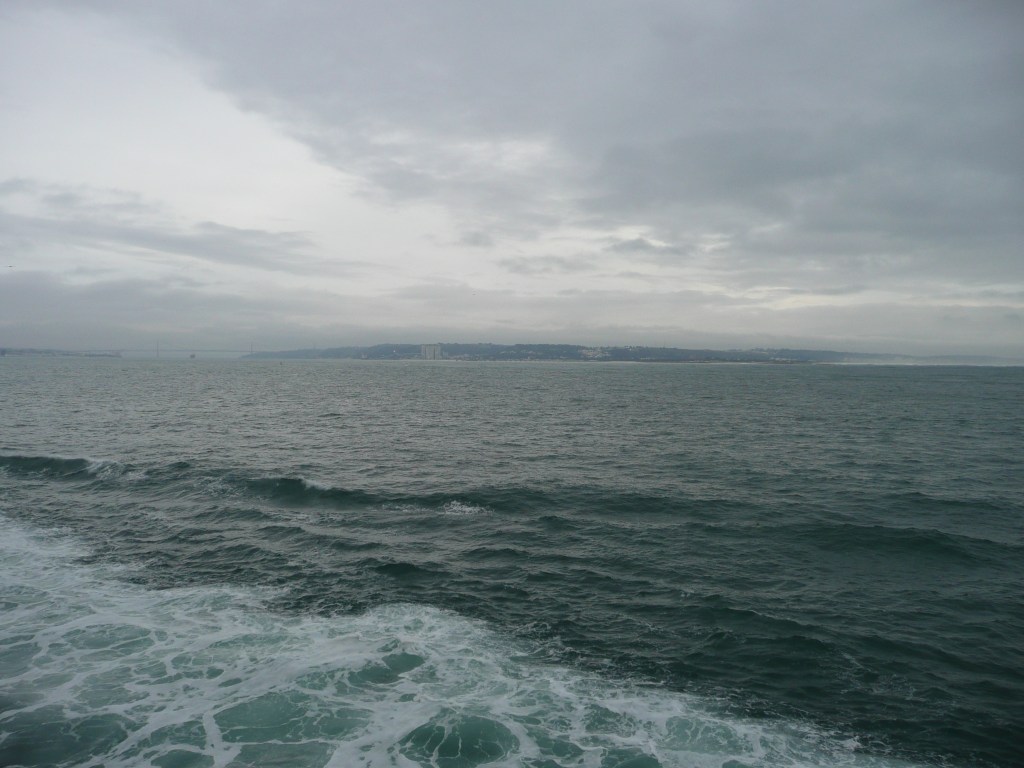
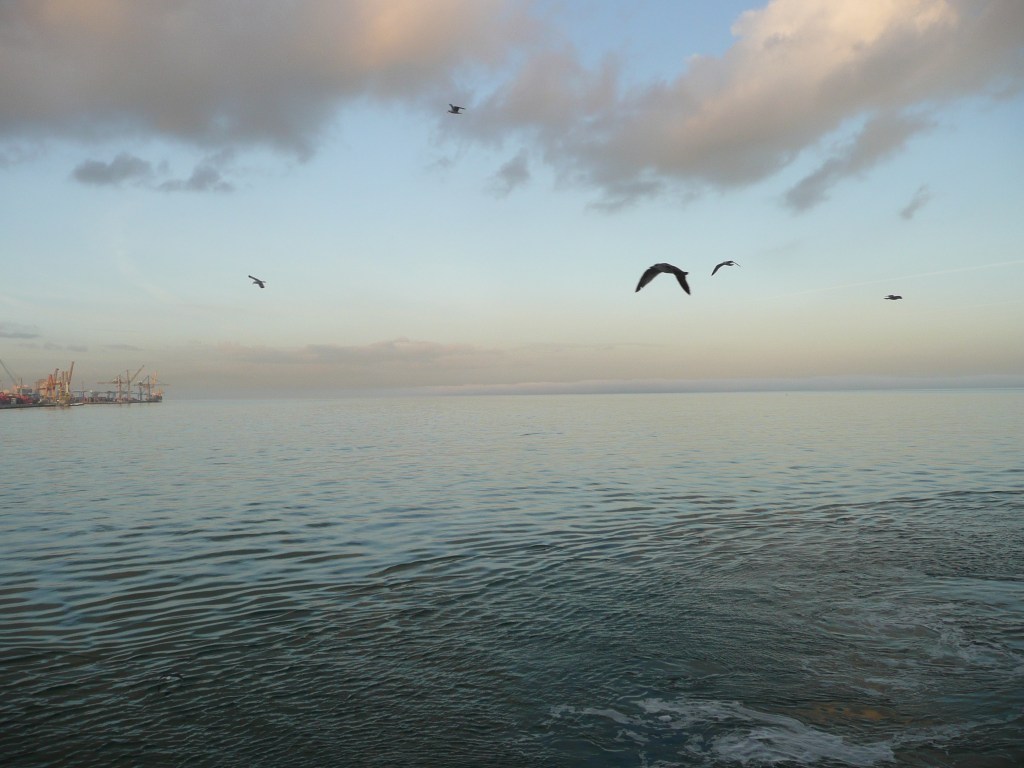
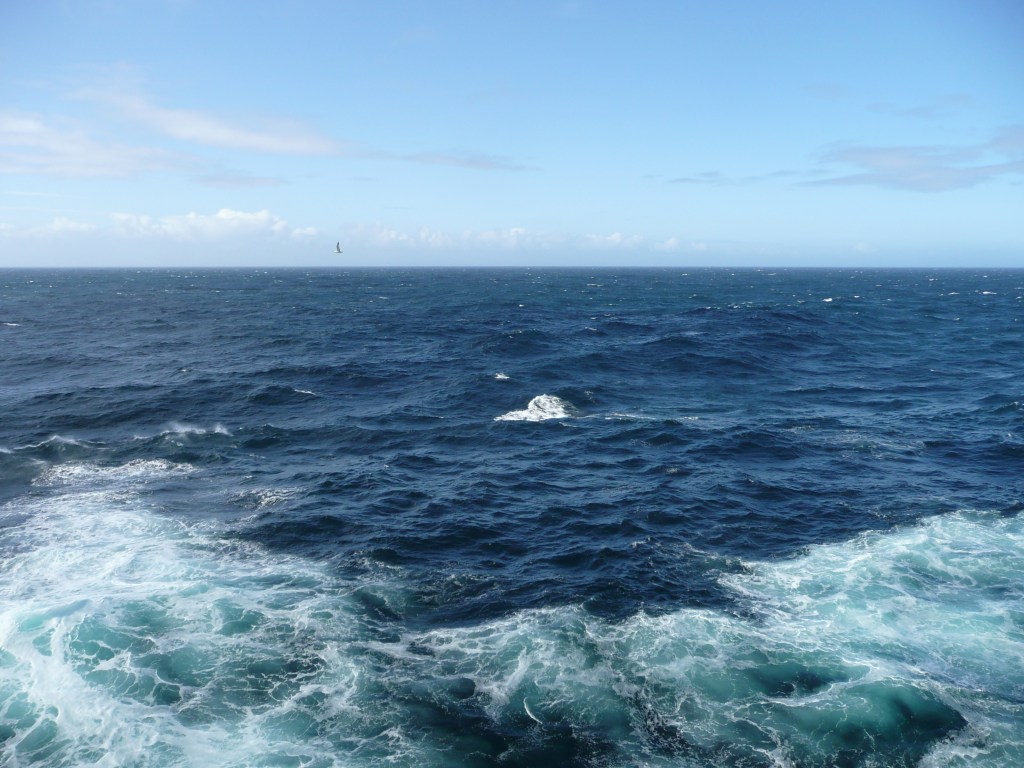
Dziś rano jeszcze towarzyszyły nam mewy i widać było wieże wiertnicze. Dziś północne Morze Północne jest puste aż po horyzont. Kolor wody zmienia się od ciemnego granatu po odcienie złota, miedzi i srebra, przetykane bielą morskiej piany. Nasza pozycja to mniej więcej 61 stopni 21′ szerokości geograficznej północnej i 9 stopni 34″ długości zachodniej (podaję te dane dla zapalonych nawigatorów). W nocy przepłynęliśmy pomiędzy archipelagami Orkadów i Szetlandów, leżącymi około 200 kilometrów od wybrzeży Szkocji. I zmieniliśmy czas ze środkowoeuropejskiego na GMT, czyli Greenwich Mean Time (znany również jako czas zachodnioeuropejski lub UTC+00:00).

This morning, we were still accompanied by seagulls and visible oil rigs. Today, the northern North Sea is empty to the horizon. The water’s color varies from dark navy blue to shades of gold, copper, and silver, flecked with white sea foam. Our position is approximately 61 degrees 21′ north latitude and 9 degrees 34″ west longitude (I’m providing this information for keen navigators). During the night, we sailed between the Orkney and Shetland archipelagos, located about 200 kilometers off the coast of Scotland. And we changed the time from Central European Time to GMT, or Greenwich Mean Time (also known as Western European Time or UTC+00:00).

Northen North Sea – północne Morze Północne

Płyniemy ze stałą prędkością 12,5 węzła (około 23 km/godz). Kapitan mówił, że płyniemy wolno ze względu na wysokie fale. Dla mnie mogliby płynąć jeszcze wolniej. Najważniejsze jest to, że jestem na morzu. Nareszcie zasypiam bez problemu, bo wszystkie zmartwienia zostały na brzegu. Cóż, „Navigare necesse est, vivere non est necesse”…

We’re sailing at a steady 12.5 knots (about 23 km/h). The Captain said we were going slowly because of the high waves. To me, they could have gone even slower. The most important thing is that I’m at sea. I’m finally falling asleep without any problems, because all my worries have been left on the shore. Well, „Navigare necesse est, vivere non est escesse”…

Mój Statek – My Ship

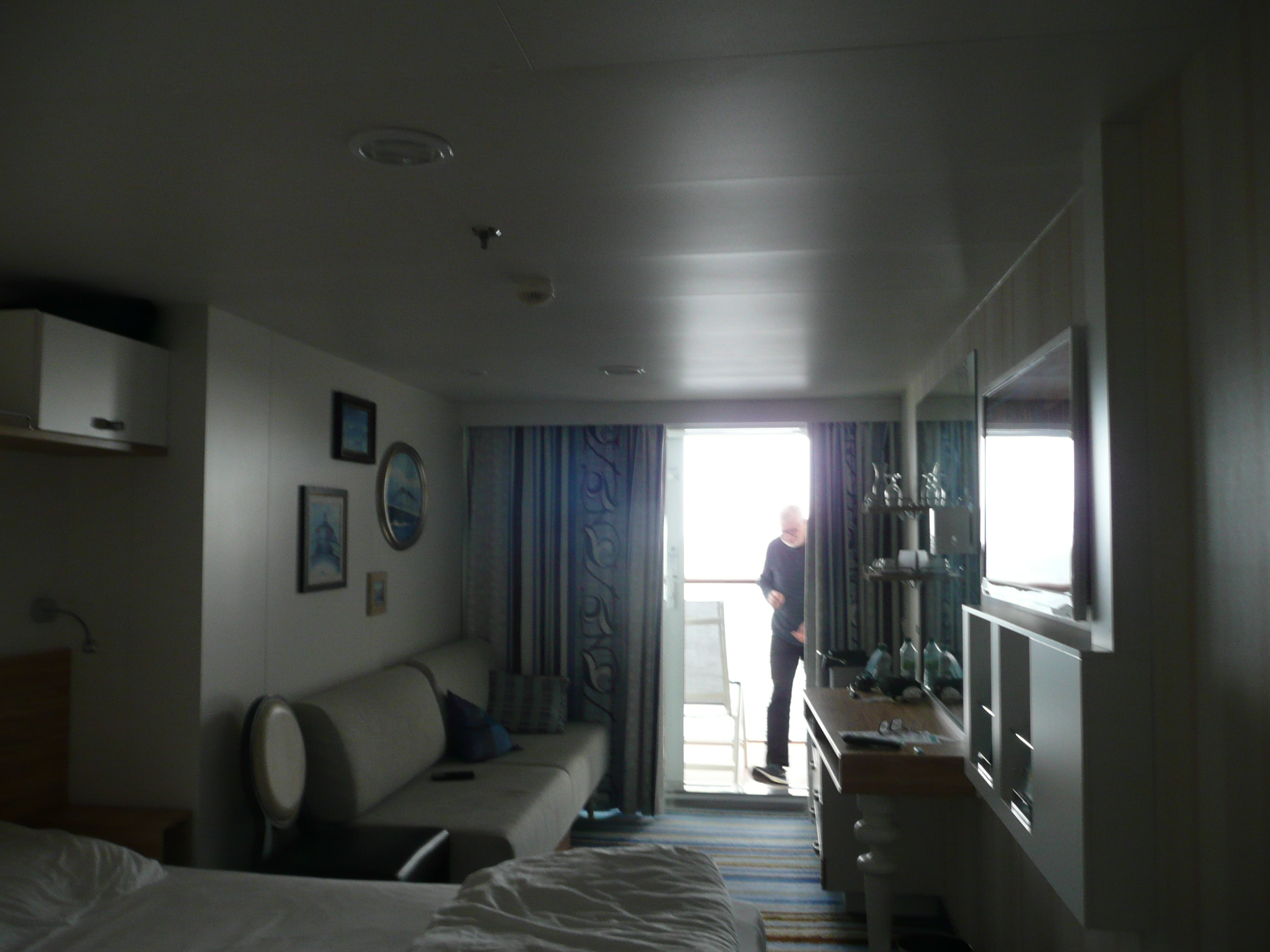
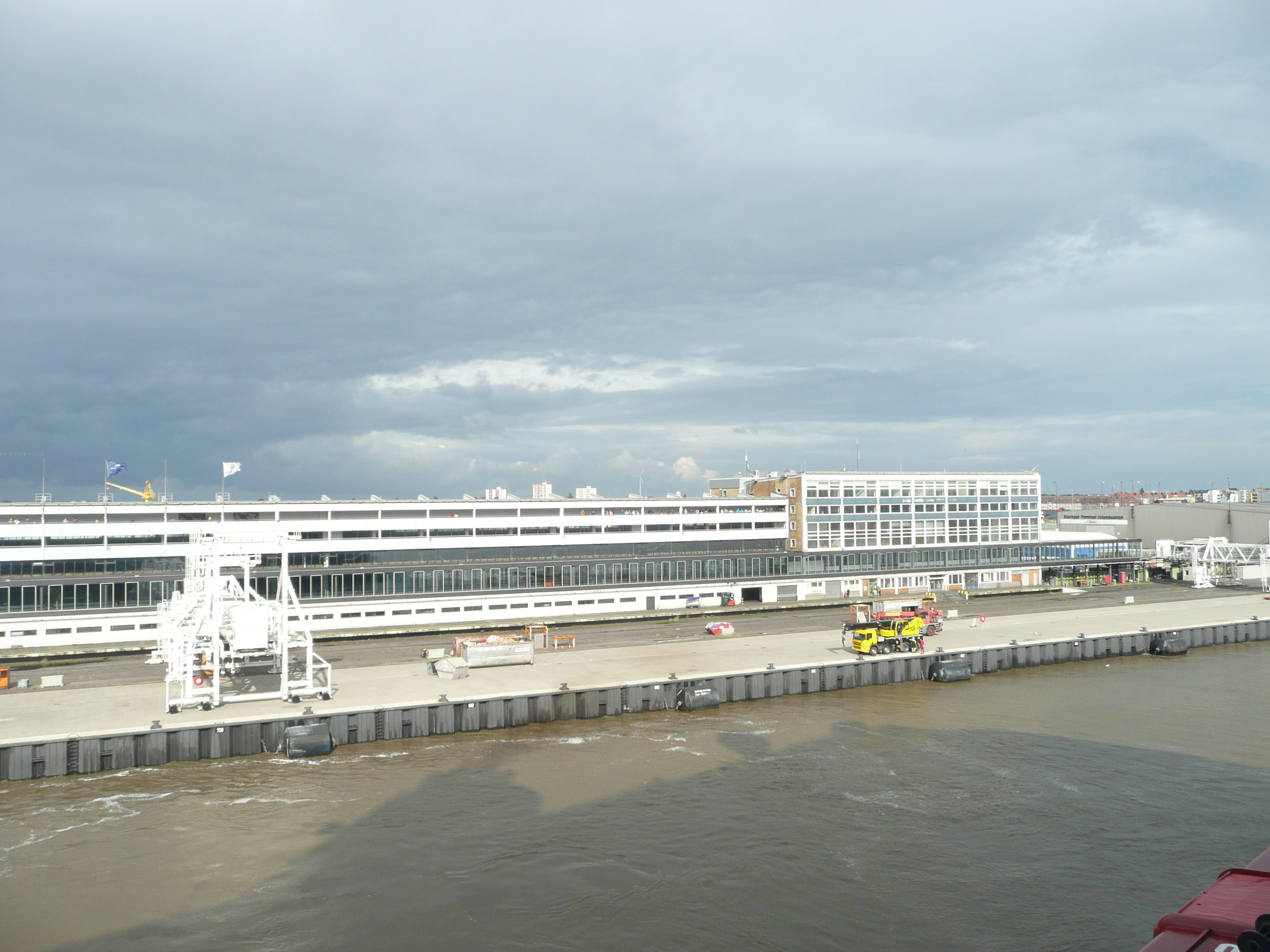
Rano wsiadamy do pociągu i po godzinie i jednej przesiadce wysiadamy na Dworcu Głównym w Bremerhaven – brzydkim mieście z wielkim portem (też brzydkim), z którego wyruszymy. Z okien autobusu widzimy maszty wielkich i małych żaglowców i szarego U-boota zacumowanego przy jednym z nabrzeży, ogromne statki handlowe i nasz, wielkości sporego, 14-piętrowego bloku mieszkalnego. Nazywa się „Mein Schiff”, czyli „mój statek”. Potem stoimy w wielkiej kolejce do odprawy, a po godzinie wrzucamy nasze dwie walizki do szafy w kajucie numer 7146. Po raz pierwszy będziemy mieszkać na siódmym pokładzie i po raz pierwszy mamy balkon!

In the morning, we board the train and, after an hour and a change, we disembark at Bremerhaven Central Station – an ugly city with a large port (also ugly), from which we will depart. From the bus windows, we see the masts of sailing ships large and small, a gray U-boot moored at one of the quays, enormous merchant ships, and our own, the size of a large, 14-story apartment building. It’s called „Mein Schiff,” meaning „my ship.” Then we stand in a long line to check in, and an hour later, we’re stuffing our two suitcases into the closet in cabin number 7146. For the first time, we’ll be staying on the seventh deck, and for the first time, we’ll have a balcony!

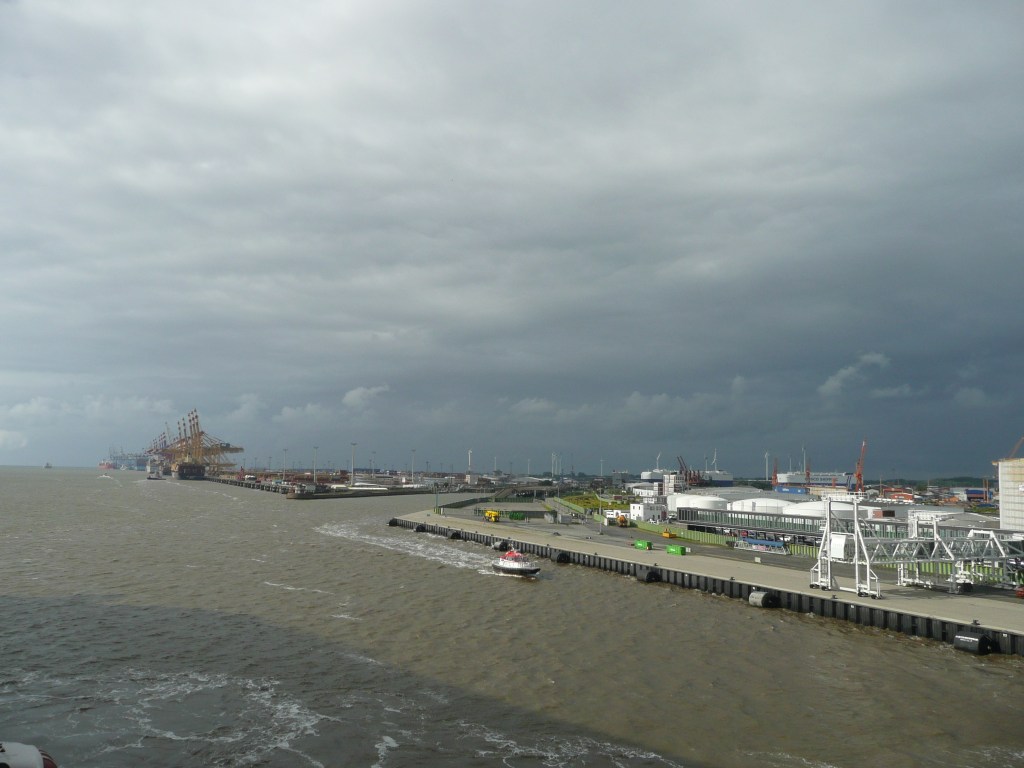
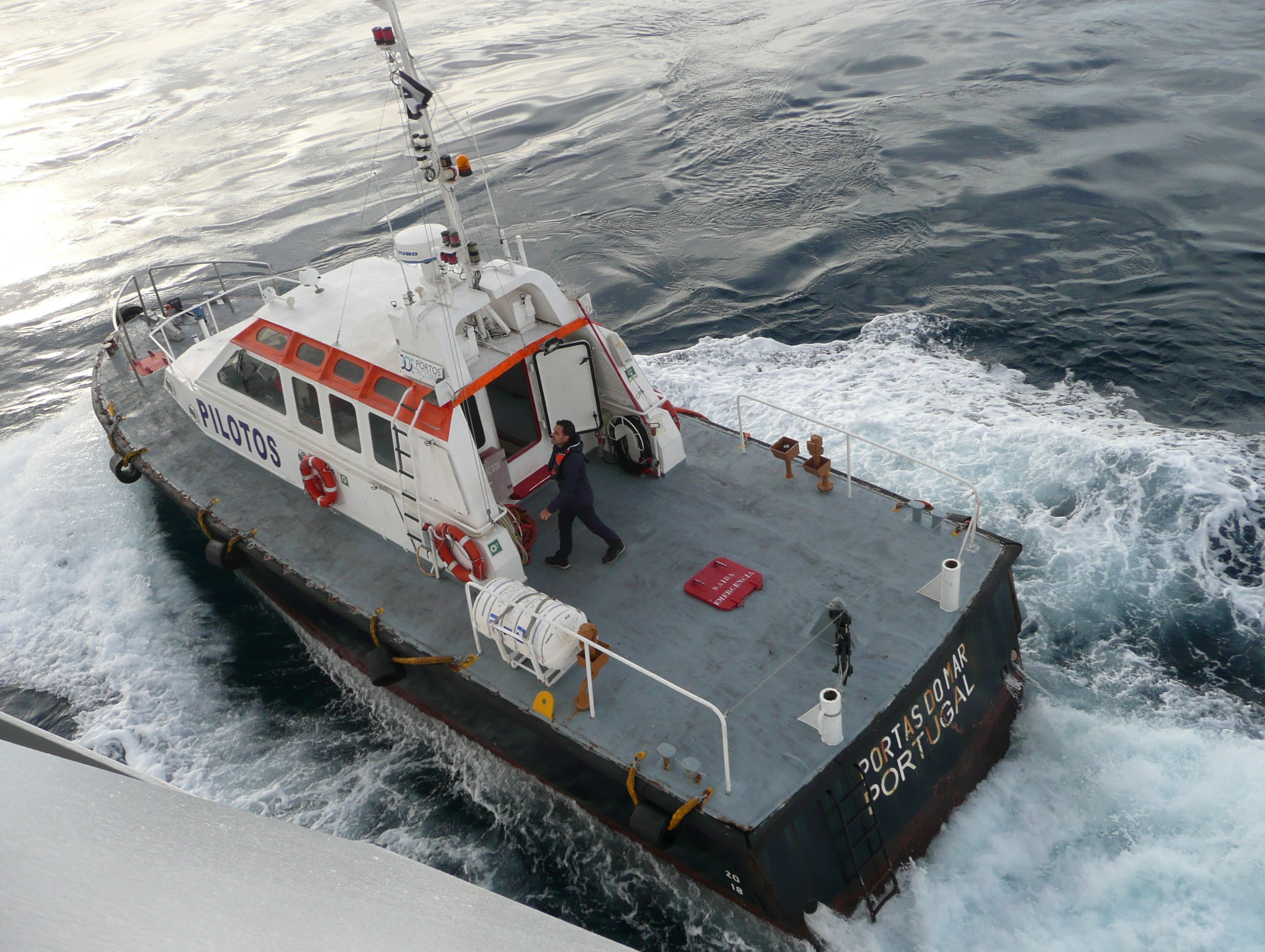
O 17:00 słyszymy buczenie syreny okrętowej i odprowadzani przez pilota wyruszamy najpierw do ujścia Wezery, a potem na zimne Morze Północne.

At 5:00 p.m. we hear the sound of the ship’s horn and, accompanied by the pilot, we set off first to the mouth of the Weser and then to the cold North Sea.

Mouth of the Weser River – Ujście rzeki Wezery

Długo siedzę na naszym balkonie, smagana zimnym wiatrem Morza Północnego i patrzę na szare fale. Nareszcie na morzu!

I sit on our balcony for a long time, buffeted by the cold North Sea wind, gazing at the gray waves. Finally, at sea!

North Sea – Morze Północne

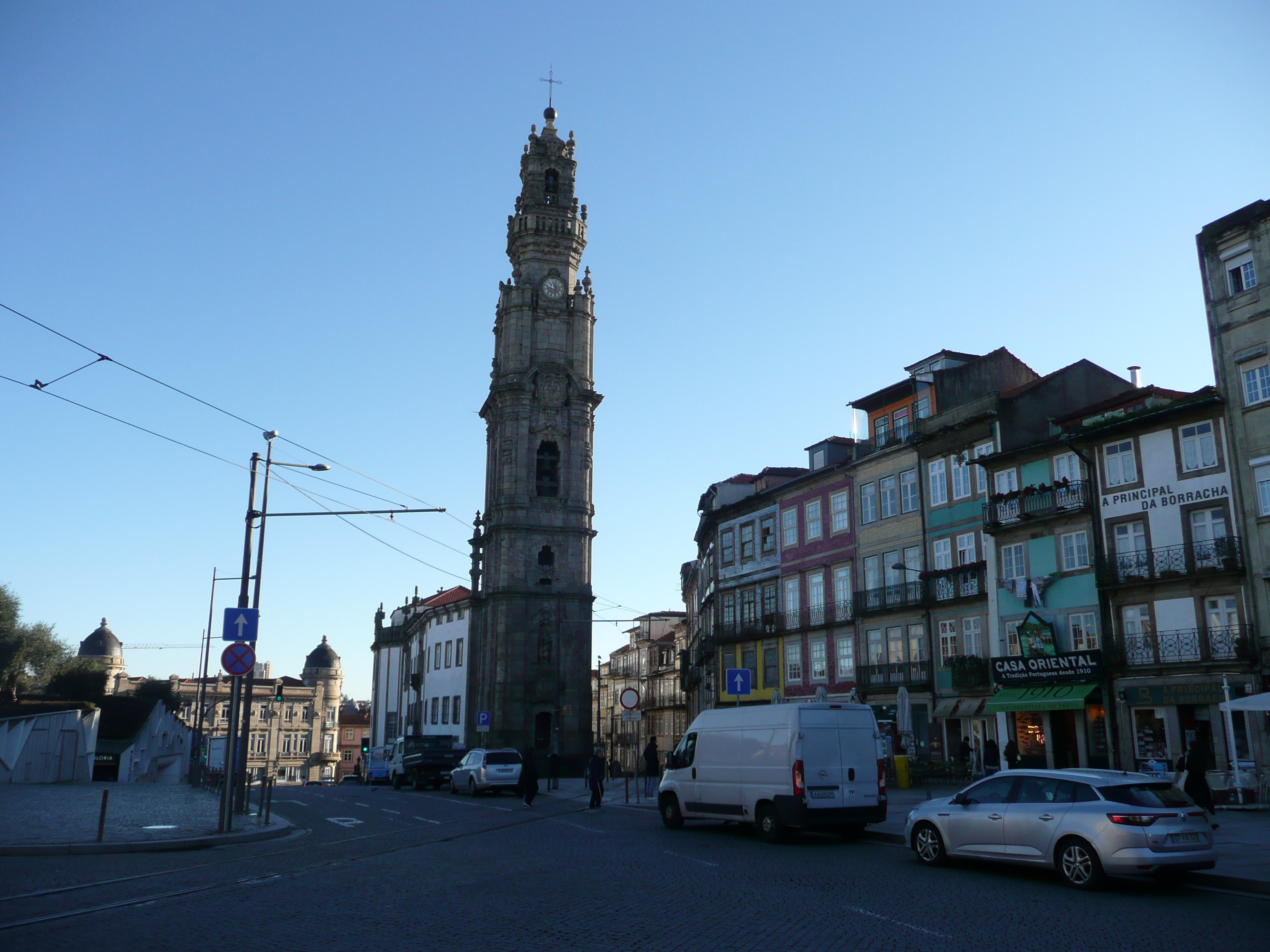
Miasto nad Douro

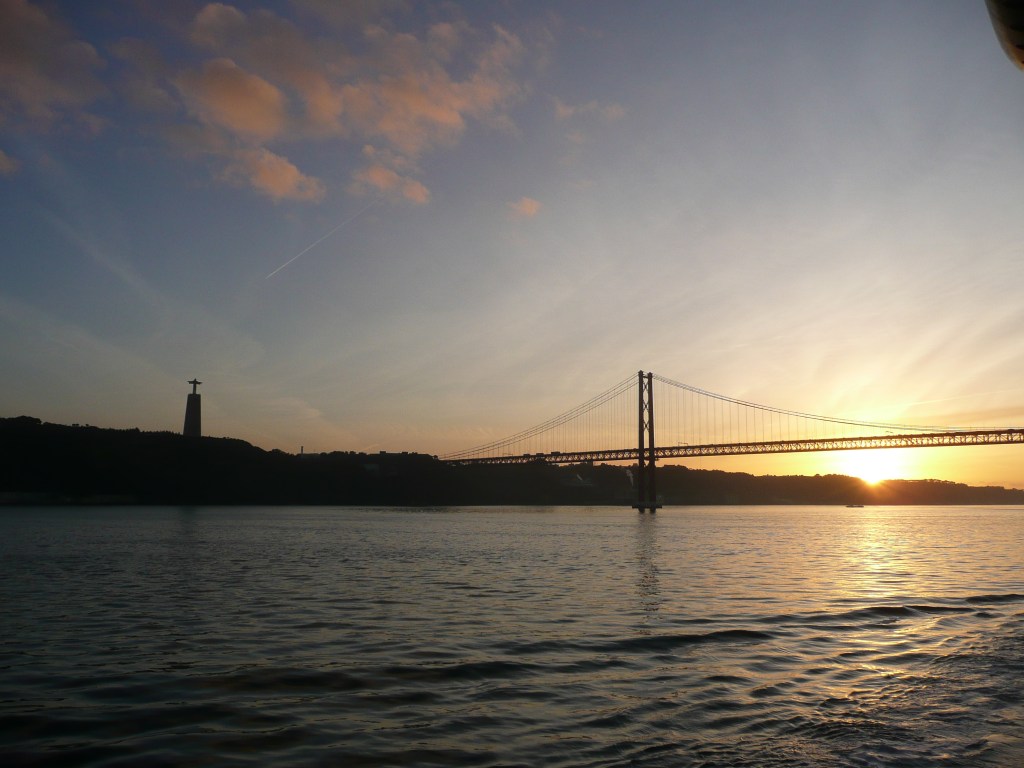
W nocy pokonaliśmy spacerkiem 199 mil morskich (370 kilometrów) i o świcie mogliśmy zobaczyć białe dachy portu w Leixões …

During the night we walked 199 nautical miles (370 kilometers) and at dawn we could see the white roofs of the port of Leixões…

Porto’s Cruise Terminal

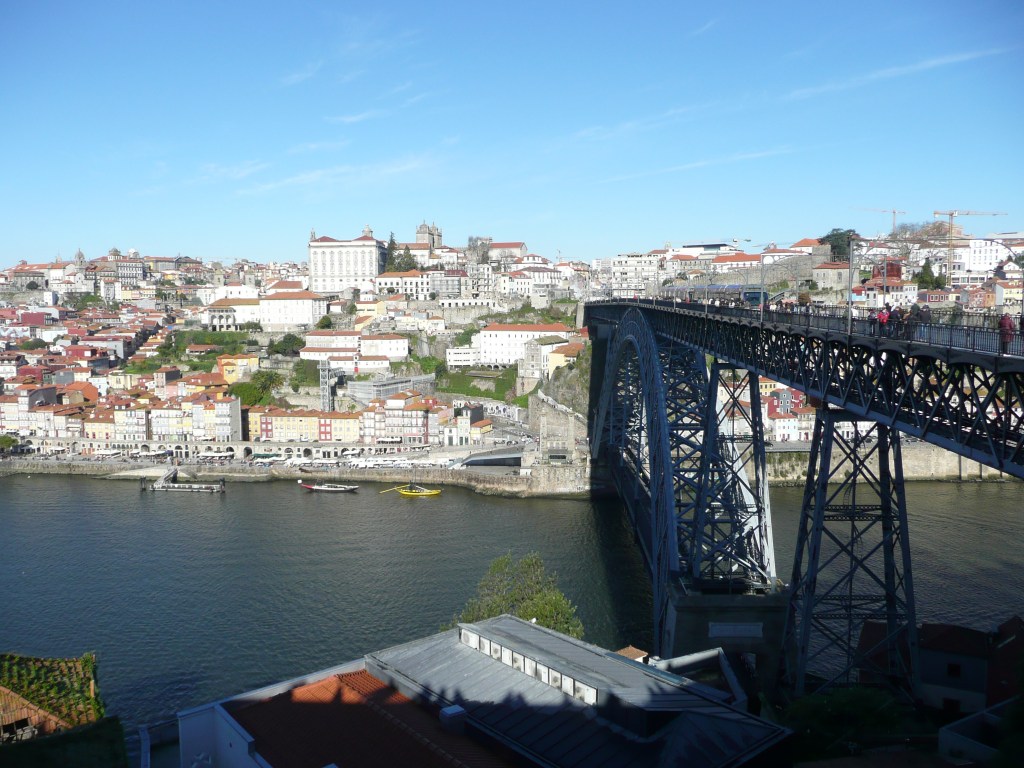
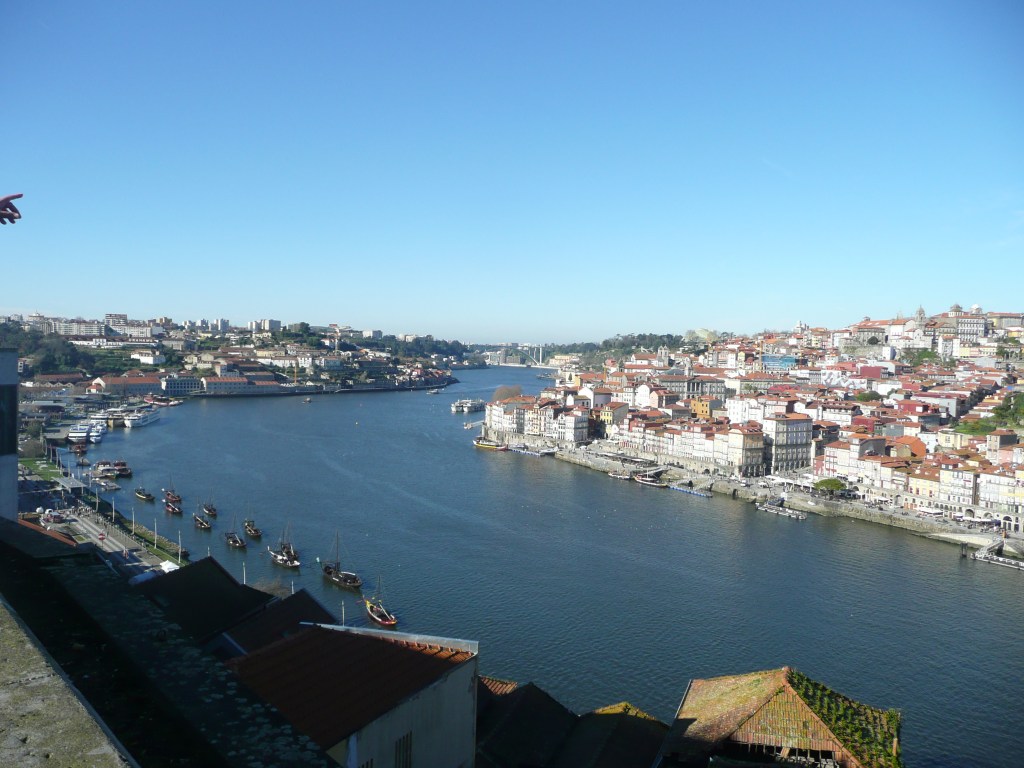
Wprawdzie kaszlałam nadal jak stary dzielnicowy, ale mogłam już łazić, wprawdzie łapiąc zadyszkę i marudząc, więc ruszyliśmy do pięknego miasta Porto u ujścia rzeki Douro (Duero). Miasto ma około 250 tys. mieszkańców, słynie z wina o tej samej nazwie, powstało w czasach rzymskich, a jego starówka jest wpisana na listę UNESCO.

Although I was still coughing like an old policeman, I could now walk around, albeit out of breath and grumbling, so we set off for the beautiful city of Porto at the mouth of the Douro (Duero) River. The city has around 250,000 inhabitants, is famous for its wine of the same name, dates back to Roman times, and its old town is a UNESCO World Heritage Site.

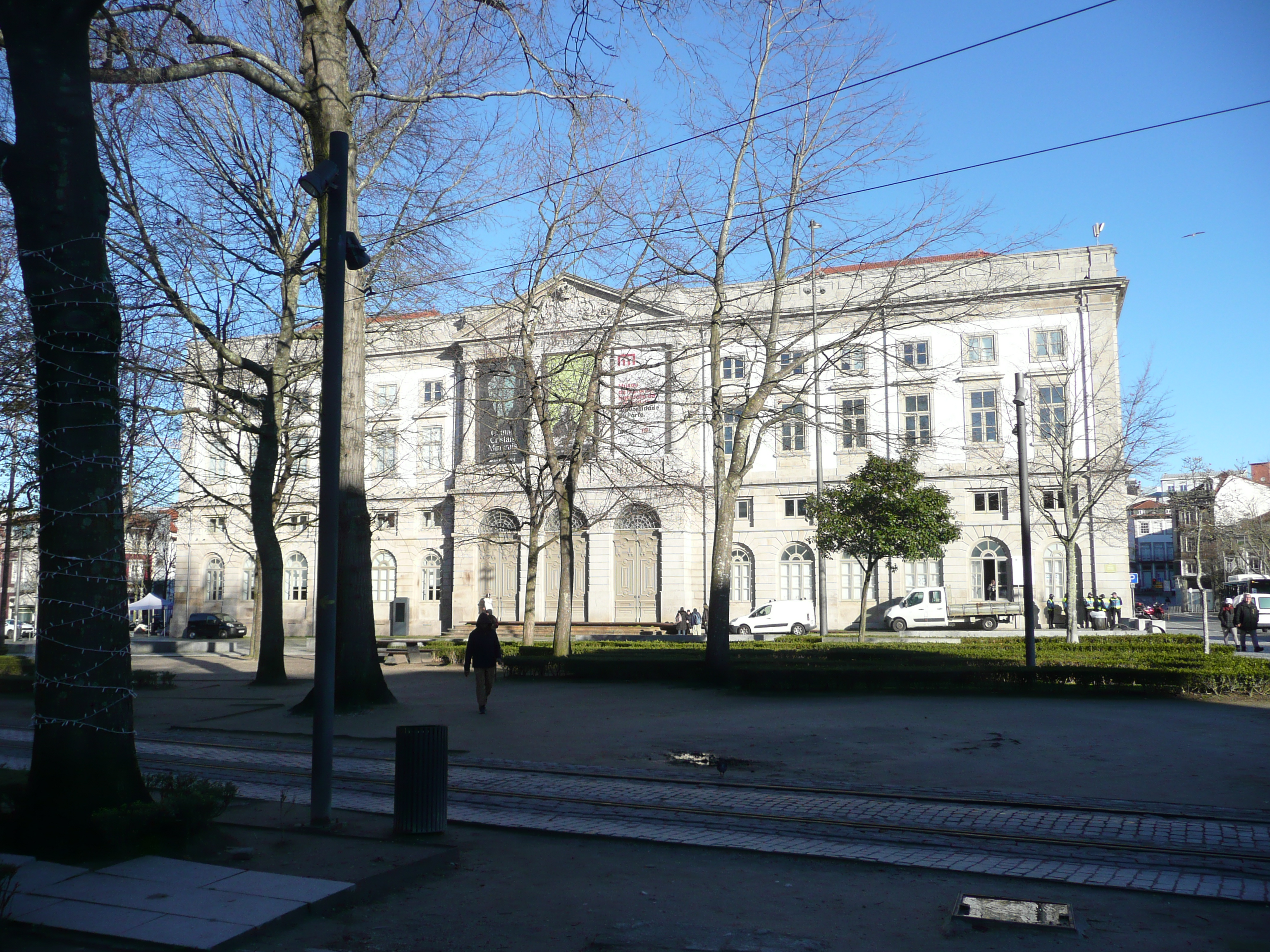
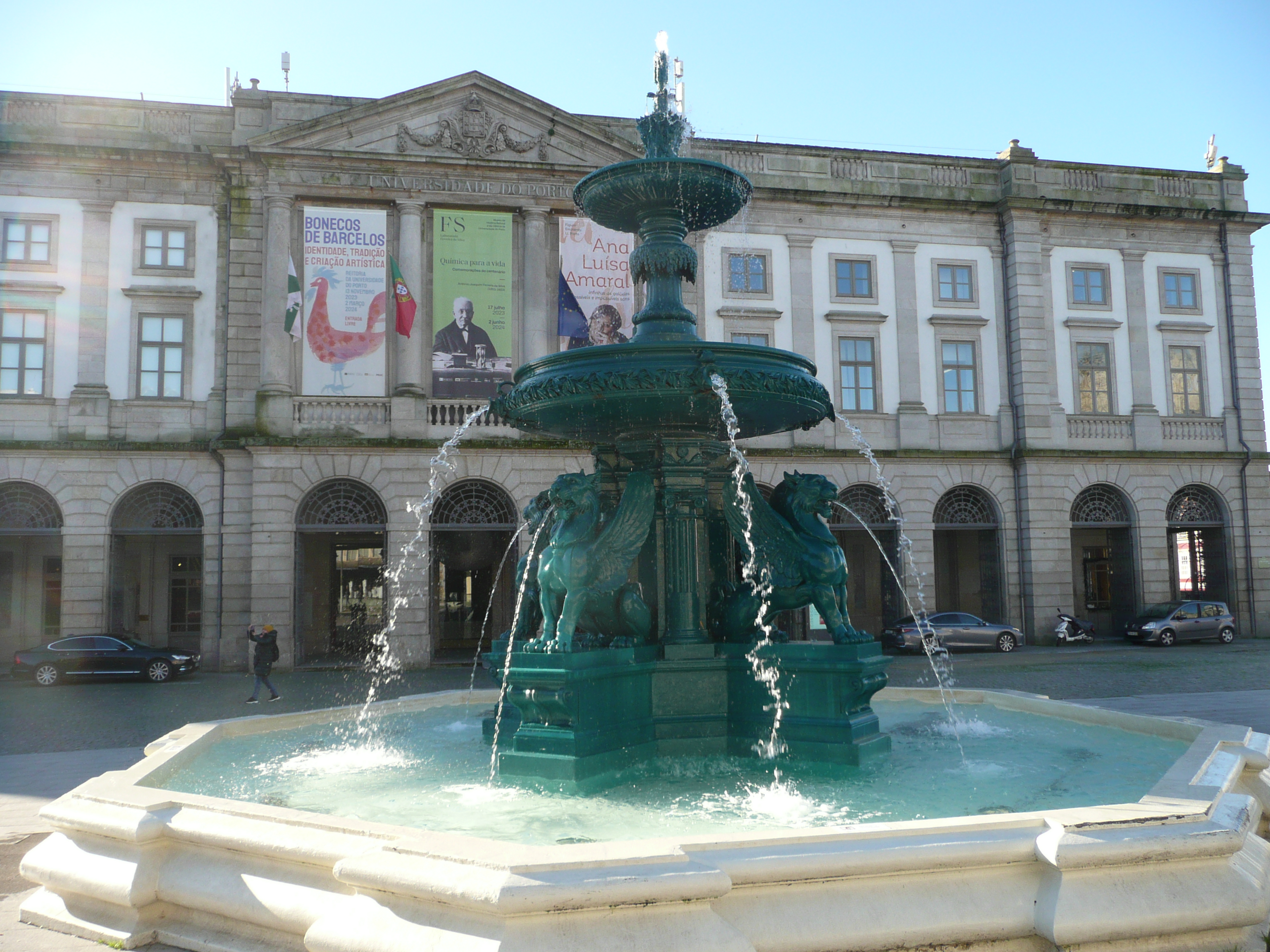
O Porto napisano już zapewne wszystko, więc żeby was nie zanudzać pokażę kilka zdjęć i niniejszym poinformuję, że to nareszcie koniec naszej podróży. Wprawdzie z Porto mamy jeszcze do przepłynięcia 1 222 mile morskie (2 263 kilometry) do Hamburga, ale cieszymy się, że nareszcie wracamy do domku w Krainie Deszczowców, gdzie zaczyna się wiosna …

Everything’s probably been written about Porto already, so to avoid boring you, I’ll show you a few photos and let you know that our journey is finally over. Although we still have 1,222 nautical miles (2,263 kilometers) to sail from Porto to Hamburg, we’re happy to finally be back at our cottage in the Land of Rain, where spring is just beginning…

Porto, Ribeira
Porto, Portugal

Przepłynęliśmy 10 682 mile morskie, czyli 20 189 kilometrów. Zanim pomyślę o następnej wyprawie muszę wyprać górę ciuchów i znów zacząć gotować, co jest dla mnie okropną karą. Ale tak wyglądają powroty nawet z najbardziej egzotycznych wypraw.

Dziękuję, że żeglowaliście ze mną. Mam nadzieję, że będziecie mnie odwiedzać w Krainie Deszczowców: http://www.mycastle.video.blog

Całuski! 🥰

We’ve sailed 10,682 nautical miles, or 20,189 kilometers. Before I even think about my next trip, I have to wash a mountain of clothes and start cooking again, which is a terrible punishment for me. But that’s what returning from even the most exotic trips is like.

Thank you for sailing with me. I hope you’ll visit me in the Land of Rain: http://www.mycastle.video.blog

Kisses! 🥰

Sztorm, epidemia i Lizbona Storm, epidemic and Lisbon

Niedługo po opuszczeniu Azorów dopadł nas sztorm, wprawdzie nie jakiś straszny, ale wiało prawie 10 w skali Beauforta, a fale sięgały dziesięciu metrów, ale to był pestka dla takich lisów morskich jak my. Mnie dopadła choroba, ale nie morska, tylko zakaźna, rozprzestrzeniająca się wśród pasażerów. Zaczęło się nad ranem, nagle straciłam zdolność oddychania i zaczęłam kaszleć, ale kaszleć tak strasznie, że przez dwie doby prawie nie spałam, dusząc się i cherlając tak bardzo, że zapewne poluzowały się śruby kadłuba. Nigdy w życiu nie kaszlałam tak straszliwie i nigdy w życiu nie byłam tak zmęczona. Kiedy dotarliśmy do Lizbony, myślałam raczej o morskim pogrzebie, niż o zwiedzaniu, ale prawo morskie mówi, że można pochować kogoś na morzu tylko wtedy, gdy do najbliższego lądu nie można dotrzeć w czasie krótszym niż 24 godziny… Prawo to powstało w czasach, gdy nie było lodówek, więc nie mając szans na pogrzeb godny wilka morskiego, postanowiłam zwlec się z łoża i zobaczyć Lizbonę.

Shortly after leaving the Azores, we were hit by a storm. It wasn’t a terrible one, though, with winds of nearly 10 on the Beaufort scale, and waves reaching ten meters, but that was easy for sea foxes like us. I got sick, not sea sickness, but a contagious illness that spread among the passengers. It started in the early morning hours. I suddenly lost the ability to breathe and started coughing, so badly that I barely slept for two days, choking and gasping so much that the hull screws probably loosened. I’d never coughed so badly in my life, and I’d never been so tired in my life. When we arrived in Lisbon, I was thinking more about a sea funeral than sightseeing, but maritime law states that someone can be buried at sea only if the nearest land cannot be reached in less than 24 hours… This law was created in the days before refrigerators, so with no chance of a funeral worthy of a sea dog, I decided to drag myself out of bed and see Lisbon.

Portugal from the Atlantic

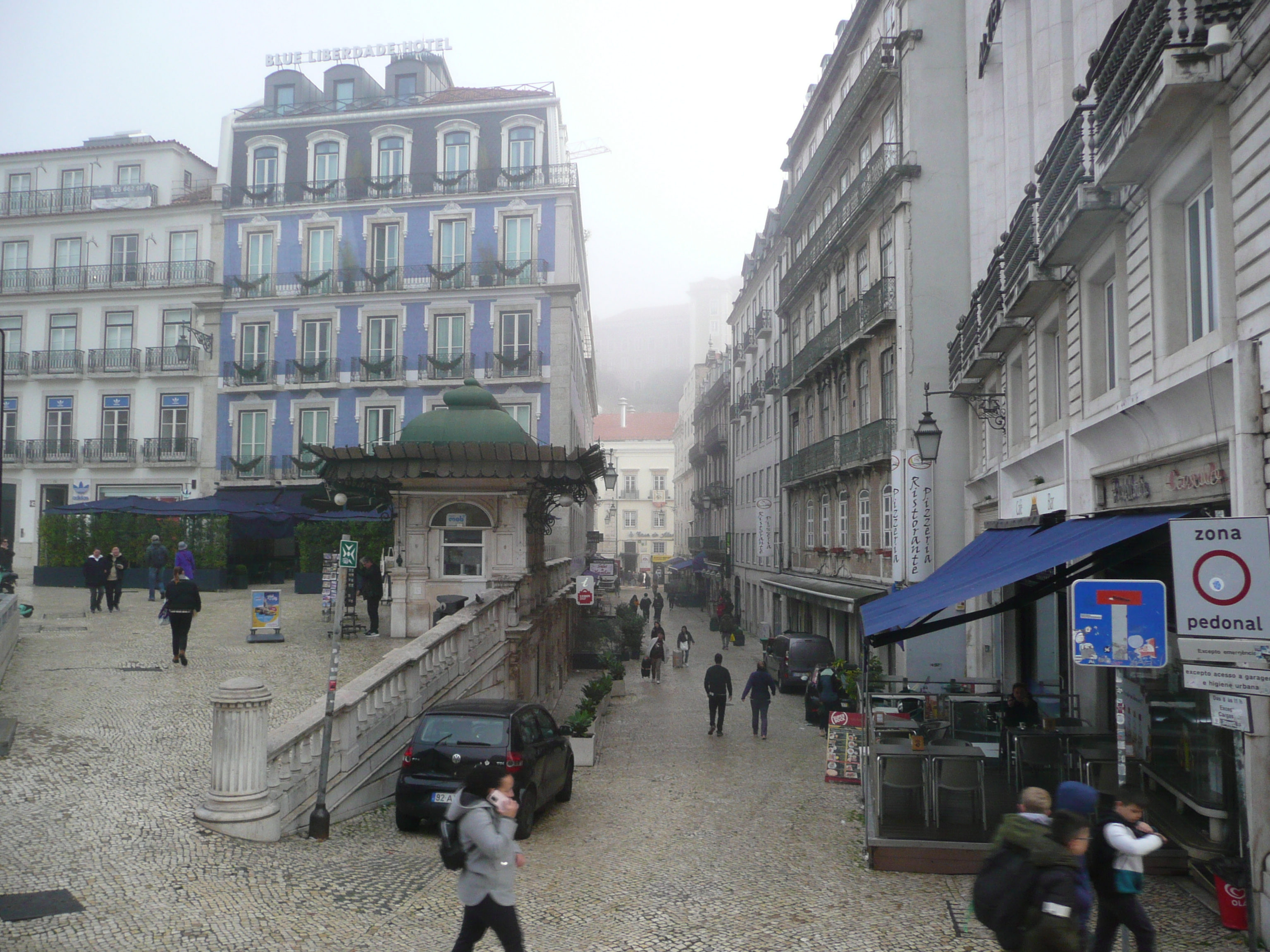
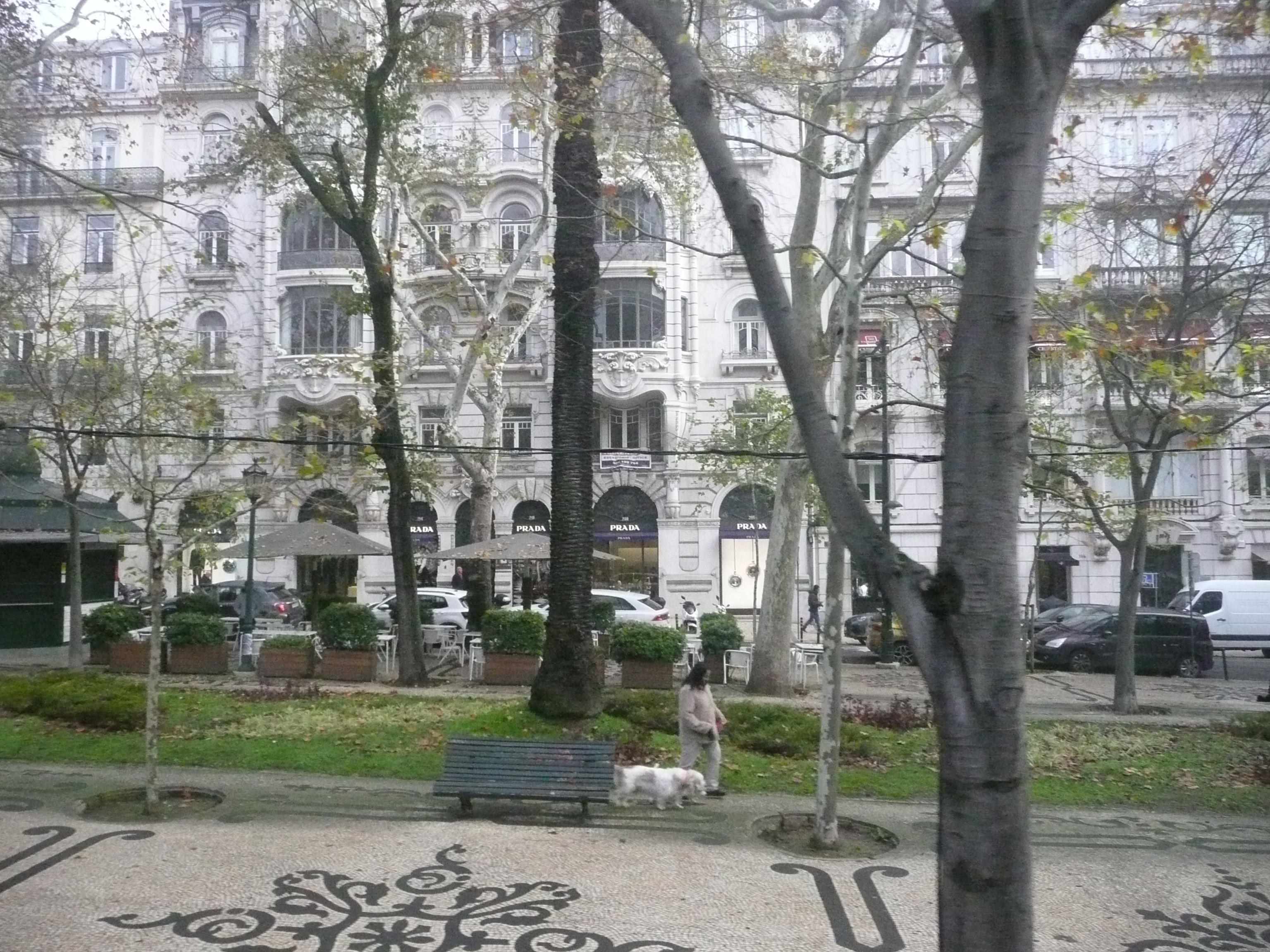
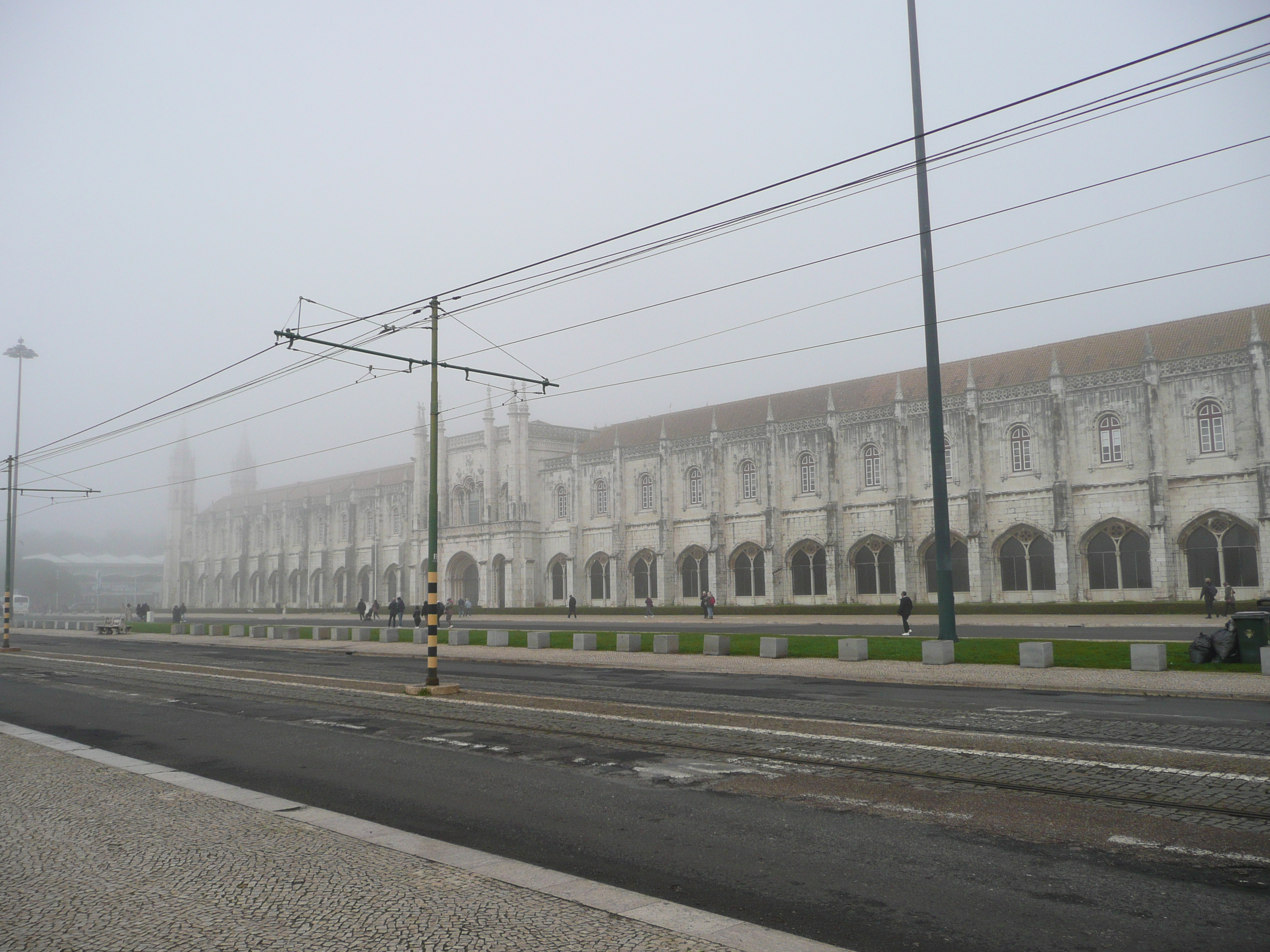
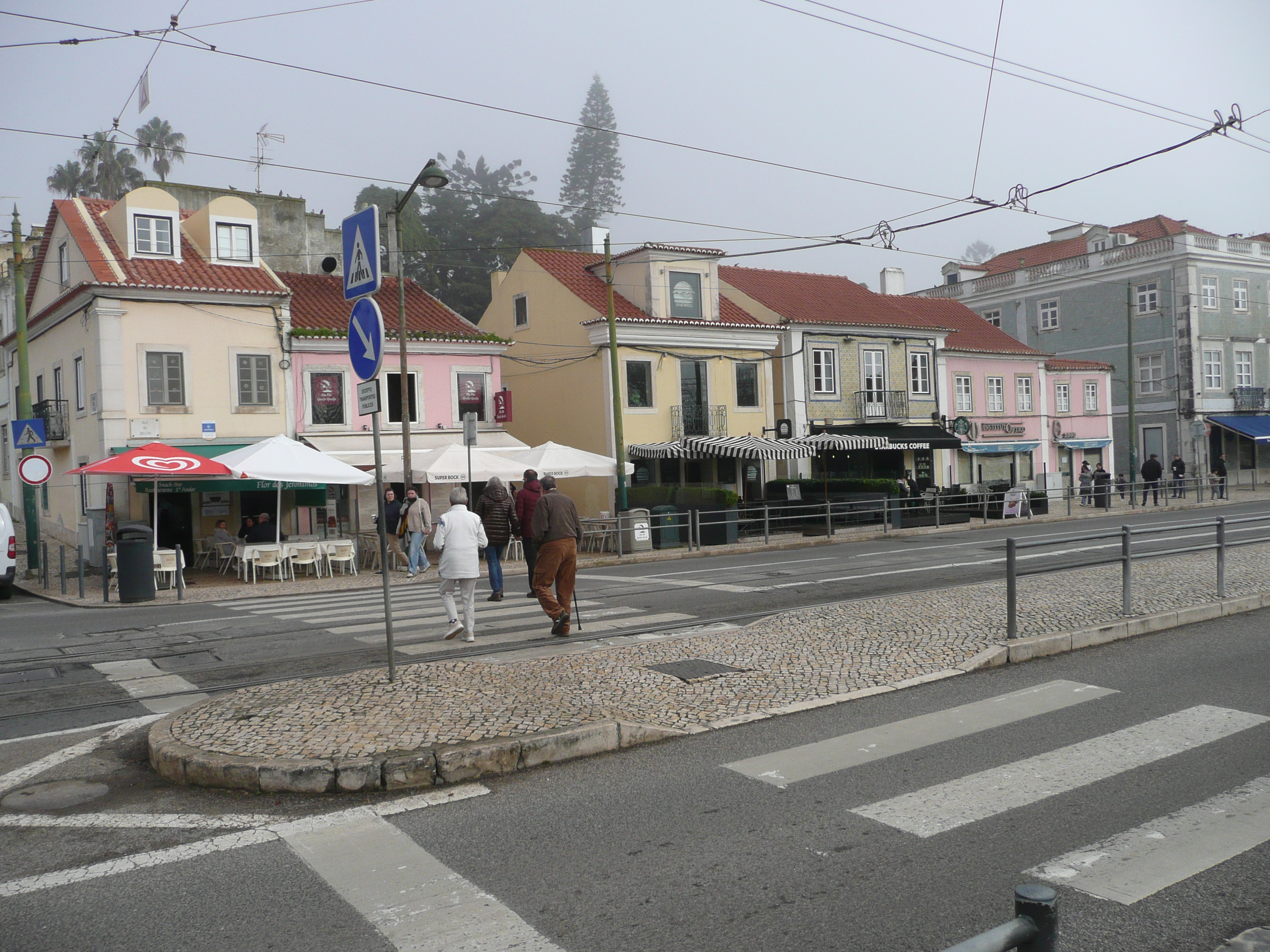
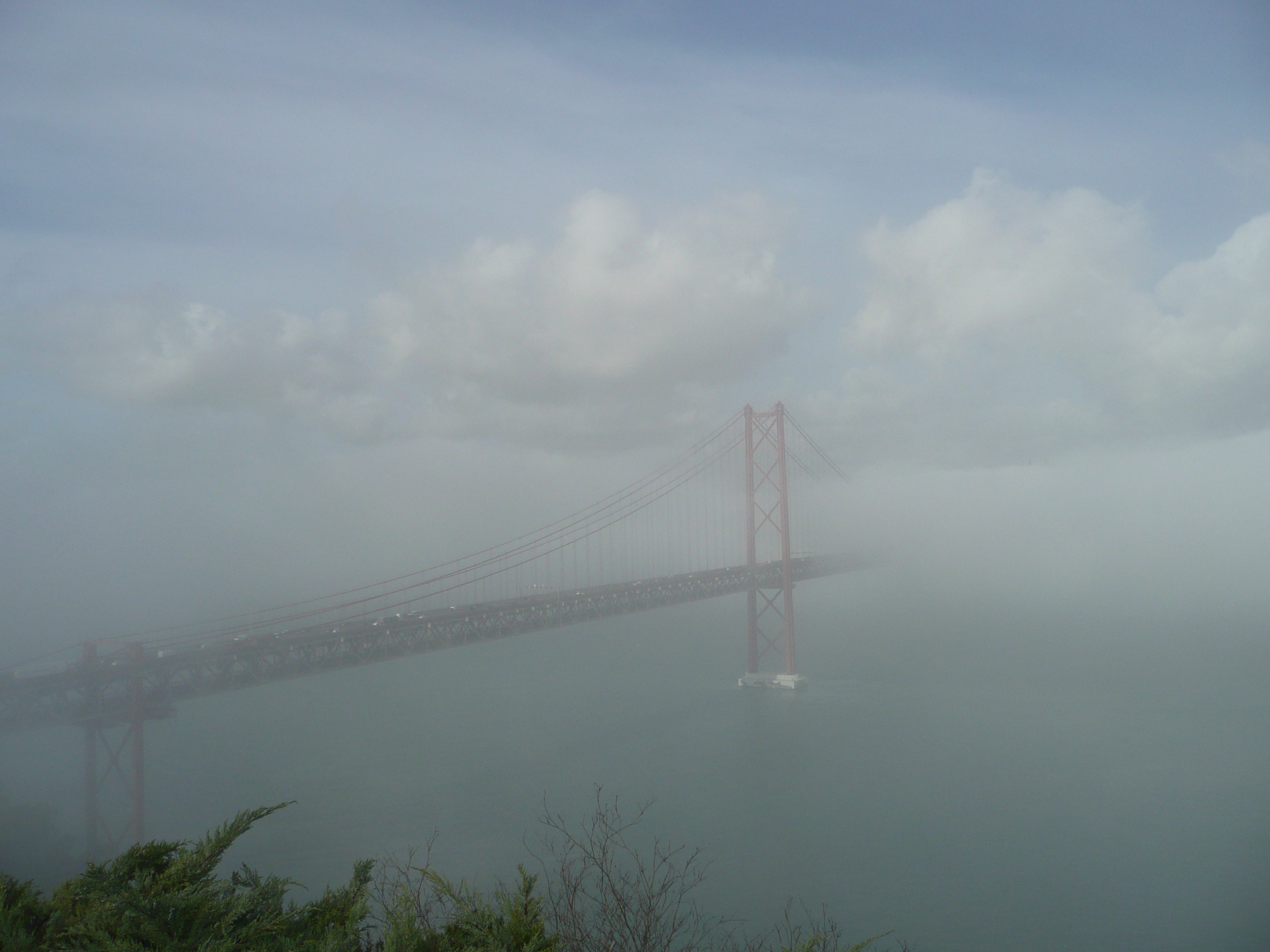
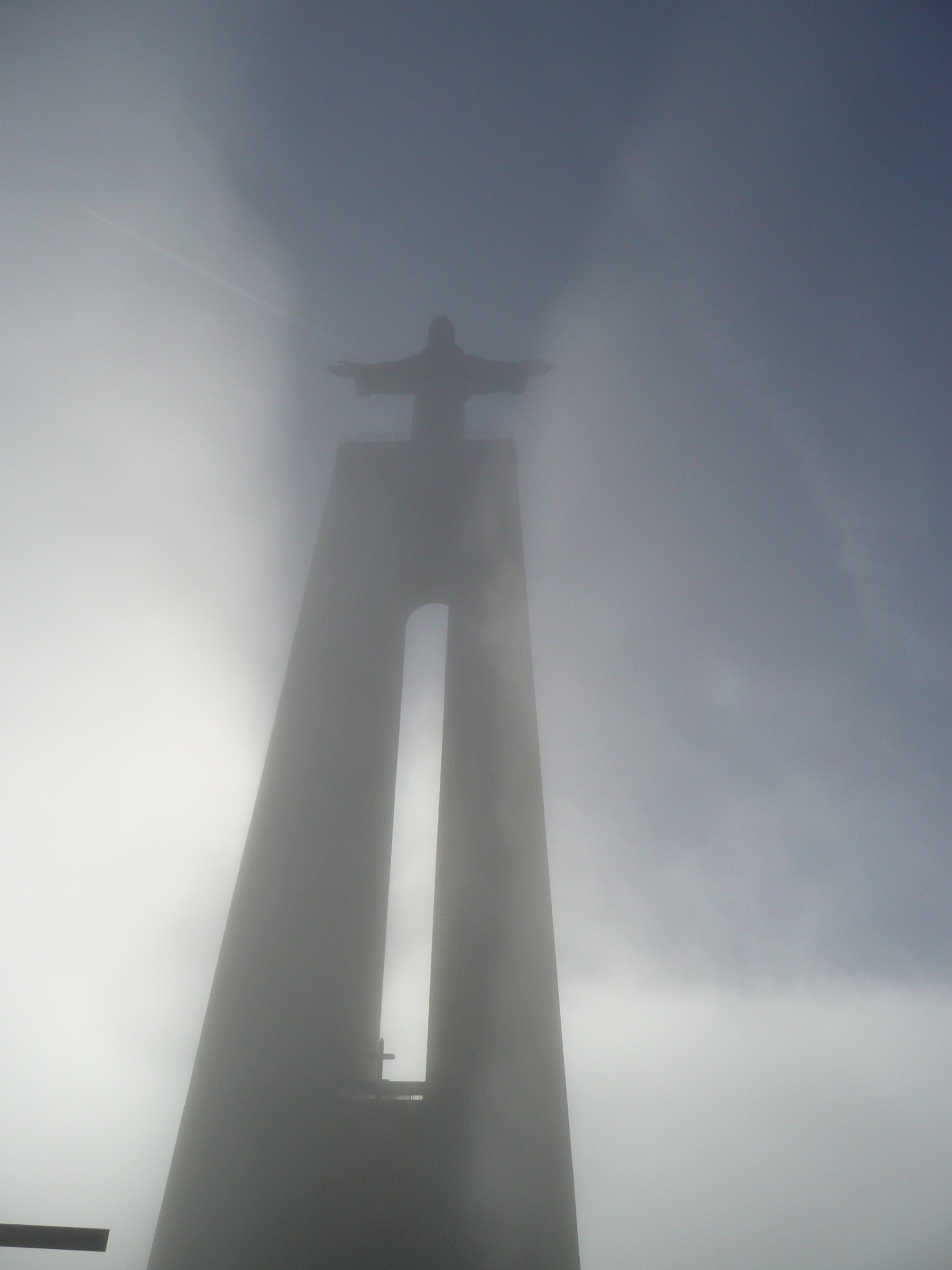
Będę szczera – nie pamiętam Lizbony. Ba, nie pamietam tych kilku dni, kiedy dopływaliśmy do Europy. W autokarze, który zabrał nas z portu przysypiałam co chwilę skulona na siedzeniu, w przerwach kaszlałam i ani razu nie wysiadłam. Zdjęcia robił Pan i Władca, nie wszystkie wyszły dobrze, ale niektóre mogę wam pokazać.

I’ll be honest – I don’t remember Lisbon. In fact, I don’t remember those few days we reached Europe. On the coach that took us from the port, I kept dozing off, curled up in my seat, coughing during breaks, and never once got off. The Lord and Master took the photos; not all of them turned out well, but I can show you some.

Obiecuję, że to już prawie koniec tej długiej relacji. Został jeszcze jeden port i nareszcie z powrotem do Krainy Deszczowców. Ale na razie opuszczamy stolicę Portugalii, której to stolicy nie pamiętam…

I promise this is almost the end of this long report. One more port of call and finally back to the Land of Rain. But for now, we’re leaving the capital of Portugal, which I don’t remember…

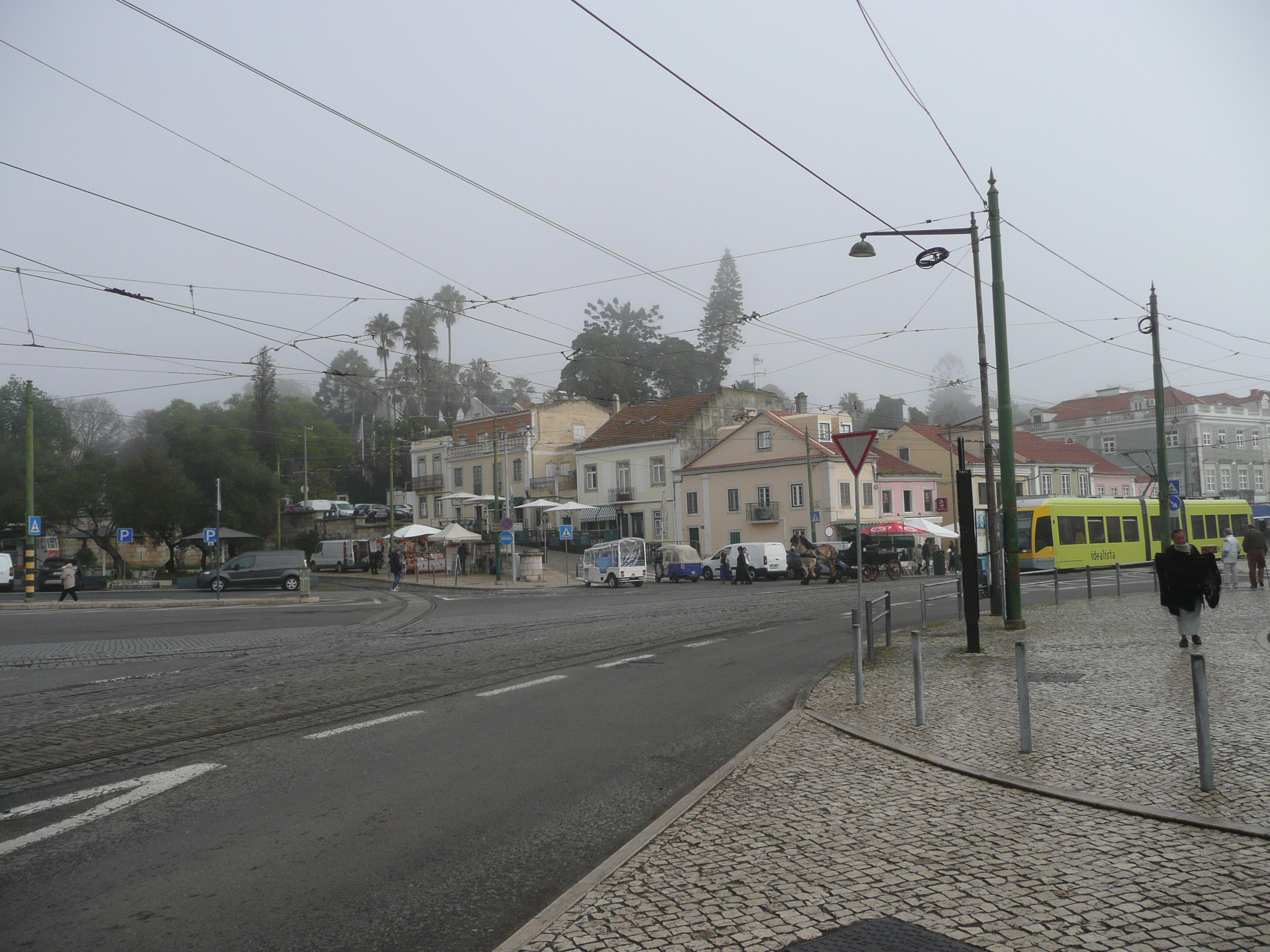
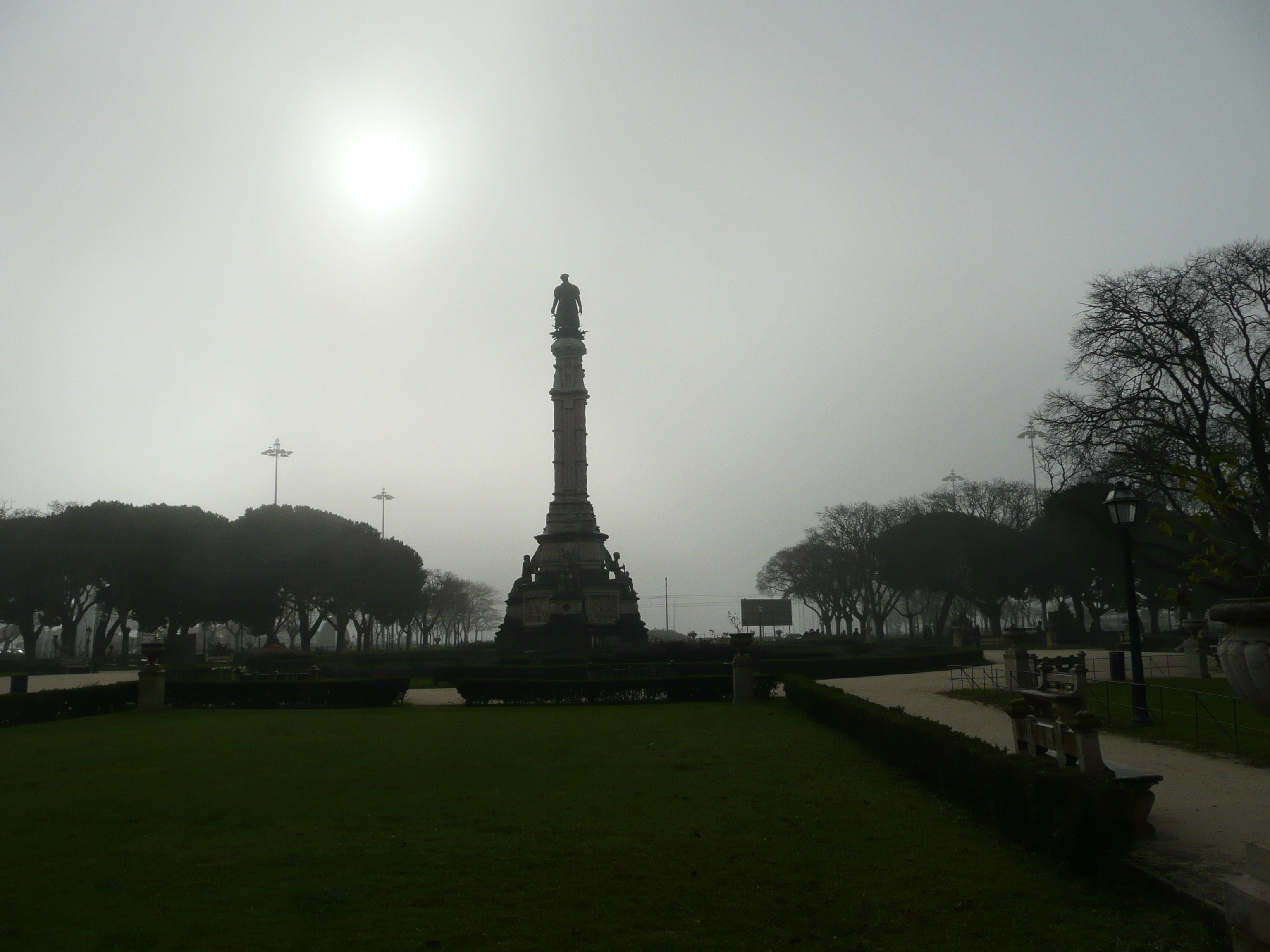
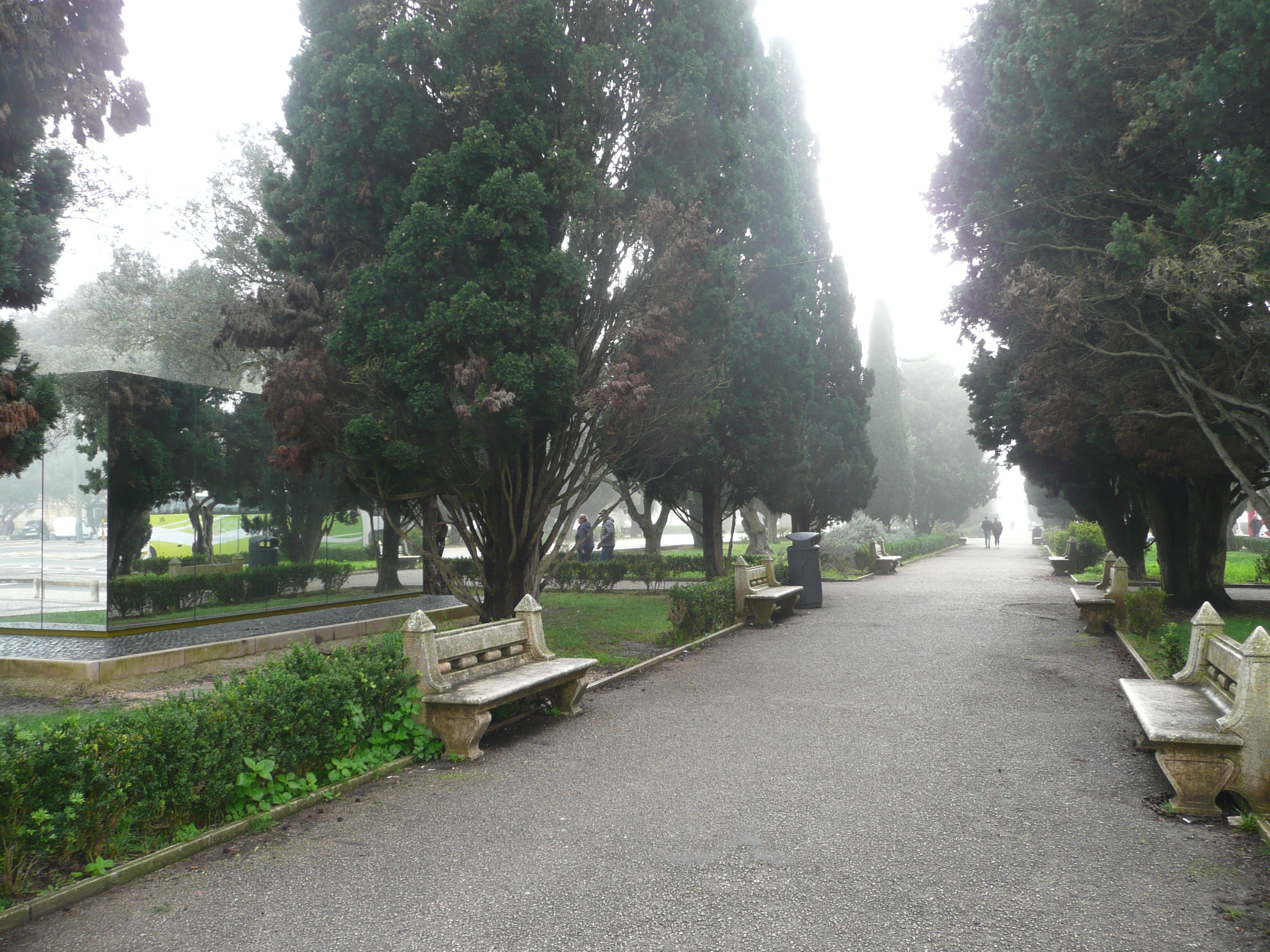
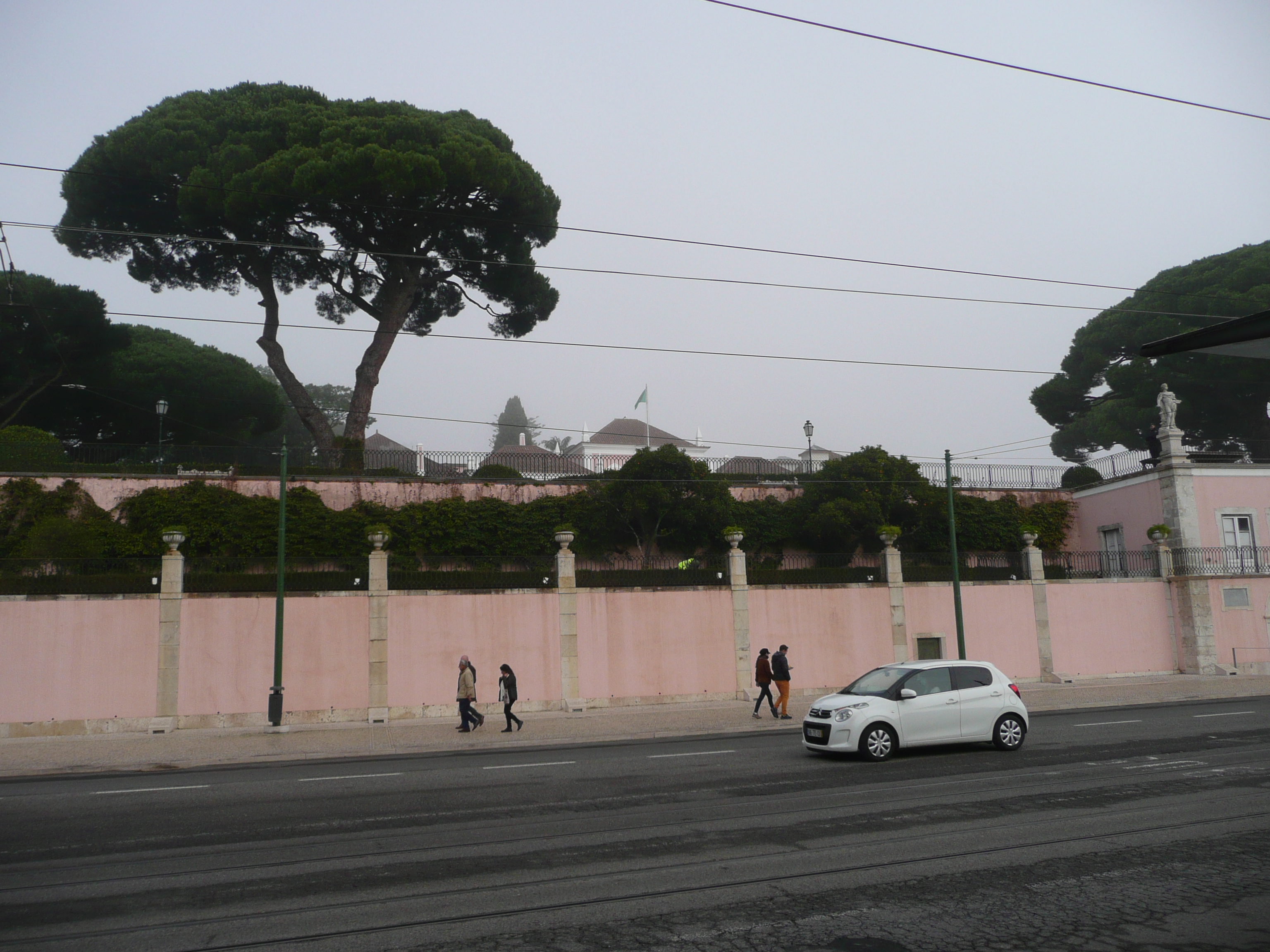
Lisbona, Portugal
Lisbon, Portugal
Portugal

Ponta Delgada, Azory / Azores

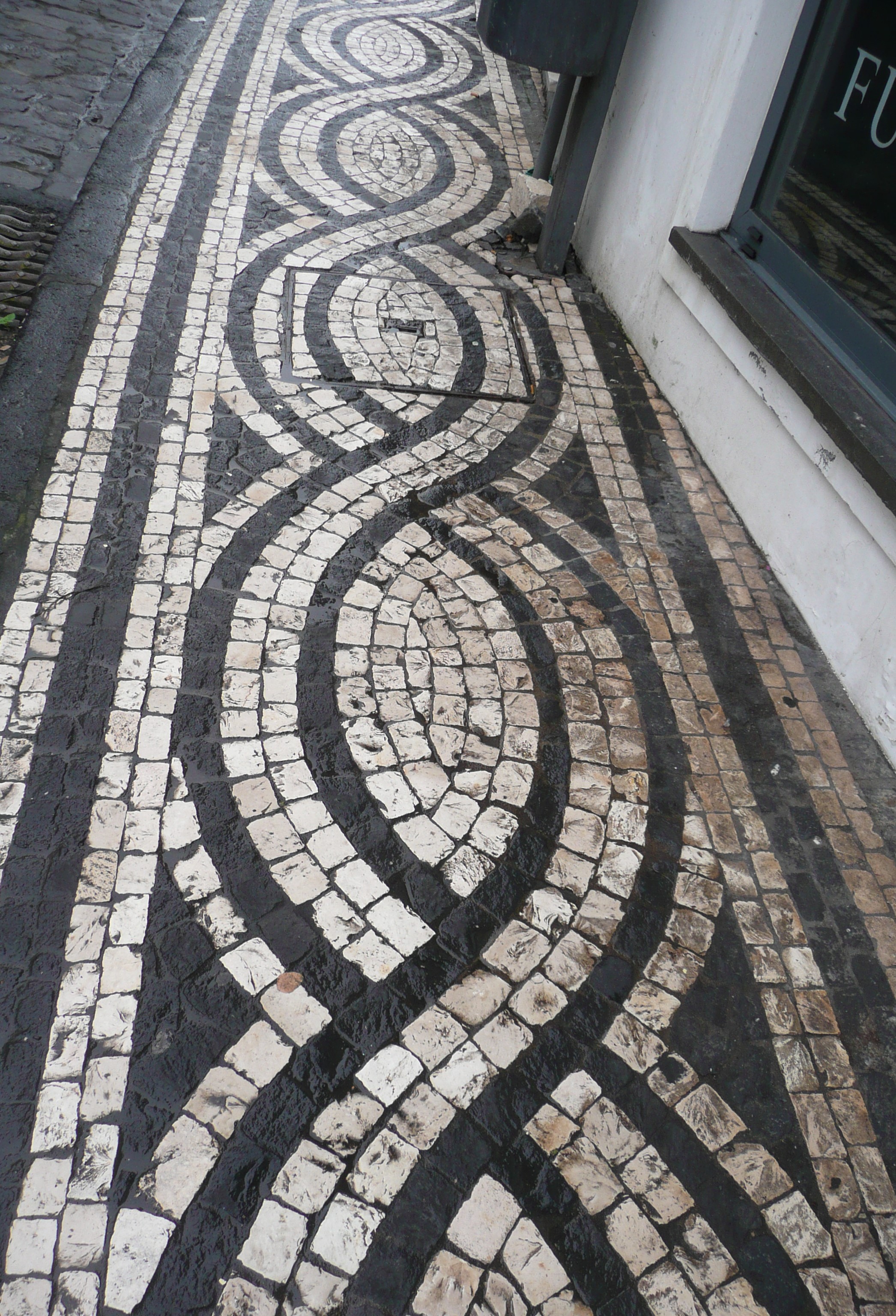
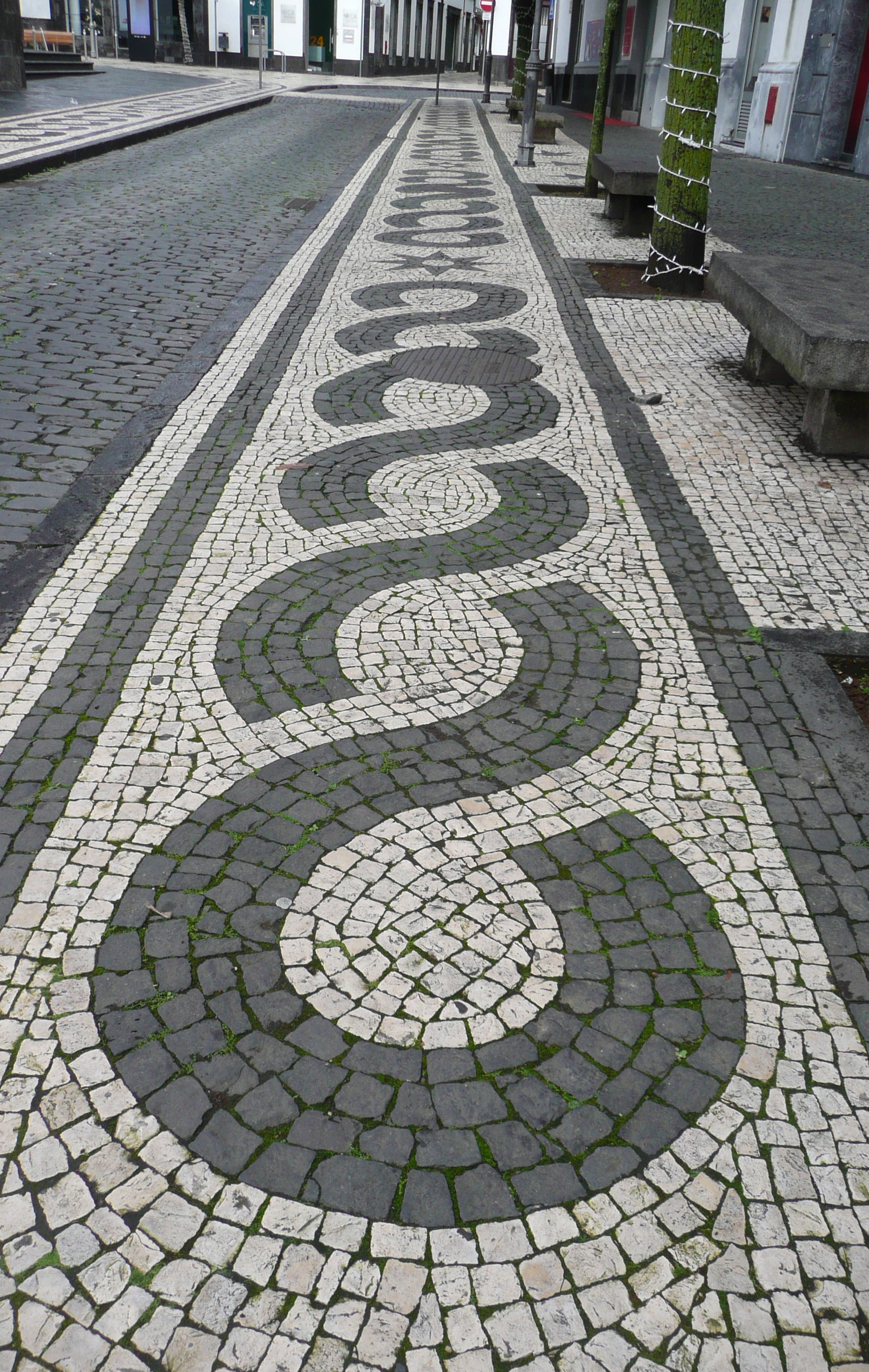
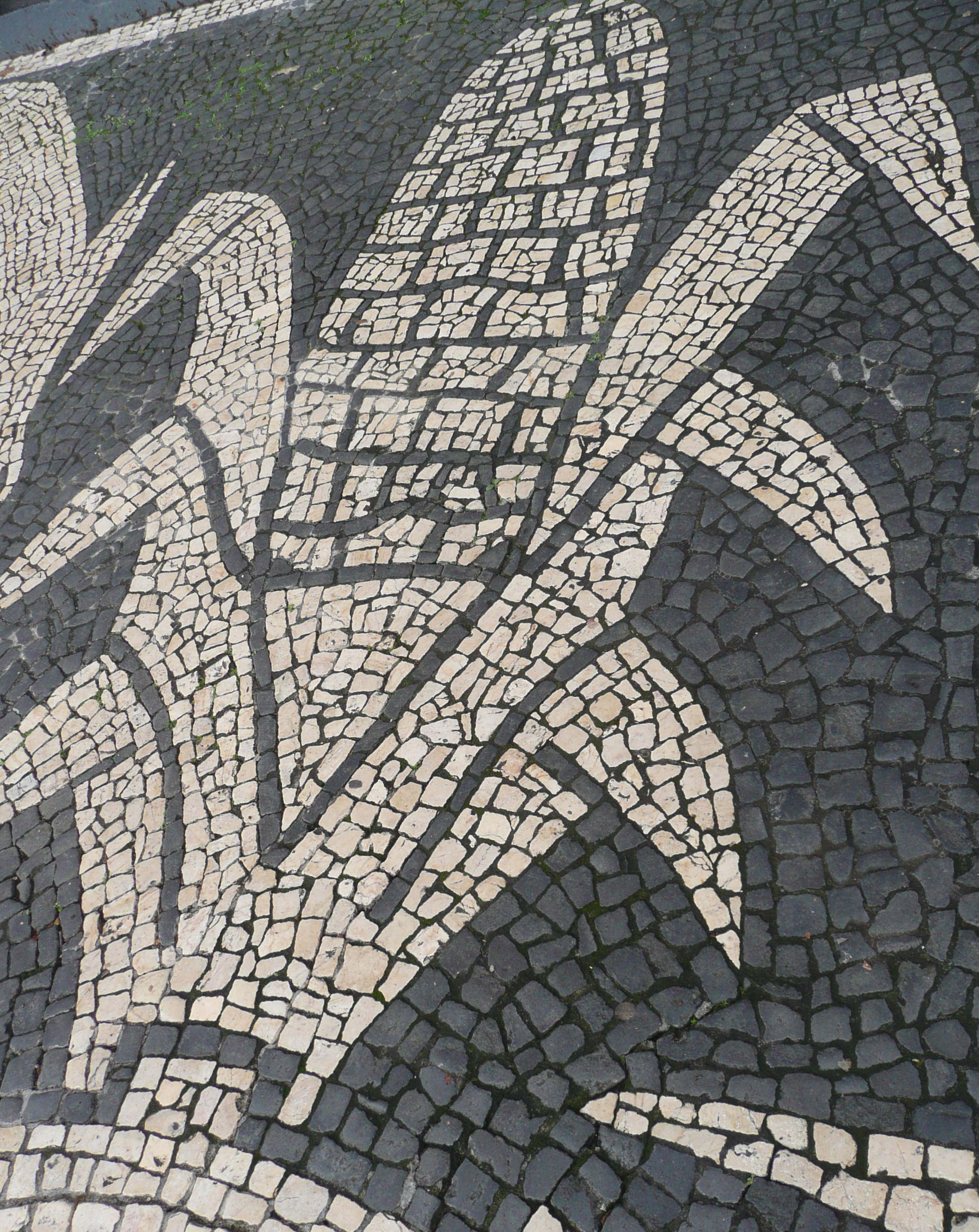
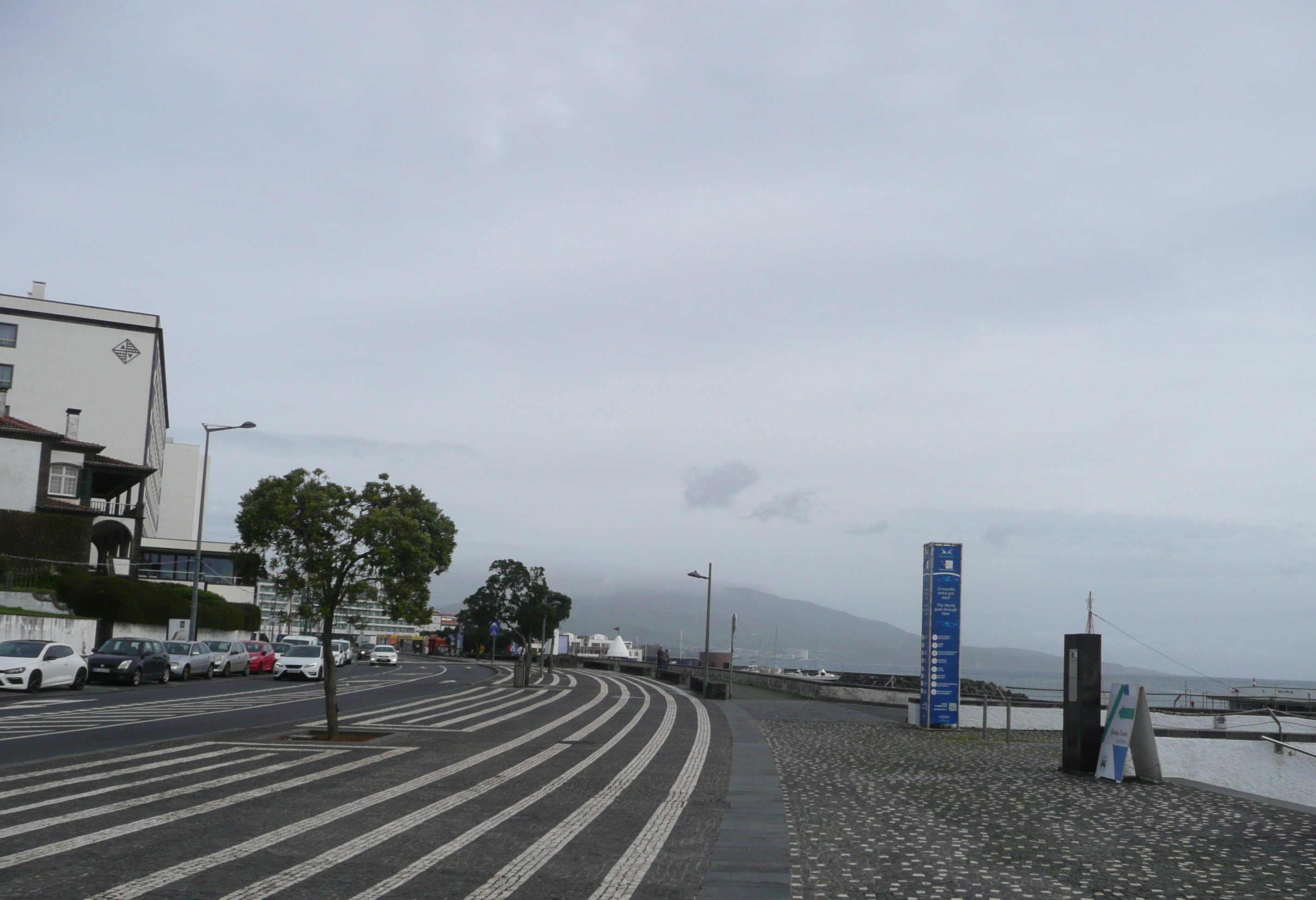
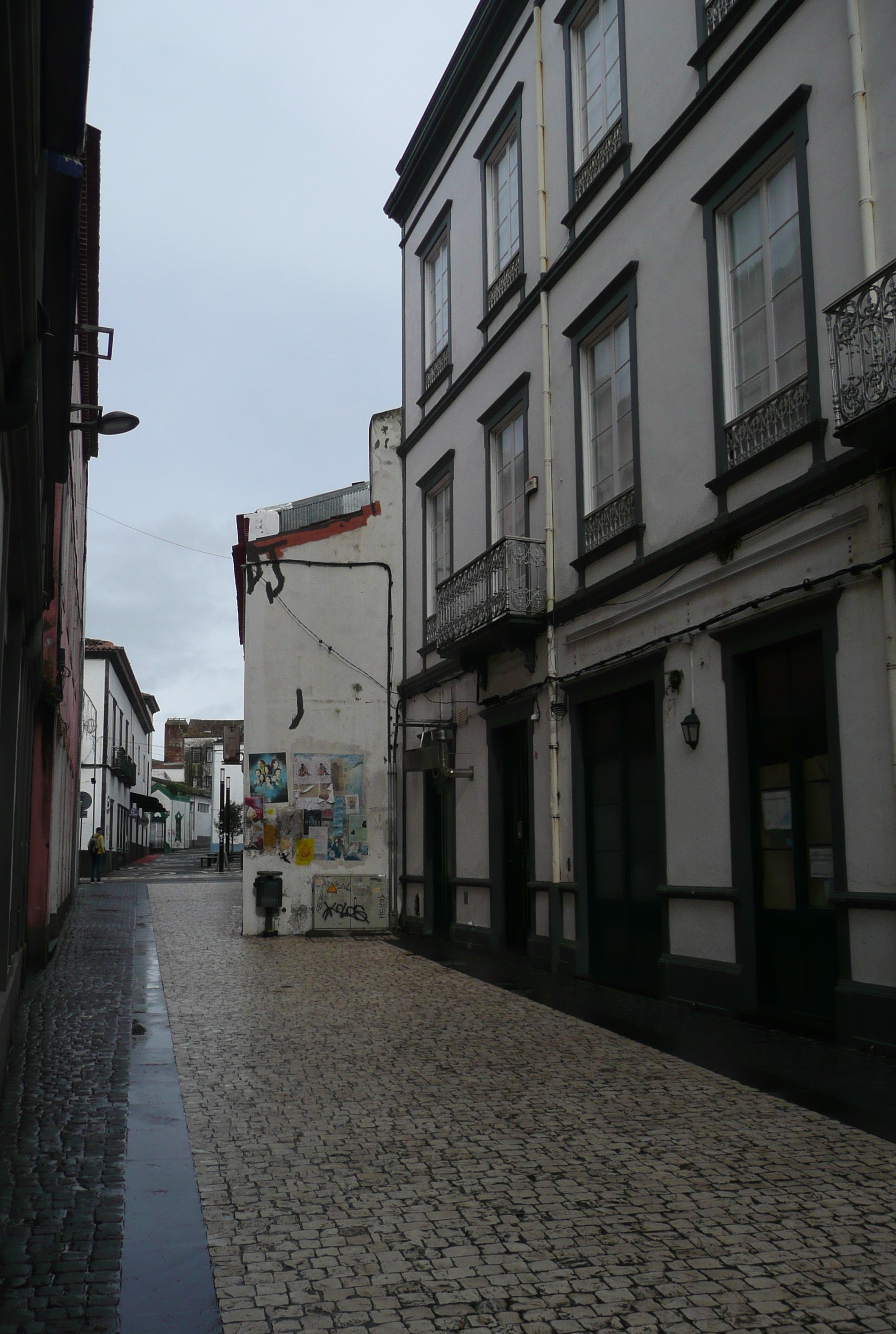
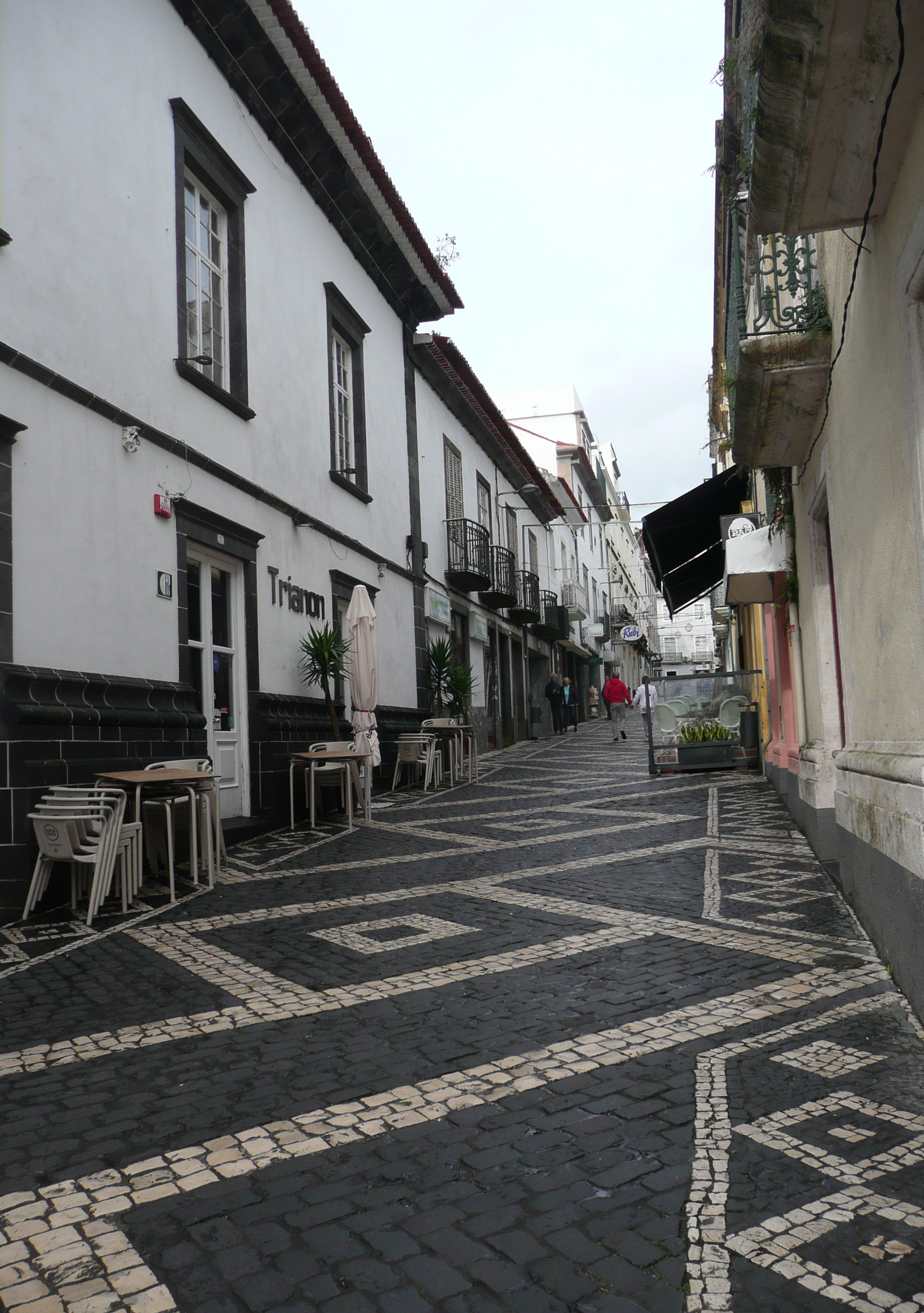
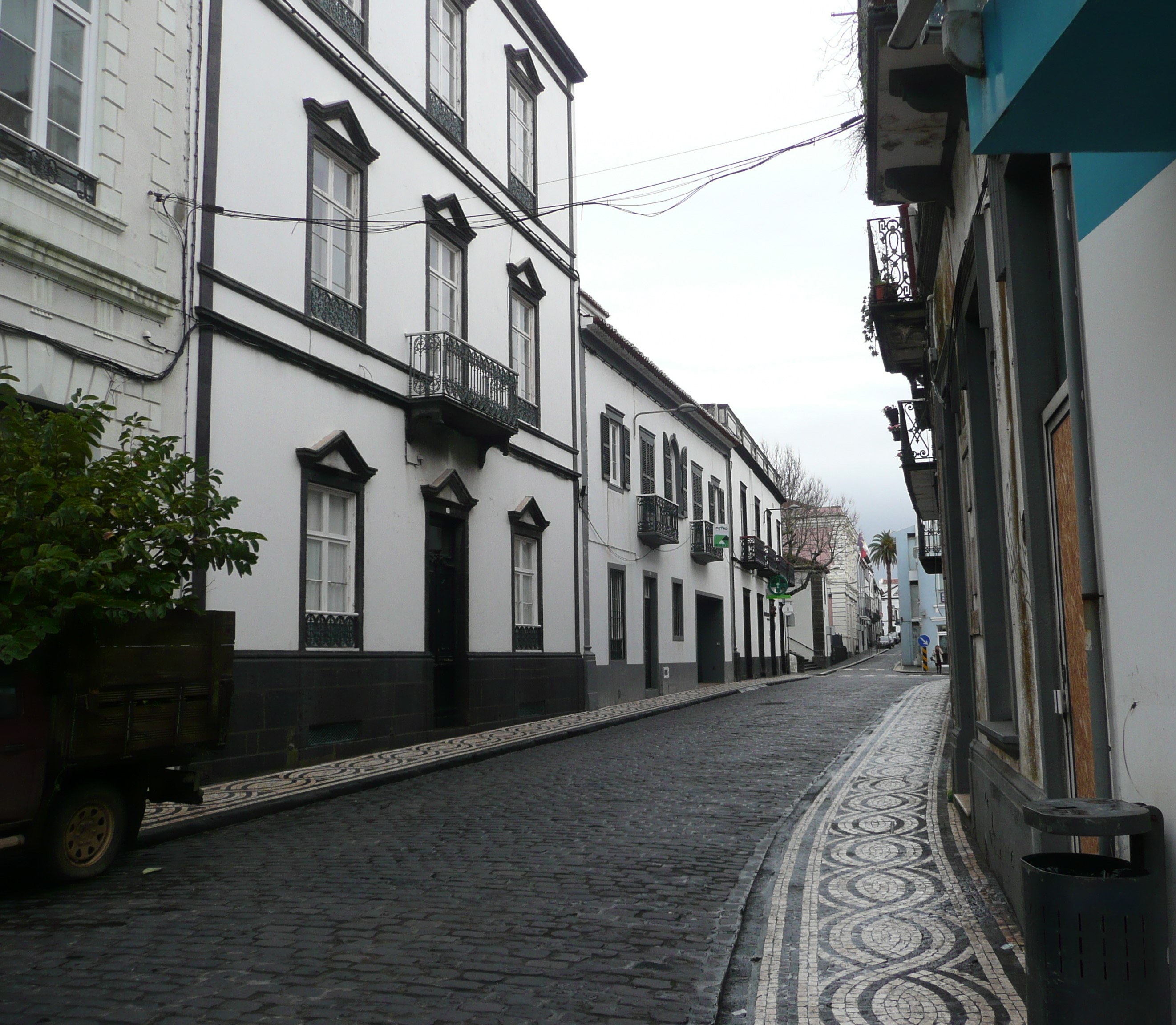
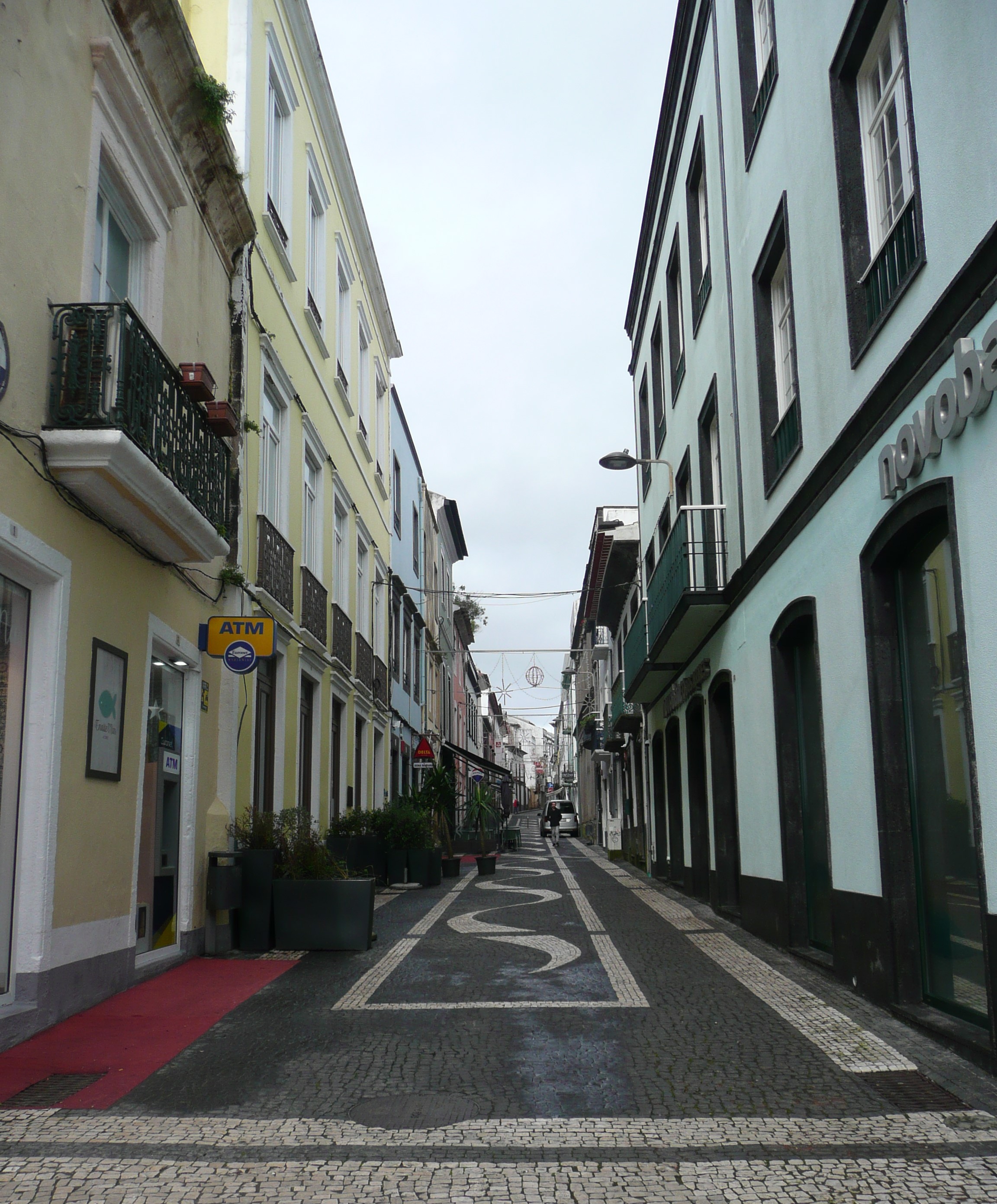
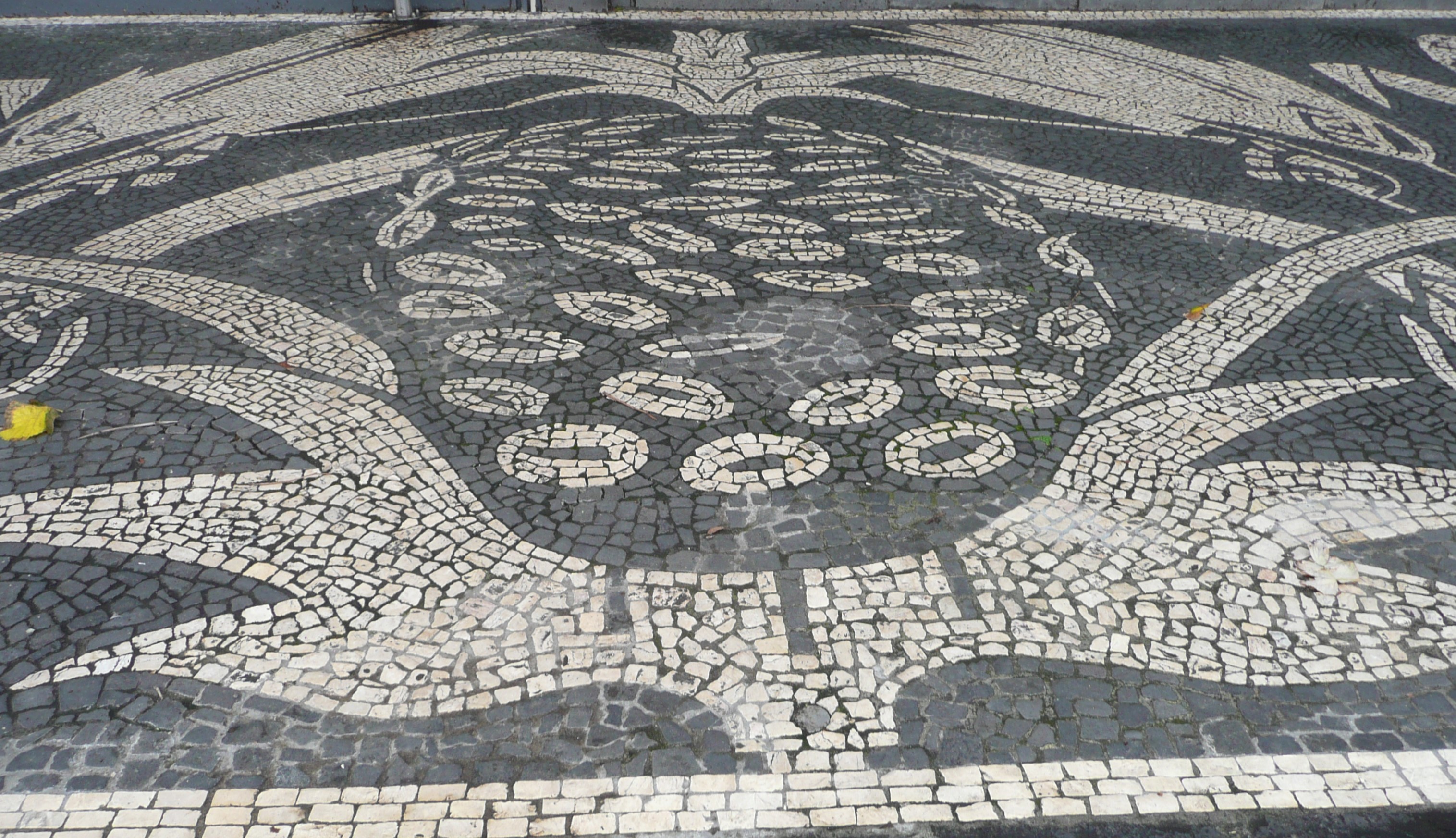
W 2007 roku Azory zostały uznane przez National Geografic za jeden z najatrakcyjniejszych rejonów świata. Trudno się dziwić, bo mają tam nie tylko gorące żródła, gejzery i wulkany, ale jeszcze czarne plaże, hortensje, jedyne w Europie plantacje herbaty i wiecznie zielone krajobrazy. Mają także (jak niektórzy zauważyli) piękne chodniki:

In 2007, the Azores were named one of the most attractive regions in the world by National Geographic. It’s no surprise, considering they boast not only hot springs, geysers, and volcanoes, but also black sand beaches, hydrangeas, the only tea plantations in Europe, and evergreen landscapes. They also have (as some have noted) beautiful walkways:

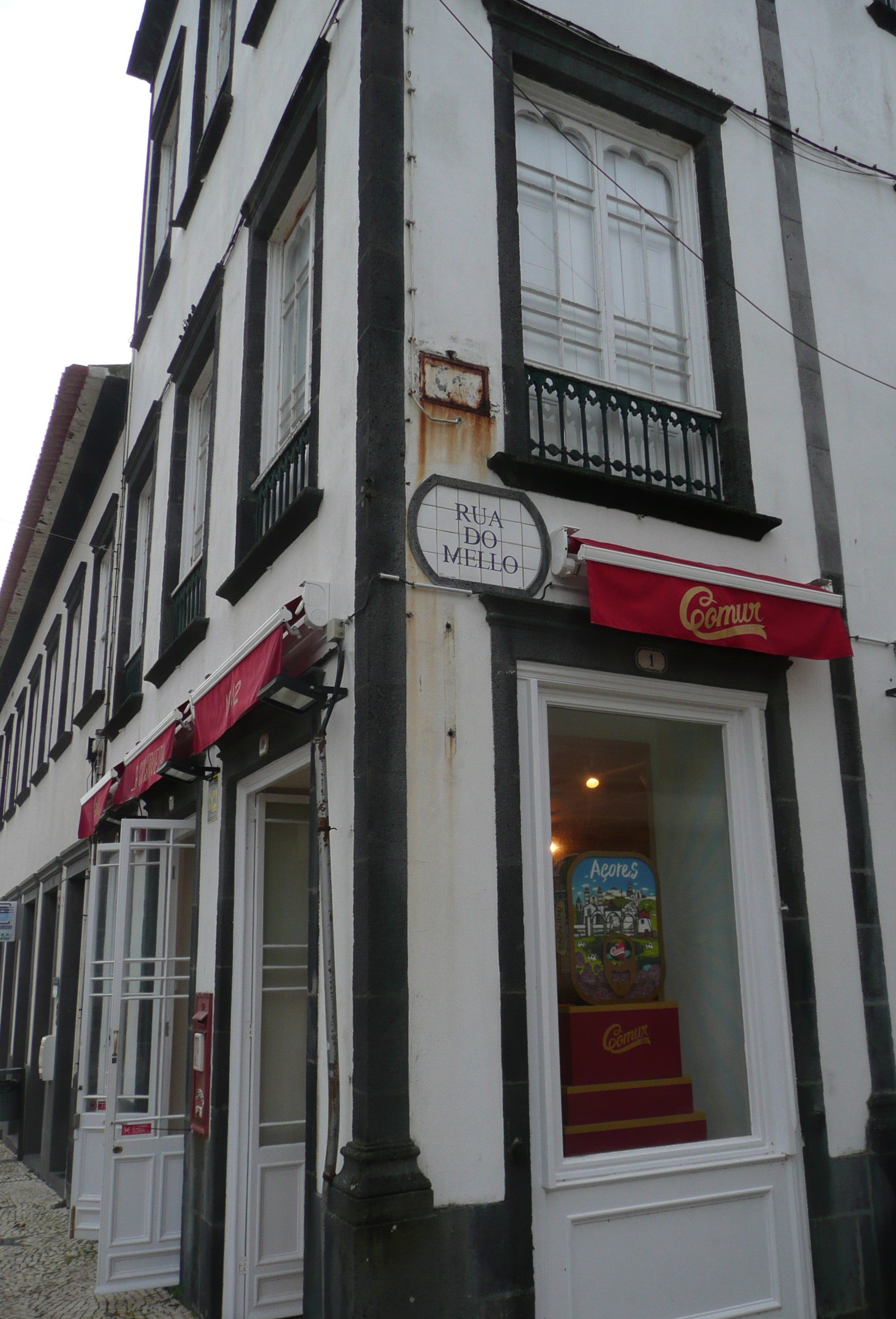
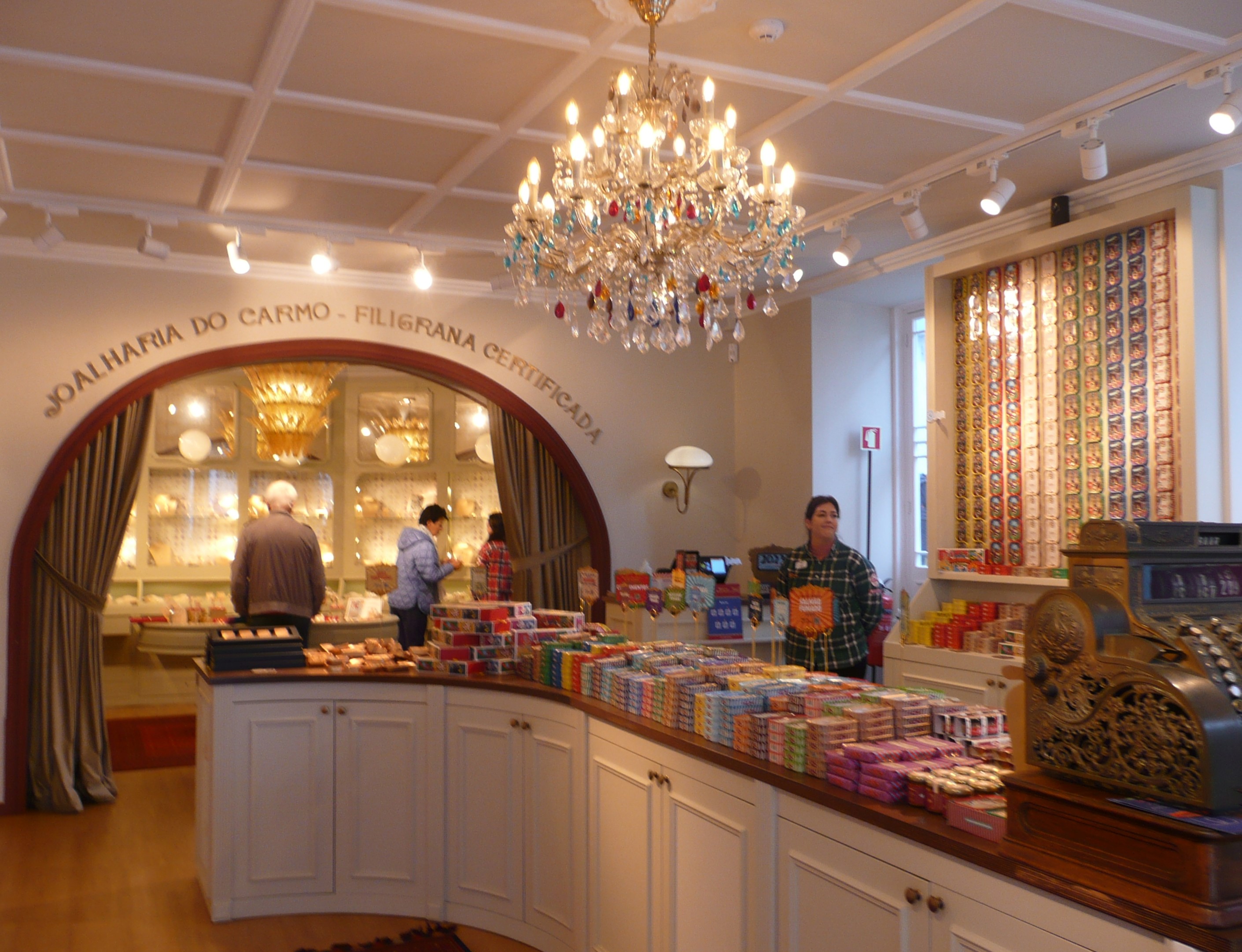
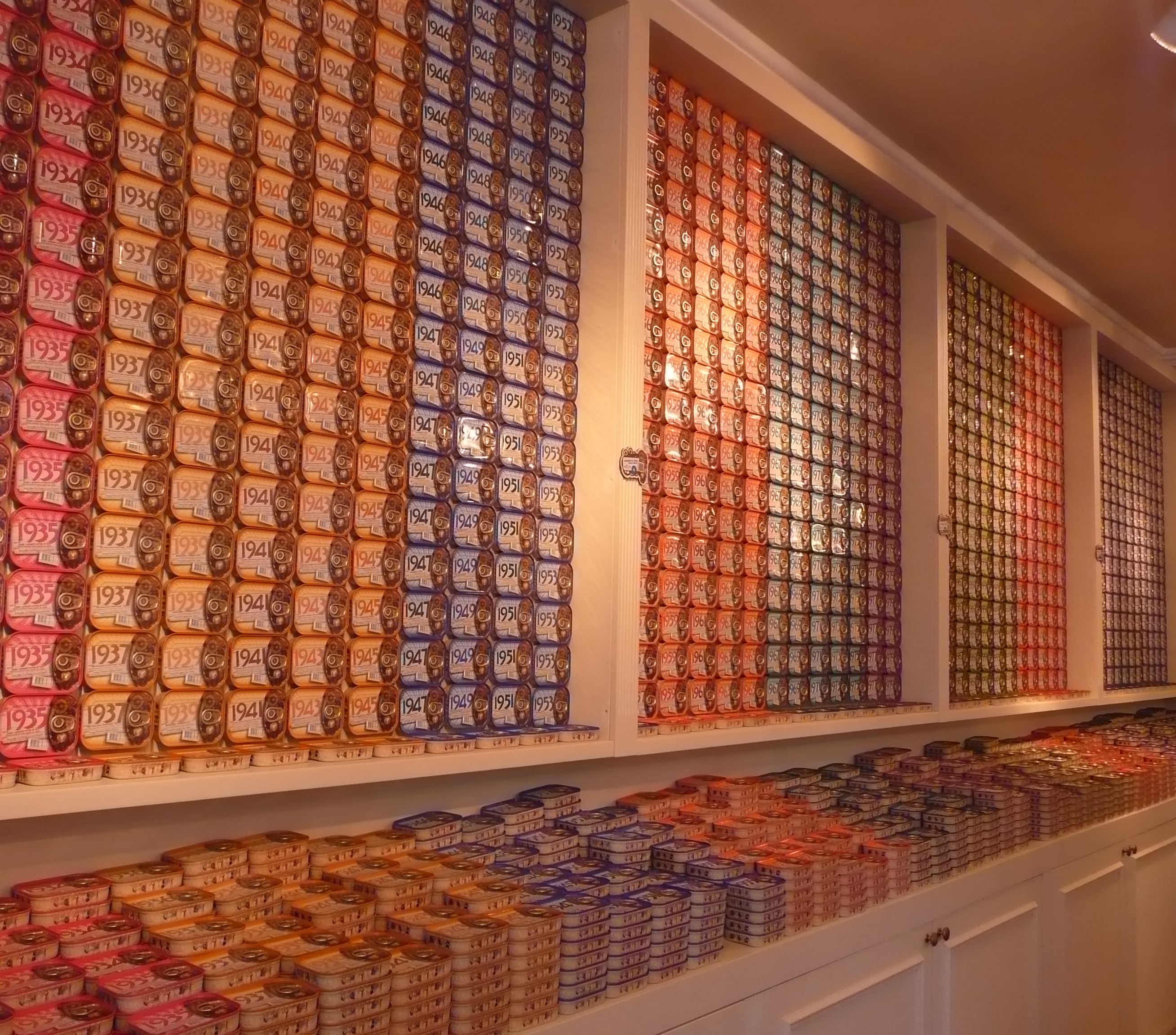
Tak samo piękne były na Maderze i zapewne są w innych portugalskich miastach. Odkryliśmy też niezwykły sklep, w którym od sufitu po podłogę są tylko sardynki:

They were just as beautiful in Madeira, and they’re probably in other Portuguese cities. We also discovered an unusual shop filled with nothing but sardines from floor to ceiling:

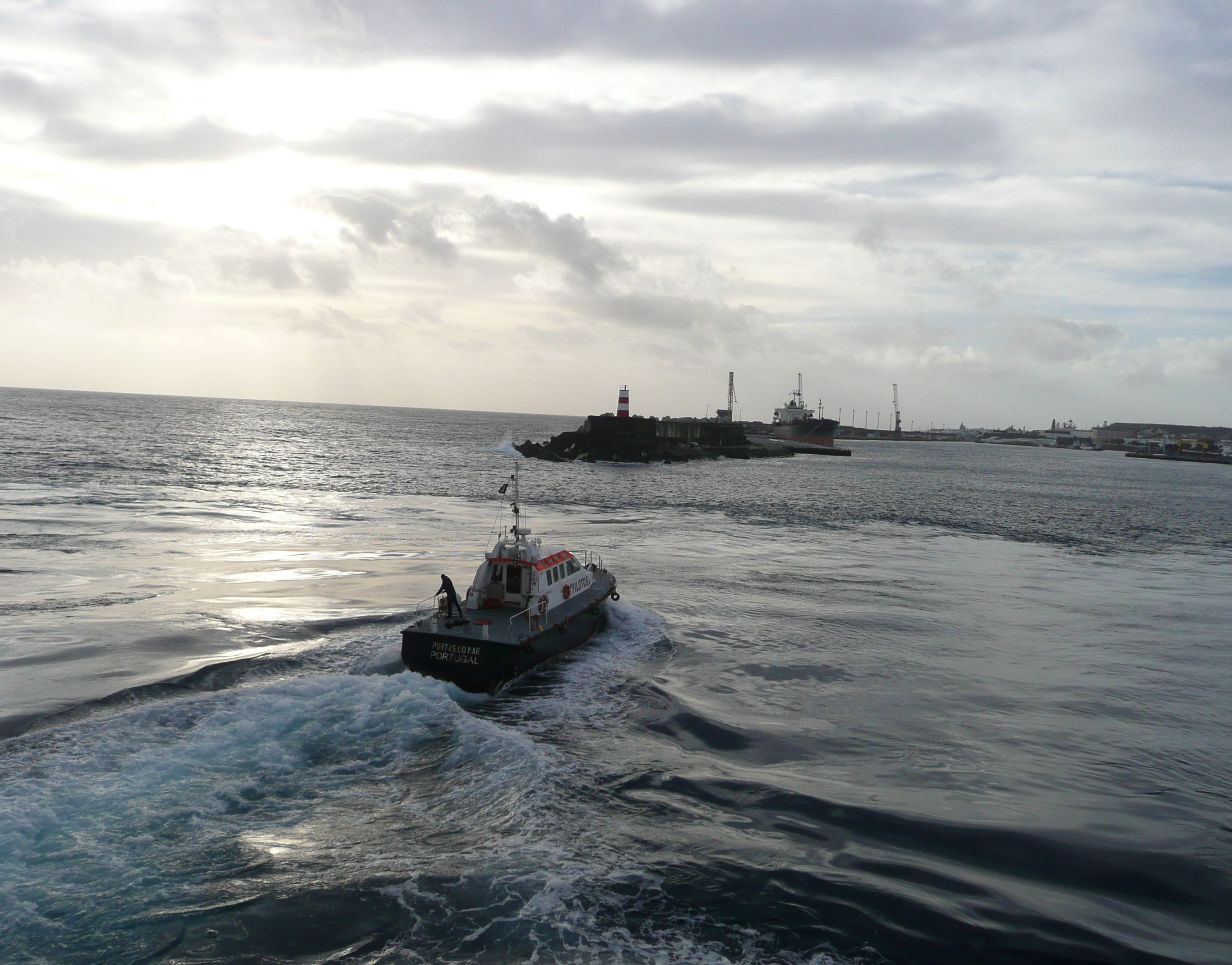
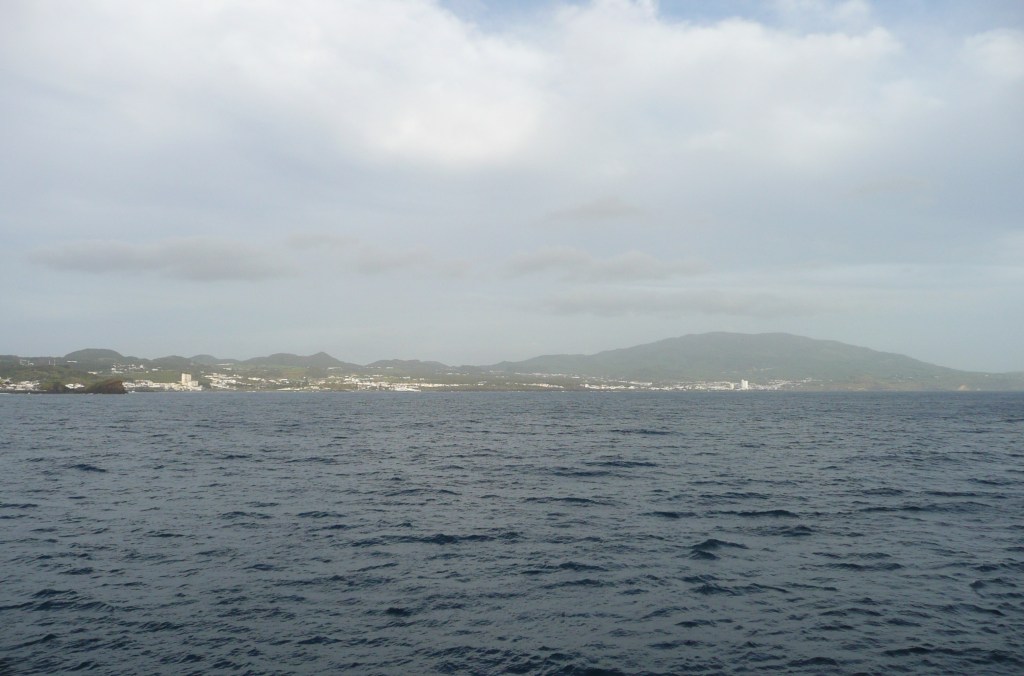
Po tradycyjnym wypiciu kawy w lokalnej kawiarni i kupieniu Azorskich herbat (zielonej i czarnej) odpłynęliśmy z wieczne zielonej wyspy Sao Miguel, odprowadzeni przez malutki stateczek pilota i popłynęliśmy w stronę zachodzącego słońca do następnej wy… Do następnego portu. Do przepłynięcia mamy 789 mil morskich (1461 kilometrów). Łatwizna.

After the traditional coffee at a local café and buying Azorean teas (green and black), we departed the eternally green island of Sao Miguel, escorted by a tiny pilot boat, and sailed into the sunset to the next port of call. To the next port of call. We had 789 nautical miles (1,461 kilometers) to sail. Easy.

Ponta Delgada, São Miguel, Azory

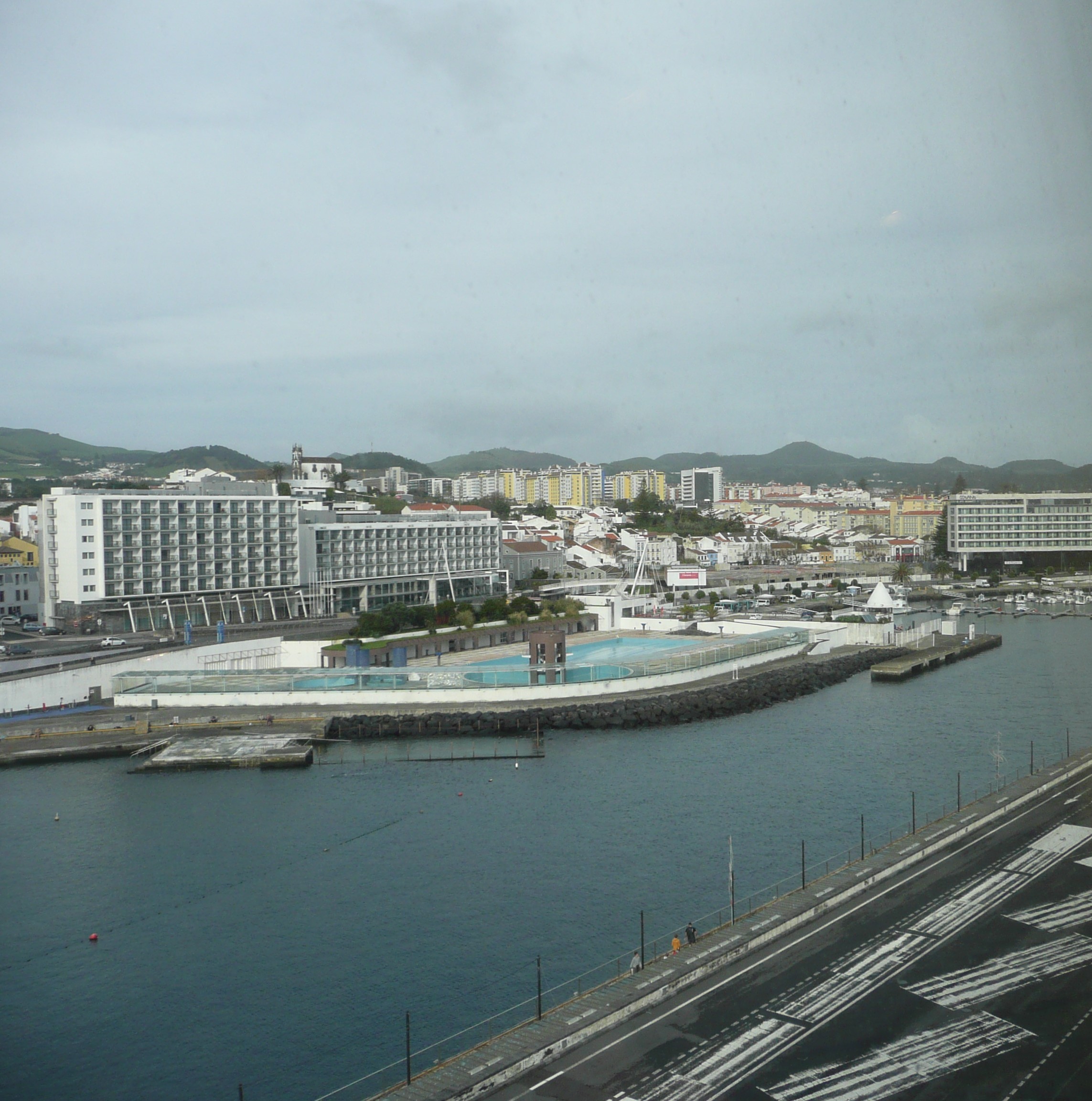
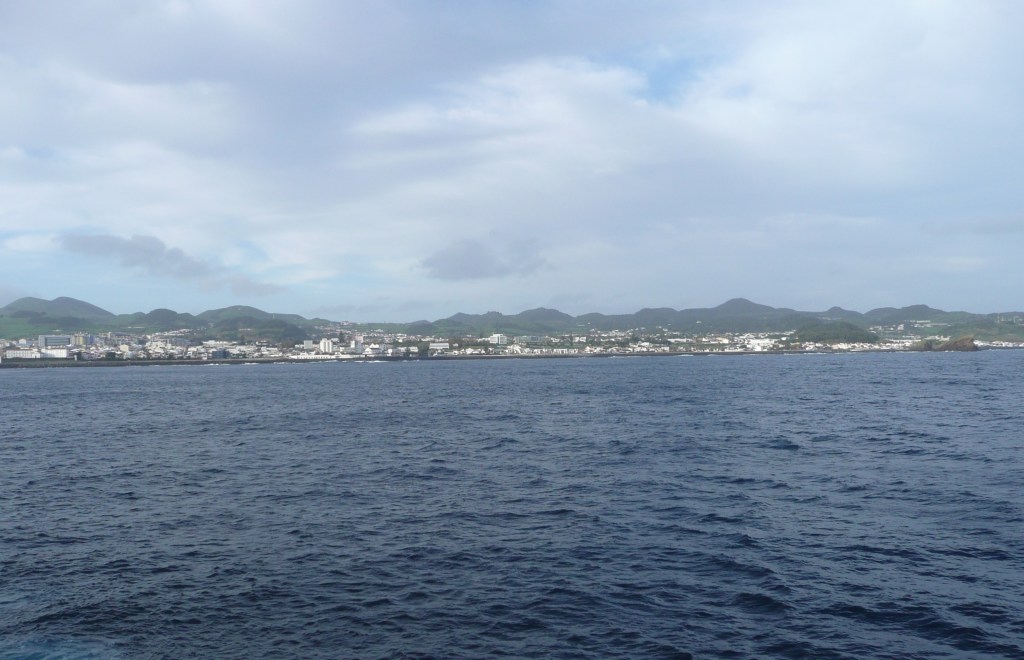
Na południowo-zachodnim krańcu wyspy São Miguel jest stolica Azorów zwana Ponta Delgada, co po portugalsku znaczy „wąski przylądek”. Zeszliśmy na ląd rano, w zimnej mżawce miasto wydawało się ponure, ale było chłodno i wilgotno, czyli dla mnie cudownie.

On the southwestern tip of São Miguel Island lies the capital of the Azores, Ponta Delgada, which means „narrow cape” in Portuguese. We disembarked in the morning, and the city seemed gloomy in the cold drizzle, but it was cool and humid, which, to me, was wonderful.

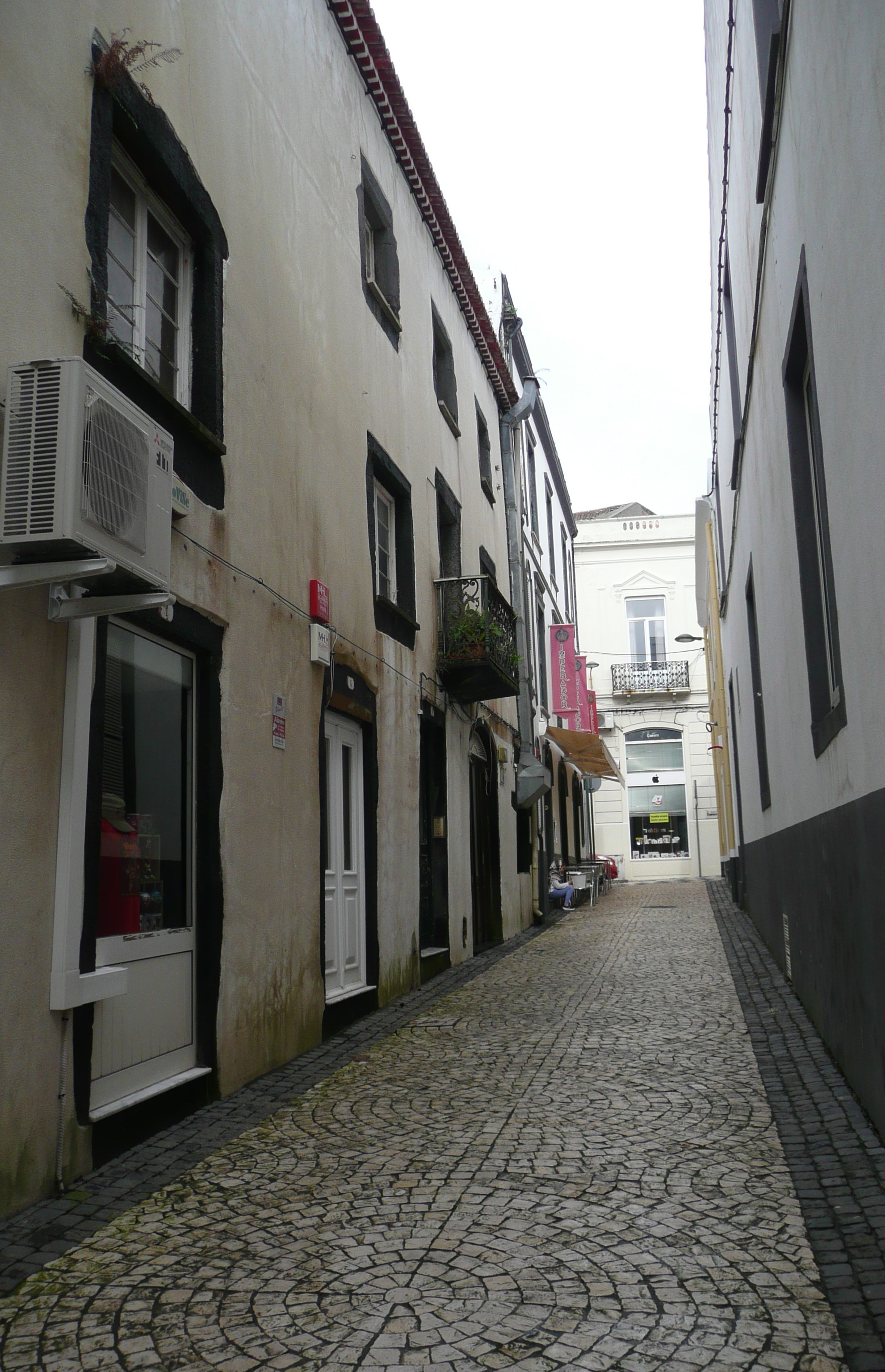
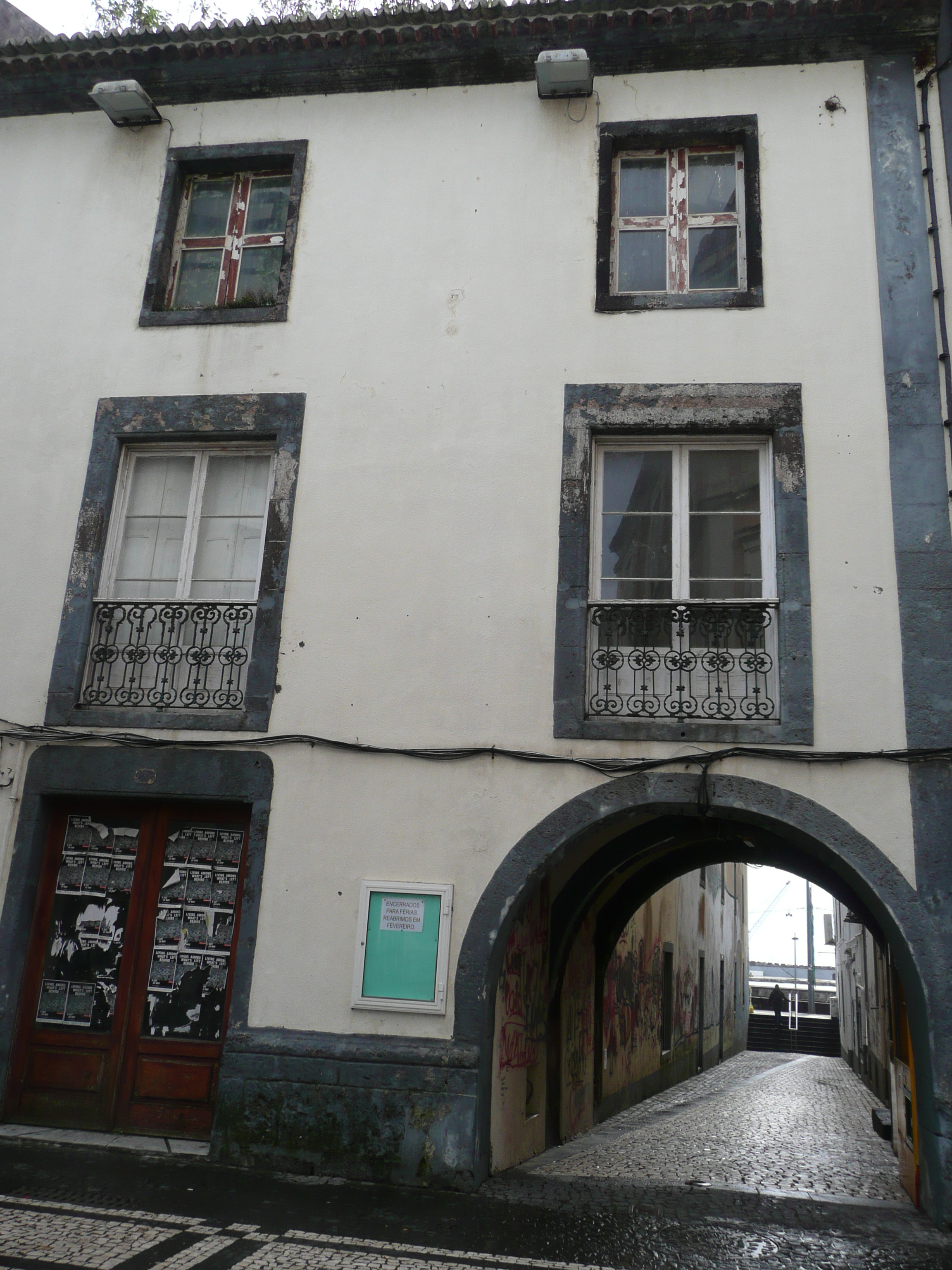
Pięknymi chodnikami ruszyliśmy w stronę domniemanego centrum, mijając po drodze zamknięte sklepy, kawiarnie i restauracje. Uliczki starego miasta były prawie puste, ale zważywszy na wczesną porę nie można było oczekiwać tłumów. Miasto ma około 67 tysięcy mieszkańców, ale widocznie nikomu nie chciało się wychodzić z domu. Jedynym człowiekiem, który przywitał nas osobiście na jednej z ulic był nawalony żul, który okazał się Amerykaninem z Chicago mieszkającym na wyspie od wielu lat.

We set off along the beautiful sidewalks toward the supposed center, passing closed shops, cafes, and restaurants along the way. The streets of the old town were almost empty, but considering the early hour, crowds were unpredictable. The city has a population of about 67,000, but apparently no one wanted to leave their homes. The only person who greeted us in person on one of the streets was a drunken bum who turned out to be an American from Chicago who had lived on the island for many years.
Zbliżaliśmy się do centrum, poznając to po coraz szerszych ulicach i czystszych fasadach domów. Było też więcej ludzi, a niektóre kawiarnie były już otwarte.

As we approached the city center, the streets were getting wider and the facades cleaner. There were more people there, and some cafes were already open.

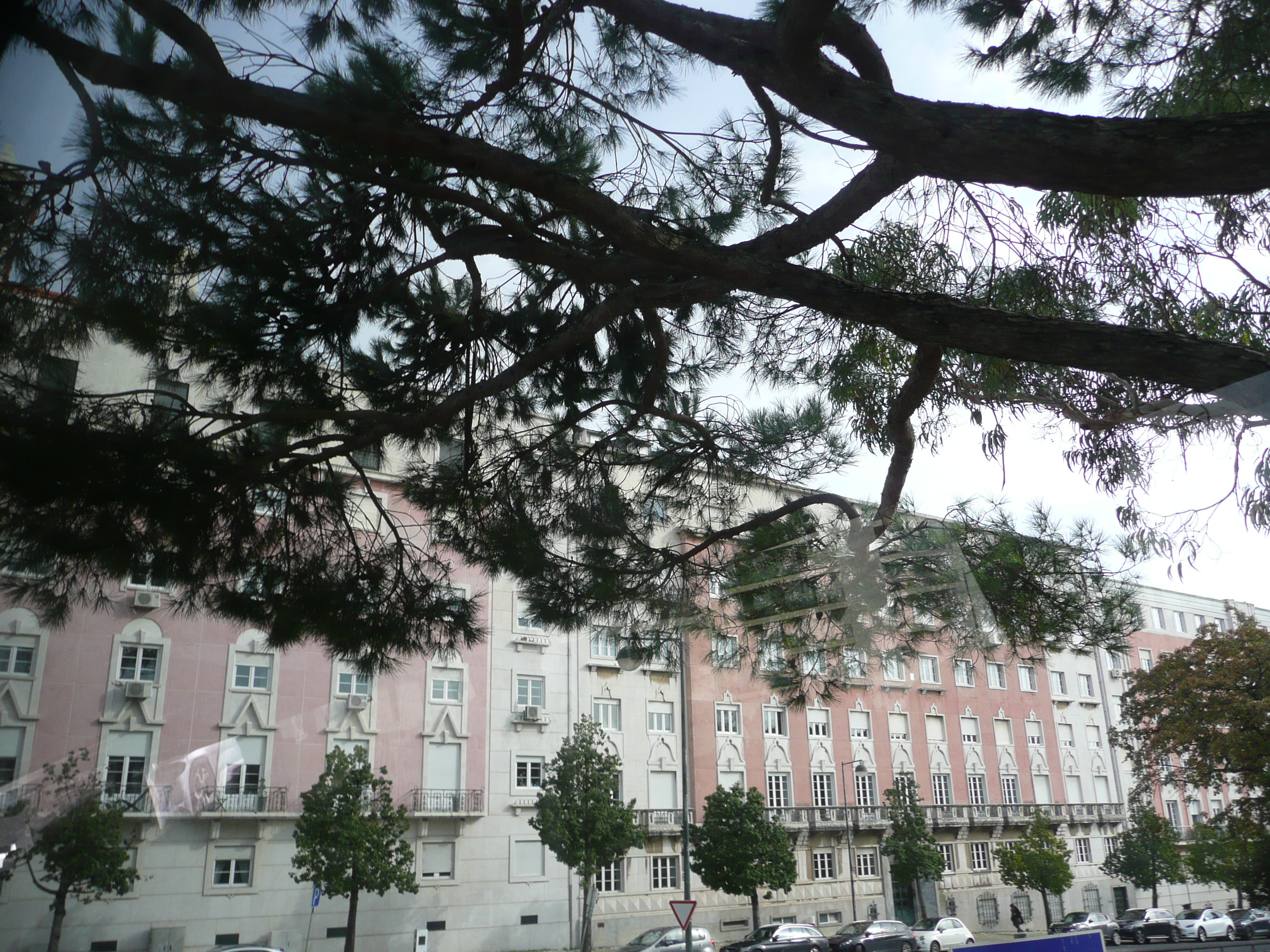
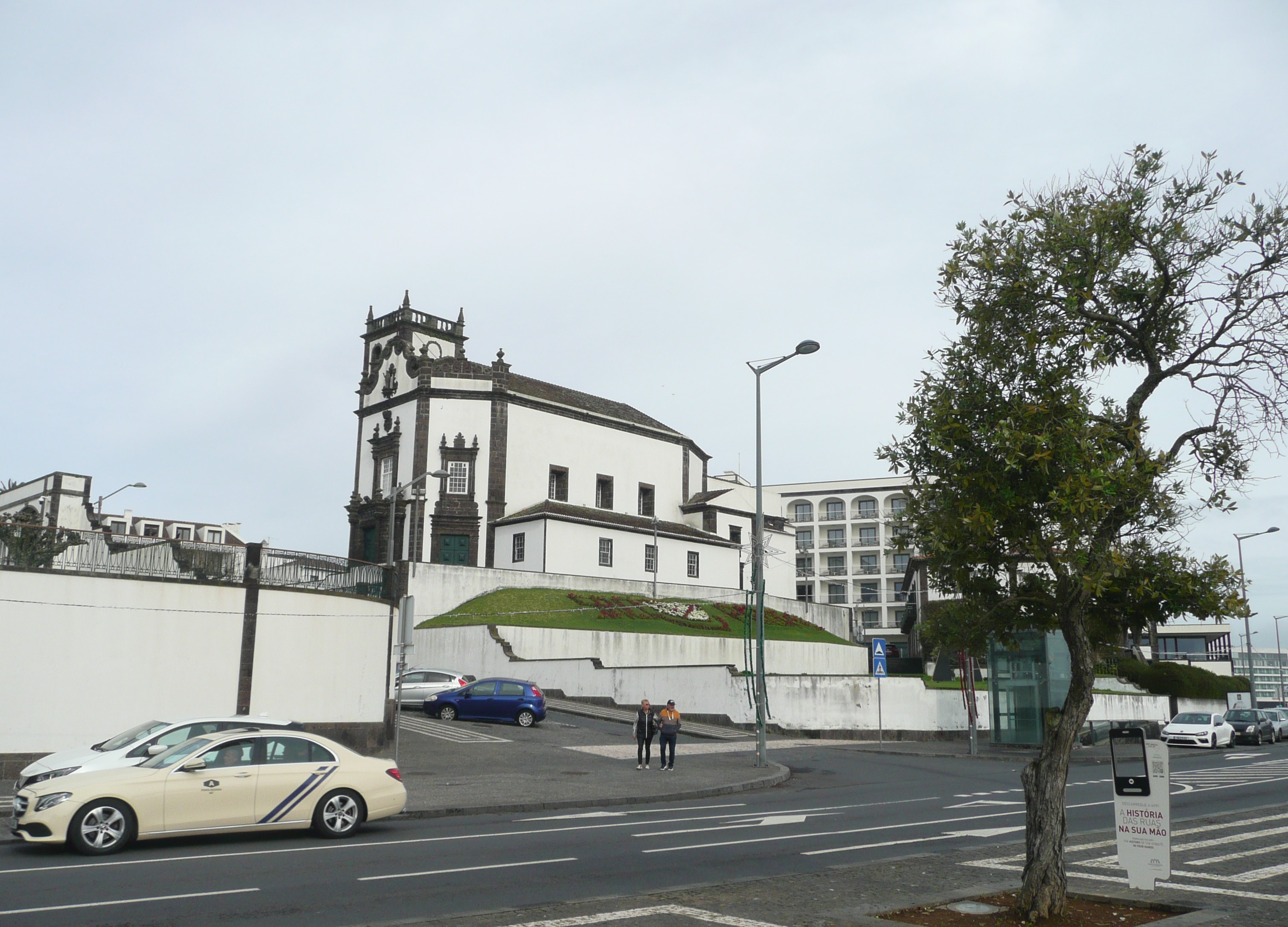
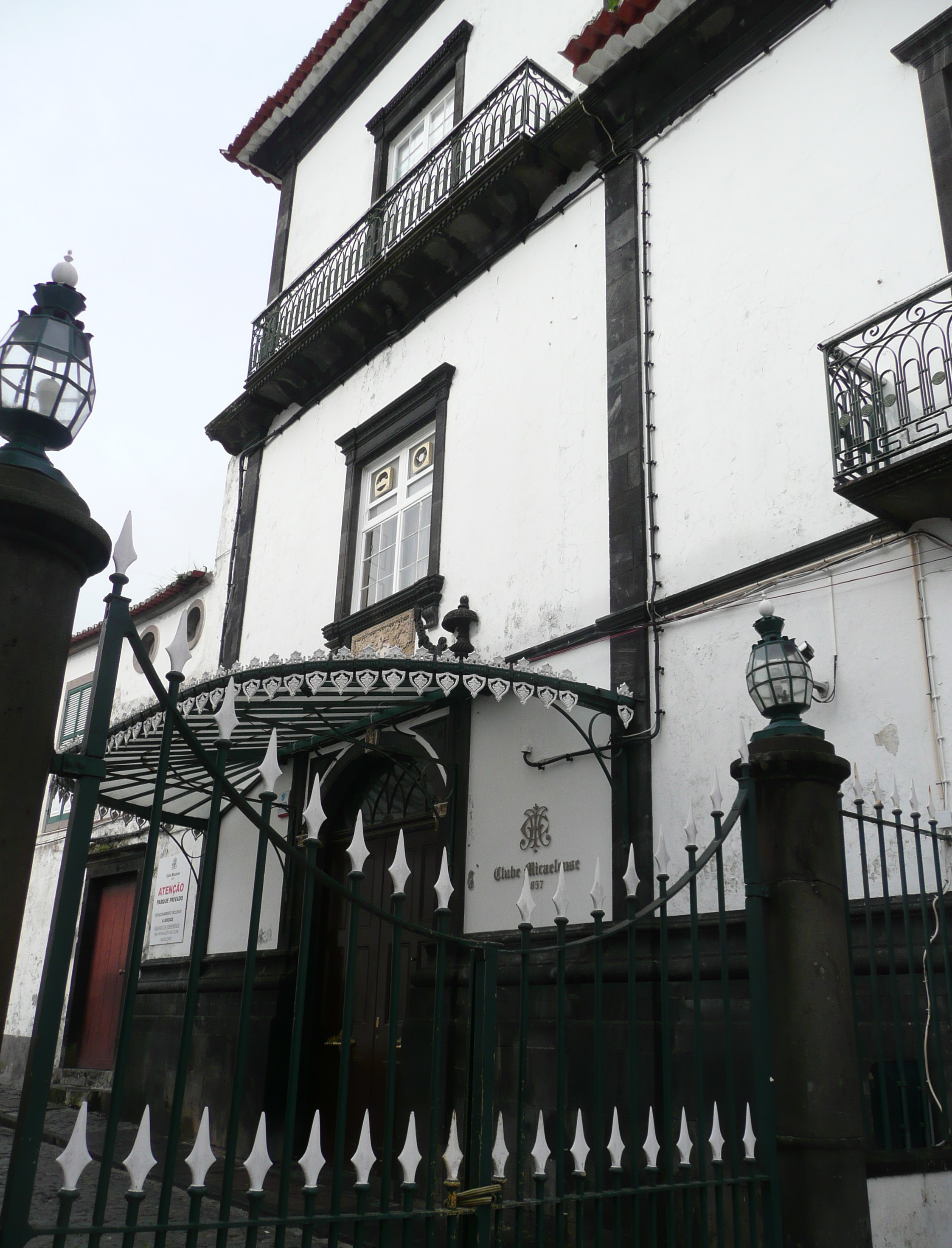
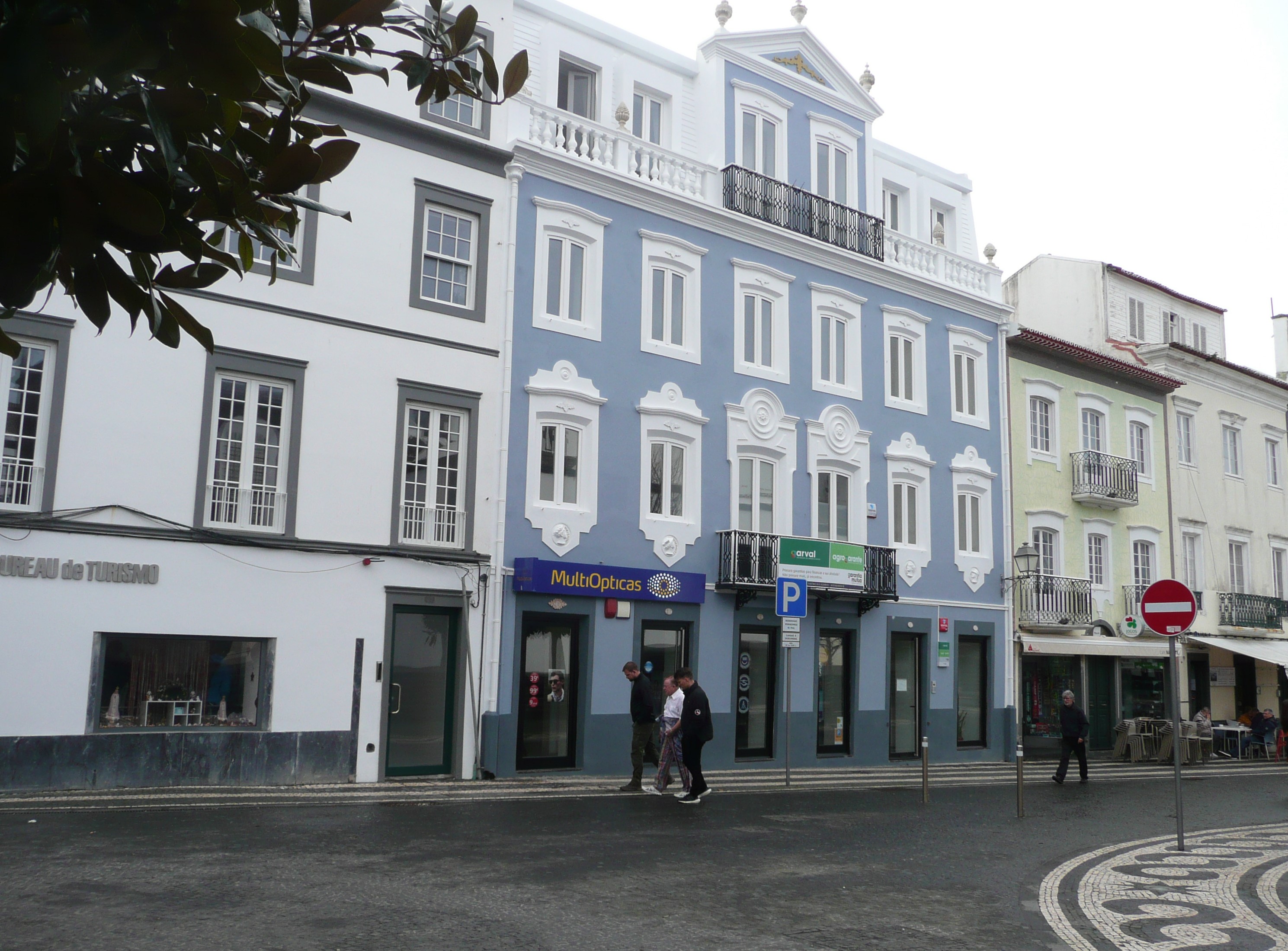
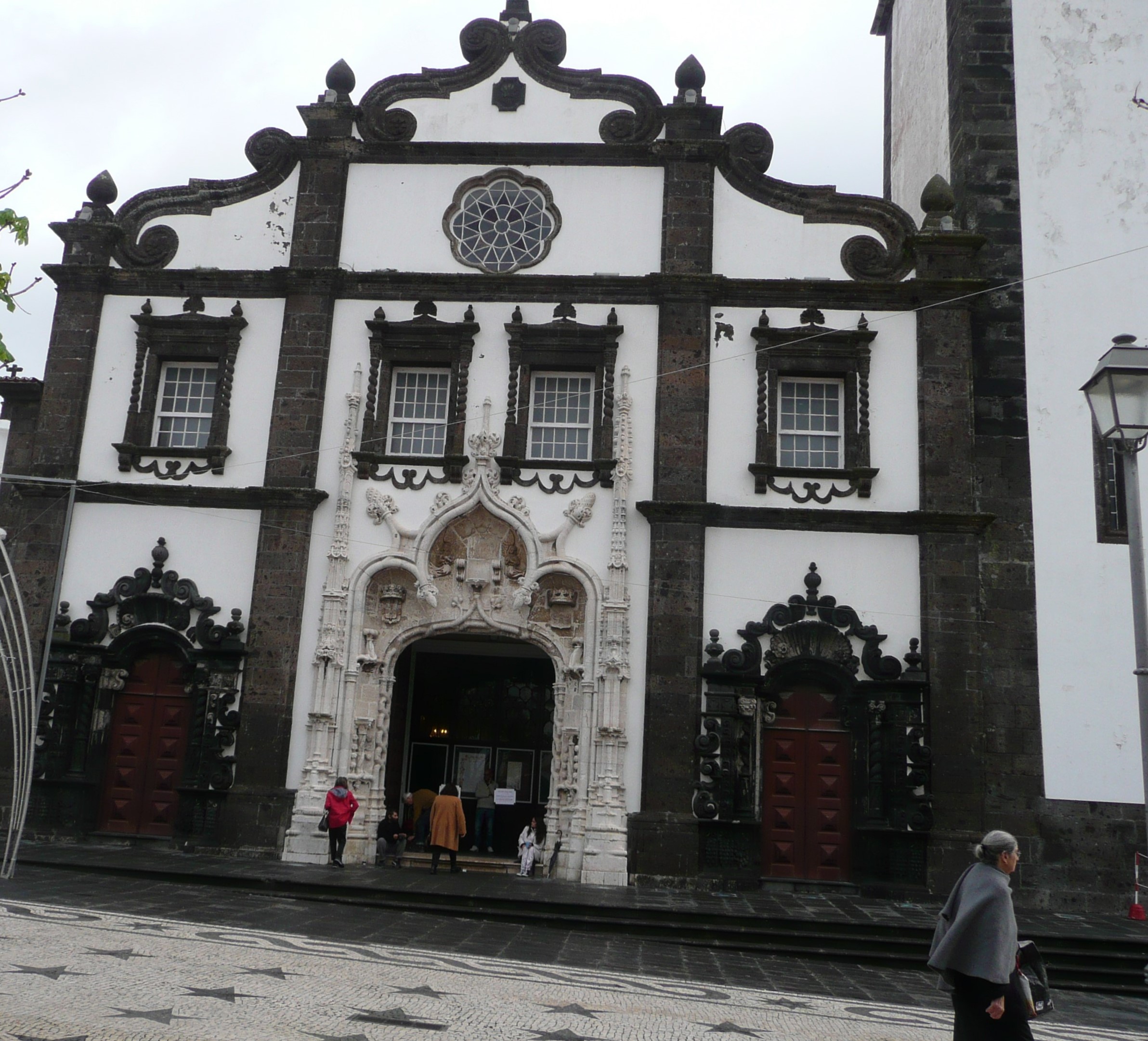
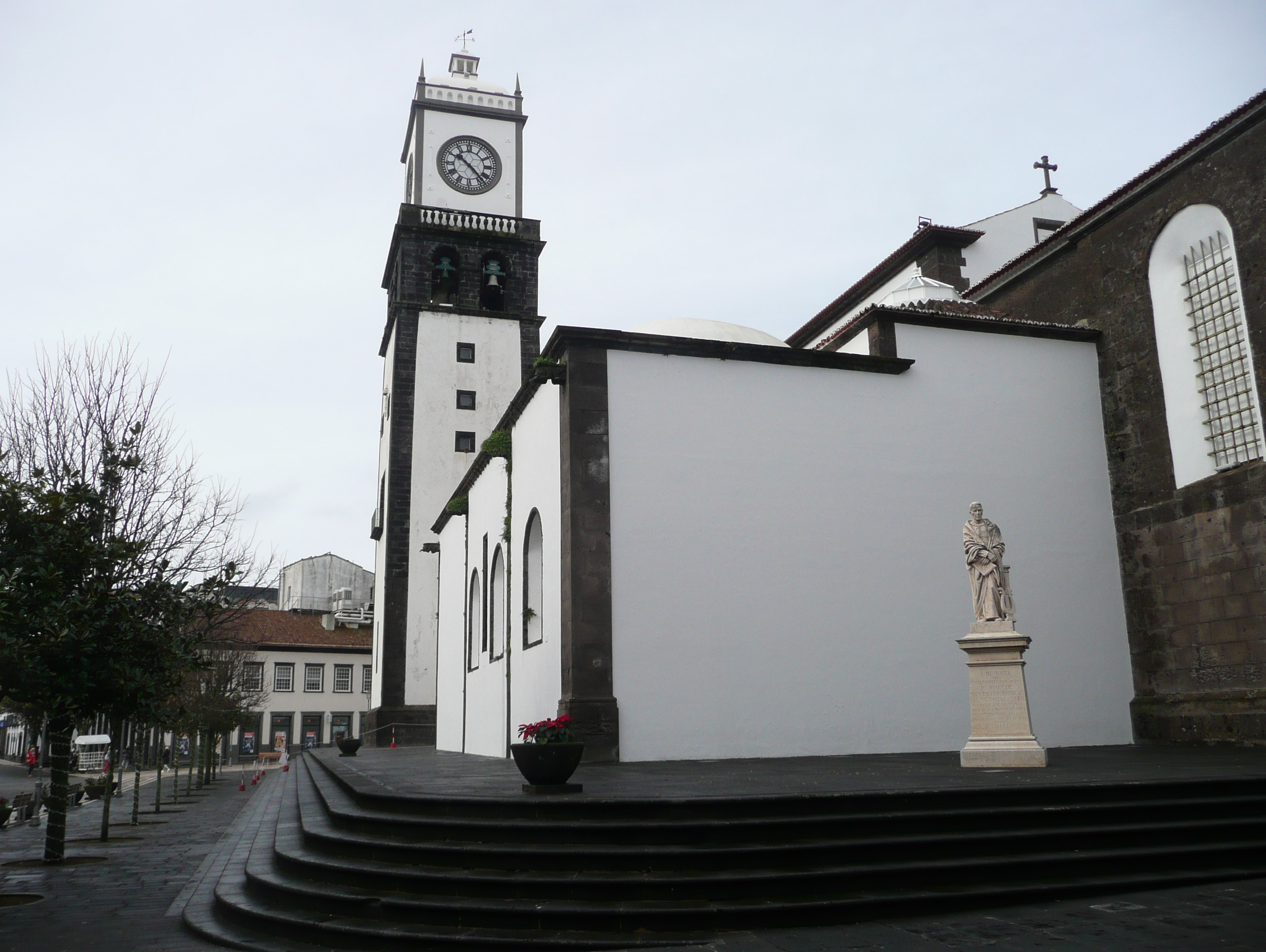
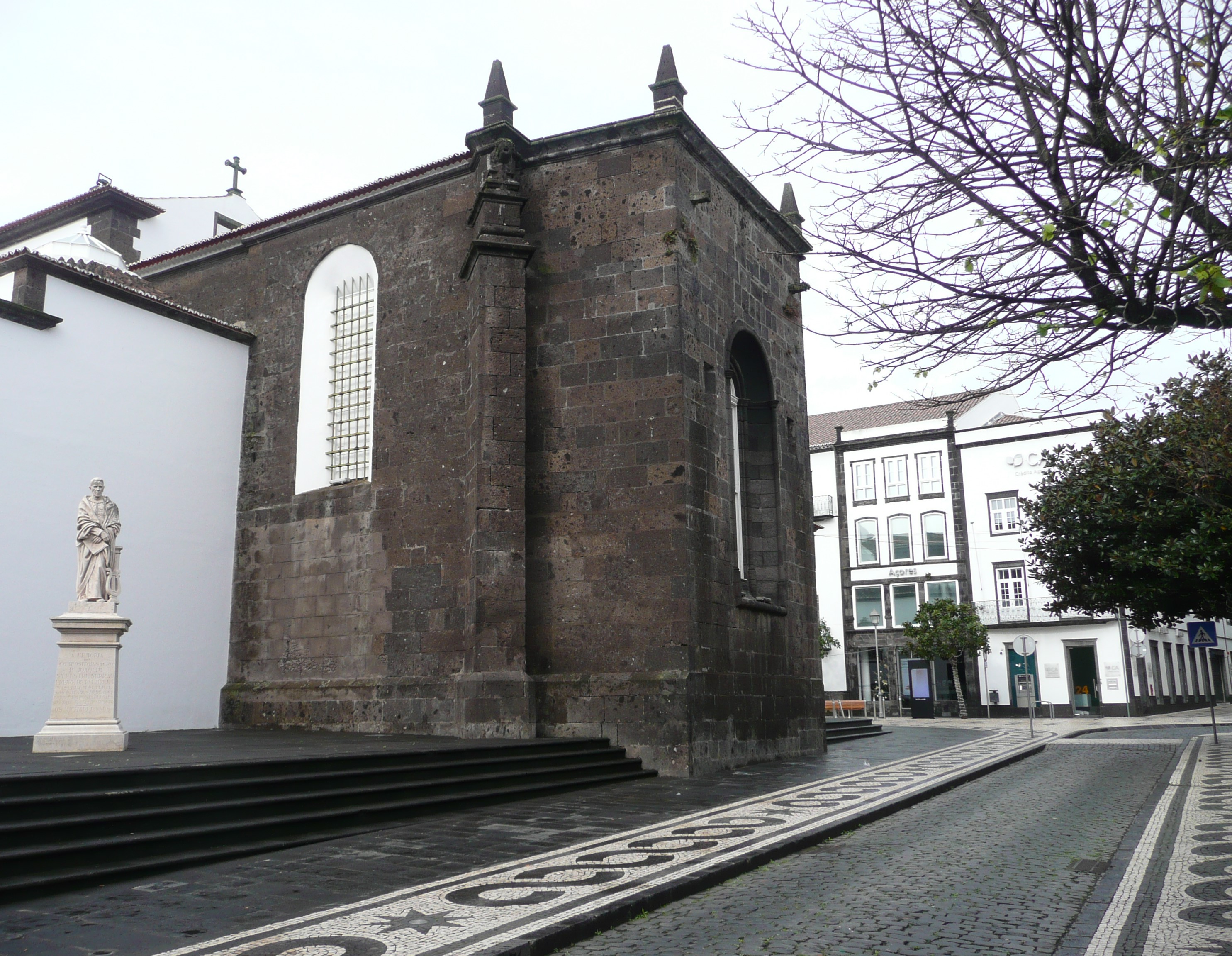
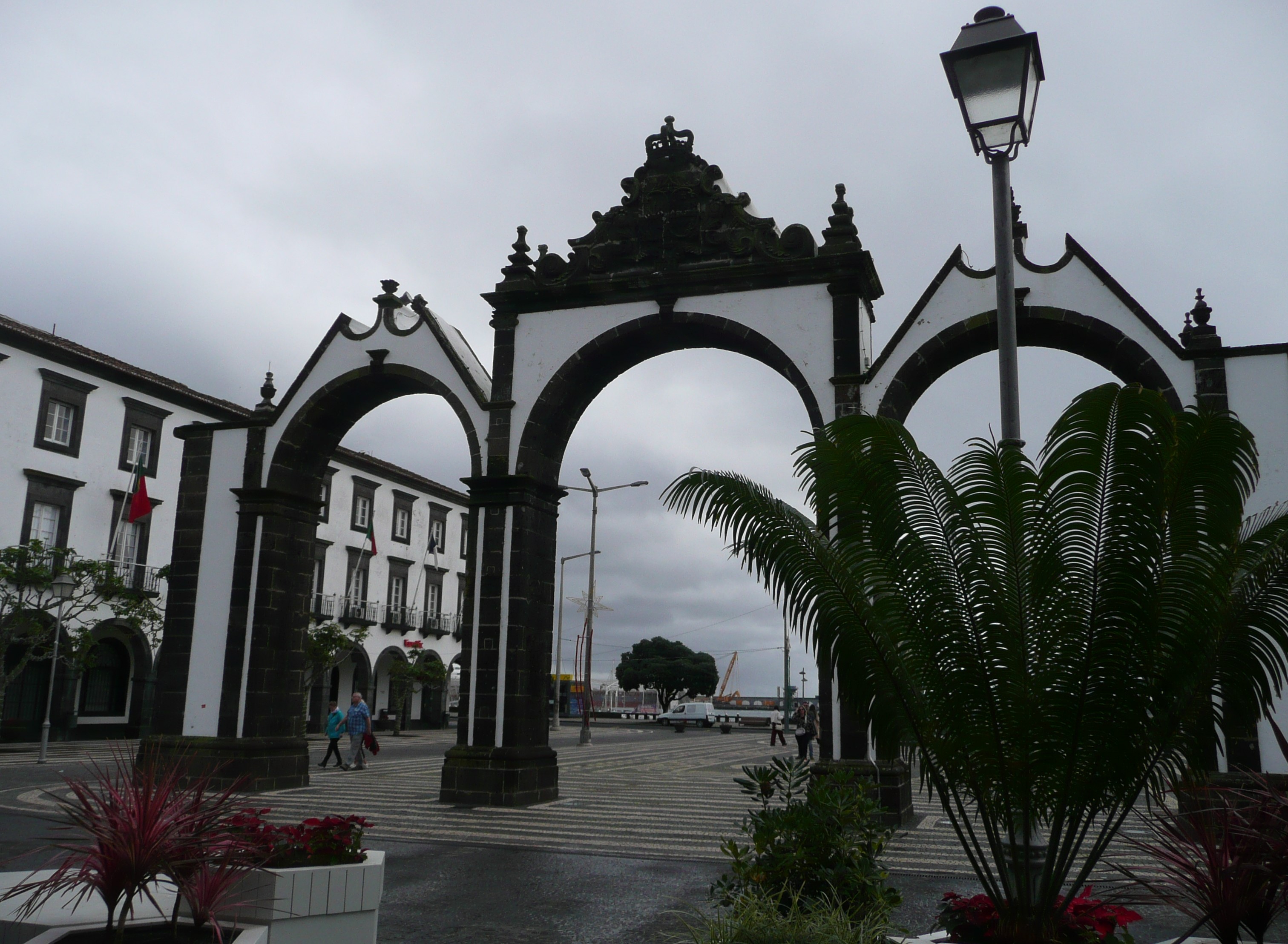
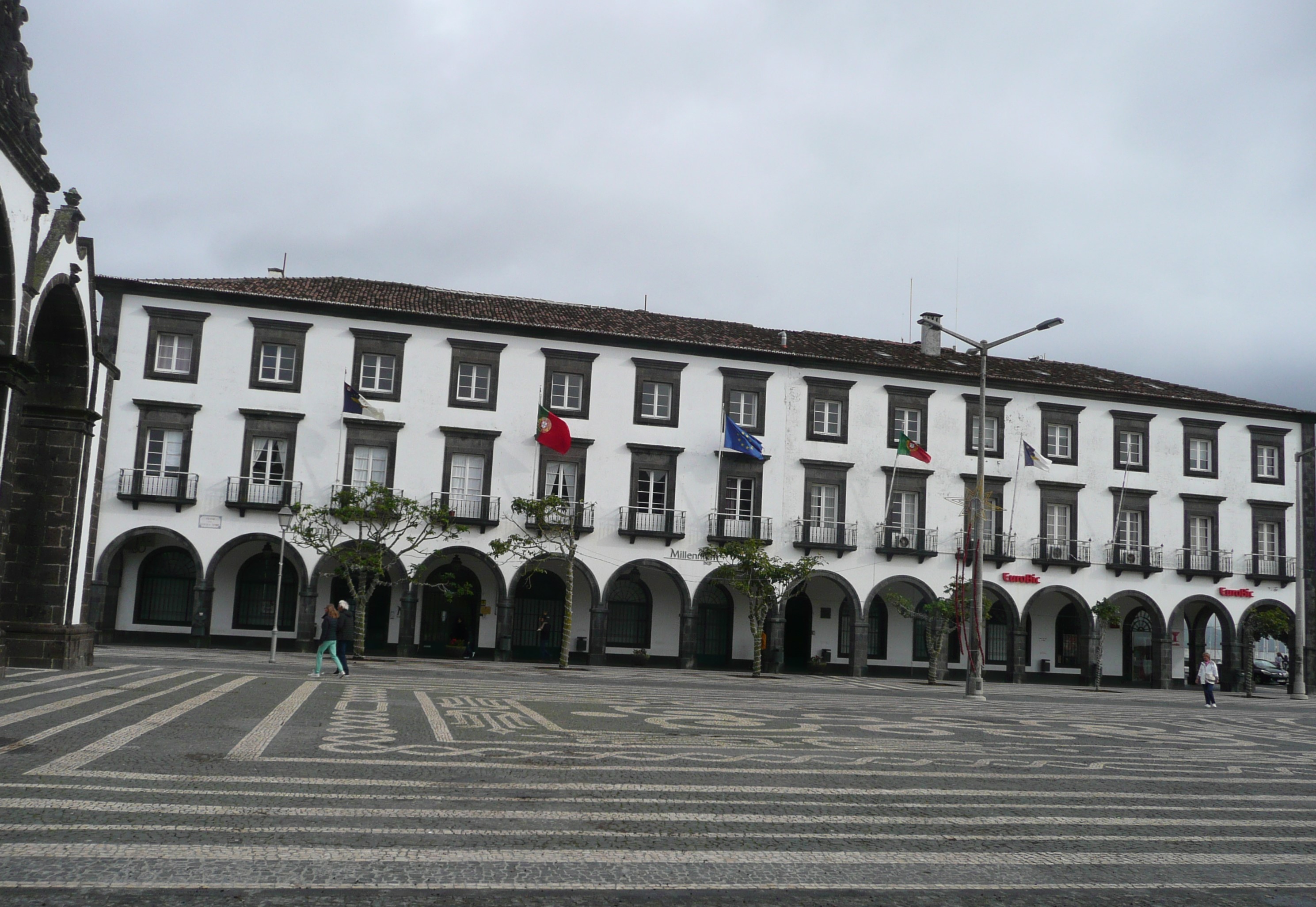
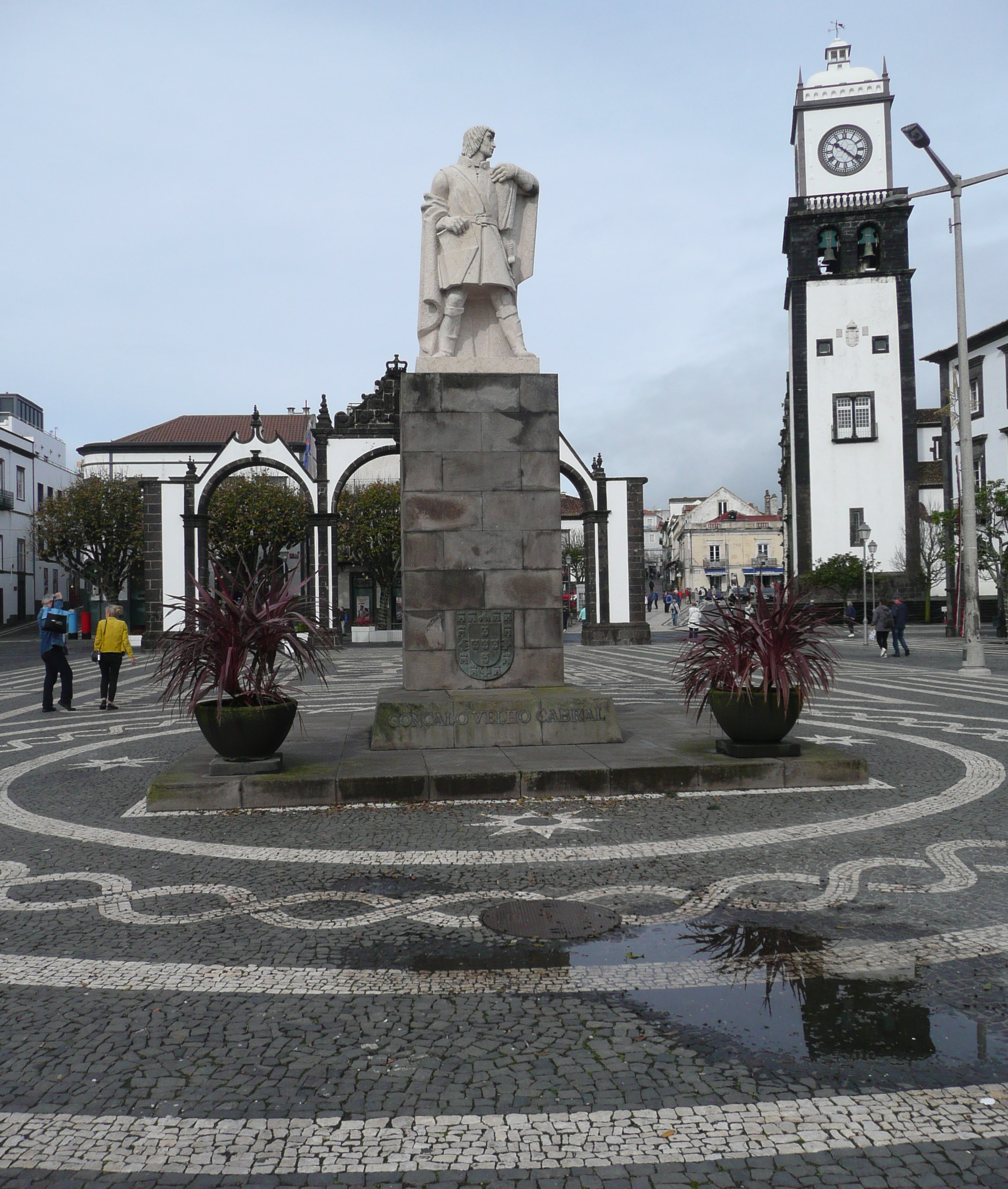
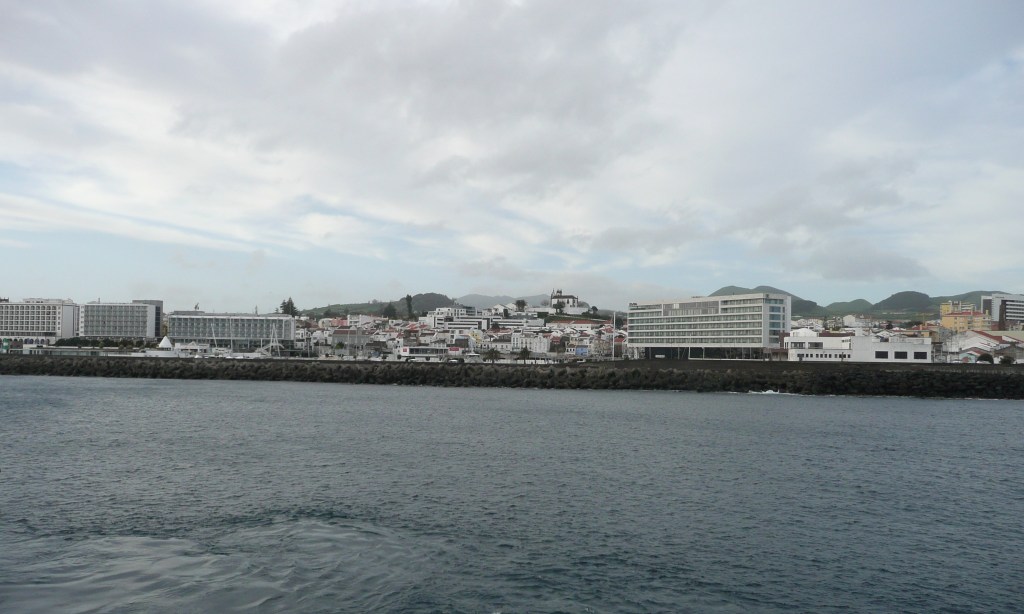
No i wreszcie trafiliśmy na główny plac miasta, ten z kościołem i innymi okazałymi budynkami, które są fotografowane przez każdego turystę.

And finally we reached the main square of the city, the one with the church and other impressive buildings that are photographed by every tourist.

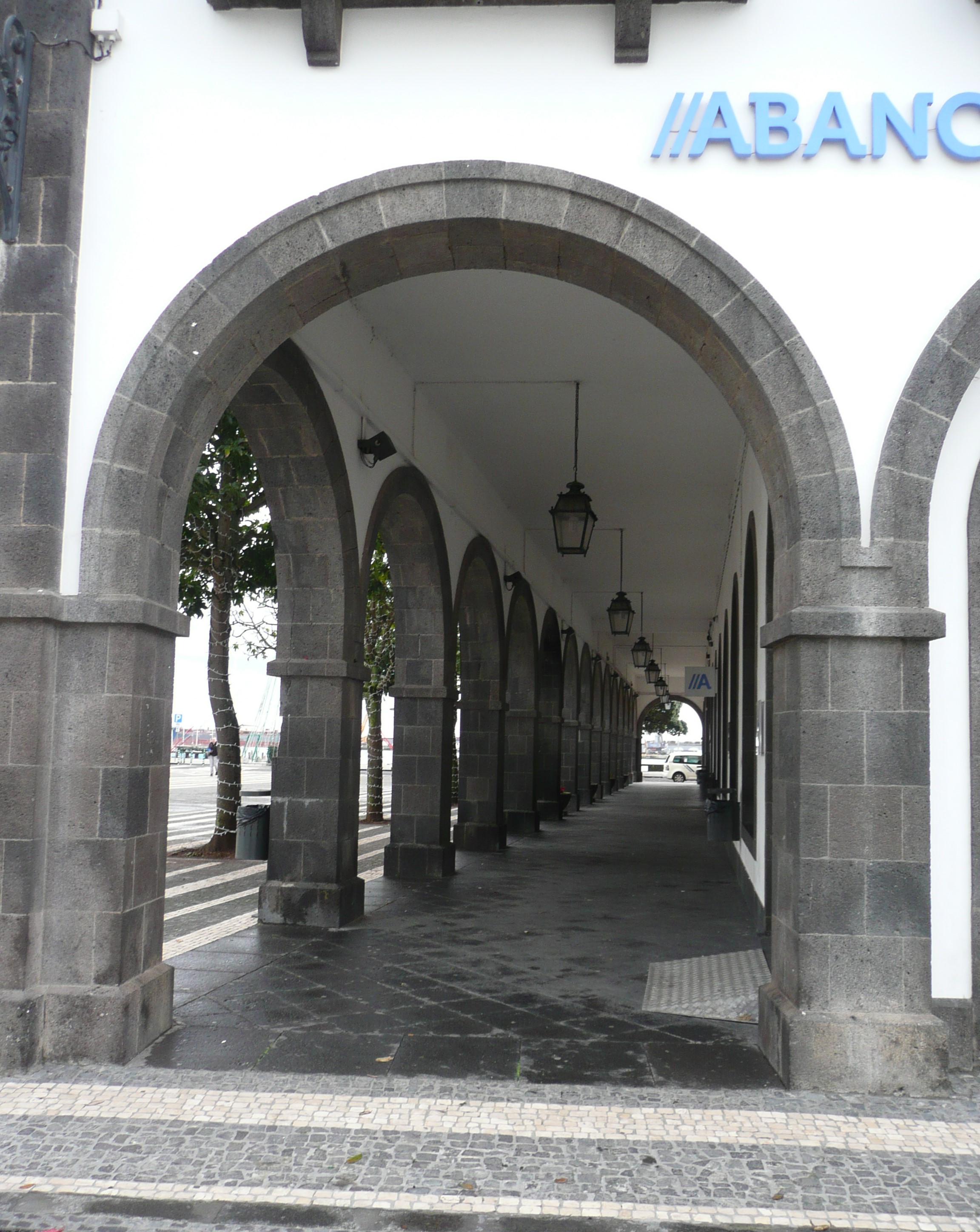
Powyżej: kościół z trzech stron, poniżej: główny plac miasta, czyli Portas da Cidade, z widokiem na ocean i z budynkiem władz, siedzibą banków i pomnikiem kapitana Donatário Gonçalo Velho Cabral, który zmarł około 1460 roku. No i przestało padać.

Above: the church on three sides, below: the city’s main square, Portas da Cidade, overlooking the ocean and featuring the government building, the bank headquarters, and the monument to Captain Donatário Gonçalo Velho Cabral, who died around 1460. And then it stopped raining.

Azory / Azores – São Miguel

Sao Miguel, Azores

Jesteśmy w Portugalii, około 1400 kilometrów na zachód od Lizbony i około 1900 kilometrów na południe od Nowej Funlandii. Niedaleko na zachód jest najmniejsza z wysp archipelagu – Corvo, z wielkim kraterem wulkanu zalanym wodą. Jest Flores, wyrzeźbiona wieloma dolinami i ostrymi zboczami. W środku jest Faial, z wielkim wulkanem Caldeira, wyspa Pico, z najwyższym szczytem w Portugalii (2351 m), Graciosa z czynnym wulkanem Furnas, São Jorge, „szczupła” wyspa powstała po wielkiej erupcji, Terceira, prawie okrągła z jednym z największych kraterów w regionie. I wreszcie na wschodzie jest Santa Maria, najstarsza w archipelagu, z plażami z brązowym piaskiem i  São Miguel, największa, z wieloma wystygłymi kraterami i polami małych stożków wulkanicznych.

We’re in Portugal, about 1,400 kilometers west of Lisbon and about 1,900 kilometers south of Newfoundland. Not far to the west is the smallest island in the archipelago, Corvo, with a large volcanic crater flooded by water. Flores is carved with numerous valleys and sharp slopes. In the center is Faial, with the massive Caldeira volcano; Pico Island, with the highest peak in Portugal (2,351 m); Graciosa with the active Furnas volcano; São Jorge, a „slim” island formed after a major eruption; Terceira, almost circular with one of the largest craters in the region. And finally, to the east is Santa Maria, the oldest in the archipelago, with brown sand beaches; and São Miguel, the largest, with many cooled craters and fields of small volcanic cones.

Sao Miguel, Azores

Przybyliśmy na Sao Miguel w pochmurny, wietrzny i deszczowy dzień. Stary Świat przywitał nas moją ulubioną pogodą, nareszcie! Można było wyjąć ciepłe ciuchy i nie musieć chronić się przed słońcem. Prawie jak w domu…

We arrived in São Miguel on a cloudy, windy, and rainy day. The Old World welcomed us with my favorite weather, finally! We could put on warm clothes and not have to protect ourselves from the sun. It felt almost like home…

Sao Miguel, Azores

Na Atlantyku – Atlantic Ocean

Atlantyk to mój ulubiony ocean. Zawsze był dla mnie łaskawy i traktował mnie przyjaźnie. Na Pacyfik też nie mogę narzekać, choć znaliśmy się krótko, bo zaledwie miesiąc w czasie mojego pobytu w Kalifornii, ale pamiętam jak strasznie był zimny i mało towarzyski. A co robić na oceanie kiedy najbliższa nam ziemia to dno, na horyzoncie nie ma żadnych okrętów ani ptaków, ani nawet morskich stworzeń?

The Atlantic is my favorite ocean. It’s always been kind to me and friendly. I can’t complain about the Pacific either. Although we only knew each other for a month during my stay in California, I remember how terribly cold and unsociable it was. And what do you do on the ocean when the closest land is the bottom, with no ships, birds, or even sea creatures on the horizon?

Atlantic Ocean

Ilość rzeczy, które można robić podczas podróży przez ocean jest ograniczona. Poza wylegiwaniem się na piątym pokładzie nie mamy zbyt wielu zajęć. Ogladanie bezmiaru wód jest oczywiście fascynujące, ocean ciągle się zmienia, a wypatrywanie wielorybów, na trasie wędrówek których jesteśmy jest cudowne, ale nie można robić tego cały dzień. Snujemy się po korytarzach, zaglądamy do barów i restauracji, ucinamy pogawędki ze współpasażerami i załogą. Chodzimy na siłownię na dziesiątym pokładzie, skąd widok jest bajeczny. Robię pranie w okrętowej pralni, co jest wielkim wydarzeniem towarzyskim. Pan i Władca wysłuchuje prelekcji w statkowym amfiteatrze. Prelekcje odbywają się codziennie, ale niestety po niemiecku, a to jeden z tych nielicznych języków, których nie znam (hihi), a Pan i Władca tak. Wieczorami są występy artystów, tancerzy i śpiewaków różnej maści, ale jest to raczej rozrywka niskich lotów i szybko mi się znudziła. Na pokładzie jest kilka polskich par i kilkoro Polaków wśród załogi, ale na tak wielkim statku nie spotykamy się za często.

The number of things you can do on an ocean voyage is limited. Besides lounging on deck five, there’s not much to do. Gazing at the vast expanse of water is, of course, fascinating; the ocean is constantly changing, and spotting whales, along whose migration path we’re on, is wonderful, but you can’t do it all day. We wander the corridors, visit bars and restaurants, and chat with fellow passengers and crew. We go to the gym on deck ten, where the view is fabulous. I do laundry in the ship’s laundry, which is a major social event. The Lord and Commander listens to lectures in the ship’s amphitheater. The lectures are held daily, but unfortunately, in German, which is one of the few languages ​​I don’t speak (haha), and the Lord and Commander does. In the evenings, there are performances by artists, dancers, and singers of all stripes, but it’s rather low-class entertainment and I quickly got bored. There are a few Polish couples on board and a few Poles among the crew, but on such a large ship we don’t meet very often.

Atlantic Ocean

Wspaniałą rozrywką są posiłki, które celebrujemy starannie i długodystansowo. Dużo czasu zajmuje mi znajdowanie potraw wegetariańskich, rozrzuconych bez planu na niekończących się ladach z jedzeniem. I tak toczy się dzień za dniem, leniwie i raczej nudnie. Czasem mam ochotę iść do kuchni i poprosić o jakąś marchewkę do obierania.

Meals are a wonderful pastime, celebrated carefully and with great care. It takes me a long time to find vegetarian dishes scattered haphazardly across the endless food counters. And so it goes, day after day, lazily and rather dull. Sometimes I feel like going to the kitchen and asking for a carrot to peel.

Atlantic Ocean

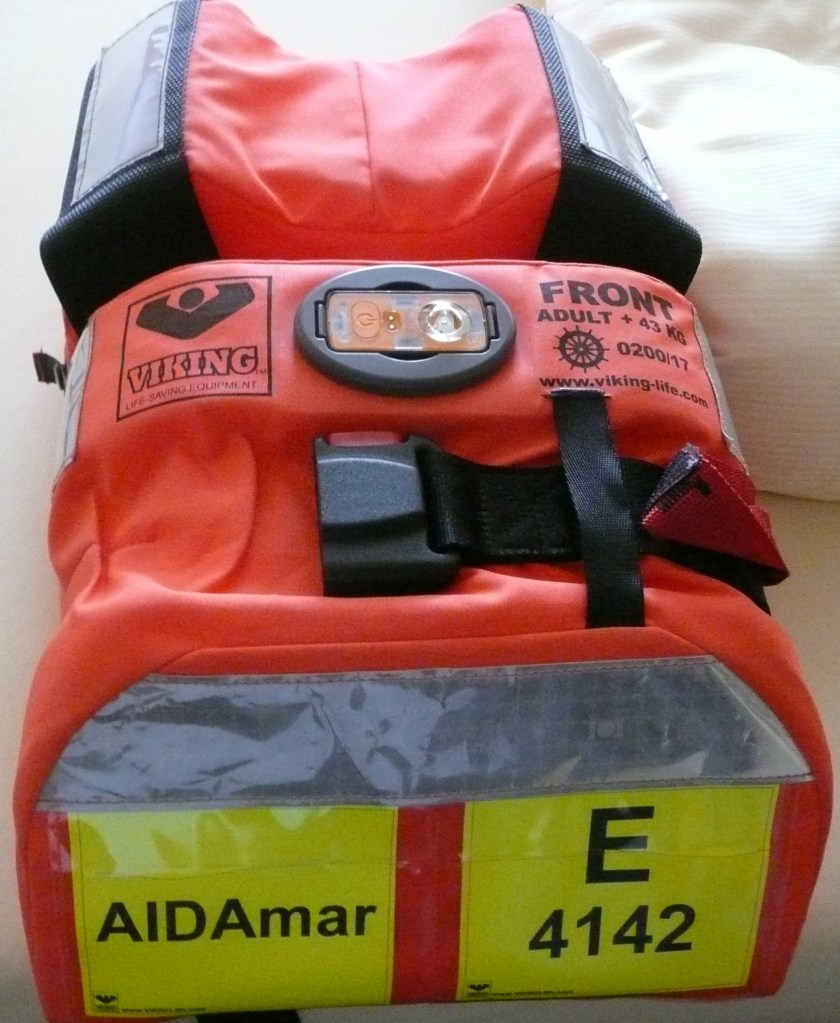
Pewnego dnia zarządzono ćwiczenia dla załogi i pasażerów. Wszyscy musieli iść na swoje miejsca ewakuacyjne na różnych pokładach. W kajutach trzeba było założyć kamizelki ratunkowe i w tych okropnych utensyliach iść długimi korytarzami i schodami do miejsca docelowego. Już samo założenie tego okropieństwa było wyzwaniem, a co dopiero łażenie i stanie wśród tłumu. Ale po dwóch godzinach zostaliśmy uratowani i mogliśmy wrócić do bezproduktywnego życia.

One day, a drill was ordered for the crew and passengers. Everyone had to go to their evacuation points on various decks. In our cabins, we had to don life jackets and, in these awful gear, walk through long corridors and up stairs to our destination. Just putting on this monstrosity was a challenge, let alone walking and standing among the crowds. But after two hours, we were rescued and could return to our unproductive lives.

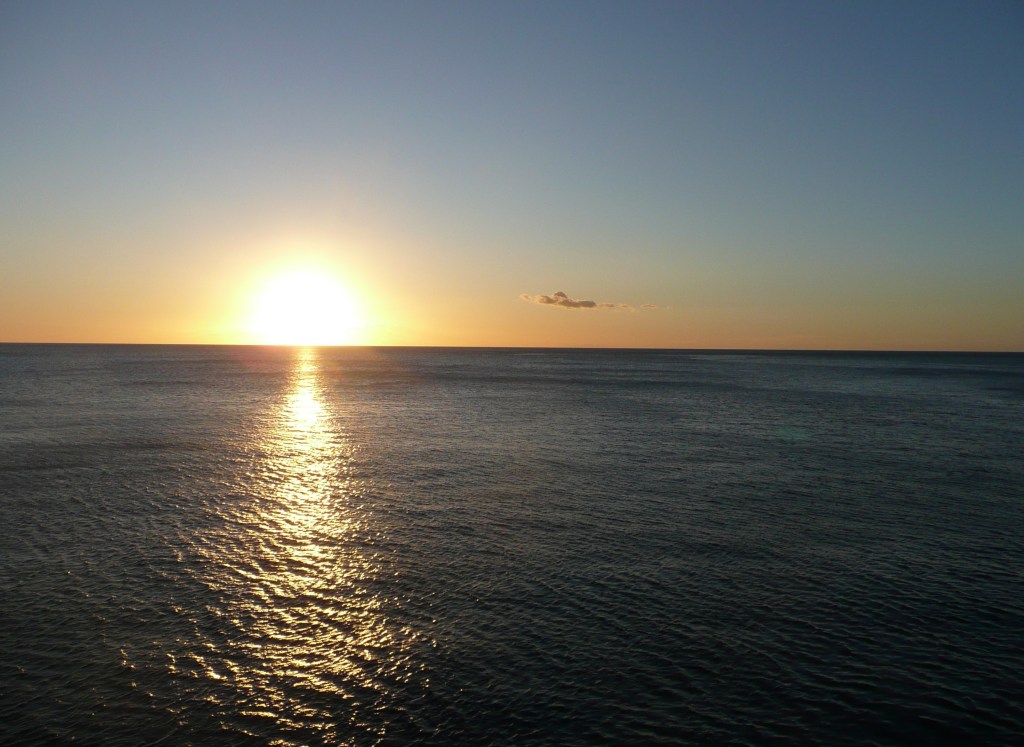
A ocean niezmiennie zachwycał. / And the ocean was always delightful.

Atlantic Ocean
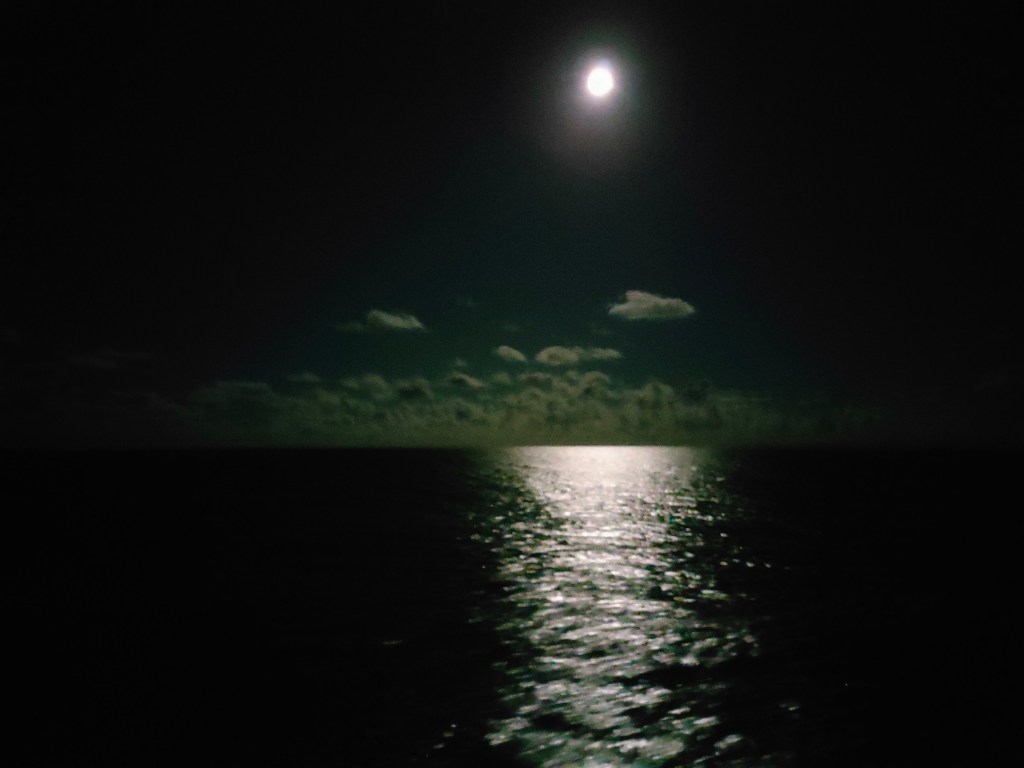
Moon over Atlantic Ocean