Rejs statkiem wielkim lub małym. Kto o tym nie marzył, czytając o wielkich odkrywcach, dalekich lądach, skarbach ukrytych na bezludnych wyspach. Gdzie odnaleźć ślady romantyzmu ery żaglowców i odkrywania nowych lądów? Przecież nie w lotach samolotem.
Płyniemy do Szkocji. Wiecie jak powstała? Na początku czasu Bóg rozmawiał o stworzeniu świata z aniołem Gabrielem. Opowiedział mu o swoich planach dotyczących tego kraju. „Dam Szkocji strzeliste góry i wspaniałe doliny lśniące fioletowym wrzosem. Jelenie będą wędrować po okolicy, orły złote będą krążyć na niebie, łososie będą skakać w krystalicznie czystych rzekach i jeziorach, a otaczające morza będą roić się od ryb. Rolnictwo będzie kwitnąć i nastąpi wspaniałe połączenie wody z jęczmieniem, które będzie znane jako whisky. Węgiel, ropa naftowa i gaz – wszystko tam będzie. Szkoci będą inteligentni, innowacyjni, pracowici i…” „Chwileczkę!” przerwał Gabriel. „Czy nie jesteś odrobinę zbyt hojny dla tych Szkotów?” Ale Wszechmogący odpowiedział: „Niezupełnie. Nie powiedziałem ci jeszcze, kim będą ich sąsiedzi!” W tej historii zawiera się cała Szkockość. A wiecie dlaczego Szkoci noszą kilty? Bo gdy Bóg patrzy w dół, wie, że powinien być dumny, a gdy diabeł patrzy w górę, wie, że powinien się bać. I jeszcze moje ulubione szkockie przysłowie: Wybacz swojemu wrogowi, ale zapamiętaj imię tego drania.
Kocham Szkocję.
North Atlantic
At the begining of time god was discussing the creation of the world with angel Gabriel. He told him of his plans for this country. „I’m going to give Scotland towering mountains and magnificent glens resplendent with purple heather. Red deer will roam the countryside, golden eadles will circle in the skies, salmon will leap in the cristal clear rivers and lochs, and the surrounding seas willteem with fish. Agriculture will flourish and there will be a glourious coming together of water with barley to be known as whisky. coal, oil and gas – all will be there. The Scots will be intelligent, innovative, industrious and…” „Wait a minute!” interrupted Gabriel. „Are you not beeing just a wee bit too generous to these Scots?” But the Almighty replied „Not really. I haven’t told you yet who their neighbours are going to be!”. This story encompasses all that is Scottish. Why Scots wear kilts? So that when god looks down he knows to be proud and when devil looks up he knows to be afraid.
And my favourite scottish proverb: „Forgive your enemy, but remember the bastard’s name”. I love Scotland.
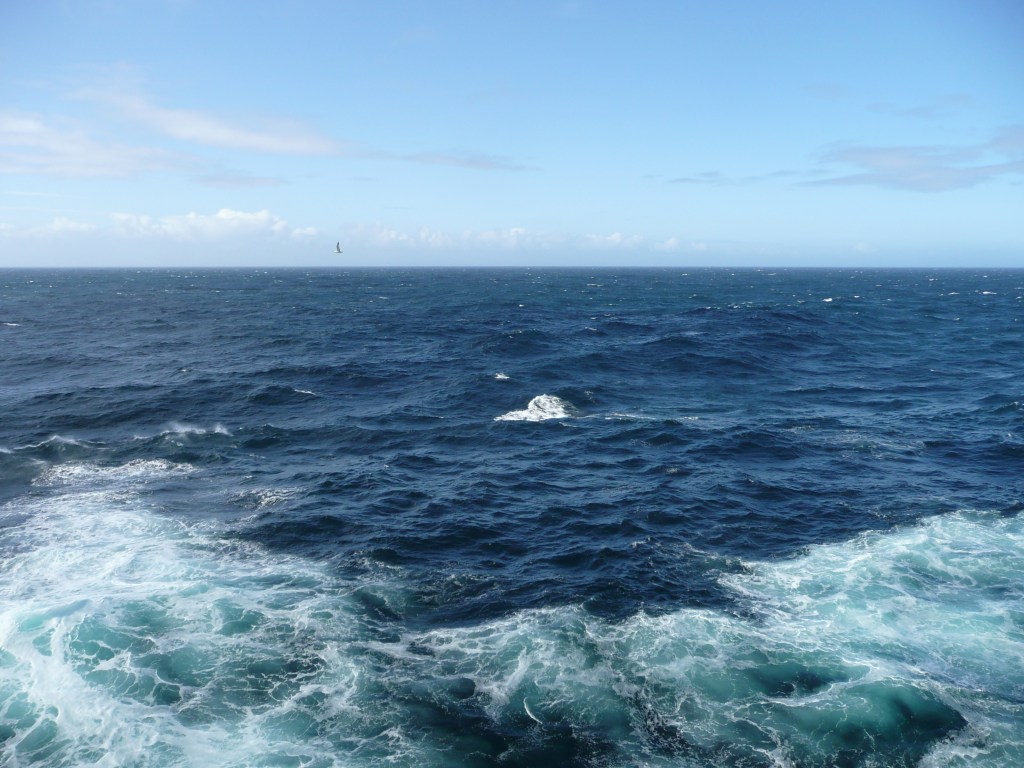
Sztorm dopadł nas na 61°35′ N 7°14′ W. Pływałam już po morzach i oceanach, ale takich fal jeszcze nie widziałam! Nasz olbrzymi statek wznosi przód na kilka metrów w górę, żeby zaraz spaść w przepaść, kiwając się do tego na boki. Wiecie jak trudno jest w tych warunkach nieść talerz pełen jedzenia? Albo szklankę z piwem? Na wyższych pokładach jest najgorzej, z powodu przechyłów zamknięto basen zewnętrzny. Idziemy do jednego z barów na pogaduszki i tam poznajemy straszliwą prawdę o naszym statku… otóż wszystkie drinki są wliczone w cenę!
A storm hit us at 61°35′ N 7°14′ W. I’ve sailed the seas and oceans before, but I’ve never seen waves like these! Our enormous ship lifts its front several meters into the air, only to plummet into the abyss, rocking side to side. Do you know how difficult it is to carry a plate full of food in these conditions? Or a glass of beer? The upper decks are the worst; the outdoor pool has been closed due to the heel. We go to one of the bars for a chat, and there we learn the terrible truth about our ship… all drinks are included in the price!
Muszę wam opowiedzieć o starych pieniądzach. Kiedyś przez kilka lat mieszkałam i pracowałam w Zjednoczonym Królestwie (i były to najlepsze lata mojego życia). Kiedy w wyniku zaniku mózgu postanowiłam wracać do Polski, zabrałam ciuchy, książki i gotówkę w postaci funtów szterlingów, zwanych dalej GBP. Moja ostatnia wypłata miała zostać przelana na konto w banku i czekać na mnie do skutku. Było to prawie dziesięć lat temu. W tym czasie moje GBP leżały w szufladzie ze skarpetkami i… straciły ważność. W czasie poprzedniego rejsu mieliśmy zawinąć do Portsmouth i tam miałam iść do banku, ale nie popłynęliśmy do Anglii z powodu sztormu. Miałam nadzieję, że tym razem się uda… Ale się nie uda. Trzeba zamówić darmowe Martini Bianco…
I have to tell you about old money. I once lived and worked in the United Kingdom for several years (and those were the best years of my life). When, due to a brain failure, I decided to return to Poland, I took clothes, books, and cash in the form of pounds sterling, hereafter referred to as GBP. My last paycheck was supposed to be deposited into a bank account and wait until I received it. That was almost ten years ago. At that time, my GBP were sitting in my sock drawer… expired. On our previous cruise, we were supposed to dock in Portsmouth, and I was supposed to go to the bank there, but we didn’t make it to England due to a storm. I hoped it would work this time… but it won’t… Must order free Martini Bianco…
A takie rzeczy się dzieją, kiedy jest się miłym dla Stewartów: And this is what happens when you are nice to the Stewarts:
Jeszcze prawie dwa dni podróży przez północny Atlantyk. Płyniemy do kraju, którego narodowym zwierzęciem jest jednorożec, a narodową rośliną – oset. Już wiecie?
Almost two more days of travel across the North Atlantic. We’re sailing to a country whose national animal is the unicorn and whose national plant is the thistle. Do you already know?
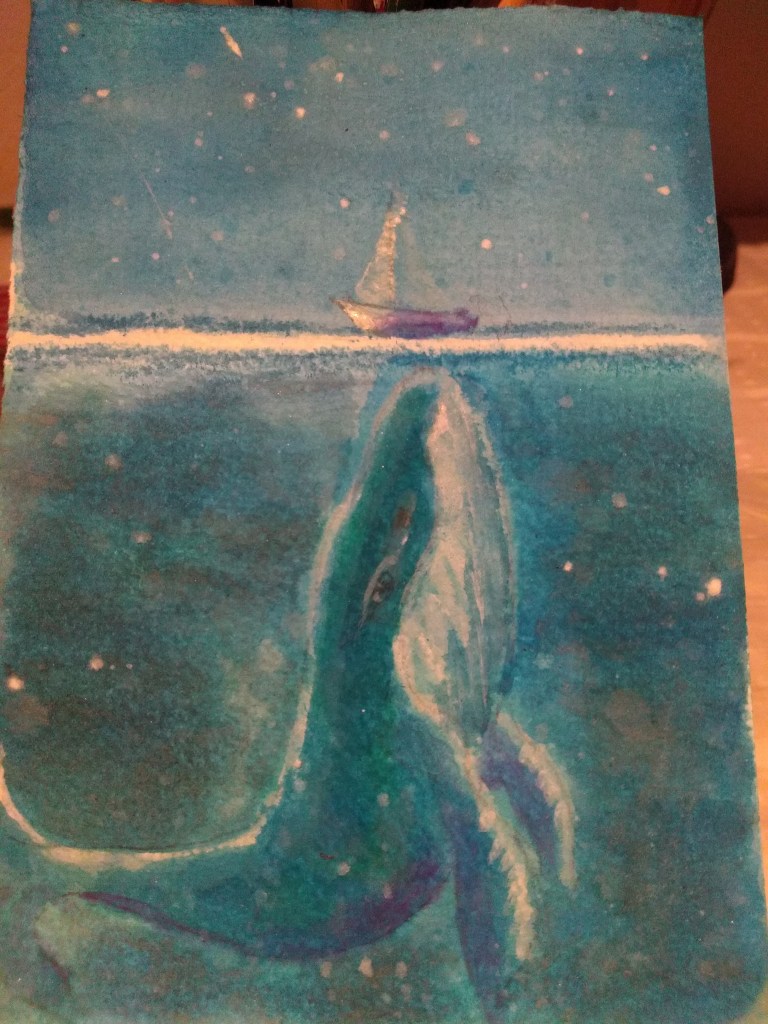
Namalowałam / I painted
Ja w łódce i humbak / me in the boat and the humpback whale
Dwadzieścia minut po pożegnaniu portu w Akureyri płynęliśmy w stronę ujścia fiordu i nagle dostaliśmy wiadomość, że na bakburcie będzie widać wieloryby!!! Wieloryby, które zawsze chciałam zobaczyć, które były na mojej długiej liście „rzeczy do zobaczenia przed śmiercią”, cudowne, prawie mityczne stworzenia, w obronie których podpisałam tysiące petycji, a nawet napisałam list do prezydenta Obamy. I były! Trzy piękne, wielkie cielska, widziane tylko przez sekundę na powierzchni i nurkujące w głębiny, potem przez chwilę było widać ich białe brzuchy i znów znikały. Humbaki, bo to były humbaki są malutkie. Mogą mieć 17 metrów długości i ważyć do 30 ton. Takie przytulanki…
Twenty minutes after leaving Akureyri Harbor, we were sailing towards the mouth of the fjord when we suddenly received word that whales would be visible on the port side! Whales I’d always wanted to see, whales that had been on my long list of „things to see before I die,” wondrous, almost mythical creatures for which I’d signed thousands of petitions and even written a letter to President Obama. And there they were! Three beautiful, enormous bodies, visible only for a second at the surface and then diving into the depths, then their white bellies were visible for a moment and then they disappeared again. Humpback whales, because they were humpback whales, are tiny. They can be 17 meters long and weigh up to 30 tons. Such cuddly creatures…
Podczas gdy inne wieloryby chcąc się najeść szybko pływają w prostej linii z otwartą buzią, humbaki wypuszczają bąble powietrza, które zamykają ryby i skorupiaki w jednym miejscu. Potem wynurzają się z otwartymi paszczami połykając setki ryb naraz. Widzieliśmy je później jeszcze raz – z trzynastego pokładu wydawały się malutkie. Tym razem było ich osiem i tym razem też nie udało się ich sfotografować.
While other whales swim quickly in a straight line with their mouths open to feed, humpbacks release air bubbles that trap fish and crustaceans in one place. Then they emerge with their jaws open, swallowing hundreds of fish at once. We saw them again later—from deck thirteen, they seemed tiny. This time, there were eight of them, and again, we couldn’t photograph them.
Po wyjściu w fiordu płyniemy na wschód, a póżniej popłyniemy wzdłuż wybrzeża Islandii prosto na południe. Przy okazji chciałabym was zapytać, czy wiecie jaki kraj w Europie uprawia najwięcej bananów? Tak, Hiszpania na Wyspach Kanaryjskich i Francja na Martynice. Ale w Europie (!) najwięcej bananowców uprawia się na Islandii. Na Islandii, dzięki energii geotermalnej rosną też pomidory, papryka i truskawki, maliny, ogórki…
After exiting the fjord, we sail east, and then sail along the coast of Iceland straight south. I’d like to ask you, do you know which country in Europe grows the most bananas? Yes, Spain in the Canary Islands and France in Martinique. But in Europe (!) the largest banana plantation is in Iceland. In Iceland, thanks to geothermal energy, tomatoes, peppers, strawberries, raspberries, cucumbers…
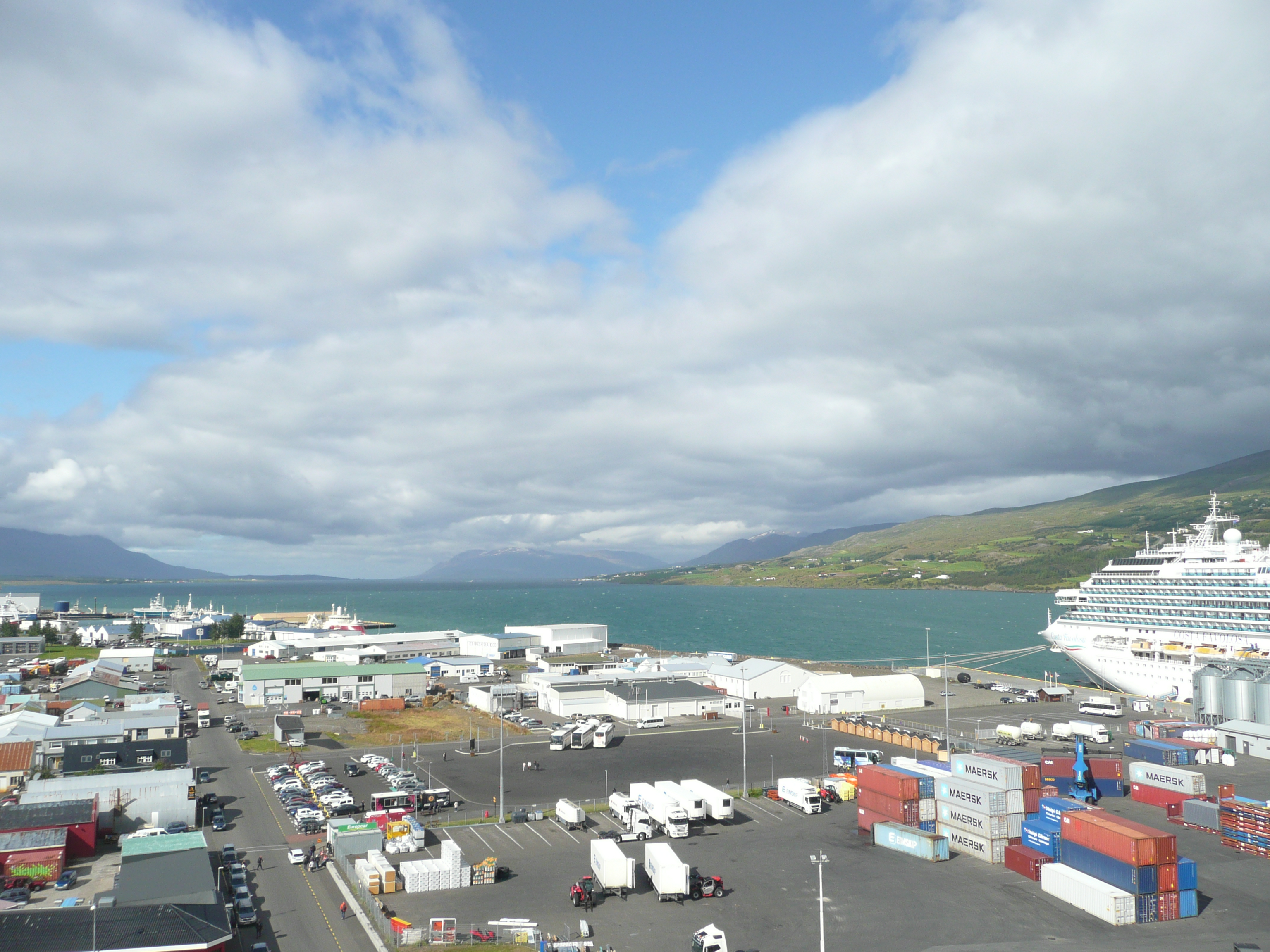
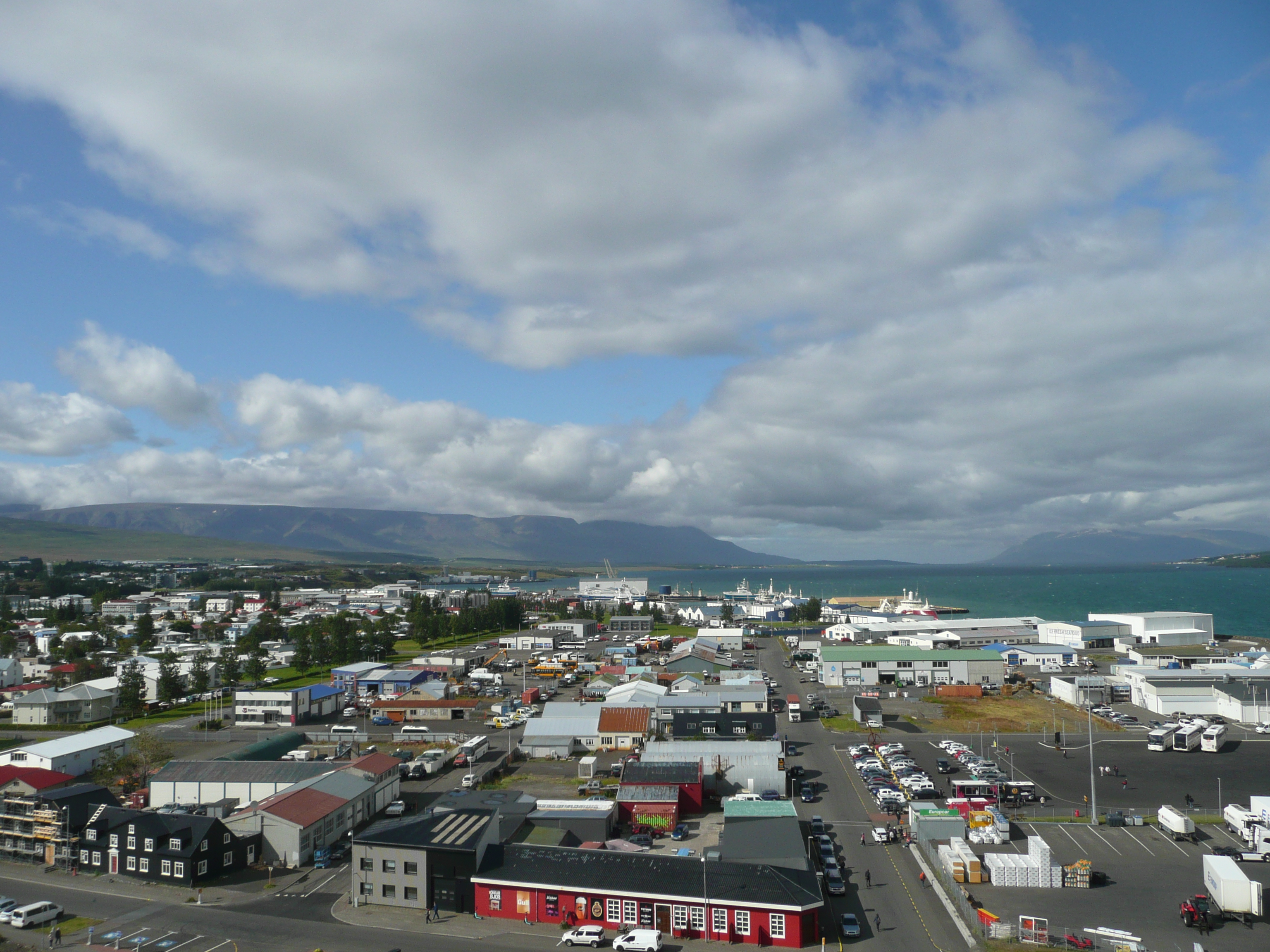
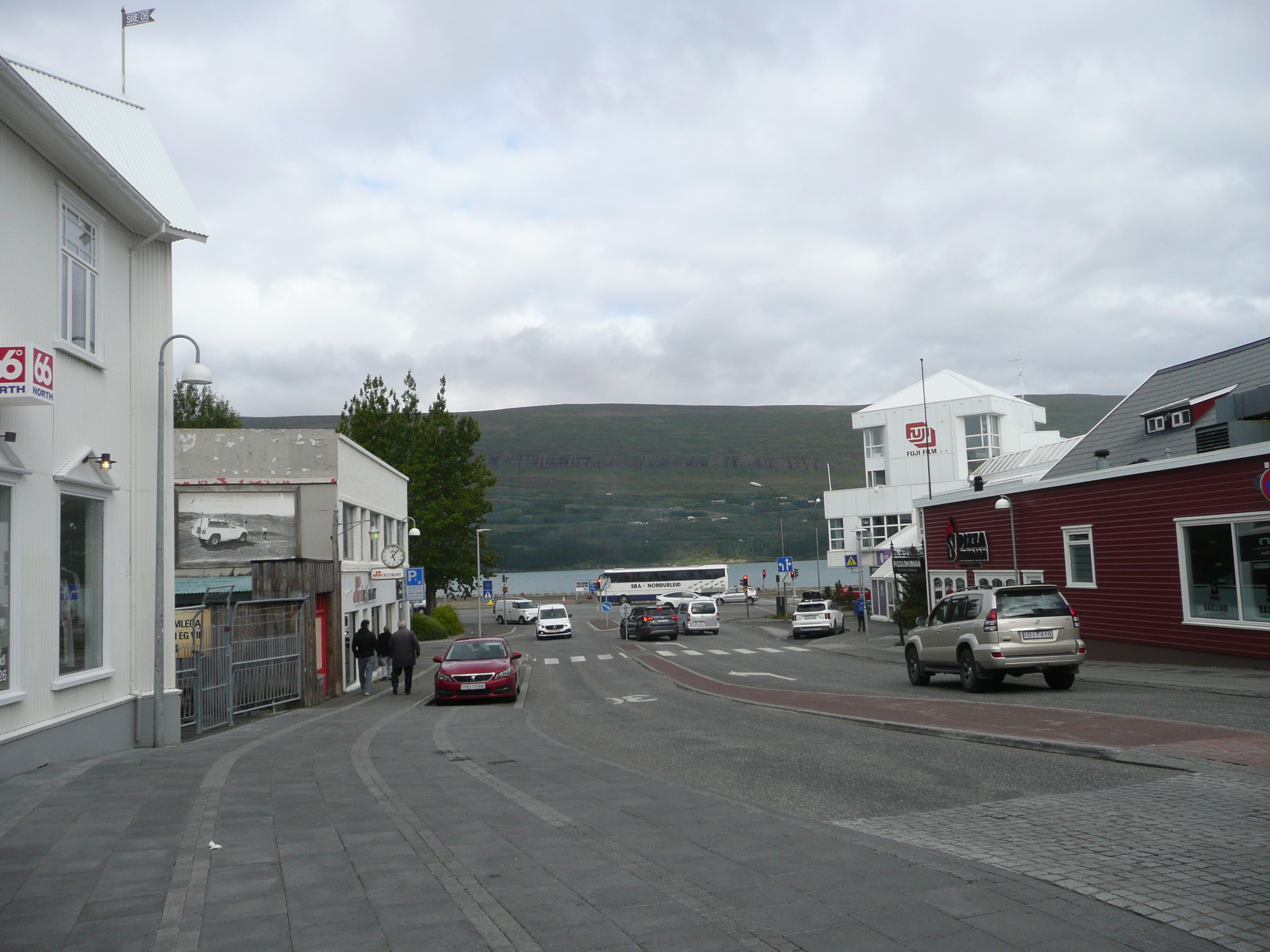
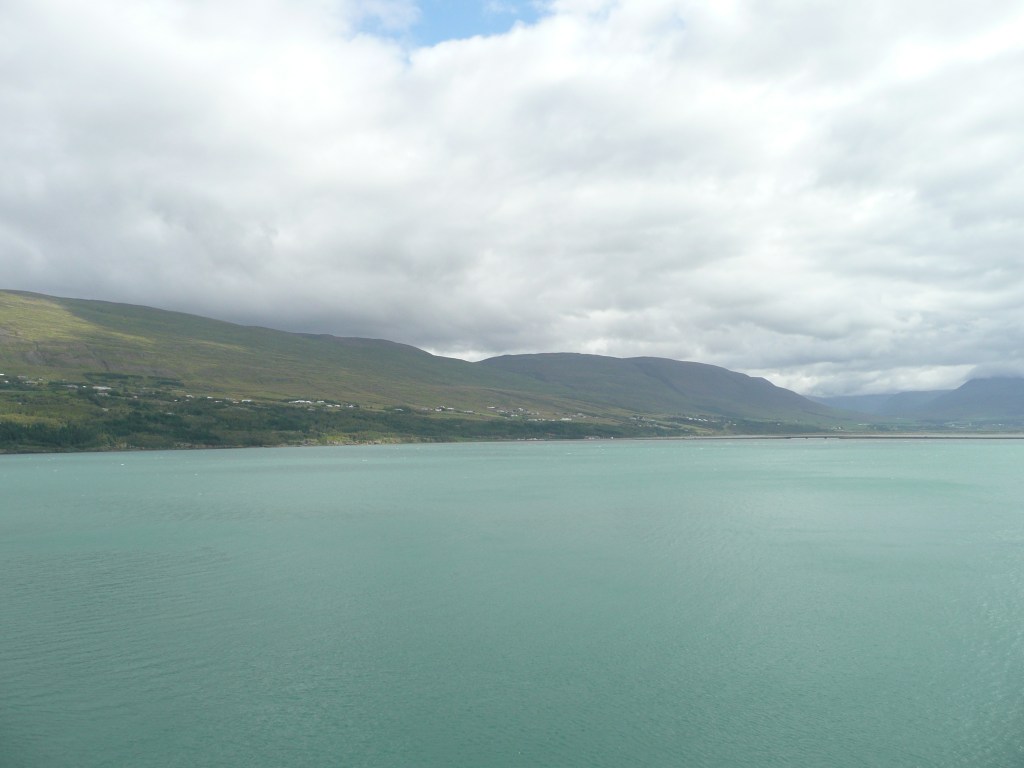
Jesteśmy 90 kilometrów na południe od kręgu polarnego, w Akureyri, największym mieście na północy Islandii i trzecim co do wielkości. Jego historia sięga 9 wieku, kiedy Wiking Helgi magri (chudy) Eyvindarson osiedlił się tu wraz z żoną Porunn Hyrna, ale nabrało znaczenia dopiero w XVI wieku, kiedy Duńczycy założyli tu misję handlową. Pochodzą stąd artyści, poeci, pisarze i politycy. Otoczone jest wysokimi na ponad tysiąc metrów granitowymi górami, a wody fiordu nie zamarzają zimą. Ani latem 🙂
We’re 90 kilometers south of the Arctic Circle, in Akureyri, the largest city in northern Iceland and the third largest. Its history dates back to the 9th century, when the Viking Helgi magri (the skinny) Eyvindarson settled here with his wife Porunn Hyrna, but it only gained importance in the 16th century, when the Danes established a trading mission. Artists, poets, writers, and politicians have hailed from here. It’s surrounded by granite mountains over a thousand meters high, and the fjord waters don’t freeze in winter. Or in summer.
Najpierw jedziemy do ogrodu botanicznego (!), który jest najpółnocniejszym ogrodem botanicznym na świecie. I znów muszę was zanudzić historią: w roku 1863, pięćdziesiąt lat przed tym, jak kobiety na Islandii zdobyły prawo do głosowania, w Akureyri mogły brać udział w rządzeniu miastem i zasiadały w radzie municypalnej. W 1909 roku postanowiły ozdobić swoje miasto i założyły ogród botaniczny, w którym dziś jest ponad 7000 gatunków roślin. Ogród można odwiedzać przez cały rok i nie płaci się za wstęp.
First, we head to the Botanical Garden (!), the northernmost botanical garden in the world. And again, I have to bore you with history: in 1863, fifty years before women in Iceland gained the right to vote, women in Akureyri were allowed to participate in city government and served on the municipal council. In 1909, they decided to beautify their city and established a botanical garden, which today houses over 7,000 plant species. The garden can be visited all year round and there is no admission fee.
Akureyri botanical garden
Wracamy do portu, by stamtąd już pieszo iść do miasta, choć transport publiczny jest za darmo. Po lewej mijamy wielki budynek centrum kulturalnego z tęczową flagą (teczowe flagi łopoczą na Islandii nawet przed kościołami) i zanurzamy się w prawie puste ulice.
We return to the port and from there walk back to the city, although public transport is free. On the left, we pass the large cultural center building with a rainbow flag (rainbow flags fly even in front of churches in Iceland) and enter the nearly empty streets.
W Akureyri czerwone światła na ulicach są w kształcie serduszek! / In Akureyri, red street lights are heart-shaped!
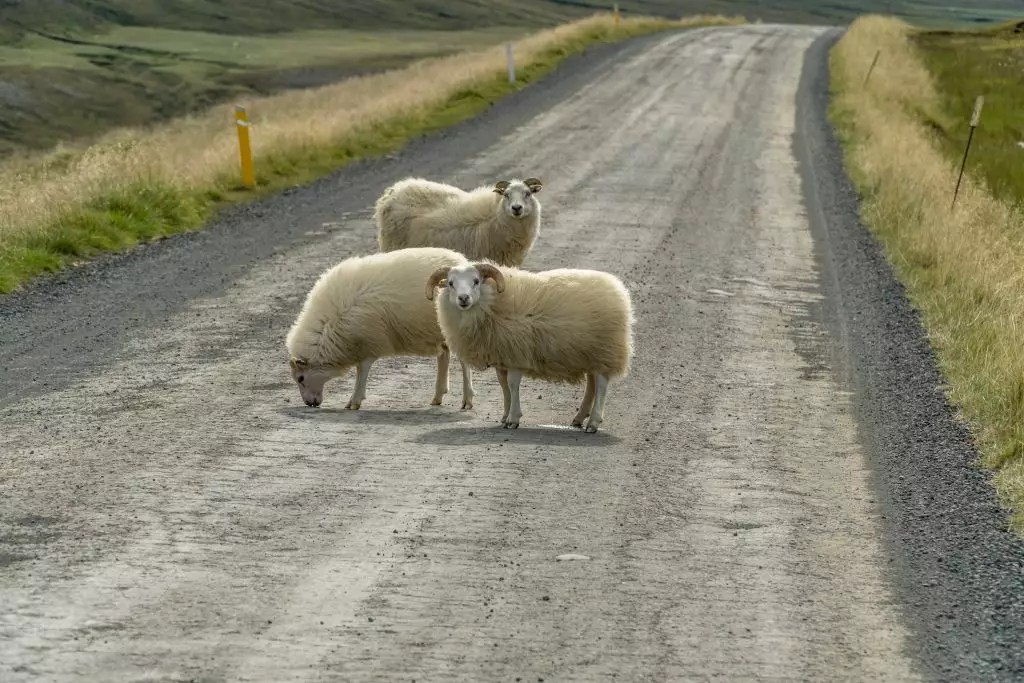
Z drogi N1 skręciliśmy na wąską, szutrową ścieżynę. Po lewej stronie w głębokim korycie płynie rwąca rzeka, po prawej wznoszą się piekne, zielone wzgórza. Nigdzie nie widać domów, ani tym bardziej ludzi, ale spotykamy innych mieszkańców wyspy – jak zwykle po trzy, mama i dwa jagnięta. Często się zdarza, że wygrzewają się na drogach, a potem gapią się i nie chcą ustąpić.
We turned off the N1 onto a narrow, gravel path. To our left, a rushing river flows in a deep bed, and to our right, beautiful, green hills rise. There are no houses in sight, let alone people, but we do encounter other island inhabitants – the usual three of them, a mother and two lambs. They often bask in the sun on the roads, then stare, refusing to budge.
Zanim dotrzemy na miejsce, opowiem wam o Elfach, powszechnie znanych mieszkańcach Islandii. Ponad połowa Islandczyków wierzy w istnienie elfów, zwanych tutaj Huldufólk, czyli „ukryci ludzie”. Jak wszyscy wiedzą Elfy wyglądają jak ludzie, ale są od nich wyżsi, szczuplejsi i oczywiście ładniejsi. Są Elfy Światła i Elfy Mroczne (czarne) i są lokalnymi bóstwami, które sprawują opiekę nad domostwami i ludźmi. Jedna z legend opisująca pochodzenie Huldufolk głosi, że kiedy diabeł wzniecił bunt w niebie, mieszkańcy, którzy nie byli po jego stronie, ale też nie byli mu przeciwni, zostali zesłani na Ziemię. Zamieszkali w „lasach, wzgórzach i skałach” i „nie mogli mieszkać z innymi ludźmi”. Oczywiście chrześcijanom przeszkadzało to proste przesłanie, więc wymyślili, że elfy są dziećmi Adama i Ewy, które na skutek zaniedbań rodzicielskich zostały ukryte przed bogiem, kiedy ten przyszedł w odwiedziny. Kiedy to odkrył, strasznie się wkurzył i powiedział „„To, co miało być ukryte przede Mną, będzie ukryte także przed ludźmi”. I tak powstali „ukryci ludzie”. Elfy są jednak widziane tu i ówdzie i mają wielki wpływ na życie na Islandii. Jednym z licznych (!) przykładów „elfiej” interwencji wydarzył się w 2013 roku, kiedy wstrzymano proponowaną budowę drogi z powodu protestów zwolenników elfów i grup ekologicznych, które twierdziły, że droga zniszczy siedliska elfów i lokalne wierzenia kulturowe. Jeden z protestujących zainteresował się dużą skałą, która znajdowała się na drodze. Projektanci drogi komentowali później: „Przyjrzeliśmy się skale nie przez pryzmat wiary w elfy, ale przez pryzmat tego, że elfy lub ukryte osoby są częścią naszego dziedzictwa kulturowego. Przyjrzeliśmy się tej dużej formacji skalnej i uznaliśmy, że jest wyjątkowa, i postanowiliśmy, że skoro możemy przenieść [drogę], spróbujemy to zrobić”. I jak nie kochać Islandii.
Before we get on place, I’ll tell you about elves, information about the inhabitants of Iceland. More than half of Icelanders believe in the existence of elves, here called Huldufólk, or „hidden people.” Like everybody know, Elves look like humans, but are taller, slimmer, and, of course, more beautiful. There are Light Elves and Dark (black) Elves, and they take care of homes and people. One legend describing the origin of the Huldufólk says that when the devil incited a rebellion in heaven, the inhabitants, not on his side but not against him, were exiled to Earth. They lived in „forests, hills, and rocks” and „could not live with other people.” Naturally, Christians were bothered by this simple solution, so they invented the idea that elves were the children of Adam and Eve, who, due to parental neglect, were hidden from god when he came to visit. When he discovered it, he became angry and said: „That which had to be hidden from Me, shall also be hidden from man, ” I take the „hidden people” arose. Elves, however, are seen here and there and have a significant impact on life in Iceland. One of the numerous (!) examples of „elven” intervention occurred in 2013, when a proposed road construction was halted due to protests from elf advocates and environmental groups, who claimed the road would destroy elf habitats and local cultural beliefs. One of the protesters took an interest in a large rock that was in the way. The road’s designers later commented, „We looked at the rock not through the prism of belief in elves, but through the prism of elves or hidden people being part of our cultural heritage. We looked at this large rock formation and thought it was unique, and we decided that if we could move [the road], we would try to do it.” And how can you not love Iceland?
Nord of Iceland
Dotarliśmy na miejsce – maleńka osada powstała w XI wieku, przytulona do wzgórza, ze wspaniałym widokiem na fjord. Od XIX wieku była siedzibą wikarego i jego rodziny. Ostatni mieszkańcy wyprowadzili się stąd w 1936 roku i wtedy powstało muzeum. Zobaczcie sami:
We arrived at our destination – a tiny settlement founded in the 11th century, nestled against a hill, with a magnificent view of the fjord. Since the 19th century, it had been the residence of a vicar and his family. The last inhabitants moved out in 1936, and that’s when the museum was established. See for yourself:
Laufas Heritage Site
Domki ukryte we wzgórzu zbudowane są z torfu i kamieni, są połączone labiryntem korytarzy prowadzących od pomieszczeń gospodarczych poprzez sypialnie, kuchnię i spiżarnie, aż do jadalni i salonu, w którym wikary przyjmował gości. W domach są przedmioty codziennego użytku, meble, kompletnie wyposażona kuchnia i jadalnia ze spiżarnią. W pokoju dziecięcym odkrywam szkatułkę wypełnioną zębami zwierząt (ale nie mówcie nikomu, że tam zajrzałam). Łóżka są bardzo krótkie, a w całym domostwie pachnie torfem.
The houses, hidden in the hillside, are built of peat and stone, connected by a maze of corridors leading from utility rooms, through bedrooms, kitchen, and pantry, to the dining room and living room where the vicar received guests. The houses are furnished with everyday objects, furniture, a fully equipped kitchen, and a dining room. In the children’s room I discover a box filled with animal teeth (but don’t tell anyone I looked). The beds are very short, and the entire house smells of peat.
Laufas Heritage Site, Iceland
Laufas Heritage Site
Odkrywam jeszcze domek dla elfów: / I also discover the elf house:
Rano zacumowaliśmy w głębi najdłuższego (60 km) islandzkiego fjordu Eyjafjörður, a teraz jedziemy drogą N1 na południowy wschód. Droga wiedzie najpierw wzdłuż fiordu, na brzegu wylegują się foki, z gór spływają wody potoków, zamieniające się w wąskie wodospady po dopłynięciu do krawędzi skał. Potem skręcamy w głąb lądu, kolejne zielone góry stopniowo odsłaniają zielone doliny z niewielkimi rzekami i owce pasące się na nieskończonych łąkach… I to był ten moment, ten właśnie moment, w którym zakochałam się w Islandii
Islandia – północny wschód / Iceland – northeast
This morning we docked deep inside Iceland’s longest (60 km) fjord, Eyjafjörður, and now we’re heading southeast on Route 1. The road first follows the fjord, with seals basking on the shore, and streams cascading down from the mountains, transforming into narrow waterfalls as they reach the edge of the cliffs. Then we turn inland, with more green mountains gradually revealing green valleys with small rivers and sheep grazing in endless meadows… And that was the moment, the very moment, that I fell in love with Iceland.
Eyjafjörður, Iceland
Po około 40 kilometrach jesteśmy na miejscu, przy Goðafoss – Wodospadzie Bogów. Według „Księgi Islandczyków” w roku 1000 na Islandii trwał zażarty spór między zwolennikami chrześcijaństwa a tymi, którzy wierzyli w starych, nordyckich bogów. Sprawujący wówczas władzę naczelnik okręgu Þorgeir Ljósvetningagoði Þorkelsson (pogański kapłan) postanowił, że Islandia musi przyjąć wiarę chrześcijańską. Ponoć myślał o tym całą noc i dzień, a potem wrzucił posągi „starych bogów” do wodospadu i tak powstała jego nazwa i… legenda. W tak straszny sposób pozbyto się potężnego Odyna, Thora i Frei.
After about 40 kilometers, we arrive at Goðafoss – the Waterfall of the Gods. According to the „Book of Icelanders,” in the year 1000, a fierce dispute raged in Iceland between supporters of Christianity and those who believed in the old Norse gods. The then-ruling district chief, Þorgeir Ljósvetningagoði Þorkelsson (a pagan priest), decided that Iceland must adopt the Christian faith. He supposedly thought about it all night and day, then threw statues of the „old gods” into the waterfall, thus giving rise to the waterfall’s name and… the legend. In such a terrible way the mighty Odin, Thor and Freya were disposed of.
Goðafoss, Islandia
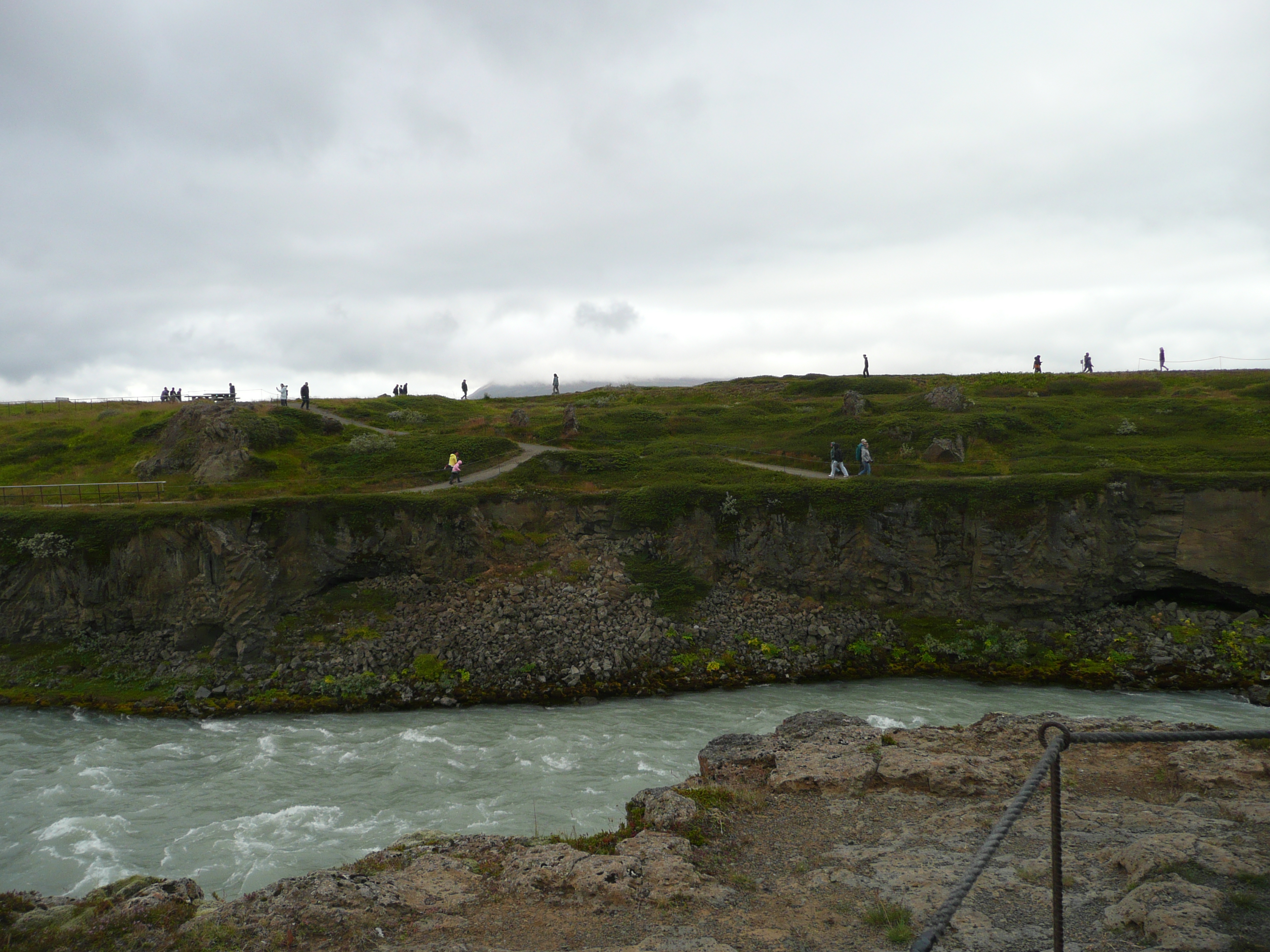
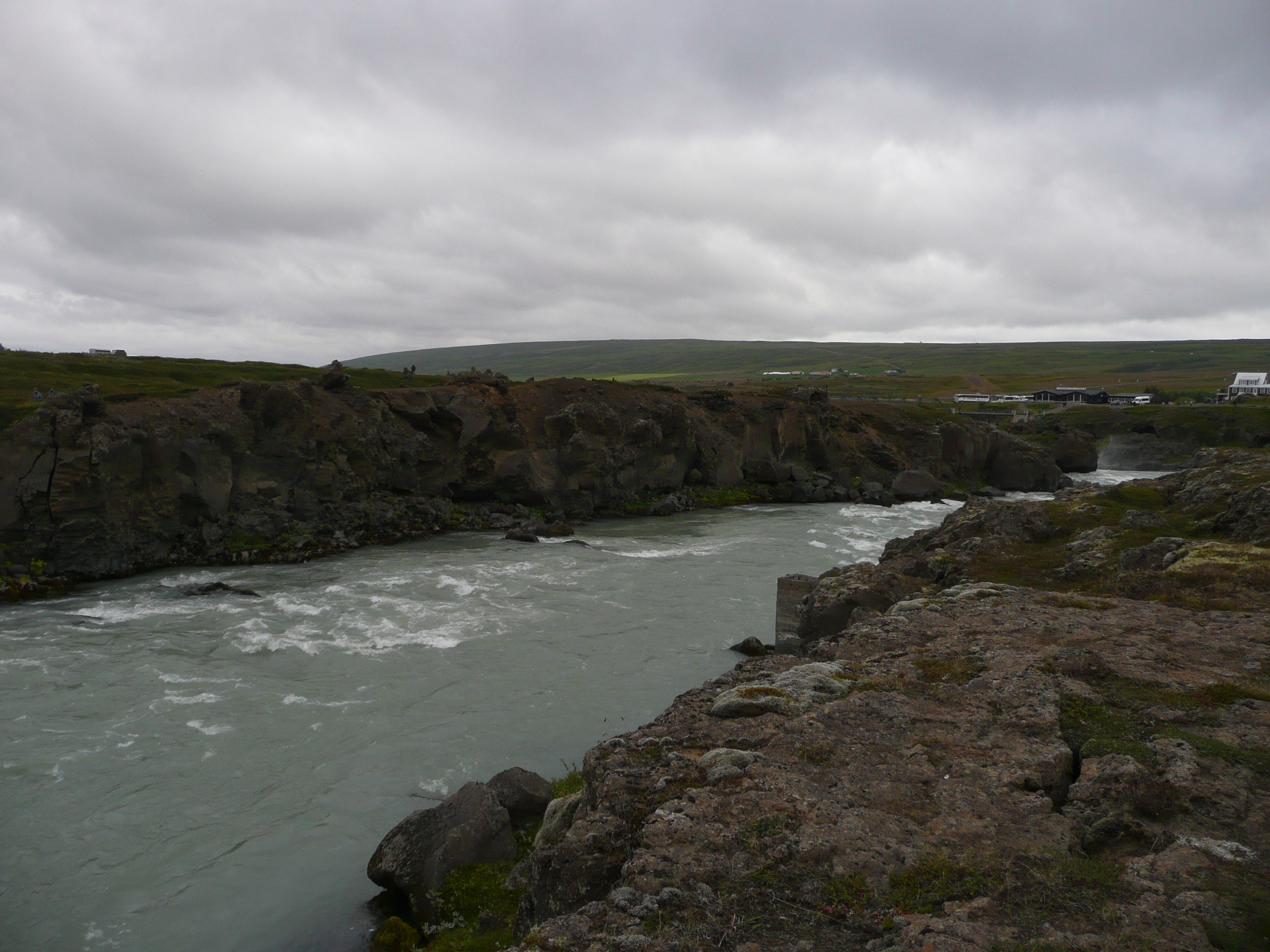
Wodospad jest częścią rzeki Skjálfandafljót, płynącej przez prawie 180 kilometrów od wielkiego lodowca Vatnajökull, przez pola lawy aż do zatoki Skjálfandi, gdzie uchodzi do Morza Arktycznego. Wodospad ma 30 metrów szerokości i wysokość 12 metrów, ma kształt półkolisty. Droga prowadząca do wodospadu jest wyboista i ma około dwóch kilometrów. No i wieje zimny wiatr.
The waterfall is part of the Skjálfandafljót River, which flows for almost 180 kilometers from the massive Vatnajökull glacier, through lava fields, and finally to Skjálfandi Bay, where it empties into the Arctic Ocean. The waterfall is 30 meters wide and 12 meters high and has a semicircular shape. The road leading to the waterfall is approximately two kilometers long and bumpy. And a cold wind is blowing.
Goðafoss, Iceland 2025
Zmarznięci, ale wypełnieni duchem nordyckich bogów wyruszamy dalej, tym razem na północ. Cold, but filled with the spirit of the Norse gods, we set off further, this time north.
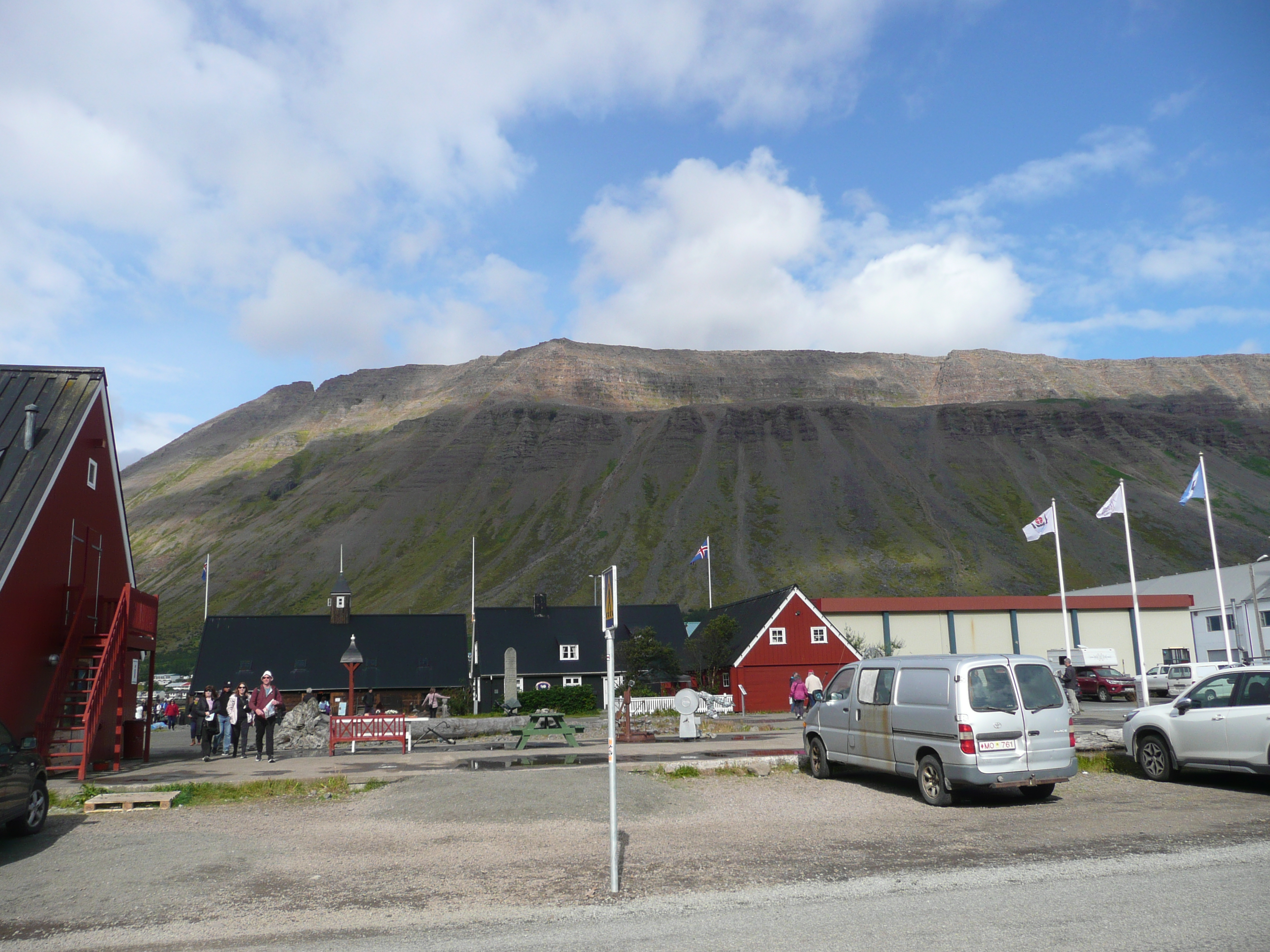
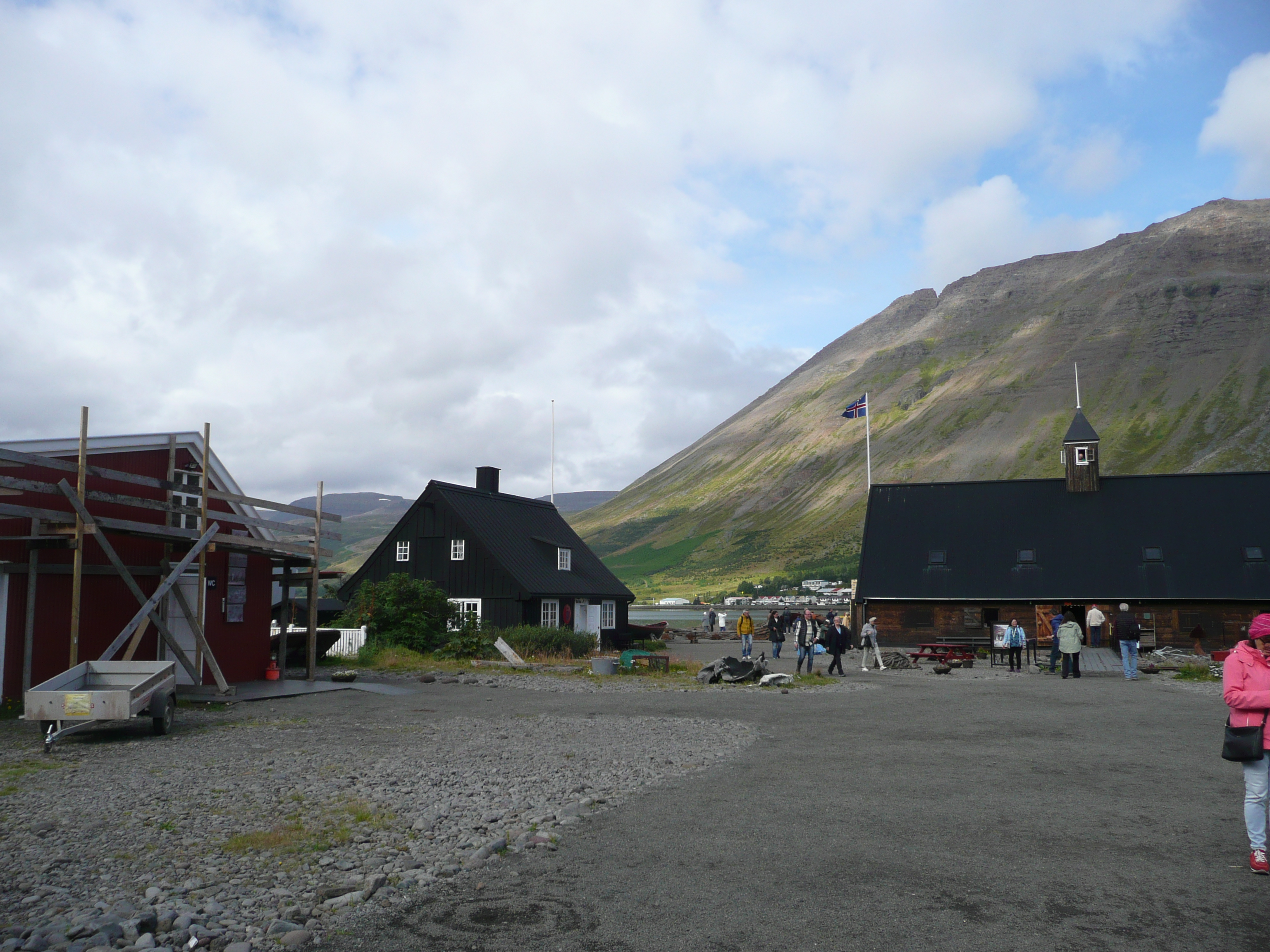
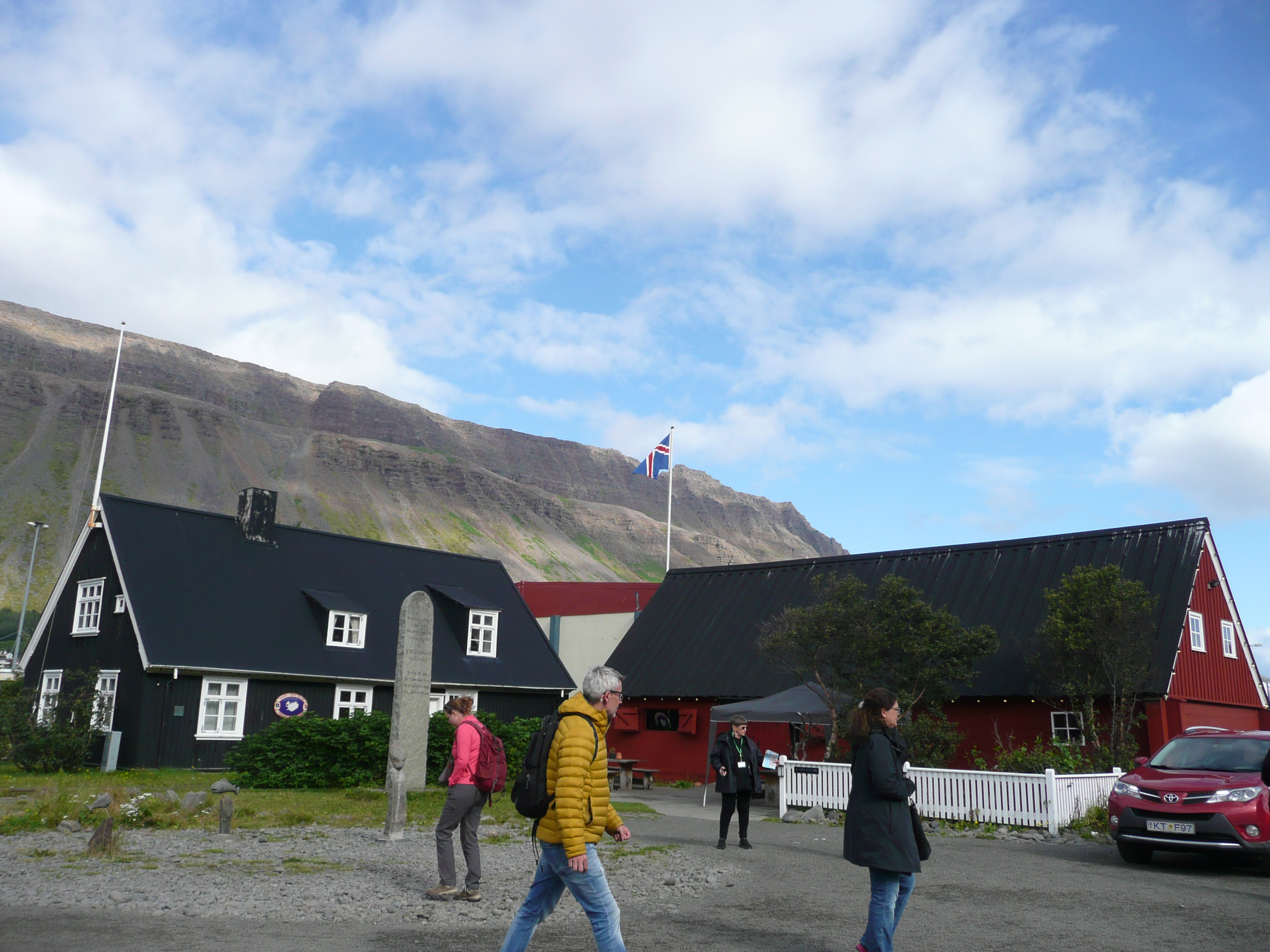
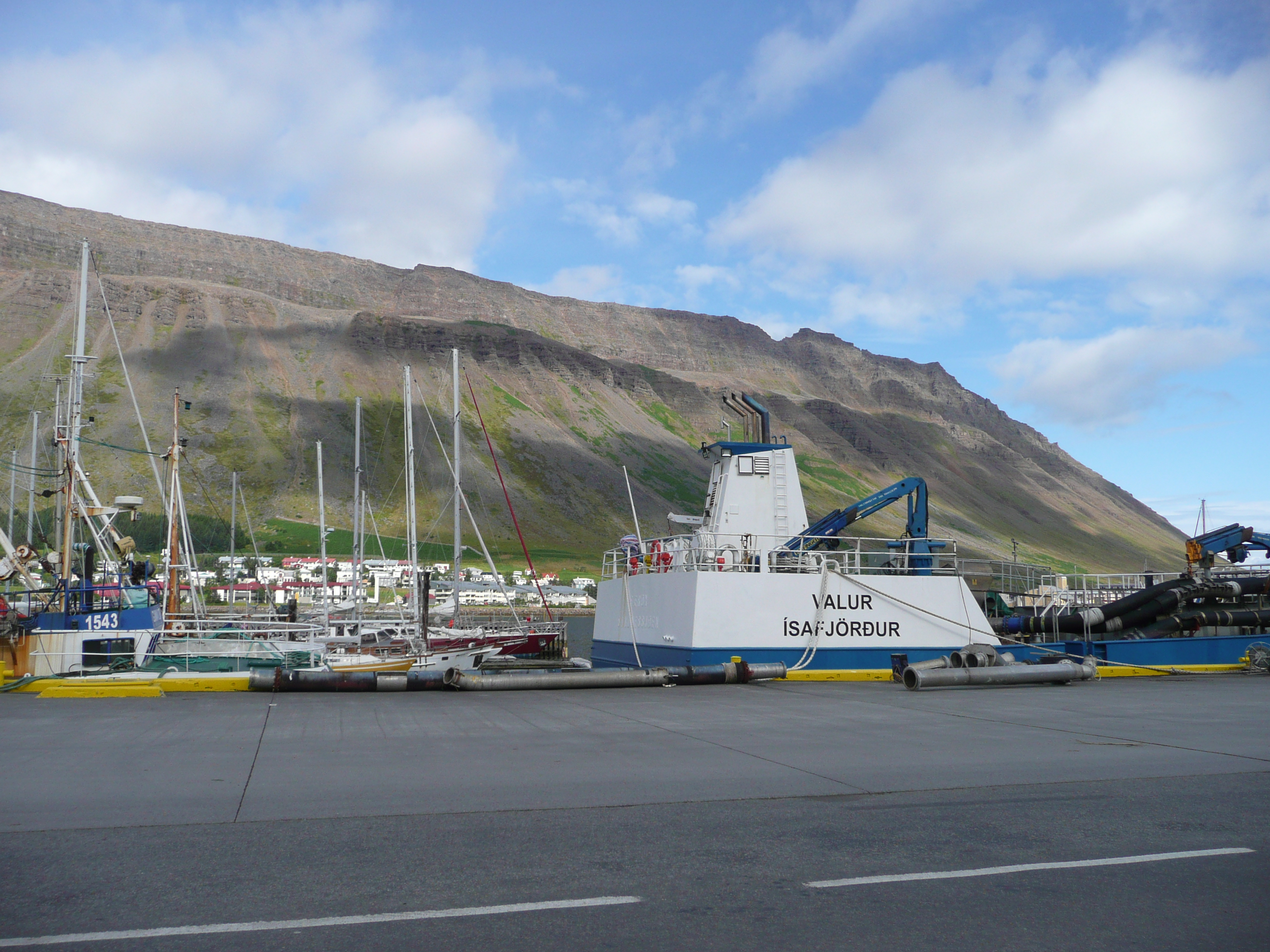
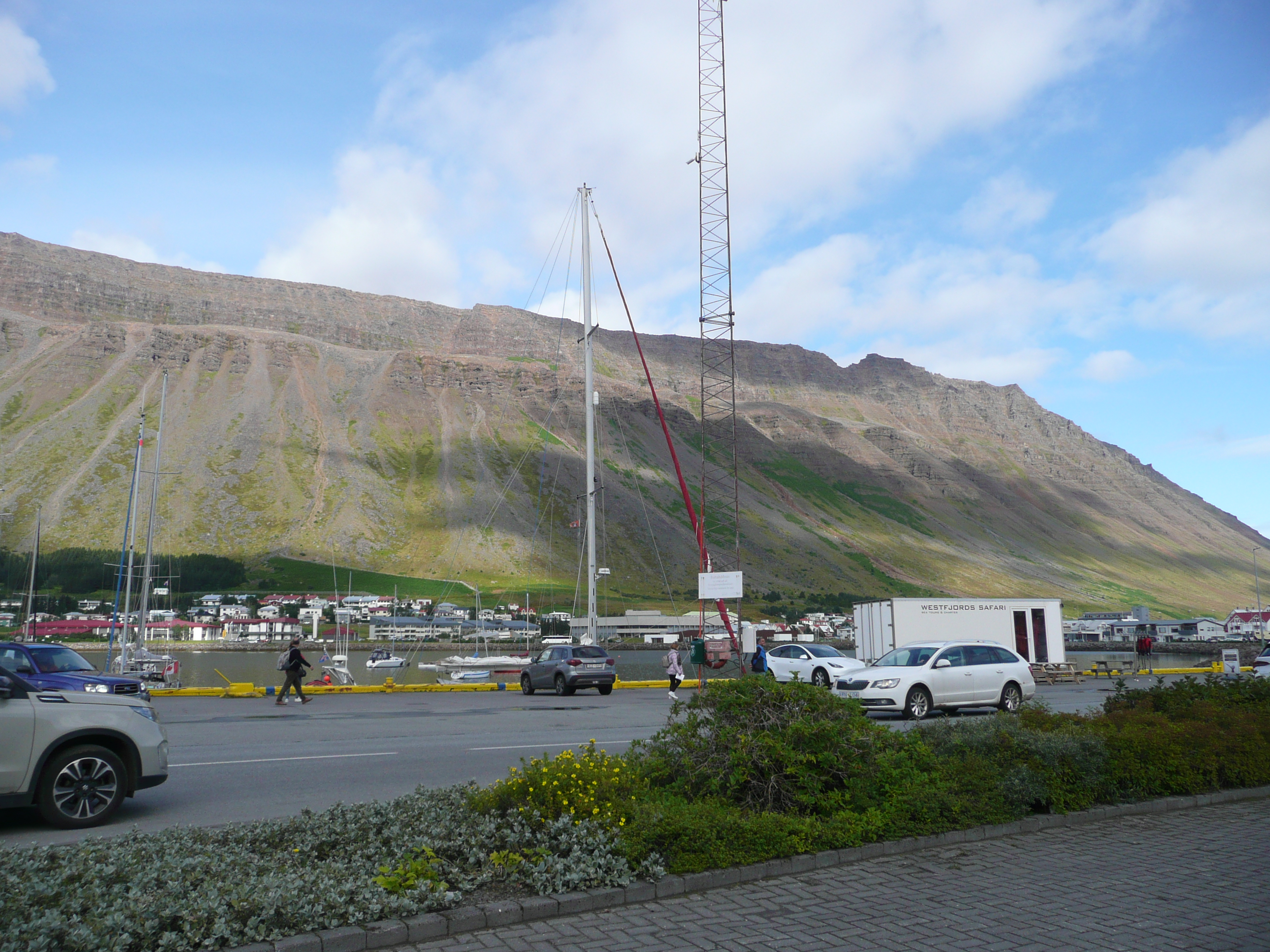
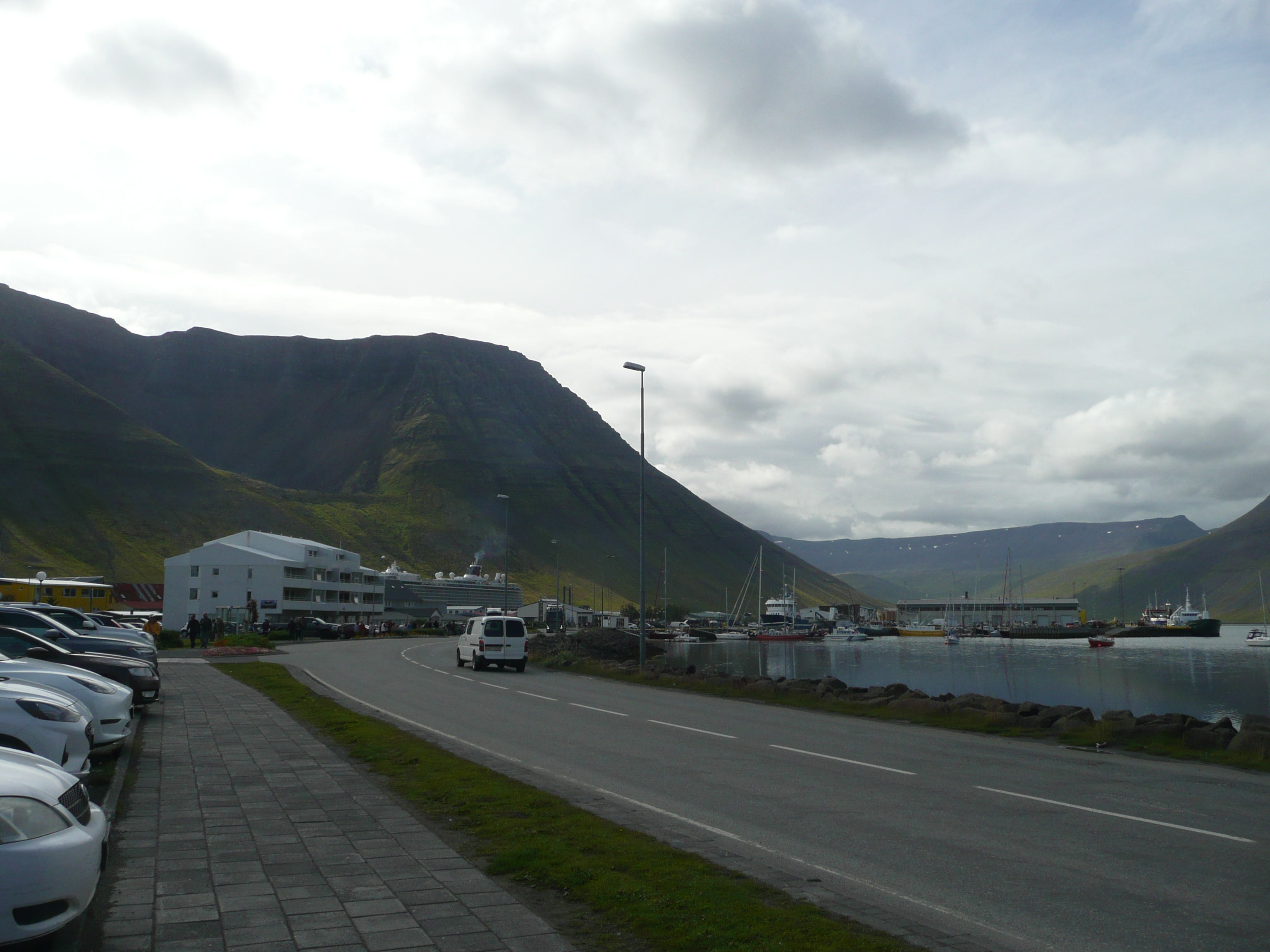
Ísafjörður to stolica Westfjords, ogromna metropolia z 2 770 mieszkańcami, powstała już w XVI wieku. Otaczają ją zewsząd fiordowe góry, dochodzące do 700 m n.p.m. U ich podnóży rosną lasy – info specjalnie dla tych, którzy myślą, że na Islandii nie ma lasów. Owszem, przez kilka wieków nie było, bo zostały wytrzebione przez pierwzsych mieszkańców na budowy domów i opał. Ale już są i rosną wielkie i zielone 🙂
Ísafjörður is the capital of the Westfjords, a vast metropolis with 2,770 inhabitants, founded in the XVIth century. It is surrounded by fjord mountains, reaching up to 700 meters above sea level. Forests grow at their foot – information especially for those who think there are no forests in Iceland. True, for several centuries there weren’t any, having been cleared by the first inhabitants for building houses and fuel. But now they are, and they are growing large and green.
Our ship in Isafjordur – Nasz statek w Isafjordur
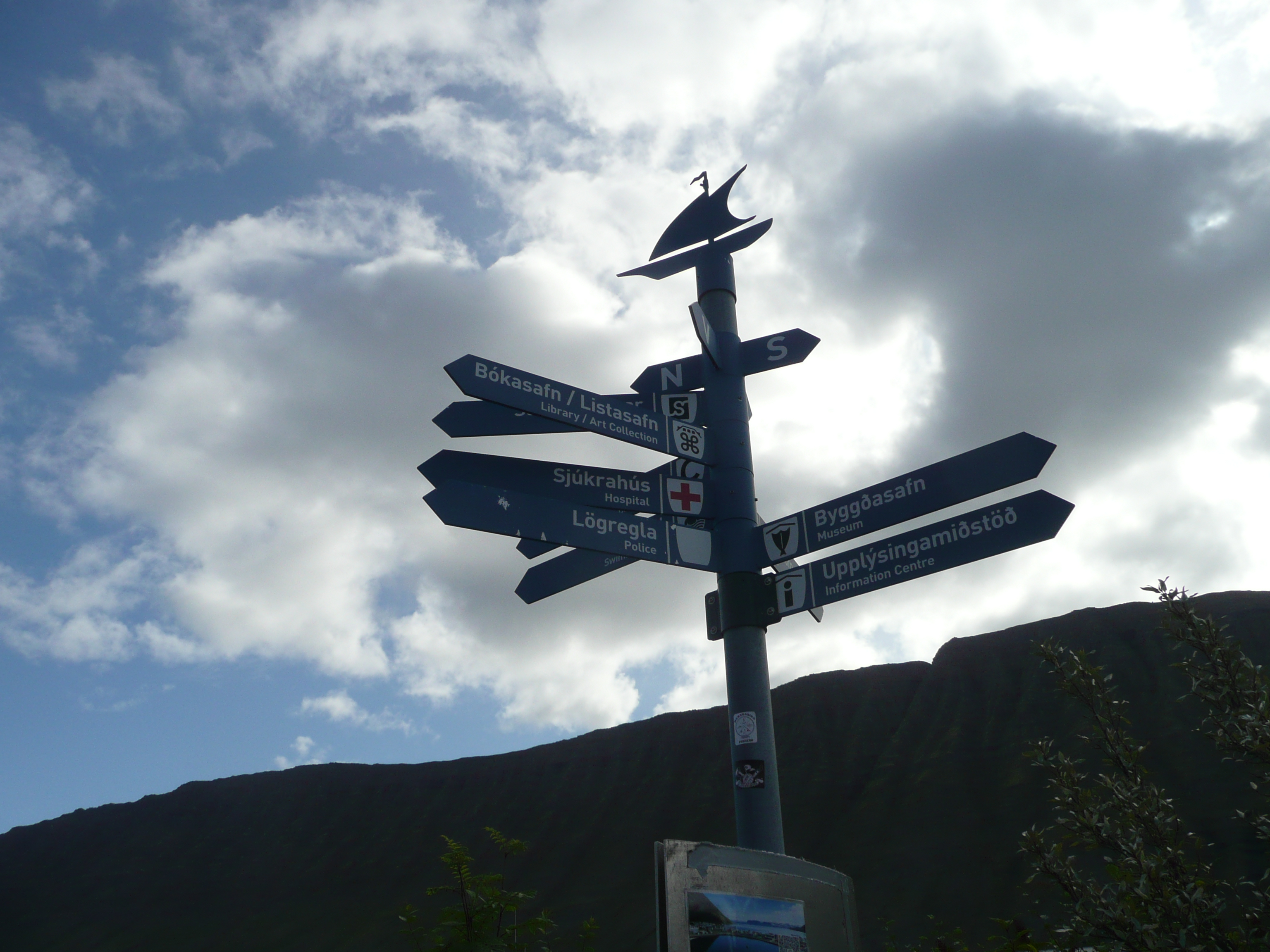
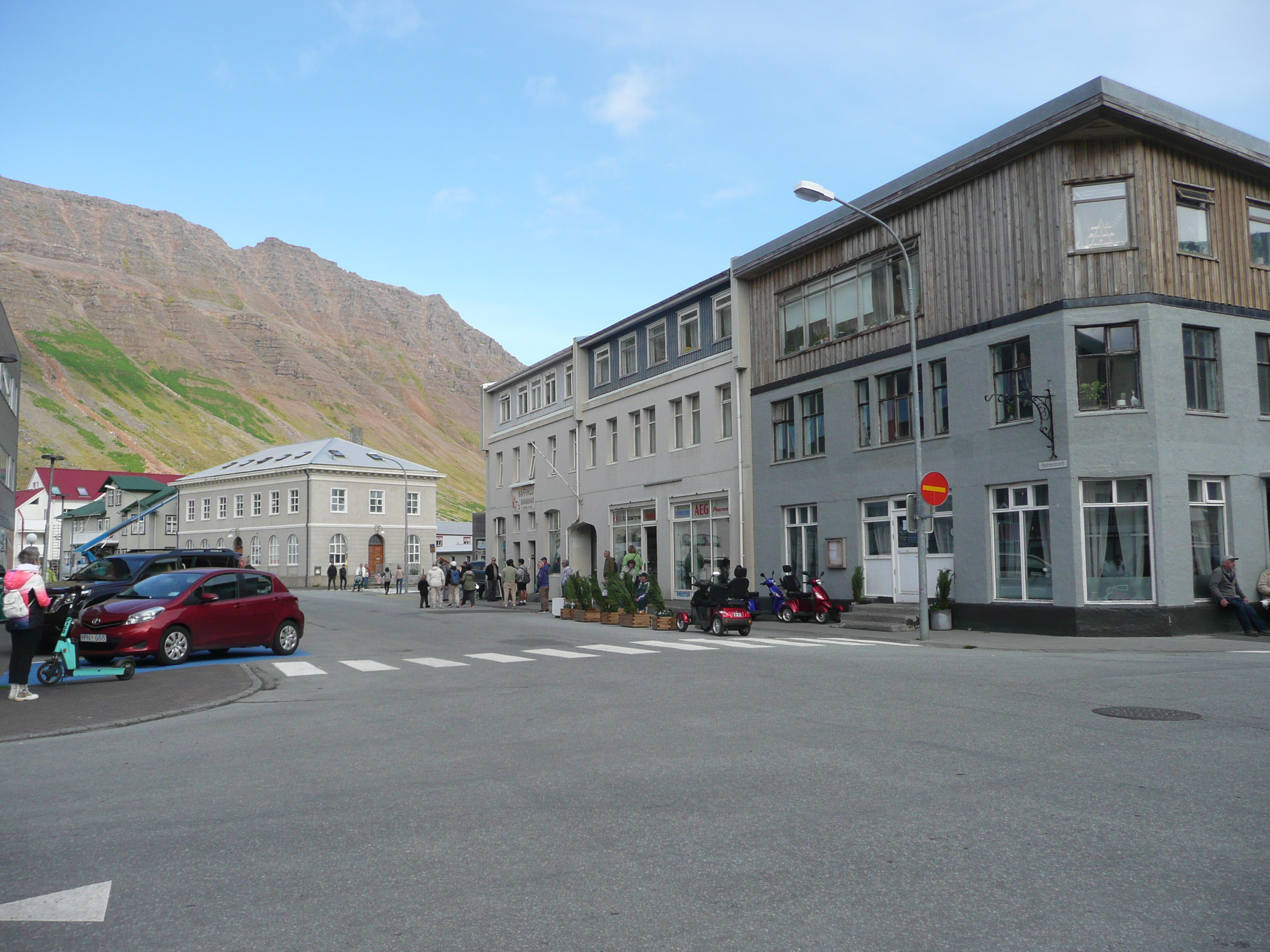
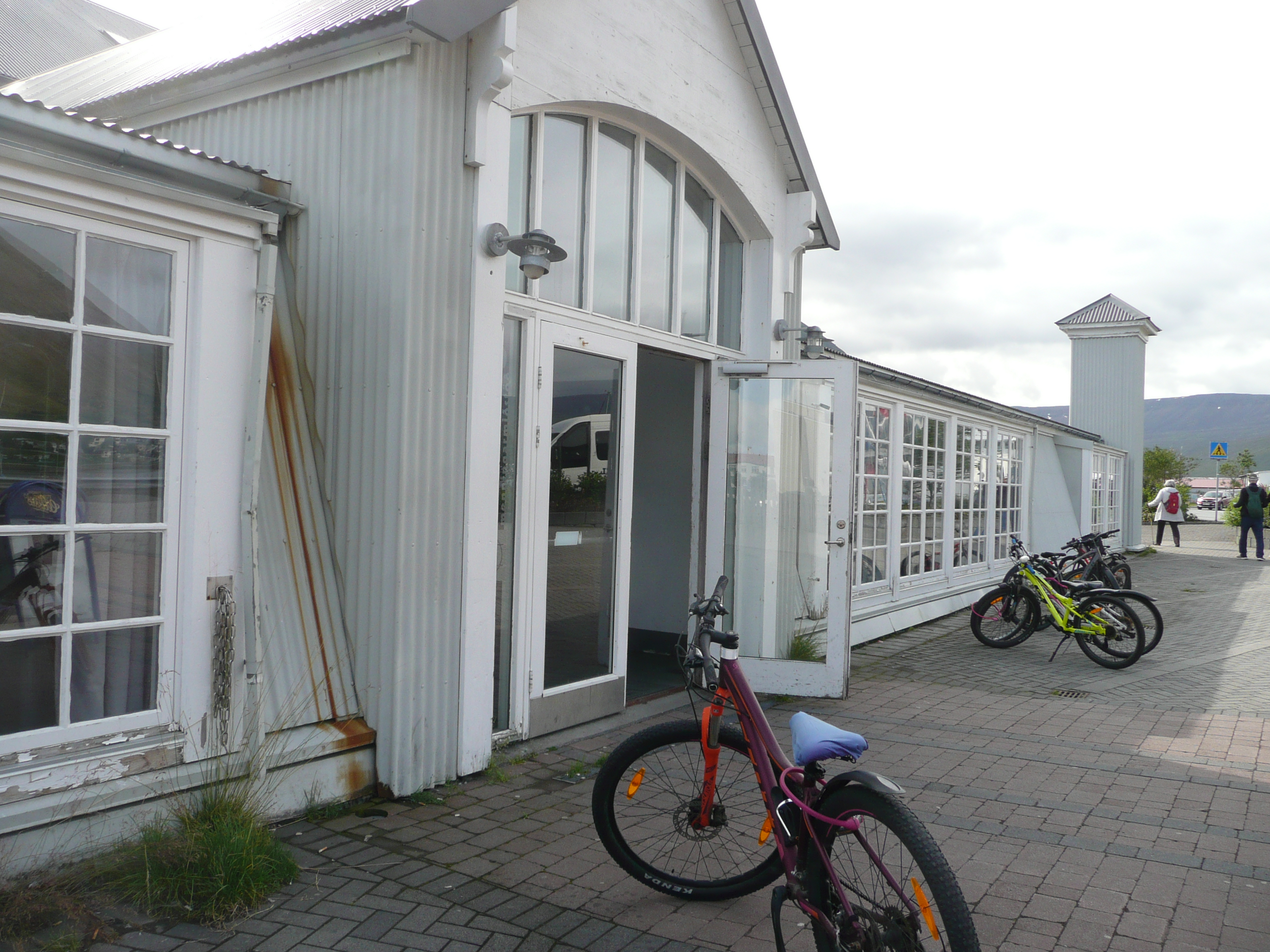
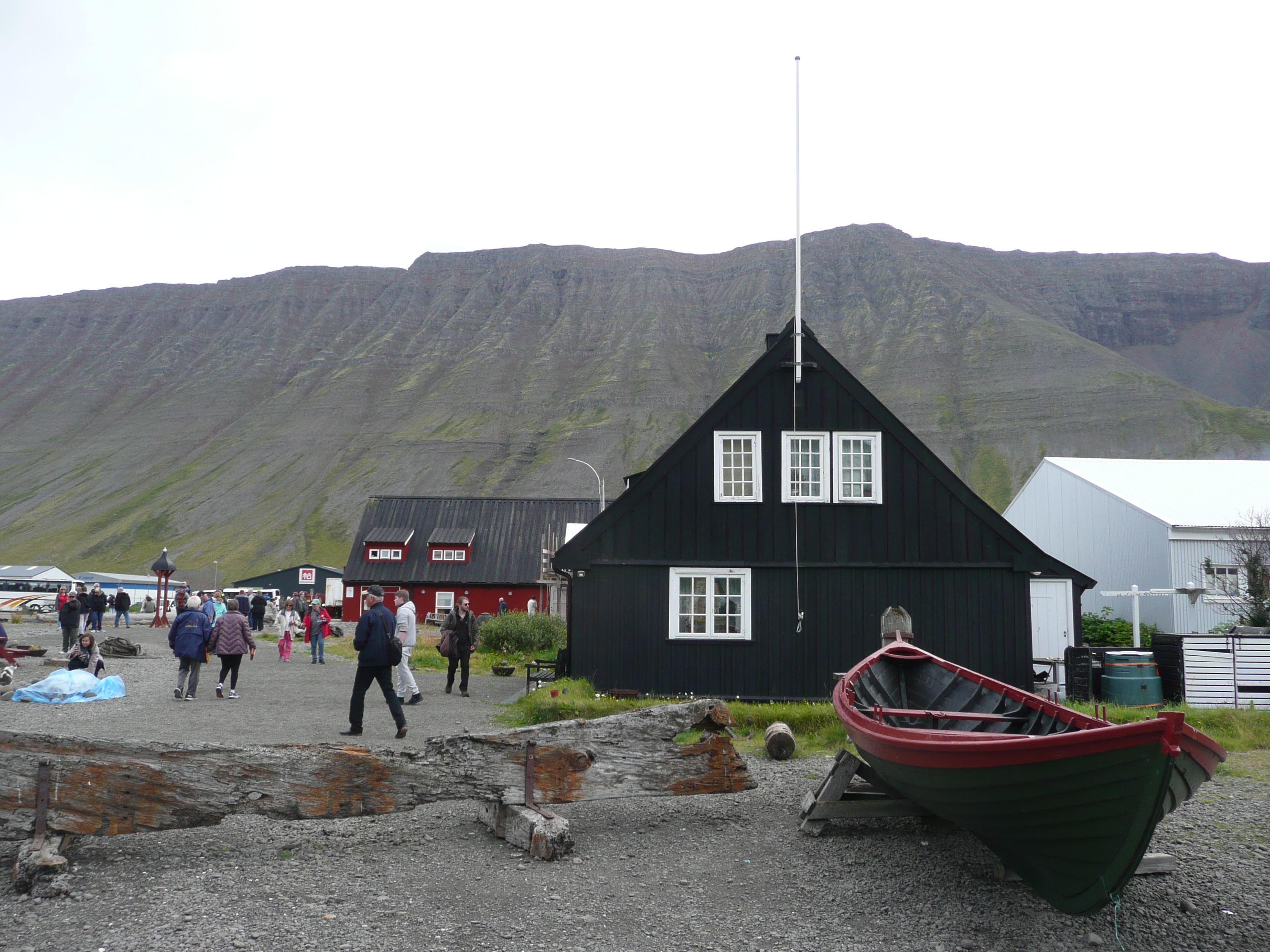
Wyspa powinna szczycić się tym, że na 365 dni w roku ma 65 dni słonecznych. Mamy szczęście – dziś jest jeden z tych dni. Idziemy spacerkiem przez miasto – najpierw widzimy najstarsze budynki – drewniany kościół, drewniana restauracja, gdzie można spróbować zupy rybnej, drewniany budynek muzeum regionalnego i (oczywiście) drewniany baraczek informacji dla turystów, gdzie można kupić wycieczki na oglądanie pingwinów, wielorybów, maskonurów, czy kursy obróbki żelaza.
The island should boast that it has 65 sunny days out of 365 days a year. We’re lucky – today is one of those days. We stroll through the town, first seeing the oldest buildings – a wooden church, a wooden restaurant where you can try fish soup, the wooden building of the regional museum, and (of course) the wooden tourist information hut, where you can book penguin-, whale-, and puffin-watching tours, or ironworking courses.
Dalej jest niewielki port z rybackimi kutrami, a potem ulica się rozdziela. / Further on there is a small port with fishing boats, and then the street splits.
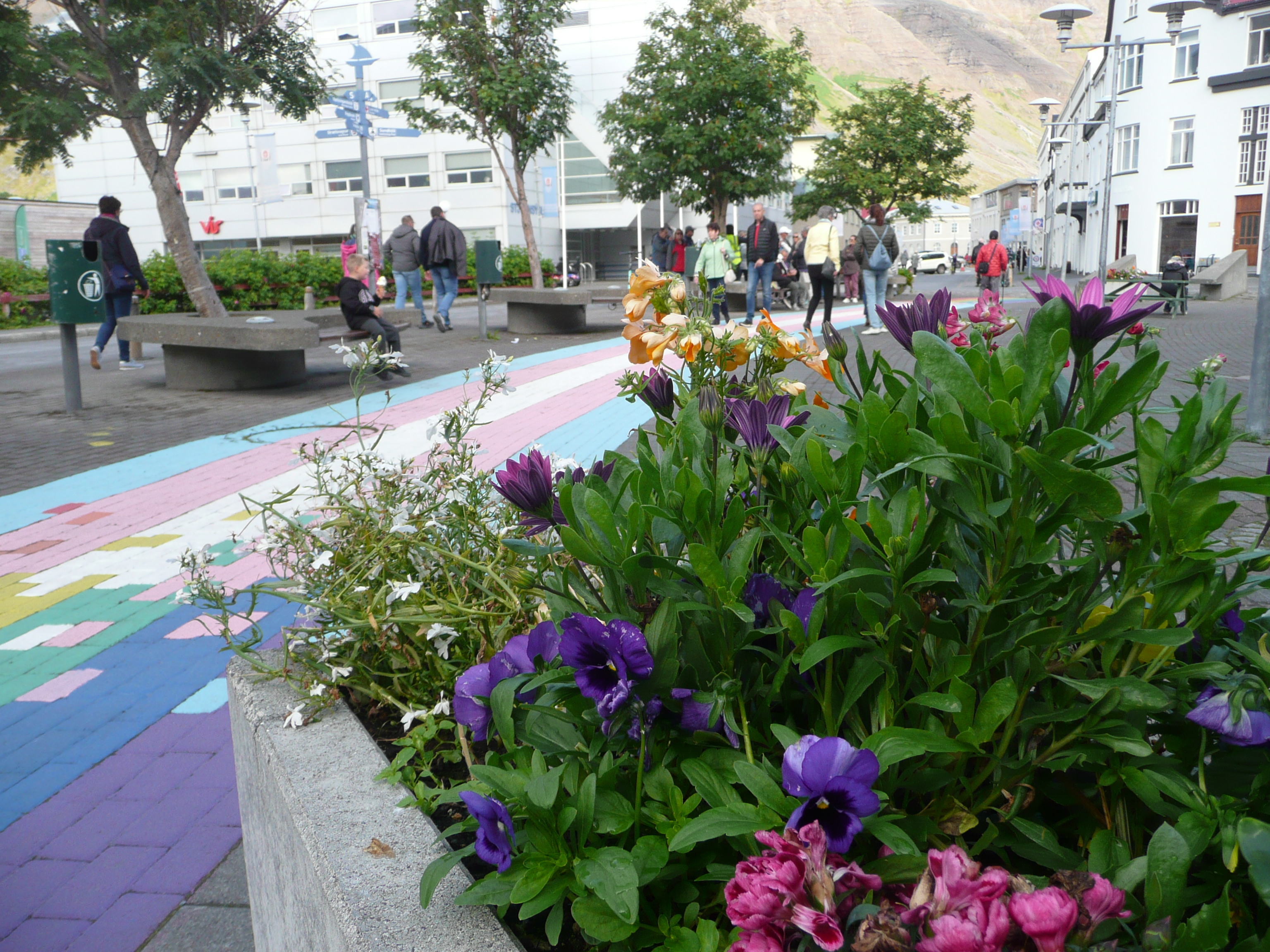
Skręcamy w prawo i odnajdujemy kolejną „tęczową ulicę” / We turn right and find another „rainbow street”.
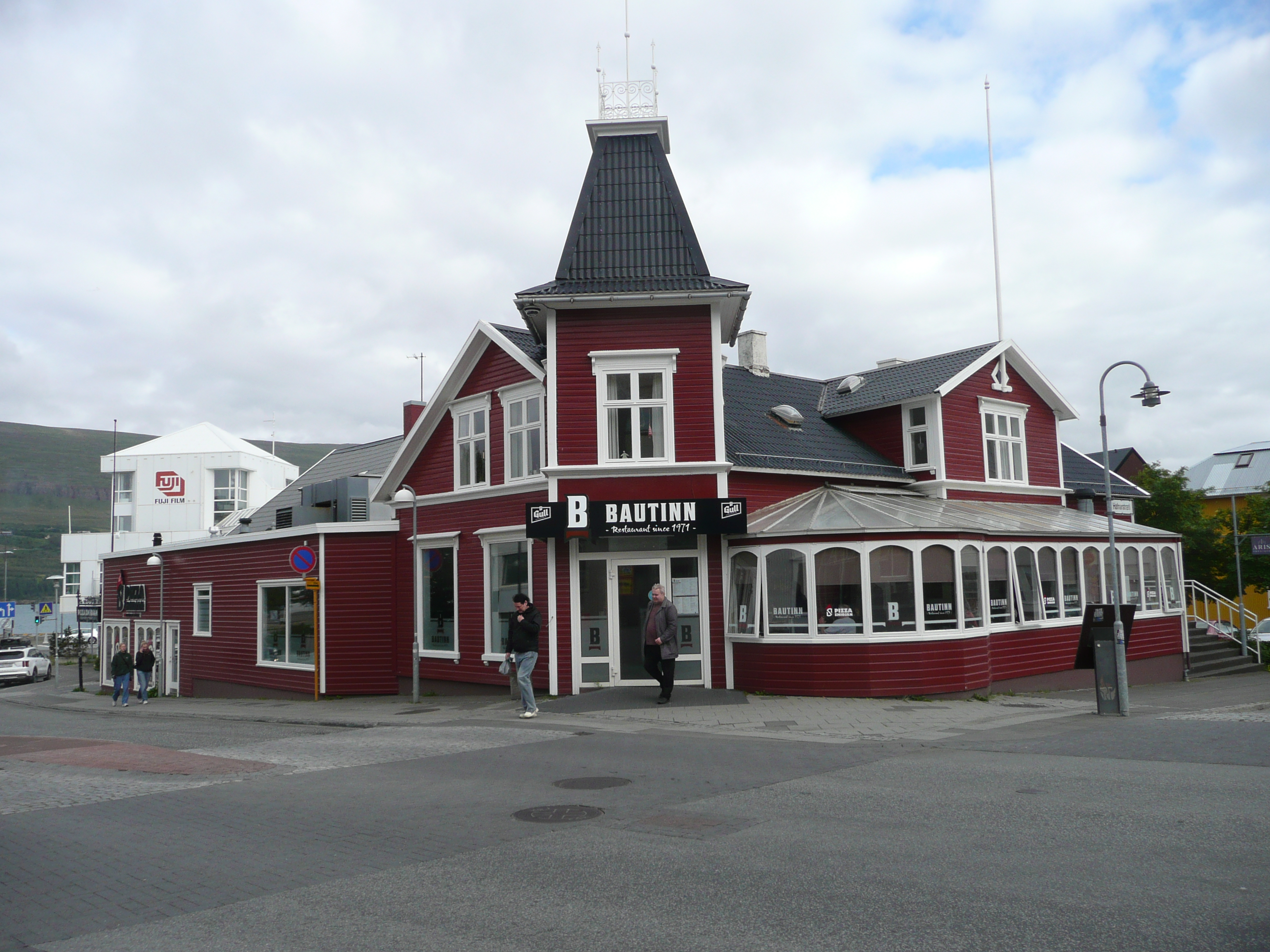
Jeszcze dwie przecznice i miasto właściwie się kończy. Skręcamy tym razem w lewo (koło pizzerii) i znów jesteśmy nad wodami fiordu. / Two more blocks and the city essentially ends. We turn left this time (near the pizzeria) and find ourselves back at the fjord.
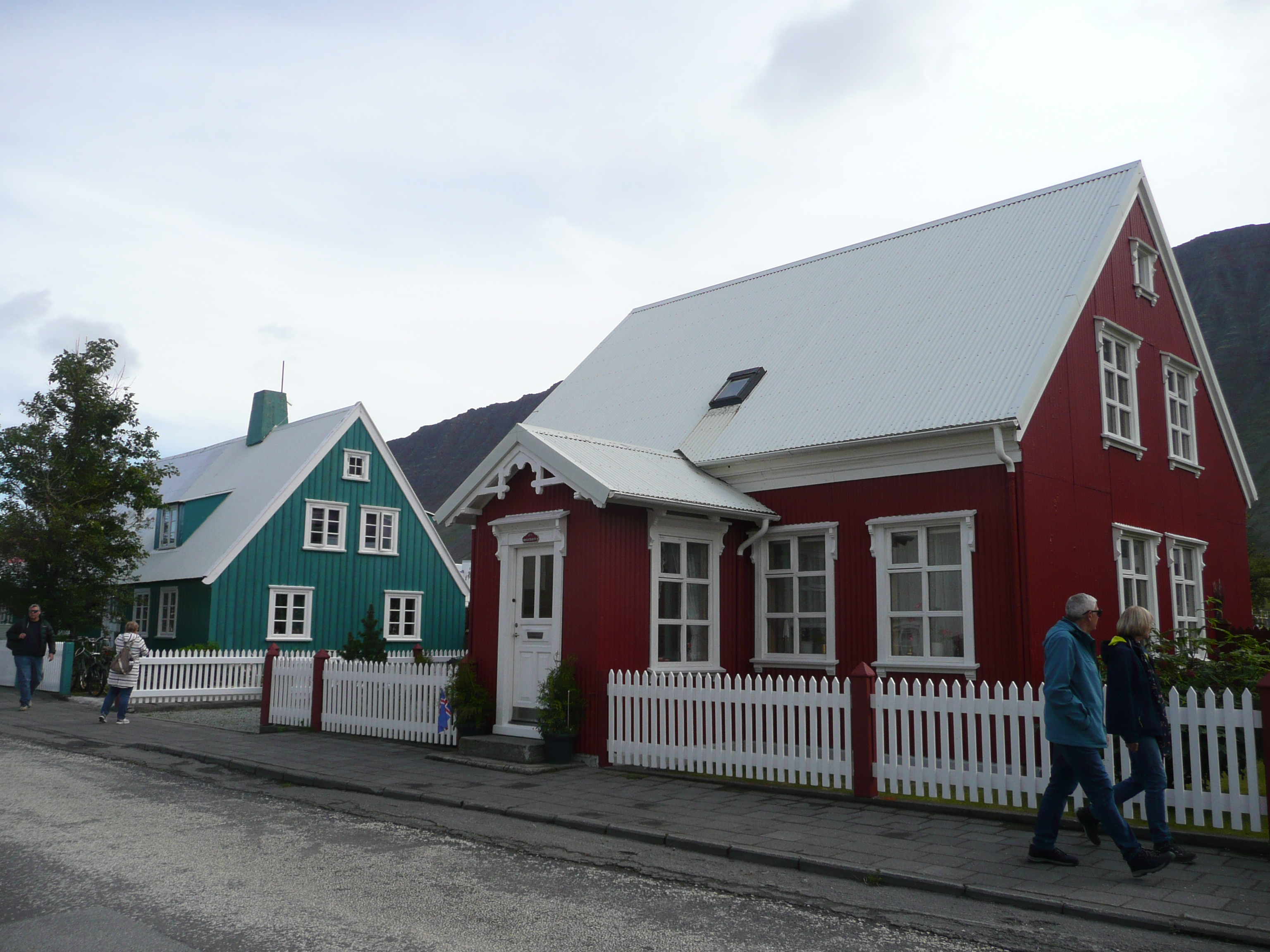
Kilkaset metrów dalej jest stara siedziba duńskiej misji handlowej, obecnie restauracja (zamknięta). Przechodzimy przez budynek na kolejną ulicę, gdzie odnajdujemy śliczne domki / A few hundred meters away is the old Danish Trade Mission headquarters, now a restaurant (closed). We pass through the building onto another street, where we find pretty houses.
Po chwili znów jesteśmy obok muzeum. Obejrzenie miasta w żółwim tempie zajęło nam godzinę. Teraz mamy czas, żeby w drewnianym baraku, spełniającym rolę portowego terminala połączyć się z darmowym wi-fi. Wieczorem ruszamy na wschód i będziemy płynąć wzdłóż równoleżnika 66°33′ N. Ten równoleżnik to koło podbiegunowe.
A moment later, we’re back at the museum. It took us an hour to see the city at a snail’s pace. Now we have time to connect to the free Wi-Fi in the wooden hut that serves as the port terminal. In the evening, we head east, sailing along the parallel of 66°33′ N. This parallel is the Arctic Circle.
To była jedna z najdziwniejszych wojen w historii, a opowiadam o niej z punktu widzenia Islandii, dla której morze i jego zasoby decydowały o jej istnieniu. / It was one of the strangest wars in history, and I tell it from the point of view of Iceland, for which the sea and its resources determined its existence.
Rozdział pierwszy: 1958 – 1961 Pierwsza Wojna Dorszowa
Chapter One: 1958 – 1961 The First Cod War
Z powodu zmniejszenia się liczebności ryb na Północnym Atlantyku, Islandia ogłasza powiększenie swojej strefy przybrzeżnej z 4 do 12 mil morskich. (z ok. 7,5 do 22 km). Strasznie wkurzyło to Brytyjczyków, którzy od ponad dziesięciu wieków wyprawiali się na wody przybrzeżne Islandii, żeby łowić tam wielkie ilości dorszy (potrzebne do narodowej potrawy „fish and chips”). Stwierdzili, że mają zakaz w dupie i w towarzystwie czterech okrętów wojennych (!) dwadzieścia trawlerów pojawiło się w rejonie Westfjords. Jak wiecie Islandia nie ma armii, nie mówiąc o flocie wojennej, a Brytole nasyłają jedną z największych flot wojennych na świecie na kilka kutrów islandzkiej Straży Przybrzeżnej! Jak napisał historyk Guðni Jóhannesson; „tylko okręt flagowy Þór (Thor) mógł skutecznie zatrzymać i, w razie potrzeby, odholować trawler do portu”. Niemal natychmiast stało się jasne, że brytyjska potęga militarna będzie trudną do pokonania przeszkodą dla narodu islandzkiego. Dlatego zwrócono się ku dyplomacji. Najpierw Islandia zagroziła wystąpieniem z NATO, jeśli jej roszczenia do wód terytorialnych nie zostaną uszanowane. Następnie politycy obiecali wydalić wszystkie siły amerykańskie stacjonujące na Islandii. Przypominam, że trwała „zimna wojna”, a na Islandii stacjonowały wojska NATO.
Due to a decline in fish stocks in the North Atlantic, Iceland announces an expansion of its coastal zone from 4 to 12 nautical miles (from approximately 7.5 to 22 km). This greatly infuriated the British, who for over ten centuries had been venturing into Iceland’s coastal waters to fish for cod (needed for the national dish, „fish and chips”). They decided they didn’t give a damn, and, accompanied by four warships (!), twenty trawlers appeared in the Westfjords. As you know, Iceland has no army, let alone a navy, and the British are sending one of the world’s largest naval fleets against a few Icelandic Coast Guard cutters! As historian Guðni Jóhannesson wrote, „only the flagship Þór (Thor) could effectively stop and, if necessary, tow a trawler to port.” Almost immediately, it became clear that British military might would be a difficult obstacle for the Icelandic people to overcome. Therefore, they turned to diplomacy. First, Iceland threatened to withdraw from NATO if its claims to territorial waters were not respected. Then, politicians promised to expel all American forces stationed in Iceland. Remember, the Cold War was raging, and NATO troops were stationed in Iceland.
Konferencja Narodów Zjednoczonych w sprawie Prawa Morza w latach 1960–1961 przyniosła następujące rozwiązanie – Islandia miała prawo do utrzymania swoich wód terytorialnych, pod warunkiem, że Wielka Brytania będzie mogła prowadzić połowy na określonych obszarach i w określonych porach roku. Umowa przewidywała również, że wszelkie dalsze spory między Islandią a Zjednoczonym Królestwem dotyczące praw połowowych będą rozstrzygane przez Międzynarodowy Trybunał Sprawiedliwości w Hadze.
Przez pewien czas między wyspami panował pokój. Jednak nie na długo.
The 1960–1961 United Nations Conference on the Law of the Sea resulted in the following outcome: Iceland had the right to maintain its territorial waters, provided that the United Kingdom could fish in certain areas and during certain times of the year. The agreement also stipulated that any further disputes between Iceland and the United Kingdom regarding fishing rights would be resolved by the International Court of Justice in The Hague.
For a time, peace reigned between the islands, but not for long.
Rozdział drugi: 1972 -1973Druga Wojna Dorszowa
Chapter Two: 1972 -1973 The Second Cod War
Drugi rozdział konfliktu o prawa połowowe rozpoczął się we wrześniu 1972 roku. Islandia ponownie podjęła decyzję o rozszerzeniu swoich wód terytorialnych, tym razem do 50 mil morskich. W ten sposób dążyła do ochrony swoich zasobów rybnych i zwiększenia swojego udziału w połowach dokonywanych wokół Islandii. Nic dziwnego, że Wielka Brytania ponownie wyraziła sprzeciw, podobnie jak członkowie Układu Warszawskiego i wszystkie inne państwa Europy Zachodniej. W rzeczywistości tylko państwa afrykańskie poparły ekspansję Islandii, twierdząc, że jest to skuteczny sposób na zwalczanie zachodniego imperializmu.
The second chapter of the conflict over fishing rights began in September 1972. Iceland again decided to expand its territorial waters, this time to 50 nautical miles. This move sought to protect its fish stocks and increase its share of the catch around Iceland. Not surprisingly, Great Britain once again expressed opposition, as did the Warsaw Pact members and all other Western European states. In reality, only African states supported Iceland’s expansion, arguing that it was an effective way to combat Western imperialism.
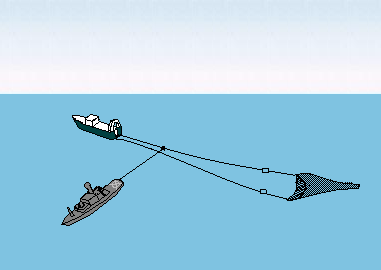
Podczas drugiej wojny dorszowej Islandia zmieniła taktykę. Zamiast próbować holować brytyjskie trawlery, zdecydowała się przecinać ich sieci rybackie, używając nożyc do sieci. Strategia ta początkowo przynosiła duże sukcesy. Przykładem może być sytuacja, gdy okręt wojenny ICGV Ægir napotkał nieoznakowany trawler. Islandczycy poprosili o szczegóły dotyczące pochodzenia trawlera, ale ich prośba została wysłuchana jedynie poprzez odtworzenie w eterze pieśni „Rule Britannia”. W odpowiedzi ICGV Ægir przeciął cumy trawlerów, co wywołało ostrą wymianę zdań między obiema załogami. Brytyjscy marynarze rzucali w niego nie tylko przekleństwami…
During the Second Cod War, Iceland changed tactics. Instead of trying to tow British trawlers, it decided to cut their fishing nets using net cutters. This strategy initially met with considerable success. For example, the warship ICGV Ægir encountered an unmarked trawler. The Icelanders requested details of the trawler’s origins, but their request was answered only by playing „Rule Britannia” on the airwaves. In response, the ICGV Ægir cut the trawlers’ mooring lines, sparking a heated exchange between the two crews. The British sailors hurled not only curses at it…
Przecinanie brytyjskich sieci przez Islandczyków / Icelanders cutting British net (Źródło: Wikipedia)
Rozdział Trzeci: 1975 – 76 Trzecia Wojna Dorszowa
Chapter Three: 1975-76 The Third Cod War
Wielka Brytania i Islandia po raz ostatni rywalizowały ze sobą, tym razem od 1975 roku. Brytyjskie rybołówstwo podupadło już w połowie lat siedemdziesiątych. Z tego powodu ten konkretny spór z Islandią wydawał się znacznie bardziej zacięty niż wcześniej. W 1973 roku większość państw uczestniczących w Konferencji Narodów Zjednoczonych ds. Prawa Morza zgodziła się na limit połowów wynoszący 100 mil morskich. Islandia jednak nie była usatysfakcjonowana i zdecydowała się na limit dwukrotnie wyższy niż wcześniej ustalony. Wielka Brytania ponownie odmówiła uznania decyzji Islandii.
The UK and Iceland last competed against each other, this time in 1975. British fishing had already been in decline by the mid-1970s. Because of this, this particular dispute with Iceland seemed much more heated than before. In 1973, most nations participating in the United Nations Conference on the Law of the Sea agreed to a 100-nautical-mile fishing limit. However, Iceland was not satisfied and opted for a limit twice that previously established. The United Kingdom again refused to recognize Iceland’s decision.
Jedno z największych wydarzeń konfliktu miało miejsce w grudniu 1975 roku. Islandzki statek Straży Przybrzeżnej, V/s Þór, odkrył trzy brytyjskie trawlery – każdy trzy razy większy niż islandzki kuter. Na rozkaz odpłynięcia trawlery udawały, że wykonują polecenia, jednak po kilku milach okręty zaczęły celowo skręcać w stronę islandzkiego statku. Islandczycy odpowiedzieli strzałami ślepymi, a następnie ostrą amunicją. V/s Þór zmienił kurs, aby uniknąć staranowania, ale był niebezpiecznie bliski zatonięcia. W odpowiedzi Królewska Marynarka Wojenna wysłała 22 fregaty i siedem statków zaopatrzeniowych. Jednak nawet w obliczu tak wielkiej przewagi Islandczycy kontynuowali walkę. Do końca wojny odnotowano łącznie 55 incydentów taranowania. W lutym 1976 roku Islandia podjęła decyzję o zerwaniu stosunków dyplomatycznych ze Zjednoczonym Królestwem. Rząd Islandii wyraźnie zasugerował również, że wystąpi z NATO, jeśli nie uda się osiągnąć wyznaczonych celów. Ostatecznie to zagrożenie zadecydowało o wyniku wojny. Amerykanie naciskali na Brytyjczyków, aby zakończyli konflikt, ale to Islandia po raz kolejny wyszła z niego zwycięsko. Islandia osiągnęła swoje cele. W rezultacie, i tak już podupadające brytyjskie rybołówstwo zostało mocno dotknięte wykluczeniem z historycznie najlepszych łowisk, a duże północne porty rybackie jak Grimsby, Hull i Fleetwood podupadły.
One of the biggest events of the conflict occurred in December 1975. The Icelandic Coast Guard vessel, V/s Þór, discovered three British trawlers—three times the size of the Icelandic cutter. When ordered to depart, the trawlers pretended to obey, but after a few miles, the vessels began deliberately turning toward the Icelandic vessel. The Icelanders responded with blank shots and then live ammunition. V/s Þór changed course to avoid being rammed, but came perilously close to sinking. In response, the Royal Navy dispatched 22 frigates and seven supply ships. However, even in the face of such overwhelming odds, the Icelanders continued to fight. By the end of the war, a total of 55 ramming incidents had been recorded. In February 1976, Iceland decided to break diplomatic relations with the United Kingdom. The Icelandic government also strongly suggested it would withdraw from NATO if its stated goals were not achieved. Ultimately, this threat determined the outcome of the war. The Americans pressured the British to end the conflict, but Iceland emerged victorious once again. Iceland achieved its goals. As a result, the already declining British fishing industry was severely affected by being excluded from historically prime fishing grounds, and large northern fishing ports like Grimsby, Hull, and Fleetwood declined.
Bilans tej wojny to zwycięstwo Islandii nad Wielką Brytanią w kwestii prawa do połowów na północnym Atlantyku, w wyniku których Islandia rozszerzyła swoją wyłączną strefę ekonomiczną (EEZ) i umocniła swoją suwerenność morską. No i nikt nie zginął.
The outcome of this war was Iceland’s victory over Great Britain for fishing rights in the North Atlantic, which resulted in Iceland expanding its exclusive economic zone (EEZ) and strengthening its maritime sovereignty. And no one was killed.
Dziękuję za materiały Reykjavik Maritime Museum. No i Magdzie, Ani i Piotrowi za zainteresowanie 🙂 / Thank you to the Reykjavik Maritime Museum for the materials. And to Magda, Ania, and Piotr for their interest 🙂
Kilka dni temu umarła jedna z naszych blogowych koleżanek – Hania. Była wspaniałą towarzyszką moich podróży, pięknie i optymistycznie nastawioną do świata i ciekawa nowych miejsc. Zawsze mówiła, że koniecznie chciałaby kiedyś odwiedzić Islandię… dla ciebie Haniu ta opowieść.
A few days ago, one of our blogging friends, Hania, passed away. She was a wonderful travel companion, always optimistic and curious about new places. She always said she wanted to visit Iceland someday… Hania, this story is for you.
West Iceland – Zachodnia Islandia
Jeśli widzieliście kiedyś mapę Islandii, to zauważyliście pewnie na północnym zachodzie jakby łapkę machającą w stronę Grenlandii? To największy półwysep tego kraju, zwany Westfjords, kraina bazaltowych gór, fjordów głęboko wrzynających się w ląd i pięknych piaszczystych plaż. Klify są wysokie na ponad 400 metrów, a wiele miejsc jest dostępnych tylko od strony morza. Na półwyspie jest piąty co do wielkości lodowiec Islandii – Drangajökull, zajmujący powierzchnię 150 km2, jedyny który znajduje się w całości na wysokości poniżej 1000 m n.p.m.
If you’ve ever looked at a map of Iceland, you’ve probably noticed a hand waving in the northwest toward Greenland. This is the country’s largest peninsula, called the Westfjords, a land of basalt mountains, fjords jutting deeply into the land, and beautiful sandy beaches. Cliffs rise to over 400 meters, and many areas are accessible only by sea. The peninsula is home to Iceland’s fifth largest glacier, Drangajökull, covering an area of 150 square kilometers and the only one entirely located below 1,000 meters above sea level.
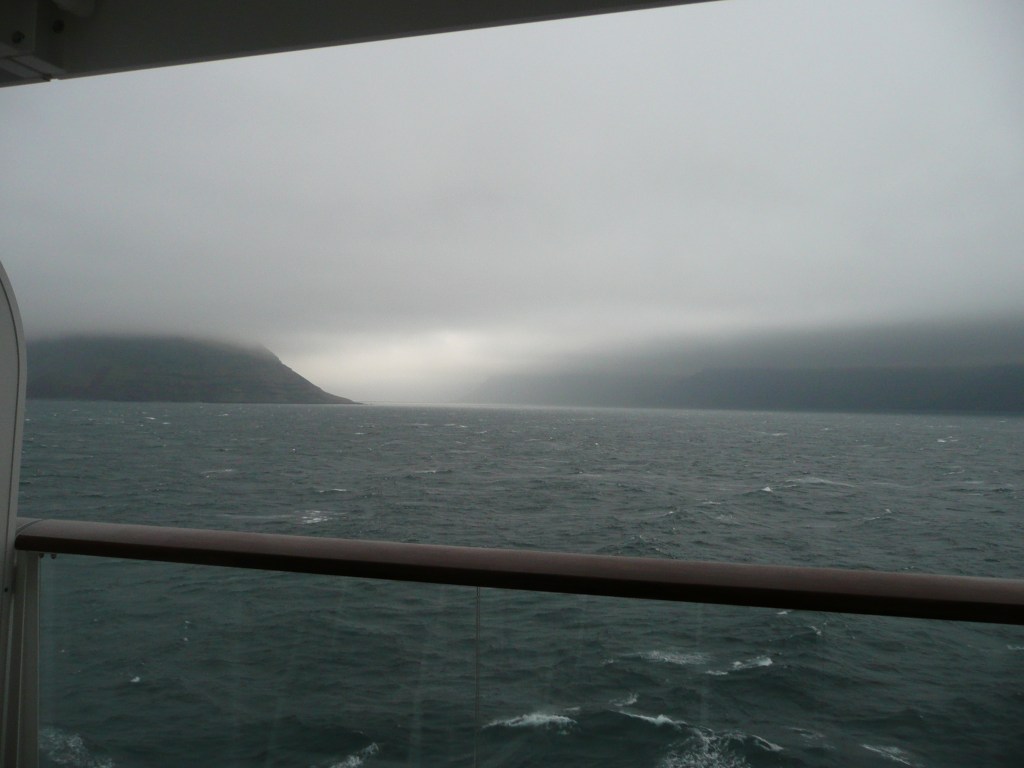
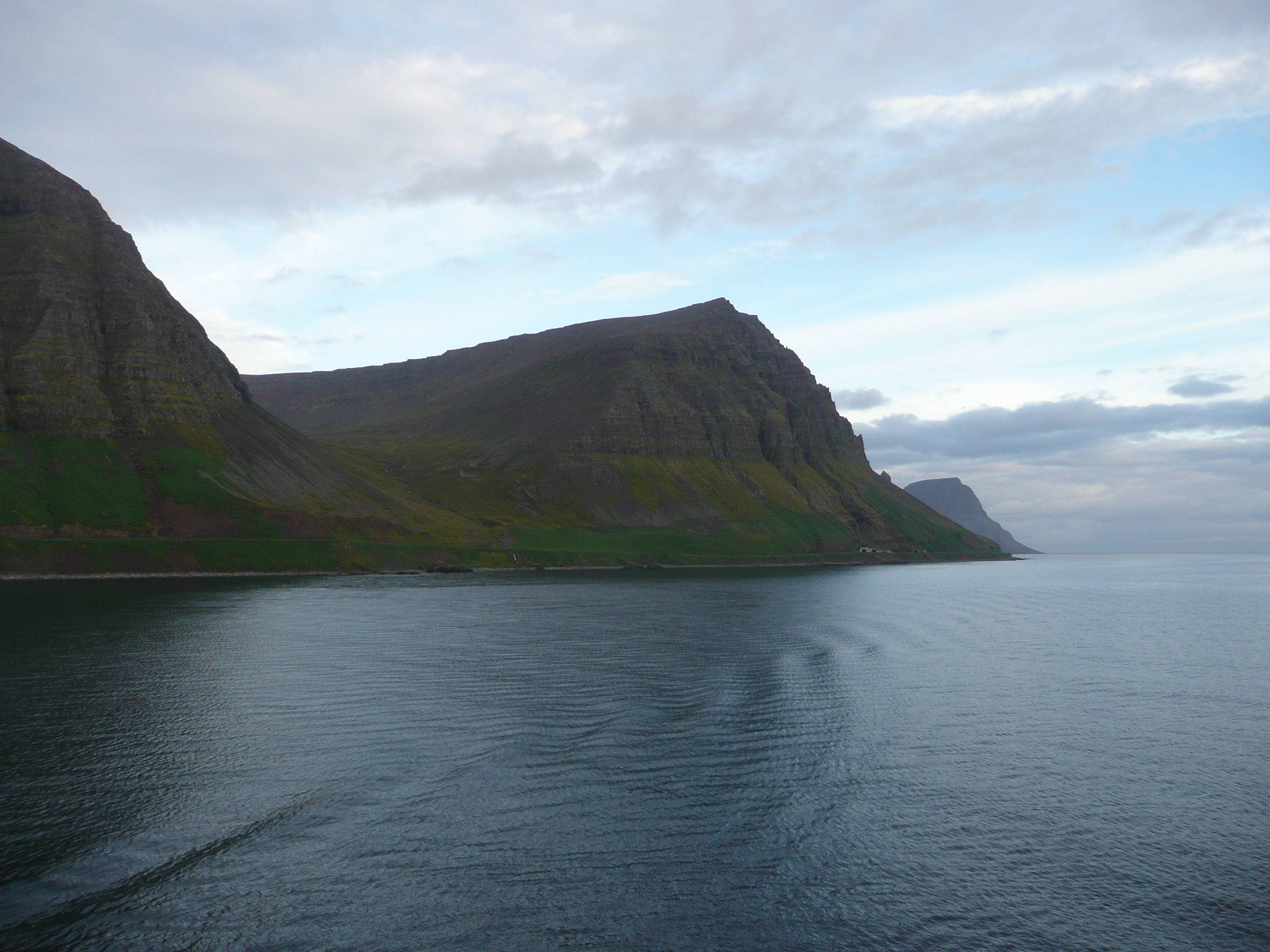
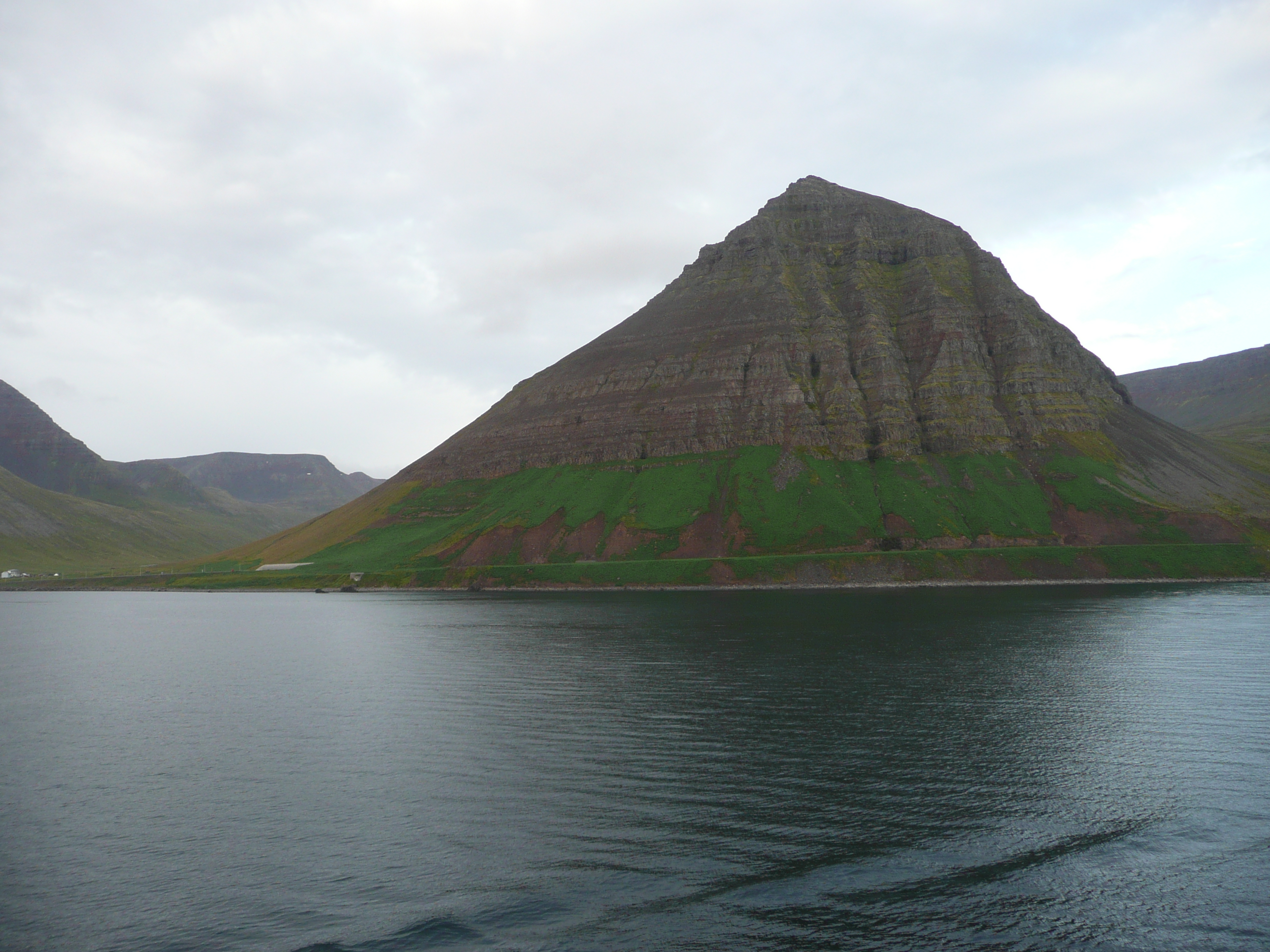
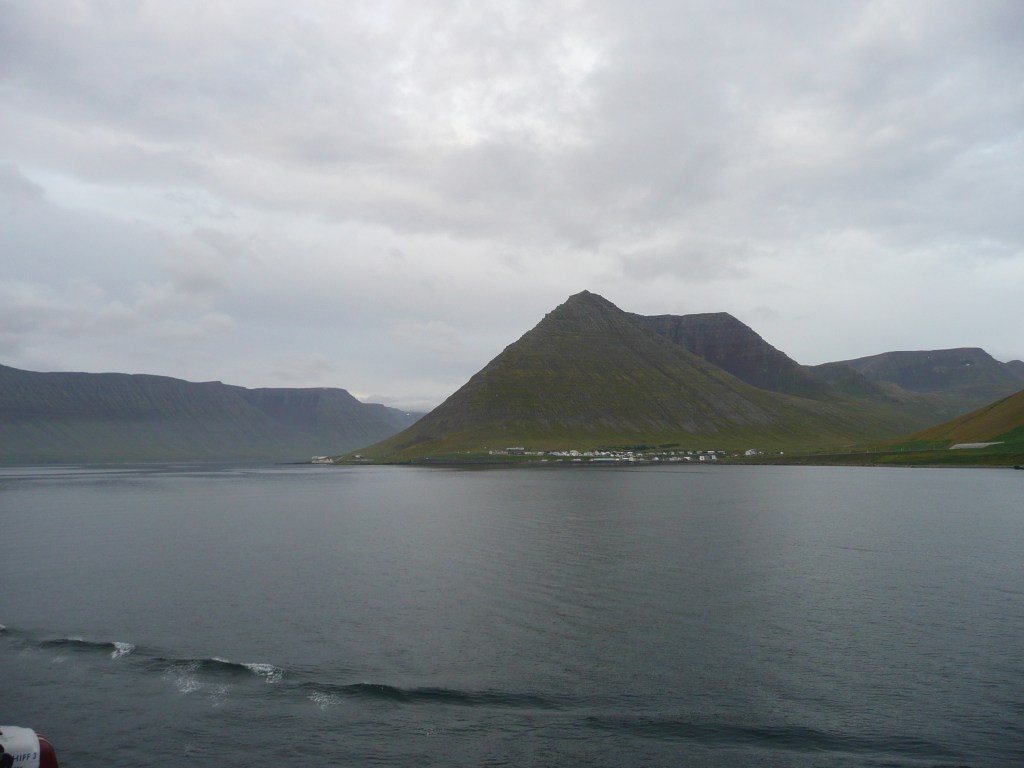
Jesteśmy na północnym zachodzie półwyspu, w głębokim fjordzie Skutulfjordur. Płyniemy do Ísafjörður, wielkiego miasta, liczącego dwa tysiące siedmiuset mieszkańców. Rejon zamieszkany był już w IX wieku (oczywiście przez Wikingów), ale dopiero w XVI wieku stał się ważnym (co nie znaczy dużym) ośrodkiem handlowym.
We’re in the northwest of the peninsula, in the deep Skutulfjordur fjord. We’re sailing towards Ísafjörður, a large city with a population of 2,700. The region was inhabited as early as the ninth century (by Vikings, of course), but it wasn’t until the sixteenth century that it became an important (though not necessarily large) trading center.
Chętnie napisałabym wam o „Wojnach dorszowych”, bo to niesamowicie interesujące, ale nie chcę was zanudzać. Nie każdy tak uwielbia historię jak ja, więc tylko jeśli ktoś wyrazi choć umiarkowane zainteresowanie tym tematem, to opowiem. Na razie wąskim fiordem dopływamy do portu. Jest zielono, u podnóży wielkich gór widać świerkowe lasy. I świeci słońce.
I’d love to write about the „Cod Wars” because it’s incredibly interesting, but I don’t want to bore you. Not everyone loves history as much as I do, so only if someone expresses even a moderate interest in the subject will I tell you. For now, we’re approaching the harbor along a narrow fjord. It’s green, with spruce forests visible at the foot of the great mountains. And the sun is shining.
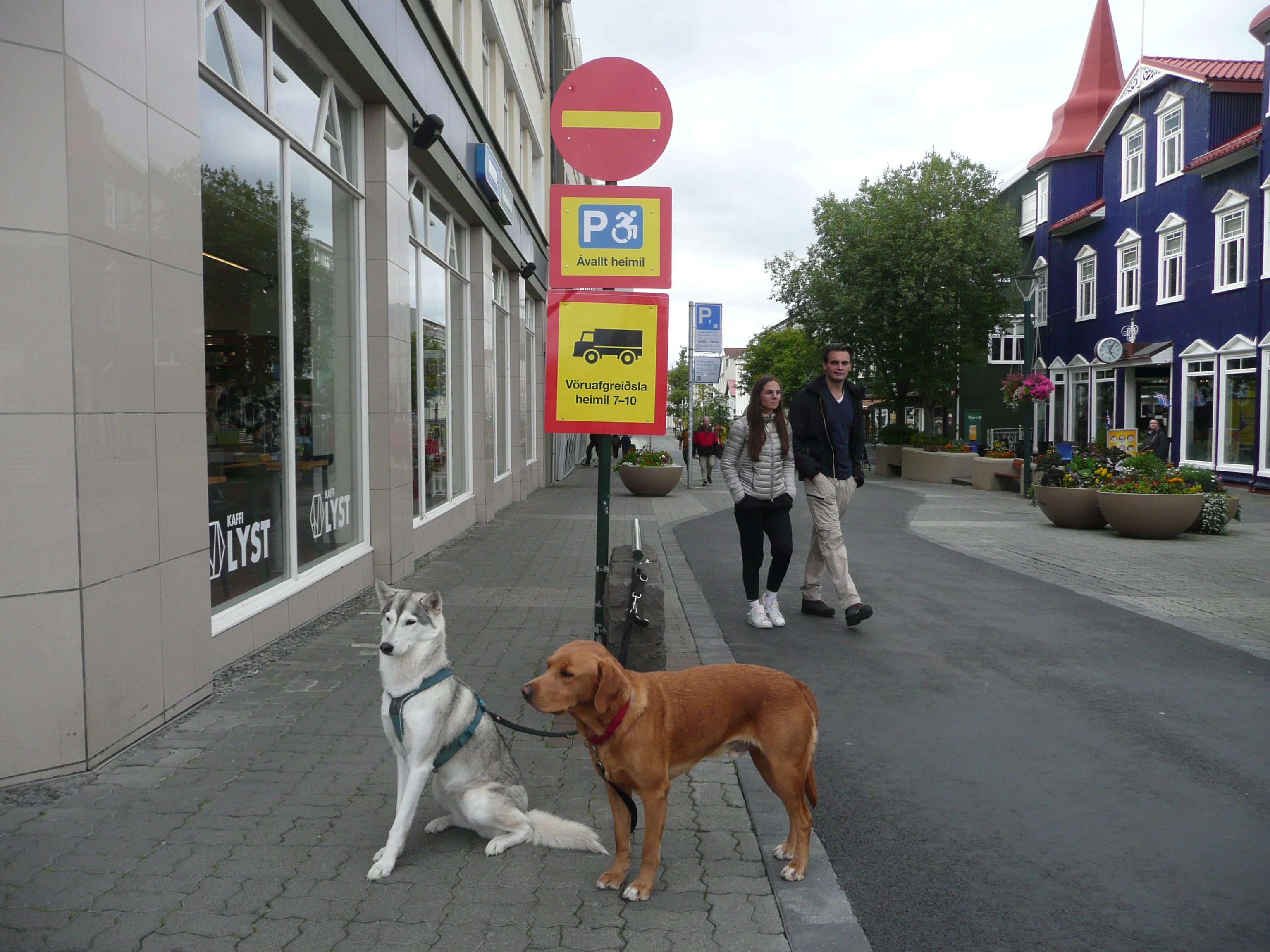
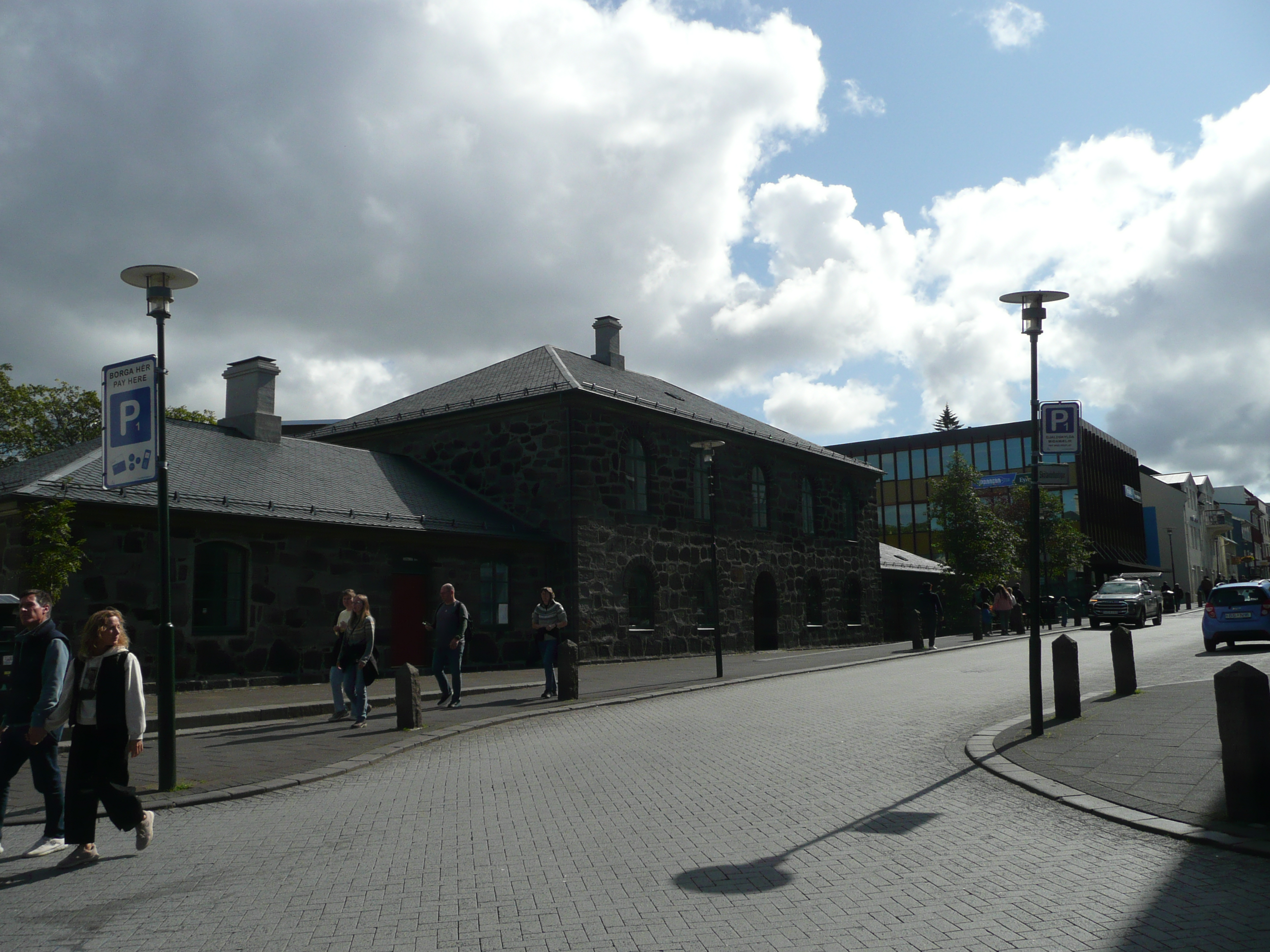
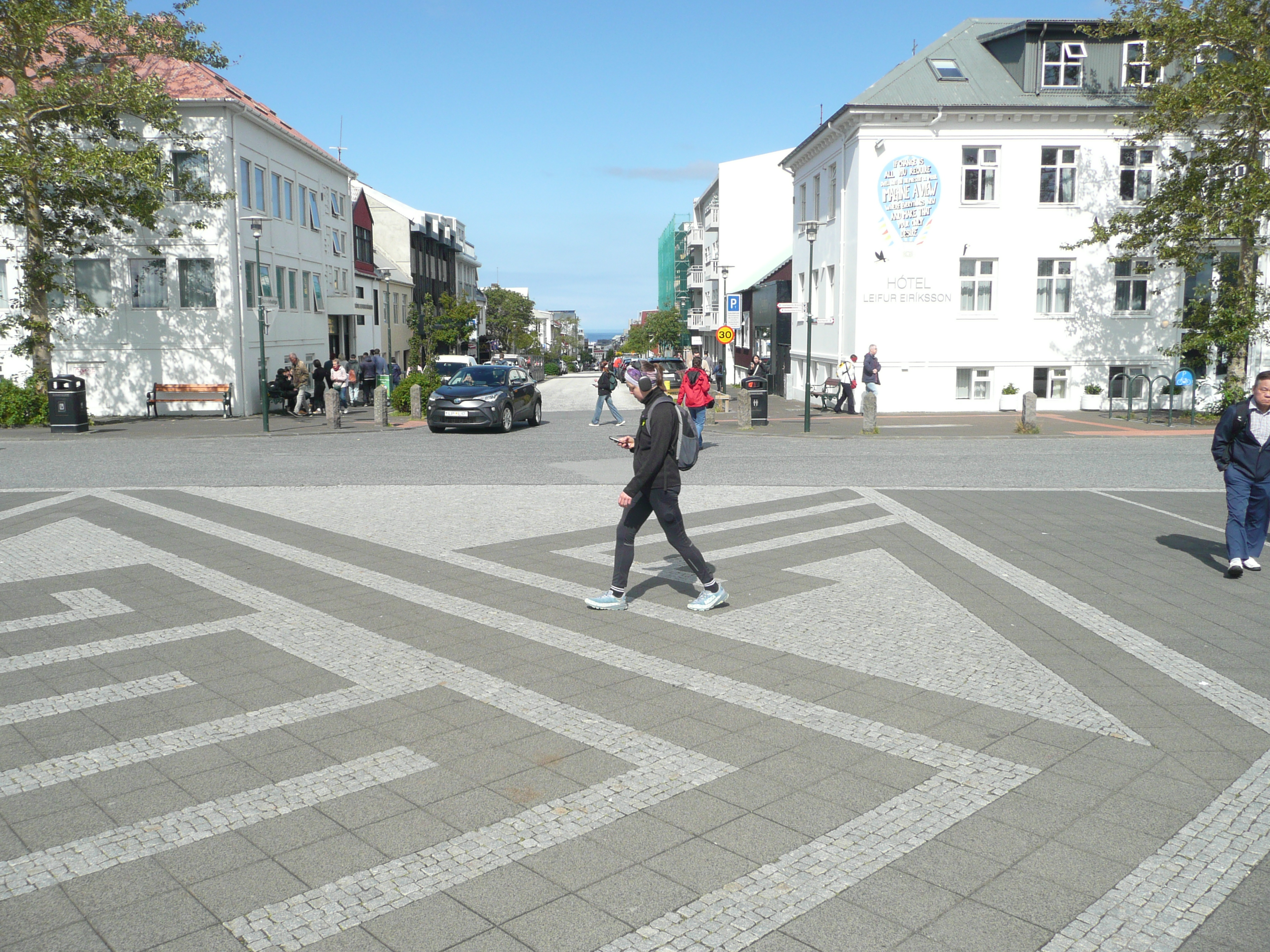
Będziemy sobie szli spacerkiem przez Reykjavik, a w tym czasie odpowiem na wasze pytania i postaram się rozwiać wątpliwości dotyczące Islandii – po pierwsze (i najważniejsze) psy. Od 1924 roku w miastach nie wolno było mieć psów. Zakaz wziął się z obawy o zarażenia tasiemcem i z niewielki dostęp do mieszkań. Poza miastami psy mieszkały głównie na farmach. Ale… okazało się, że wiele osób łamie zakaz posiadania psów, w tym ówczesny minister finansów Albert Guðmundsson, właściciel pieski Lucy, który był wiele razy aresztowany za niepłacenie mandatów za nielegalne posiadanie psa. Po licznych protestach okazało się, że w stolicy mieszka (nielegalnie!) trzy tysiące psów!!! Dalszy zakaz nie miał sensu i został zniesiony w 1984.
We will take a walk through Reykjavik, and during this time I will answer your questions and try to dispel your doubts about Iceland – first (and most importantly), dogs. Since 1924, dogs have been banned in cities. The ban stemmed from concerns about tapeworm infection and limited access to housing. Outside the cities, dogs lived primarily on farms. But… it turned out that many people violated the dog ban, including the then-Minister of Finance Albert Guðmundsson, owner of doggy Lucy, who was arrested numerous times for failing to pay fines for illegal dog ownership. After numerous protests, it turned out that there were three thousand dogs living (illegaly) in the capital!!! The continued ban was pointless, and it was lifted in 1984.
Reykjavik
Po drugie – muzeum penisa (jakże ważny temat). Zostało otwarte w 1997 przez Sigurðura Hjartarsona, mieści się pod tym adresem: Hafnartorg Reykjastræti 4, 101 Reykjavík, jest otwarte codziennie od 10.00 do 19.00, wstęp kosztuje 3500 ISK, jest tam też kawiarnia i sklep z pamiątkami i ponad 300 eksponatów. Tak, ludzkie penisy też…
Secondly, the Penis Museum (such an important topic). It was opened in 1997 by Sigurður Hjartarson and is located at Hafnartorg Reykjastræti 4, 101 Reykjavík. It’s open daily from 10:00 AM to 7:00 PM, with admission costing 3500 ISK. There’s also a café and a gift shop, and over 300 exhibits. Yes, human penises too…
Po trzecie i równie ważne – kwestia piwa. Piwo było zakazane na Islandii od 1915 roku z powodu ruchu abstynenckiego, który postrzegał alkohol, a zwłaszcza piwo, jako pokusę dla młodych ludzi do intensywnego picia i wiązał piwo ze stylem życia Duńczyków, z którymi Islandczycy mieli konflikty kulturowe. Chociaż ogólnokrajowe referendum w 1908 roku doprowadziło do całkowitego zakazu wszystkich napojów alkoholowych w 1915 roku, piwo pozostało nielegalne nawet po zalegalizowaniu innych form alkoholu. Zakaz zniesiono 1 marca 1989. Tego dnia obchodzi się na Islandii „Dzień piwa”, hurraaa!
Third, and equally important, there’s the issue of beer. Beer had been banned in Iceland since 1915 due to the temperance movement, which viewed alcohol, and beer in particular, as a temptation for young people to drink heavily and associated beer with the Danish lifestyle, with whom Icelanders had cultural conflicts. Although a nationwide referendum in 1908 led to a complete ban on all alcoholic beverages in 1915, beer remained illegal even after other forms of alcohol were legalized. The ban was lifted on March 1, 1989. Iceland celebrates „Beer Day” on that day. Yay!
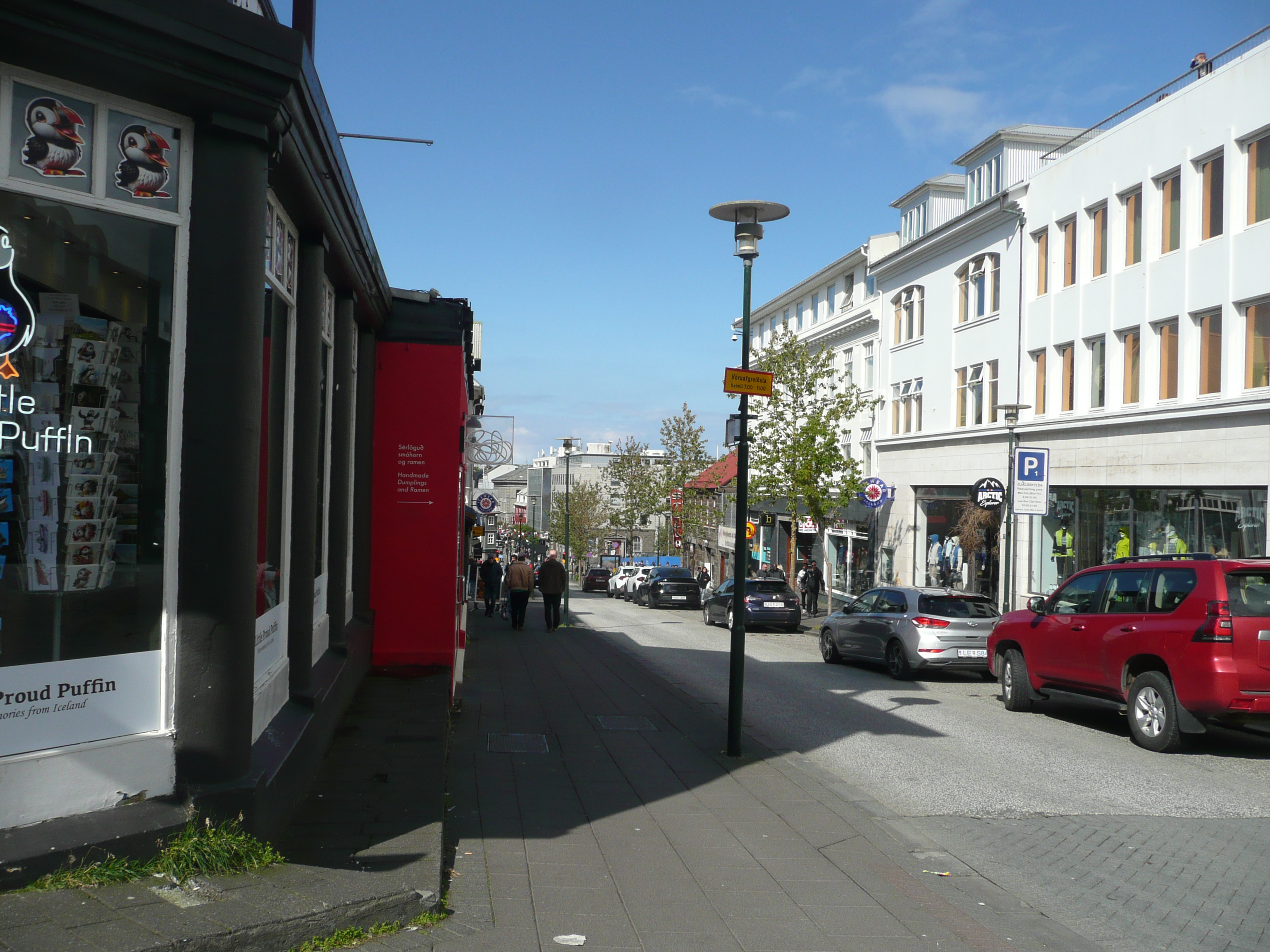
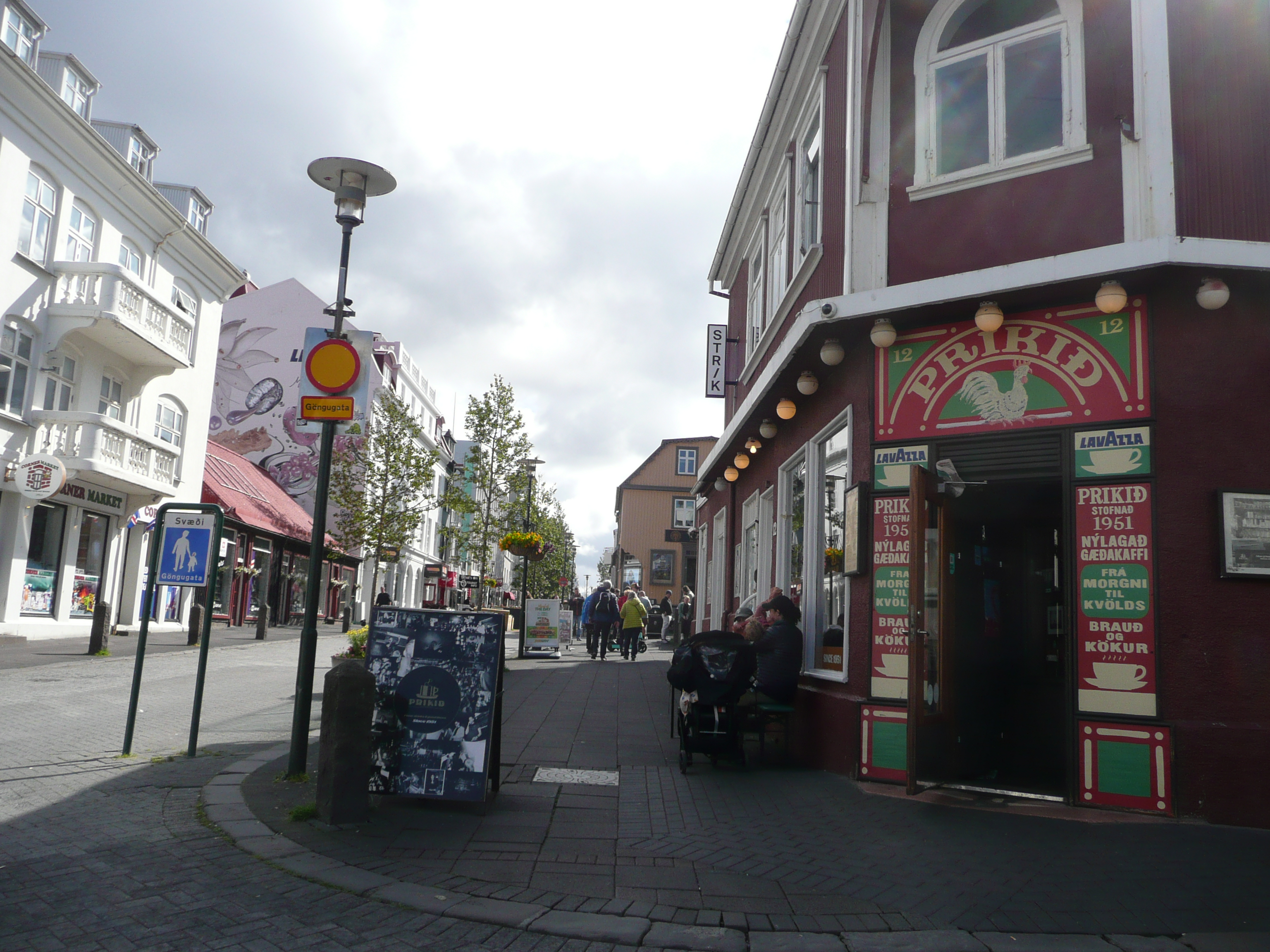
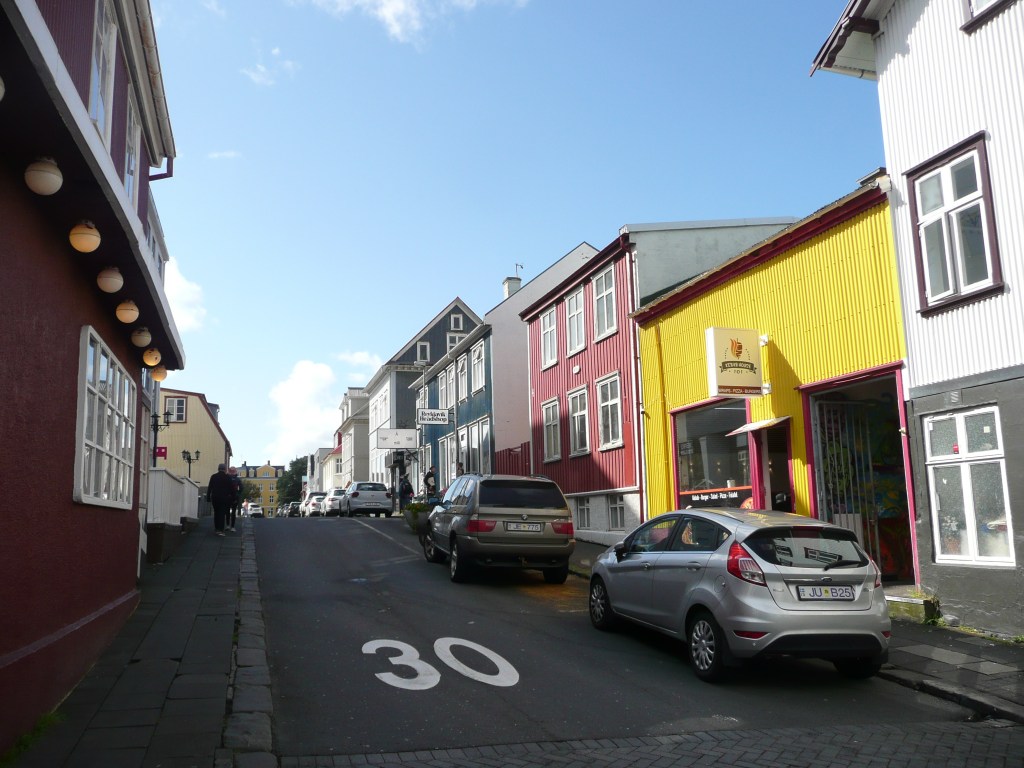
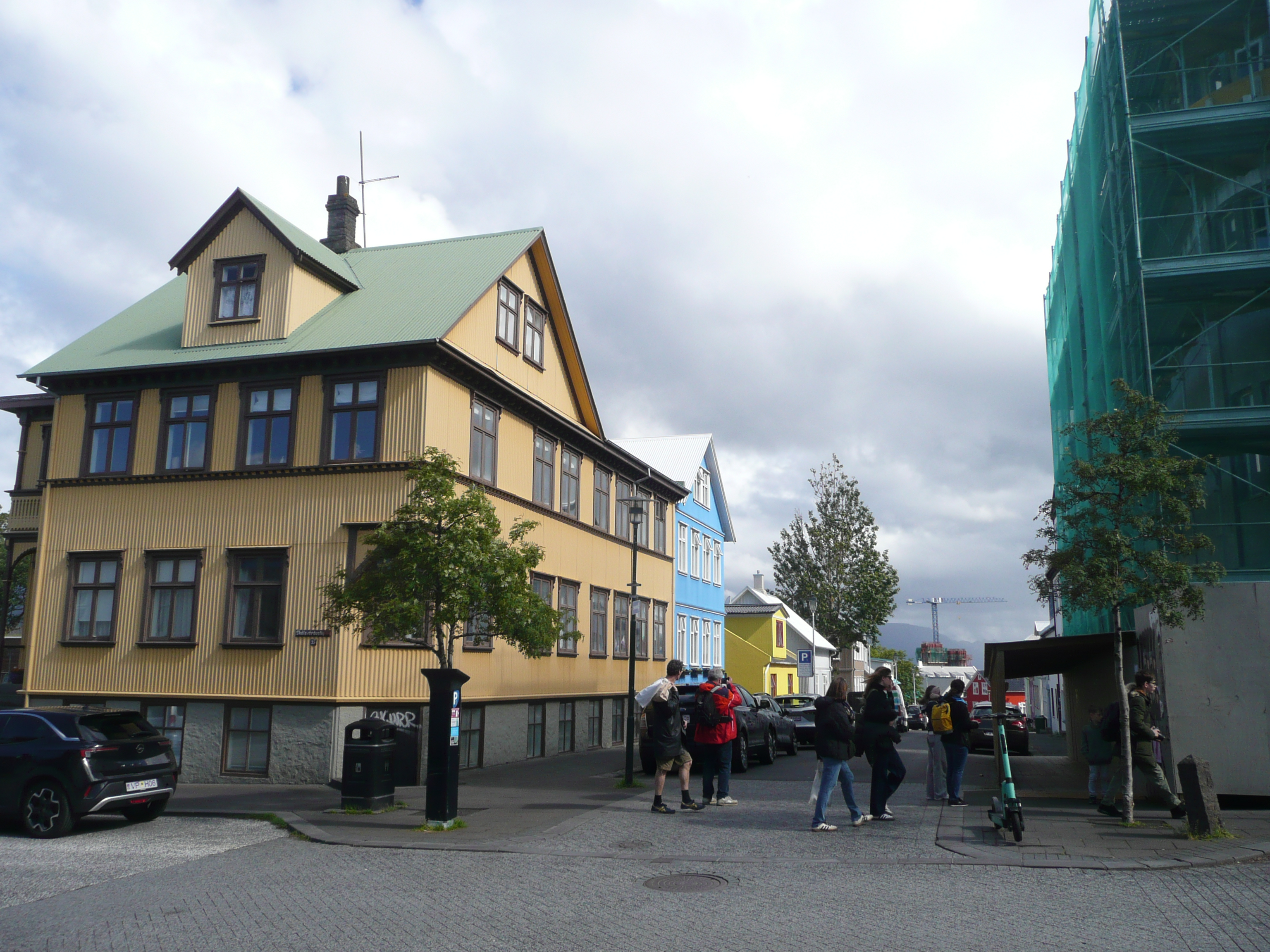
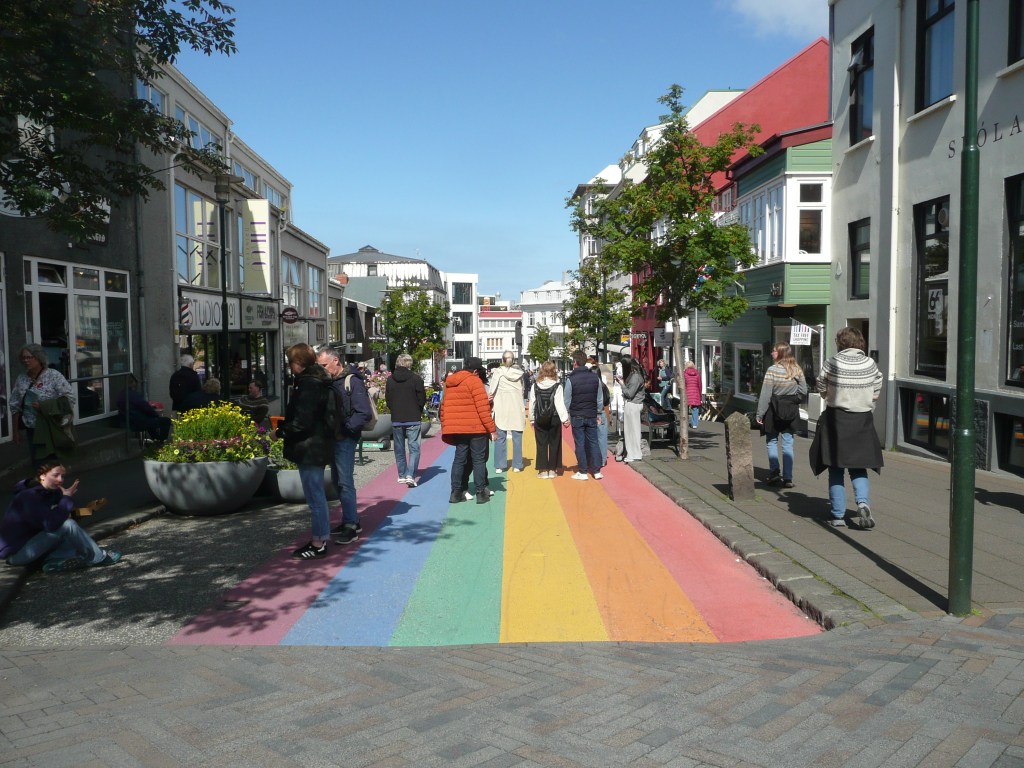
Czy zauważyliście, że większość ścian domów obłożona jest blachą? Nie wyglada to ładnie, ale zapewnia izolację przed zimnem i silnym wiatrem. Idziemy cały czas lekko pod górę ulicą Skólavörðustígur, pomalowaną na kolory tęczy na cześć parady równości (Reykjavík Pride) – znak wsparcia dla społeczności LBGTQ.
Have you noticed that most of the houses’ walls are clad in sheet metal? It’s not pretty, but it provides insulation against the cold and strong winds. We continue our slightly uphill walk along Skólavörðustígur Street, which is painted in rainbow colors in honor of the Reykjavík Pride parade—a sign of support for the LGBTQ community.
Rainbow street, Reykjavik 2025 – Tęczowa droga
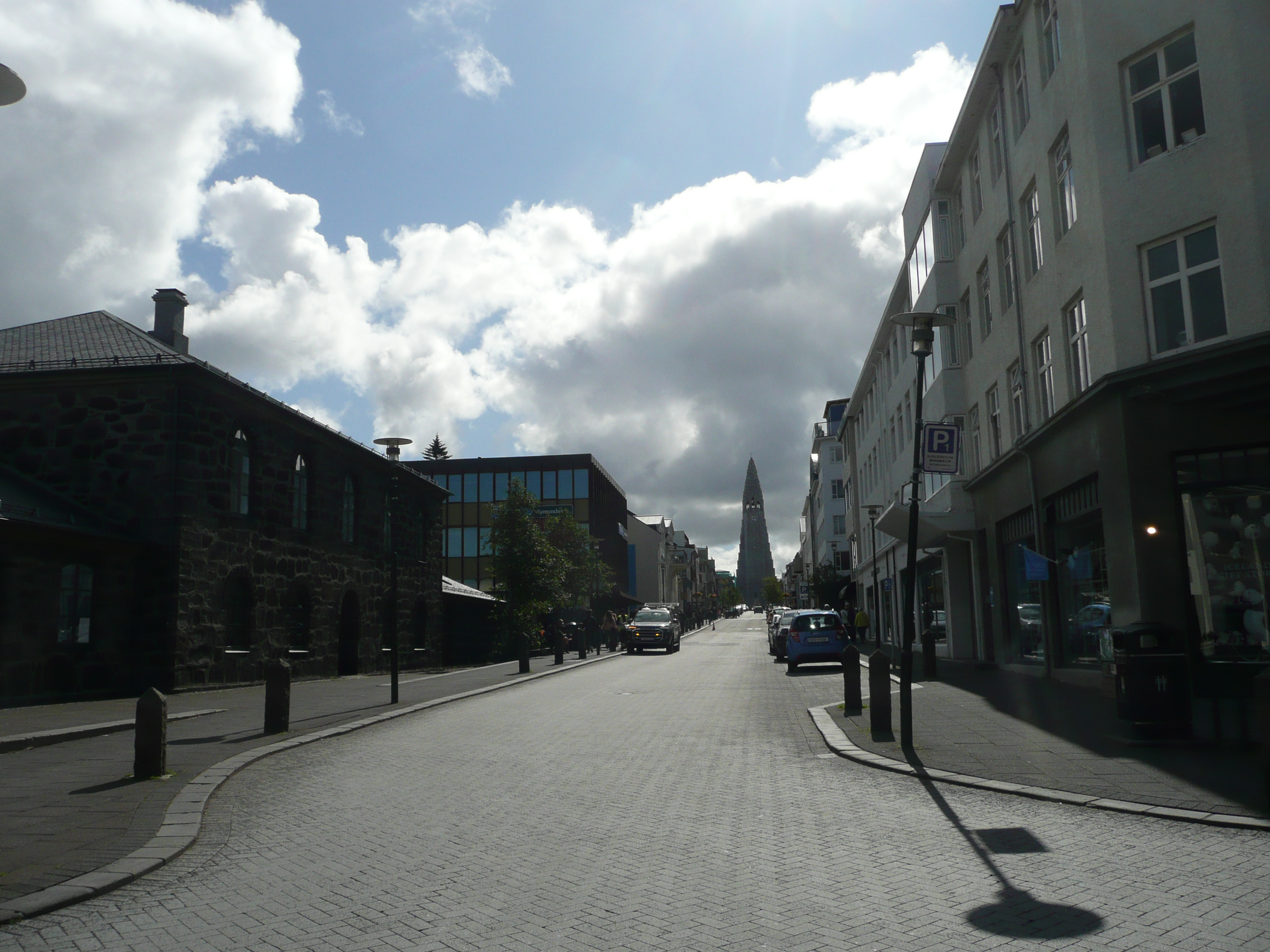
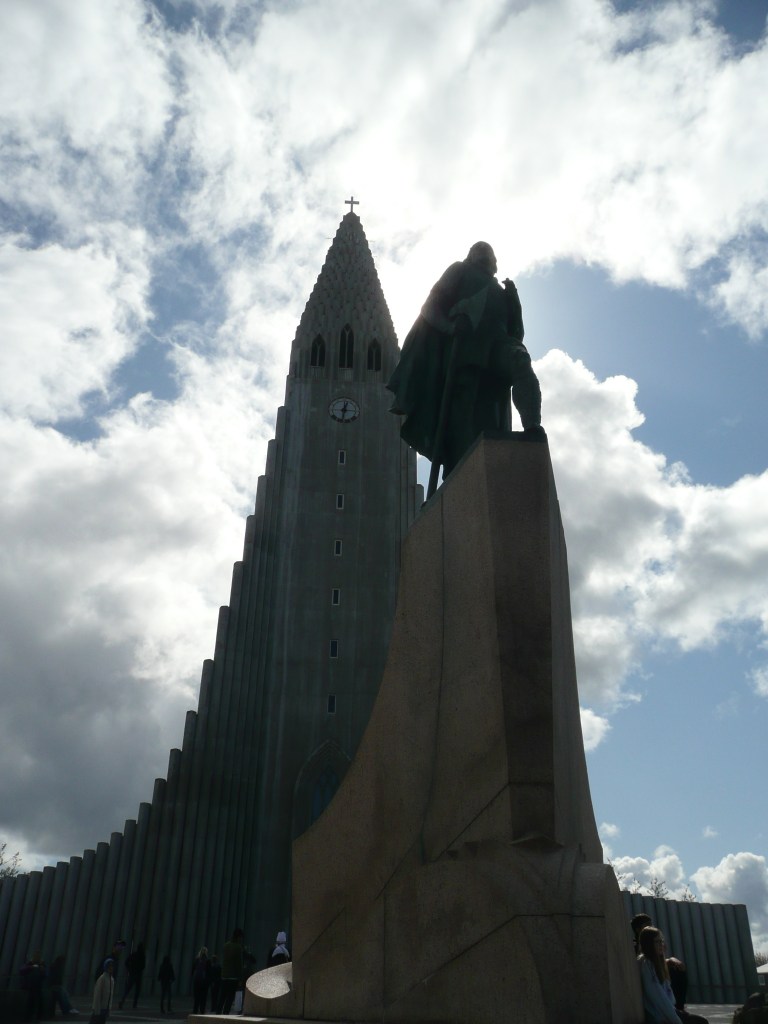
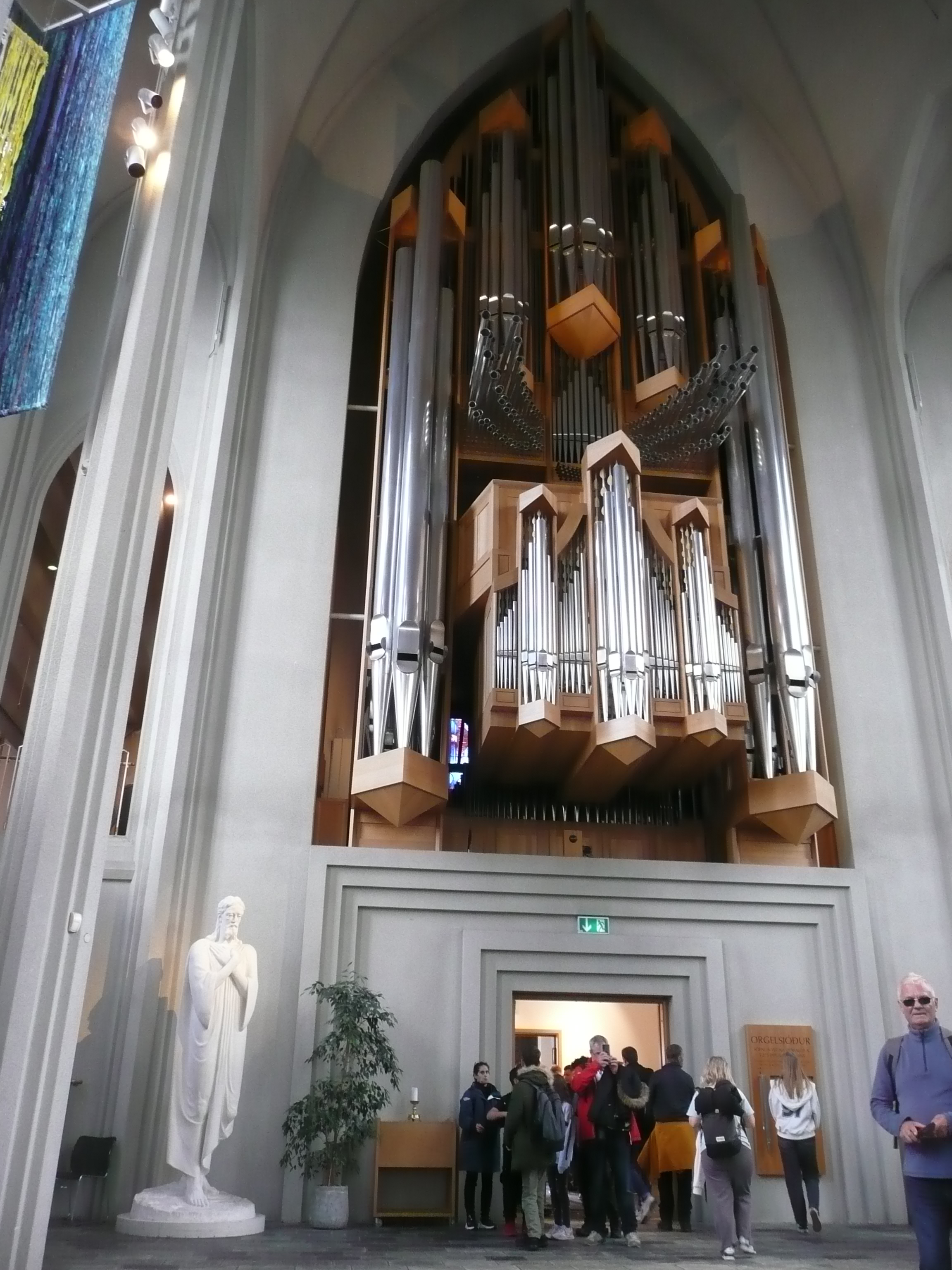
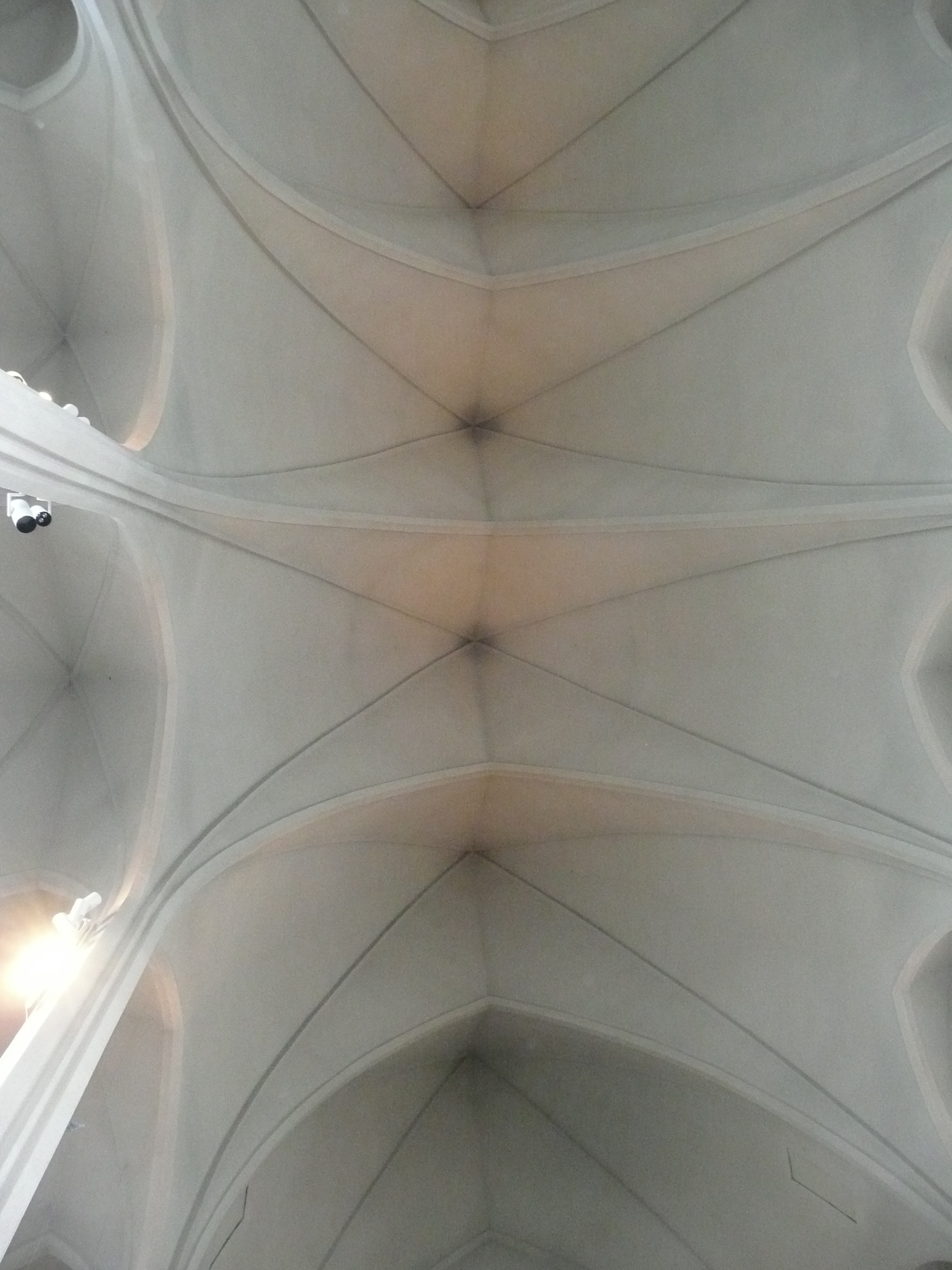
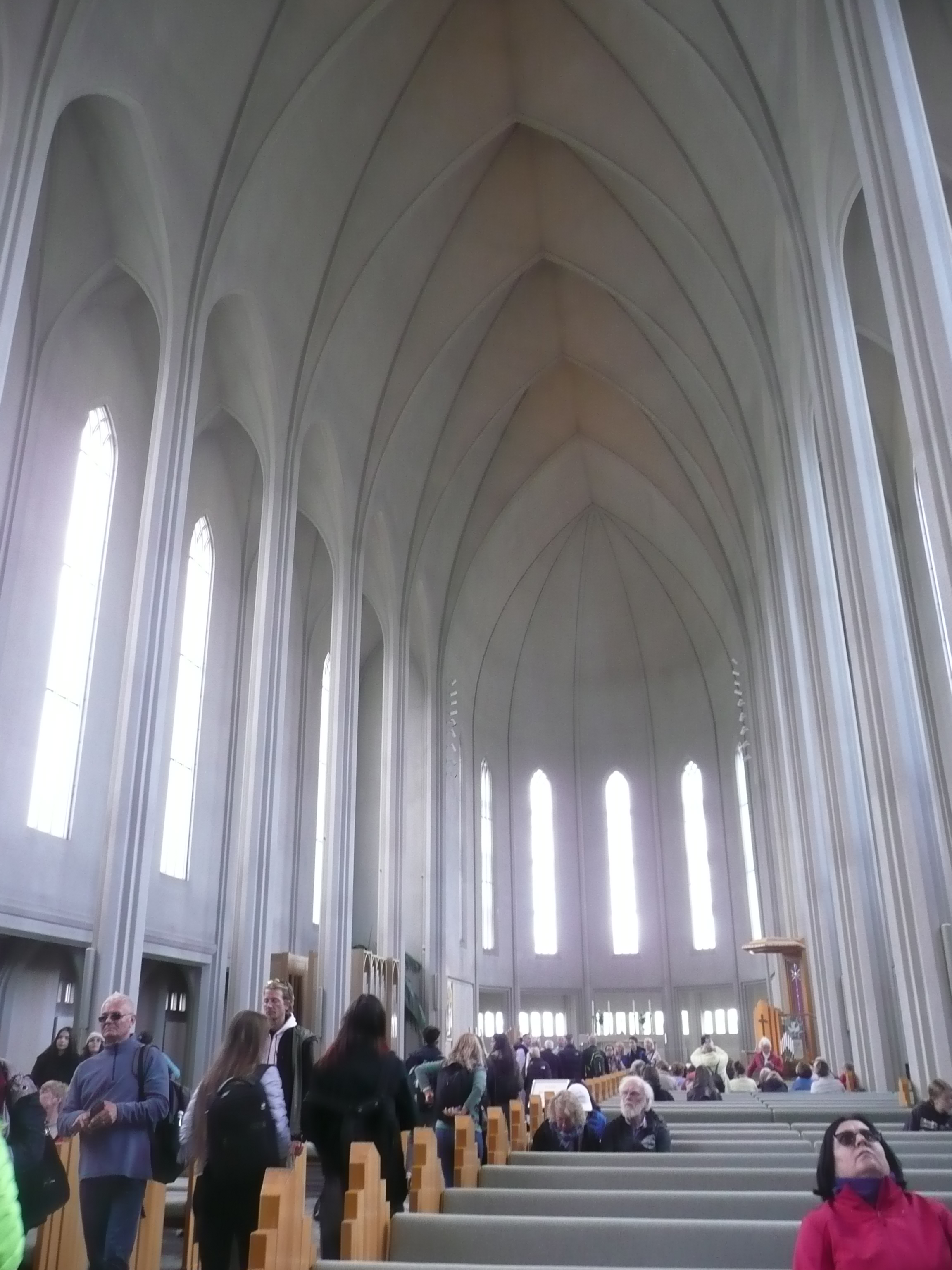
Tęczowa droga prowadzi prosto do jednego z najsłynniejszych budynków Islandii – Hallgrímskirkja, czyli Kościoła Hallgrímura. Wznosi się na wysokość 75 metrów i nosi nazwisko islandzkiego pastora kościoła luterańskiego i poety Hallgrímur Péturssona (1614–1674). Projekt kościoła, autorstwa architekta Guðjóna Samúelssona, zlecono w 1937 roku. Mówi się, że zaprojektował go tak, aby przypominał skały, góry i lodowce krajobrazu Islandii, w szczególności jego kolumnowe formacje bazaltowe. Budowa trwała ponad 40 lat, do 1986 roku.
The rainbow path leads directly to one of Iceland’s most famous buildings – Hallgrímskirkja, or Hallgrímur’s Church. Towering 75 meters high, it bears the name of the Icelandic Lutheran pastor and poet Hallgrímur Pétursson (1614–1674). The church, designed by architect Guðjón Samúelsson, was commissioned in 1937. He is said to have designed it to resemble the rocks, mountains, and glaciers of the Icelandic landscape, particularly its columnar basalt formations. Construction took over 40 years, until 1986.
Hallgrímskirkja, or Hallgrímur’s Church, Reykjavik
Przed kościołem stoi pomnik Leifa Erikssona (Leifa Szczęśliwego) – gościa, o którym mało kto słyszał, a którego życie było jak z powieści (albo jak z serialu Netflixa – Vikings: Valhalla (2022)… Jego ojciec, Eryk Rudy był pierwszym Wikingiem, który osiedlił się na Grenlandii. Leif wyruszył około 1002 roku na wyprawę i prawdopodobnie był pierwszym Europejczykiem, który dotarł do Ameryki. Pięć wieków przed Kolumbem dotarł do Nowej Funlandii i Labradoru (które jak wiecie, znajdują się w mojej drugiej ojczyźnie – Kanadzie). Nie chcę was zanudzać opowieściami o Wikingach (o których pisałam już przy okazji rejsu na Spitsbergen), jeśli będziecie chcieli wiedzieć więcej, na pewno się dowiecie.
In front of the church stands a statue of Leif Eriksson (Leif the Lucky) – a guy few people have heard of, whose life was like something out of a novel (or like something out of the Netflix series – Vikings: Valhalla (2022)… His father, Erik the Red, was the first Viking to settle in Greenland. Leif set off on an expedition around 1002 and was probably the first European to reach America. Five centuries before Columbus, he reached Newfoundland and Labrador (which, as you know, are in my second homeland – Canada). I don’t want to bore you with Viking stories (which I already wrote about during my voyage to Spitsbergen), if you want to know more, you will definitely find out.
Pora wracać na statek. Wsiadamy do piętrowego autobusu (do którego bilety warte prawie 40 Euro dostaliśmy od nieznanej pary w porcie), objeżdżamy całe miasto, zatrzymując się przy najważniejszych miejscach w mieście, w tym przy niesamowitym muzeum przyrodniczym Perlan. Wieczorem opuszczamy Reykjavik i płyniemy dalej na północ…
It’s time to head back to the ship. We board a double-decker bus (for which we got tickets worth almost 40 euros from an unknown couple at the port) and drive around the city, stopping at the most important sites, including the incredible Perlan Natural History Museum. In the evening, we leave Reykjavik and sail further north…