
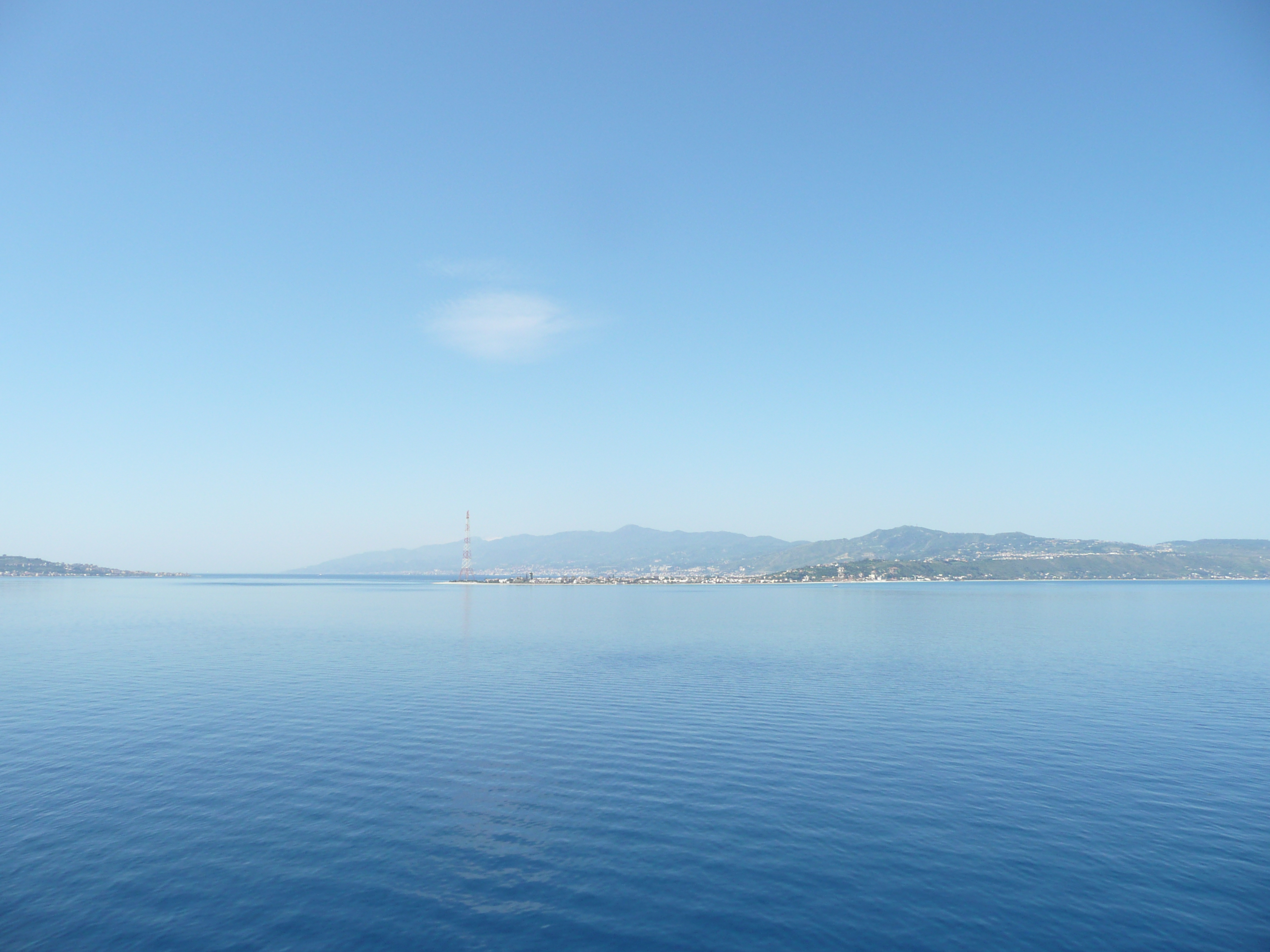
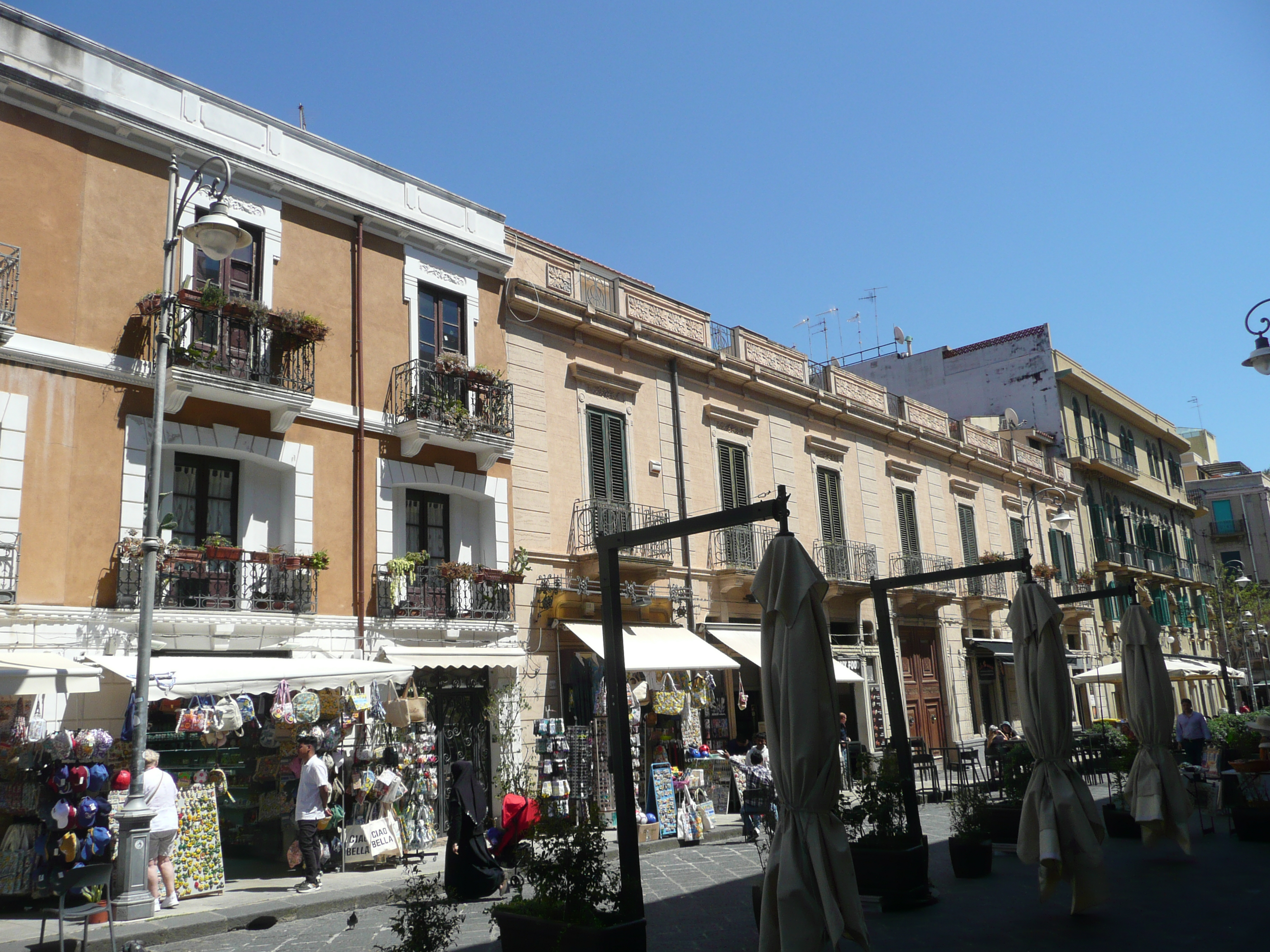
Nareszcie jakieś miasto na miarę moich możliwości! Jest wprawdzie dość duże, ale to, co mnie interesuje, możemy osiągnąć idąc wolnym krokiem, omijając starannie słoneczne strony ulic. Messina jest normalnym miastem nad Morzem Śródziemnym – założona w ósmym wieku przed naszą erą, przez kolejne stulecia przechodziła z rąk Greków pod panowanie Kartagińczyków, którzy zniszczyli miasto, potem Mamertynów, potem Rzymian, potem Bizancjum, potem Arabów… W 1346 roku jeden ze statków przywiózł do miasta dżumę, która rozprzestrzeniła się ma całą Europę. Ale to nie koniec dziejów tego szczęśliwego miasta – w 1908 roku trzęsienie ziemi zrównało miasto z ziemią a połowa mieszkańców zginęła (75 tysięcy osób). Myślicie, że to koniec? Nie. Messyna leży nad cieśniną messyńską – bardzo ważną drogą morską, oddzielającą Sycylię od Półwyspu Apenińskiego. Więc w czasie Operacji Husky Alianci zbombardowali Messinę, znów zrównując ją z ziemią…
Finally, a city on a scale I can handle!It is, admittedly, quite large; however, what interests me can be reached by walking at a leisurely pace, carefully avoiding the sunny sides of the streets. Messina is a typical Mediterranean coastal city; established in the 8th century BC, it spent the ensuing centuries changing hands—passing from the Greeks to the Carthaginians (who destroyed the city), then to the Mamertines, the Romans, the Byzantines, and finally the Arabs… In 1346, a ship brought the plague to the city—a disease that would subsequently spread across all of Europe. But that was not the end of this city’s turbulent history; in 1908, an earthquake leveled the city to the ground, claiming the lives of half its inhabitants (75,000 people). Think that was the end? Not quite. Messina sits on the Strait of Messina—a vital maritime thoroughfare separating Sicily from the Italian Peninsula. Consequently, during Operation Husky, the Allies bombed Messina, once again leveling it to the ground…
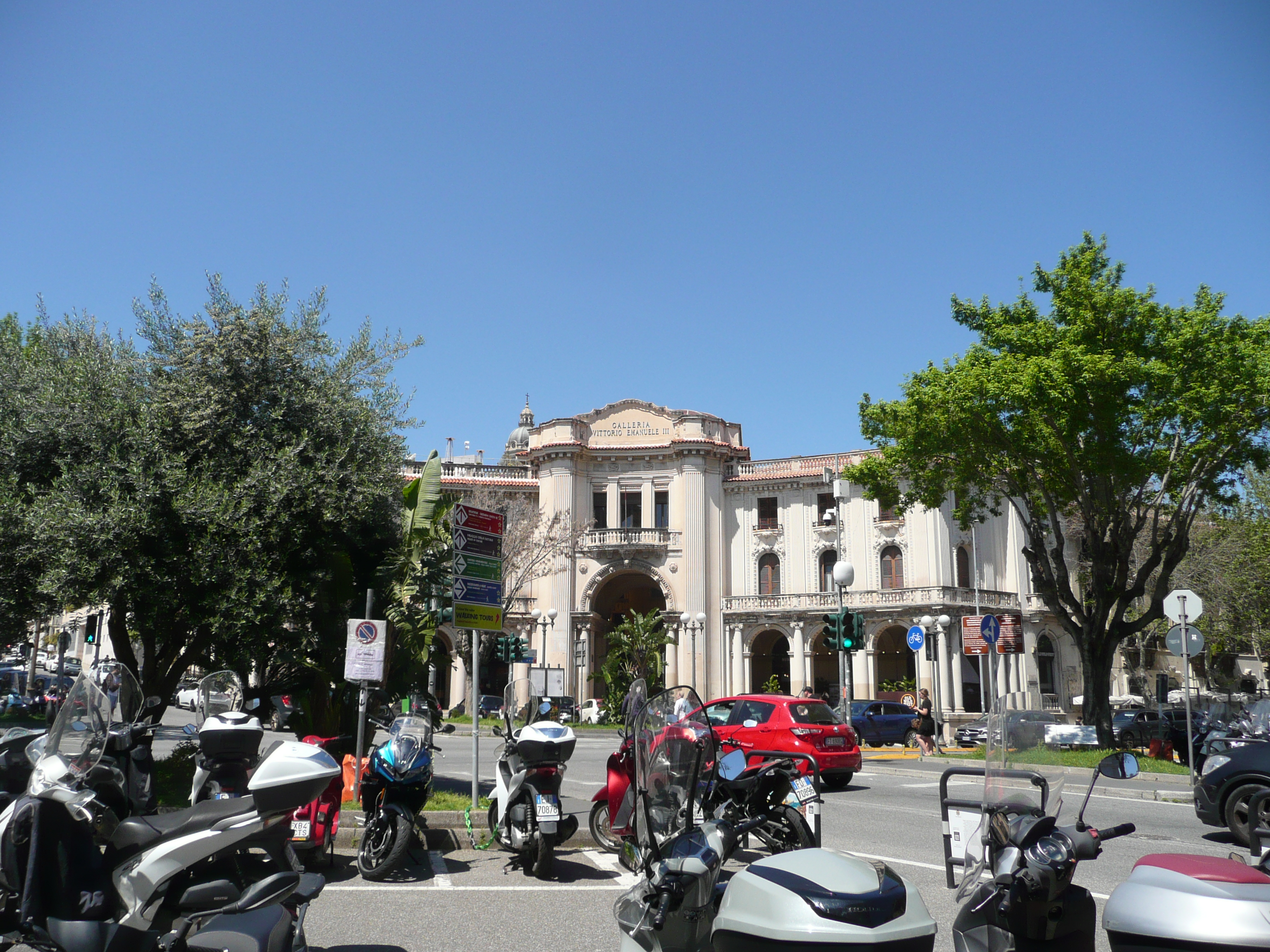
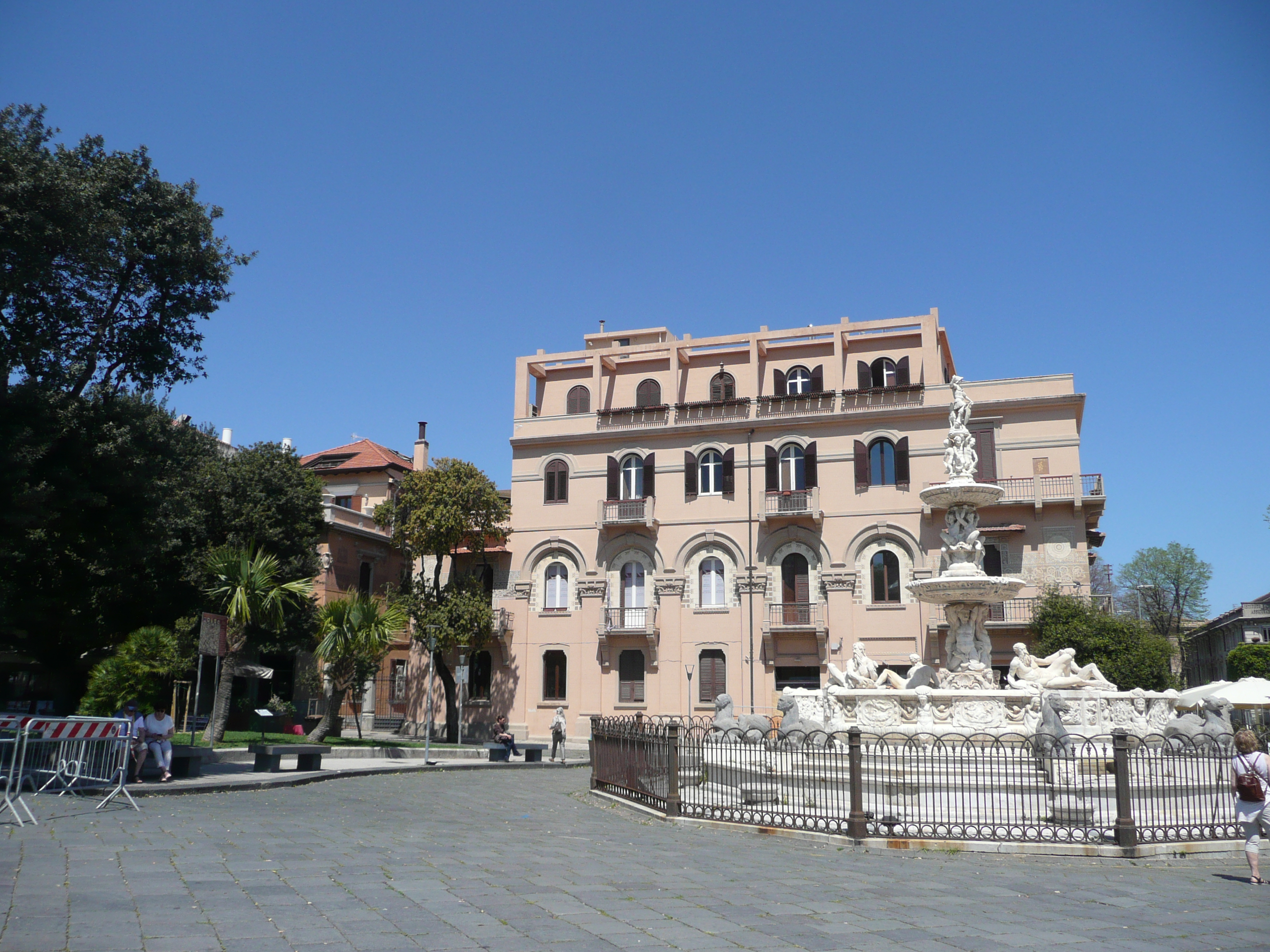
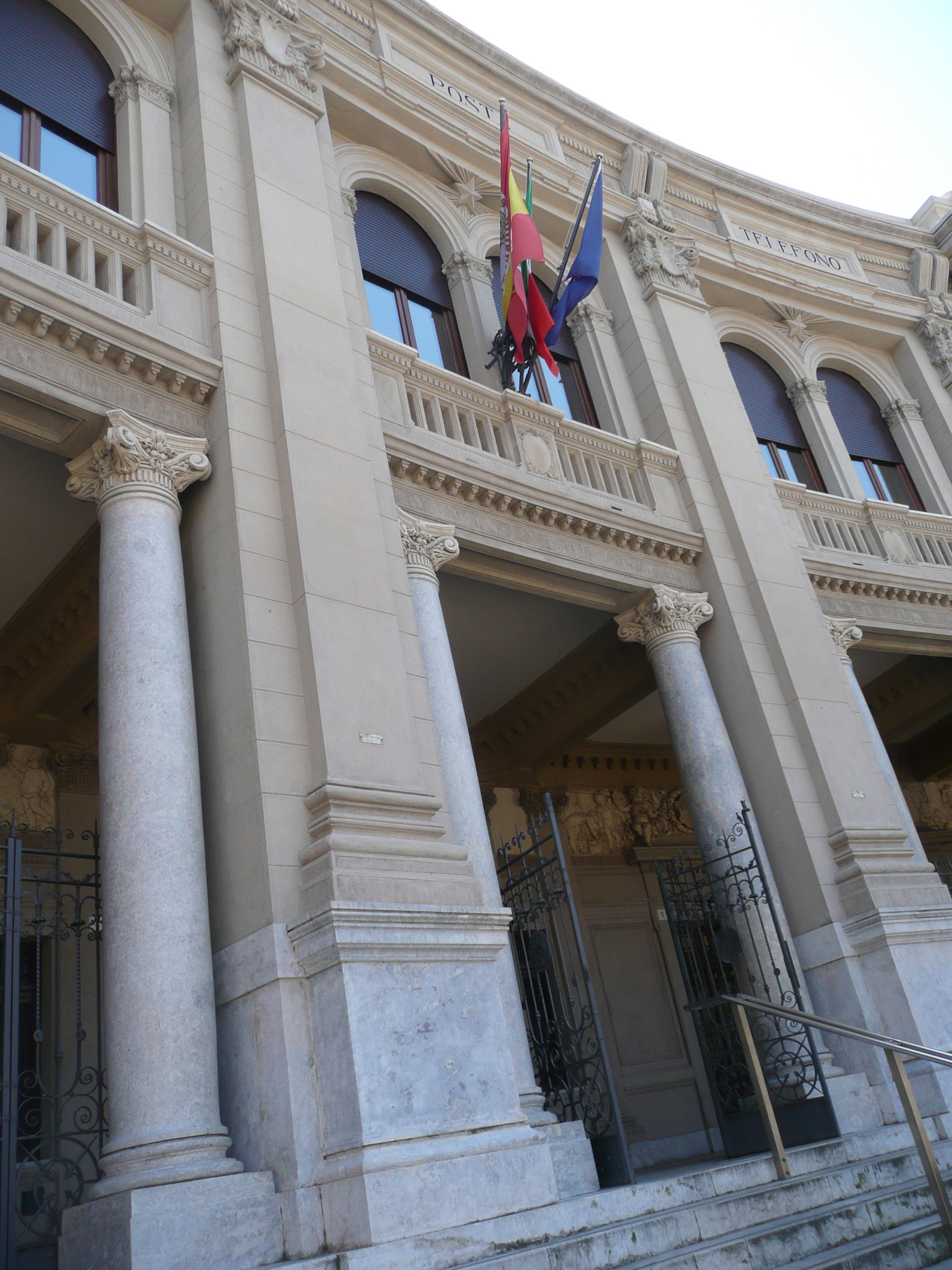
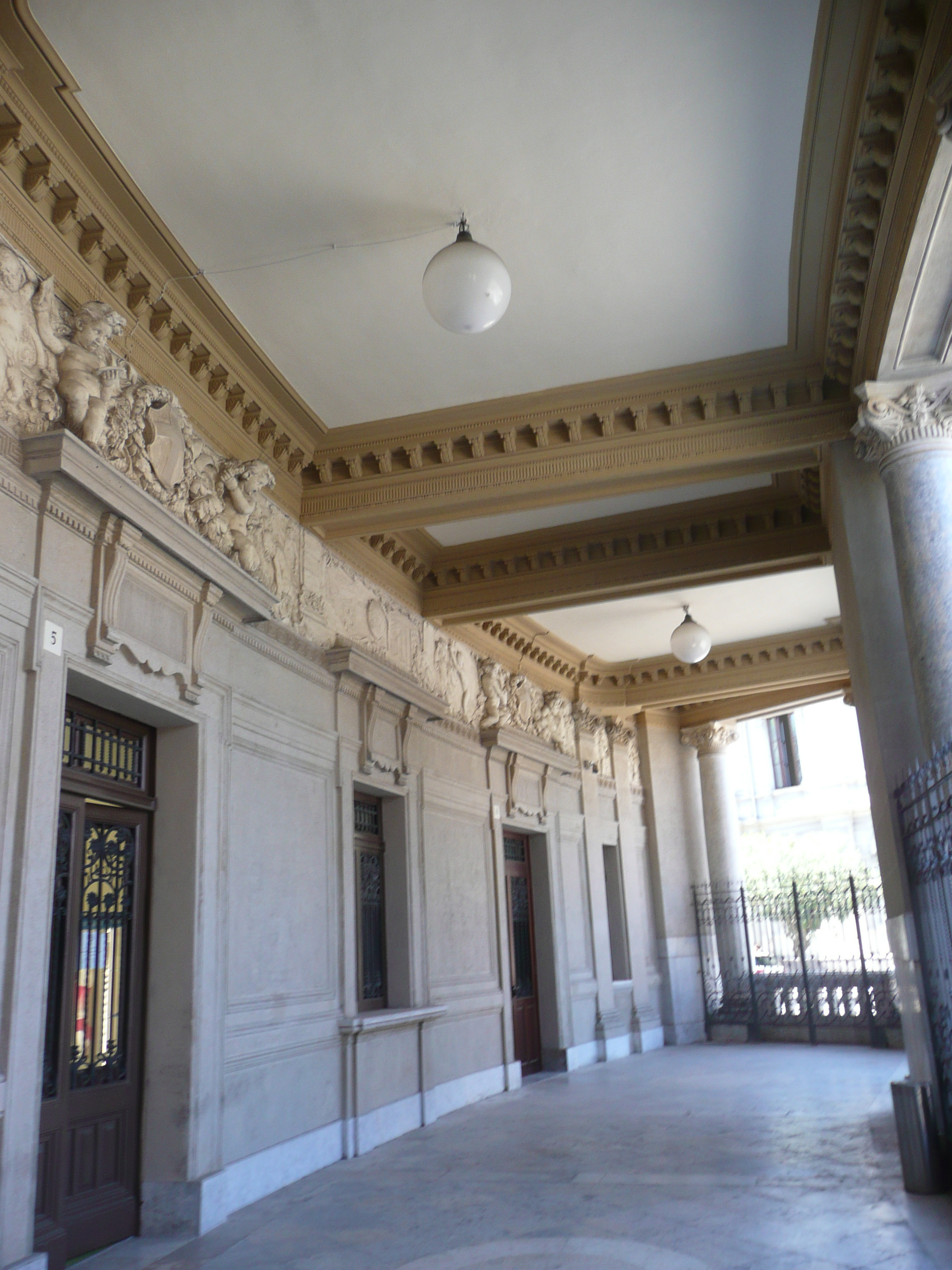
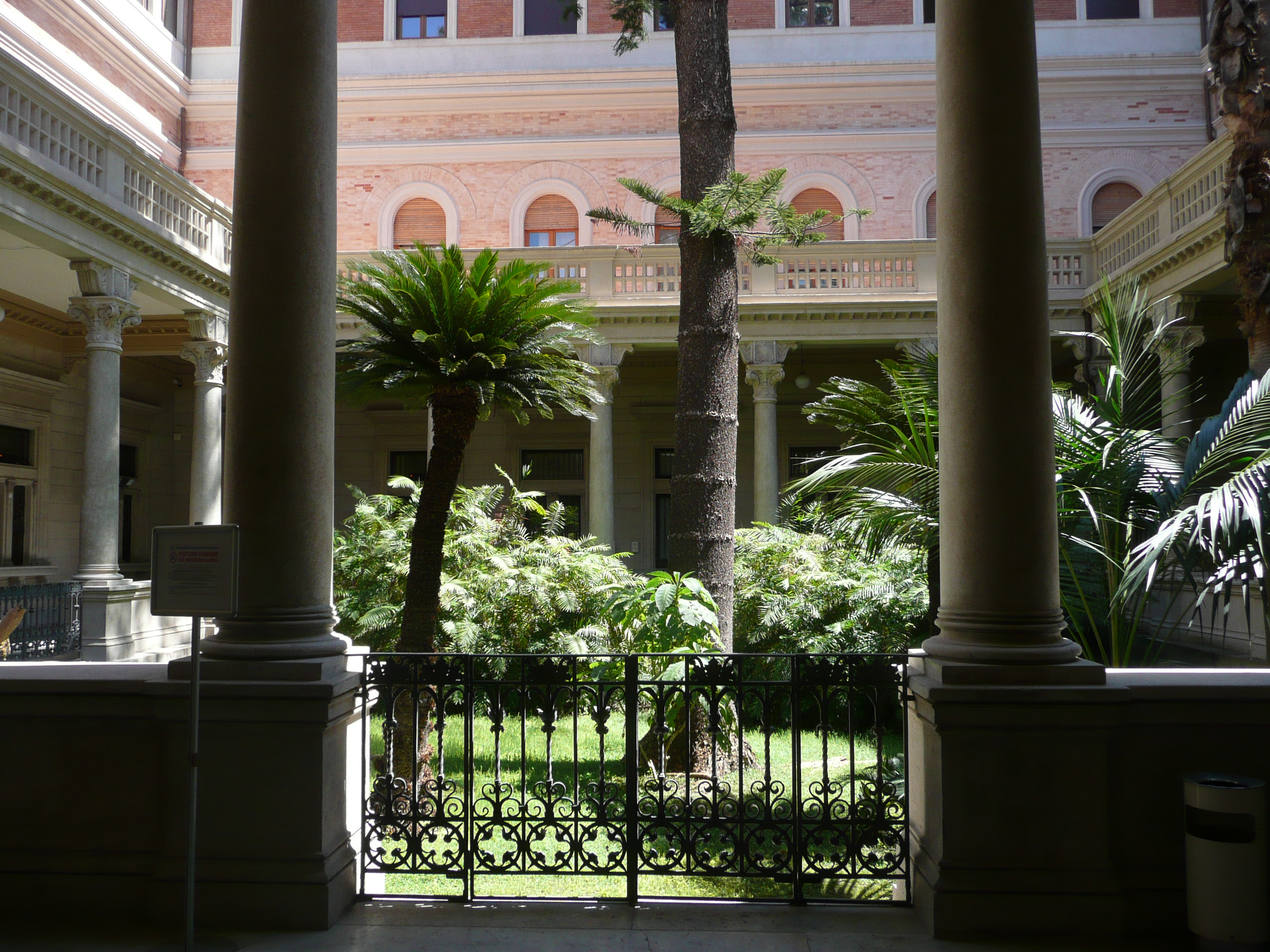
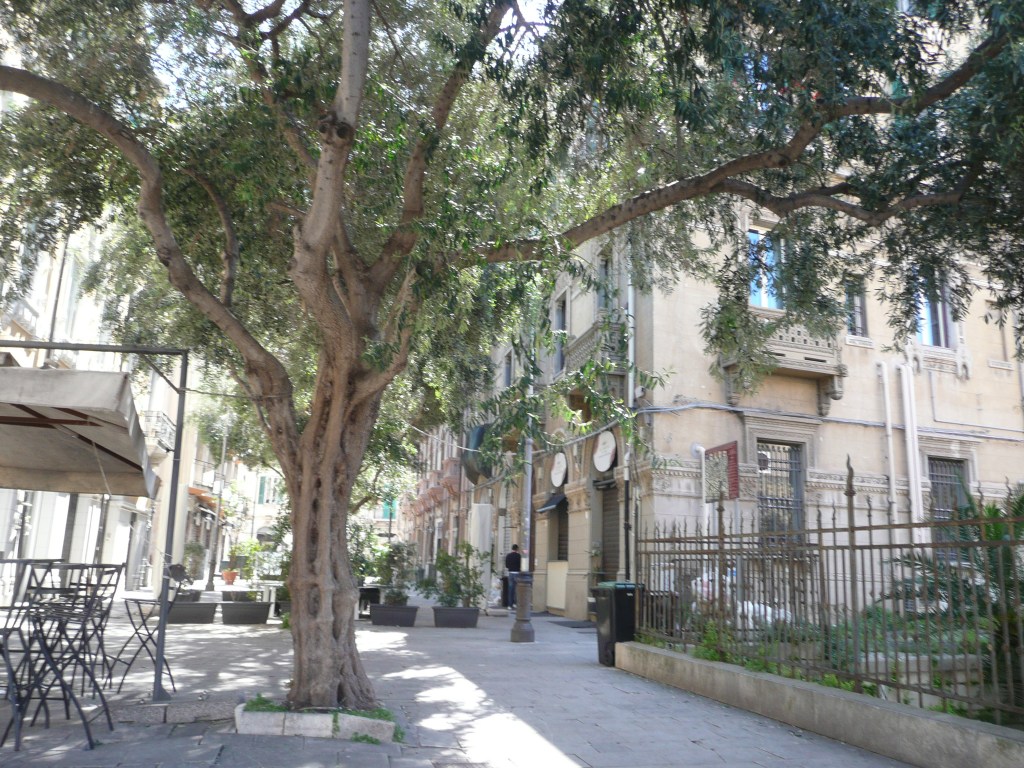
Idziemy szerokimi ulicami, przy niektórych rosną drzewa pomarańczowe obsypane owocami, stoją krany, z których można pić wodę, z niektórych sklepów dobiegają dźwięki moich ulubionych włoskich piosenek… Zaglądam do budynku poczty, ciekawa jak wygląda ta sycilijska. Wyglada… zaskakująco i wspaniale:
We walk along wide streets—some lined with orange trees laden with fruit—past drinking fountains where we can quench our thirst, while from some of the shops drift the sounds of my favorite Italian songs… I peek inside the post office building, curious to see what a Sicilian one looks like. It looks… surprisingly and wonderfully:
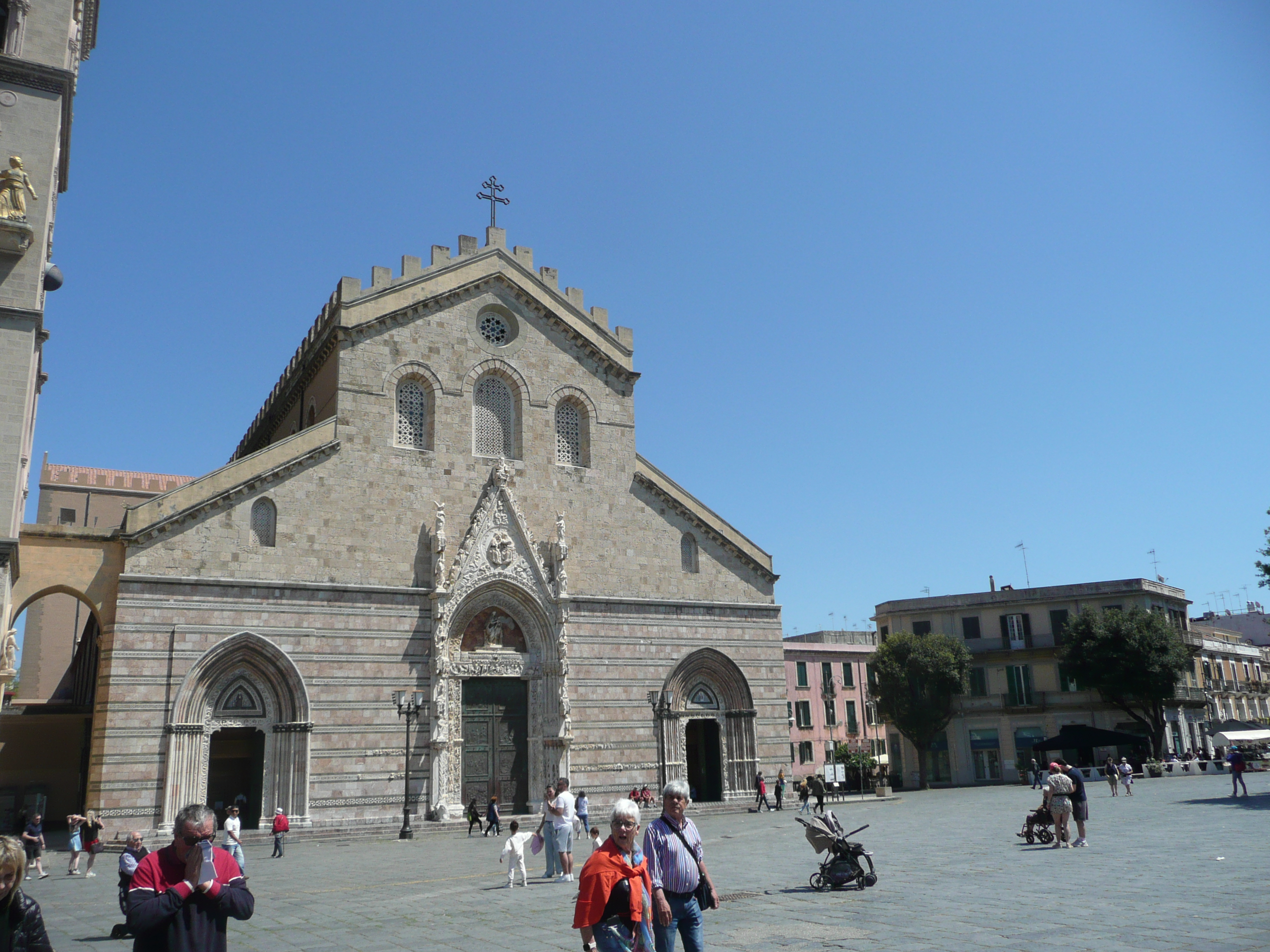
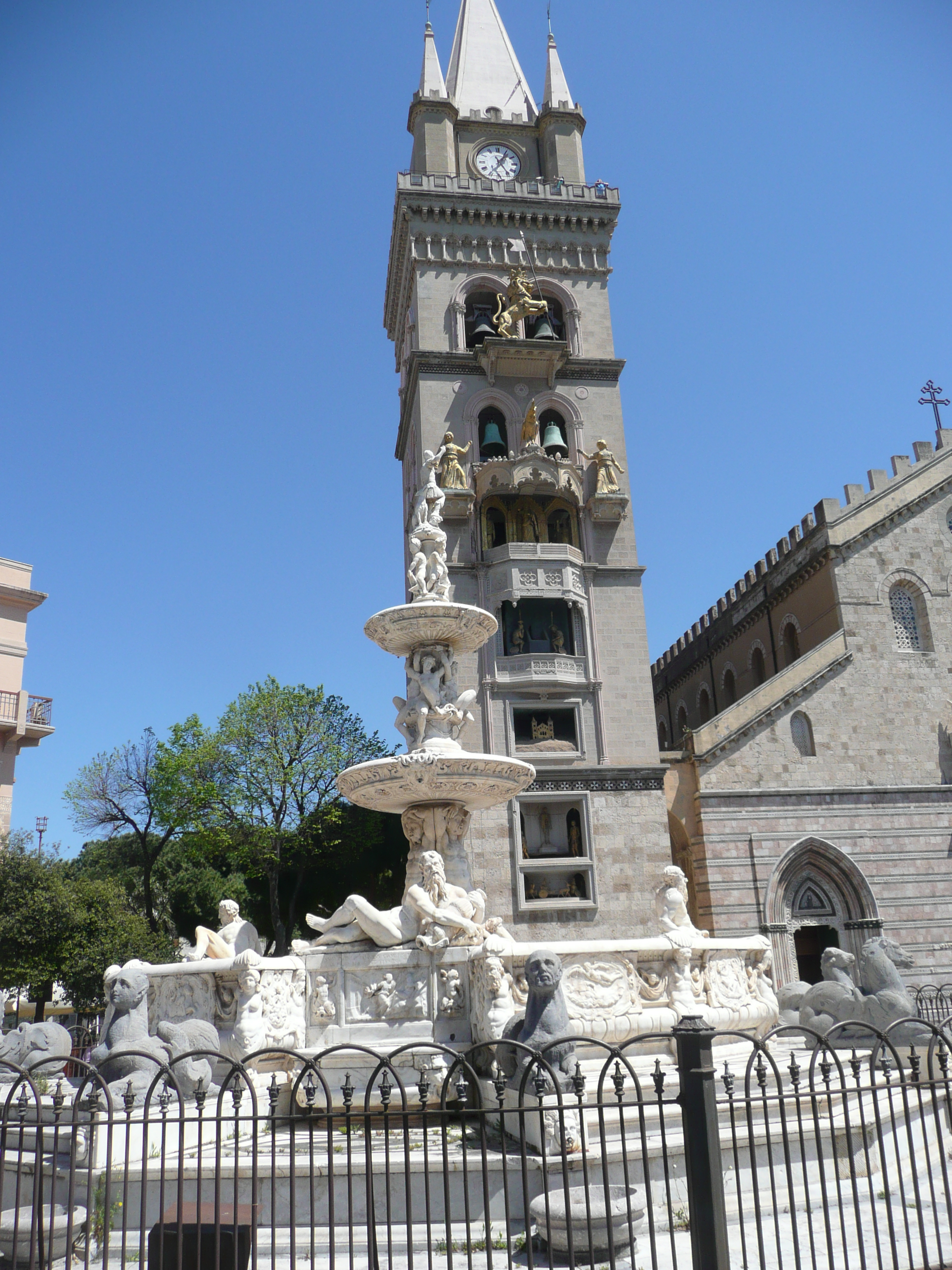
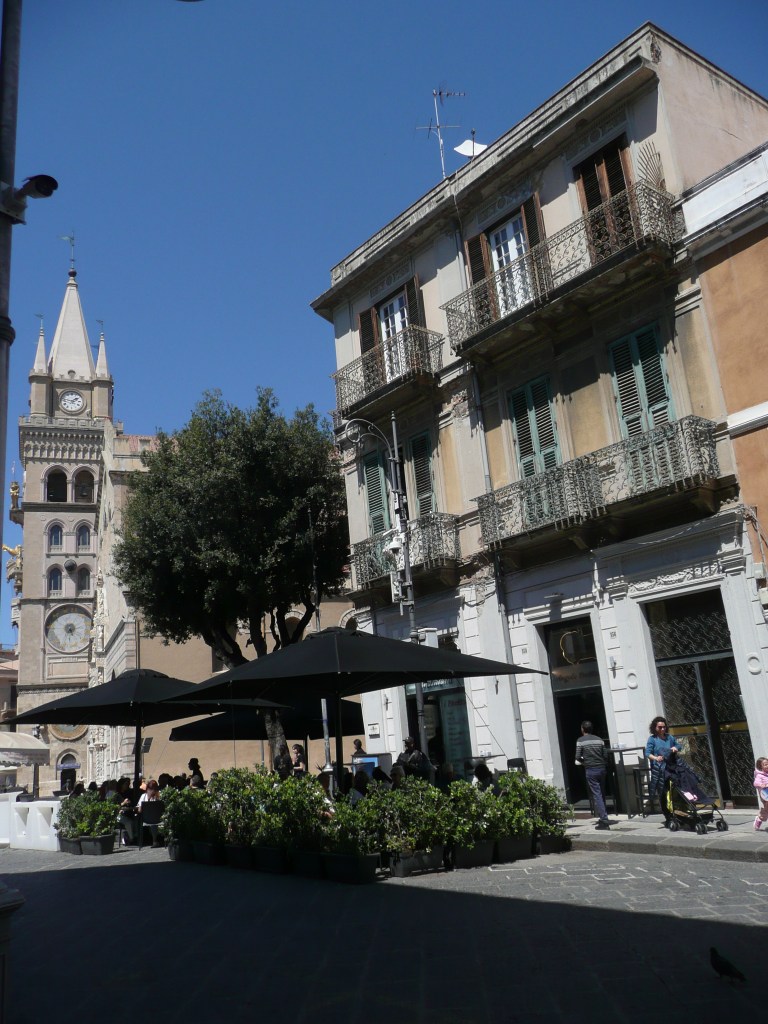
Po godzinnym wałęsaniu się po pięknych ulicach dochodzimy do głównego placu, tego z dwunastowieczną katedrą (Duomo di Messina), odbudowaną pieczołowicie i kilkakrotnie. Na wieży kościoła jest zegar słoneczny – największy zegar astronomiczny na świecie. Został stworzony w Strasburgu w 1933 roku i jest niesamowity. Posiada ruchome figury – na każdy dzień tygodnia (w niedzielę Apollo jadący na koniu, w poniedziałek Diana jadąca na jeleniu, we wtorek Mars na koniu, w środę Merkury na panterze, w czwartek Jowisz na chimerze, w piątek Wenus na gołębiu…), a co kwadrans ukazują się figury obrazujące etapy życia – dziecko, młody człowiek, wojownik i starzec, przechodzące przed figurą Śmierci potrząsającej kosą…
After wandering through the beautiful streets for an hour, we arrive at the main square—the one featuring the twelfth-century cathedral (Duomo di Messina), which has been meticulously rebuilt on several occasions. Located on the church tower is a sundial—the largest astronomical clock in the world. Created in Strasbourg in 1933, it is truly incredible. It features moving figures—one for each day of the week (on Sunday, Apollo riding a horse; on Monday, Diana riding a deer; on Tuesday, Mars on a horse; on Wednesday, Mercury on a panther; on Thursday, Jupiter on a chimera; on Friday, Venus on a dove…)—and every fifteen minutes, figures representing the stages of life—a child, a young man, a warrior, and an old man—emerge to pass before the figure of Death, brandishing a scythe…
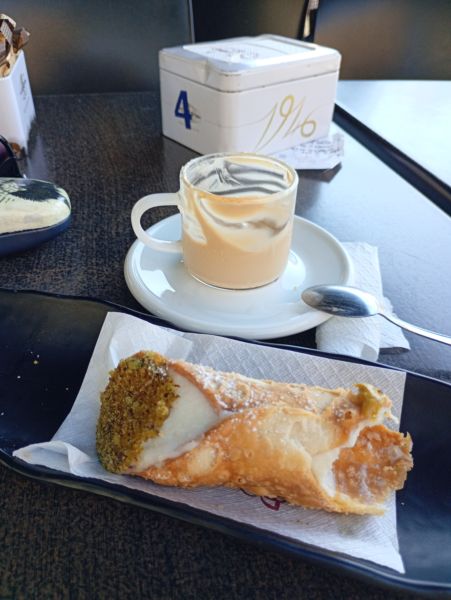
Jak w każdym porcie idziemy na kawę i spróbować lokalnych łakoci. Jeśli się jest na Sycylii, to trzeba spróbować cannoli – chrupiącej rurki nadziewanej kremem z ricotty. Legenda głosi, że zostały wymyślone przez nałożnice emira, jako hołd dla jego potencji. Hm….
As in every port, we head out for a coffee and to sample some local treats. If you’re in Sicily, you simply must try cannoli—crispy pastry tubes filled with ricotta cream. Legend has it that they were invented by the Emir’s concubines as a tribute to his virility. Hmm…
Jedna z kelnerek (śliczna dziewczyna) świetnie mówi po angielsku, co we Włoszech jest prawie niespotykane. Okazuje się, że jest Iranką, na Sycylii jest od kilku dni. (Jak to się dzieje, że te irańskie dzieciaki tak doskonale znają angielski?). Uciekła z Iranu, nie ma tu nikogo, jest samotna, smutna i trochę przerażona. Pocieszam ją jak umiem, mówię, że wszystko się ułoży, że jest mądra i na pewno da radę. Kiedy wychodzimy, pyta czy może mnie przytulić. Dziecinko, pewnie, że możesz… Ściskam ją i głaszczę po pięknych włosach i strasznie chciałabym jej pomóc…*
One of the waitresses—a lovely young woman—speaks excellent English, which is almost unheard of in Italy. It turns out she is Iranian and has only been in Sicily for a few days. (How is it that these Iranian kids know English so perfectly?) She fled Iran; she has no one here—she is lonely, sad, and a little terrified. I comfort her as best I can, telling her that everything will work out, that she is smart, and that she will surely make it. As we are leaving, she asks if she can give me a hug. Oh, sweetie—of course you can… I hold her close, stroke her beautiful hair, and wish so desperately that I could help her…*
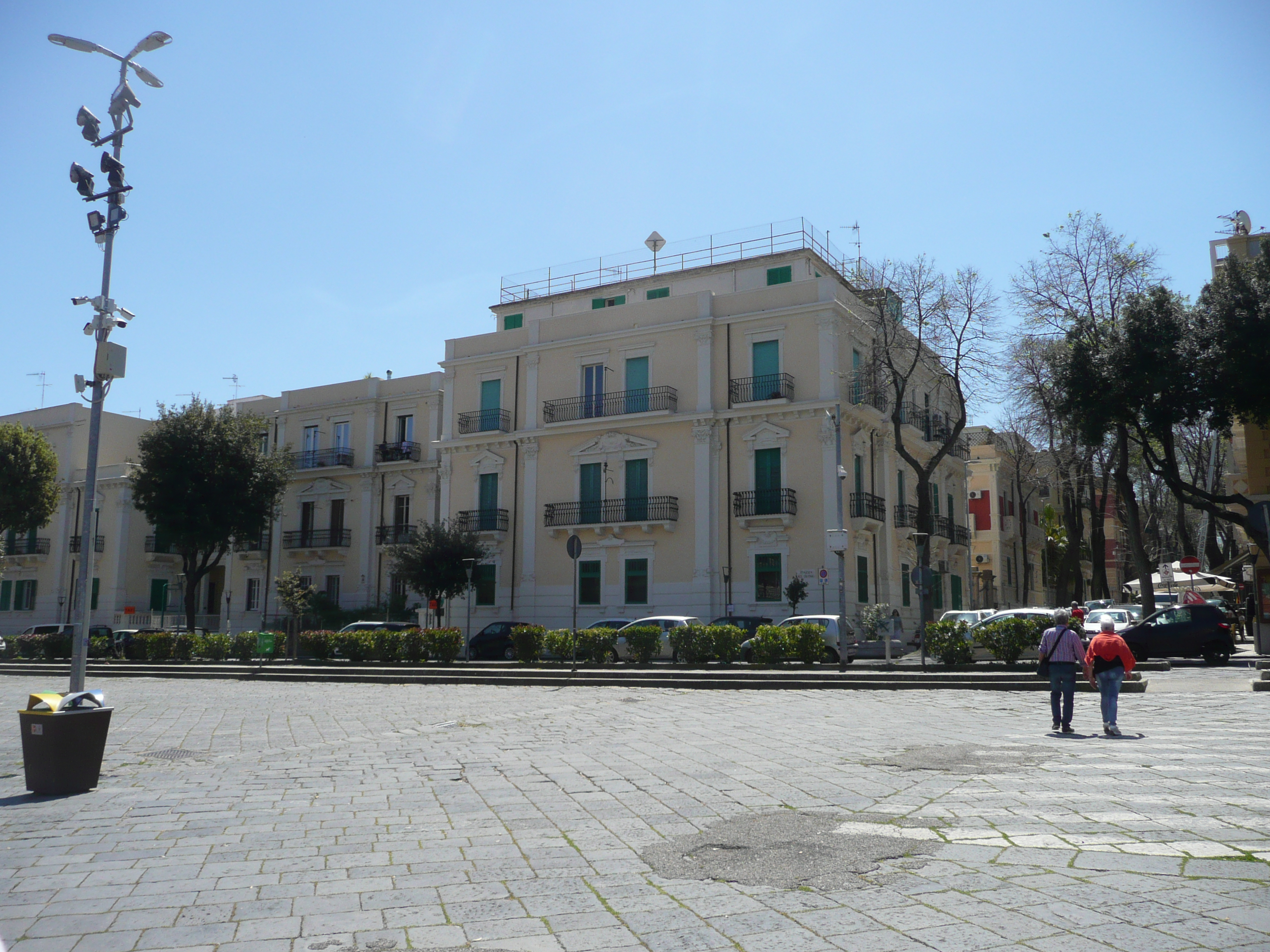
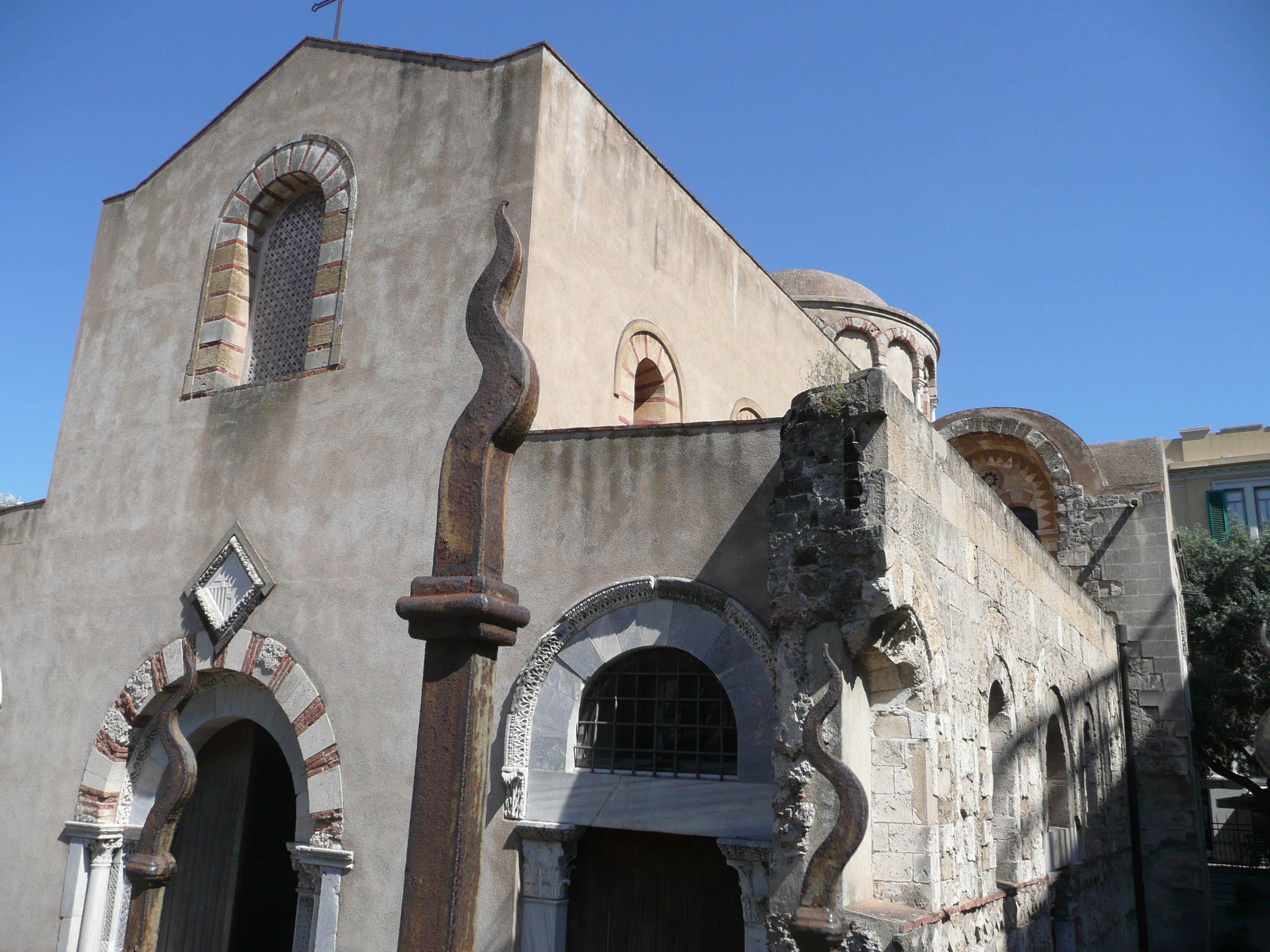
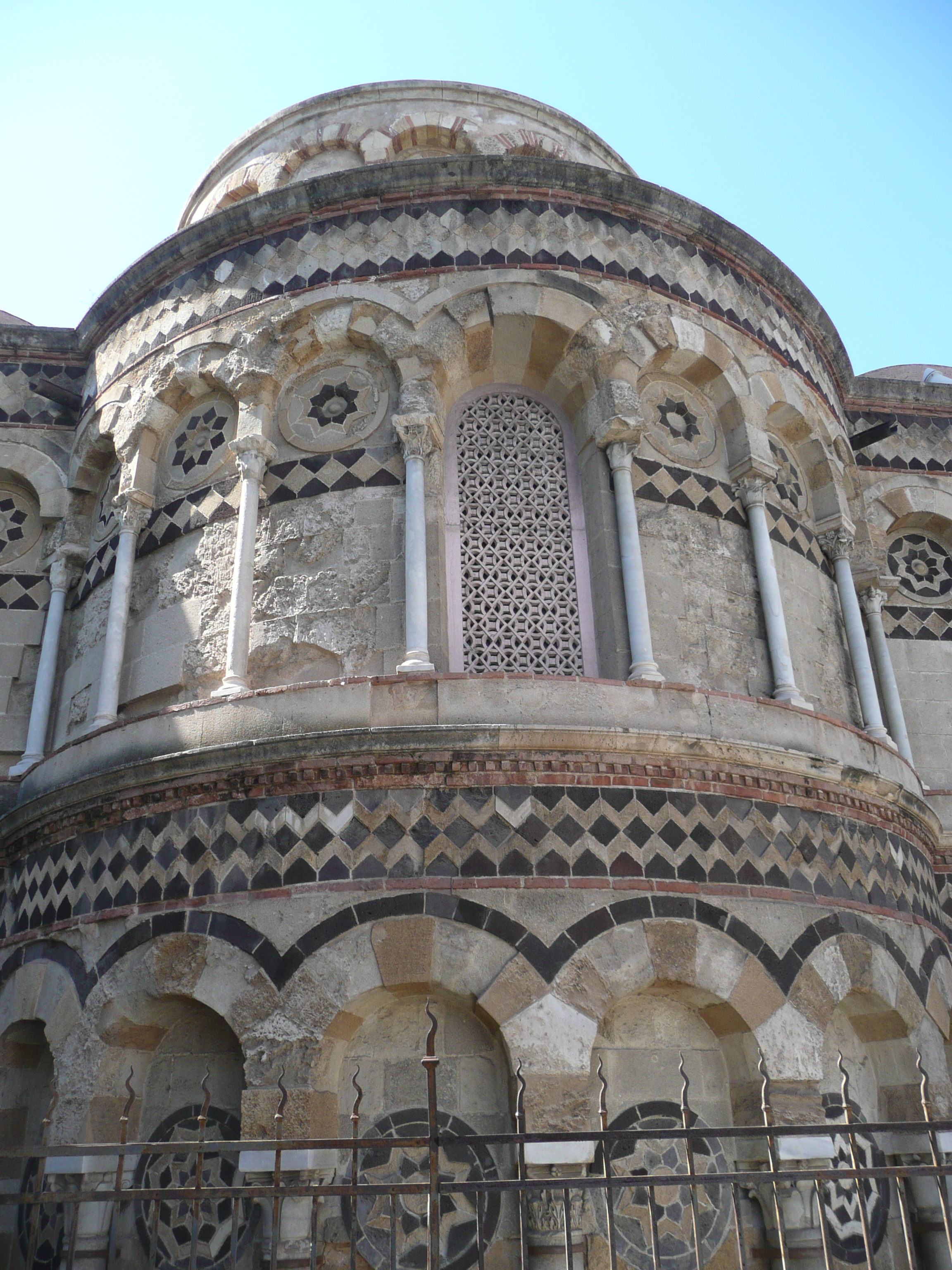
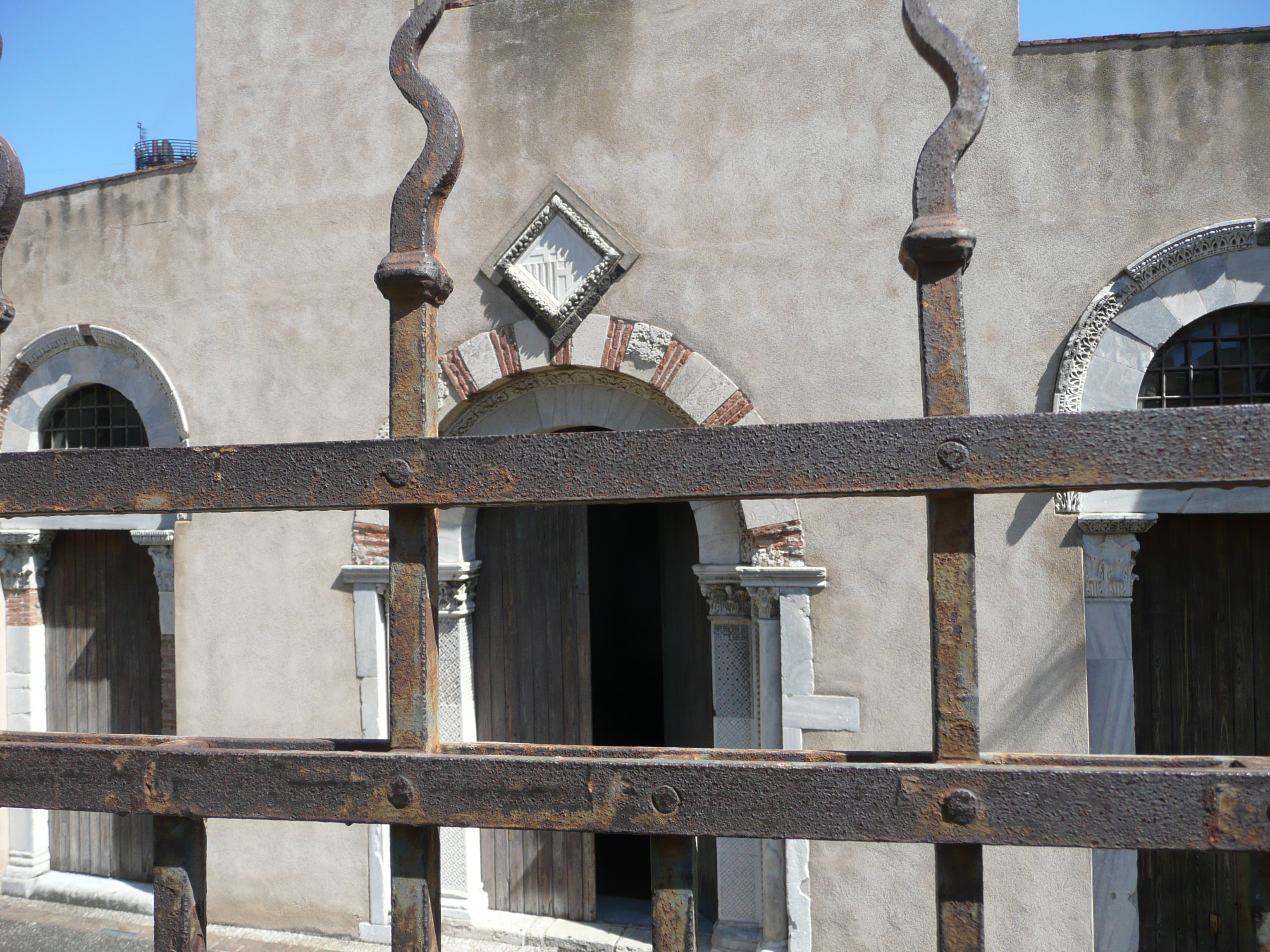
Powrotna droga na statek nie trwa już długo. Musimy jeszcze kupić szampon, bo nasz został zapomniany w hotelu w Savonie. Jest późne popołudnie, otwierają się restauracje. Mijamy romański kościół. Okazuje się, że to słynny Kościół Santissima Annunziata dei Catalani – kościół z XII wieku, zbudowany na ruinach starożytnej świątyni Neptuna, następnie w czasach emiratu Sycylii przekształcony w meczet, a w epoce Normanów, między 1150 a 1200 rokiem, przebudowany w stylu arabsko-normańskim.
The walk back to the ship does not take long. We still need to buy some shampoo, as we left ours behind at the hotel in Savona. It is late afternoon, and restaurants are beginning to open. We pass a Romanesque church. It turns out to be the famous Church of Santissima Annunziata dei Catalani—a 12th-century church built upon the ruins of an ancient Temple of Neptune, subsequently converted into a mosque during the era of the Emirate of Sicily, and later, during the Norman period (XII Century) rebuilt in the Arab-Norman style.
I tyle opowieści messyńskich. Pewnie macie dość marudzenia o historii, ale tutaj inaczej się nie da. Tu historia wyłazi spod każdego kamienia.
And that wraps up the tales of Messina. You’re probably sick of my rambling about history, but there’s simply no other way here. Here, history crawls out from under every stone.
* Agencja Informacyjna Aktywistów Praw Człowieka (Human Rights Activists News Agency — HRANA) potwierdza 5459 zgonów młodych osób w Iranie. Z raportów organizacji takich jak Amnesty International i Iran Human Rights wynika, że Iran jest krajem o najwyższej na świecie liczbie straceń osób nieletnich oraz młodych dorosłych. Dokładna liczba egzekucji młodych ludzi w Iranie nie jest znana, ponieważ władze utajniają większość danych.
* The Human Rights Activists News Agency (HRANA) confirms 5,459 deaths of young people in Iran. Reports from organizations such as Amnesty International and Iran Human Rights indicate that Iran has the highest number of executions of minors and young adults in the world. The exact number of executions of young people in Iran remains unknown, as authorities classify most of the data.


Nie sposób powiadać czasami bez danych historycznych. Piękne miejsca, cudny deser! Znów ciekawe spotkanie. Bardzo żal młodej zagubionej dziewczyny, już na starcie smutne przeżycia, ale na pewno rozmowa z Tobą dodała jej skrzydeł!
PolubieniePolubione przez 1 osoba
Jotko kochana, czasem ludziom wystarcza, że ktoś ich wysłucha. I żałuję, że nie mogłam pomóc inaczej…
PolubieniePolubienie
Cudowne miasteczko pełne słońca i zabytków. Umiesz pisać i zaciekawiać. Gratuluję!
PolubieniePolubione przez 1 osoba
Ultro kochana, dziękuję że znów płyniesz ze mną 🙂
PolubieniePolubienie
Messina brzmi jak miasto, które uparcie odmawia zniknięcia, nawet jeśli historia co chwilę próbuje je wymazać. Zastanawia mnie, czy da się tam w ogóle spacerować „normalnie”, bez poczucia, że każdy kamień coś pamięta. I ta scena z kelnerką… to chyba najbardziej zostaje w głowie, bo nagle cały turystyczny obrazek się rozpada i zostaje zwykły człowiek z bardzo trudną historią. Trochę się z tym nie zgadzam, że „wszystko się ułoży” brzmi tam tak pewnie — bo przecież nikt nie wie, jak naprawdę się ułoży. Ale może czasem właśnie takie proste słowa i zwykły uścisk są jedyną realną pomocą, jaką można dać w danym momencie?
PolubieniePolubione przez 1 osoba
Pięknie napisałeś o tej odmowie zniknięcia…
Co do tej dziewczyny… Kiedy stajemy w obliczu cudzych problemów, zwykle nie wiemy jak się zachować lub jakich słów użyć. Kiedy byłam w wieku tej dziewczyny, byłam w podobnej sytuacji – w obcym kraju, bez wsparcia, bez kasy. Prawie nie znałam języka, nie miałam pracy (ona ma). Ale wszystko się ułożyło, choć koszty były ogromne. Więc myślę, że jej też się ułoży 🙂
PolubieniePolubienie