Rejs statkiem wielkim lub małym. Kto o tym nie marzył, czytając o wielkich odkrywcach, dalekich lądach, skarbach ukrytych na bezludnych wyspach. Gdzie odnaleźć ślady romantyzmu ery żaglowców i odkrywania nowych lądów? Przecież nie w lotach samolotem.
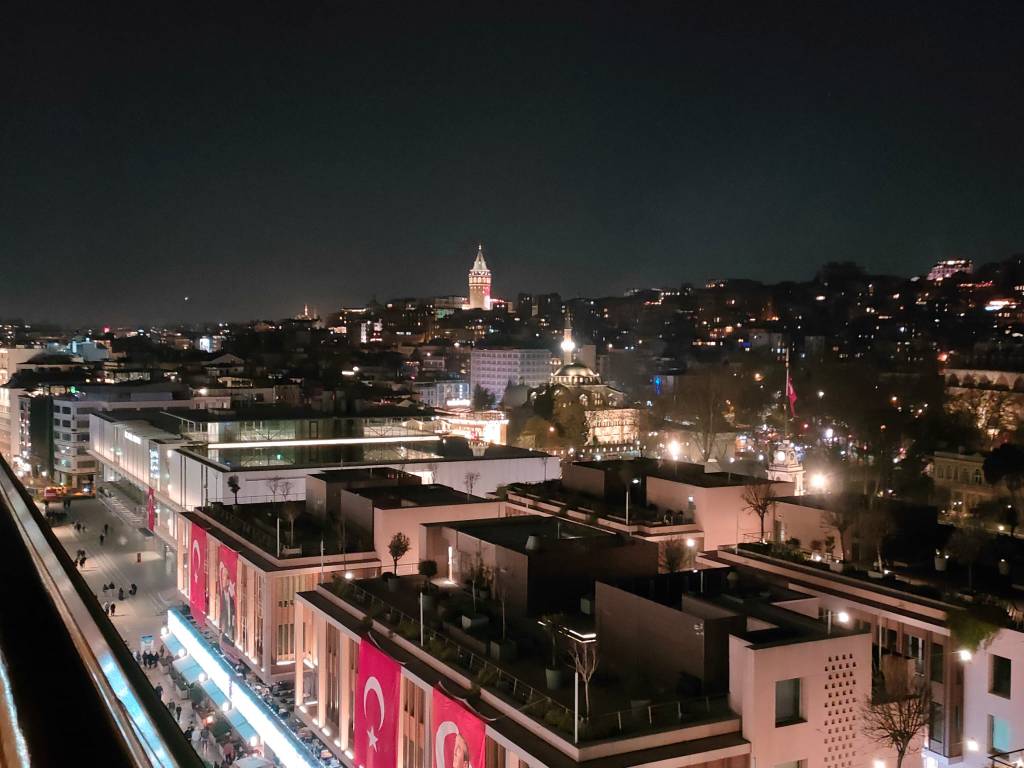
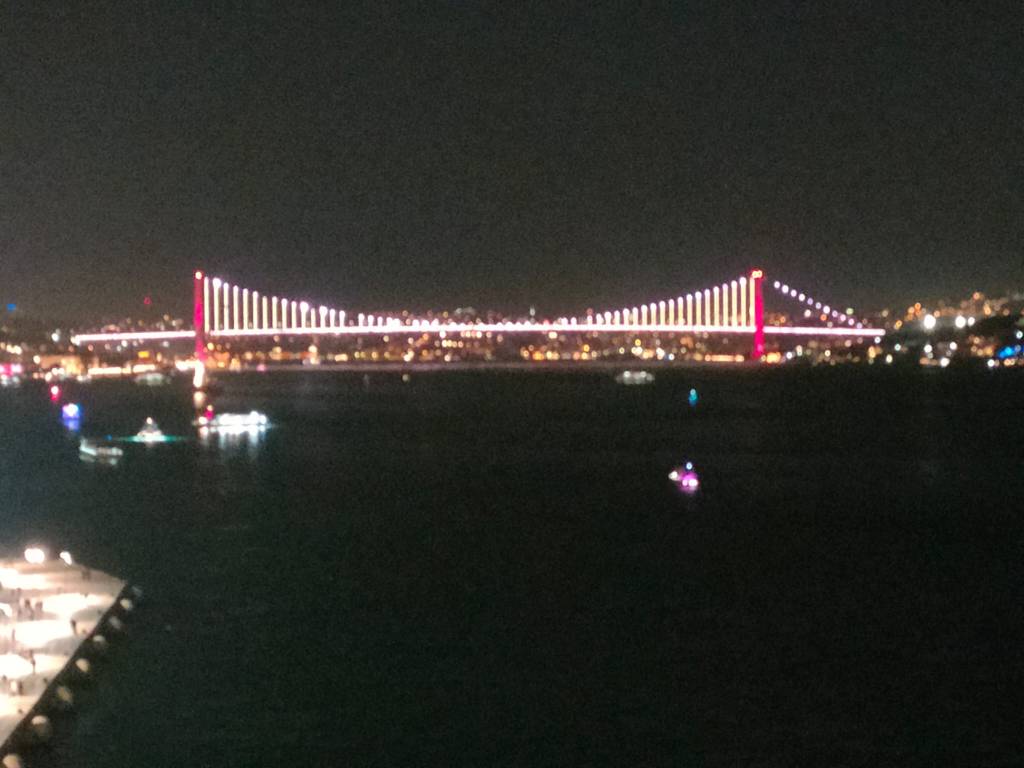
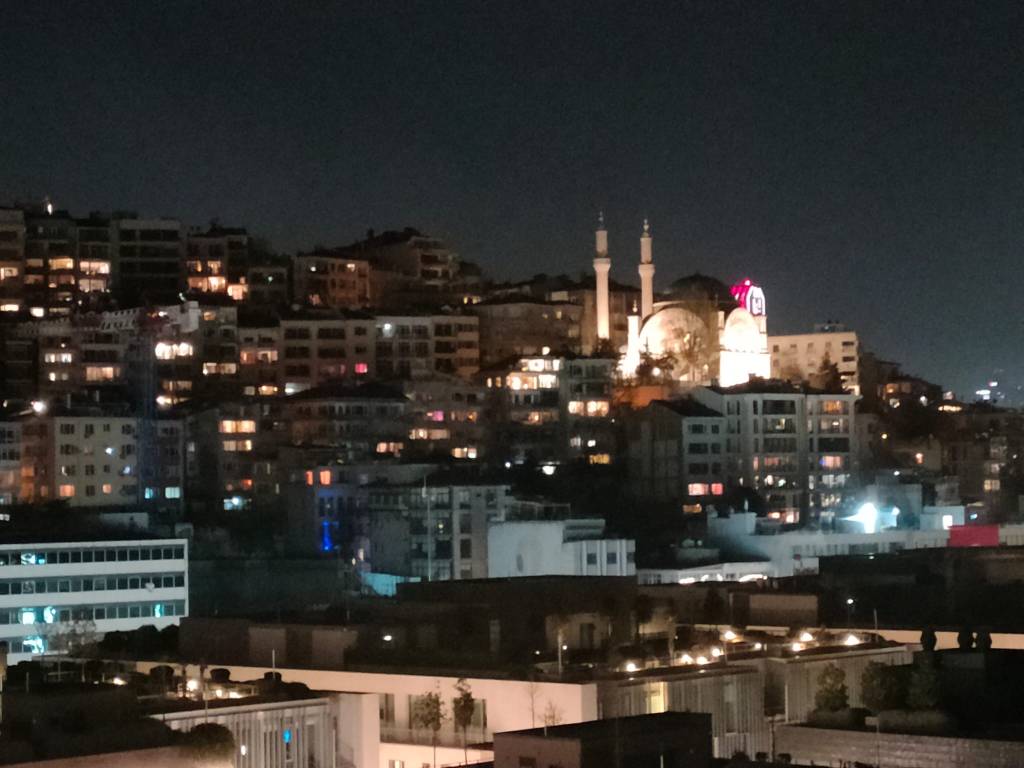
Po zachodzie słońca miasto wcale nie idzie spać. Po zachodzie słońca rozlega się śpiew muezzina, zapalają się miliony świateł, a miasto jeszcze bardziej ożywa. Kawiarnie i restauracje pękają w szwach, po ulicach wędrują tłumy, a Bosfor ze swoimi wielkimi mostami wygląda jak baśń z tysiąca i jednej nocy, wypełniony po brzegi oświetlonymi statkami, łodziami i małymi łódkami. Zanurzamy się w tę feerię świateł i wędrujemy ulicami nie przejmując się późną porą. *
The city doesn’t go to sleep after sunset; instead, the muezzin’s call rings out, millions of lights flicker on, and the city comes even more alive. Cafés and restaurants are packed to bursting, crowds wander the streets, and the Bosphorus with its great bridges looks like a scene from One Thousand and One Nights, teeming with illuminated ships, boats, and small craft. We immerse ourselves in this dazzling display of light and wander the streets, unconcerned by the late hour. *
Istanbul by night (2026)
* Istambuł jest bardzo bezpieczny, zarówno w dzień, jak i w nocy. Nawet samotne kobiety mogą po zmroku spacerować po „turystycznych” dzielnicach bez obaw.
* Istanbul is very safe, both by day and by night. Even women on their own can walk around „tourist” districts after dark without worry.
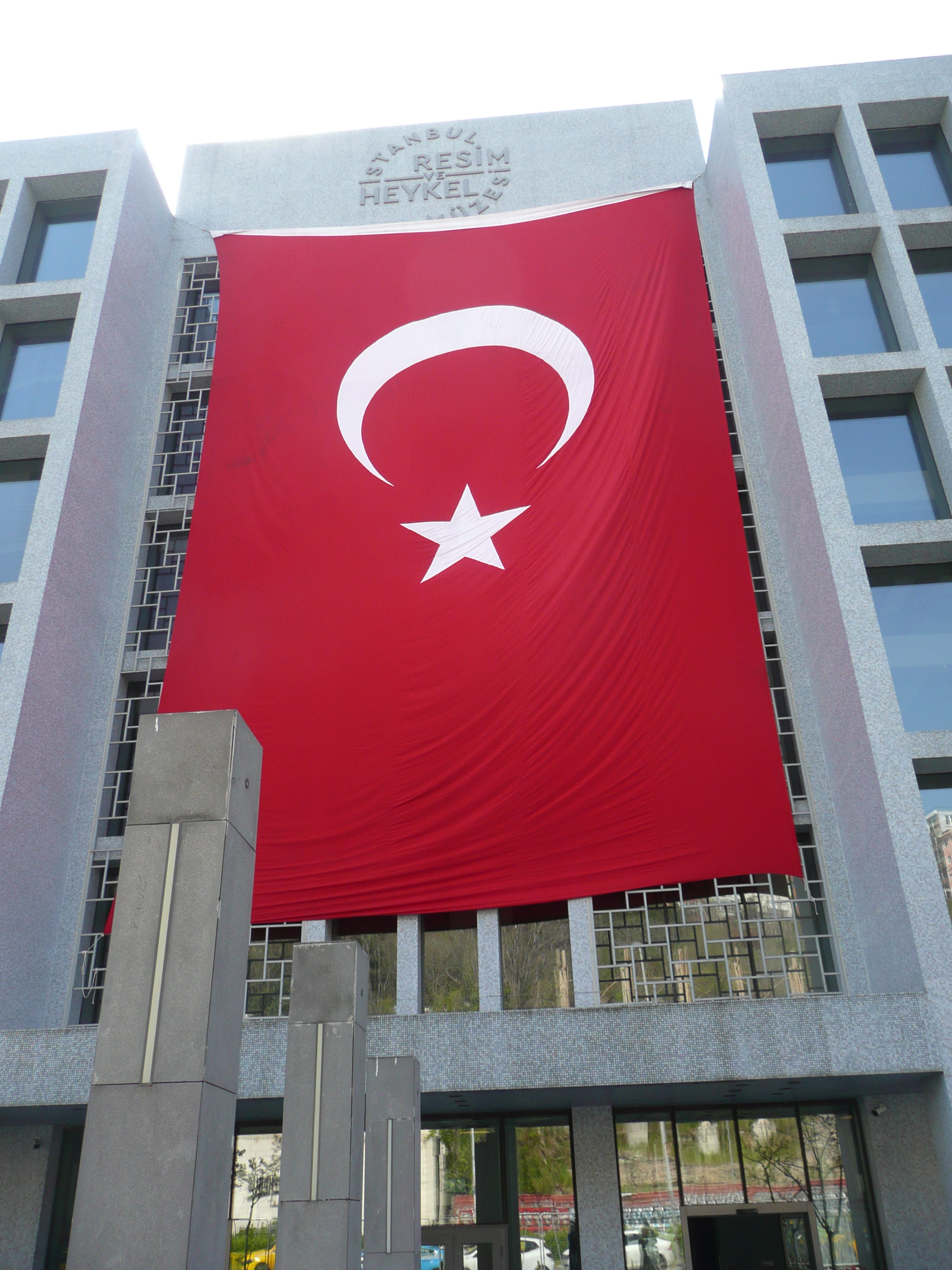
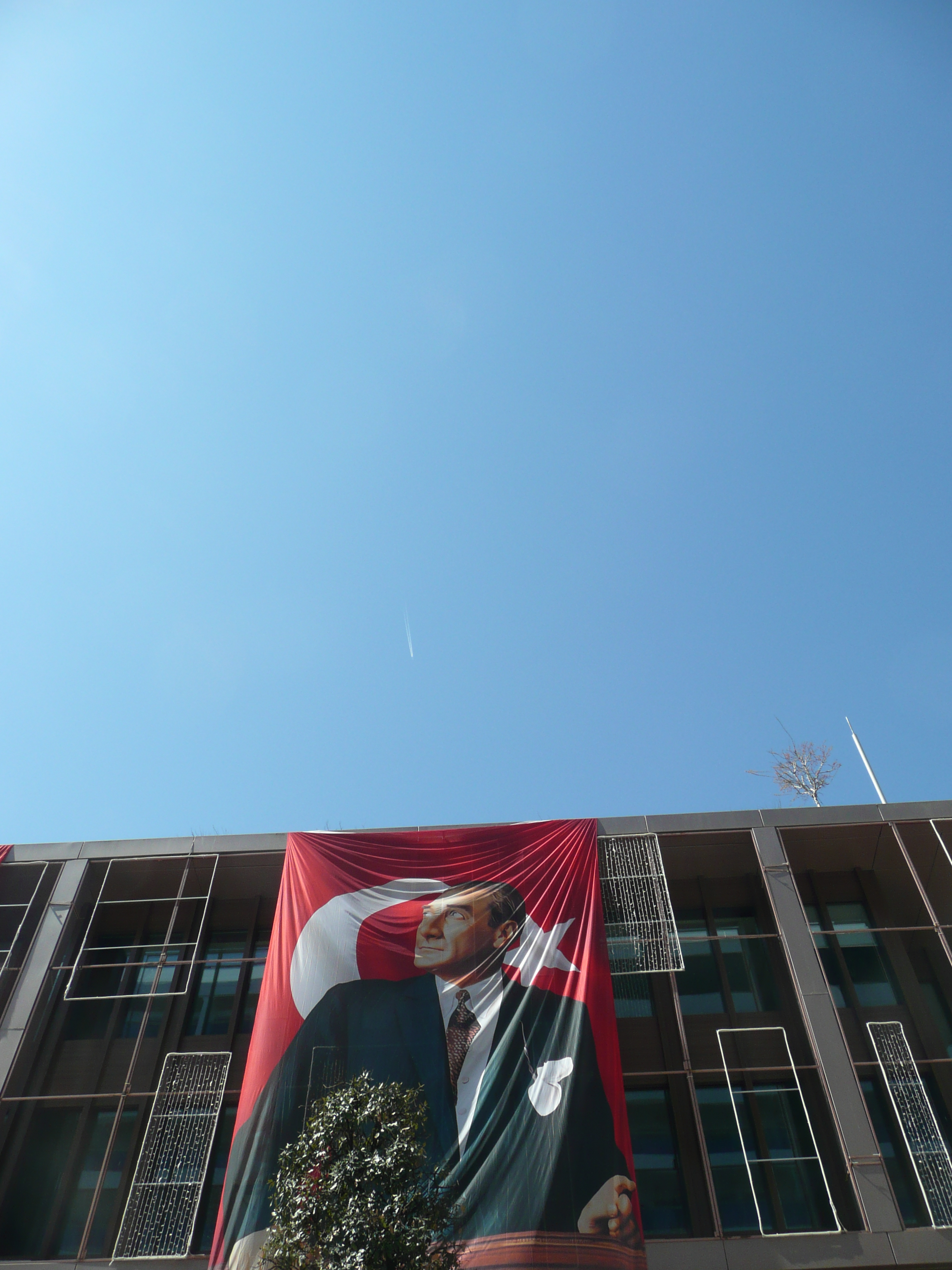
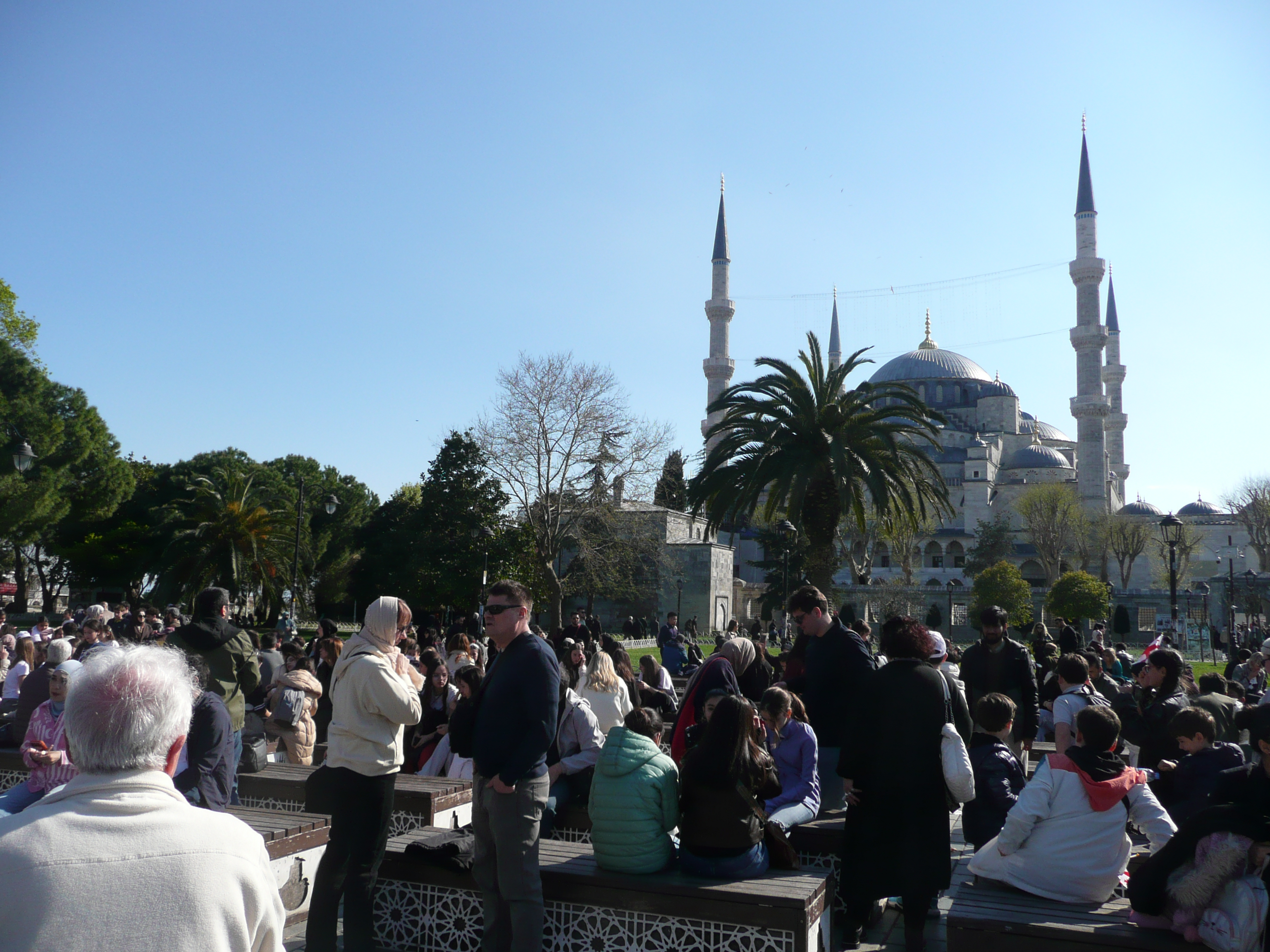
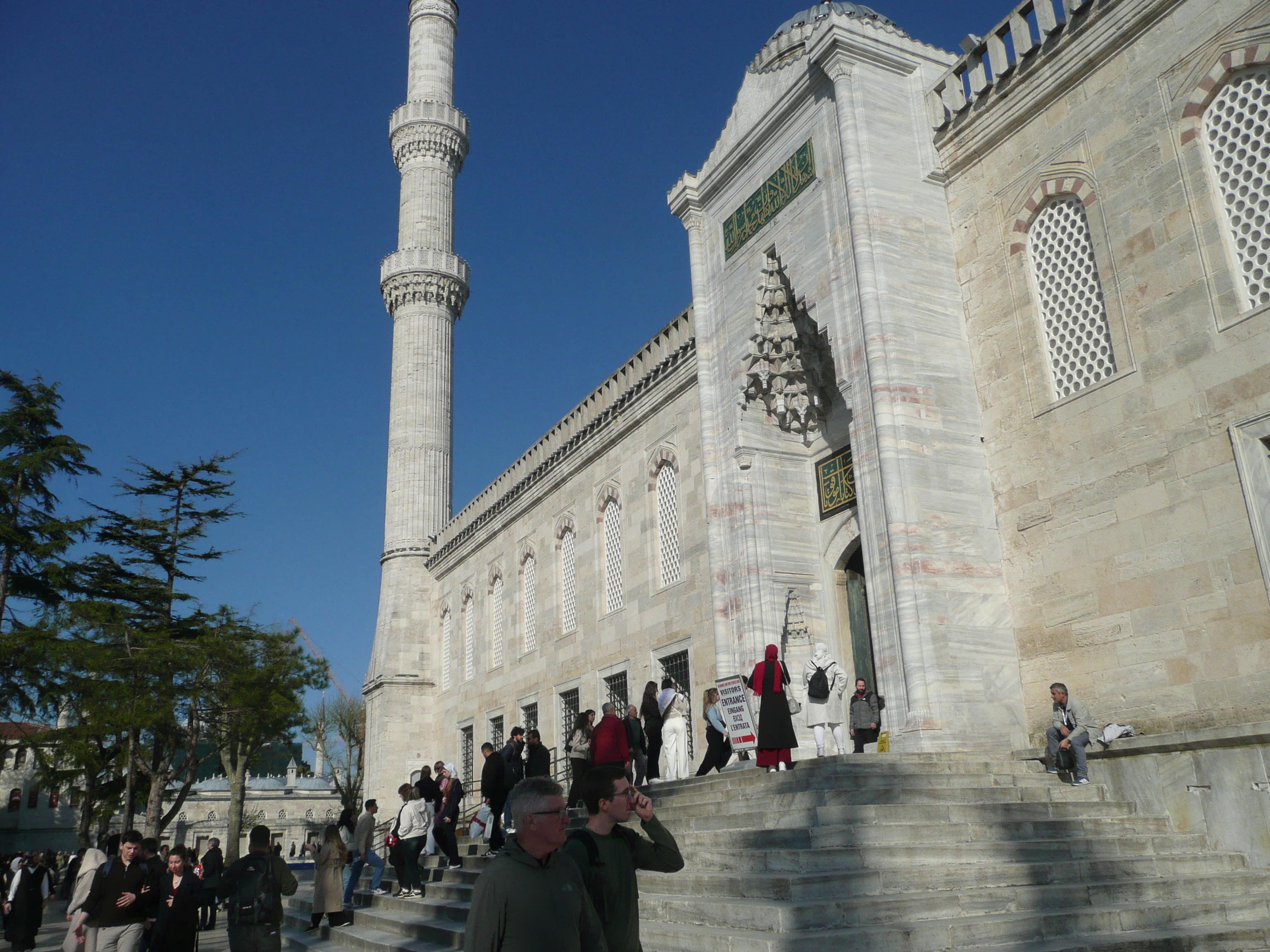
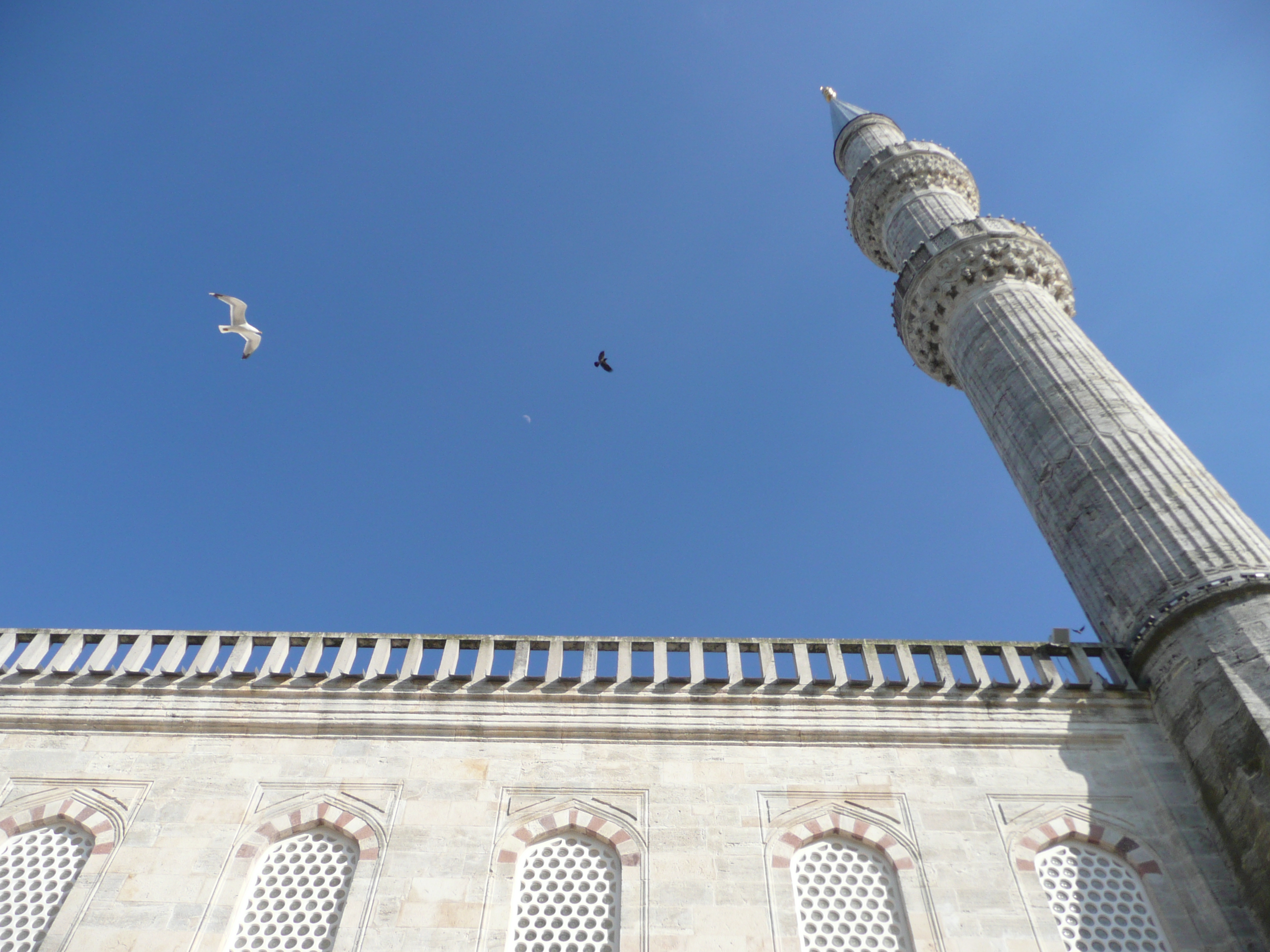
Zanim rozpoczniemy wędrówkę po Istambule, najpierw musimy odstać bardzo długą kolejkę do statkowej Recepcji, ponieważ według informacji na naszej karcie wizowej (Mürettebat geçici giriş belgesi) jesteśmy obywatelami Szwajcarii. Nie my jedni mamy problem ze źle wypełnionymi formularzami, stąd tłum ludzi. Kiedy wychodzimy na zalaną słońcem ulicę, okazuje się, że tego dnia w Turcji jest wielkie święto – Dzień Suwerenności Narodowej i Dzień Dziecka! Wszędzie są tłumy – ulice, parki, skwery, place są pełne ludzi, wielu urządza pikniki na trawie, jest gwarno i radośnie. Wszędzie, na prawie wszystkich budynkach wiszą ogromne flagi i równie ogromne portrety niebieskookiego mężczyzny… Ale o tym później, bo teraz jedziemy zobaczyć dwa najważniejsze meczety, których nie zdołałam zobaczyć czterdzieści lat temu – Błękitny i oczywiście Hagia Sophia.
Before we set off to explore Istanbul, we first have to wait in a very long line at the ship’s reception desk because, according to our temporary entry permits (Mürettebat geçici giriş belgesi), we are listed as Swiss citizens. We aren’t the only ones dealing with incorrectly filled-out forms—hence the crowd. When we step out onto the sun-drenched street, we discover that it is a major holiday in Turkey: National Sovereignty and Children’s Day! There are crowds everywhere—streets, parks, and squares are packed with people; many are picnicking on the grass, and the atmosphere is lively and joyful. Huge flags and equally massive portraits of a blue-eyed man hang from almost every building… But more on that later, because right now we are heading to see the two most important mosques—ones I missed out on seeing forty years ago: the Blue Mosque and, of course, the Hagia Sophia.
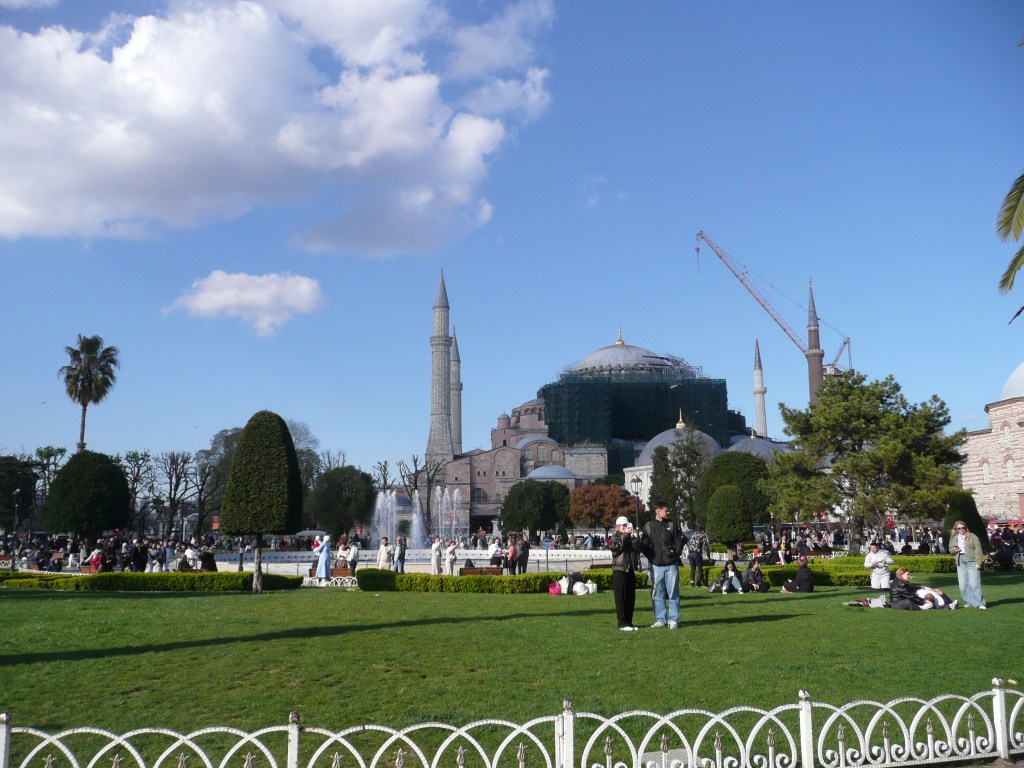
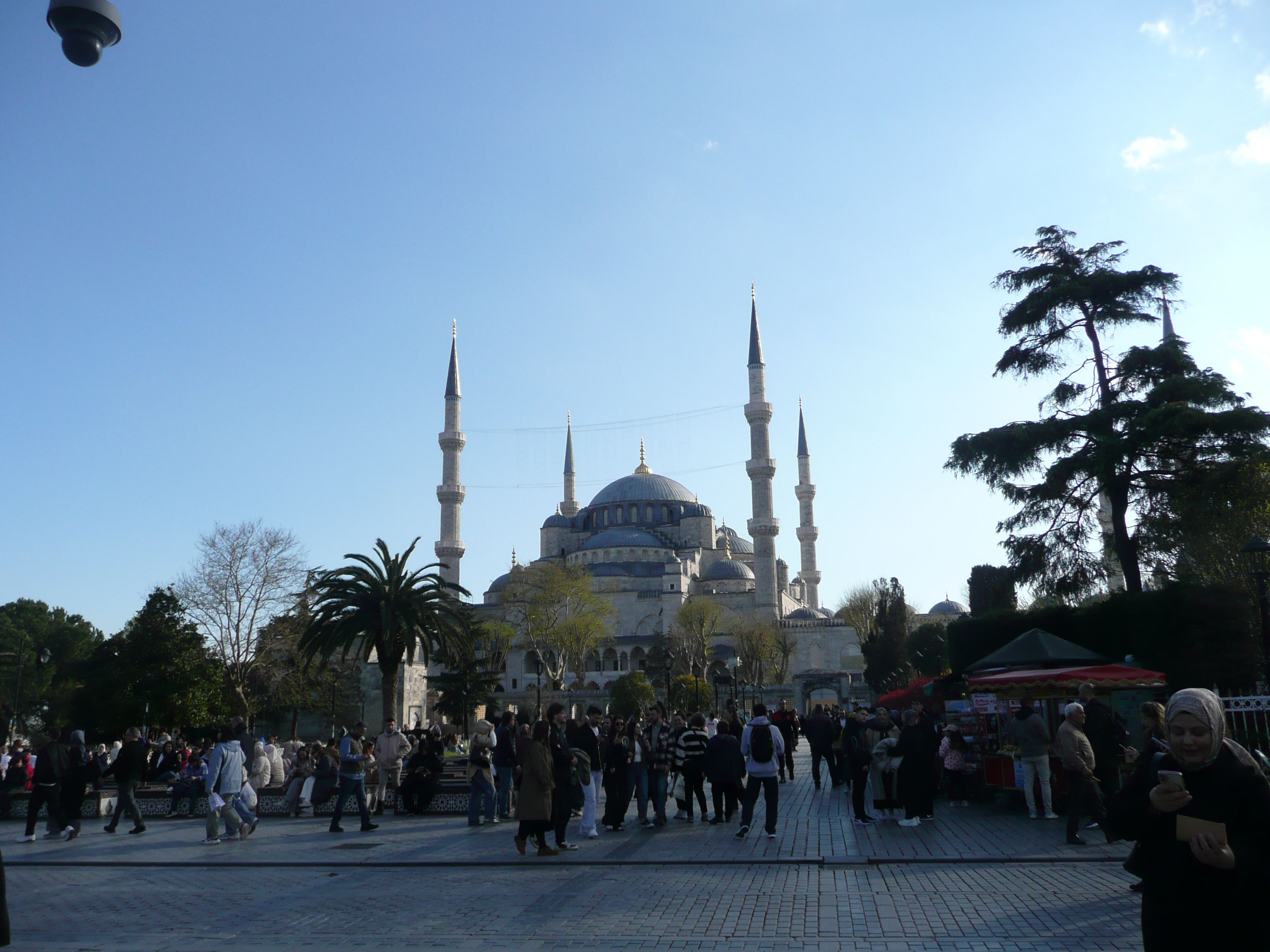
W historycznej dzielnicy Sultanahmet tłum jest jeszcze większy. Oba meczety są blisko siebie, ale okazuje się, że Hagia Sophia jest w remoncie, obstawiony rusztowaniami i niedostępny, więc niestety jeden mamy z głowy.
The crowd is even larger in the historic Sultanahmet district. The two mosques are close to each other, but it turns out the Hagia Sophia is undergoing renovations—surrounded by scaffolding and inaccessible—so, unfortunately, we can cross that one off the list.
Istanbul, Hagia Sophia 2026
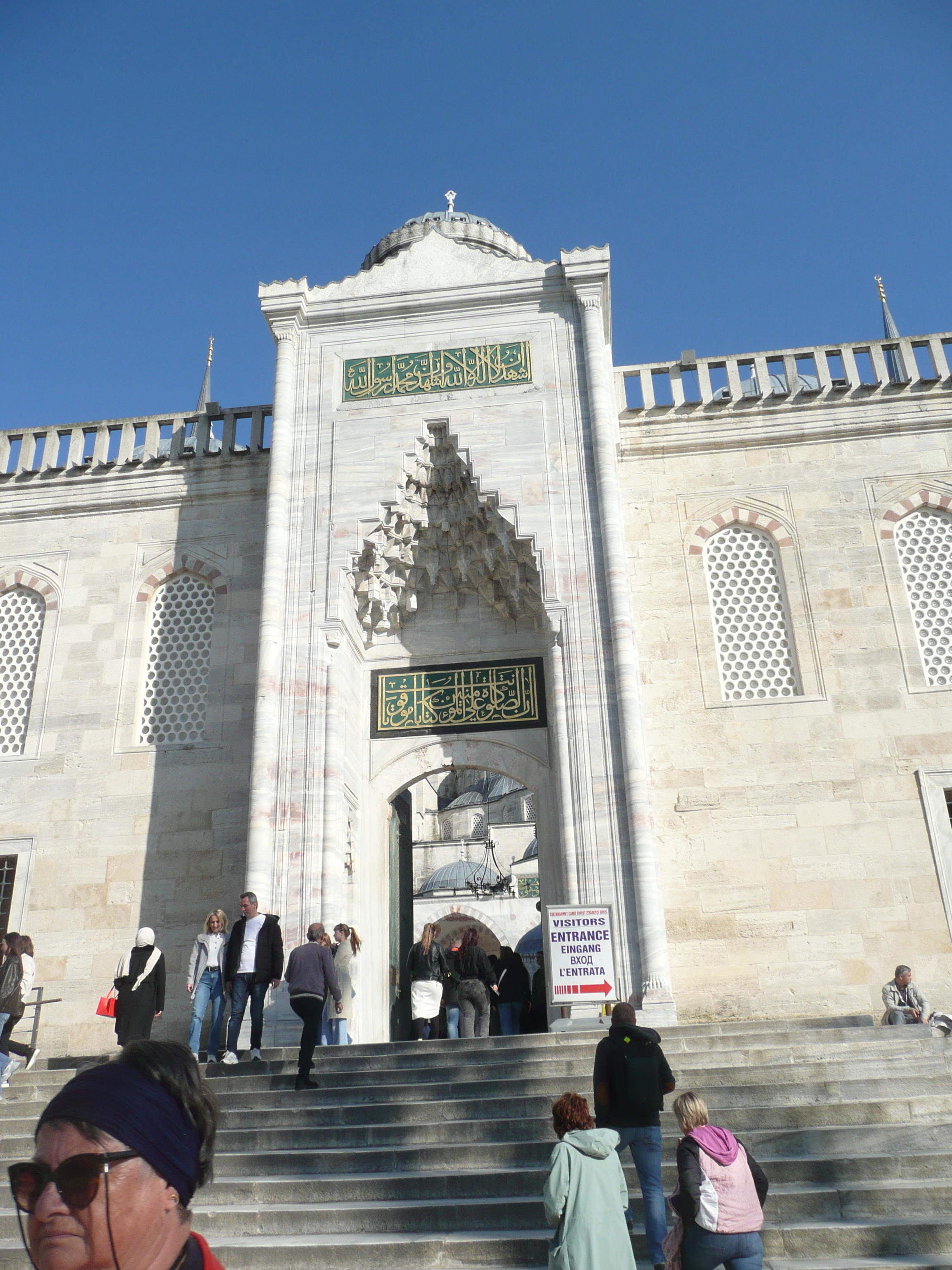
Niestety! Muszę iść siusiu, po prostu muszę! Umawiam się z Panem i Władcą przed wejściem do meczetu i biegnę w poszukiwaniu toalety. Pytam kilku kobiet o drogę, żadna nie zna angielskiego. W końcu jakiś młody chłopak wskazuje kierunek, więc pędzę tam, za meczet, daleko jak dla mnie, ale wreszcie docieram do wielkiego pawilonu, gdzie w kolejce czekają zastępy kobiet. Staję zaskoczona, bo w tym tłumie jestem jedyną bez hidżabu, więc uśmiecham się do nich, bo nie wiem jak mam się zachować. A one otaczają mnie i zagadują wesoło. Jedna z nich zna trochę angielski i pyta skąd jestem, inne chcą wiedzieć czy mam męża i ile mam dzieci (pytają tej, która zna angielski, a ona tłumaczy reszcie), czy mam ogród… Ja pytam o to, skąd przyjechały, czy mają duże rodziny i o wszystko, co mi przychodzi naprędce do głowy, mówię im że tureckie kobiety są bardzo piękne, odpowiadają mi okrzyki radości. Moja tłumaczka pyta, czy jej angielski jest dobry, chwalę ją bardzo. Pokazują mi ostatnie drzwi w długim korytarzu, gdzie jest „normalna” toaleta, pozwalając mi wejść poza kolejką. Potem dziękuję im bardzo i ściskam dziewczynę, która tłumaczyła. I teraz strasznie mi przykro, że nie zapamiętałam jej imienia.
Oh dear! I need to pee—I simply have to! I arrange to meet my Lord and Master outside the mosque entrance and run off in search of a restroom. I ask a few women for directions, but none of them speak English. Finally, a young boy points the way, so I rush over—past the mosque, quite a distance for me—until I reach a large pavilion where throngs of women are waiting in line. I stop, taken aback, realizing I am the only one in the crowd without a hijab; unsure of how to act, I simply smile at them. They crowd around me, chatting cheerfully. One of them speaks a little English and asks where I’m from; others want to know if I have a husband and how many children I have (they ask the English speaker, who translates for the rest), or if I have a garden… I ask where they’ve come from, if they have large families, and anything else that pops into my head; I tell them Turkish women are beautiful, and they respond with joyful cheers. My translator asks if her English is good, and I praise her highly. They point out the last door in the long corridor—where there is a „normal” toilet—and let me skip the line. Afterward, I thank them profusely and give the woman who translated, a hug. Now, I feel terrible that I didn’t remember her name.
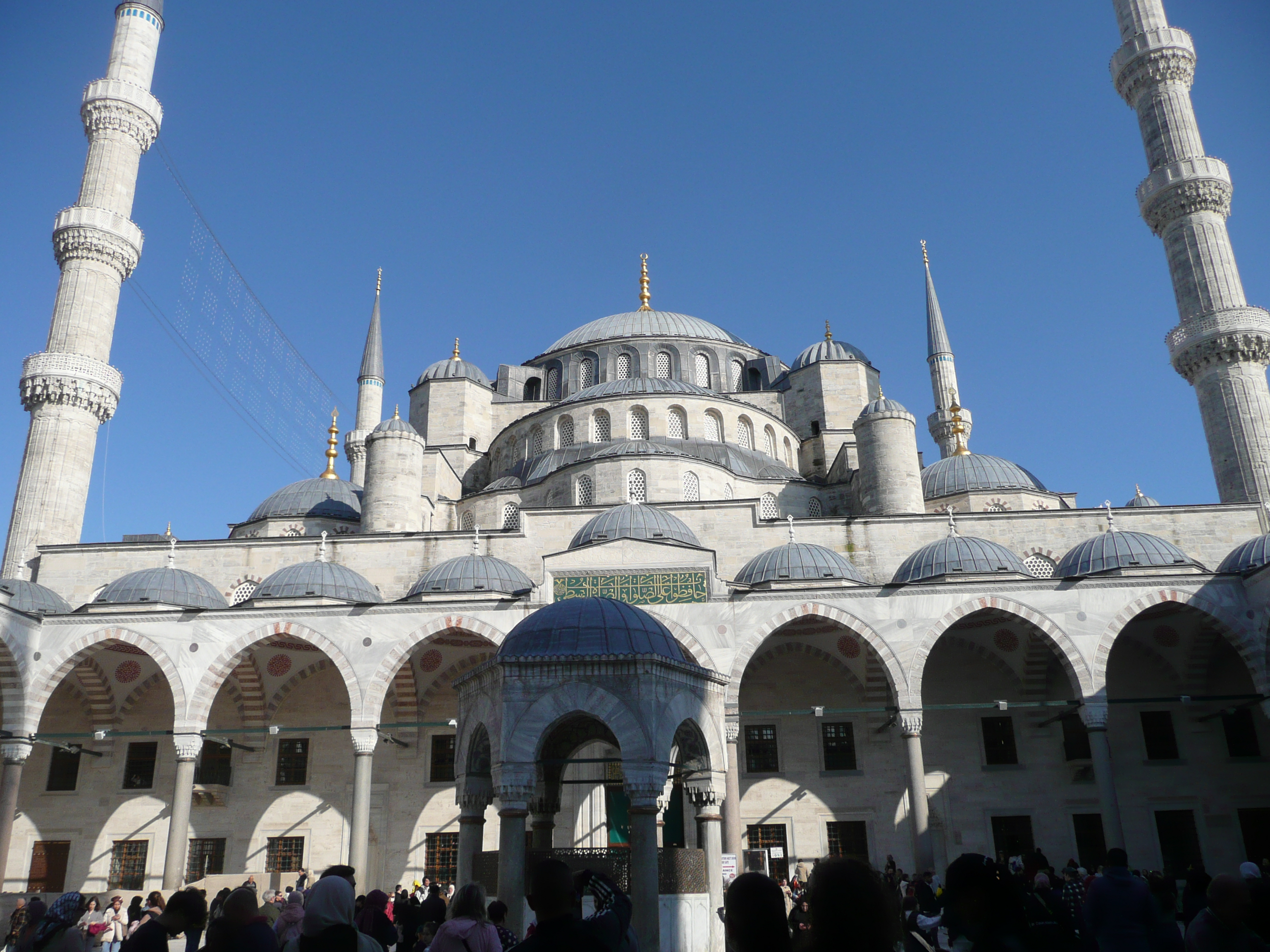
Odnajduję Pana i Władcę w tłumie przypadkiem – wcale nie czekał w umówionym miejscu. Słuchając śpiewu muezina idziemy na dziedziniec świątyni, gdzie niekończące się geometryczne wzory przypominają o wieczności, a kaligraficzne ornamenty zmieniają słowa w żywą sztukę, a mihrab wskazuje kierunek modlitwy…
I find the Lord and Master in the crowd by chance—he was not waiting at the agreed-upon spot at all. Listening to the muezzin’s chant, we walk into the temple courtyard, where endless geometric patterns evoke eternity, calligraphic ornaments transform words into living art, and the mihrab points the direction of prayer…
Stolica kolejnego, wielkiego imperium! Nie mogłam się doczekać! Byłam w tym mieście ponad czterdzieści lat temu, ale teraz jest nie do poznania – drapacze chmur, nowe mosty, system transportu podziemnego, modne kawiarnie, galerie sztuki i butiki w dawniej zaniedbanych dzielnicach i wielki rozrost miasta. Kiedyś mieszkało tu pięć milionów ludzi, dziś ponad szesnaście, choć niektórzy mówią, że dwadzieścia… Pięknie…
The capital of yet another great empire! I couldn’t wait! I had visited this city over forty years ago, but it is unrecognizable now — skyscrapers, new bridges, an underground transport system, trendy cafés, art galleries and boutiques in formerly neglected neighborhoods, and massive urban expansion. Five million people used to live here; today, it’s over sixteen million—though some say twenty… Beautiful…
Istanbul 2026
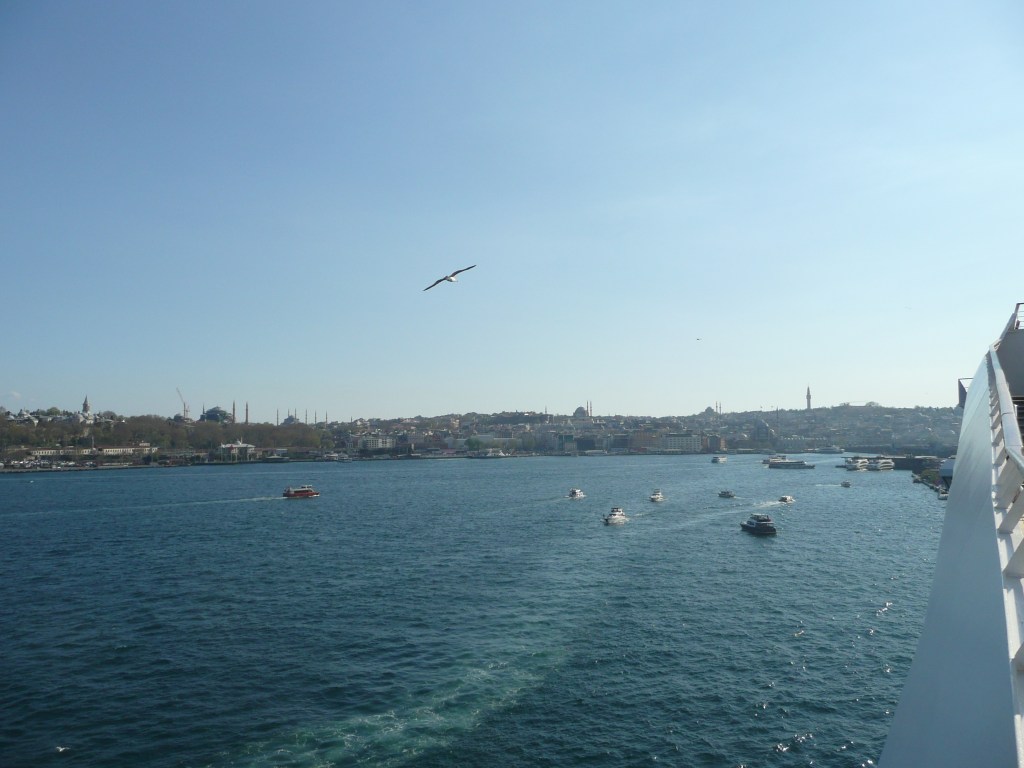
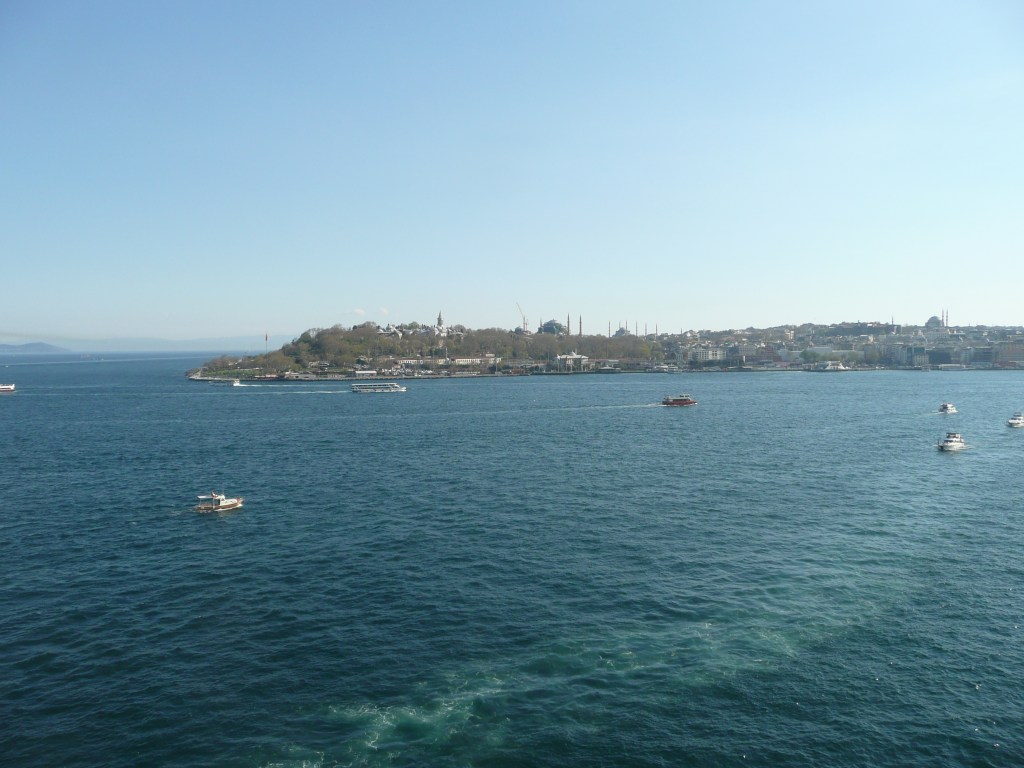
Zacumowaliśmy przy obrzydliwie nowoczesnym, ogromnym Galataport, skąd roztacza się widok na niemożliwie zatłoczony statkami i łodziami Bosfor, na niezliczone meczety, w tym górujący nad miastem nowy, ogromny Meczet Çamlıca, na parki, ogrody i pałace, na mosty pełne ludzi i pojazdów…
We docked at the hideously modern, massive Galataport, which offers a view of the Bosphorus—impossibly crowded with ships and boats—of countless mosques, including the vast new Çamlıca Mosque towering over the city, of parks, gardens, and palaces, and of bridges teeming with people and vehicles…
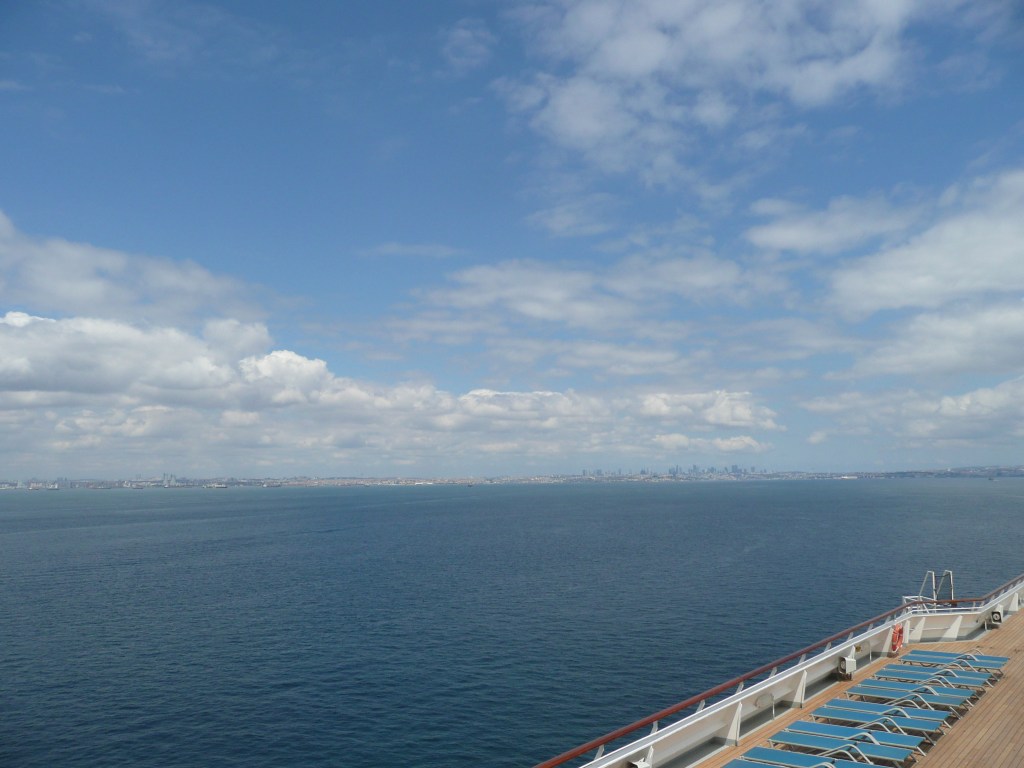
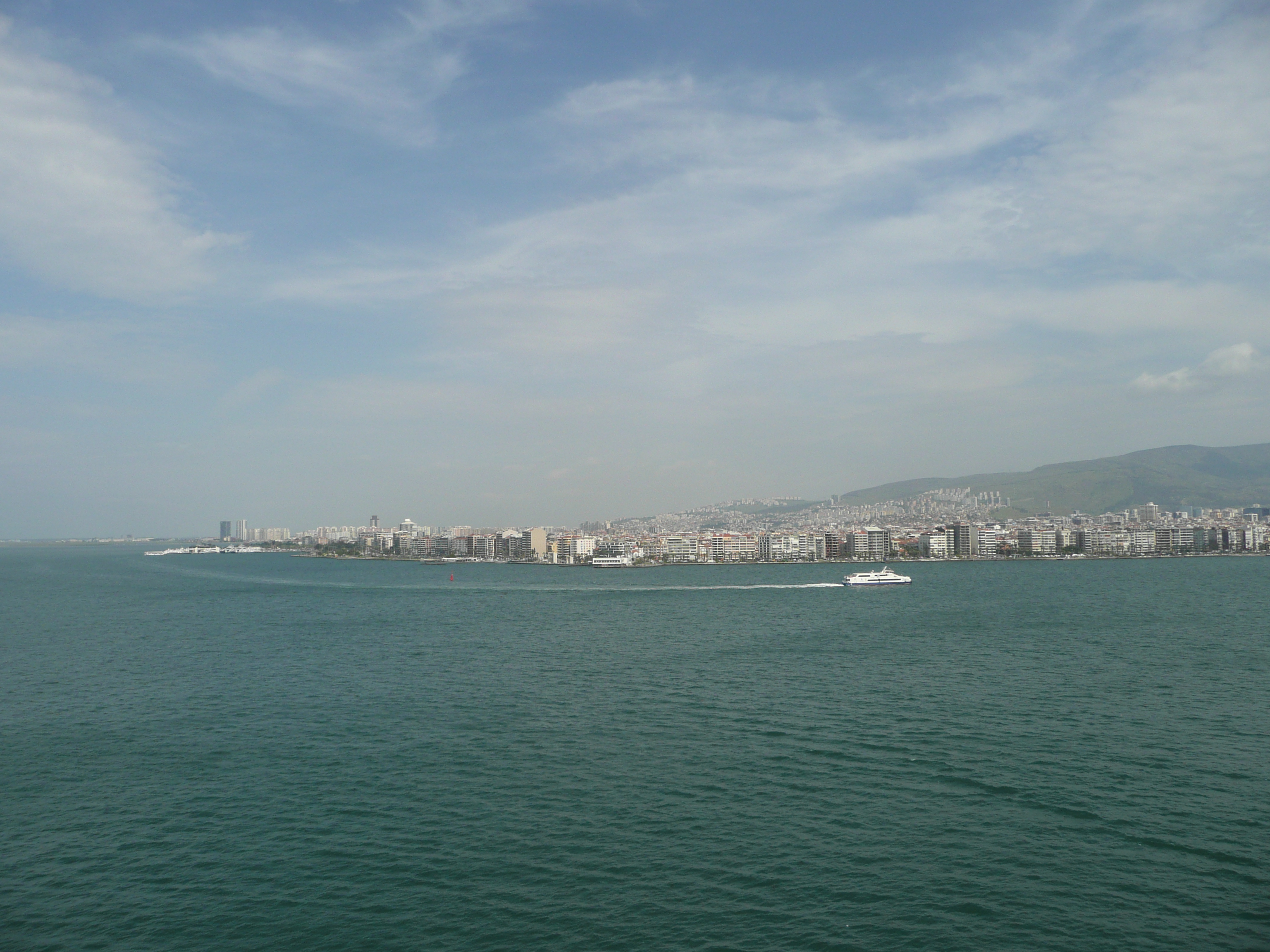
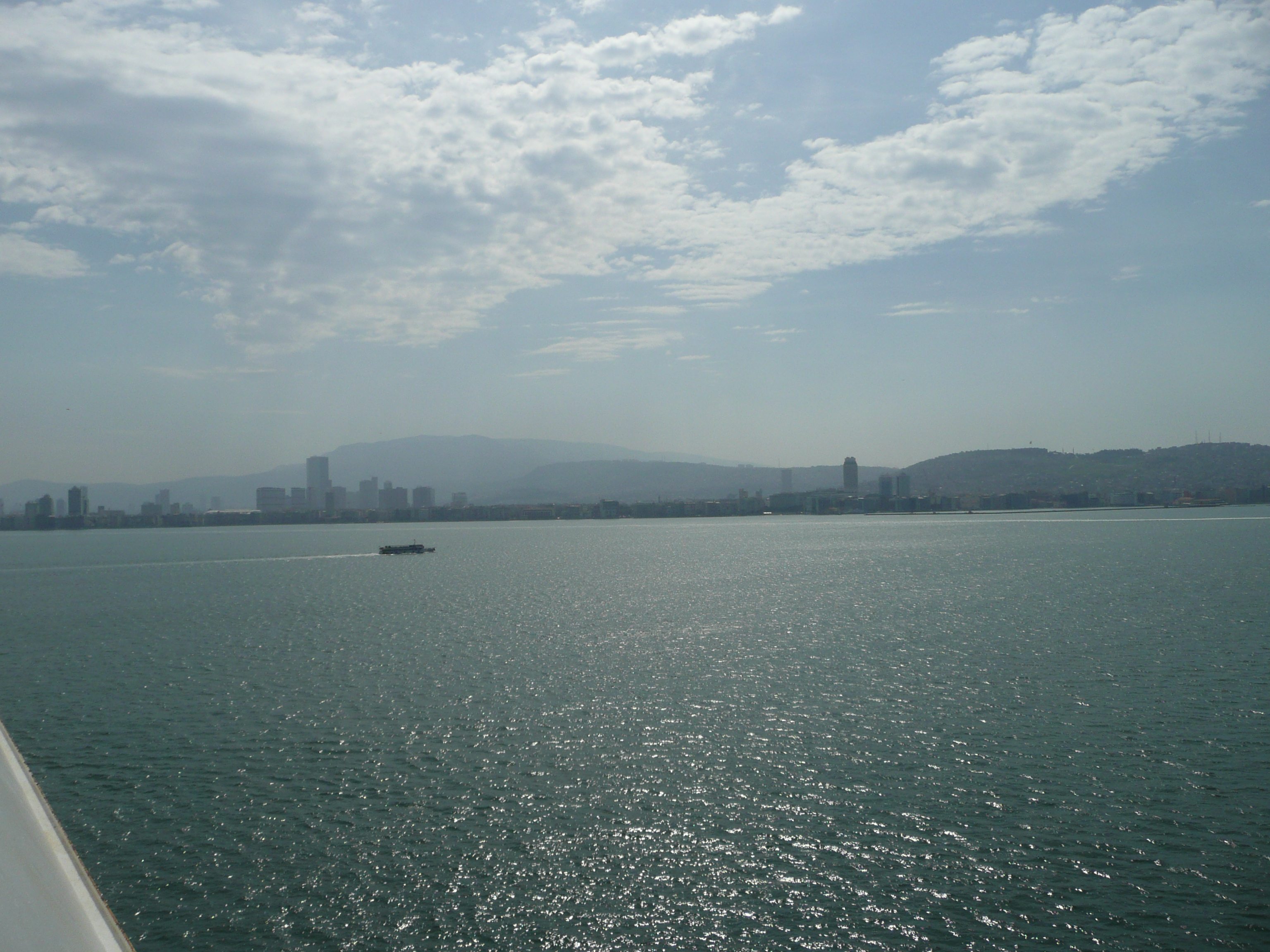
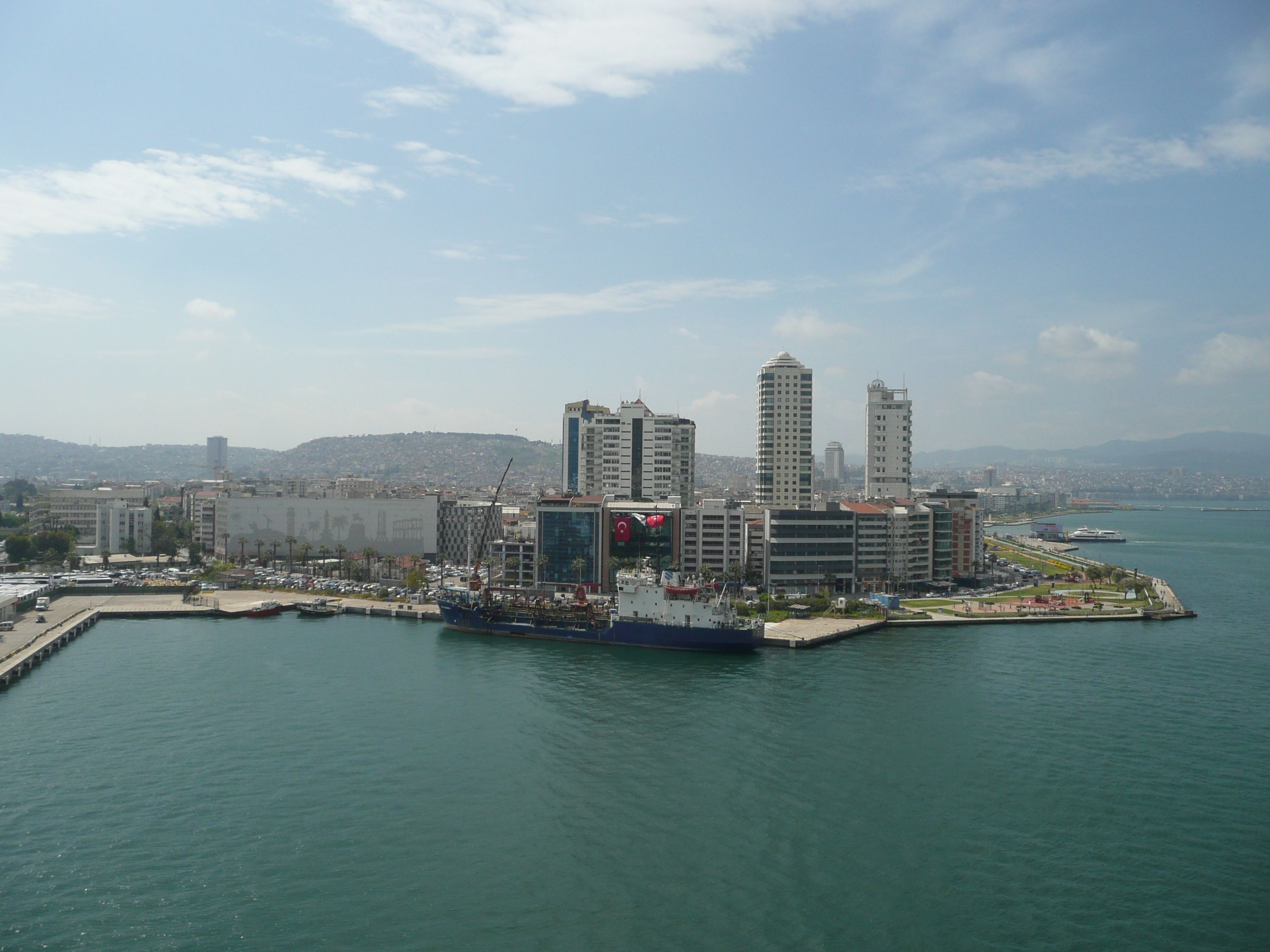
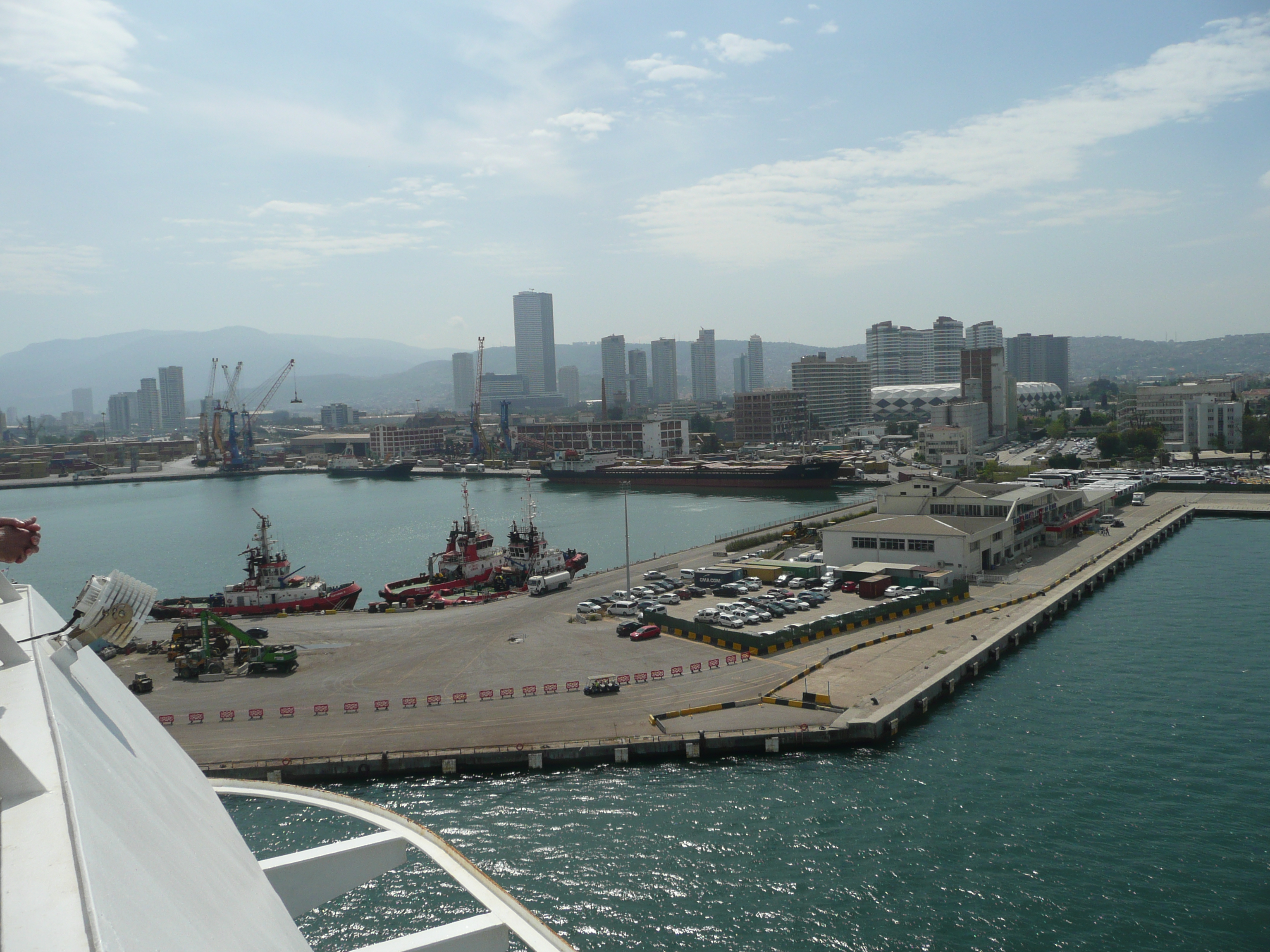
Po dwóch dniach podróży po płaskim jak stolnica Morzu Egejskim zobaczyliśmy wielkie miasto – Izmir.
After two days of traveling across the Aegean Sea—flat as a tabletop—we saw a great city: Izmir.
Izmir ze swoją ponad czteromilionową populacją i mimo historii liczącej ponad osiem tysięcy lat nie był dla nas zachęcającym miejscem, tym bardziej, że było gorąco. Postanowiliśmy odpuścić sobie wizytę w ruinach Efezu i (domniemanego) domu Dziewicy Maryji i połazić po dzielnicy portowej.
Izmir—with a population of over four million and a history spanning more than eight thousand years—did not strike us as a particularly inviting place, especially given the heat. We decided to skip a visit to the ruins of Ephesus and the (purported) House of the Virgin Mary, opting instead to wander around the port district.
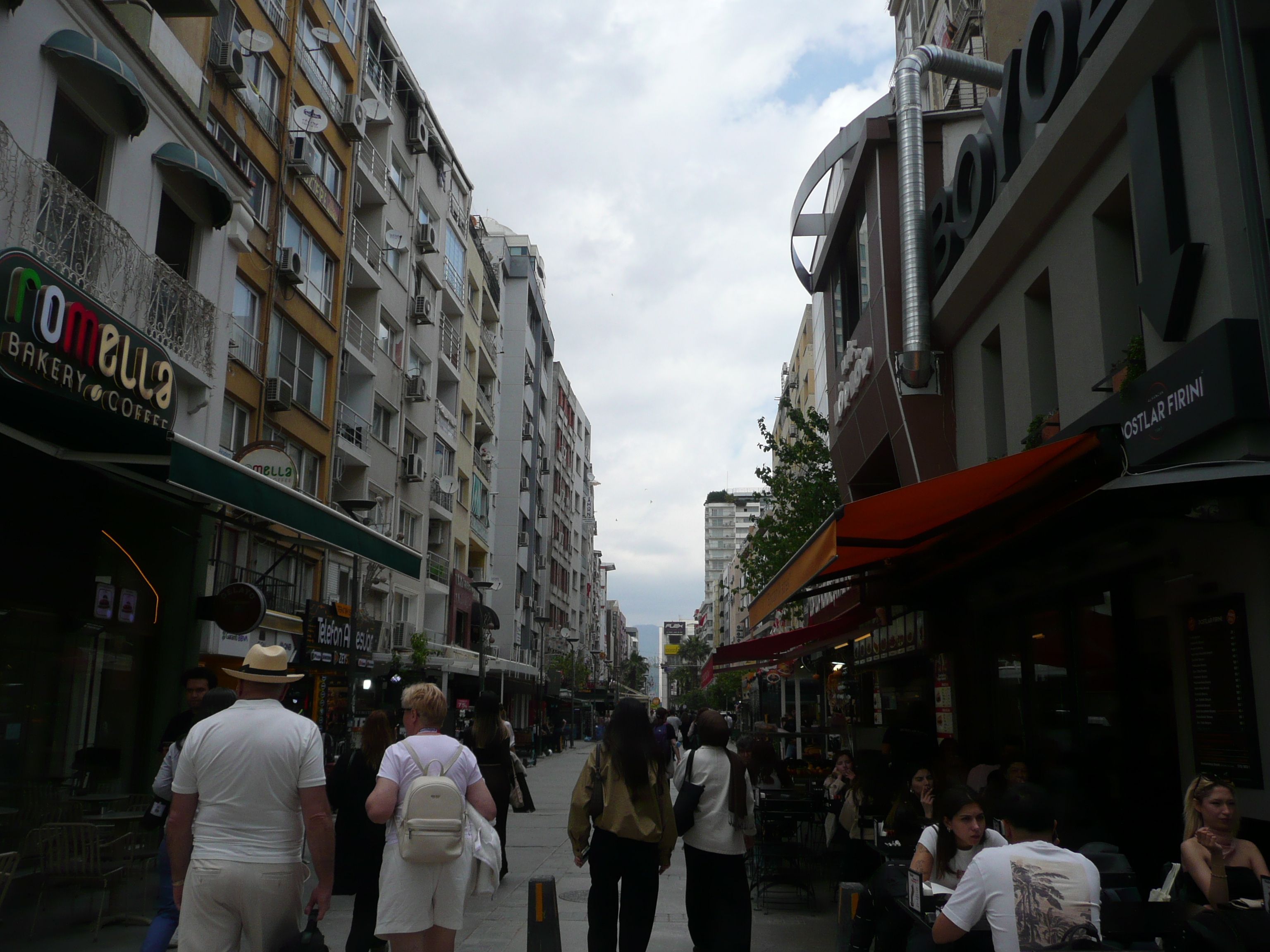
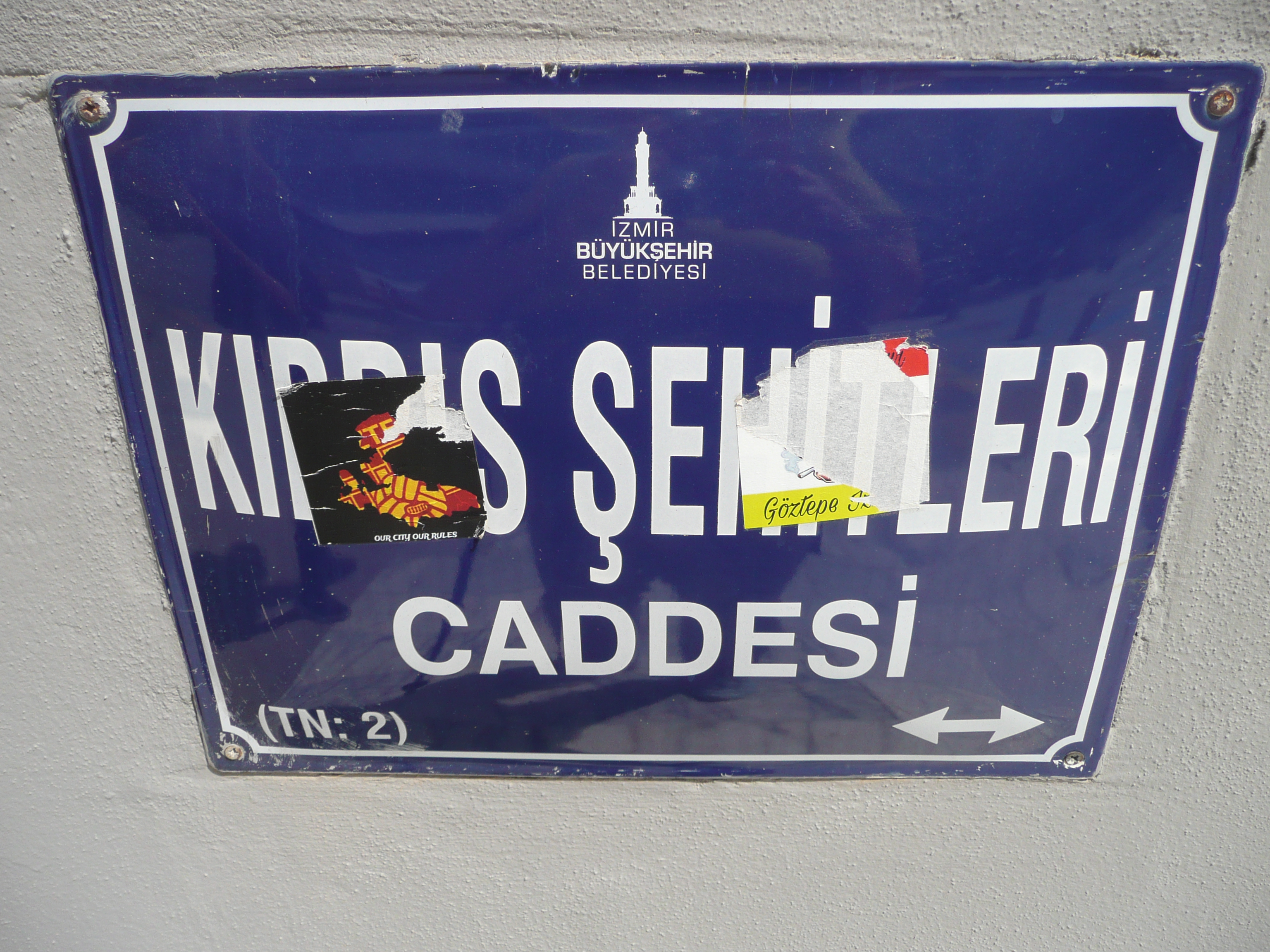
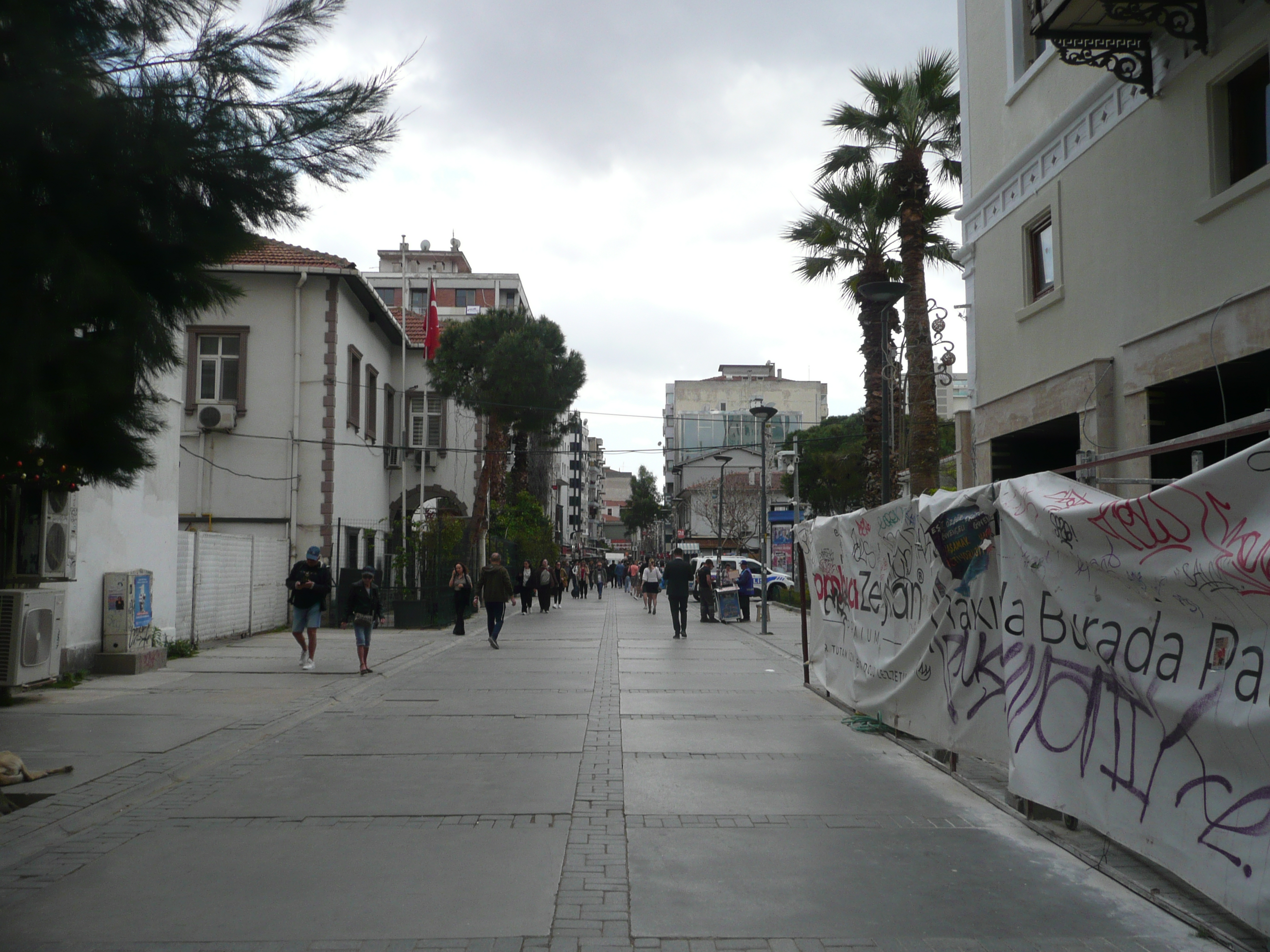
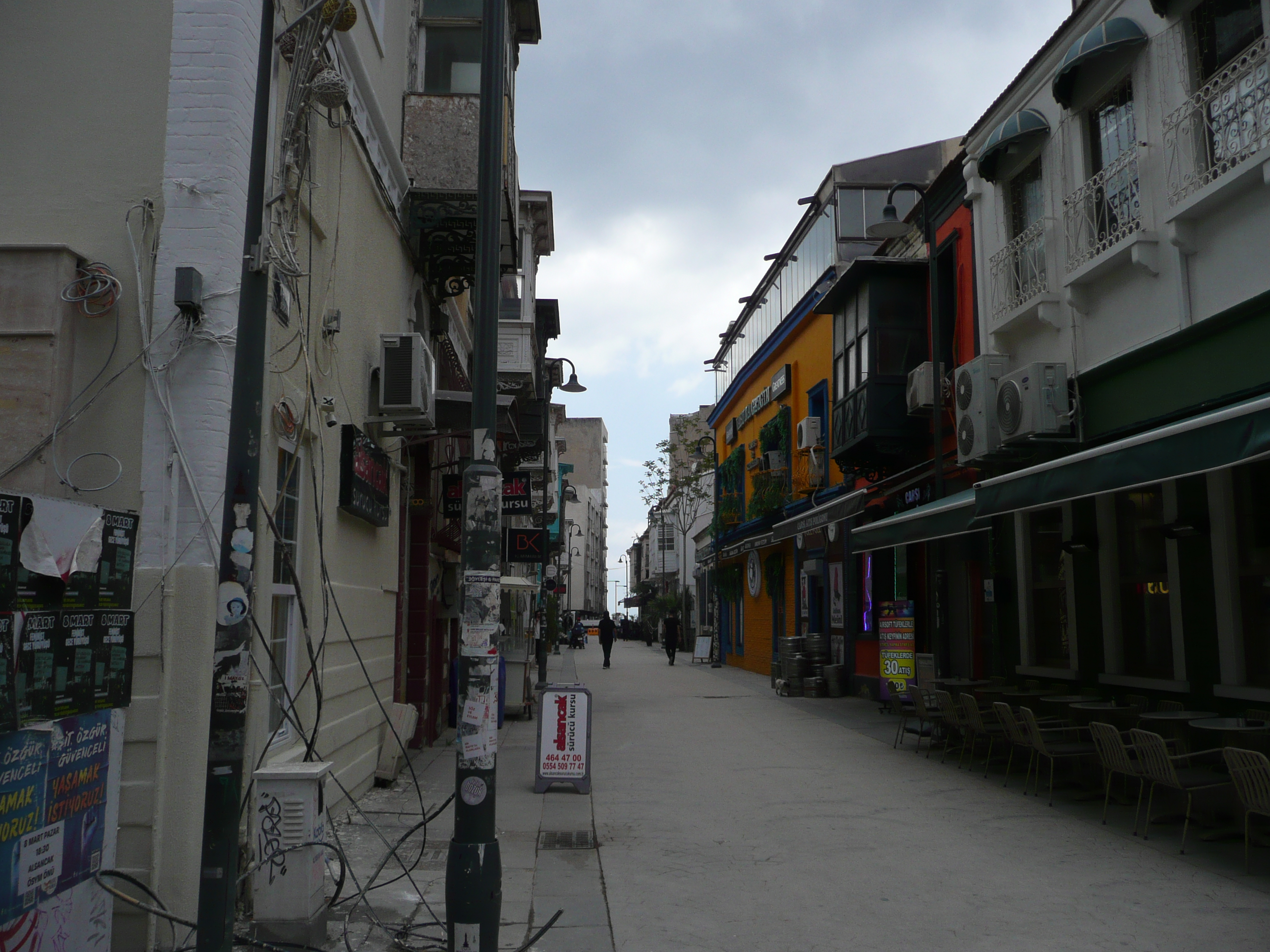
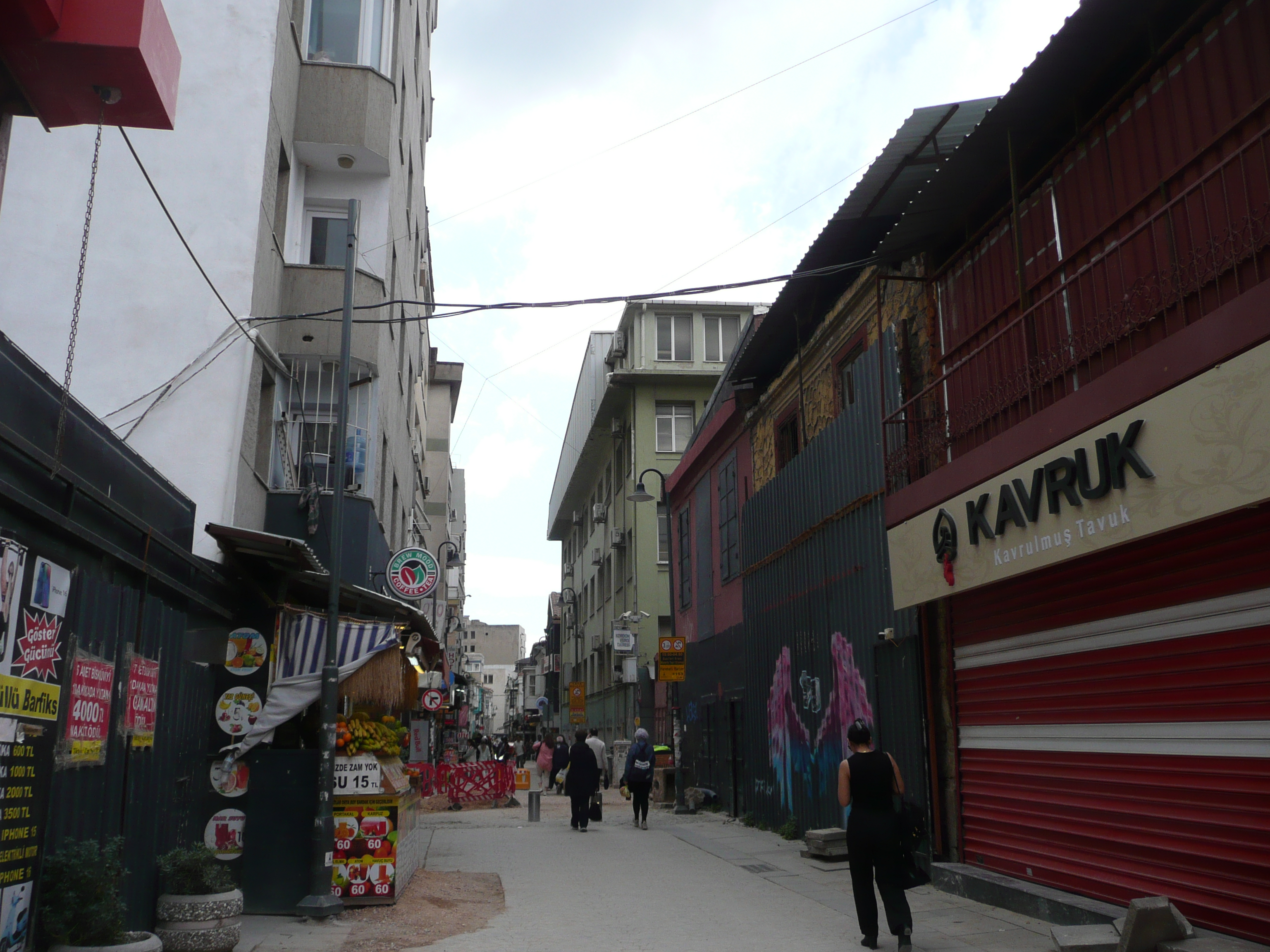
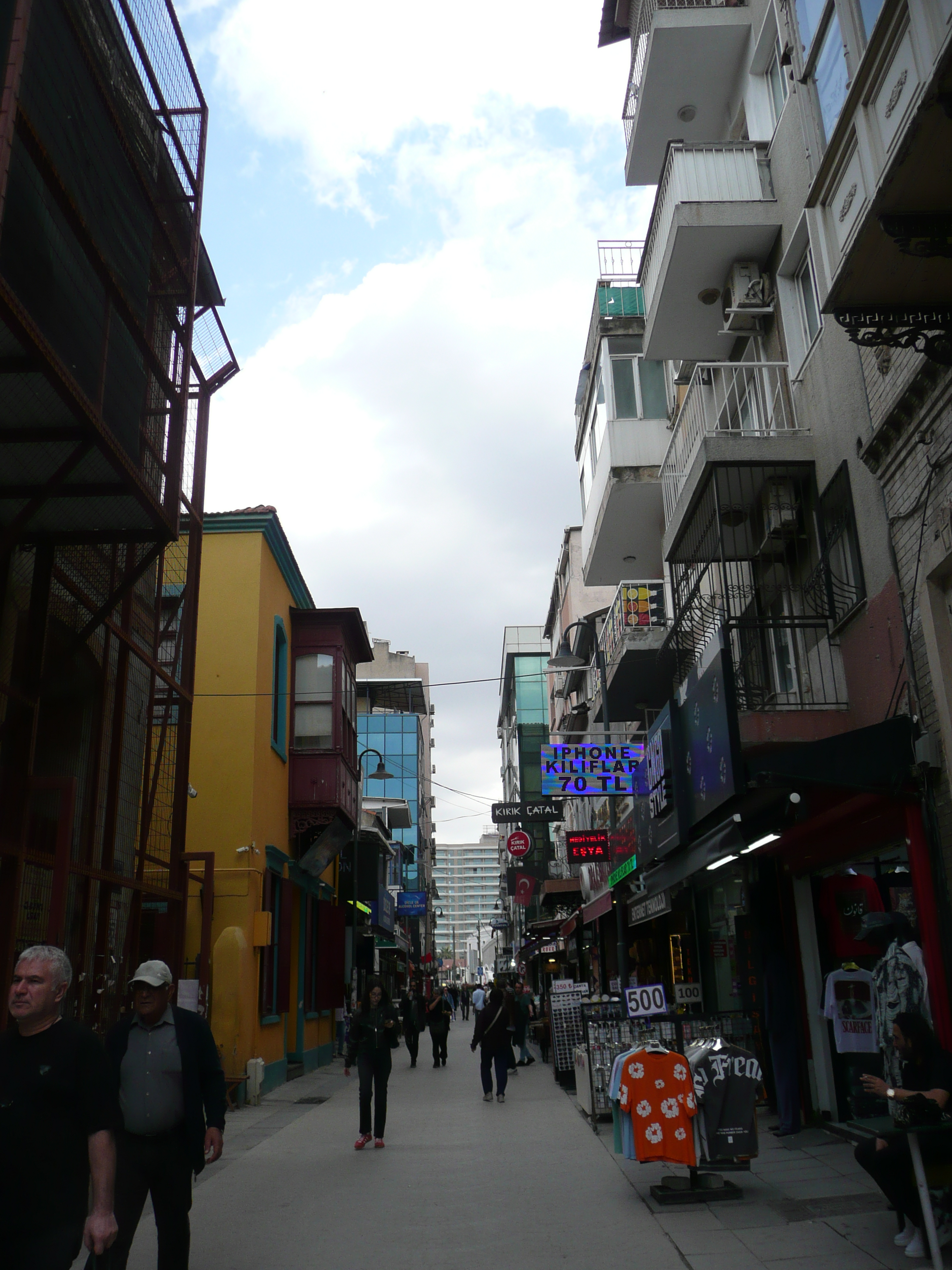
Izmir jest wielki, port w Izmirze jest wielki, dzielnica portowa, zwana Alsancak jest… rozkopana. Idziemy szeroką ulicą Kıbrıs Şehitleri Caddesi, omijając dziury w chodniku i spieszący się tłum. Po obu stronach są dziesiątki małych i większych restauracji, kawiarni i barów w których siedzą zadowoleni ludzie, zapach jedzenia i kawy zachęca do posiedzenia w którymś z tych miejsc. Uwielbiam klimat takich dzielnic – stare domy, grajkowie siedzący przy murach, egzotyczne zapachy i przyjaźni, zadowoleni ludzie.
Izmir is huge, its port is huge, and the port district—known as Alsancak—is… torn up by construction. We walk along a wide street Kıbrıs Şehitleri Caddesi, dodging potholes in the sidewalk and the rushing crowds. On both sides, there are dozens of restaurants, cafés, and bars—large and small—filled with happy people; the aroma of food and coffee invites you to sit down at one of them. I love the atmosphere of neighborhoods like this: old buildings, street musicians sitting by the walls, exotic scents, and friendly, contented people.
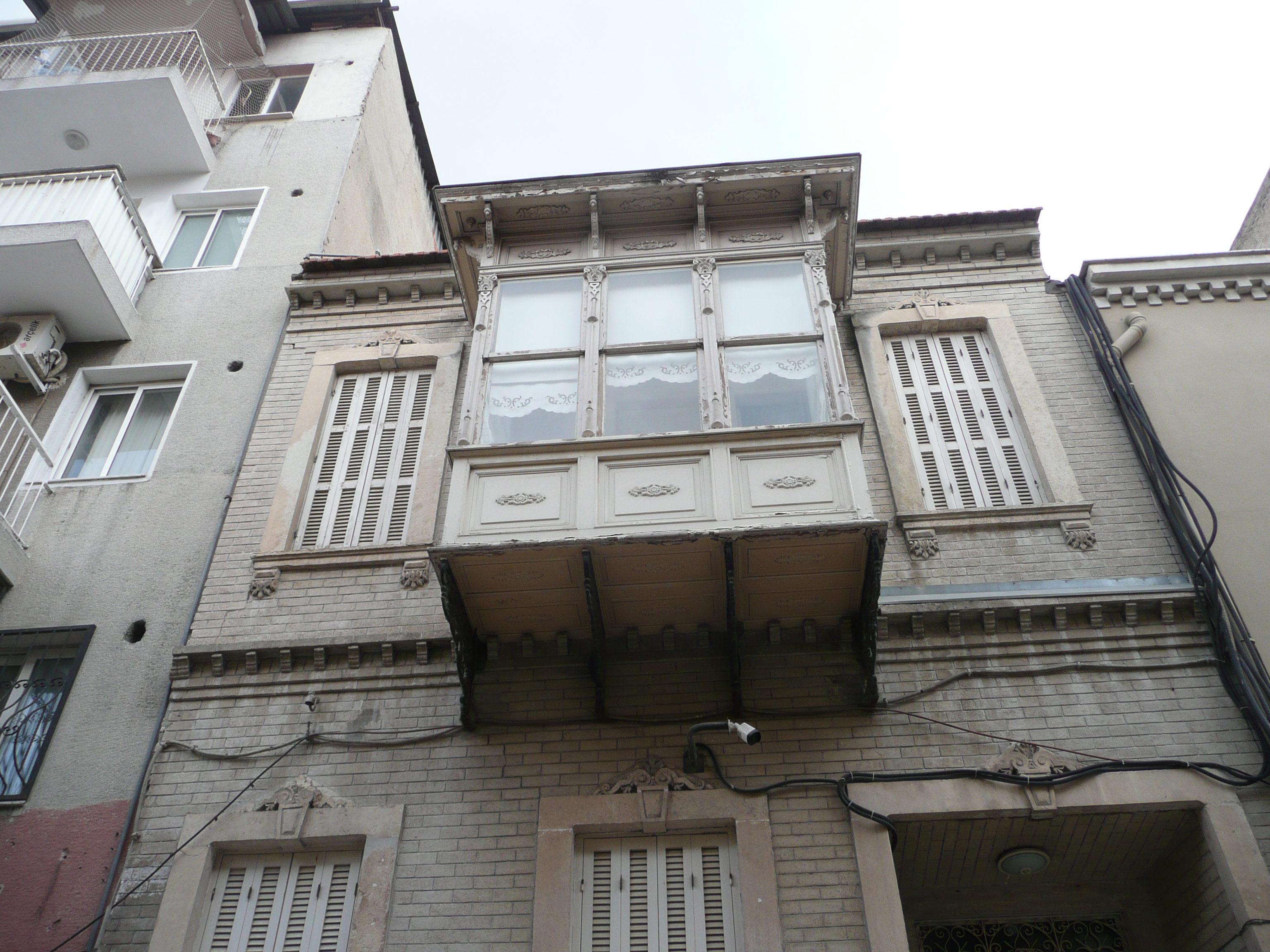
Potem skręcamy w jedną z wąskich uliczek, znęceni brakiem tłoku. To stara część dzielnicy, w czasach ottomańskich zwana „La Punta”, była siedzibą klasy średniej miasta. Żyli tu ludzie wielu kultur i religii – nie tylko muzułmanie, ale i żydzi, protestanci i katolicy, a wiele kościołów chrześcijańskich było wspieranych finansowo przez sułtana.
Then we turn into one of the narrow streets, drawn by the lack of crowds. This is the old part of the district—known in Ottoman times as „La Punta”—which was home to the city’s middle class. People of many cultures and religions lived here—not only Muslims but also Jews, Protestants, and Catholics—and many Christian churches received financial support from the Sultan.
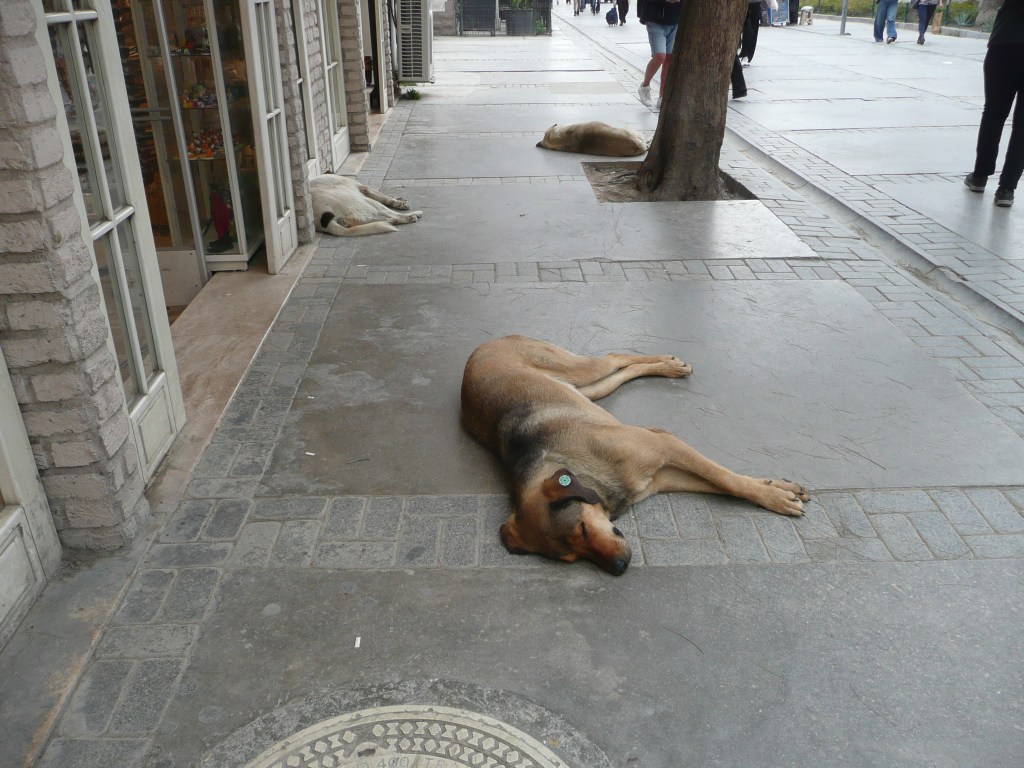
W mieście jest mnóstwo kotów i psów i mimo że są bezpańskie, są otoczone opieką mieszkanców. Wszędzie stoją miski z wodą i jedzeniem, zwierzęta są traktowane przyjaźnie i są stałym elementem lokalnego życia. i to mnie cieszy. Ale ponieważ w Turcji jest ponad cztery miliony bezpańskich psów, to w ostatnich latach tureckie władze przyjęły kontrowersyjne prawo zezwalające na usuwanie i eutanazję psów, jeżeli stanowią one zagrożenie lub gdy brakuje dla nich miejsc w schroniskach. Schroniska nie mają możliwości pomieścić milionów bezdomnych zwierząt. Wprowadzone przepisy stały się dla niektórych gmin pretekstem do masowych egzekucji zwierząt w brutalny sposób. Wiele osób z zagranicy adoptuje tureckie psy, ratując je przed strasznym losem. Ale tym trzem mam nadzieję nic nie grozi:
There are countless cats and dogs in the city, and although they are strays, they are cared for by the residents. Bowls of food and water are found everywhere; the animals are treated kindly and are a fixture of local life—something that makes me happy. However, given that there are over four million stray dogs in Turkey, the authorities have recently adopted a controversial law allowing for the removal and euthanasia of dogs if they pose a threat or if there is no room for them in shelters. Shelters simply lack the capacity to house millions of homeless animals. For some municipalities, these regulations have become a pretext for the mass, brutal slaughter of animals. Many people from abroad adopt Turkish dogs, saving them from a terrible fate. But I hope these three are in no danger:
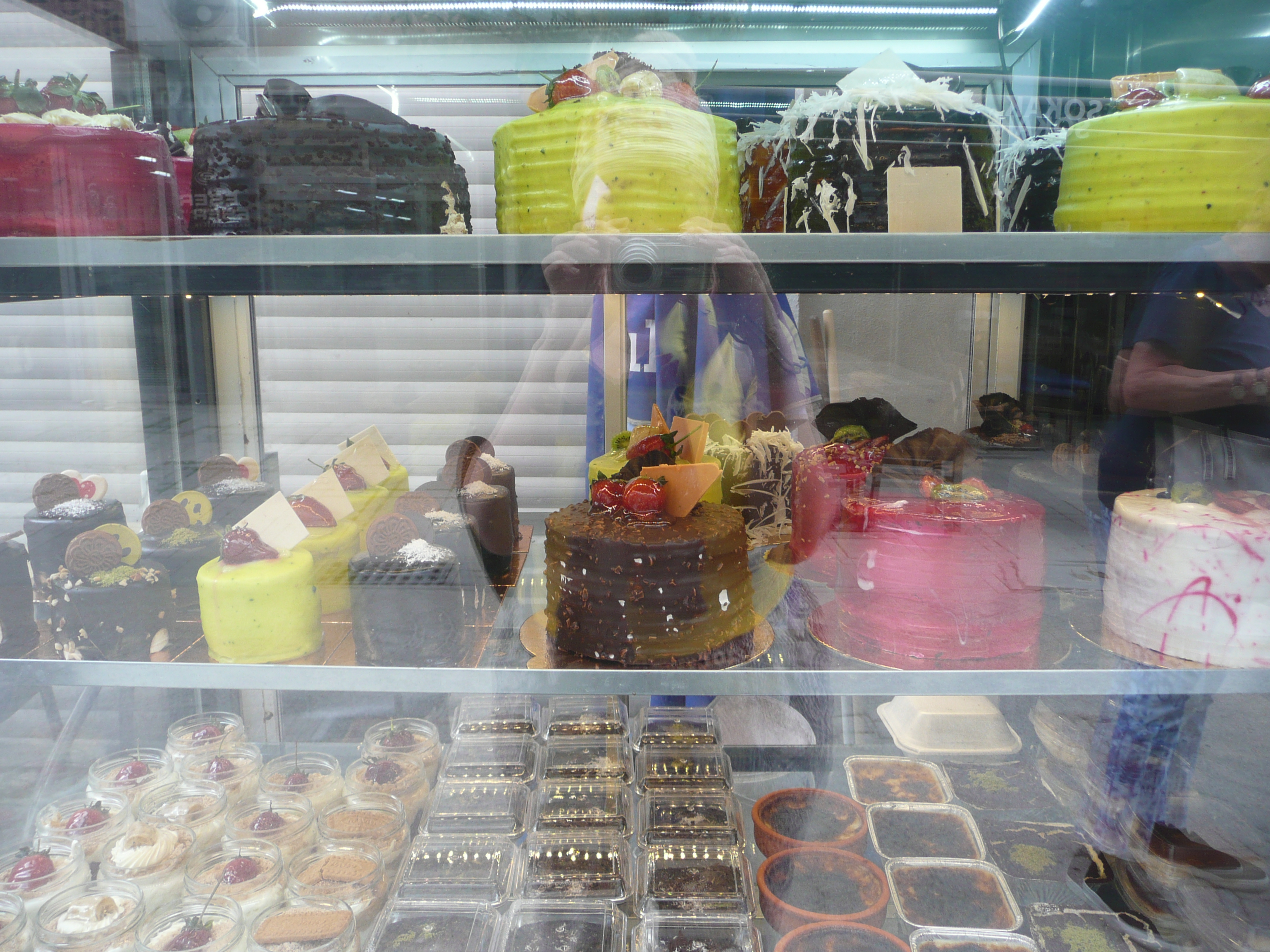
W końcu tracycyjnie idziemy na kawę, tym razem po turecku. Jest pyszna, zwłaszcza w towarzystwie tureckich łakoci.
Finally, we go for coffee as usual—Turkish-style this time. It is delicious, especially accompanied by Turkish sweets.