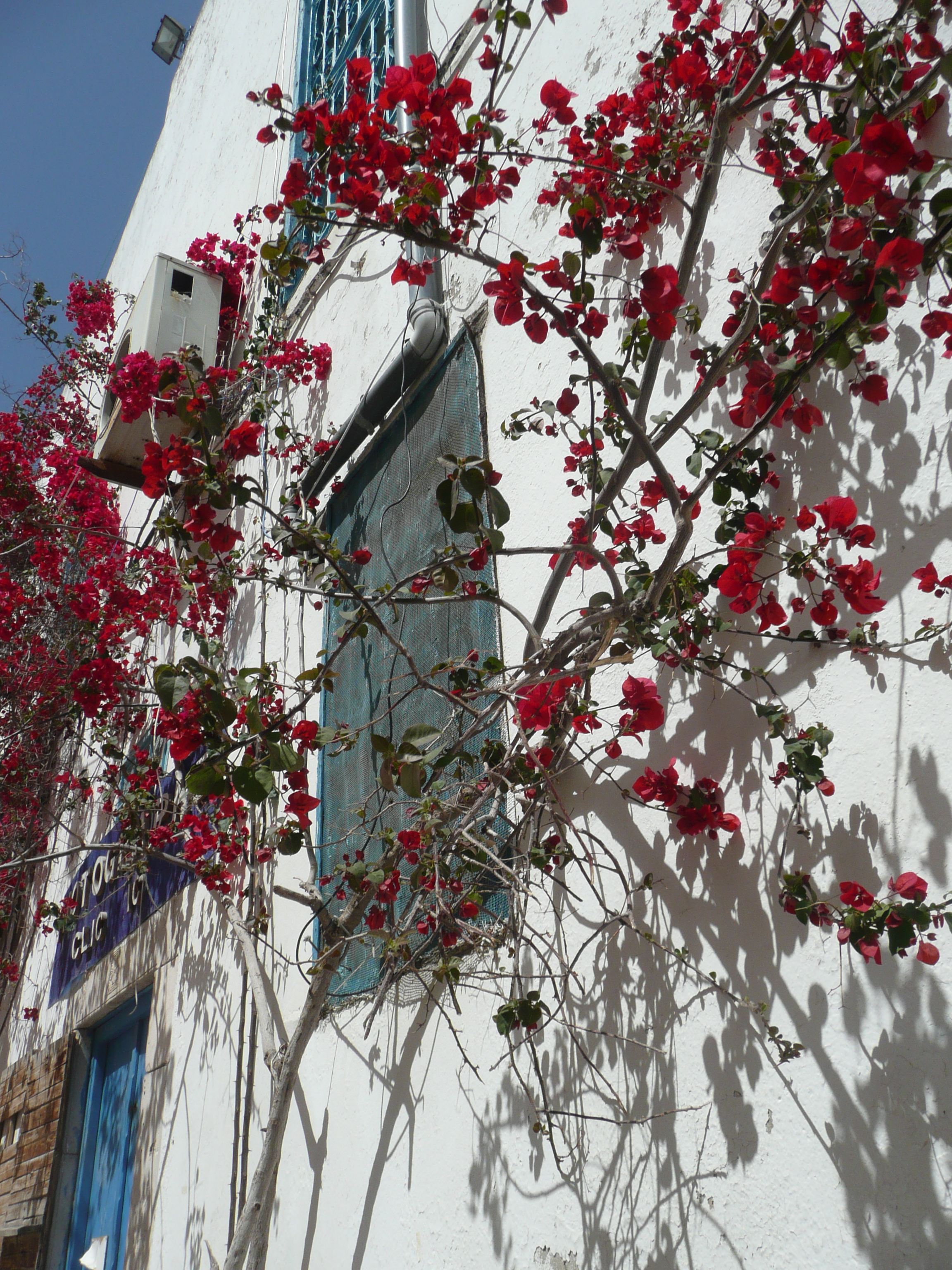
Medina, Tunis

Tunis, Medina

Kolejny obowiązkowy punkt zwiedzania – sklep z pamiątkami, do którego przyprowadza nas „zabiegana” przewodniczka. Tu mamy mnóstwo czasu na oglądanie, wybieranie i oczywiście kupowanie. Zaczyna się od pokazu dywanów, których zapach unosi się w powietrzu wraz z wełnianym kurzem. Na szczęście nie tylko my uczestniczymy w spektaklu, więc nieuprzejmie wymykam się z sali i przechodzę do następnego pomieszczenia. Od razu dopadają mnie sprzedawcy, proponując wszystko, cokolwiek mi się zamarzy. Pytam o wełnę, z której robią dywany (pytam tak sobie), prowadzą mnie po schodach, na sam szczyt budynku, skąd roztacza się niesamowity widok na Medinę, na meczety, na dachy innych domów… Czuję, że taki sam widok rozpościerał się z tego dachu od stuleci i chciałabym jeszcze tak postać i poczuć się jak podróżnik w czasie, ale przychodzi jakaś kobieta z kilkoma kawałkami wełny w garści i mówi: „15 euro”. Mam ochotę wybuchnąć śmiechem, ale uprzejmie dziękuję i zapewniam, że chciałam tylko zobaczyć z czego robią dywany…

Another must-see stop is the souvenir shop, where our „flustered” guide leads us. Here, we have plenty of time to browse, choose, and—of course—buy. It begins with a carpet demonstration; the scent of the rugs hangs in the air, mingled with wool dust. Fortunately, we aren’t the only ones watching the show, so I slip out of the room unnoticed and move to the next area. Salespeople immediately descend on me, offering whatever my heart desires. I ask about the wool used to make the carpets (just making conversation), and they lead me up the stairs to the very top of the building, where an incredible view opens up over the Medina, the mosques, and the rooftops of other houses… I feel as though this same view has stretched out from this roof for centuries; I’d love to linger there and feel like a time traveler, but a woman appears with a few tufts of wool in her hand and says, „15 euros.” I feel like bursting out laughing, but I politely decline, explaining that I only wanted to see what the carpets were made of…

Medina of Tunis 2026

Oglądam biżuterię w poszukiwaniu maleńkich kolczyków (bo kupuję takie drobiazgi na prawie każdej wyprawie). Nic mi się nie podoba, wszystko jest złote i wielkie, więc uprzejmy pan sprzedawca biegnie do sklepu obok i przynosi kilka srebrnych sztyftów, wybieram parę „rączek Fatimy”, pytam o cenę… „80 euro” – mówi Sprzedawca i wtedy już wybucham śmiechem. „A ile mogłabyś zapłacić” – pyta urażony. „Osiem” – odpowiadam, zawyżając cenę co najmniej o trzy euro. Obraził się na dobre.

I’m browsing the jewelry, looking for tiny earrings (since I buy such trinkets on almost every trip). Nothing appeals to me—everything is gold and oversized—so the polite shopkeeper runs to the store next door and brings back a few pairs of silver studs; I pick out a pair of „Hands of Fatima” and ask the price… „80 euros,” the salesman says, and I burst out laughing. „And how much would you pay?” he asks, offended. „Eight,” I reply, overestimating the price by at least three euros. He was offended for good.
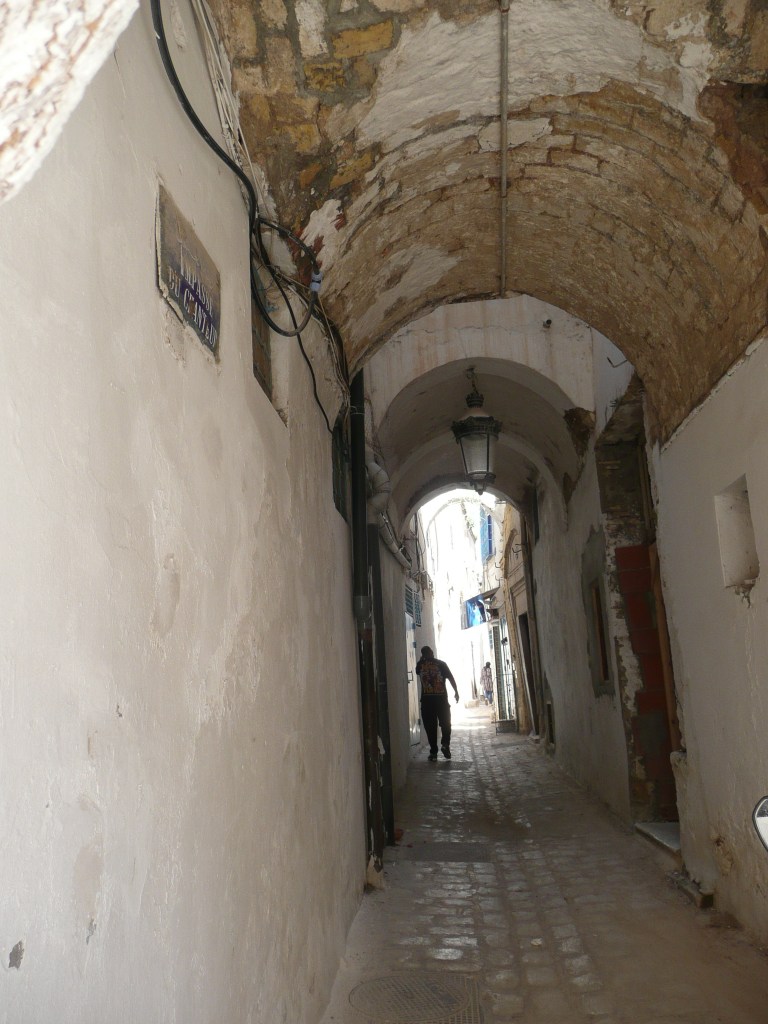
Tunis, Medina 2026

Potem długo stoimy przed sklepem, czekając na przewodniczkę i Ahmeda, oślepieni blaskiem złotej biżuterii w każdej sklepowej witrynie. Teraz tempo jest wolniejsze, mamy czas żeby podziwiać typowe dla Mediny wrota, na których są symbole judaizmu i islamu, obejrzeć witryny sklepów z chèchia (z arabskiego: shashiyya).

Afterwards, we stand outside the shop for a long time, waiting for the guide and Ahmed, dazzled by the gleam of gold jewelry in every shop window. The walk is slower now; we have time to admire the doorways typical of the Medina—bearing symbols of both Judaism and Islam—and to look at the shop windows displaying chèchias (from the Arabic shashiyya).
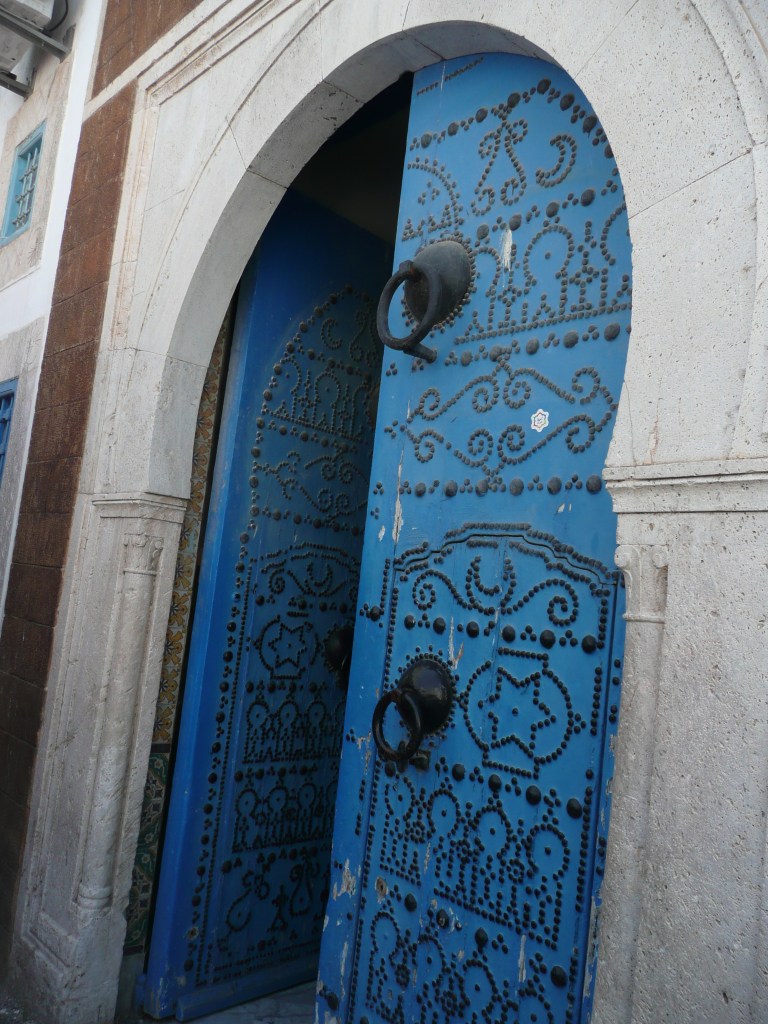
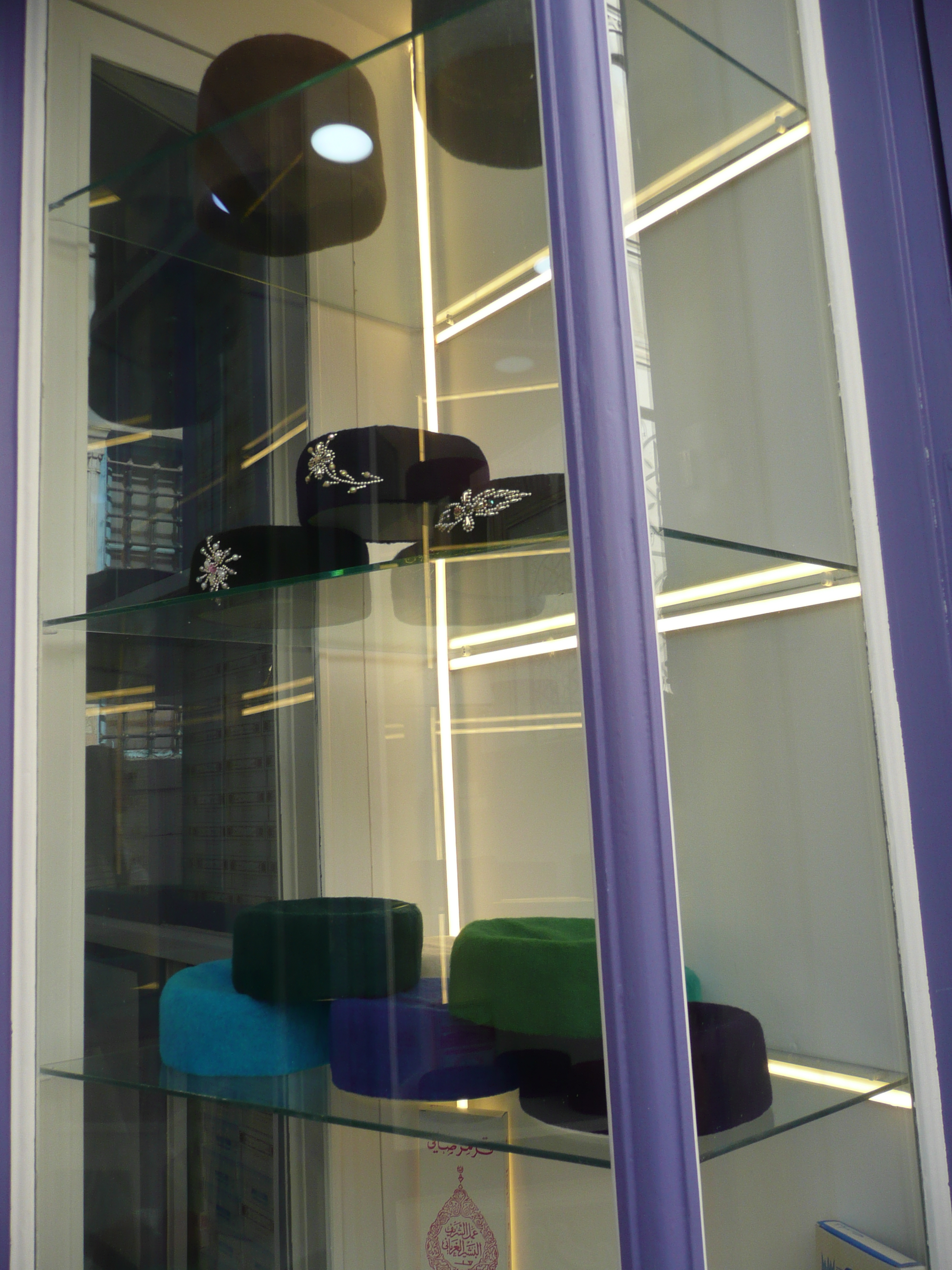
Door, Medina, Tunis

Wychodzimy z Mediny znów na zalany słońcem i gorący plac Kasbah. Ledwo się wlokę przez śmierdzące spalinami ulice i z ulgą wracam do portu, gdzie czekają na nas młodzi ludzie z sokołami (?) i znudzeni celnicy, którzy nie kontrolują naszych polskich paszportów. Wieczorem odpływamy do następnego portu.

We leave the Medina and step back out onto the sun-drenched, sweltering Kasbah Square. I drag myself through streets reeking of exhaust fumes and return with relief to the port, where young people with falcons are waiting for us (?) and bored customs officers – who don’t even check our Polish passports. In the evening, we set sail for the next port.
Tunis, Medina

Tunis – Medina

Zanim z placu Kasbah dojdziemy do Mediny, wyjaśnię obecność Ahmeda (zamiast opowiedać wam o Kartaginie, francuskim Protektoracie i Arabskiej Wiośnie). Otóż 18 marca 2015 roku dwóch uzbrojonych napastników zastrzeliło w Muzeum Narodowym Bardo w Tunisie dwudziestu turystów i policjanta. Wśród ofiar byli Francuzi (4), Włosi (4), Japończycy (3), Polacy (3), Kolumbijczycy, Hiszpanie, Belg, Rosjanin i Brytyjczyk. Napastnicy zostali zastrzeleni przez Policję. 26 czerwca tego samego roku w hotelu i na plaży w Susie zamachowiec zastrzelił z karabinu maszynowego 38 osób (głównie Brytyjczyków). Turystyka jest główną gałęzią gospodarki Tunezji. I dlatego mamy Ahmeda, który idzie dwa kroki za nami w swoim ciemnym garniturze…

Before we make our way from Kasbah Square to the Medina, let me explain Ahmed’s presence (instead of telling you about Carthage, the French Protectorate, and the Arab Spring). On March 18, 2015, two armed attackers shot and killed twenty tourists and a police officer at the Bardo National Museum in Tunis. The victims included French (4), Italian (4), Japanese (3), and Polish (3) nationals, as well as Colombians, Spaniards, a Belgian, a Russian, and a Briton. The attackers were shot dead by the police. On June 26 of that same year, a gunman used a machine gun to kill 38 people (mostly Britons) at a hotel and on a beach in Sousse. Tourism is a key sector of Tunisia’s economy. And that is why we have Ahmed walking two steps behind us in his dark suit…

W wąskich uliczkach Mediny jest cień i odrobina chłodu. Muszę patrzeć pod nogi, żeby nie potknąć się na nierównych kocich łbach. Nasza przewodniczka bardzo się śpieszy i często nie mam czasu zrobić zdjęć, a jeszcze staram się zapamiętać drogę w tym labiryncie uliczek. Skręcamy w różne strony milion razy i w końcu tracę rozeznanie. Pierwszy przystanek na długiej liście firm które płacą naszej cicerone – perfumeria. Wraz z inną grupą usadzają nas na ławkach i dają do wąchania flakony z różnymi „itrit” (عطر). Trochę mi niedobrze od tych róż, jaśminów , więc z ulgą opuszczam sklep.

There is shade and a touch of coolness in the narrow streets of the Medina. I have to watch my step to avoid tripping on the uneven cobblestones. Our guide is in a great hurry, so I often lack the time to take photos, all while trying to memorize the route through this labyrinth of alleys. We make countless turns, and eventually, I lose all sense of direction. The first stop on the long list of businesses paying our guide is a perfume shop. Along with another group, we are seated on benches and offered various itrit (عُطُور) to smell. The scents of rose and jasmine make me feel a bit nauseatingly, so I leave the shop with relief.

Biegniemy dalej pod sklepionymi ulicami, lub w pełnym słońcu. Następny przystanek – dom weselny. Kilka przedsionków, za nimi duża sala, w której ustawiono na podeście dwa wielkie „trony”, obok kilka małych sal z wyściełanymi ławami. W jednej z nich zastaję grupę muzyków. Pytam po francusku, czy mogę im zrobić zdjęcie:

We run on, passing through vaulted streets or out in the blazing sun. The next stop is the wedding hall. There are several vestibules leading to a large room where two huge „thrones” have been set up on a dais; nearby are a few smaller rooms with cushioned benches. In one of them, I come across a group of musicians. I ask in French if I can take their picture:

Muzycy z Mediny w Tunisie / Musicians from the Medina in Tunis

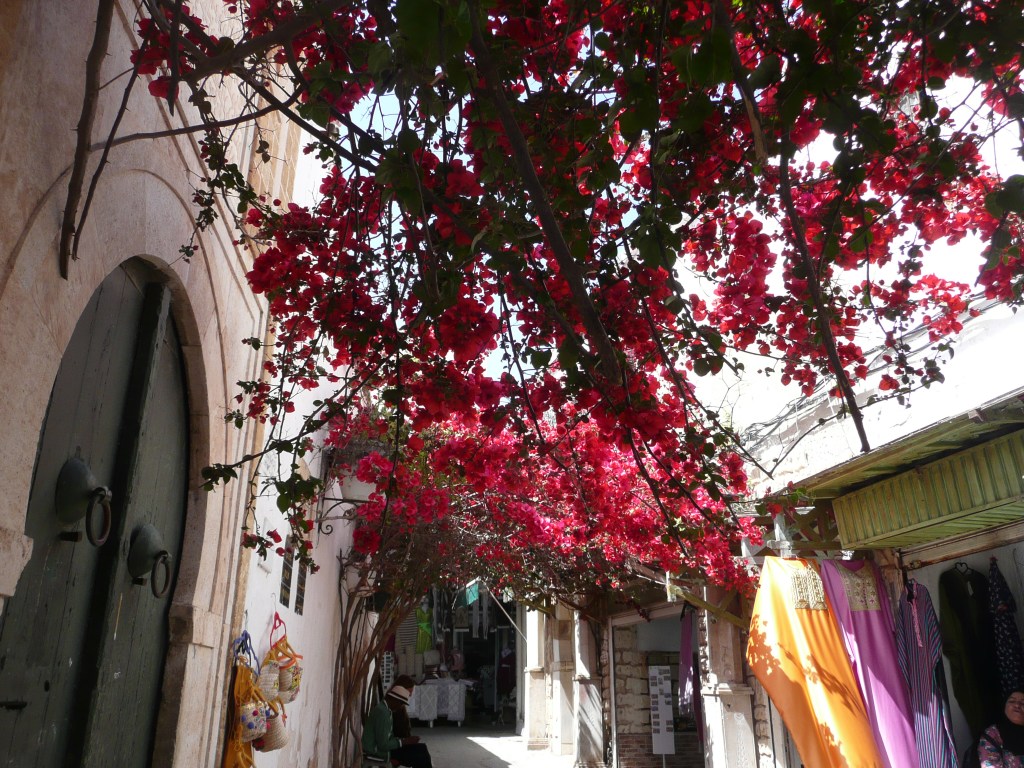
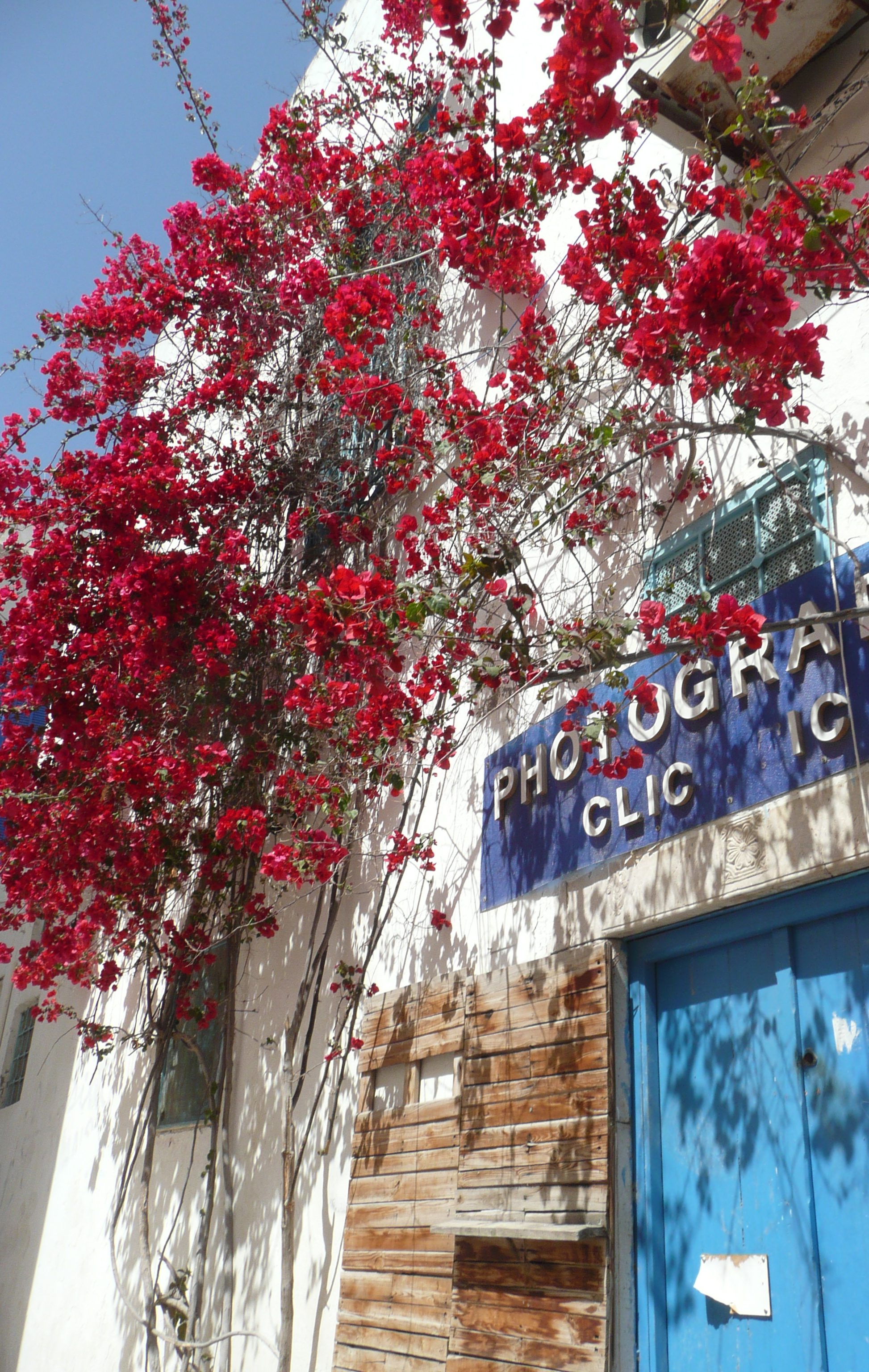
Po wyjściu przemierzamy kolejne ulice, zaułki i małe placyki z kwitnącą bugenvillą, a wszystko w bardzo szybkim tempie. Wkraczamy do souk, czyli handlowej części Mediny. Ulice biegną teraz trochę w dół, jest mniej światła, ale w zadaszonych przejściach mrok rozświetlają dziesiątki sklepowych witryn, głównie z biżuterią i wyrobami ze skóry, choć badziewie z Chin jest w wielu miejscach. Ta część Mediny powstała w 13 wieku za panowania dynastii Hafsydów. Souk w Tunisie składa się z trzech głównych części – Souk Ech-Chaouachine, gdzie od wieków produkowane są nakrycia głowy zwane chachia, Souk El Attarine, gdzie można znaleźć perfumerie oraz Souk El Berka, gdzie właśnie jesteśmy i gdzie są niezliczone sklepiki z metalami, z których część to słoto i srebro.

After leaving, we make our way through a succession of streets, alleyways, and small squares with blooming bougainvillea – all at a very brisk pace. We enter the souk, the commercial heart of the Medina. The streets now slope slightly downward and the light is dimmer, yet the gloom of the covered passageways is illuminated by dozens of shop windows – mostly displaying jewelry and leather goods, though cheap Chinese trinkets are also found in many places. This section of the Medina dates back to the 13th century and the reign of the Hafsid dynasty. The Tunis souk comprises three main areas: Souk Ech-Chaouachine, where chachia headwear has been crafted for centuries; Souk El Attarine, home to perfumeries; and Souk El Berka—where we currently find ourselves – featuring countless small shops selling metalware, including gold and silver items.

Tunis

Jedziemy brzegiem jeziora Tuniskiego do stolicy Tunezji. Na kawałkach zieleni, wśród śmieci wszelkiego sortu pasą się niewielkie stada owiec i kóz. Przedmieścia witają nas odrapanymi budynkami w stylu kolonialnym i mauretańskim, a im bliżej centrum, tym więcej odrapanych budynków w stylu kolonialnym i mauretańskim, wśród których królują warsztaty samochodowe i liczne kioski sprzedające kwiaty (z których robi się perfumy). Podjeżdżamy na dziedziniec ratusza, gdzie czeka na nas przewodniczka i Ahmed. Ahmed jest ubrany w garnitur i nie gada z kobietami. Wiem, bo kiedy pytam go, czy jego pistolet (który dostrzegam pod marynarką) to Glock to udaje, że nie słyszy. Ale kiedy Pan i Władca pyta o to samo, to potwierdza. Tak, Ahmed jest naszym ochroniarzem zapewne z tajnej policji. Super, prawda?

We are driving along the shore of Lake Tunis toward the Tunisian capital. Small flocks of sheep and goats graze on patches of greenery amidst all manner of trash. The suburbs greet us with dilapidated colonial- and Moorish-style buildings; the closer we get to the center, the more of these run-down structures we see, dominated by auto repair shops and numerous kiosks selling flowers (used to make perfume). We pull into the town hall courtyard, where a female guide and Ahmed are waiting for us. Ahmed is wearing a suit and doesn’t talk to women. I know this because when I ask him if the gun I spot under his jacket is a Glock, he pretends not to hear. But when the Lord and Master asks the same question, he confirms it. Yes, Ahmed is our bodyguard—presumably from the secret police. Great, right?

Niżej: dziedziniec ratusza w Tunisie / Below: the courtyard of the Tunis Town Hall

Ratuszem rządziła przez kilka lat jedyna kobieta w świecie arabskim wybrana na stanowisko burmistrza. Ale teraz mamy iść do Mediny – zabytkowej dzielnicy (wpisanej na listę UNESCO w 1979), w której, jak przekonuje nasza przewodniczka, jeśli ktoś się nie urodził i wychował, to zaraz się zgubi w plątaninie wąskich uliczek, korytarzy, przejść i tłumów mieszkańców i turystów. Na razie, żeby dotrzeć do Mediny, muszę pokonać rozpalony do białości plac przed ratuszem, na którym jedyne cienie pochodzą z tunezyjskich flag.

For several years, the town hall was led by the only woman in the Arab world to be elected mayor. But now we are heading to the Medina—a historic district (inscribed on the UNESCO list in 1979) where, as our guide assures us, anyone not born and raised there would quickly lose their way amidst the maze of narrow streets, corridors, and passageways, and the throngs of locals and tourists. For the moment, however, to reach the Medina, I must cross the white-hot square in front of the town hall, where the only shade comes from Tunisian flags.