Rejs statkiem wielkim lub małym. Kto o tym nie marzył, czytając o wielkich odkrywcach, dalekich lądach, skarbach ukrytych na bezludnych wyspach. Gdzie odnaleźć ślady romantyzmu ery żaglowców i odkrywania nowych lądów? Przecież nie w lotach samolotem.
znany także jako Trójkąt Bermudzki to nieokreślony obszar gdzieś między Florydą, Puerto Rico i Bermudami. W rejonie tym odnajdywano puste statki błąkające się po tamtych wodach, znikały statki i samoloty. Wszystko zaczęło się od zniknięcia HMS Atalanta w 1880 roku. A potem już poszło: statki, samoloty (w tym cała eskadra amerykańskich myśliwców, słynny Lot 19) ginęły bez śladu, ludzie znikali z pokładów jachtów, samoloty znikały z radarów i nigdy nie zostały odnalezione. Nawet okręt podwodny z napędem atomowym gdzieś się zapodział w tamtych stronach… („Scorpion”, maj 1968). Incydenty lotnicze, zaginięcia, zatonięcia wszelkiego typu pływających jednostek, niewyjaśnione wypadki, awarie systemów nawigacyjnych, silników i znikanie rzeczy i ludzi.
Also known as the Bermuda Triangle, this undefined area somewhere between Florida, Puerto Rico, and Bermuda. In this region, empty ships have been found wandering the waters, and ships and planes have disappeared. It all began with the disappearance of the HMS Atalanta in 1880. And then it all went downhill: ships and planes (including an entire squadron of American fighters, the famous Flight 19) vanished without a trace, people vanished from yachts, planes disappeared from radar and were never found. Even a nuclear-powered submarine disappeared somewhere in those parts… („Scorpion,” May 1968). Aircraft incidents, disappearances, sinkings of all types of vessels, unexplained accidents, failures of navigation systems and engines, and the disappearance of objects and people.
Bermuda Triangle
My wpłynęliśmy na diabelskie wody w nocy, niczego nieświadomi i bez ostrzeżenia. O poranku morze było (podejrzanie !) spokojne, statek płynął prosto na północ, a dno pod stępką było w odległości 1800 metrów. Słońce w czerwonej mgle wyglądało jak wrota do innego świata…
We entered the devil’s waters at night, unaware and without warning. In the morning, the sea was (suspiciously!) calm, the ship was sailing due north, and the seabed beneath the keel was 1,800 meters away. The sun in the red haze looked like a portal to another world…
Sobota, 26 sierpnia 2017 roku był pięknym dniem na Karaibach, jak to na Karaibach. Mnóstwo turystów okupowało hotele, bary, plaże były pełne, życie toczyło się zwyczajnie, jak na tropikalne wyspy przystało…
Saturday, August 26, 2017, was a beautiful day in the Caribbean, as it always is in the Caribbean. Hotels and bars were packed, the beaches were full, and life went on as usual, as befits a tropical island…
Tymczasem 4240 kilometrów na wschód od Karaibów, nad innym turystycznym rajem zaczął się sztorm tropikalny, który poczatkowo nie budził niepokoju. Ale już 31 sierpnia ów sztorm zaczął gwałtownie przemieszczać się znad Wysp Zielonego Przylądka na zachód, pędząc przez Atlantyk z rosnącą siłą. 4 września dostał piątą, najwyższą huraganową kategorię i imię Irma. Wiał już wtedy z prędkością 300 km/h i nie zamierzał zwolnić.
Meanwhile, 4,240 kilometers east of the Caribbean, another tourist paradise, a tropical storm had begun to brew. Initially, it didn’t raise any alarm. But by August 31st, the storm began to rapidly move westward from the Cape Verde Islands, racing across the Atlantic with increasing strength. On September 4th, it was upgraded to Category 5, the highest hurricane, and named Irma. By then, it was already gusting to 300 km/h (186 mph) and showed no signs of slowing down.
Pierwszym krajem na drodze Irmy była Antigua i Barbuda. Irma zniszczyła 90 % budynków. 6 września dotarła do Sint Maarten, zabijając 15 osób i niszcząc całą wyspę. 8 września straty oszacowano na 4 miliardy dolarów.
The first country in Irma’s path was Antigua and Barbuda. Irma destroyed 90% of its buildings. On September 6, it reached Sint Maarten, killing 15 people and devastating the entire island. By September 8, damage was estimated at $4 billion.
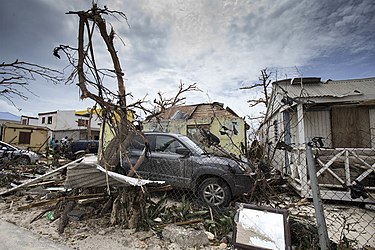
Sint-Maarten, 7 september 2017..Steunverlening na passage van orkaan Irma. De koninklijke marine levert hulp met oa Zr.Ms. Zeeland en Zr.Ms. Pelikaan.
Potem Irma powiała do Anguilli, Kubę, Haiti, Puerto Rico, Barbados aż dotarła do wybrzeży USA i tam straciła impet. Ale zniszczenia oszacowano na 25 miliardów dolarów, a nie wzięto pod uwagę strat na Haiti (brak danych) i zabiła ponad 80 osób.
Irma then swept through Anguilla, Cuba, Haiti, Puerto Rico, and Barbados before reaching the US coast, where it lost momentum. However, damage was estimated at $25 billion, excluding losses in Haiti (unavailable data), and it killed over 80 people.
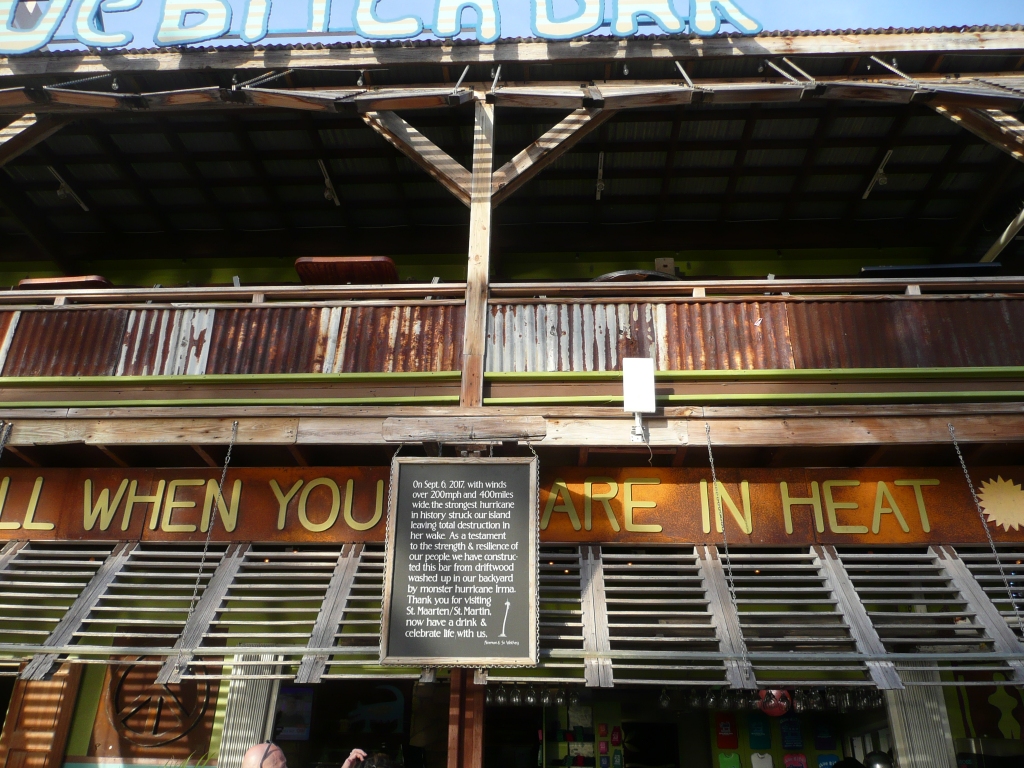
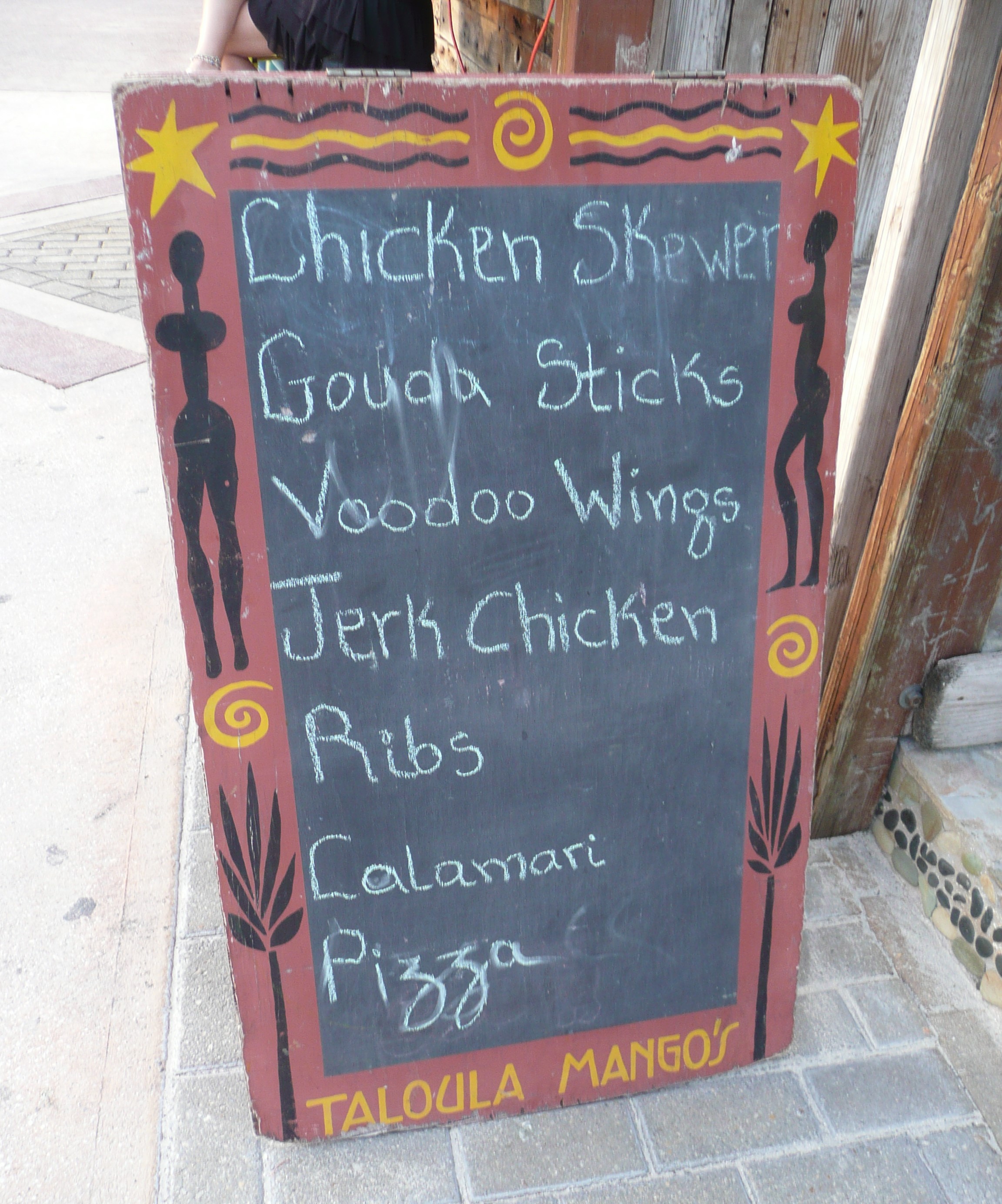
Siedem lat później idziemy wzdłuż głównej promenady wyspy Sint Maarten. Niektóre budynki zostały odbudowane po kompletnym zniszczeniu, tak jak ta restauracja, na której wisi tablica upamietniająca tamtą katastrofę. Jest na niej napisane, że budynek powstał z drewna znalezionego w okolicy i jest świadectwem determinacji i siły tamtejszych ludzi. „Now have a drink and celebrate life with us” – „teraz napij się i świętuj z nami życie”. Wzruszające…
Seven years later, we walk along the main promenade of St. Maarten. Some buildings have been rebuilt after being completely destroyed, like this restaurant, which sports a plaque commemorating the disaster. It says that the building was constructed from wood found in the area and is a testament to the determination and strength of the local people. „Now have a drink and celebrate life with us.” Touching…
Sint Maarten
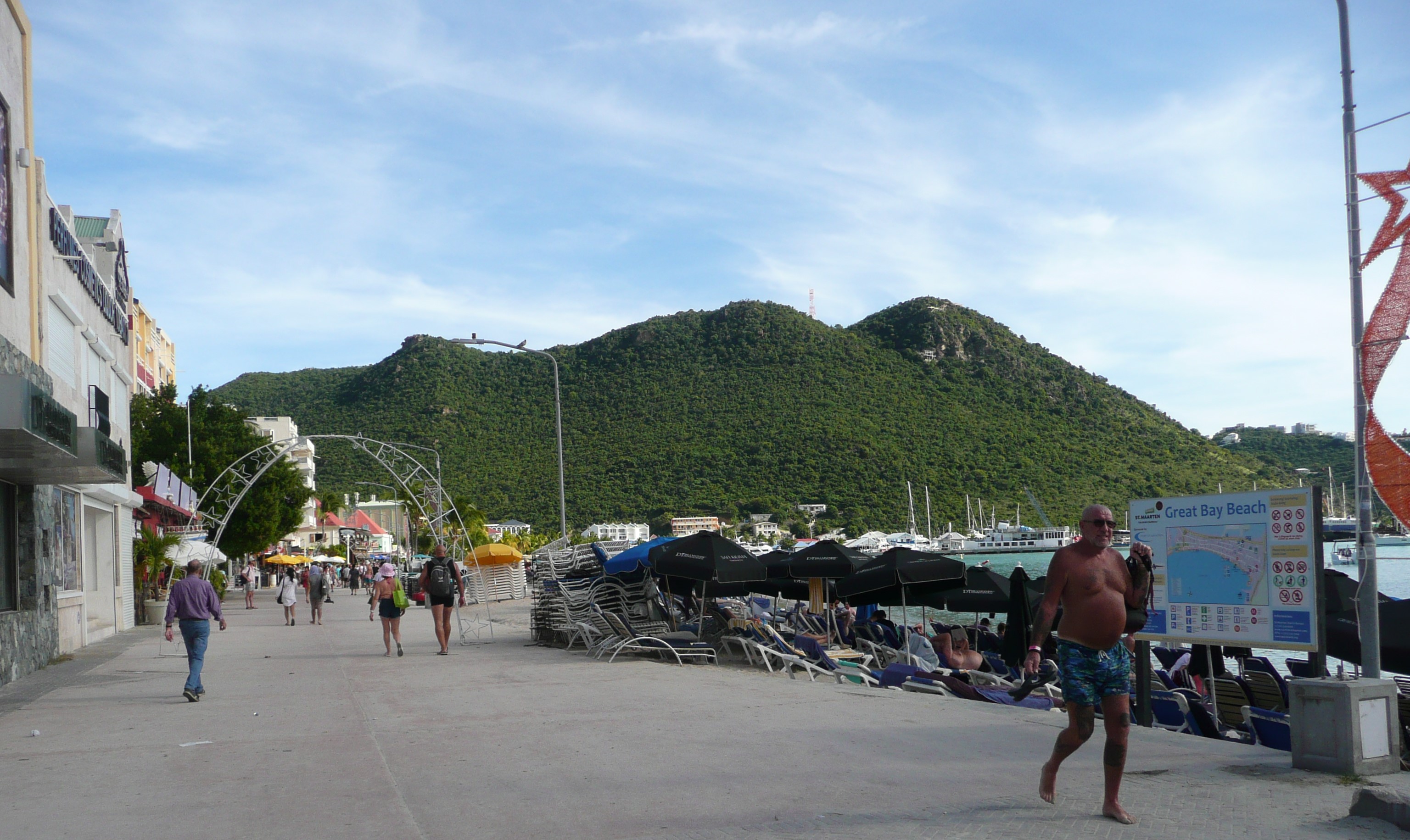
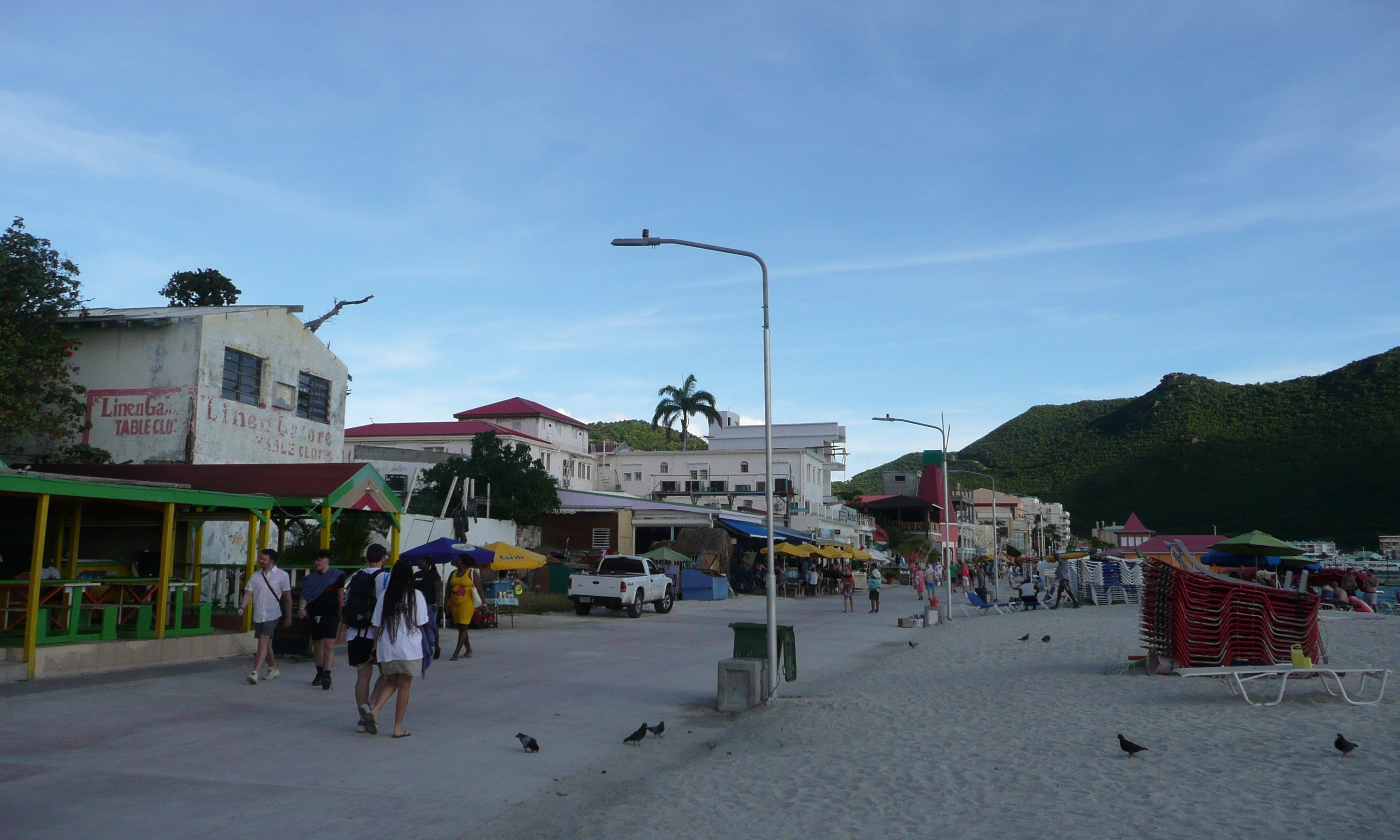
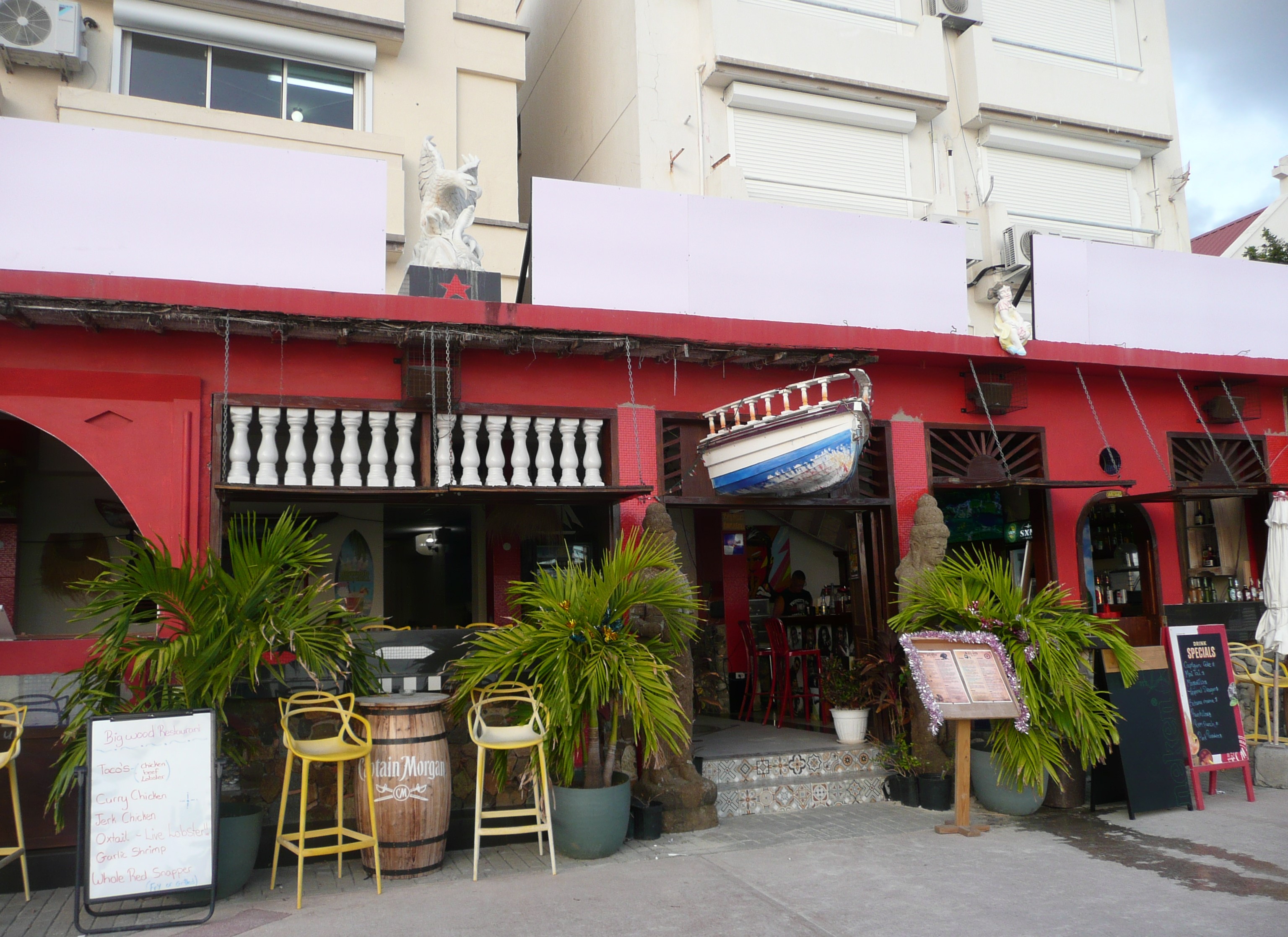
Na promenadzie jest spokojnie, niedługo zajdzie słońce, na plaży bawi się grupa młodzieży, przechadzają się staruszkowie, woda jest ciepła i pluszcze cicho, w knajpkach siedzą zadowoleni ludzie… W kawiarni Pan i Władca pije karaibskie piwo, ja kawę, rozmawiamy z młodą Holenderką, która pracuje jako kelnerka. Tęskni za Amsterdamem, ale nie chce wracać…
The promenade is quiet, the sun will soon set, a group of young people are having fun on the beach, old people are strolling, the water is warm and the splash is gentle, and people are happy in the pubs… At the cafe, the Master and the Lord are drinking a Caribbean beer, I’m drinking coffee, and we’re talking to a young Dutch woman who works as a waitress. She misses Amsterdam but doesn’t want to go back…
Sint Maarten
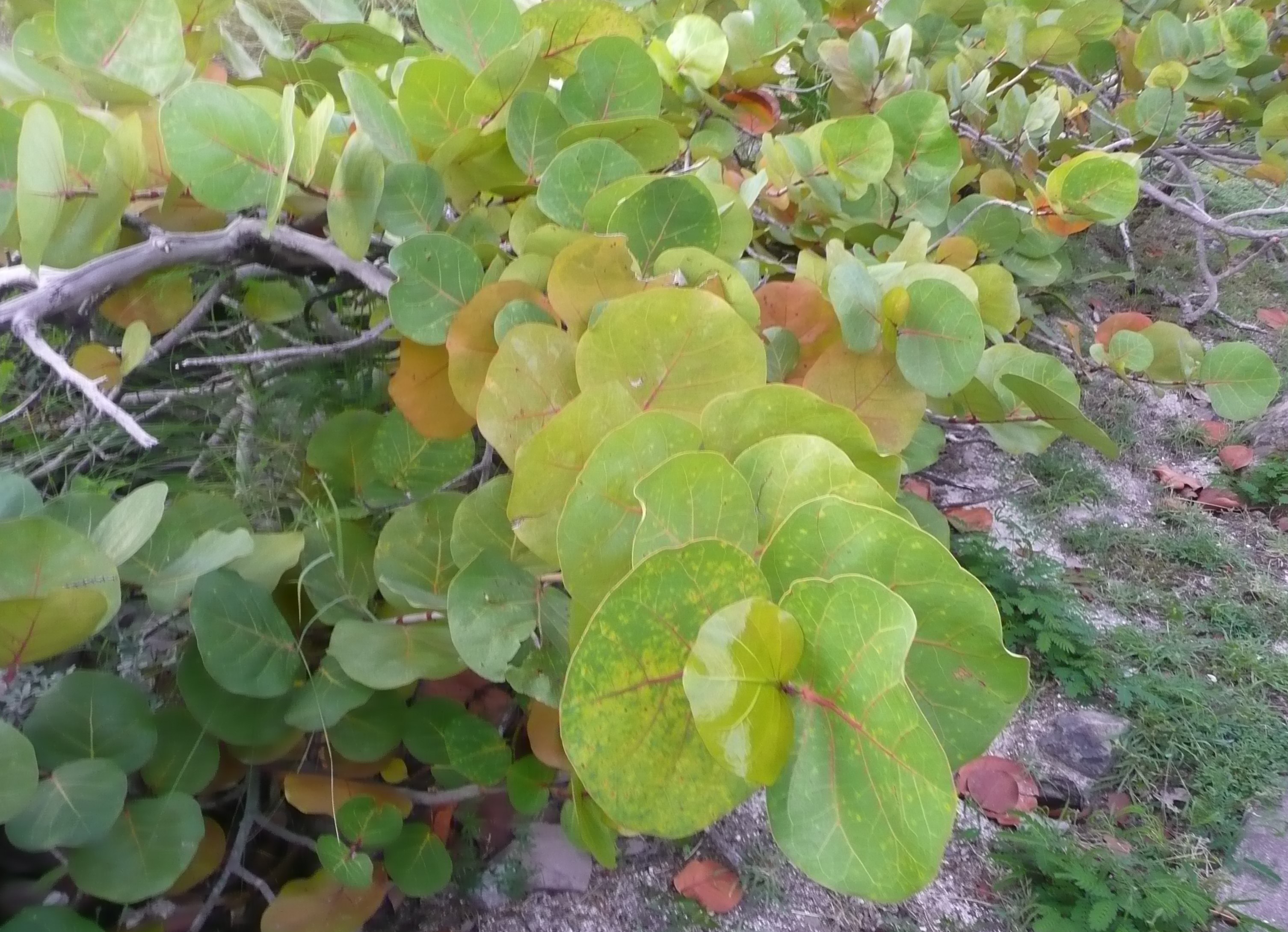
Przyroda też odrodziła się po zniszczeniach i możemy ją podziwiać w całej okazałości, choć może nie miała jeszcze czasu, żeby osiągnąć wspaniałość sprzed katastrofy, ale wygląda nieźle.
Nature has also recovered from the devastation and we can admire it in all its glory, although it may not have had time to reach its pre-disaster splendor yet, but it looks good.
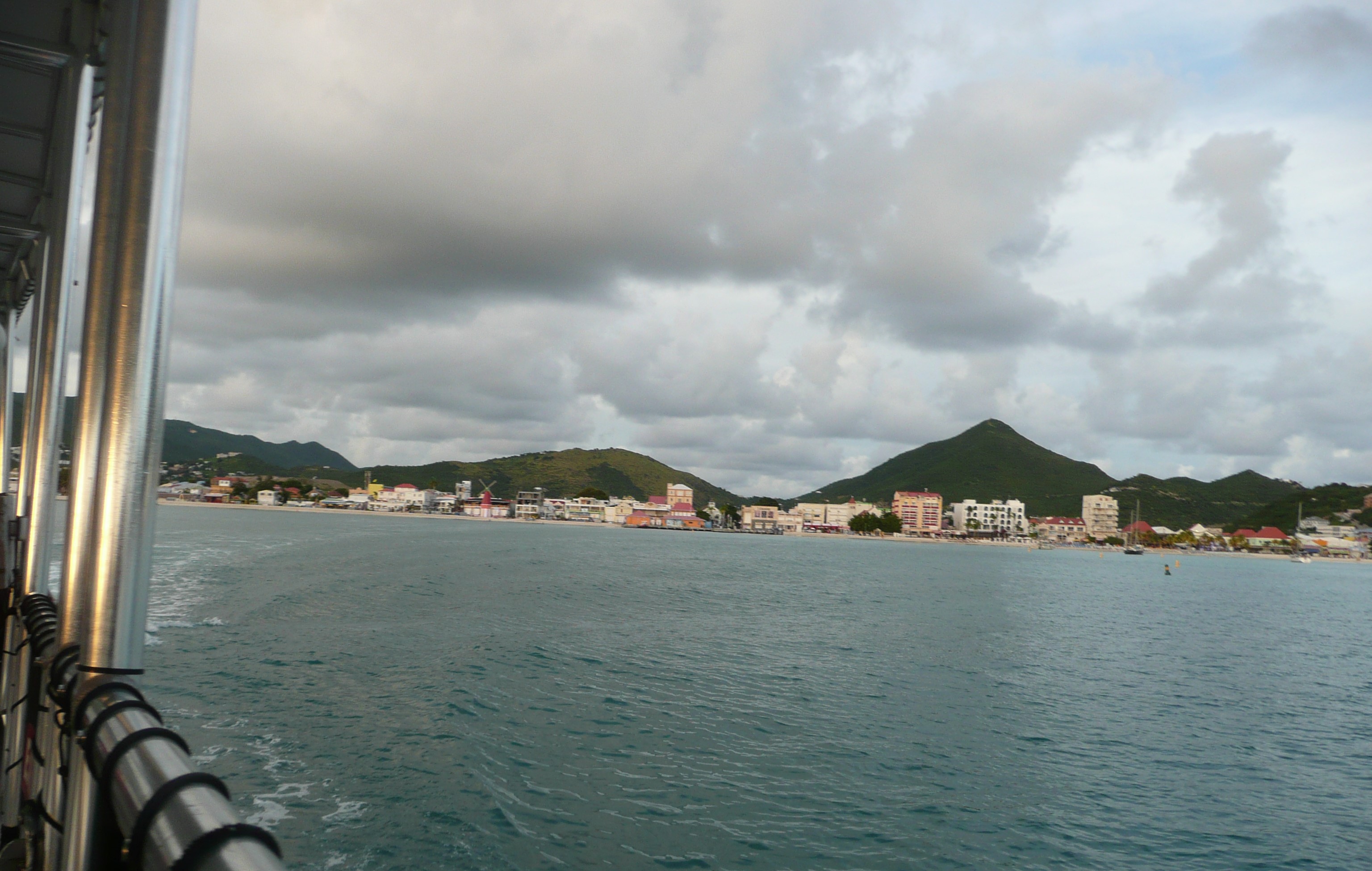
Musimy wracać na statek, bo niedługo wyruszamy… na następną wyspę. Opuszczamy nie tylko Philipsburg i Sint Maarten, ale też Karaiby. Popłyniemy 888 mil morskich (1645 kilometrów) prawie całkiem na północ, mijając Bahamy i Florydę… Na północ! Może wreszcie będzie chłodniej!
We have to get back to the ship, because soon we’ll be leaving… for the next island. We’re leaving not only Philipsburg and Sint Maarten, but also the Caribbean. We’ll sail 888 nautical miles (1,645 kilometers) almost due north, passing the Bahamas and Florida… North! Maybe it will finally be cooler!
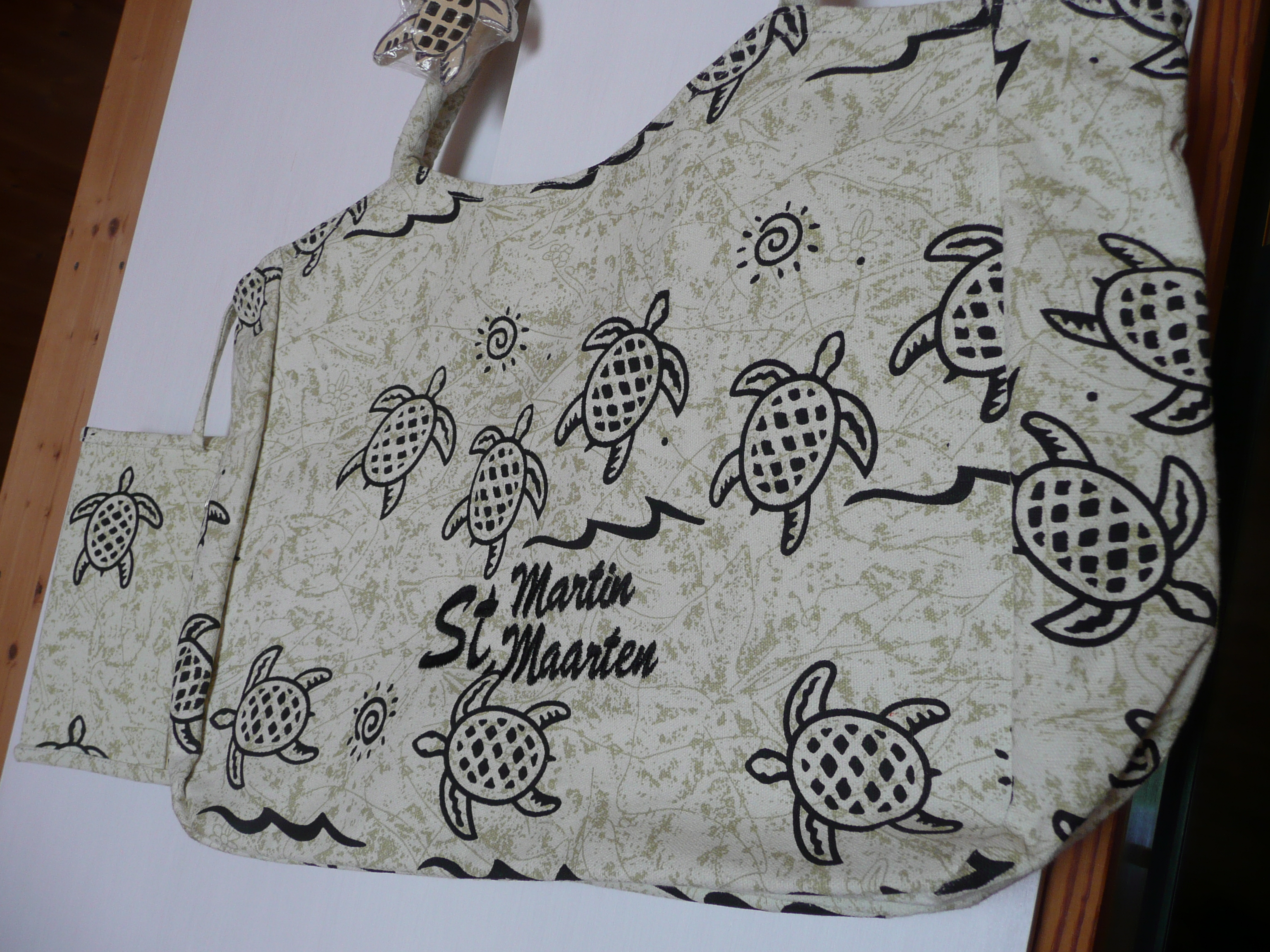
A, jeszcze obiecane zdjęcie torby z żółwiami (torba oprócz namalowanych żółwi ma jeszcze małego żółwia przyczepionego do ucha, widać go po lewej stronie u góry) i delfiny o zachodzie słońca.
Oh, and the promised photo of the bag with turtles (in addition to the painted turtles, the bag also has a small turtle attached to its ear, you can see it on the top left) and dolphins at sunset.
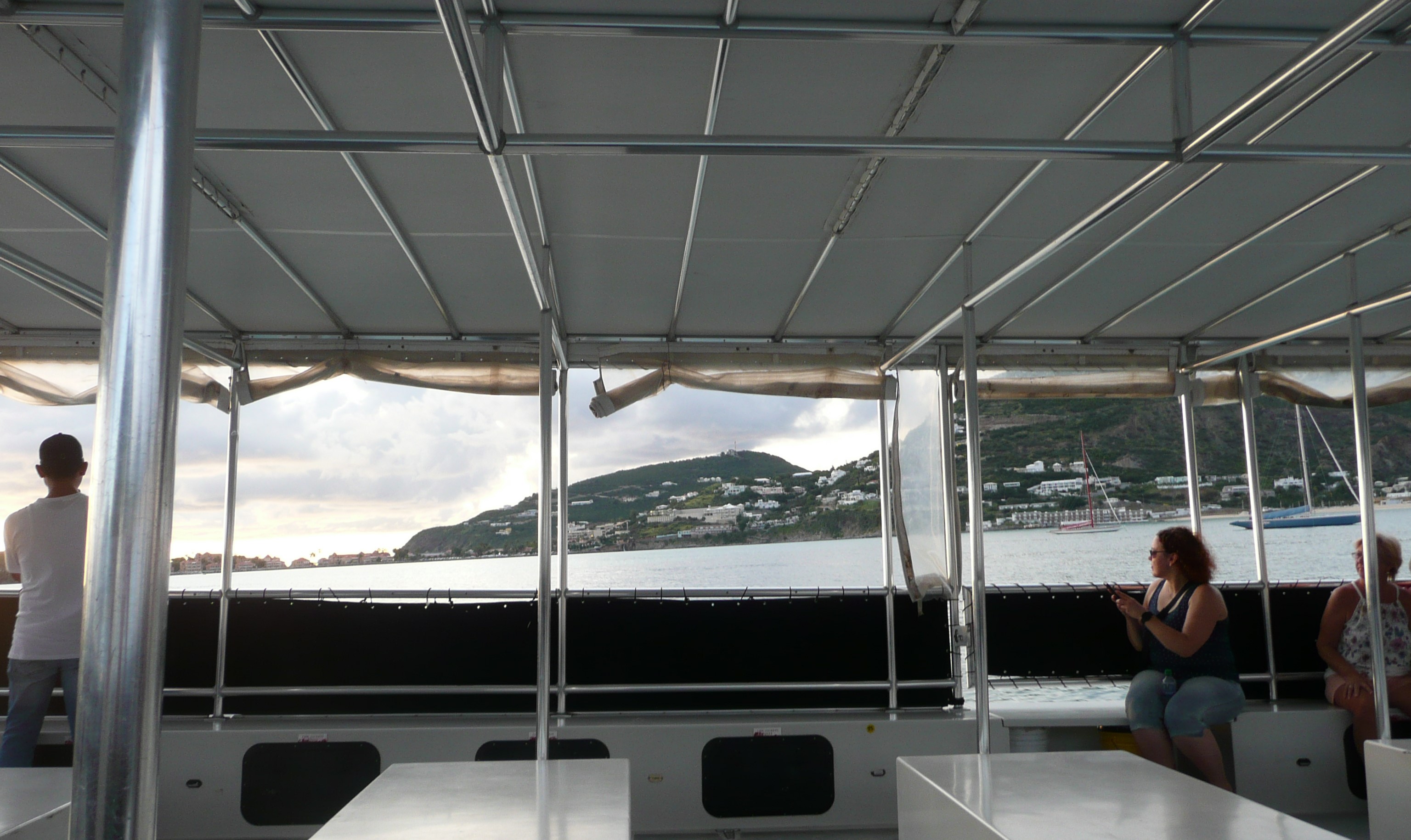
Z portu do stolicy południowej części wyspy jest dość daleko, na pewno za daleko dla mnie, więc po krótkiej naradzie i długich poszukiwaniach przystani wzięliśmy wodną taksówkę (jakby nam było mało wody). Bilet w postaci papierowej opaski na rękę kosztował 4 dolary na osobę i za tę kwotę mogliśmy płynąć do wszystkich „taksówkowych” postojów.
It’s quite a long way from the port to the capital of the southern part of the island, certainly too far for me, so after a short deliberation and a long search for a dock, we took a water taxi (as if we weren’t getting enough water). The ticket, which was a paper wristband, cost $4 per person, and for that amount we could sail to all the „taxi” stops.
Sint Maarten’s water taxi
Podróż trwała niecałe 10 minut i wylądowaliśmy na pomoście w stolicy Sint Maarten – Philipsburgu. Nazwa pochodzi od nazwiska szkockiego kapitana holenderskiej floty Johna Philipsa. Miasto ma około 1600 mieszkańców i jest rajem dla zakupowiczów, pełne wolnocłowych sklepów, bazarów i kramów. Oprócz upału miasto przywitało nas wrzaskami jakiejś nawiedzonej kobiety, która na przemian przeklinała i błogosławiła każdego z przechodniów i mapą wyspy na trotuarze.
The journey took less than 10 minutes, and we landed on the pier in Sint Maarten’s capital, Philipsburg. Named after the Scottish captain of the Dutch navy, John Philips, the town has about 1,600 inhabitants and is a shopper’s paradise, filled with duty-free shops, markets, and stalls. Besides the heat, the city greeted us with the shrieks of a haunted woman, who alternately cursed and blessed every passerby, and with a map of the island on the sidewalk.
Philipsburg, Sint Maarten
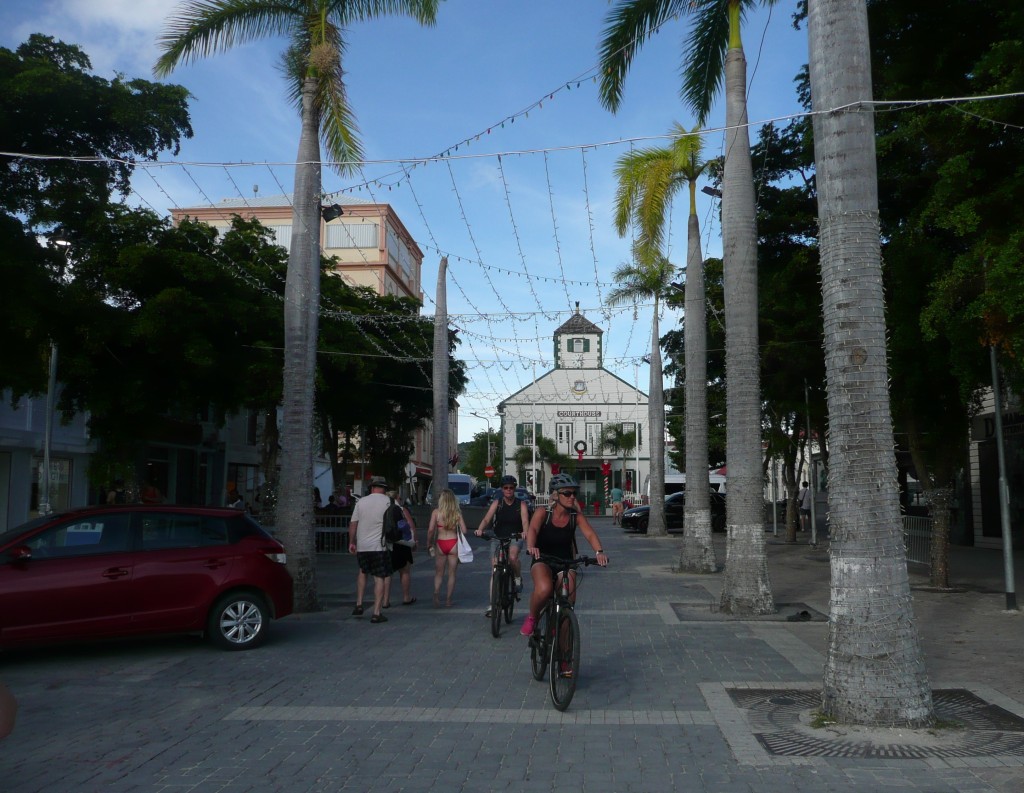
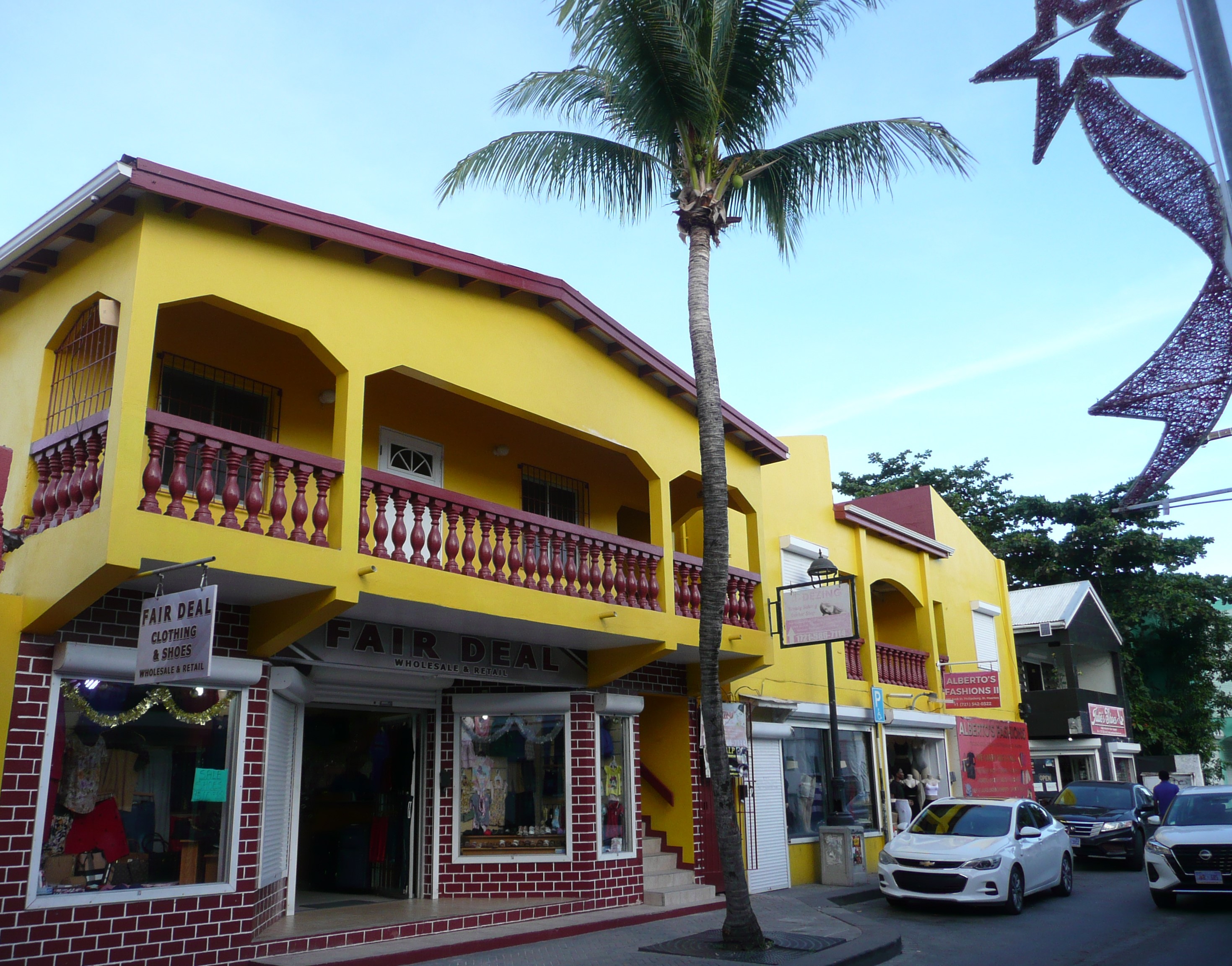
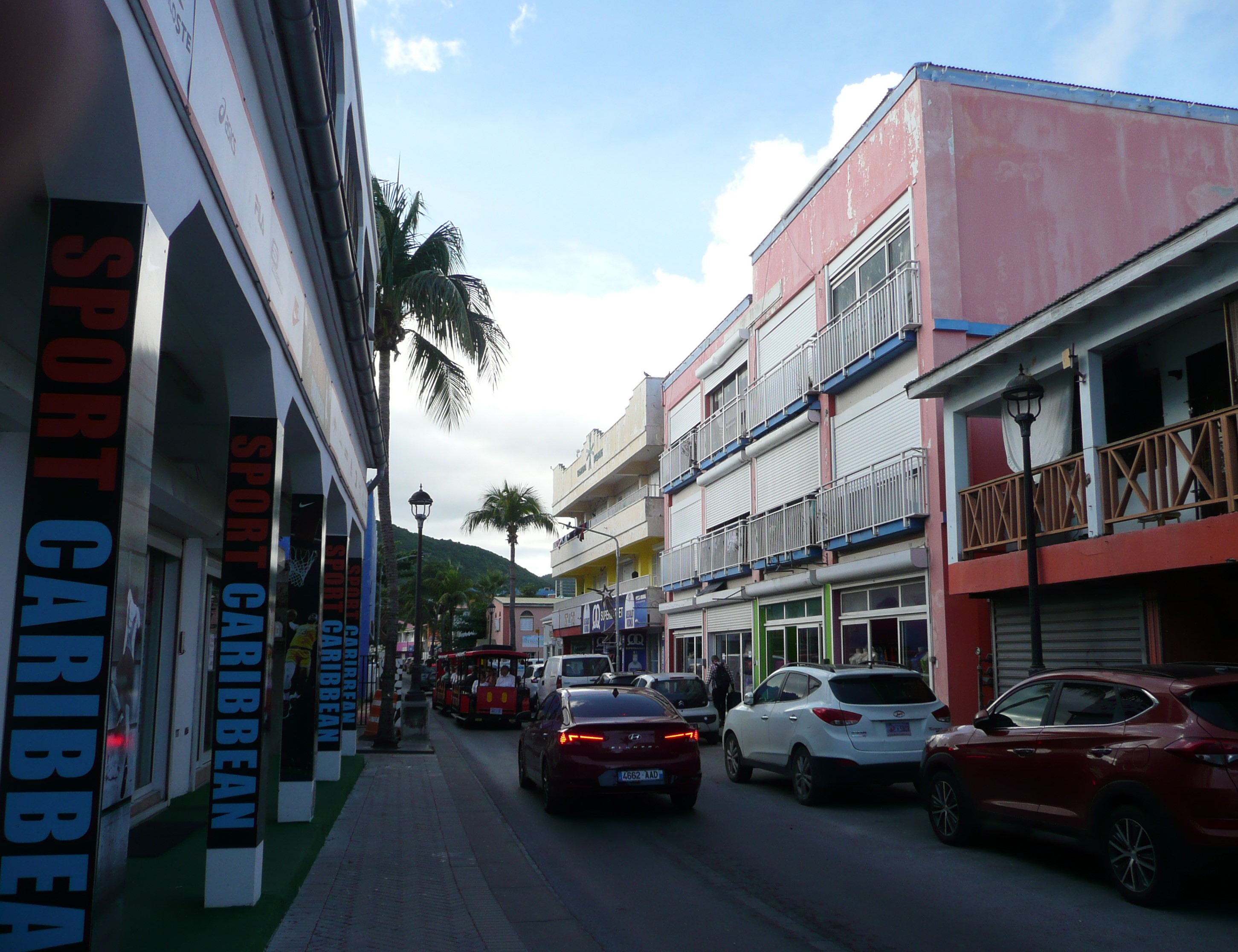
Główna ulica miasta to nadmorska promenada ciągnąca się dłuuuugo i mająca po jednej stronie bary, restauracje, hotele, puby i inne knajpy, a po drugiej plażę i oczywiście morze. Karaibskie. Postanawiamy najpierw zagłębić się wąskie uliczki, pełne poruszających się w żółwim tempie samochodów z francuskimi i sintmartenowskimi rejestracjami. Ładna ulica prowadzi do budynku sądu.
The town’s main street is a long seaside promenade lined with bars, restaurants, hotels, pubs, and other eateries on one side, and the beach and, of course, the Caribbean Sea on the other. We decide to explore the narrow streets first, filled with cars with French and Sint-Marten license plates moving at a snail’s pace. The pretty street leads to the courthouse.
Philipsburg, Sint Maarten
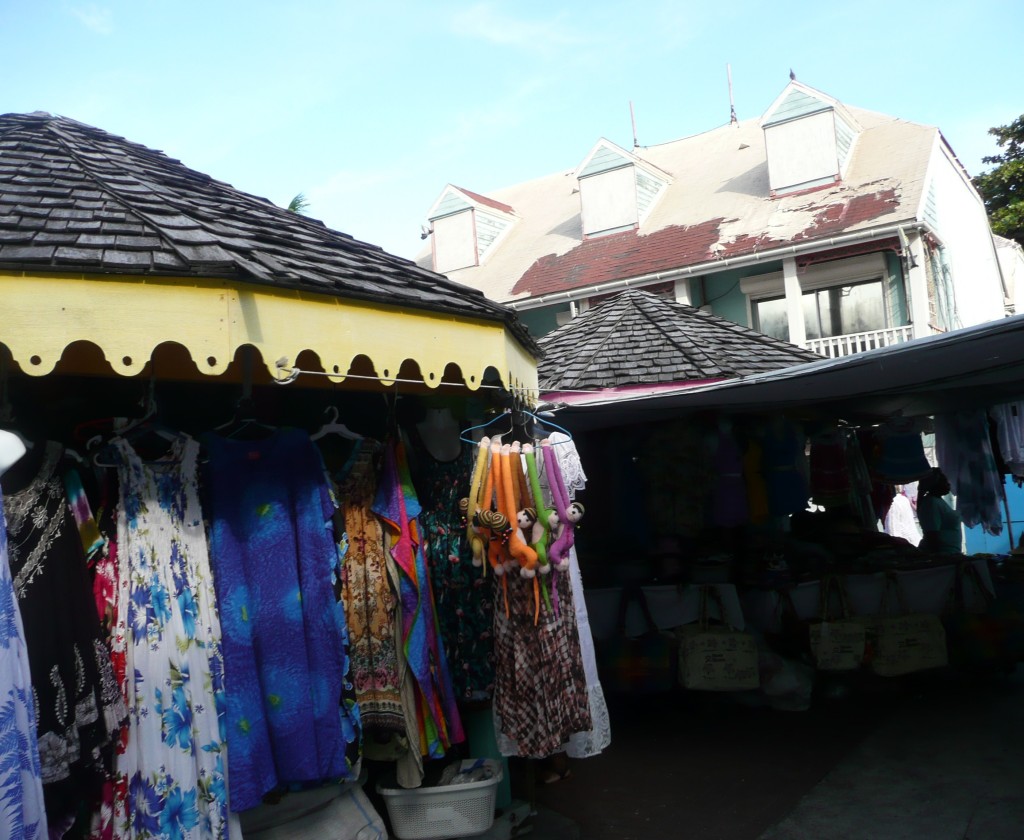
Skręcamy w lewo i w prawo i trafiamy na bazar pełen ciuchów wszelkiego rodzaju. Zwykle nie kupuję niczego, (bo cóż może kupić kobieta, która ma wszystko?), ale dostrzegam wielką, płócienną torbę w stylu Birkin (dziewczyny zrozumieją), która spełni moje marzenia o schowaniu wszystkiego w jednej przepastnej przestrzeni i pytam o cenę. Dwadzieścia… trochę dużo… Pani proponuje osiemnaście… nadal zbyt wiele, moje skąpa dusza każe mi zrezygnować. Dziękuję i odchodzę. Wtedy kobieta ze stoiska obok szepcze do mnie, że sprzeda taką samą za dwanaście… Odchodzę z torbą na ramieniu, słysząc jak kobiety zaczynają się kłócić…
We turn left and right and find ourselves in a bazaar filled with all sorts of clothes. I usually don’t buy anything (because what can a woman who has everything buy?), but I spot a large, canvas Birkin-style bag (girls will understand), which will fulfill my dream of storing everything in one cavernous space, and I ask the price. Twenty… a bit much… The lady offers eighteen… still too much, my stingy soul tells me to pass. I thank her and leave. Then the woman at the next stall whispers to me that she’ll sell the same one for twelve… I walk away with the bag over my shoulder, hearing the women start arguing…
Philipsburg bazaar, Sint Maarten
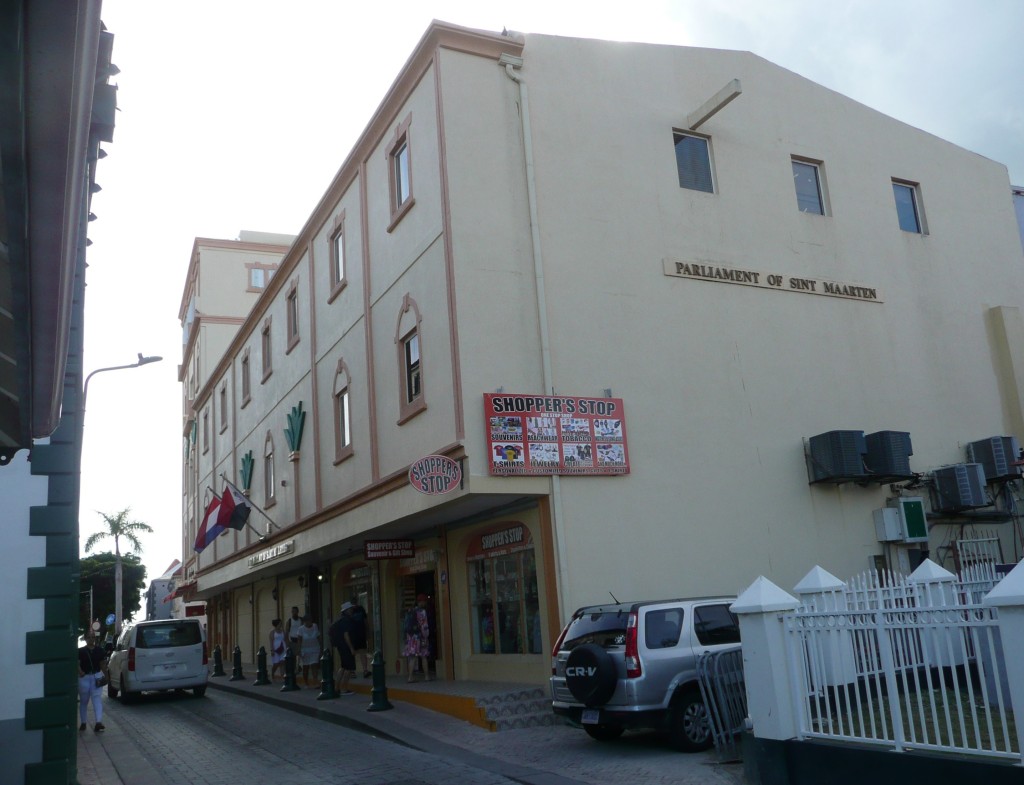
Mijamy parlament wyspy (składa się z dziesięciu członków, wybieranych co cztery lata i obecnie przewodniczy mu Ajamu Baly). / We pass the island’s parliament (it consists of ten members, elected every four years and is currently chaired by Ajamu Baly).
Parliament of Sint Maarten
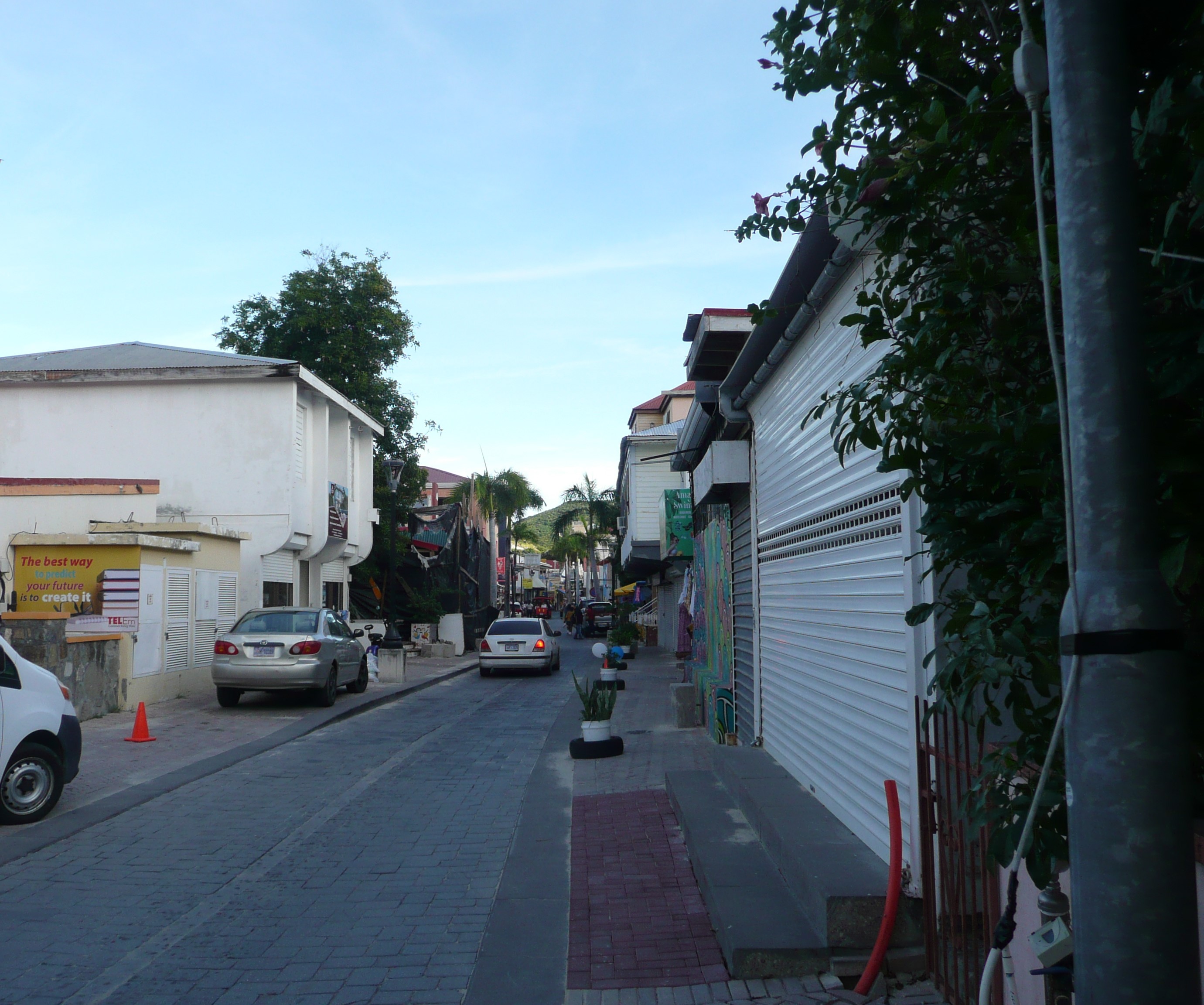
Uliczki są rzeczywiście pełne sklepów i małych barów z karaibskim jedzeniem. Od zapachów aż kręci się w głowie i mam ochotę spróbować tych karaibskich przysmaków. Rozsądek zwycięża i idziemy dalej i dalej, aż kończą się elegancke sklepy, a zaczynają się małe i biedniej wyglądające, w chodniku jest coraz więcej dziur, a ruch uliczny właściwie ustaje. W zaułkach walają się śmieci, domy są bardziej odrapane i robi się jakoś mało wakacyjnie…
The streets are indeed full of shops and small bars serving Caribbean food. The aromas make me dizzy, and I long to try these Caribbean delicacies. Common sense prevails, and we walk further and further, until the elegant shops end and the smaller, more shabby-looking ones begin. The sidewalks become increasingly potholed, and traffic practically ceases. Trash strewn across the alleys, the houses become more dilapidated, and the feeling becomes less than holiday-like…
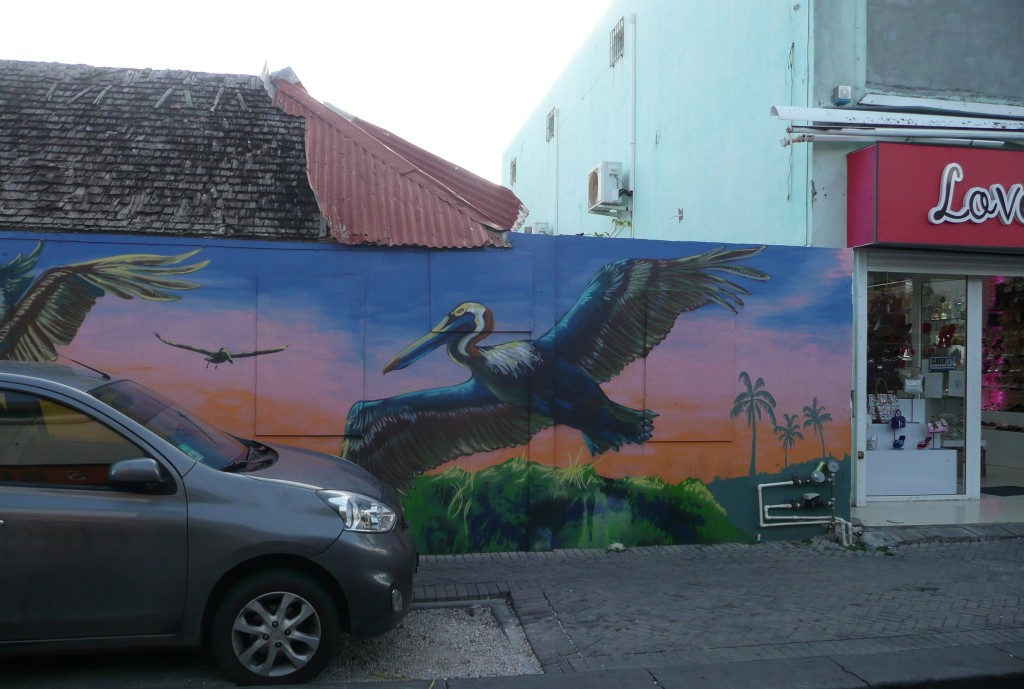
Postanawiamy zawrócić i dotrzeć z powrotem na nadmorską promenadę, co okazuje się trochę skomplikowane… Po drodze natykamy się na jeden z pięknych murali: / We decide to turn around and get back to the seaside promenade, which turns out to be a bit complicated… On the way we come across one of the beautiful murals:
Philipsburg, Sint Maarten
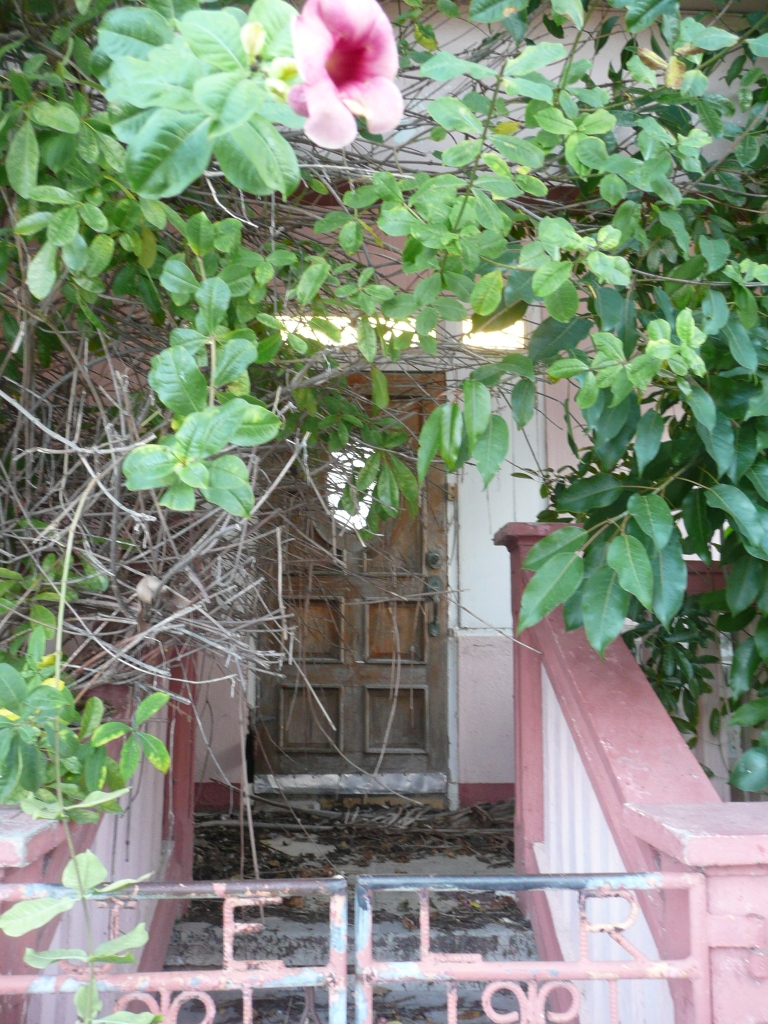
i na opuszczony dom na jednej z bocznych uliczek. Gdybym miała mieszkać na tej wyspie, to poproszę o ten właśnie dom pod kwitnącym hibiskusem. / and an abandoned house on one of the side streets. If I were to live on this island, I would ask for this very house under the blooming hibiscus.
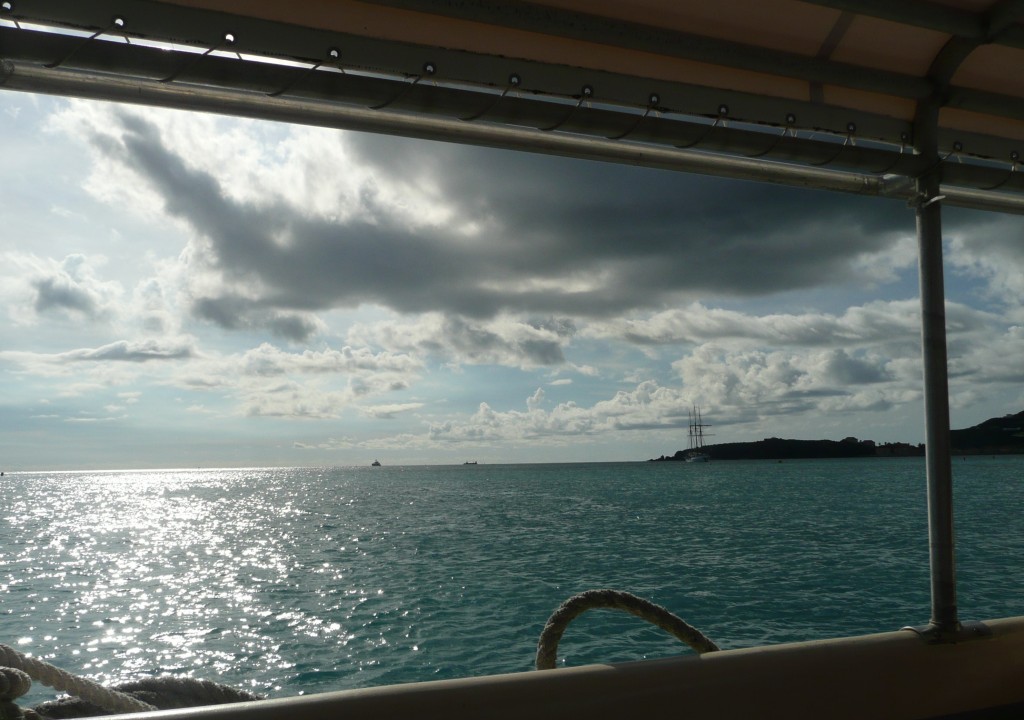
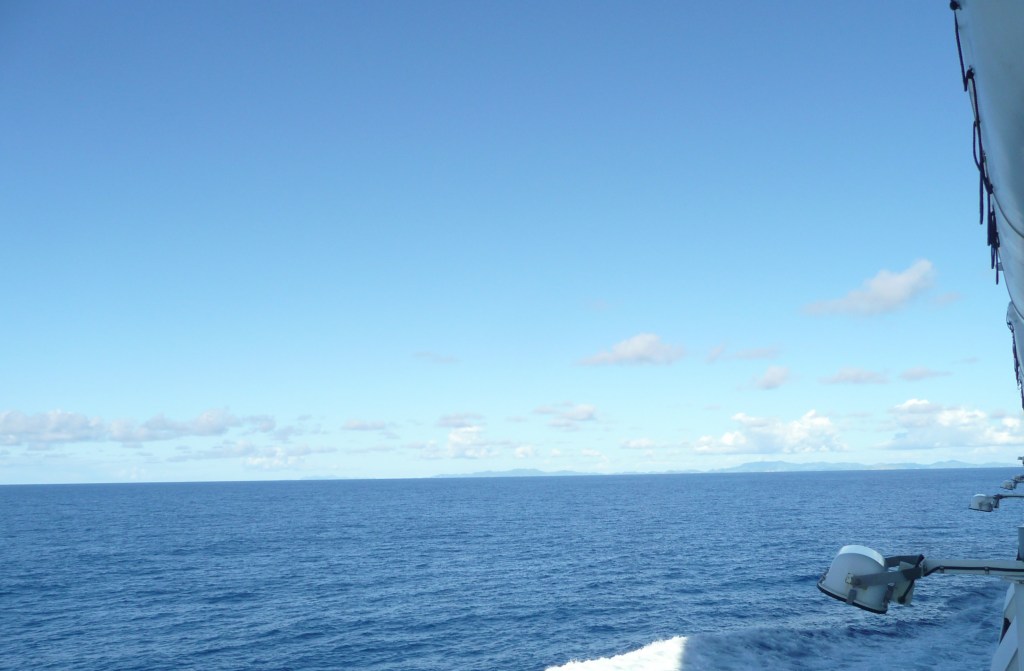
Obudziłam się wcześnie rano i pobiegłam na piąty pokład. W nocy przepłynęliśmy tylko 93 mile morskie (172 kilometry) na wschód. Z fascynacją patrzyłam na morze i wyłaniające się z niego rafy, skały i mielizny. Niektóre były dosłownie kilka metrów od naszych burt i mogłam się wtedy spokojnie czuć jak pasażerka „Titanica”. Nasz kapitan okazał się lepszy niż Edward Smith, na szczęście dla ludzkości. Ciekawe kto by mnie zagrał w ekranizacji tej (niedoszłej) katastrofy… Na zdjęciu – jedna z piaszczystych łach na morzu (zdjęcie zrobione przez brudny obiektyw, wersja limitowana)
I woke up early in the morning and ran to deck five. We’d sailed only 93 nautical miles (172 kilometers) east during the night. I gazed with fascination at the sea and the reefs, rocks, and shoals emerging from it. Some were literally a few meters from our sides, and I could have easily felt like a passenger on the Titanic. Our captain turned out to be better than Edward Smith, fortunately for humanity. I wonder who would have played me in a film adaptation of this (near-)disaster… In the photo – one of the sandbars at sea (photo taken through a dirty lens, limited edition)
Carribean Sea, near Sint Maarten
Na wyspę Sint Maarten dotarliśmy o siódmej rano. Temperatura już o tej porze wynosiła 29 stopni. Przedsionek piekła… / We arrived on the island of Sint Maarten at 7 a.m. The temperature was already 29 degrees Celsius. The vestibule of hell…
Przed zacumowaniem ostrzeżono nas przed wirusem zika i przed nisko latającymi odrzutowcami. To ostatnie można zobaczyć na tym krótkim filmiku: / Before docking, we were warned about the Zika virus and low-flying jets. You can see the latter in this short video:
Niesamowite, prawda? Dlatego nie latam. Nigdy. / Amazing, right? That’s why I don’t fly. Ever.
Wyspa Sint Marteen to mała wyspa (około 88 km2) w archipelagu Małych Antyli. Jest drugą wyspą na Karaibach podzieloną między dwa kraje (pierwsza to Hispaniola, współdzielona między Dominikanę i Haiti). Ta należy do Francji, gdzie nazywa się Saint-Martin (stolica: Marigot) i leży na północy i do Niederlandów i nazywa się Sint Maarten. Jest płaska (najwyższy szczyt ma 424 m npm), straszliwie zatłoczona i bardzo przyjazna.
Sint Martin is a small island (approximately 88 km²) in the Lesser Antilles archipelago. It is the second island in the Caribbean divided between two countries (the first is Hispaniola, shared between the Dominican Republic and Haiti). This one belongs to France, where it is called Saint-Martin (capital: Marigot), and lies to the north and borders the Netherlands, called Sint Maarten. It is flat (the highest peak is 424 m above sea level), terribly crowded, and very friendly.
Pamiętacie „Wyspę Skarbów” Roberta Stevensona? Tak, to właśnie tam, na niewielkim archipelagu składającym się z 36 wysp i wysepek dzieje się akcja tej powieści, która rozbudzała wyobraźnię wielu pokoleń dzieciaków. Archipelag leży około 100 kilometrów na wschód od Puerto Rico i nazywa się Brytyjskie Wyspy Dziewicze. Wyspy archipelagu mają świetna nazwy, np. Wyspa Pelikana, Okrągła Skała, Upadła Jerozolima, Wyspa Moskitów, Wielki Pies i przede wszystkim Skrzyna Umarlaka. Wyspy są wpisane w historię piractwa w regionie Karaibów, ale to już temat dla zainteresowanych losami piratów, a szczególnie Kapitana Kidda czy Czarnobrodego. Współcześnie Brytyjskie Wyspy Dziewicze są jednym z największych na świecie rajów podatkowych i chyba jedynym karaibskim krajem, gdzie główny dochód pochodzi z usług finansowych, a nie z turystyki. Wyspy należą do Wielkiej Brytanii, ale walutą obowiązującą jest dolar amerykański.
Remember Robert Stevenson’s „Treasure Island”? Yes, that’s where the action of this novel, which captured the imagination of generations of children, takes place, on a small archipelago of 36 islands and islets. The archipelago lies about 100 kilometers east of Puerto Rico and is called the British Virgin Islands. The islands in the archipelago have great names, such as Pelican Island, Round Rock, Fallen Jerusalem, Mosquito Island, Big Dog, and, above all, Dead Man’s Chest. The islands are ingrained in the history of piracy in the Caribbean, but that’s a topic for those interested in the fate of pirates, especially Captain Kidd or Blackbeard. Today, the British Virgin Islands are one of the world’s largest tax havens and perhaps the only Caribbean country where the main income comes from financial services, not tourism. The islands belong to the United Kingdom, but the currency used is the US dollar.
Tortola Island
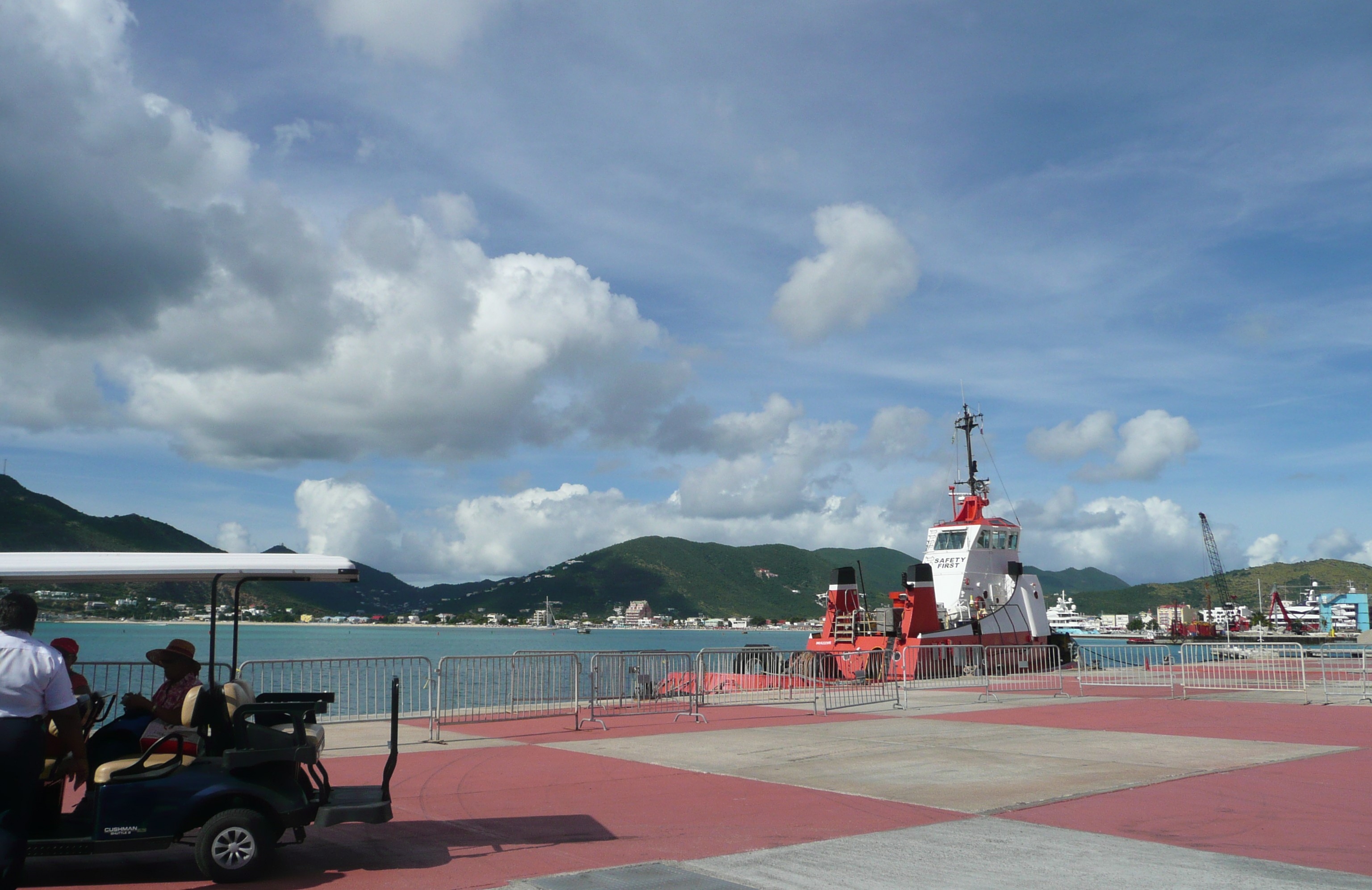
My przypłyneliśmy na Tortolę – największą wyspę archipelagu. Ma powierzchnię ok. 55 km2, a jej stolica – Road Town – leży na południu, w naturalnej zatoce, która była idealnym schronieniem dla pirackich okrętów. Pod spodem: piracke okręty. Ten maleńki z prawej jest nasz, a ten z lewej jest potworem, który zabiera 6500 pasażerów.
We sailed to Tortola, the largest island in the archipelago. It has an area of approximately 55 square kilometers, and its capital, Road Town, lies to the south, in a natural bay that provided an ideal haven for pirate ships. Below: pirate ships. The tiny one on the right is ours, and the one on the left is a monster that can accommodate 6,500 passengers.
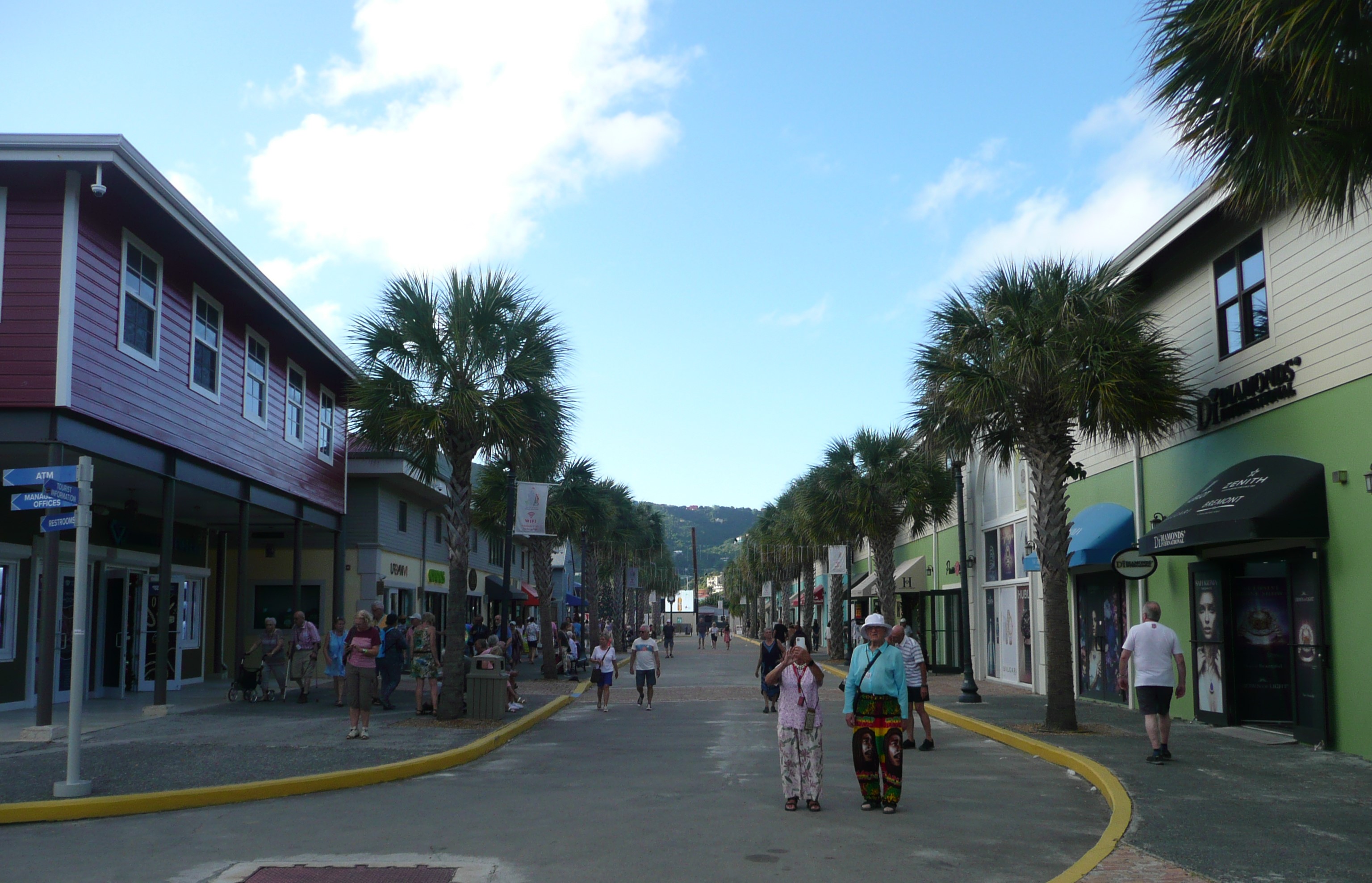
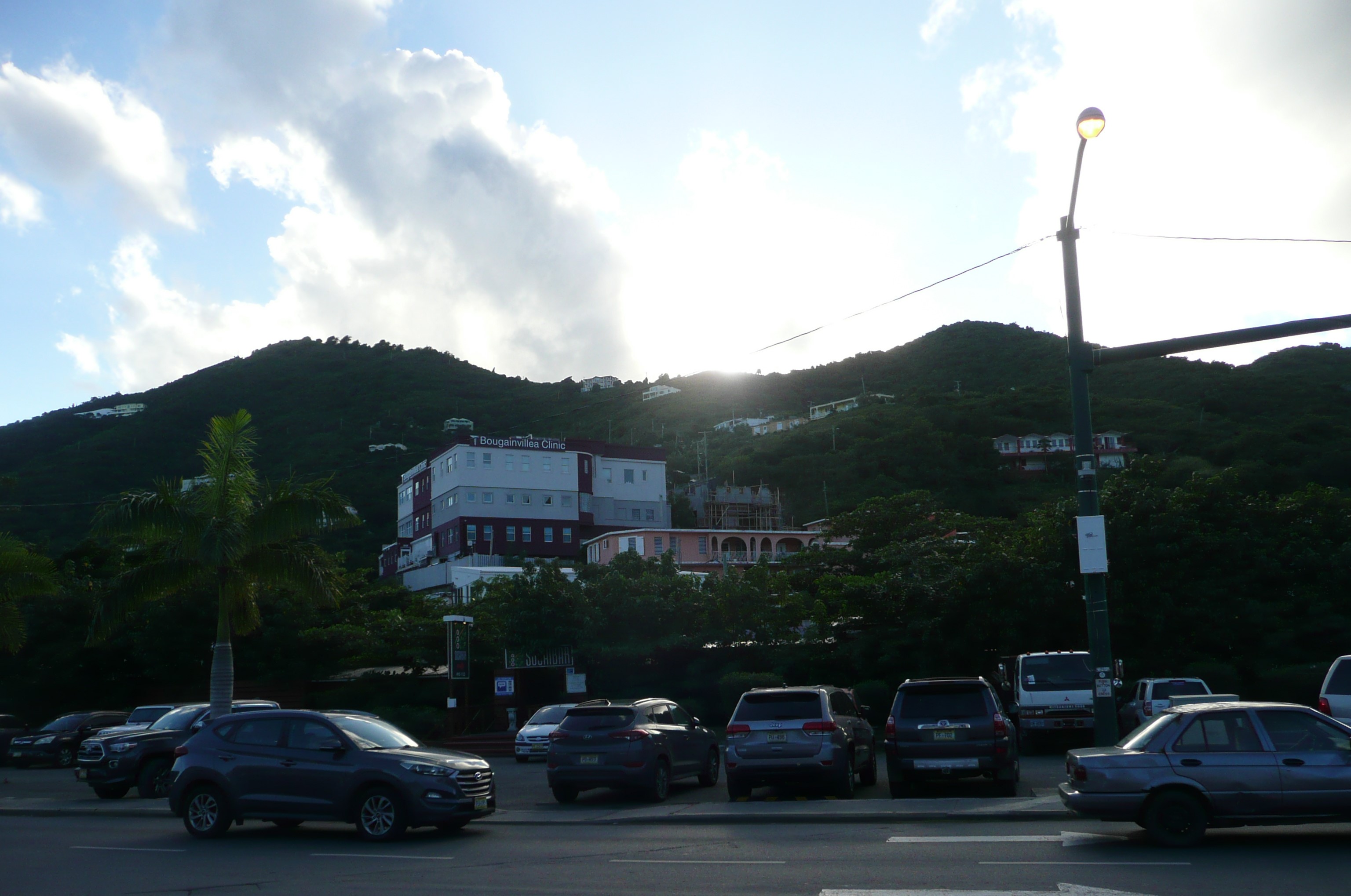
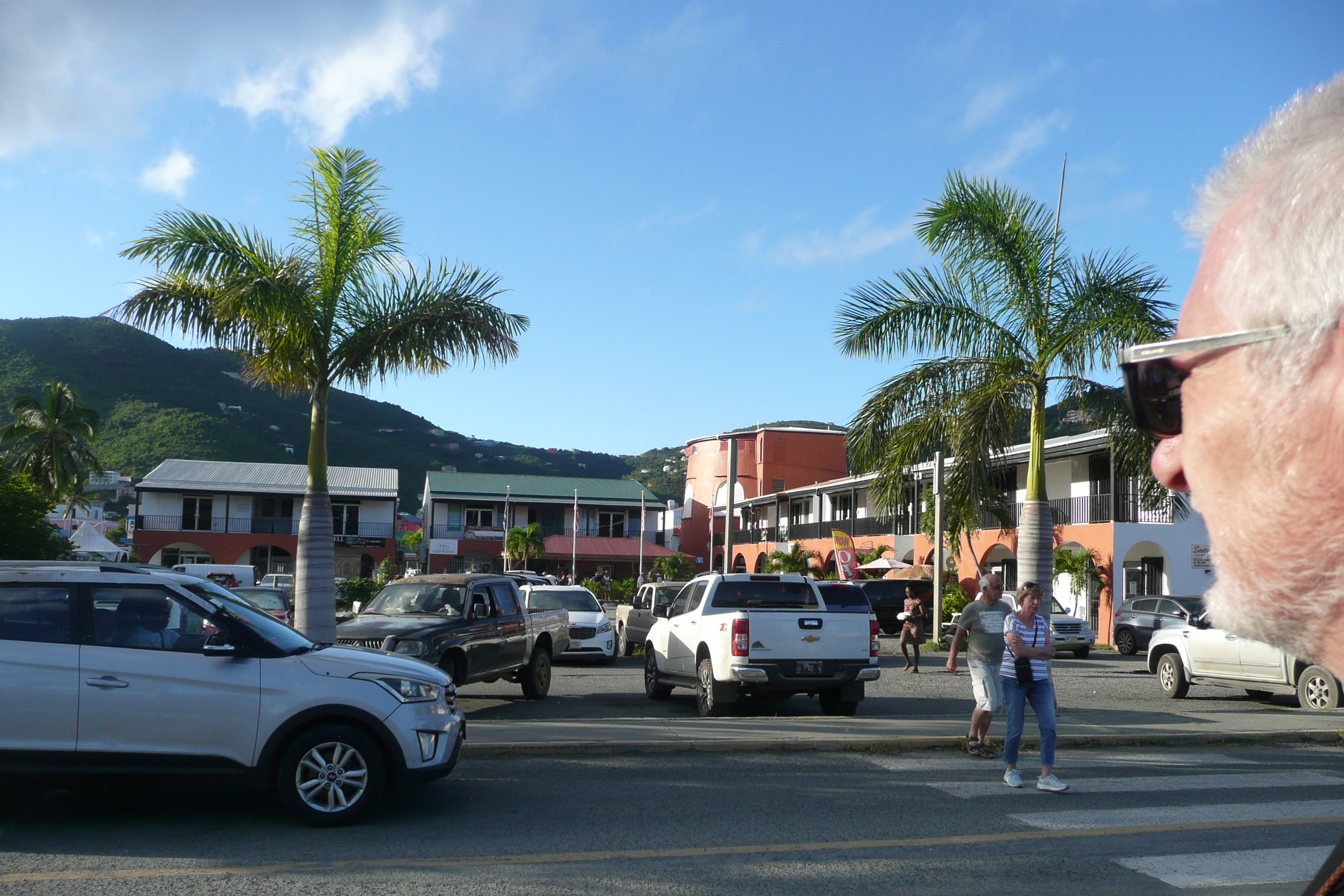
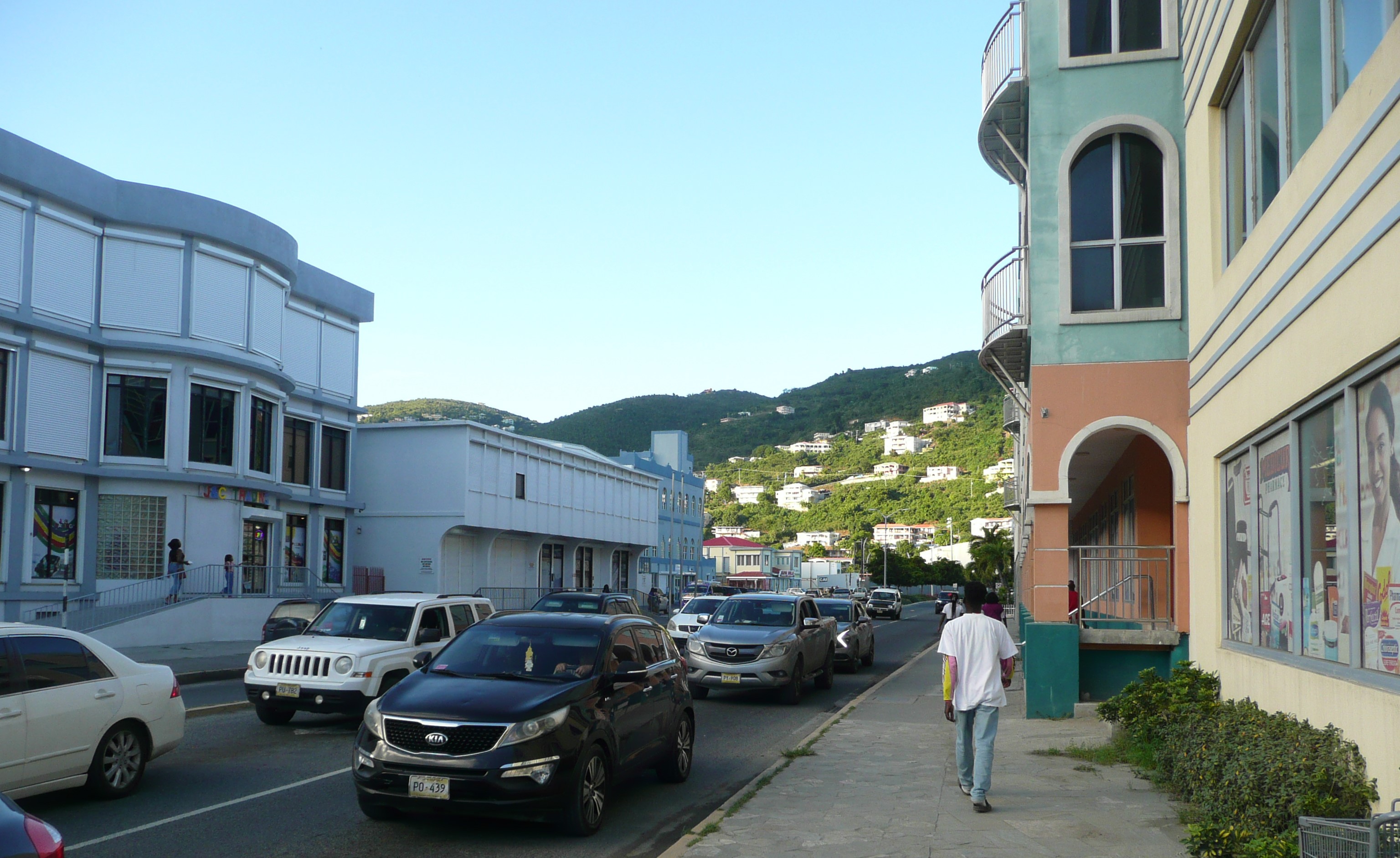
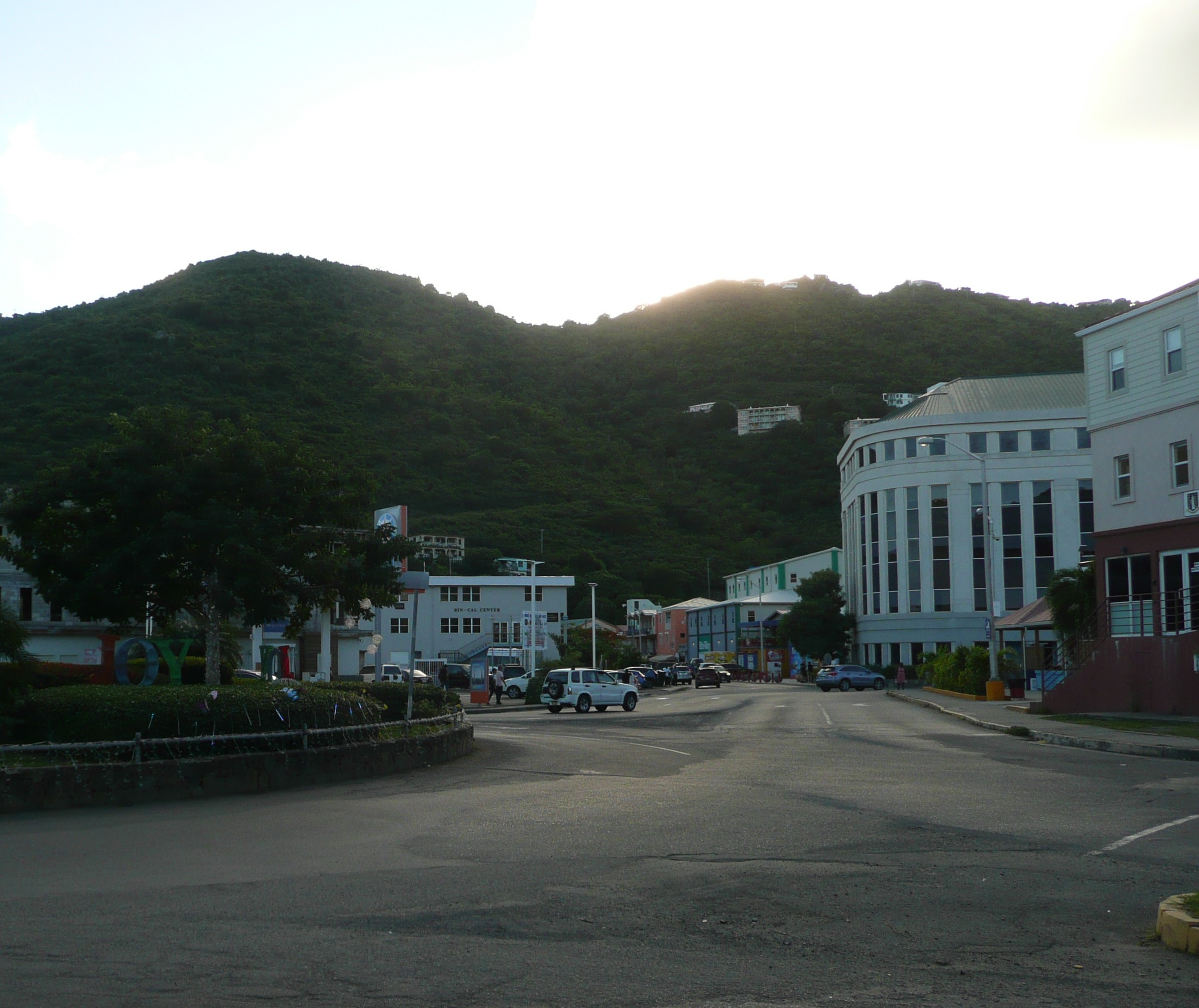
Road Town ma około 12 tysięcy mieszkańców i jest bardzo spokojnym miejscem. Przestępczość jest niewielka, ulice są czyste, ludzie uśmiechają się do siebie i są wyluzowani. Otoczone łagodnymi, zielonymi wzgórzami jest miejscem prawie idealnym.
Road Town has a population of around 12,000 and is a very peaceful place. Crime is low, the streets are clean, and people smile and are relaxed. Surrounded by rolling green hills, it’s a near-perfect place.
Road Town, Tortola
Jest też najnudniejszym miastem, jakie odwiedziłam na Karaibach. Nic, naprawdę nic ciekawego się tam nie działo, nie było ulicznych barów i kawiarni, nie słychać było głośnej muzyki, nikt nie proponował paciorków ani chińskich ciuchów… prawo i porządek 🙂 Można było odetchnąć od hałasu i tłumów.
It’s also the most boring city I’ve visited in the Caribbean. Nothing, really nothing interesting happened there: no street bars or cafes, no loud music, no one offering beads or Chinese clothes… law and order. 🙂 It was a welcome respite from the noise and crowds.
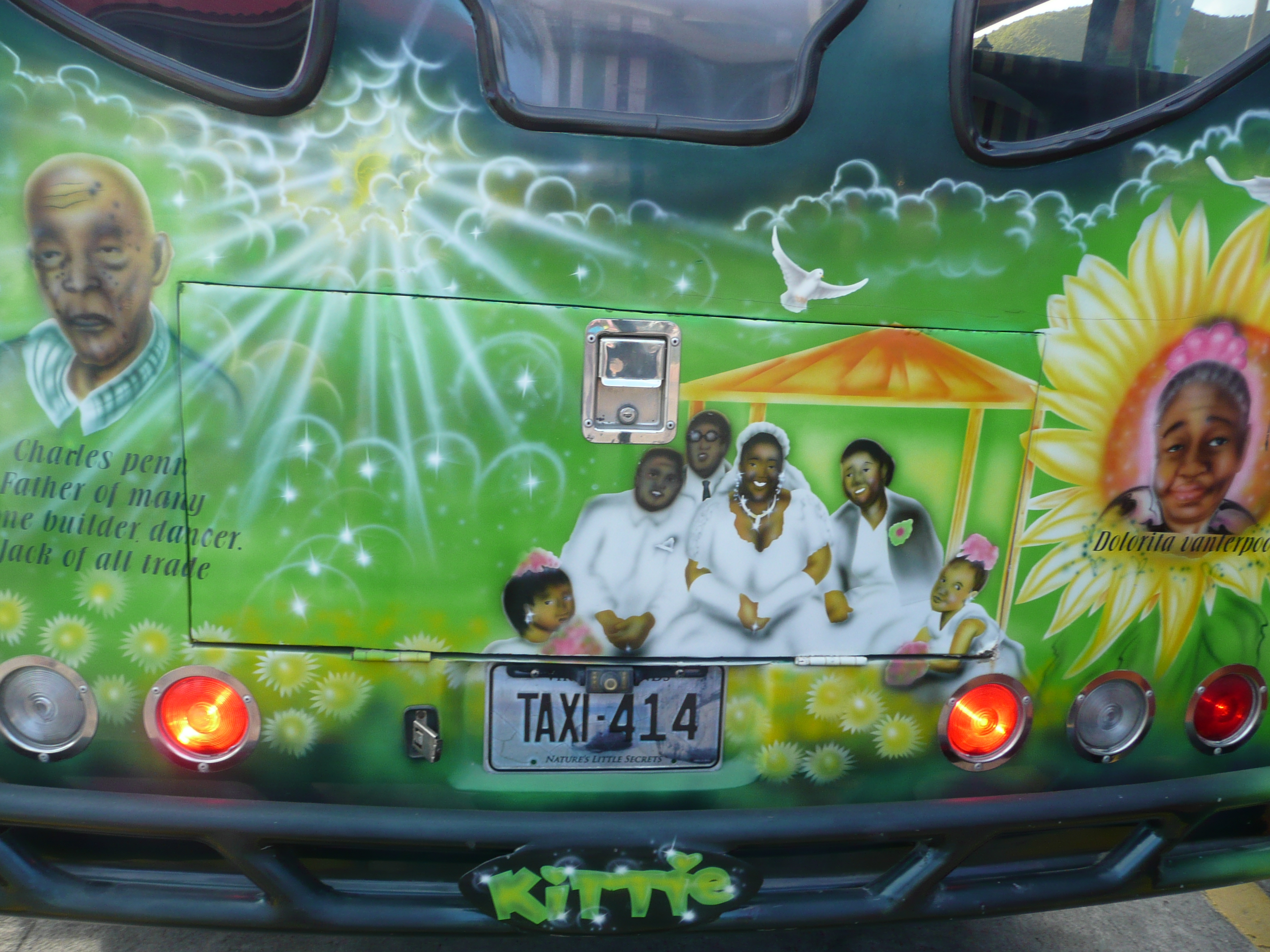
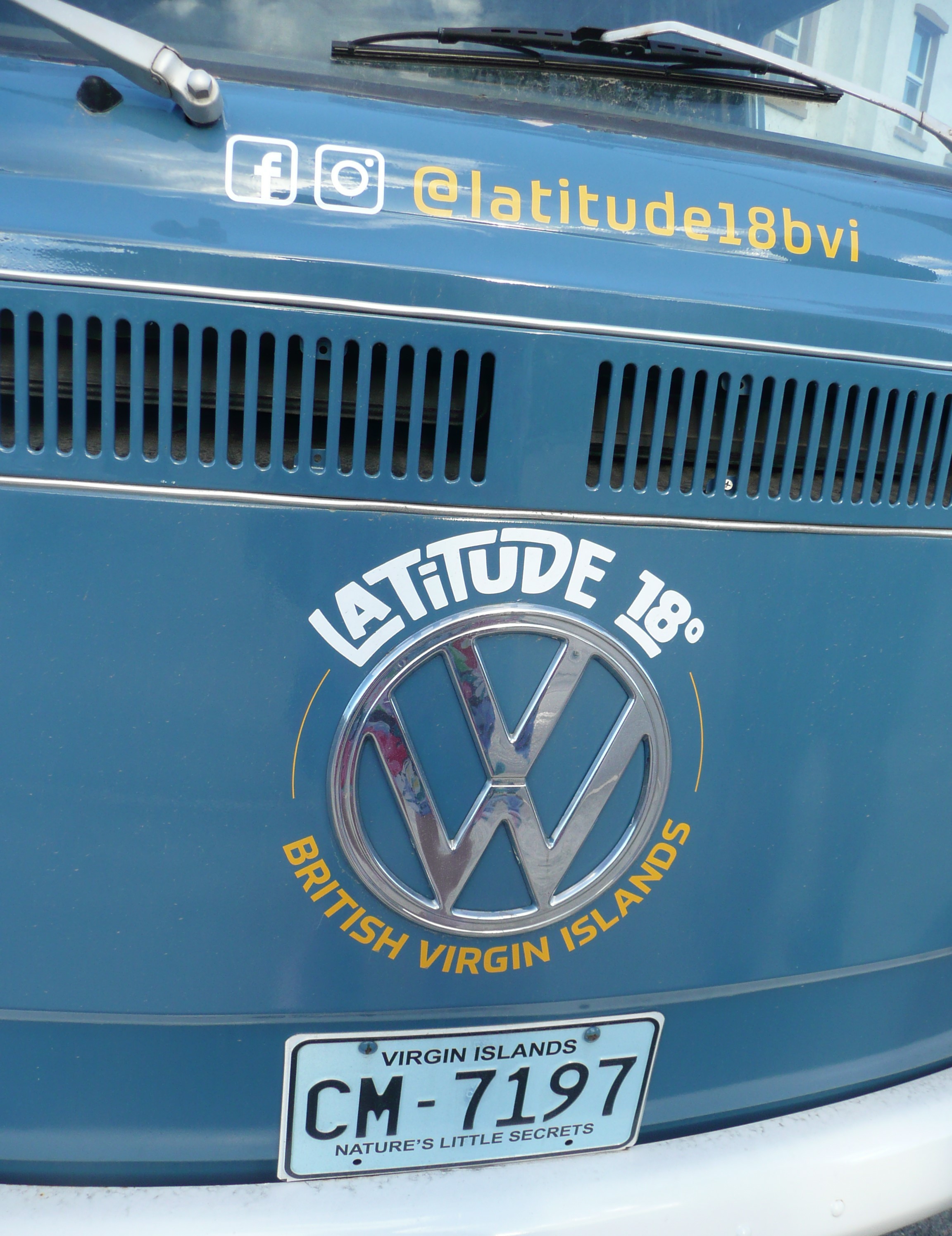
Na wyspach mają fajne rejestracje i taksówki: / They have nice license plates and taxis on the islands:
Po kilku upalnych (a jakże!) godzinach w mieście, wracamy do portu, spragnieni kawy. W porcie, w każdym porcie na świecie, życie toczy się inaczej, choć trudno określić na czym to polega. Takie miejsca żyją własnym rytmem i na własnych zasadach. Pewnie podobnie jest na dworcach kolejowych, czy lotniskach?
After a few scorching hot hours in the city, we return to the port, craving coffee. In a port, in every port in the world, life flows differently, though it’s hard to pinpoint exactly what that is. Such places live their own rhythm and by their own rules. It’s probably the same at train stations and airports?
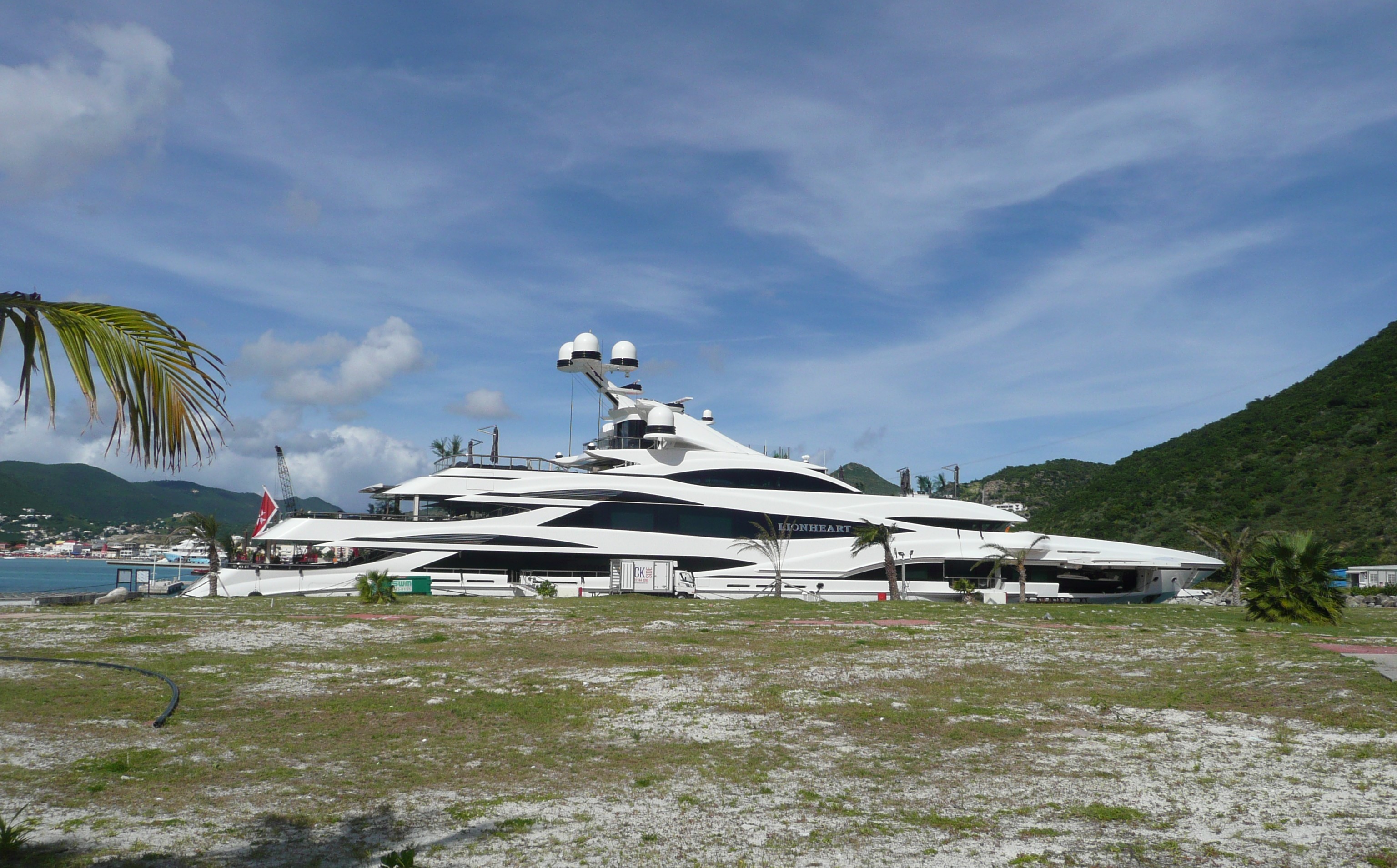
Jacht na zdjęciu kosztował ponoć 80 milionów dolców, a jego roczne utrzymanie to kolejny milion. Nie mogę powiedzieć skąd to wiem, ale źródło wydawało się dobrze poinformowane. Ot, taka ciekawostka z życia.
The yacht in the photo reportedly cost $80 million, and its annual maintenance is another million. I can’t say where I got that information from, but the source seemed well-informed. Just a little tidbit of real life.
Tradycyjnie idziemy na lokalną kawę do portowej kawiarni. Siadamy przy stoliku na balkonie, wokół nas kilkoro ludzi, słońce zachodzi, wieczorna cisza, zaczynają latać ćmy … Kawy w knajpce nie ma, jest tylko lokalne piwo. Cóż, tradycji nie stało się zadość, ale piwo było niezłe. Trzeba wracać na statek, o dziewiątej wieczorem odpływamy. Do następnej wyspy!
As usual, we go for a local coffee at a portside café. We sit at a table on the balcony, surrounded by a few people, the sun is setting, the evening quiet, and moths are starting to fly around… There’s no coffee in the pub, only local beer. Well, tradition hasn’t been followed, but the beer was good. It’s time to get back to the ship; we’re leaving at nine in the evening. To the next island!
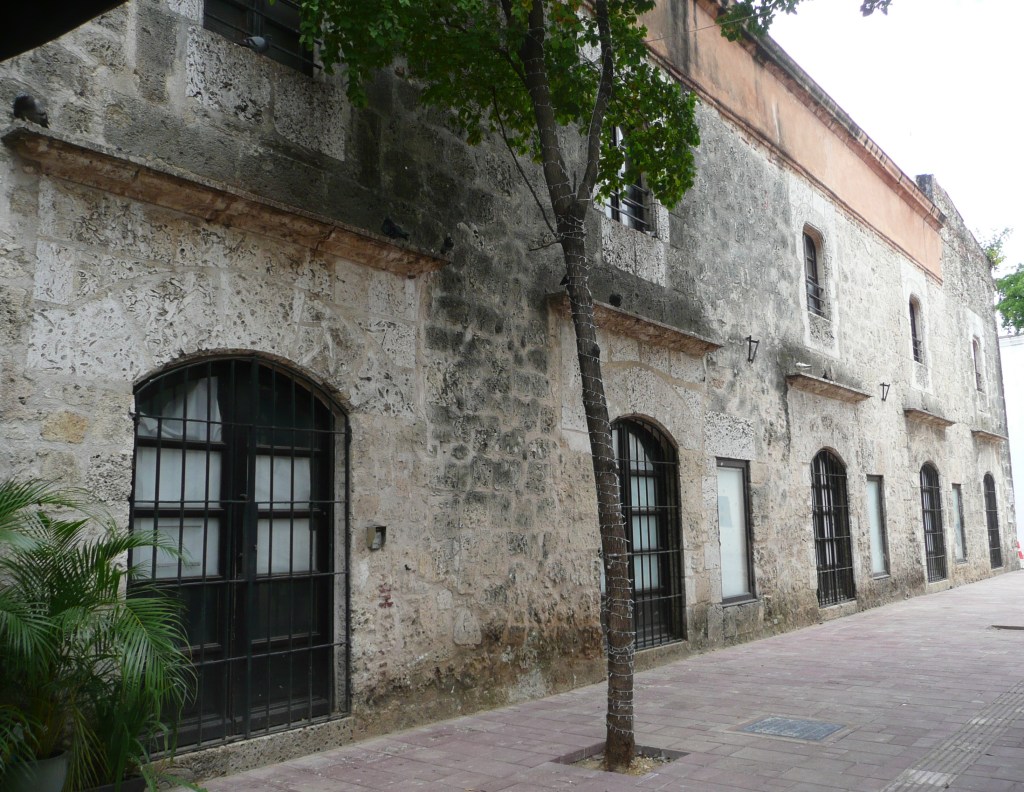
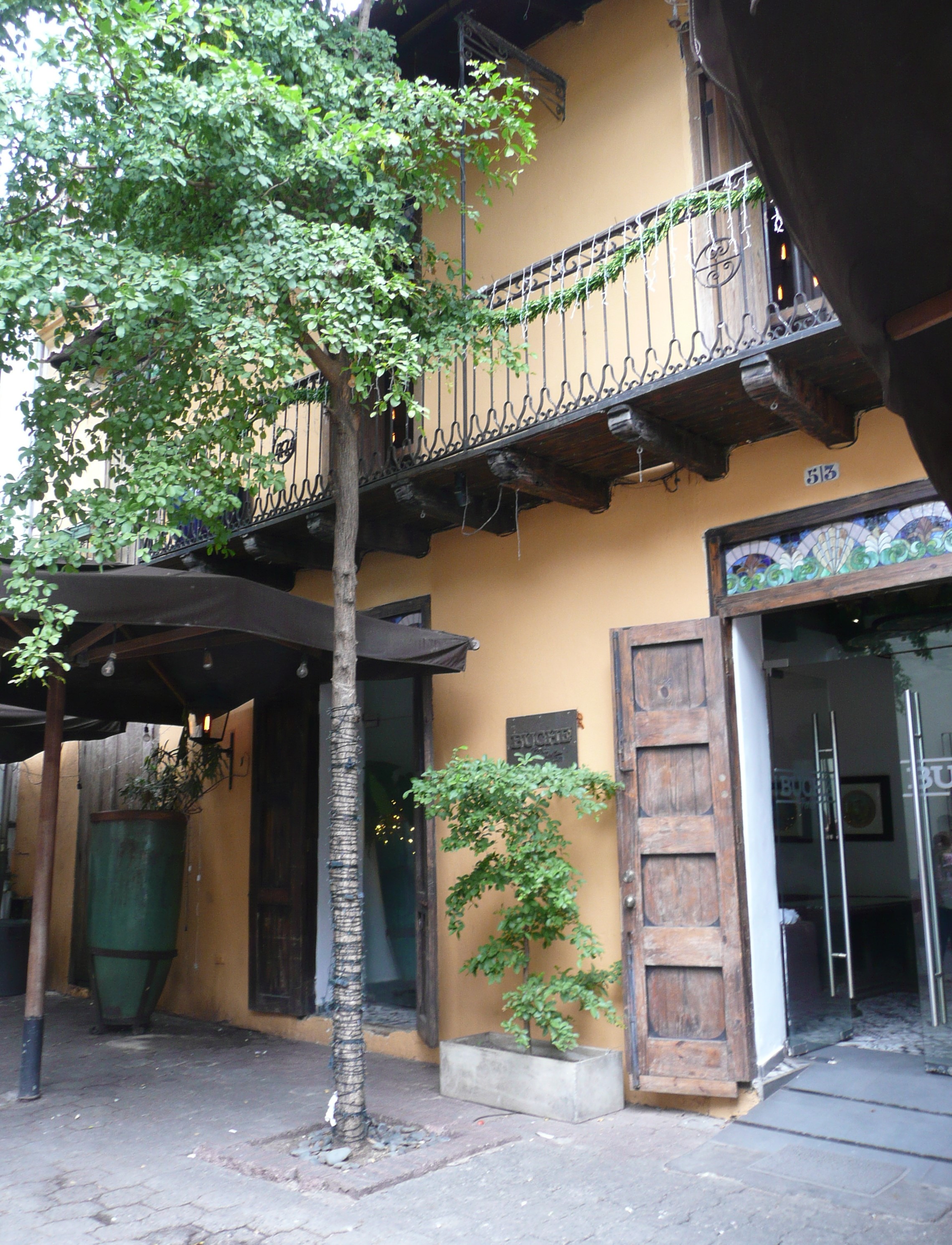
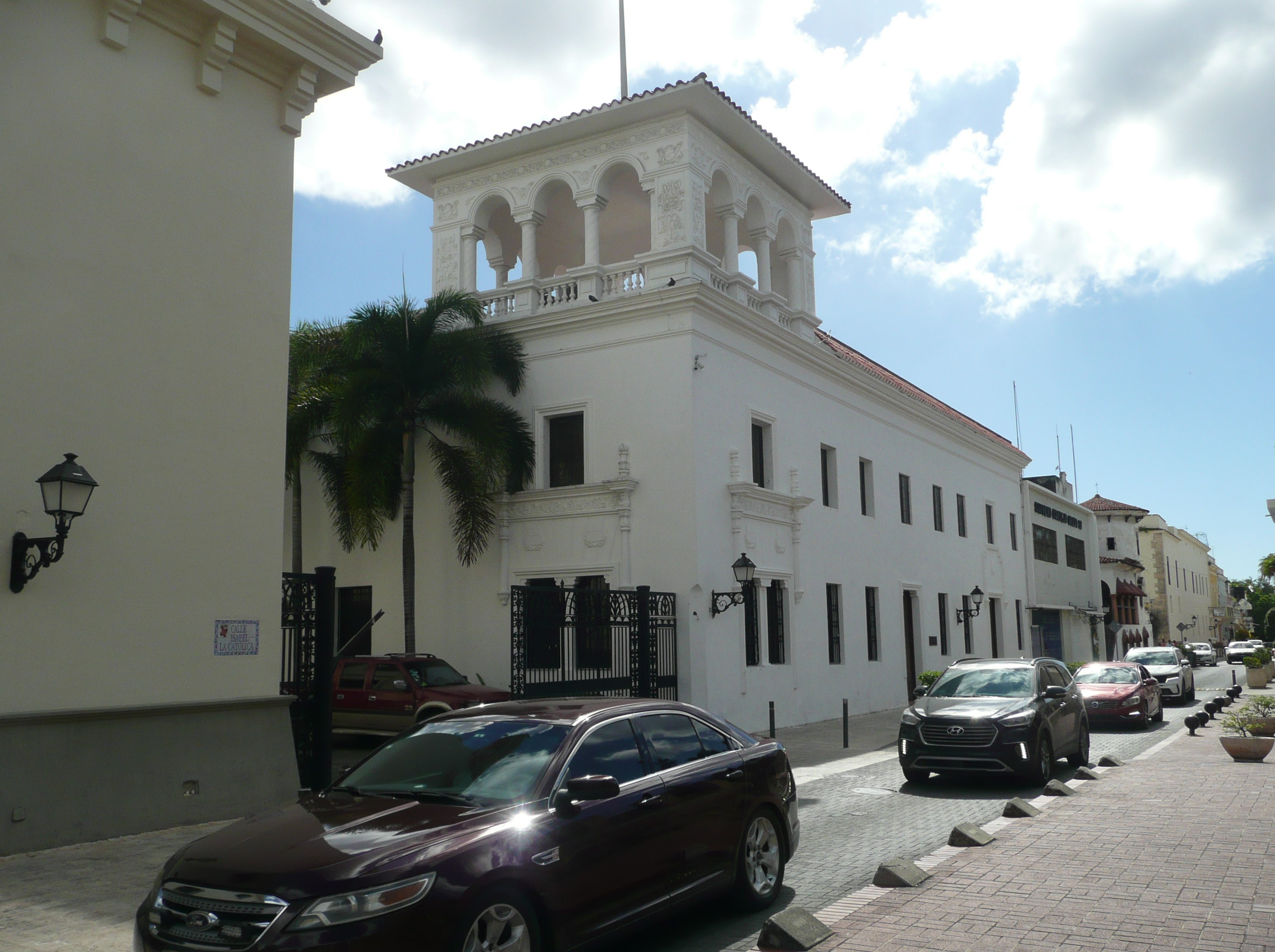
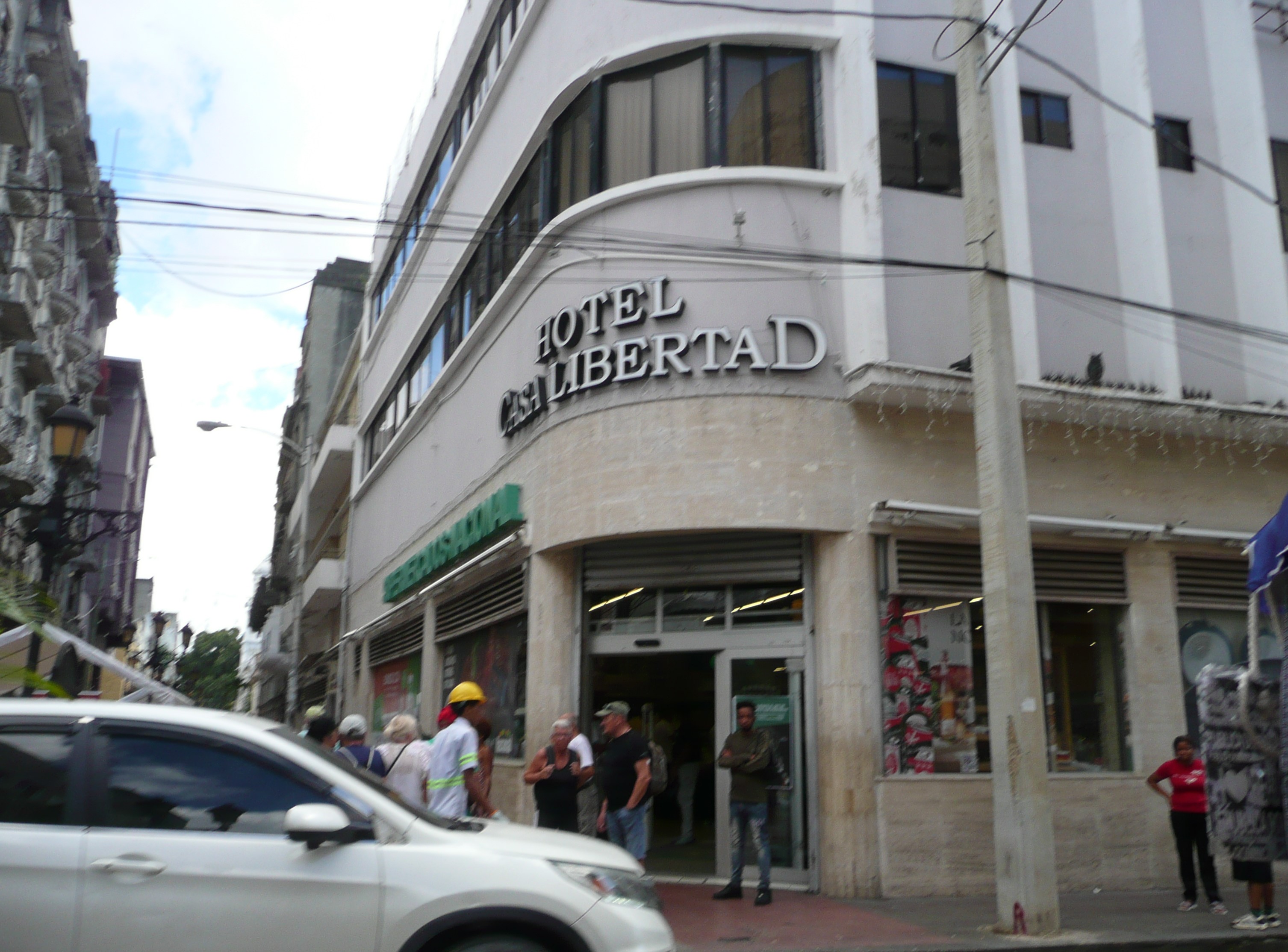
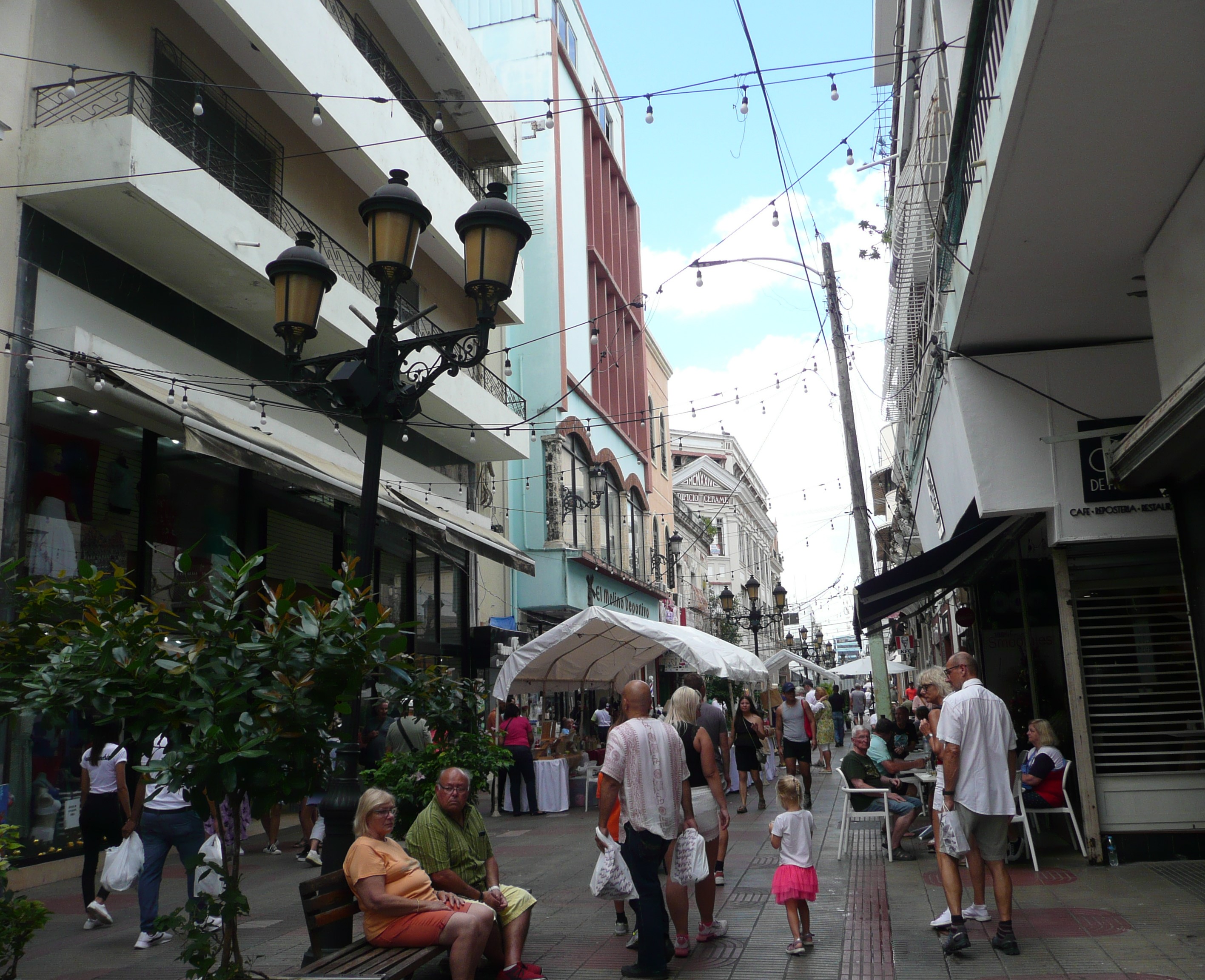
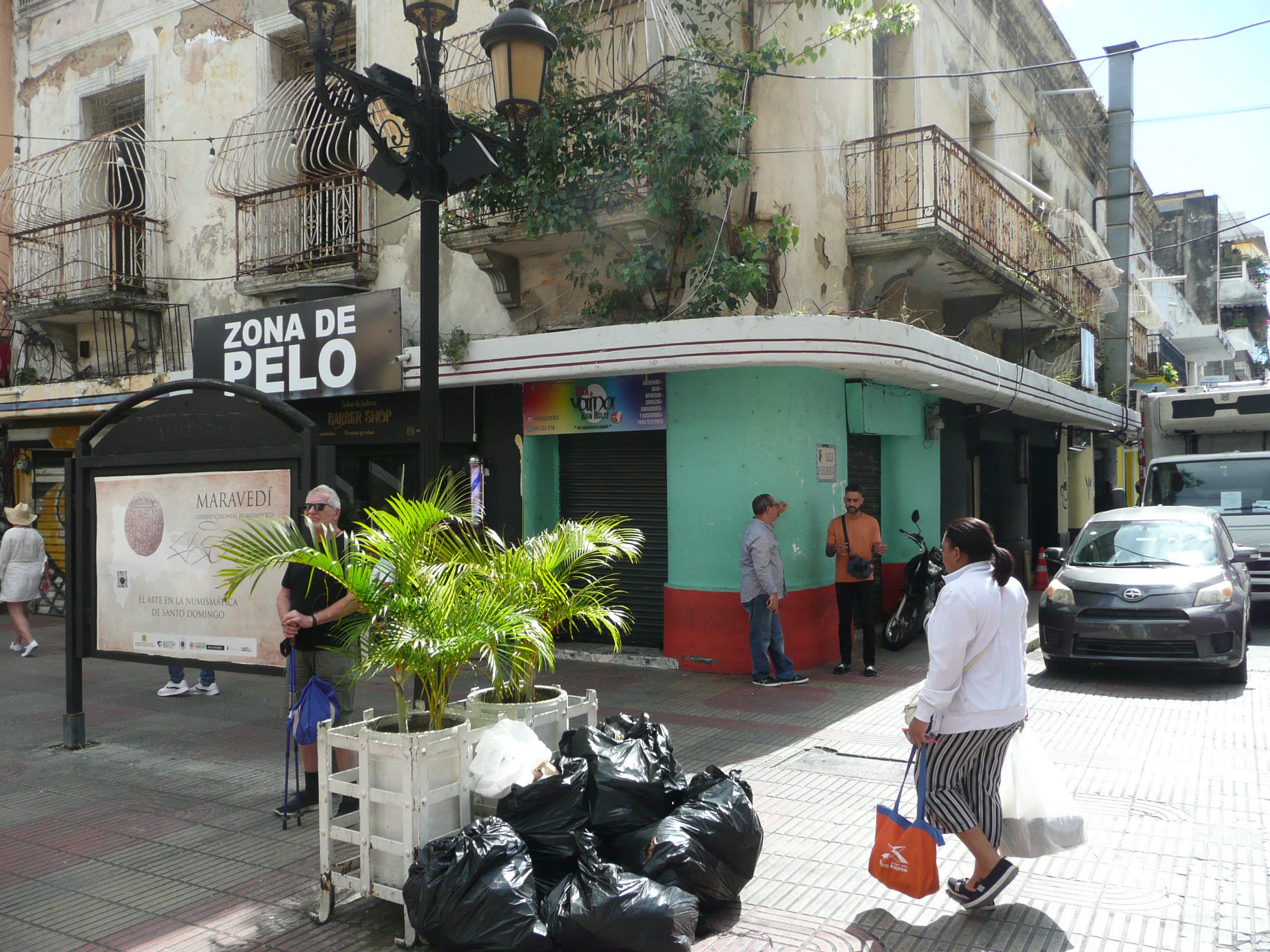
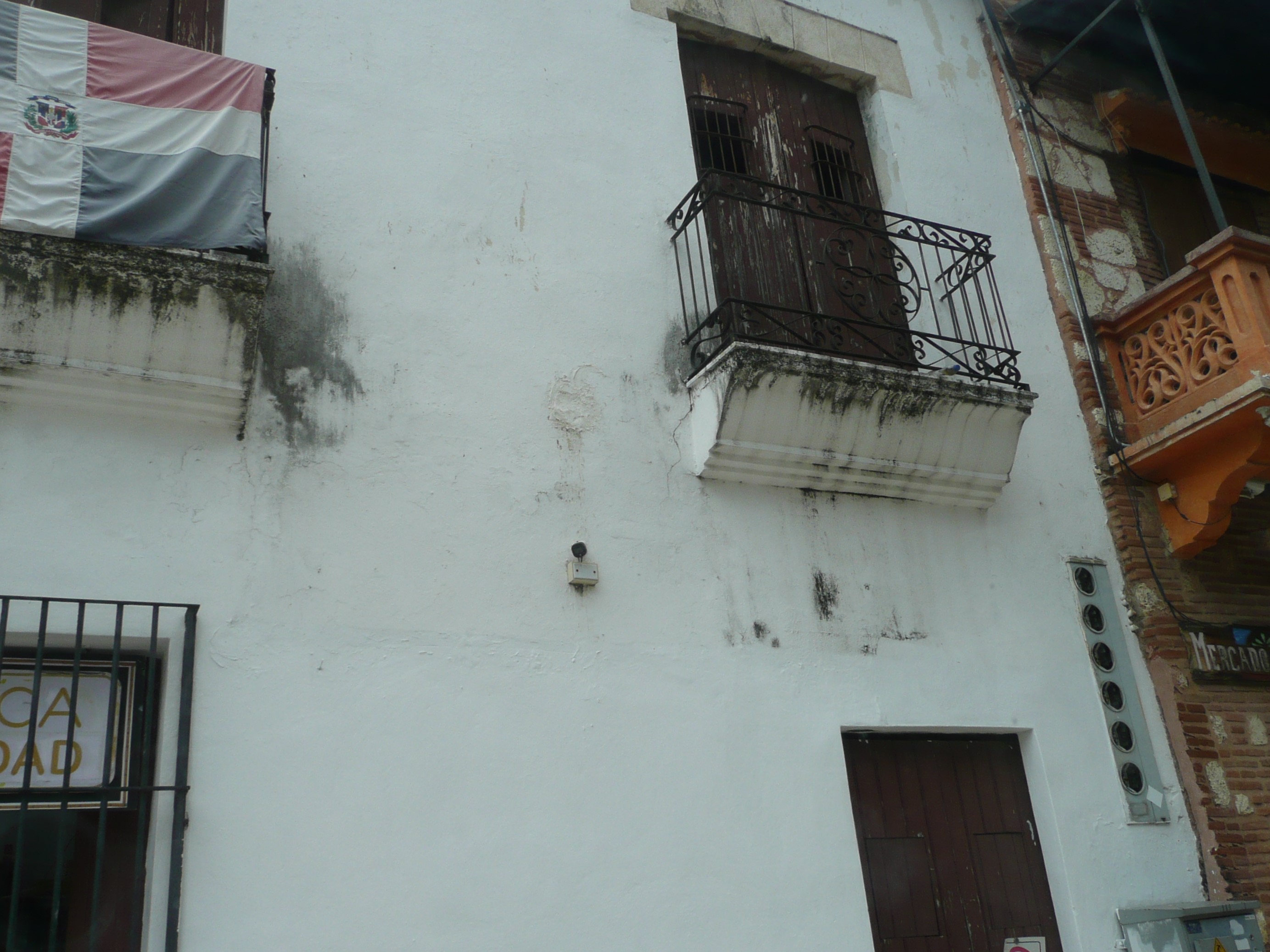
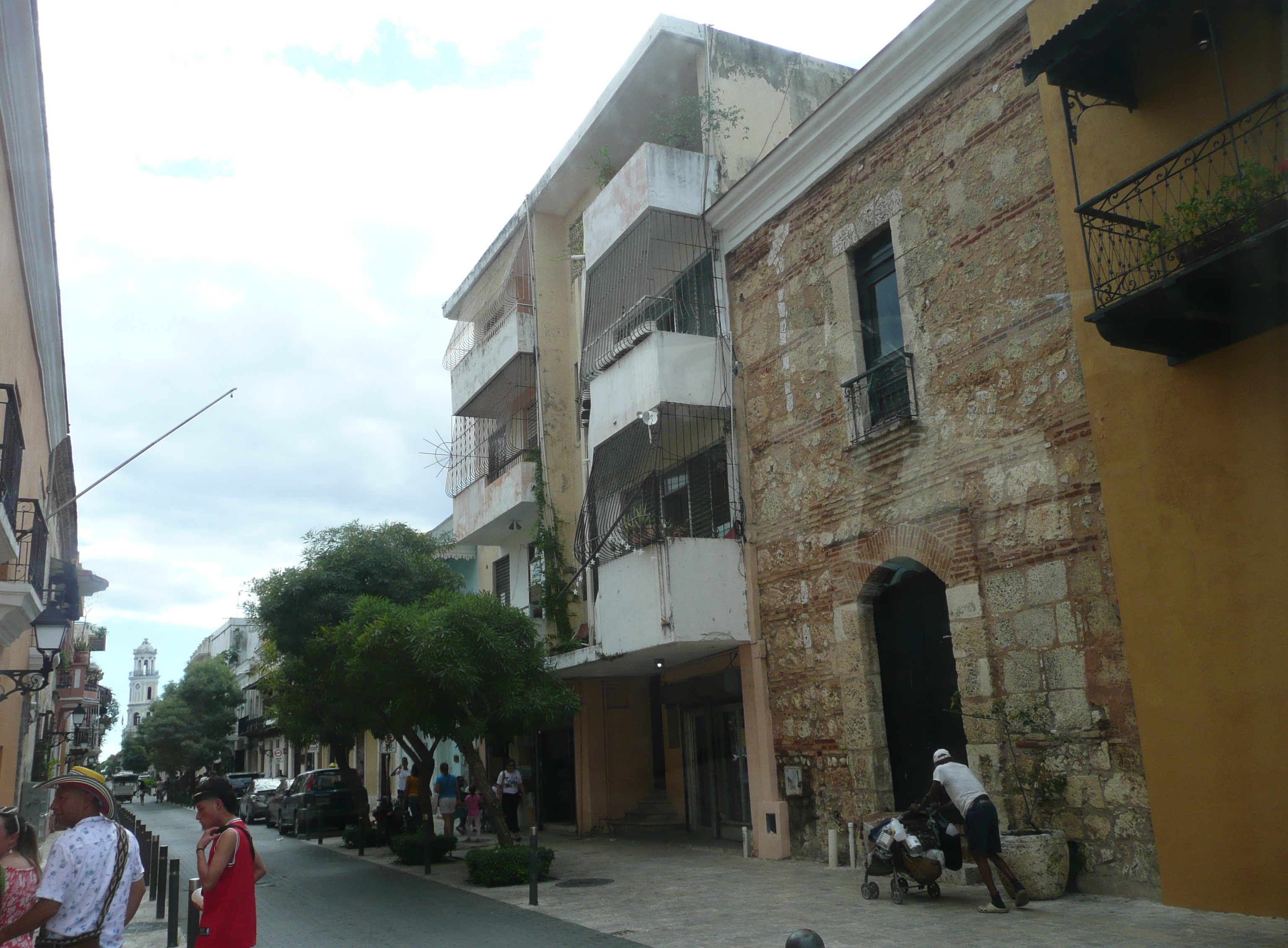
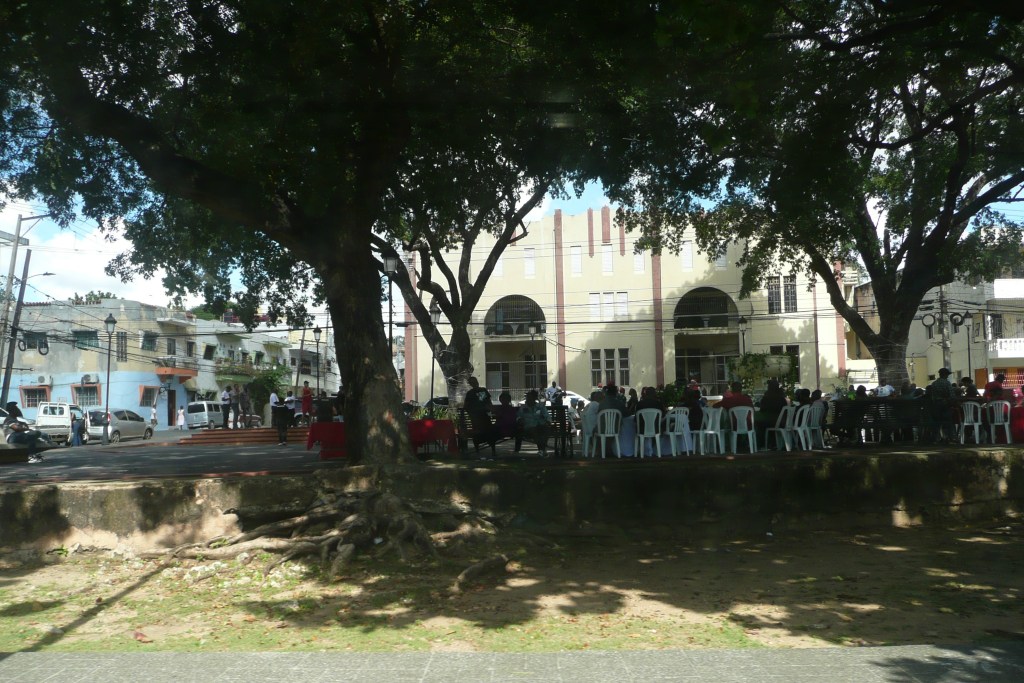
Na kawkę poszliśmy w starej części miasta, zwanej Zona Colonial (albo Ciudad Colonial), wpisanej na listę światowego dziedzictwa UNESCO. Jest to najstarsza, nieprzerwanie zamieszkana osada europejska w obu Amerykach. Naprawdę jest tam pięknie, urokliwie, cicho, spokojnie i… cieniście. Prawie pusto, w porównaniu z częścią miasta w której są sklepy, hotele i stragany.
We went for coffee in the old part of town, known as the Zona Colonial (or Ciudad Colonial), a UNESCO World Heritage Site. It’s the oldest continuously inhabited European settlement in the Americas. It’s truly beautiful, charming, quiet, peaceful, and… shady. It’s almost deserted compared to the part of town with its shops, hotels, and market stalls.
Ciudad Colonial, Santo Domingo
Ciudad Colonial, Santo Domingo
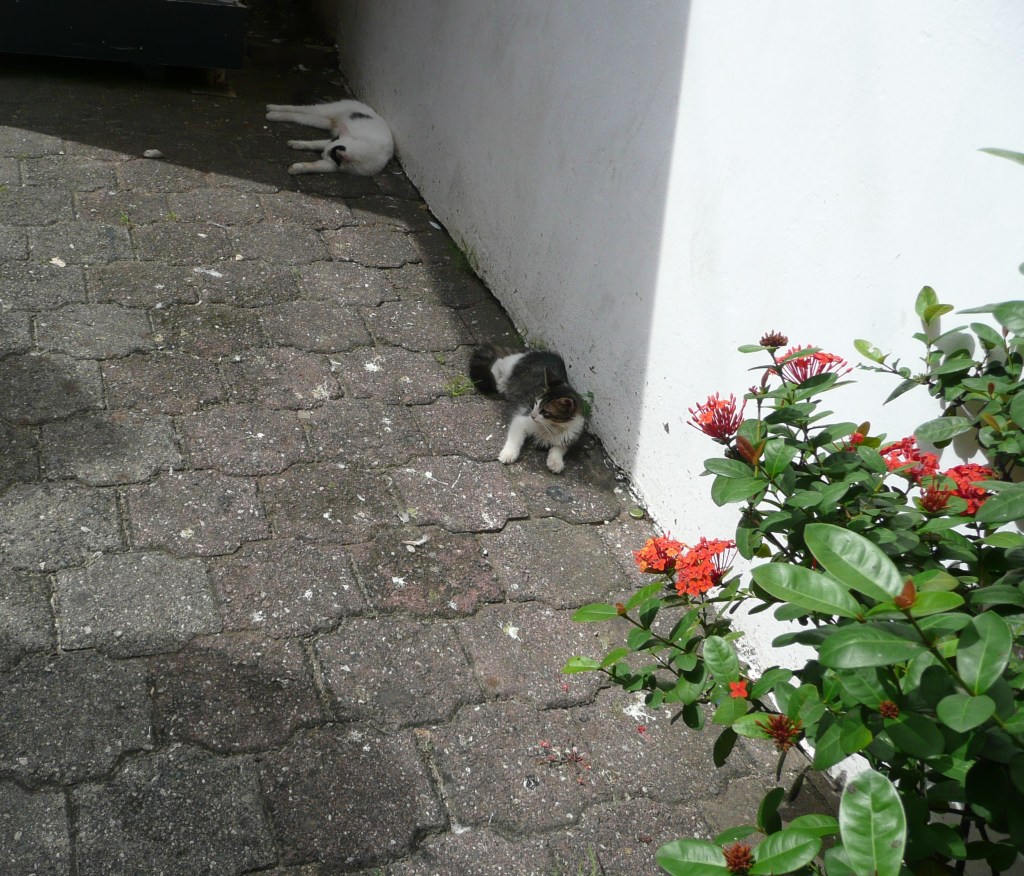
Koty leżą w cieniu i nie zwracają uwagi na przechodniów / Cats lie in the shade and pay no attention to passers-by.
Zona Colonial, Santo Domingo
Wychodziliśmy z kawiarni wraz z kilkoma staruszkami, którzy idąc spotkali kilku innych gości. Zaczęli dyskutować głośno gestykulując. Myślałam, że jesteśmy świadkami jakiejś ulicznej sprzeczki, a oni nagle zaczęli grać i śpiewać! Jak nie kochać Dominikany.
We were leaving a café with a few elderly men who, on their way, encountered several other patrons. They began arguing loudly, gesticulating. I thought we were witnessing some kind of street quarrel, but suddenly they started playing and singing! How can you not love the Dominican Republic?
Połaziliśmy jeszcze po starym mieście, ciesząc się chłodem w cieniu starych murów i drzew. Niedługo potem musieliśmy wracać na statek. / We wandered around the old town, enjoying the cool shade of the ancient walls and trees. Soon, we had to return to the ship.
Muszę jeszcze opowiedzieć wam o larimar. To nieprawdopodobnie piękny kamień szlachetny, który wydobywa się w jednym tylko miejscu na świecie. Zgadnijcie gdzie. Tak, w Dominikanie! Wygląda jak Morze Karaibskie w tysiącach odcieni turkusu. Nie mogłam się oprzeć i kupiłam maleńkie, srebrne kolczyki z larimarem. Naprawdę malutkie… Kosztowały 7 dolców.
I still have to tell you about larimar. It’s an incredibly beautiful gemstone mined in only one place in the world. Guess where. Yes, the Dominican Republic! It looks like the Caribbean Sea in a thousand shades of turquoise. I couldn’t resist buying these tiny silver larimar earrings. Truly tiny… They cost seven bucks.
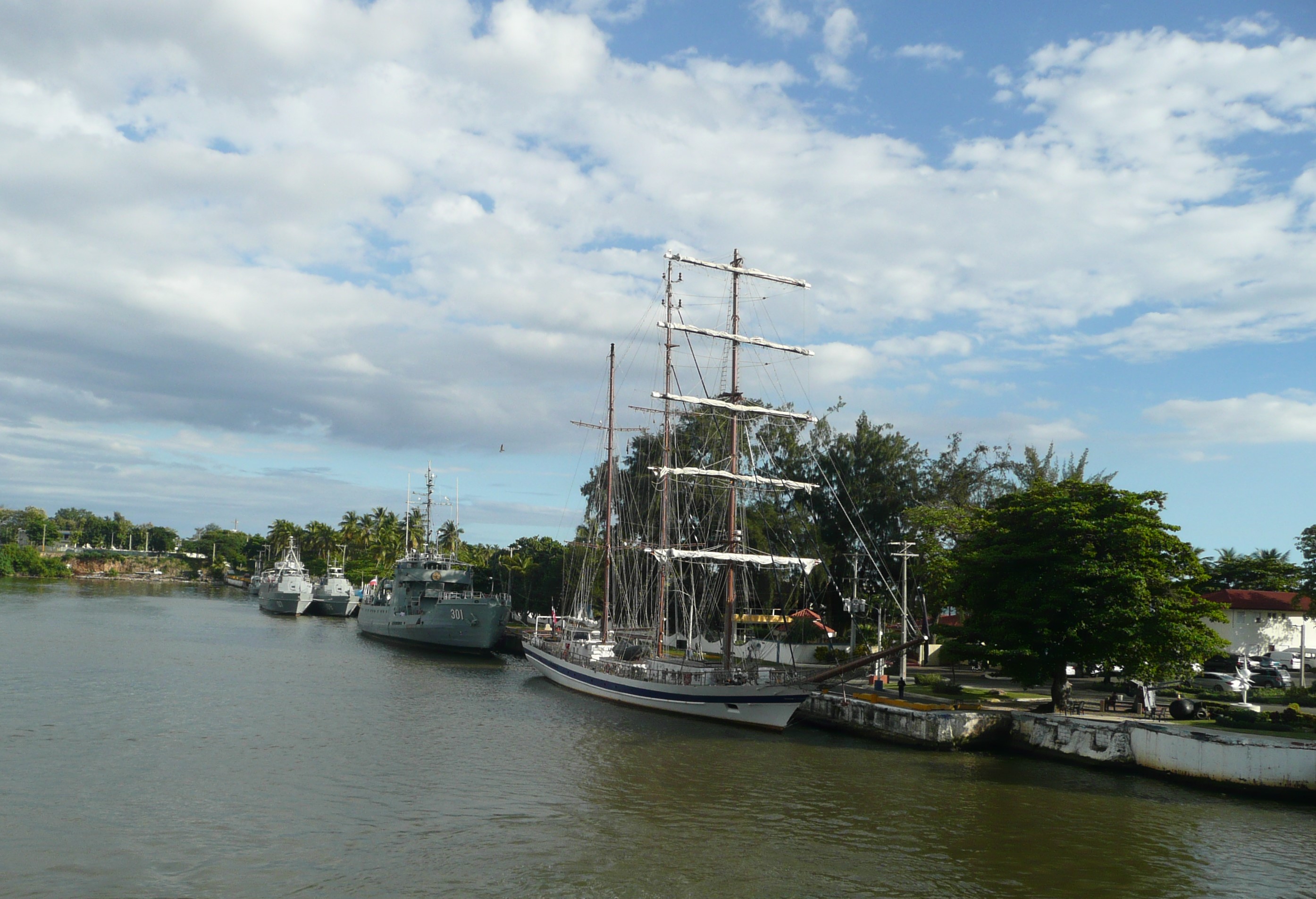
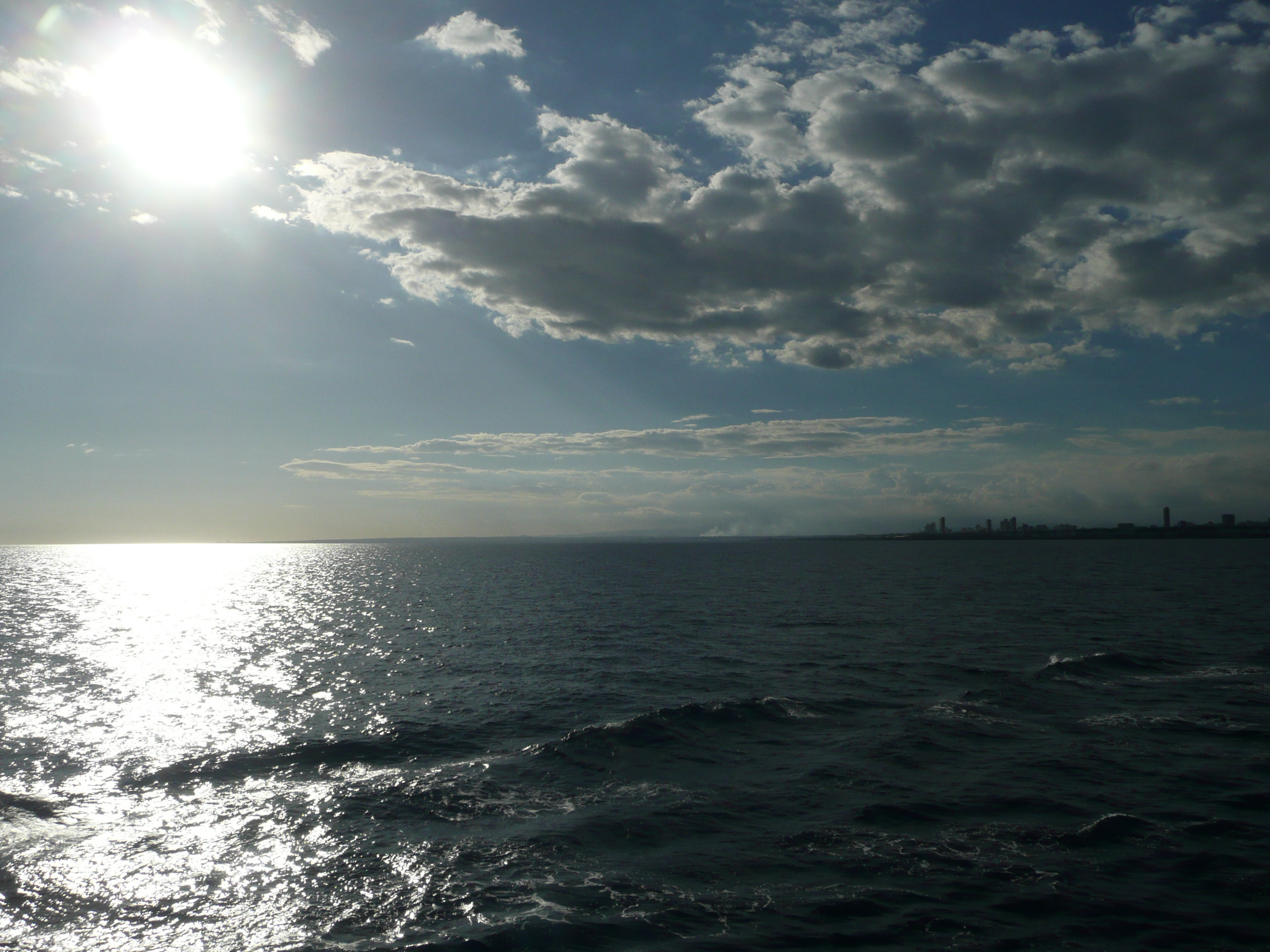
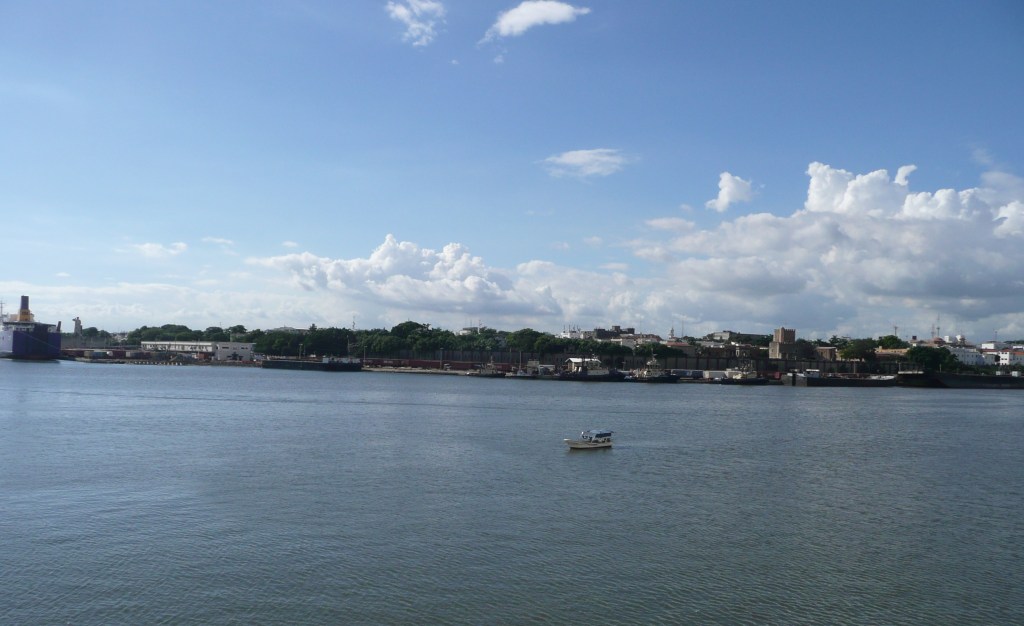
O 16-tej opuściliśmy piękną Dominikanę i jej wielki port. / At 4 p.m. we left the beautiful Dominican Republic and its great port.
Mamy do przepłynięcia 343 mile morskie (635 km) do następnej wyspy. Tymczasem siedząc na piątym pokładzie, odprowadzani przez pilota na małej łodzi patrzymy na oddalającą się wyspę Hispaniola.
We have 343 nautical miles (635 km) to sail to the next island. Meanwhile, sitting on the fifth deck, escorted by a pilot in a small boat, we watch the island of Hispaniola recede into the distance.
Republica Dominicana, 30 stopni, słońce wzeszło o 7:09, zaszło o 18:10 / Republica Dominicana, 30 degrees, sun rose at 7:09, set at 18:10
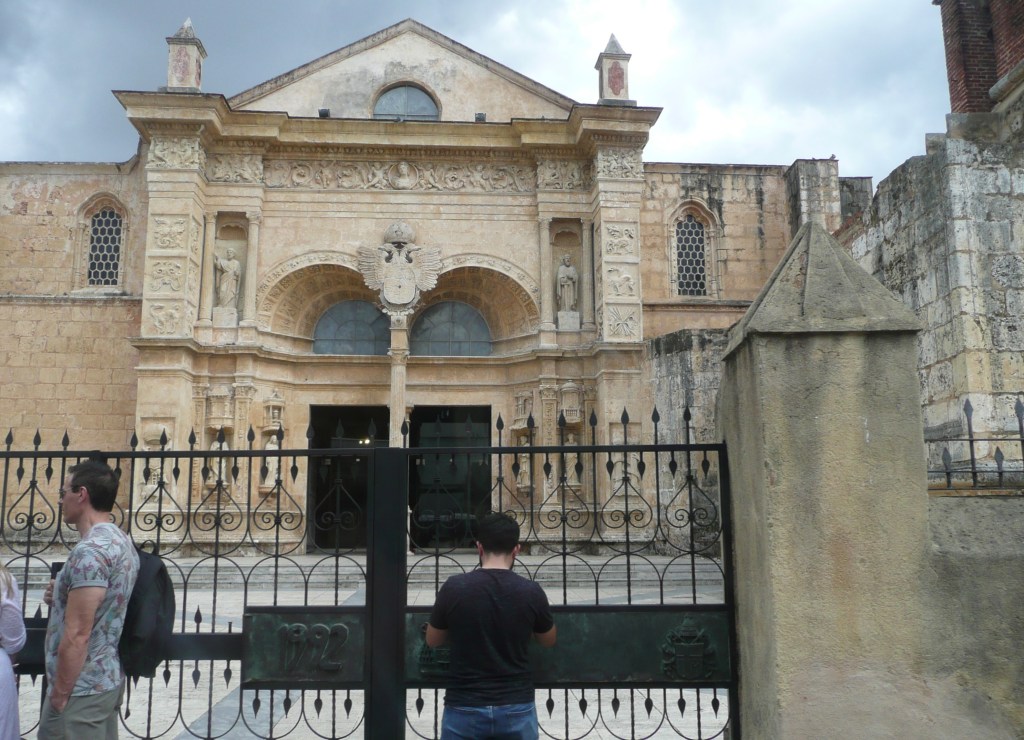
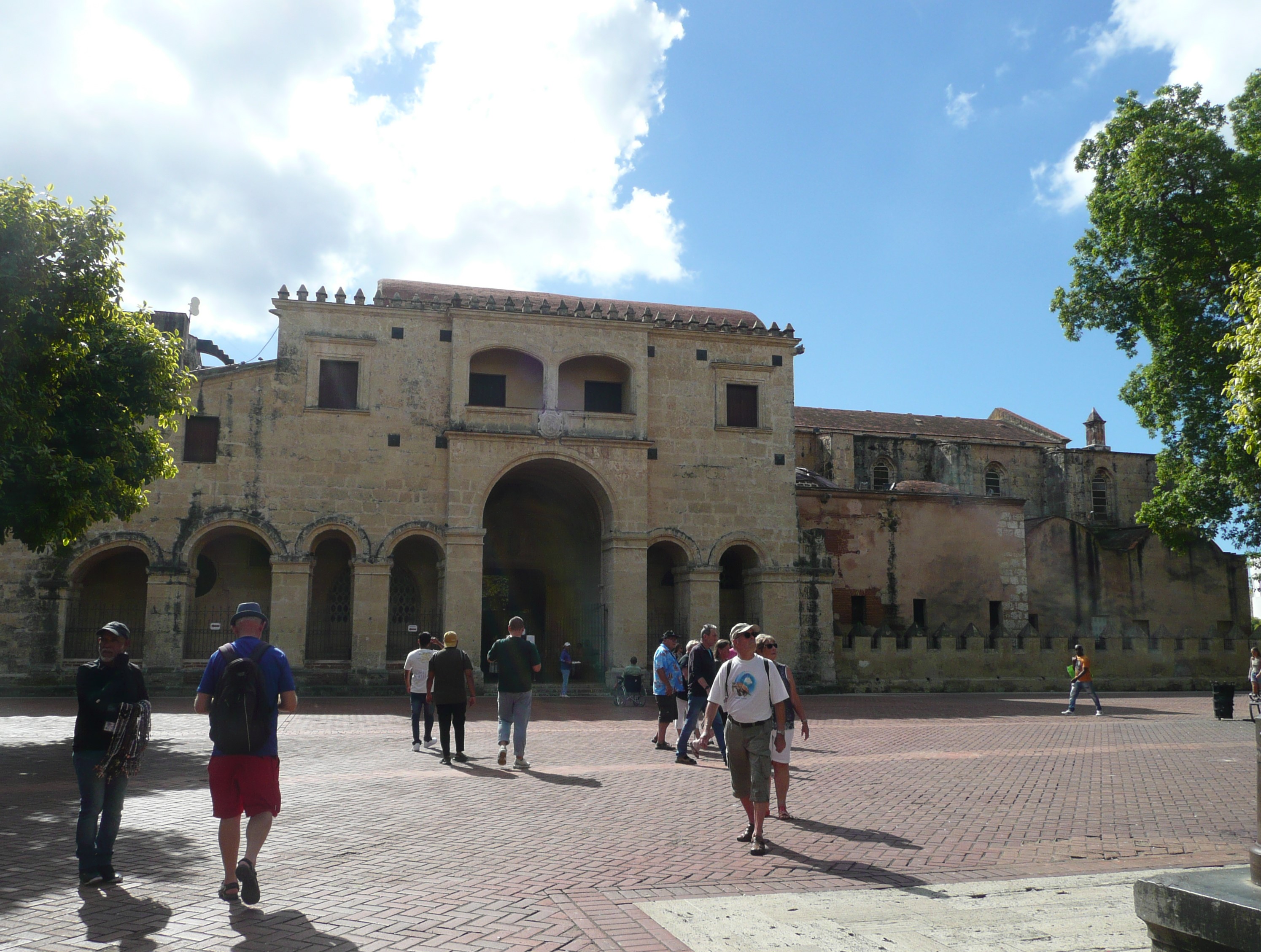
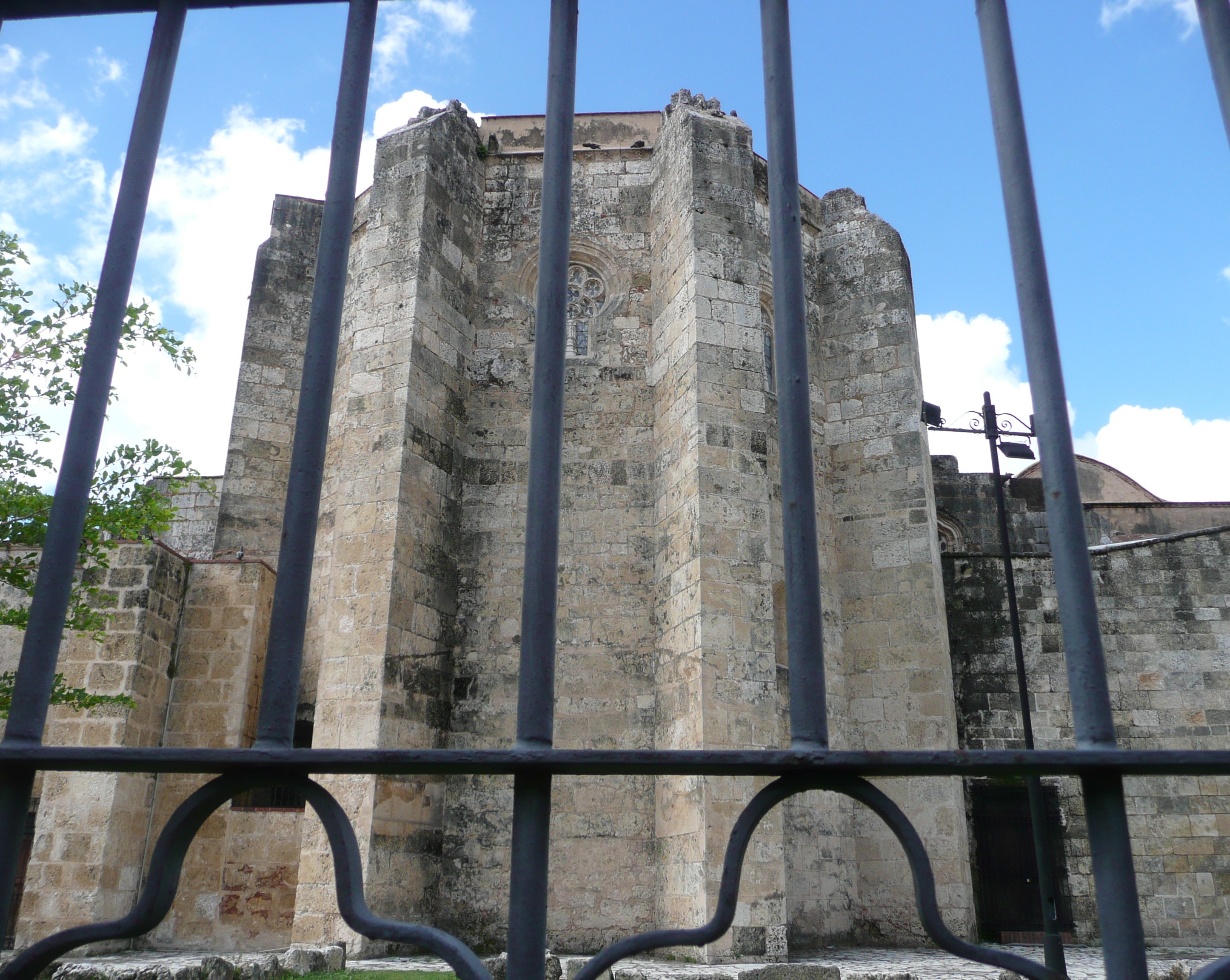
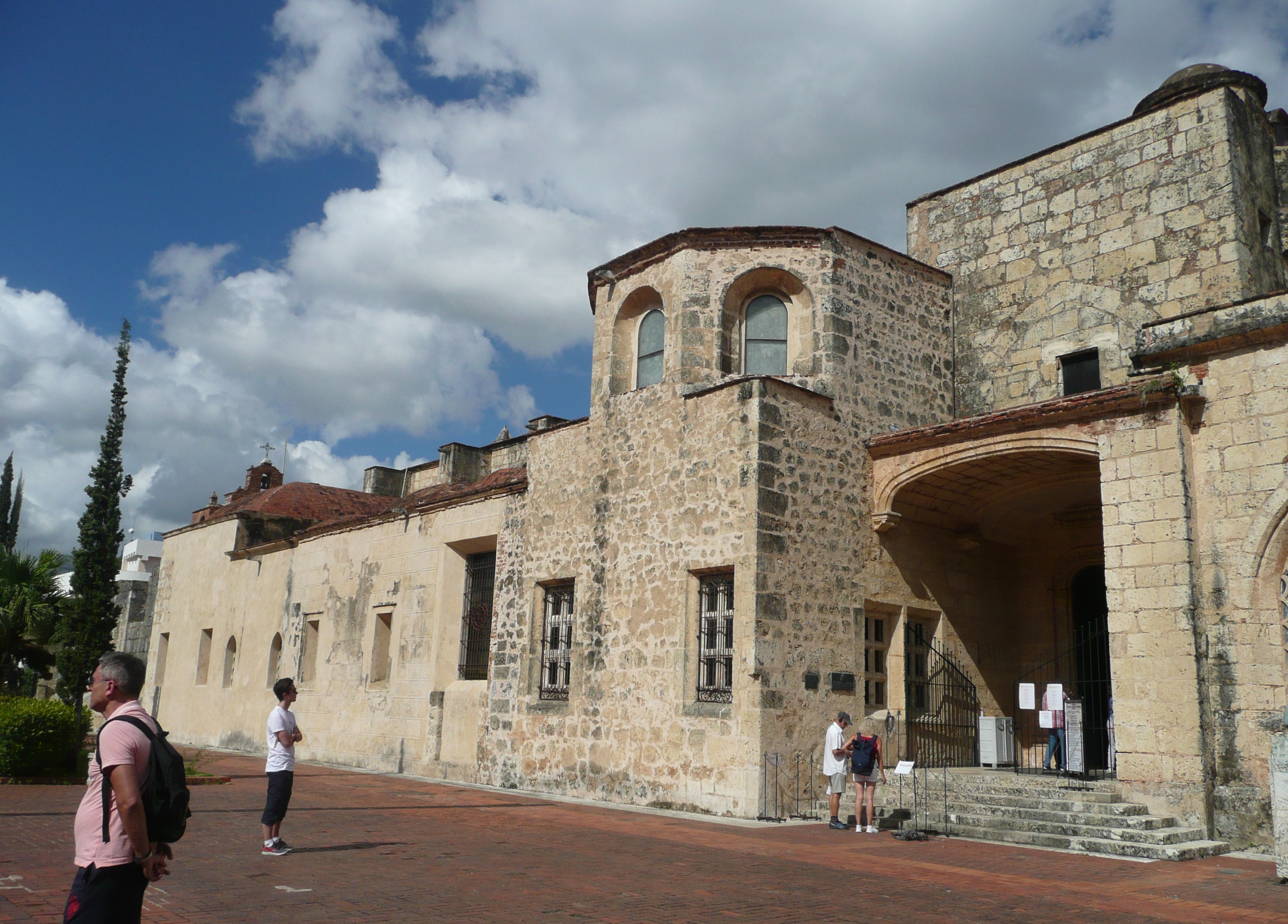
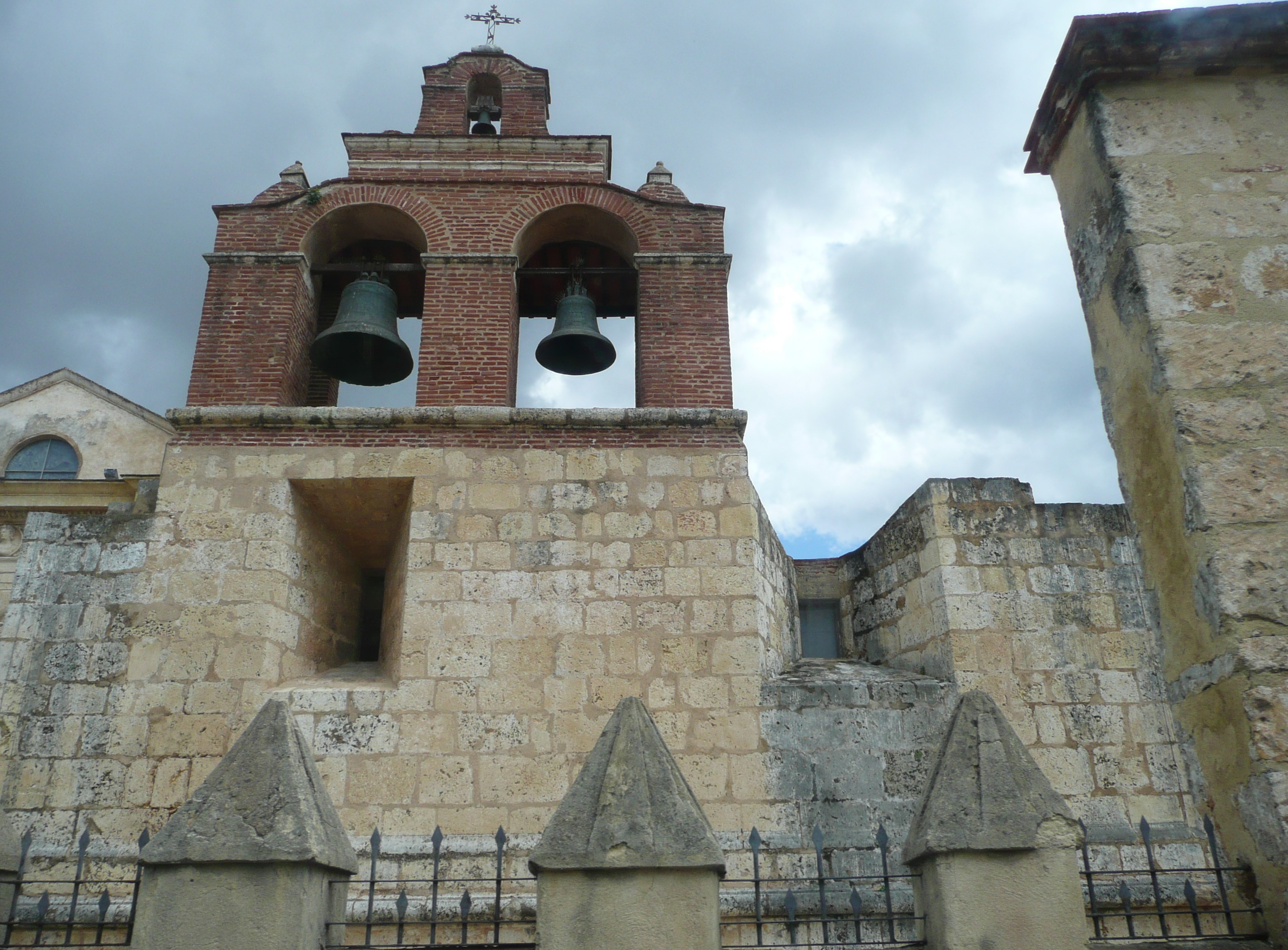
Centrum stolicy Dominikany pełne jest zapachów, słońca, kawiarni i policji. Jesteśmy na głównym placu przed najstarszą katedrą w Amerykach. Zaczęto ją budować w XVI wieku, nazywa się Nuestra Señora de la Encarnación, Jan Paweł II ogłosił ją „pierwszą katedrą wszystkich rdzennych mieszkańców”, co zakrawa na grubą nieprzyzwoitość, biorąc pod uwagę liczbę ofiar kościoła katolickiego w obu Amerykach…
The center of the Dominican capital is filled with aromas, sunshine, cafes, and police. We’re in the main square, in front of the oldest cathedral in the Americas. Construction began in the 16th century, and it’s called Nuestra Señora de la Encarnación. John Paul II declared it „the first cathedral of all indigenous peoples,” a statement bordering on gross indecency, considering the number of victims of the Catholic Church in the Americas…
Cathedral of Santo Domingo
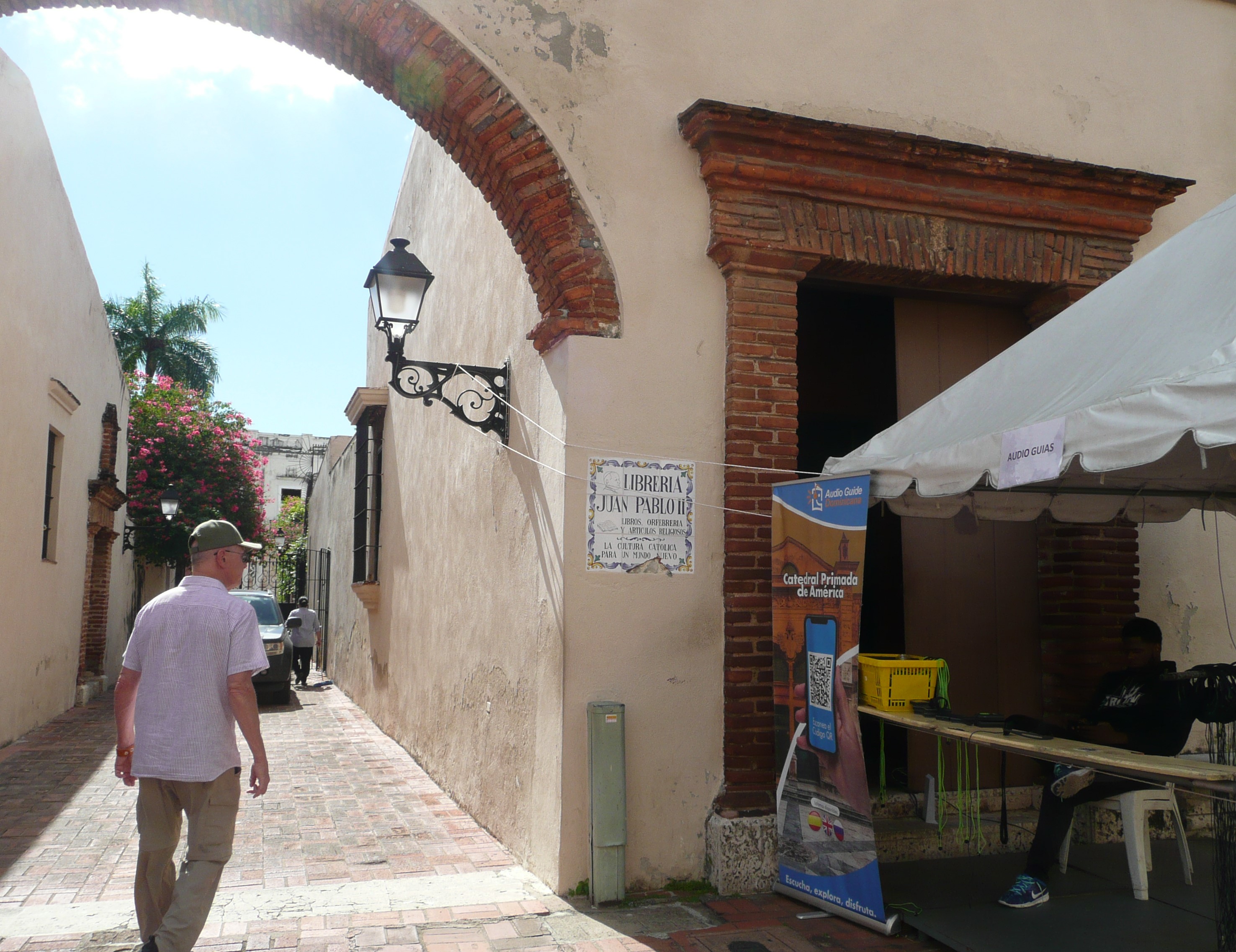
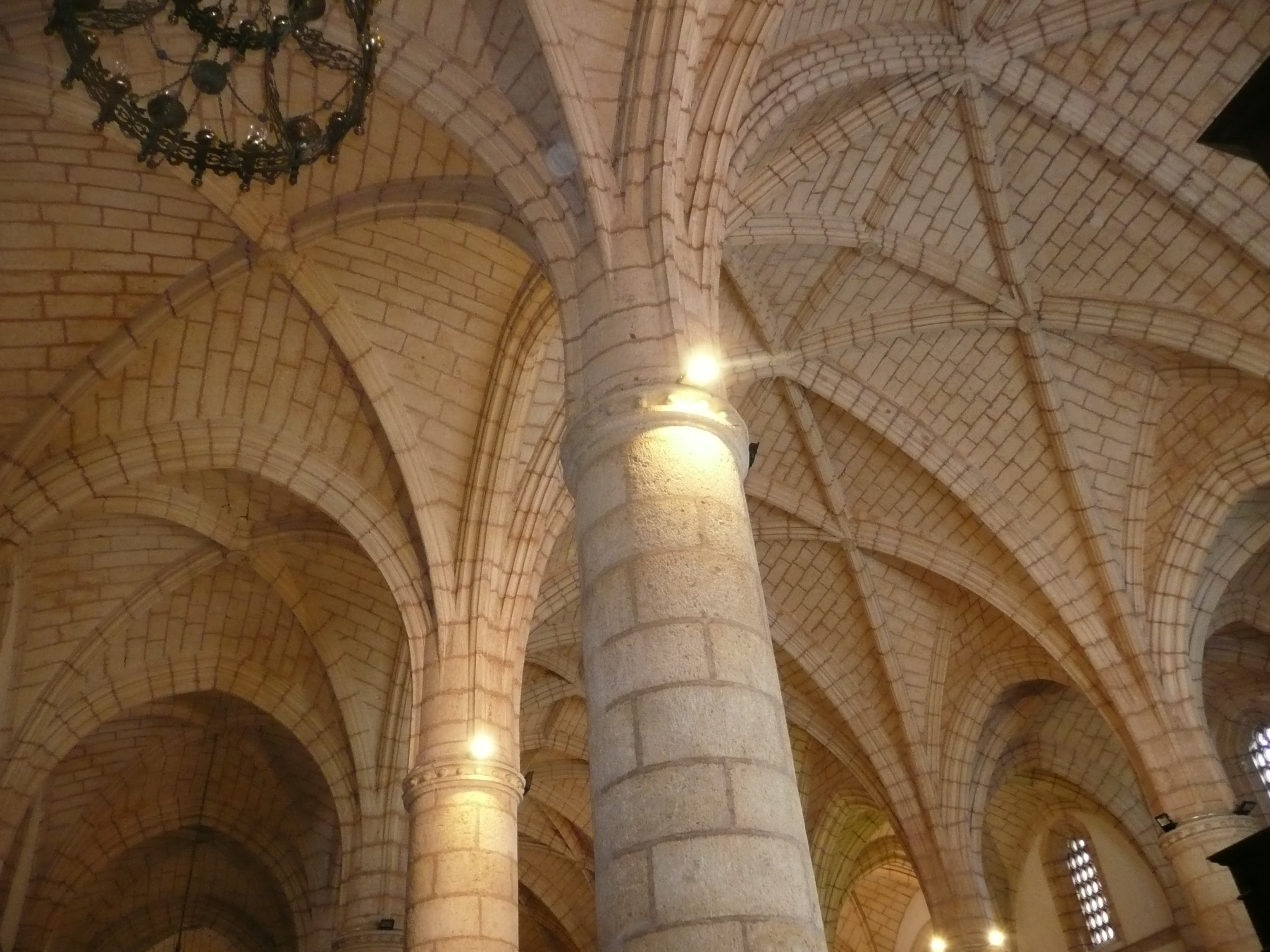
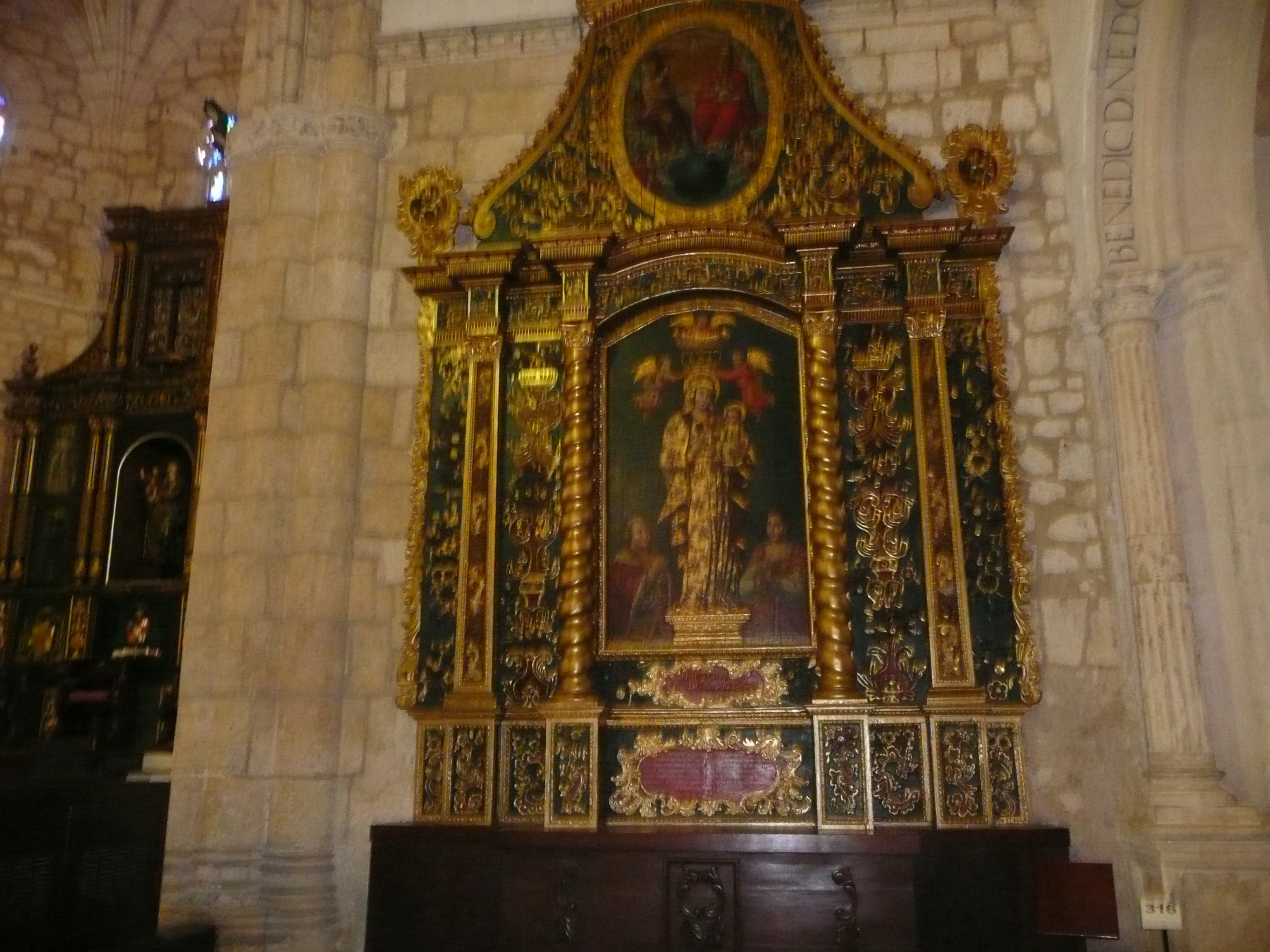
Płacimy za wejście 4 dolary. Kobiety dostają przed wejściem chustę do okrycia nagich ramion, ja nie muszę się okrywać, bo w chroniąc się przed słońcem mam na sobie długie rękawy. Wnętrze katedry objawia kilka stylów architektonicznych – sklepienie to gotyk, łuki to styl romański, a wystrój jest barokowy. W środku nie można robić zdjęć, ale potajemnie zrobiłam kilka. Nie mówcie nikomu.
We pay $4 to enter. Women are given a scarf to cover their bare arms before entering; I don’t need to cover up because I wear long sleeves to protect myself from the sun. The cathedral’s interior reflects several architectural styles – the vault is Gothic, the arches Romanesque, and the décor Baroque. Photos are not allowed inside, but I secretly took a few. Don’t tell anyone.
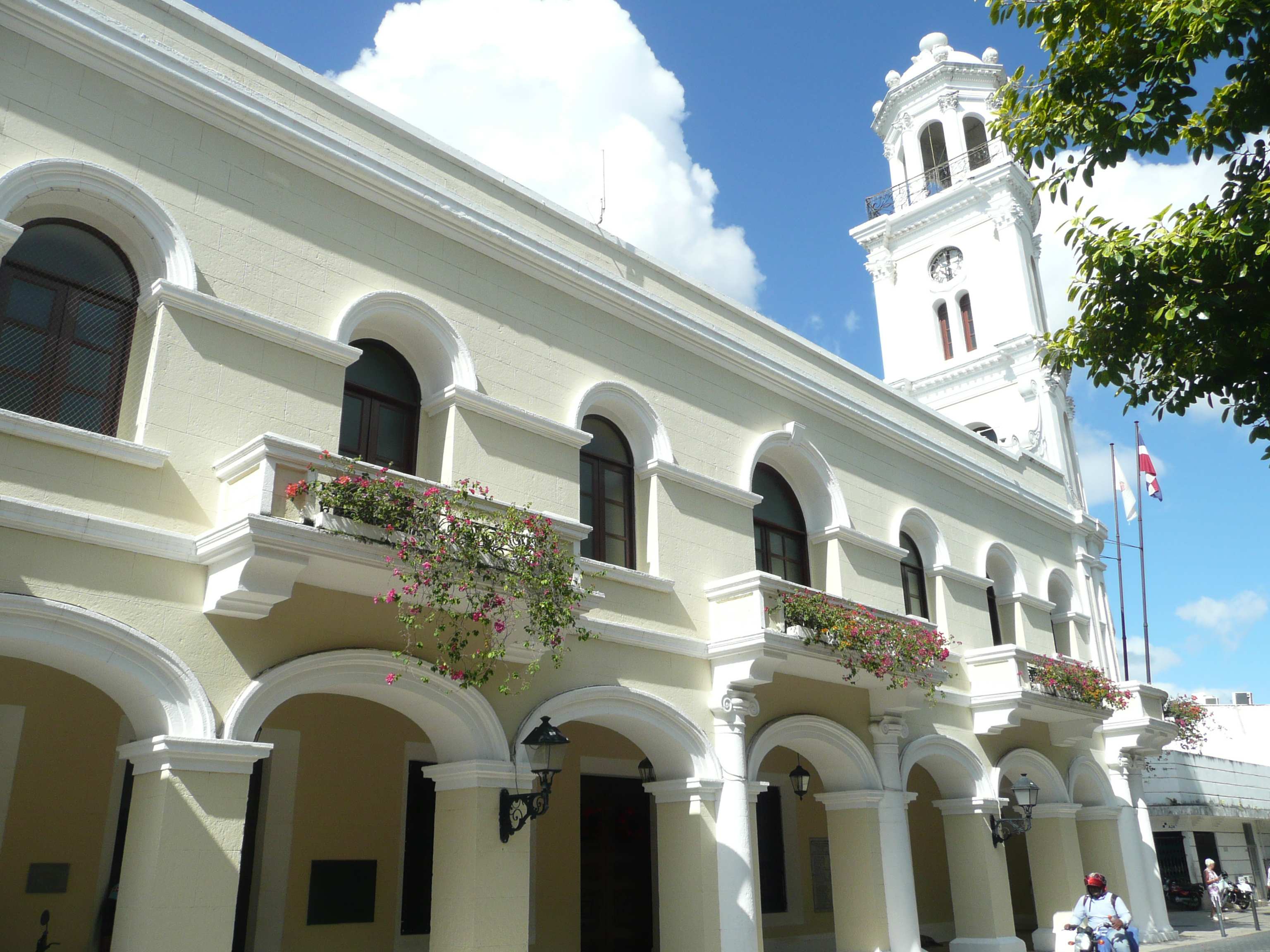
Myślałam, że w katedrze będzie chłodniej, ale jest duszno i gorąco. Wracamy na plac, gdzie jest pomnik seryjnego mordercy i zbrodniarza, bohatera wielu krajów, Krzysztofa Kolumba. Oprócz tego jest muzeum, kawiarnie i siedziba władz miejskich.
I thought the cathedral would be cooler, but it’s stuffy and hot. We return to the square, where there’s a monument to the serial killer and criminal, a hero to many countries, Christopher Columbus. There’s also a museum, cafes, and the city hall.
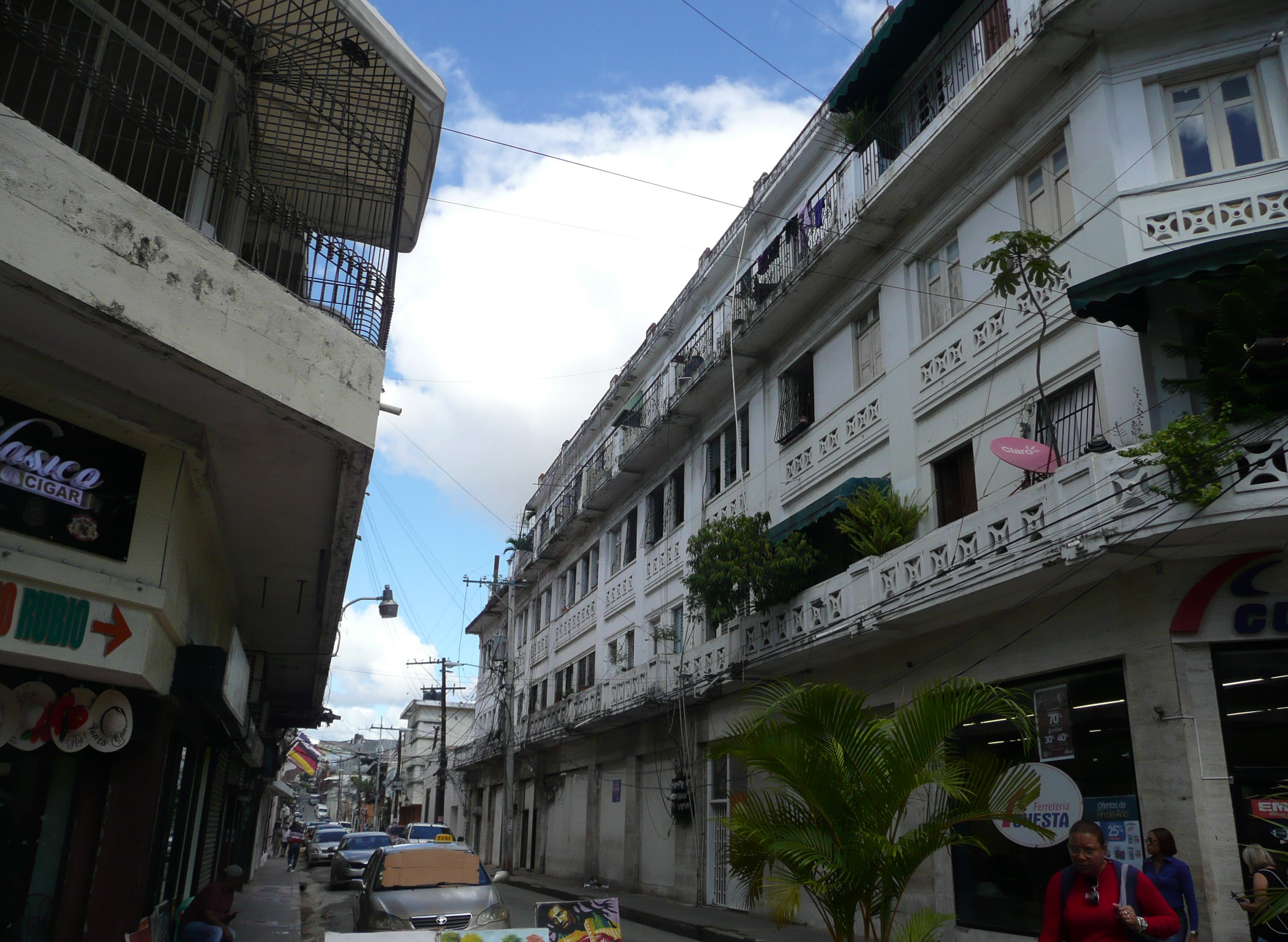
Skręcamy w najszerszą ulicę biegnącą od placu. Odrapane domy w stylu kolonialnym dawno temu zakończyły okres świetności. Ulice są pełne ludzi i straganów z pamiątkami.
We turn onto the widest street leading from the square. The shabby colonial-style houses have long since passed their prime. The streets are bustling with people and souvenir stalls.
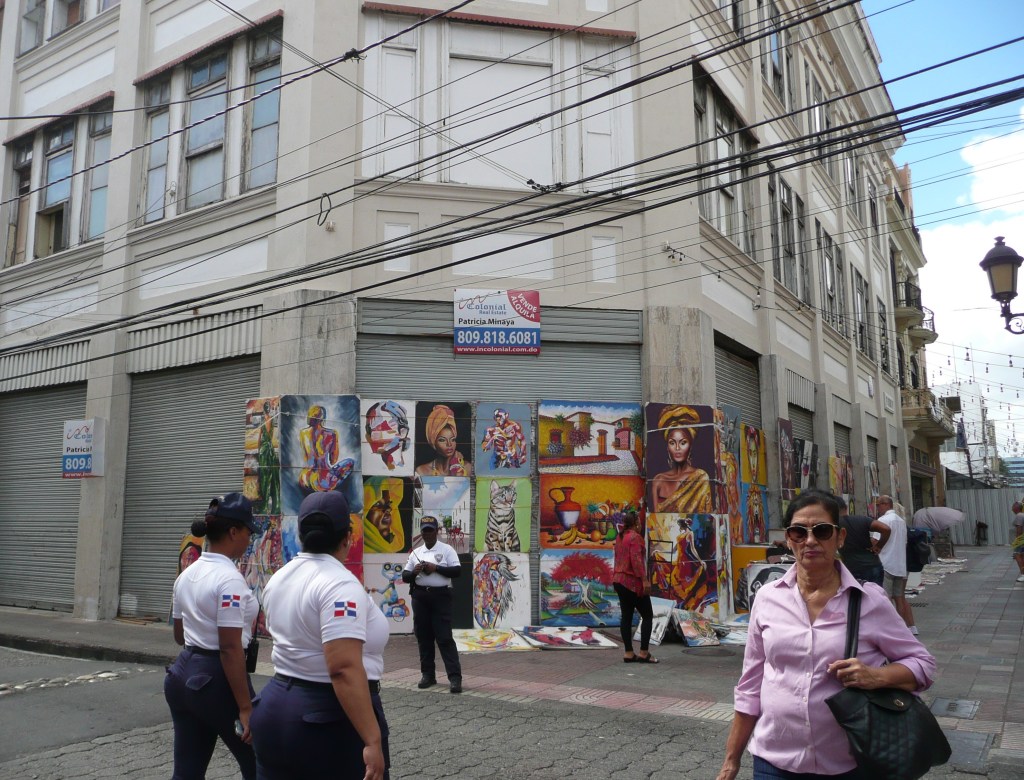
Na wielu rogach są galerie sztuki. I naprawdę mnóstwo policji. Jak pisałam Santo Domingo to jedno z najniebezpieczniejszych miast na świecie. Mieszkańcy obarczają winą uciekinierów z Haiti…
There are art galleries on many corners. And a truly massive police presence. As I mentioned, Santo Domingo is one of the most dangerous cities in the world. Residents blame Haitian refugees…
Pewnie ta nazwa nie jest wam obca, nawet jeśli z geografii i historii mieliście tróję. Wyspa na Karaibach, w archipelagu Wielkich Antyli w Indiach Zachodnich, druga co do wielkości (po Kubie) i najgęściej zaludniona z wysp karaibskich. 532 lata po Krzysztofie Kolumbie wylądowaliśmy na wyspie Hispaniola, obecnie podzielonej na dwa państwa – Republica Dominikana (na wschodzie) i Haiti (na zachodzie).
This name is probably familiar to you, even if you got an C in geography and history. An island in the Caribbean, in the Greater Antilles archipelago in the West Indies, it is the second largest (after Cuba) and most densely populated of the Caribbean islands. 532 years after Christopher Columbus, we landed on the island of Hispaniola, now divided into two countries – the Dominican Republic (to the east) and Haiti (to the west).
Santo Domingo
Dominikana to raj dla turystów, odradzający się po latach biedy. Ekonomia Dominikany jest 800 % większa niż sąsiedniego Haiti – jednego z najbiedniejszych krajów świata, wiecznie rządzonego przez krwawych dyktatorów i zboczeńców. Haiti jest byłą kolonią Francji, Dominikana byłą kolonią Hiszpanii. Na Haiti językiem urzędowym jest francuski, na Dominikanie – hiszpański. Obydwa kraje mają krwawą historię niewolnictwa, walk niepodległościowych i gorączki złota. Obydwa mają bardzo wysoki indeks przestępczości. Stolica Dominikany jest w pierwszej setce najniebezpieczniejszych miast świata, a stolica Haiti… cóż, nikt tam nie jeździ.
The Dominican Republic is a tourist paradise, recovering from years of poverty. Its economy is 800% larger than neighboring Haiti – one of the world’s poorest countries, perpetually ruled by bloody dictators and perverts. Haiti is a former French colony, the Dominican Republic a former Spanish colony. Haiti’s official language is French, while the Dominican Republic’s is Spanish. Both countries have a bloody history of slavery, independence struggles, and gold rushes. Both have very high crime rates. The capital of the Dominican Republic is among the top 100 most dangerous cities in the world, while the capital of Haiti… well, no one goes there.
Dominicana
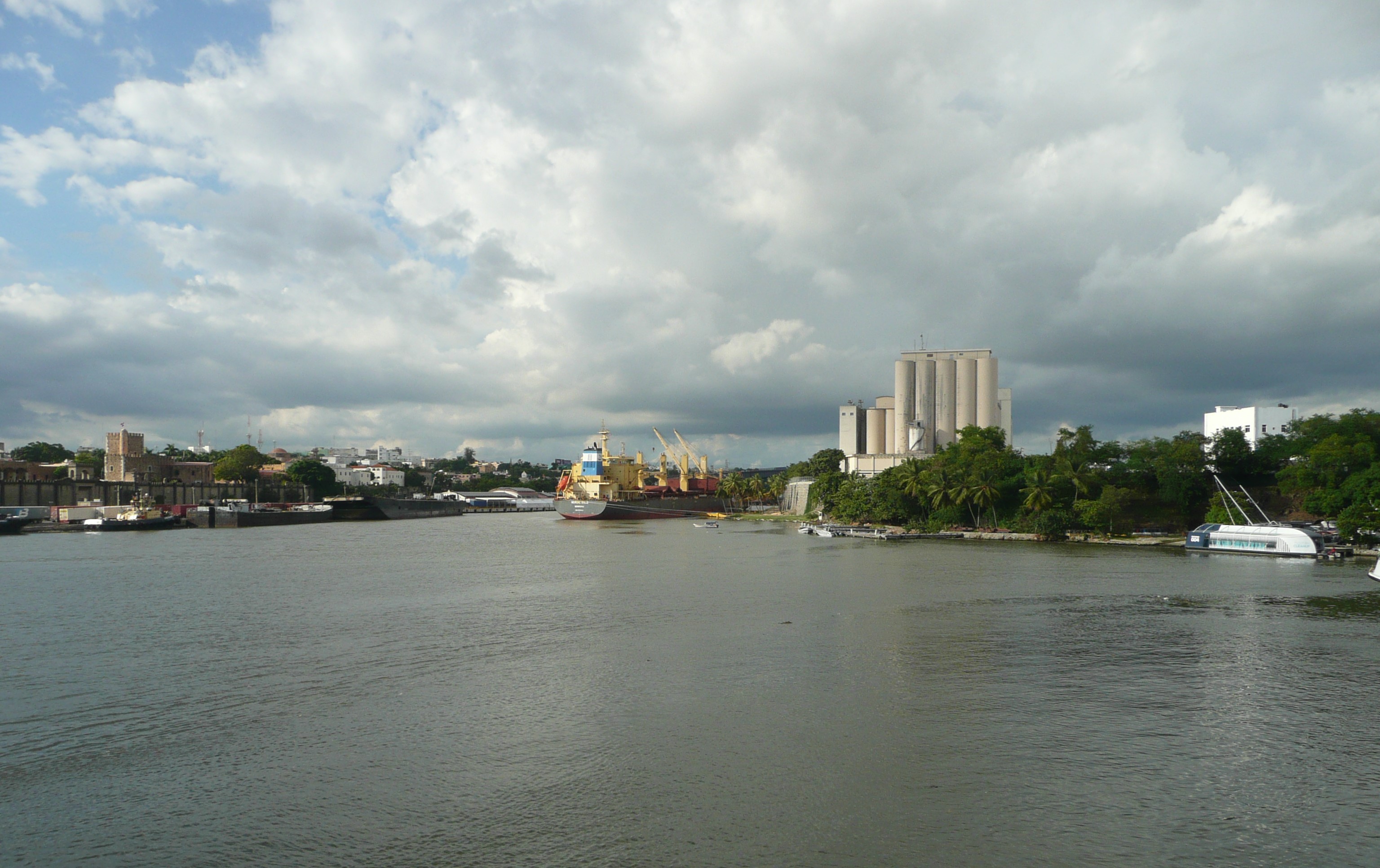
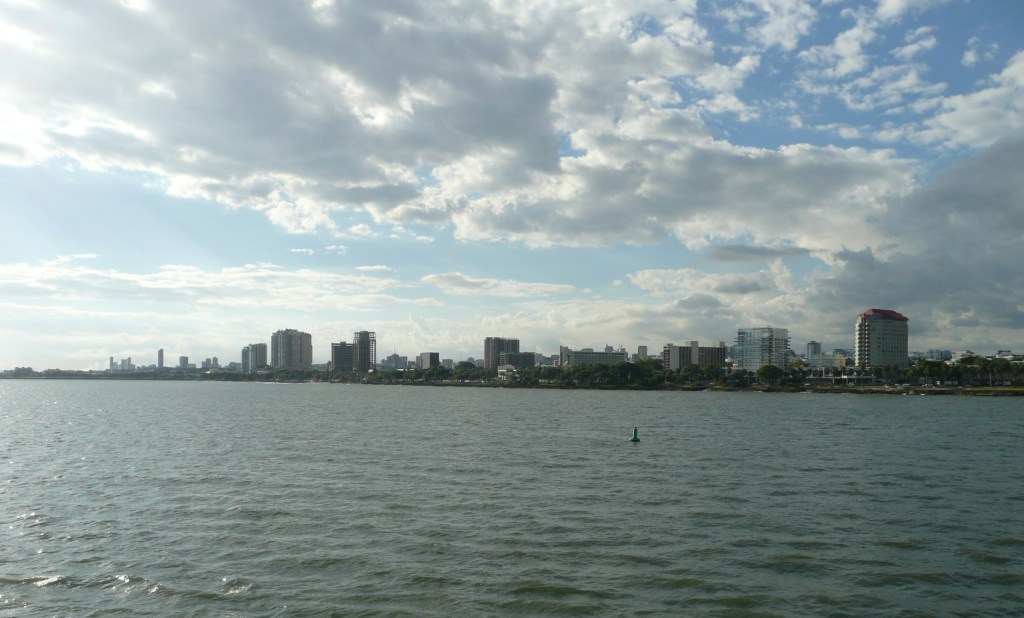
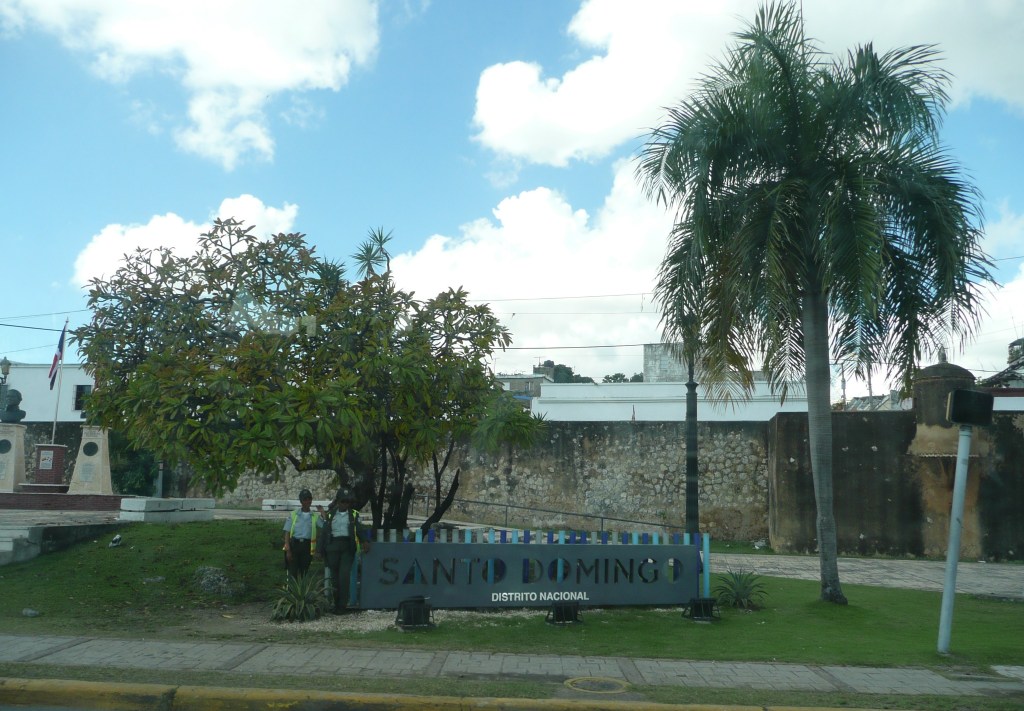
My dopłynęliśmy rano do Santo Domingo – stolicy Dominikany, miasta które ma ponad dwa miliony mieszkańców i jest pierwszym miastem założonym przez Hiszpanów w Nowym Świecie. Jest tam najstarszy fort i najstarszy kościół. I jest też najfajniejszym miejscem, jakie odwiedziliśmy w czasie podróży, miejscem, gdzie ludzie są uśmiechnięci, tańczą na ulicach i mimo biedy wygladają na szczęśliwych i wyluzowanych.
We arrived in the morning in Santo Domingo, the capital of the Dominican Republic, a city with over two million inhabitants and the first city founded by the Spanish in the New World. It boasts the oldest fort and the oldest church. It’s also the coolest place we visited on our trip, a place where people smile, dance in the streets, and despite their poverty, appear happy and relaxed.
Santo Domingo
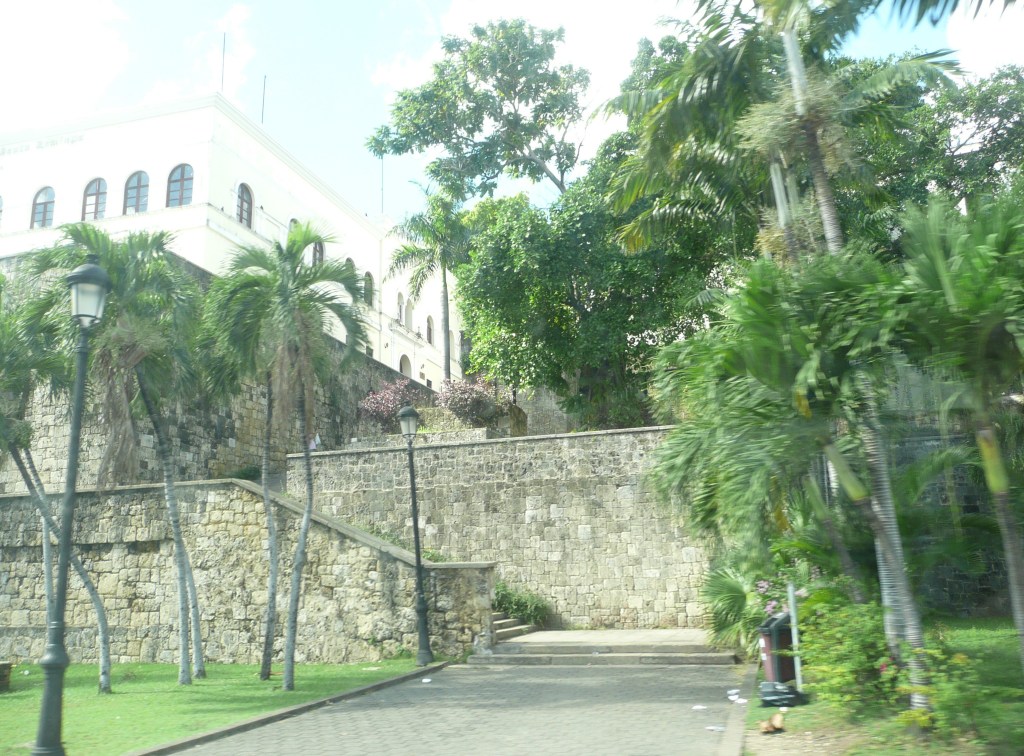
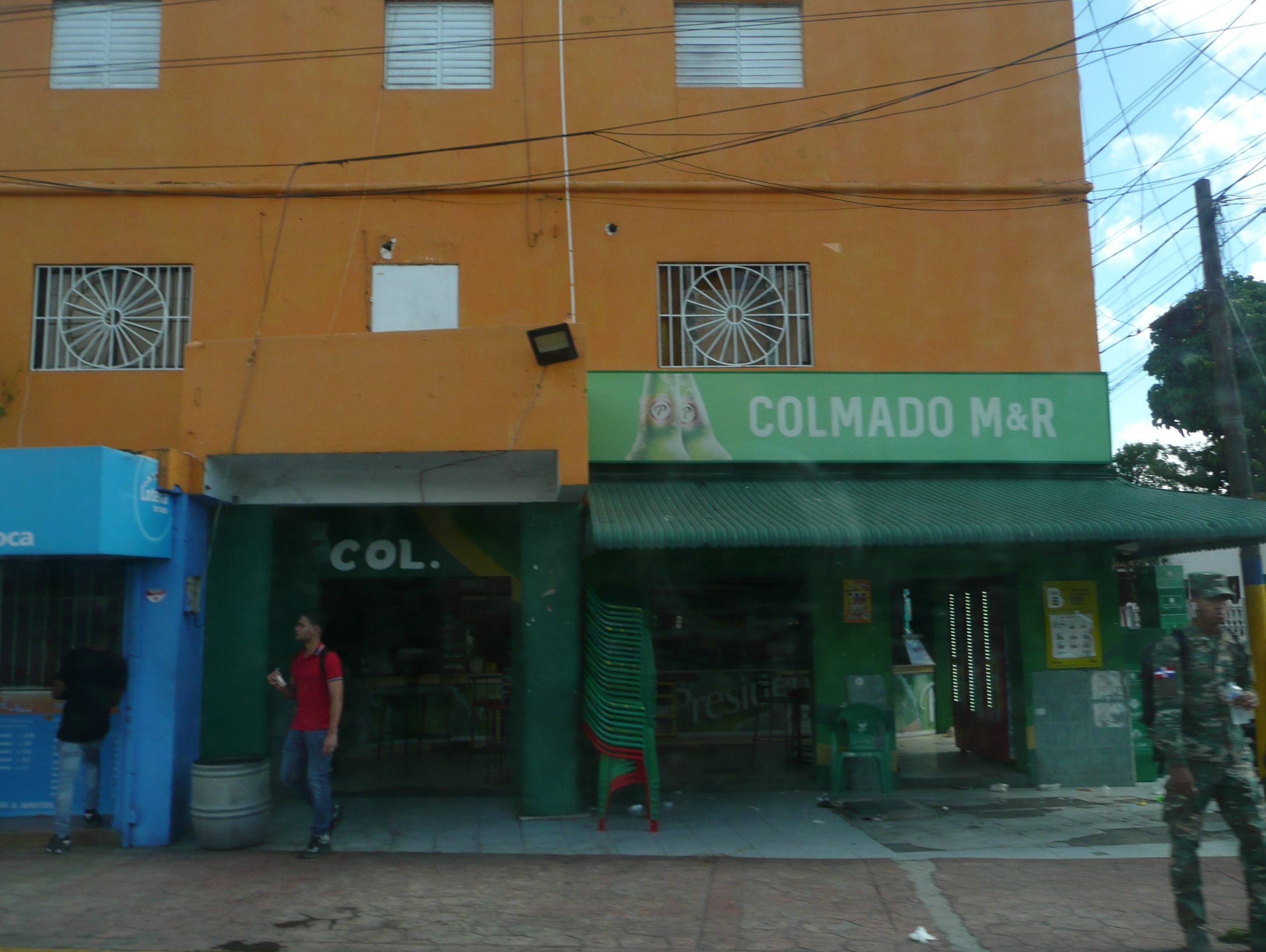
Wyjechaliśmy z portu wcześnie rano, ale oczywiście upał już zwalał z nóg. Mnie zwalał… Nie wiem jak to jest, że Pan i Władca nie słania się z gorąca i nie więdnie w słońcu jak poziomka? No dobra, jechaliśmy ulicami Santo Domingo, była niedziela (czyli dzień św. Dominika), na ulicach dużo patroli wojskowych i mnóstwo ludzi pięknie ubranych. Najpierw jechaliśmy szerokimi ulicami, mijając obronne mury, pamietające czasy konkwisty, potem wąskimi uliczkami wśród różnokolorowych domów.
We left the port early in the morning, but of course the heat was already overwhelming. It was overwhelming me… I don’t know how it is that our Lord and Master doesn’t droop from the heat and wither like a strawberry in the sun? Okay, we were driving through the streets of Santo Domingo. It was Sunday (St. Dominic’s Day), with many military patrols and beautifully dressed people. First, we drove along wide streets, past defensive walls dating back to the conquest, then along narrow alleyways lined with colorful houses.
Santo Domingo
c.d.n. / to be continued
Pod Spodem:
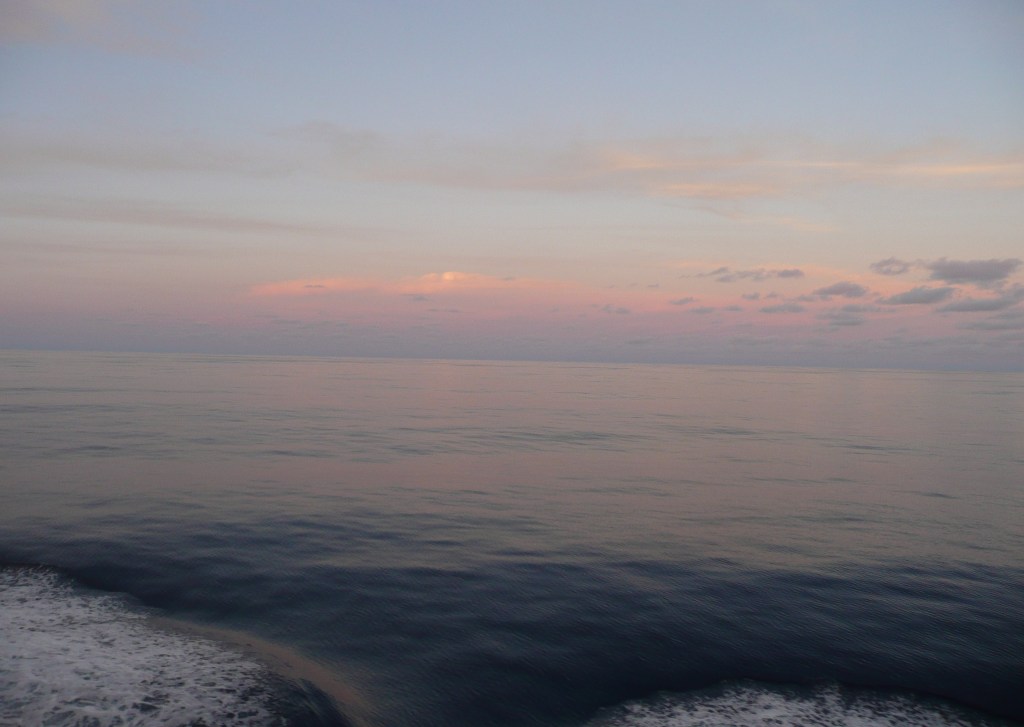
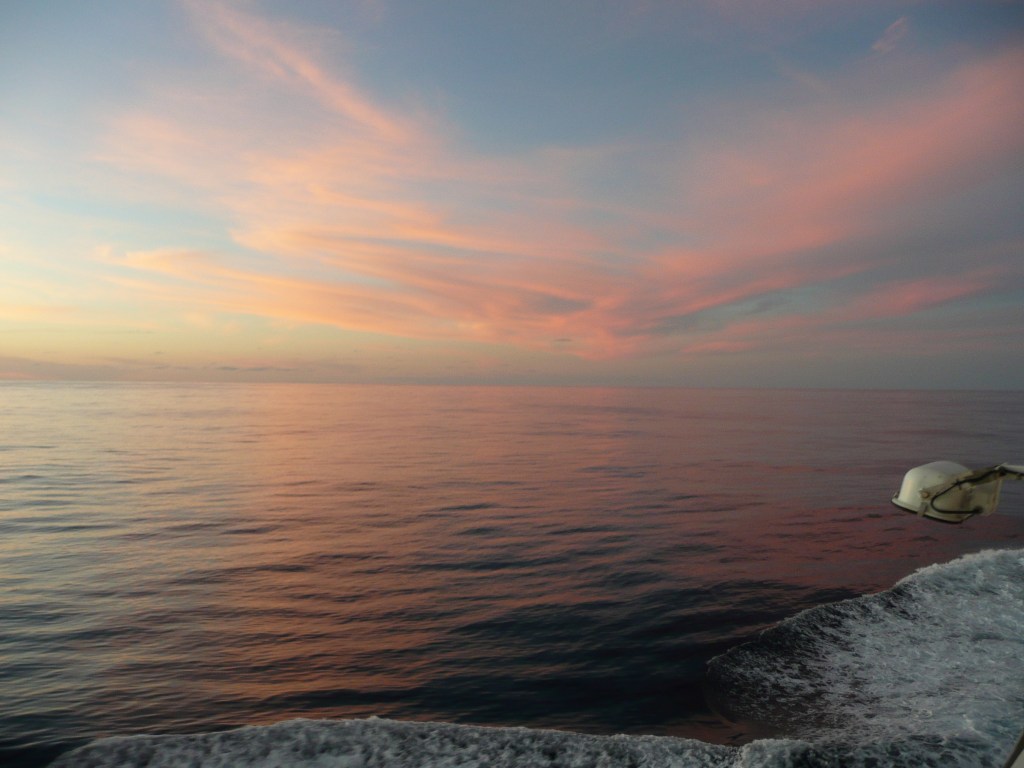
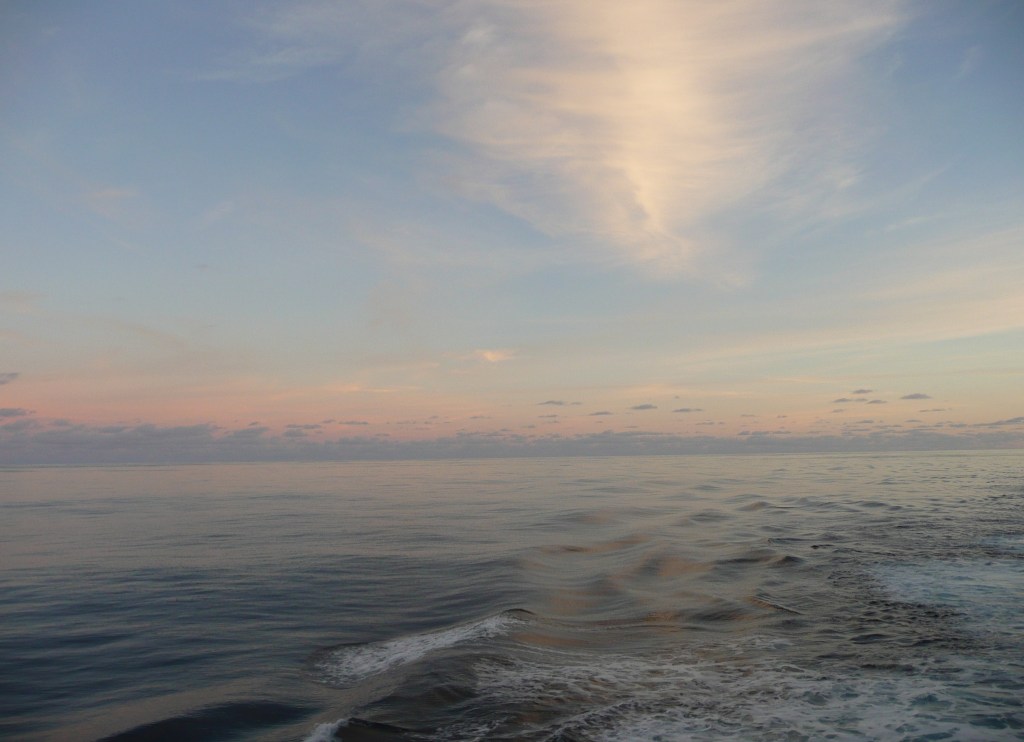
Jesteście niesamowici! Czytacie nawet podpisy pod zdjęciami! Muszę wyjaśnić, że o Bermudach jeszcze będzie, ciągle jeszcze zwiedzam z wami Karaiby, a morskie zdjęcia miały tylko ilustrować historię piratek.
You’re amazing! You even read the captions under the photos! I should explain that there will be more about Bermuda later, I’m still exploring the Caribbean with you, and the sea photos were only meant to illustrate the story of the pirates.
Obiecałam, że będzie o kobietach-piratach. Piratki z Karaibów… / I promised it would be about female pirates. Pirates of the Caribbean…
Nie wiadomo, ile ich było, bo kobiety po pierwsze były traktowane jak towar i nie miały prawie żadnych praw, po drugie niechętnie widziano je na statkach, po trzecie prawdziwi piraci mieli tyle szacunku do kobiet, co Konfederacja. Historia zna dwie kobiety, które zostały piratkami na Karaibach i to w dodatku na tym samym statku!
It’s unknown how many of them there were, because women were treated like commodities and had virtually no rights; secondly, they were frowned upon on ships; and thirdly, real pirates had as much respect for women as the Confederacy. History records two women who became pirates in the Caribbean, and on the same ship, to boot!
Bermuda Triangle
Rzecz działa się w osiemnastym wieku. Młoda Irlandka, Anne Bonny pozbawiona środków do życia płynie do Nassau i tam poznaje pirata Jacka Rackhmana, zwanego „Calico Jack”. Zakochują się w sobie i wkrótce w przebraniu mężczyzny rozpoczyna piracką karierę u jego boku. Wkrótce okazuje się, że nie jest jedyną kobietą wśród załogi. Również w męskim przebraniu na statku jest Angielka, Mary Read, która przebrana za mężczyznę była marynarzem na statku płynącym do Indii Zachodnich i została przez załogę slupa (slup to rodzaj statku) dowodzonego przez Calico Jacka włączona do pirackiej ekipy. Anne i Mary zaprzyjaźniły się, a załoga zaakceptowała fakt, że wśród nich są dwie kobiety.
The story takes place in the eighteenth century. A young, penniless Irishwoman, Anne Bonny, sails to Nassau and meets the pirate Jack Rackhman, nicknamed „Calico Jack.” They fall in love, and soon, disguised as a man, she begins her piratical career alongside him. It soon becomes clear that she is not the only woman among the crew. Also disguised as a man on the ship is an Englishwoman, Mary Read, who, disguised as a man, had been a sailor on a ship bound for the West Indies and was recruited into the pirate crew by the crew of a sloop (a sloop is a type of ship) commanded by Calico Jack. Anne and Mary became friends, and the crew accepted the fact that there were two women among them.
Bermuda Triangle
Po kilku latach ich piracka kariera dobiegła końca – na Jamajce Calico Jack i jego załoga zostali pojmani i wkrótce powieszeni. Anne i Mary złagodzono kary – obydwie były w ciąży. Ich dalsze losy nie są dobrze znane. Anne została ułaskawiona, wyszła za mąż i urodziła ośmioro dzieci. Mary zmarła w więzieniu…
After a few years, their pirate career came to an end – Calico Jack and his crew were captured in Jamaica and soon hanged. Anne and Mary received lenient sentences – both were pregnant. Their fates are not well known. Anne was pardoned, married, and gave birth to eight children. Mary died in prison…
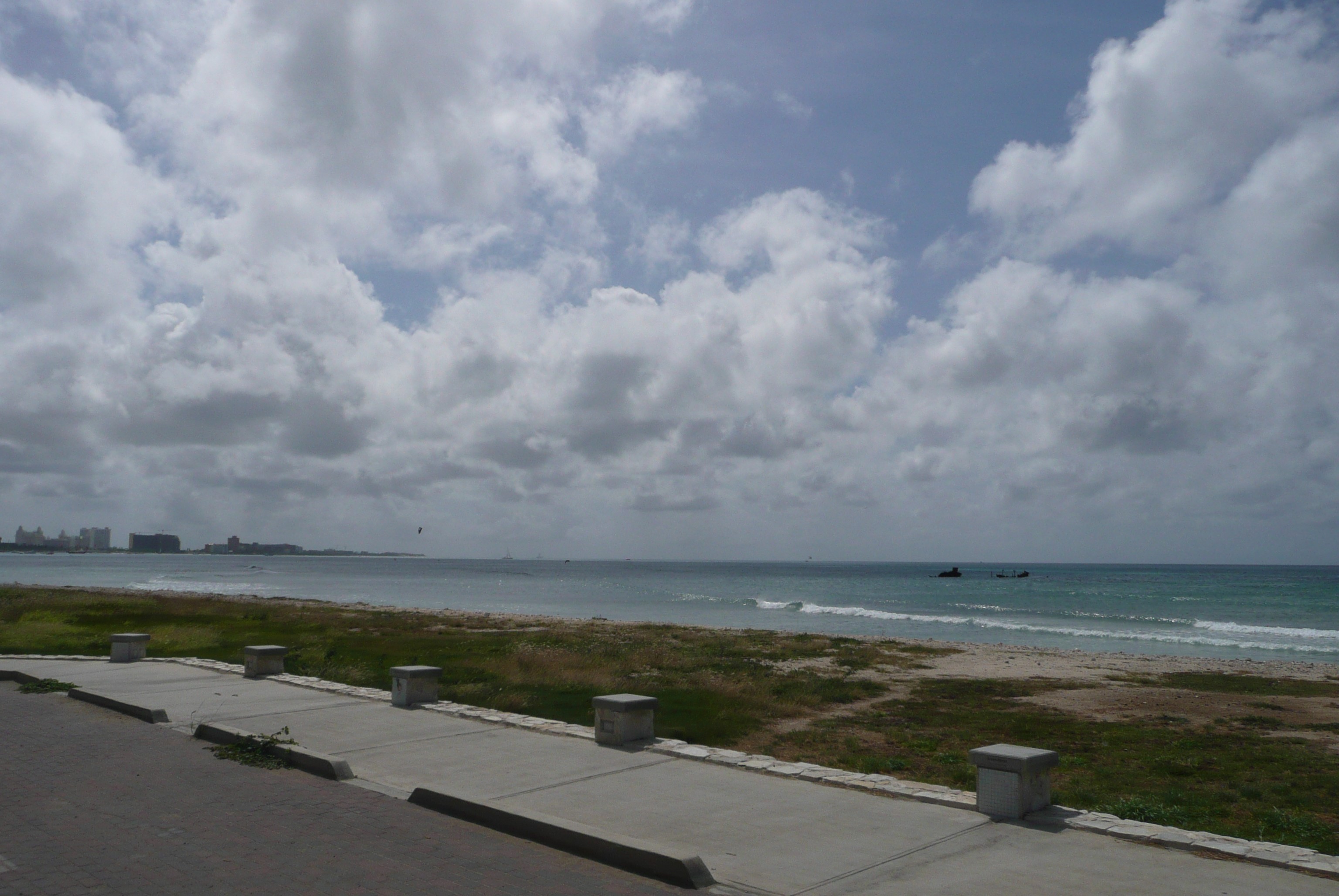
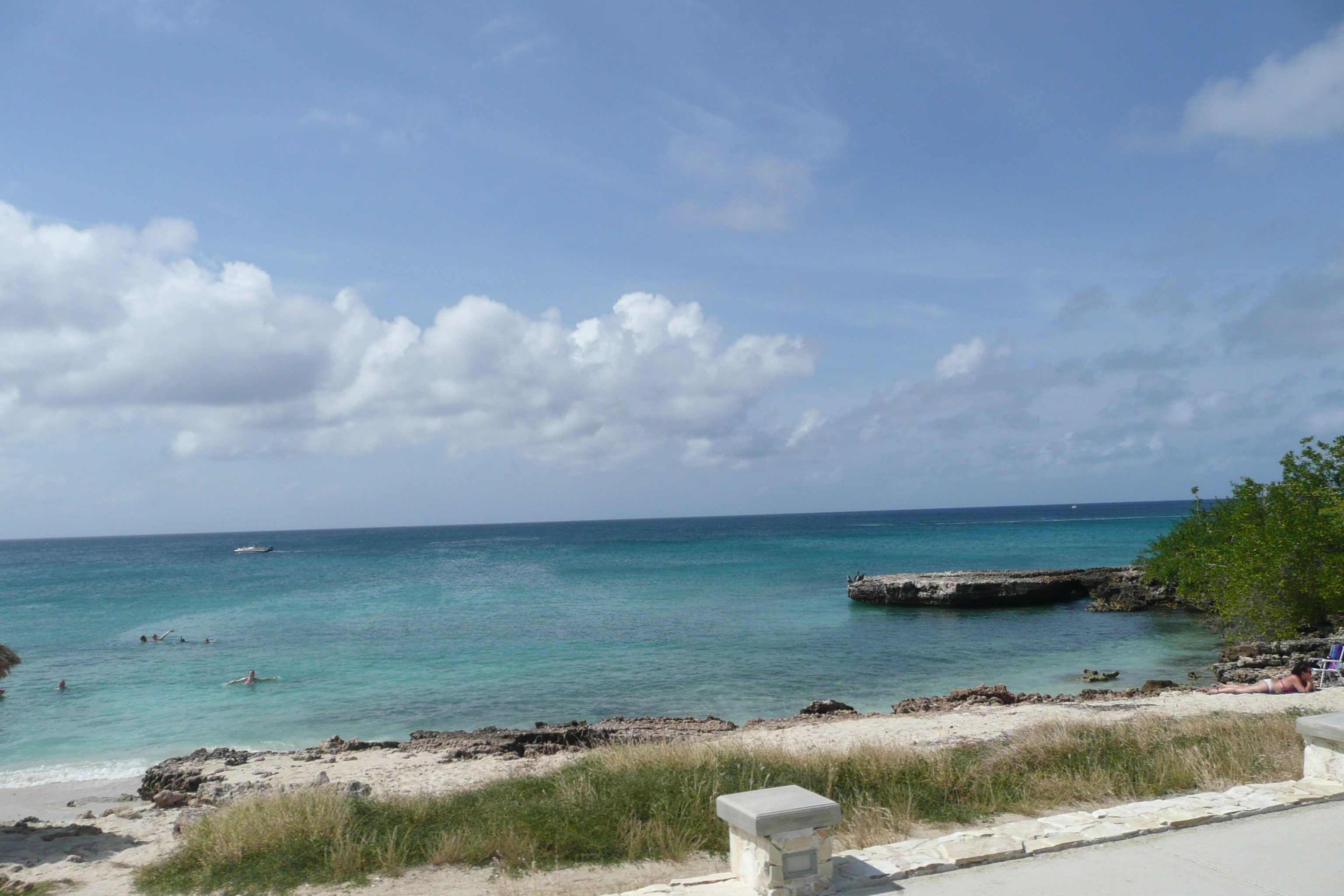
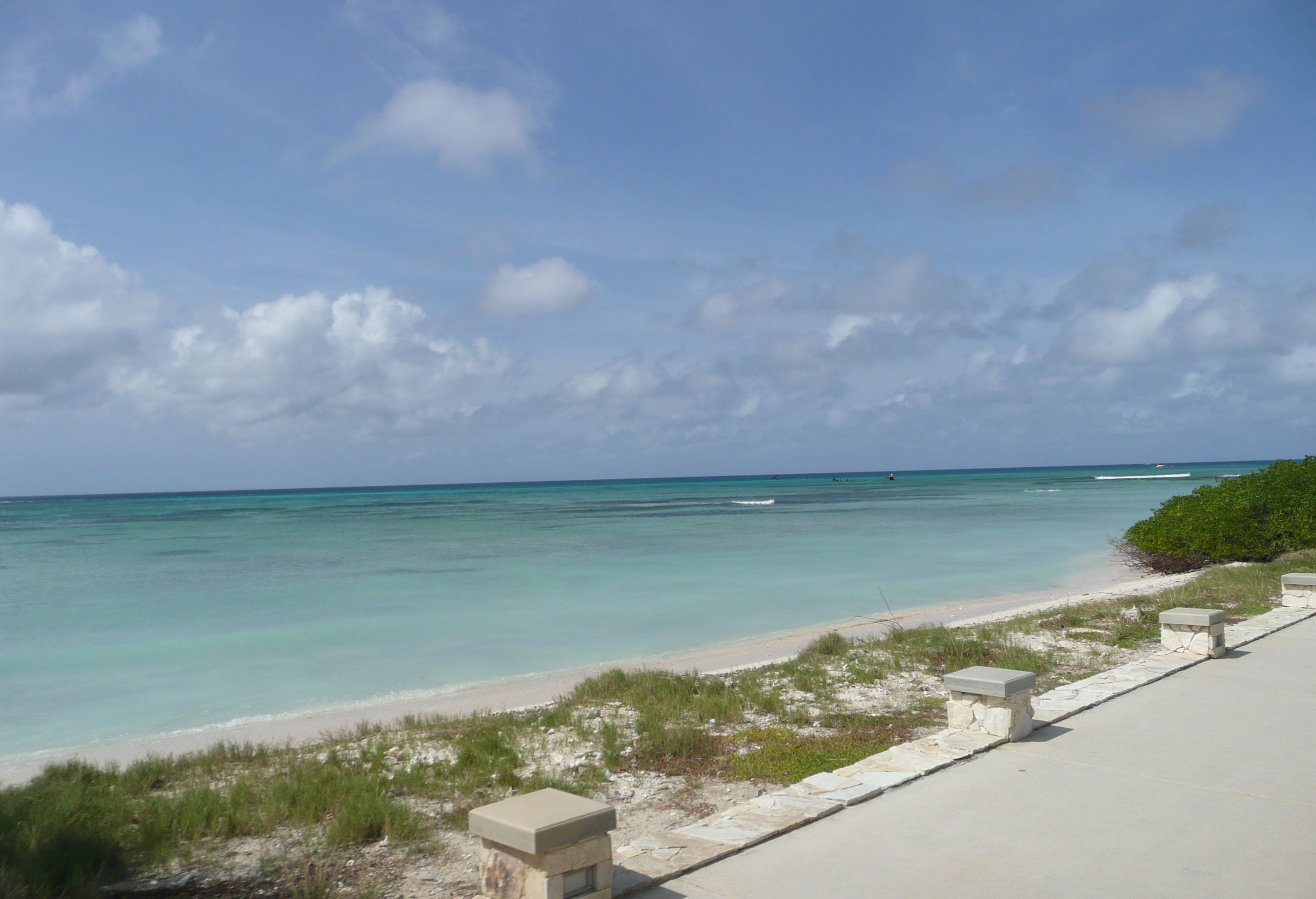
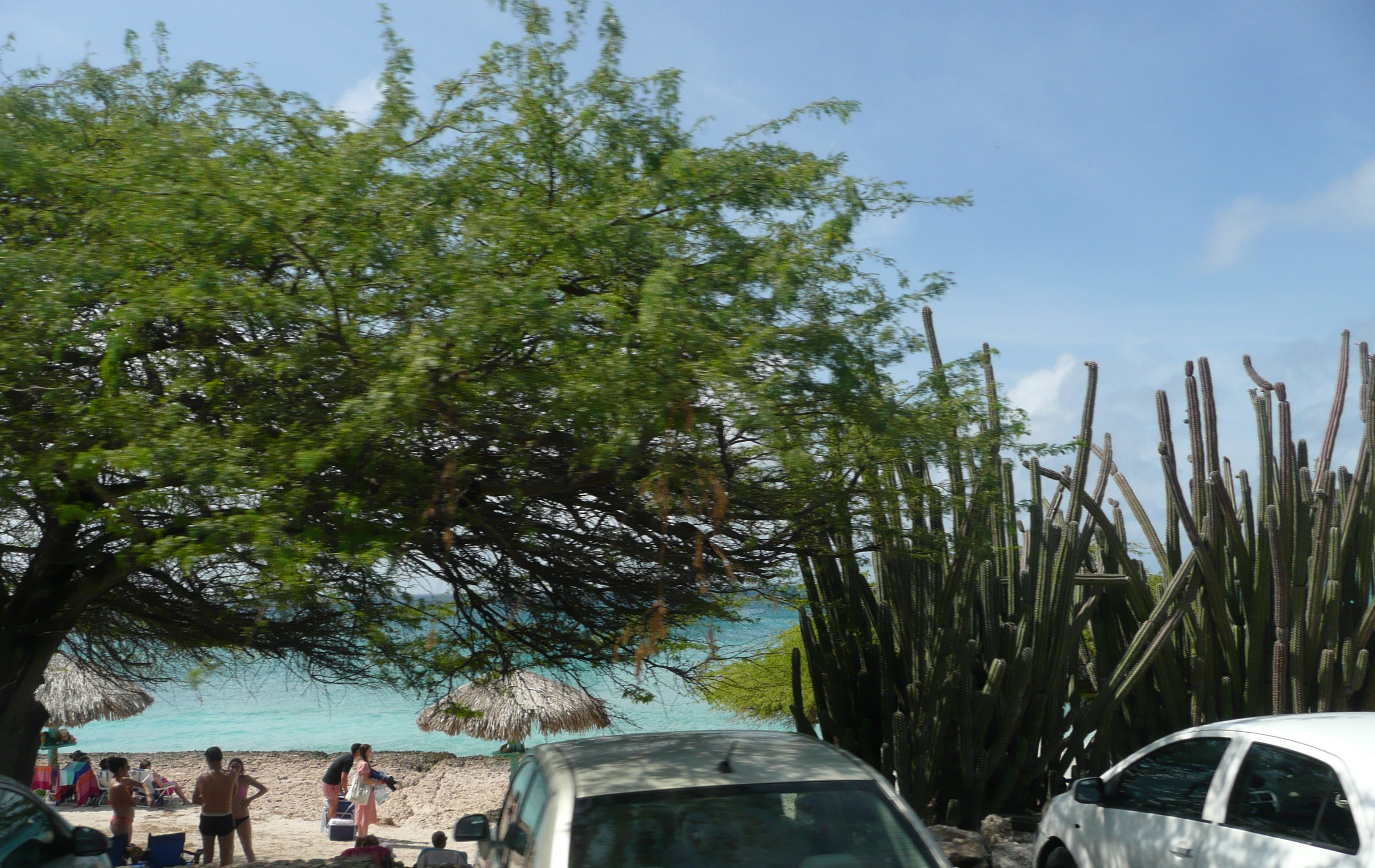
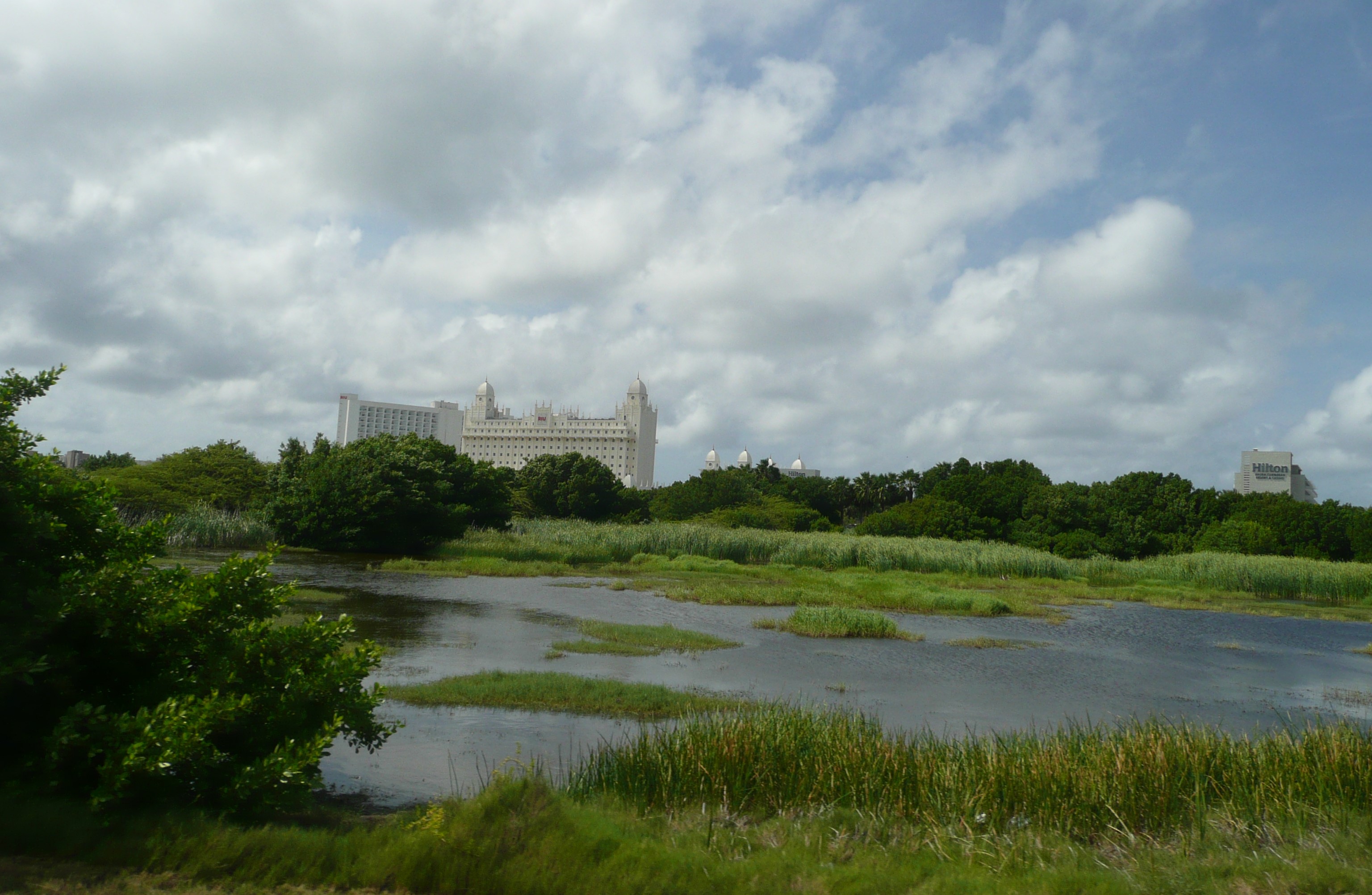
Moja pierwsza plaża na Karaibach… biały piasek, szmaragdowe morze, przejrzysta woda, smród spalin i tłumy. Plaże na Arubie są długie, ale wąskie (czy też szerokie, ale krótkie?), tuż obok biegną ulice i inne drogi, nie wspominając o parkingach na setki samochodów. Wygląda to tak:
My first beach in the Caribbean… white sand, emerald sea, clear water, the stench of exhaust fumes, and crowds. Aruba’s beaches are long but narrow (or wide but short?), bordered by streets and other roads, not to mention parking lots for hundreds of cars. It looks like this:
Aruba
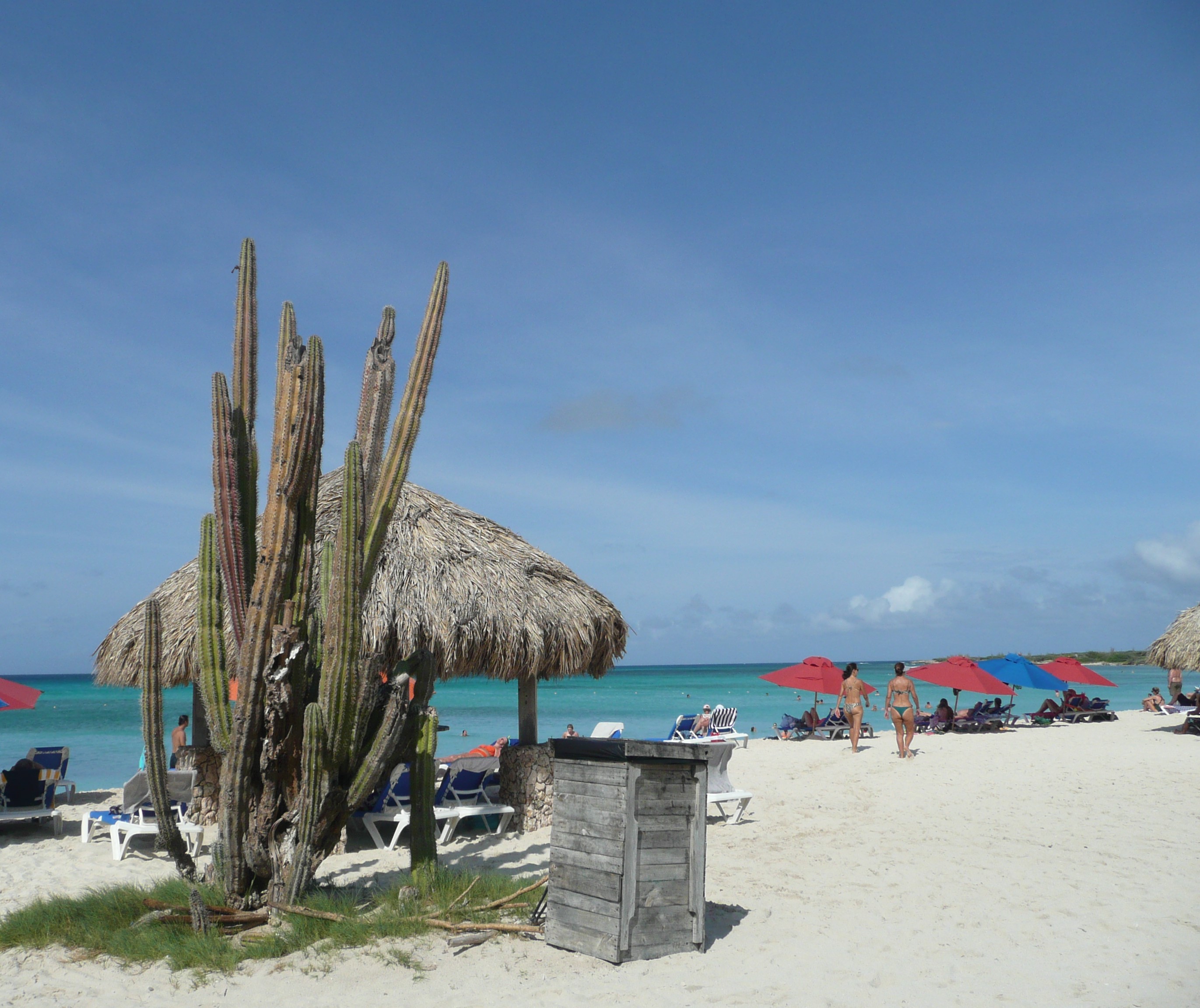
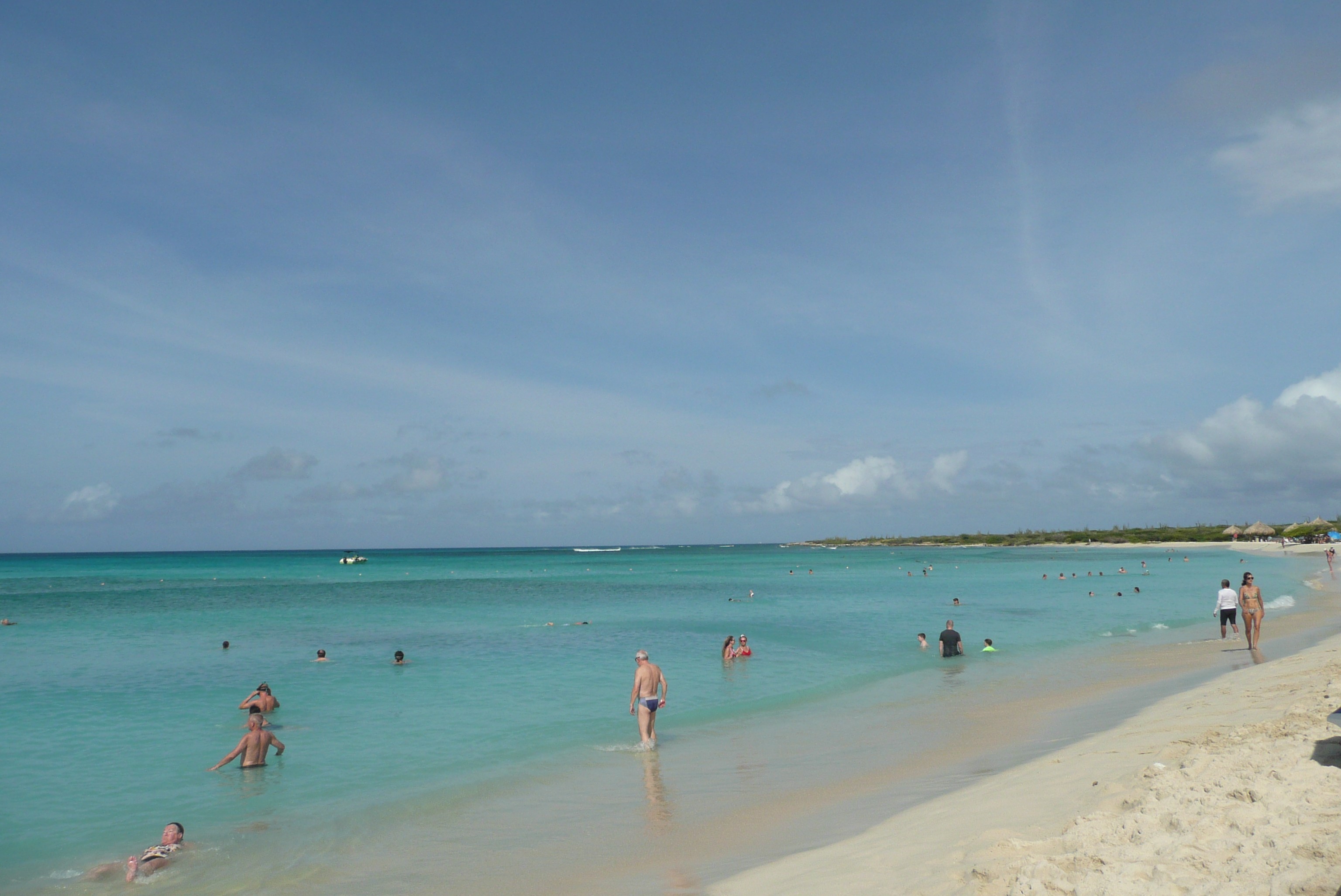
„Nasza” plaża nazywa się Arashi. Są na niej leżaki i parasole kryte trzciną, ale są już zajęte. Udaje mi się znaleźć miejsce pod palmą, młody człowiek przynosi leżaki i leżymy. Słońce praży tak, jakby chciało wypalić mi dziurę w ramieniu. Jestem posmarowana filtrem 100, ale wieczorem i tak będę cierpieć z czerwoną skórą.
„Our” beach is called Arashi. There are sun loungers and reed umbrellas, but they’re already taken. I manage to find a spot under a palm tree, a young man brings sun loungers, and we lie down. The sun beats down like it wants to burn a hole in my arm. I’m wearing SPF 100, but I’ll still suffer from red skin by evening.
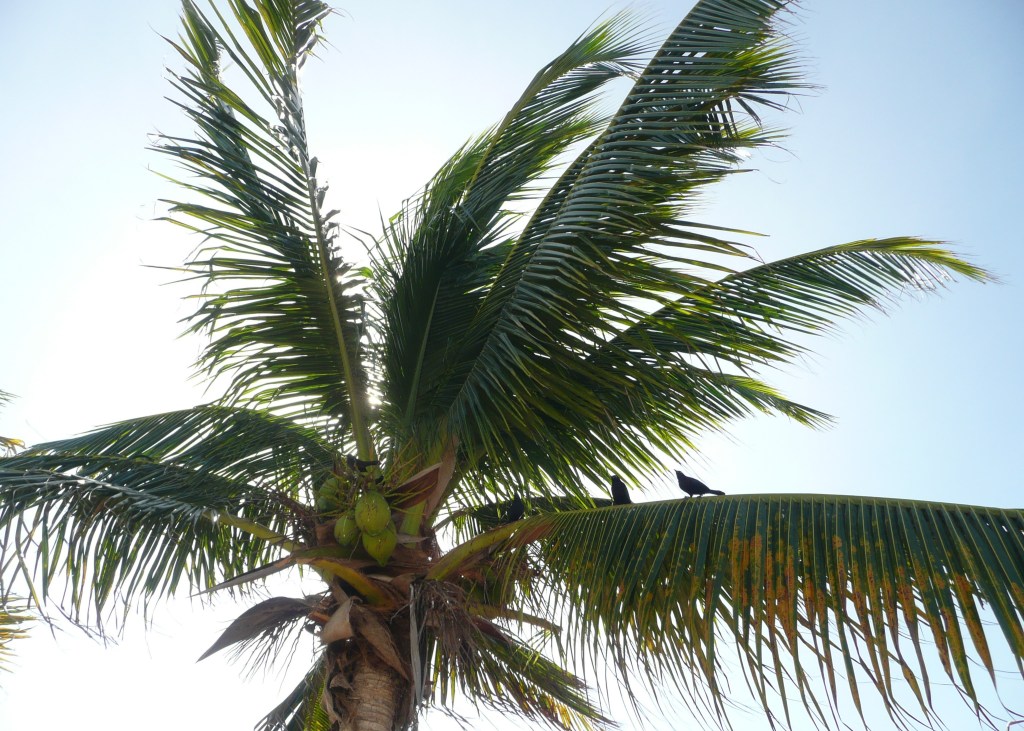
Na palmie siedzą ptaszki i gadają coś. / Birds are sitting on a palm tree and chattering.
Pan i Władca postanawia wykorzystać w pełni plażowe atrakcje i postanawia się wykąpać. Pamiętacie co pisałam o koralowcach? Nie można ich niszczyć, zbierać… nie można nic z nimi robić. Niestety, Pan i Władca spotyka na swej podwodnej drodze koralowca właśnie i zupełnie niechcący jego stopa nawiązuje kontakt z tym cennym zwierzęciem. Wygrywa koralowiec – stopa PiW jest spuchnięta i obolała przez kilka kolejnych dni.
The Master and Commander decides to take full advantage of the beach’s attractions and decides to take a dip. Remember what I wrote about coral? You can’t destroy it, collect it… you can’t do anything with it. Unfortunately, the Master and Commander encounters a coral on his underwater journey, and completely unintentionally, his foot makes contact with this precious creature. The coral wins – PiW’s foot is swollen and painful for the next few days.
Ja tymczasem stoję na brzegu i obserwuję pelikany, które nie zważając na tłum ludzi polują niestrudzenie na rybki, rzucając się w wodę jak pierzaste pociski. Nagrałam krótkie filmiki:
Meanwhile, I’m standing on the shore, watching the pelicans tirelessly hunt fish, ignoring the crowds of people, darting into the water like feathered projectiles. I recorded a short video:
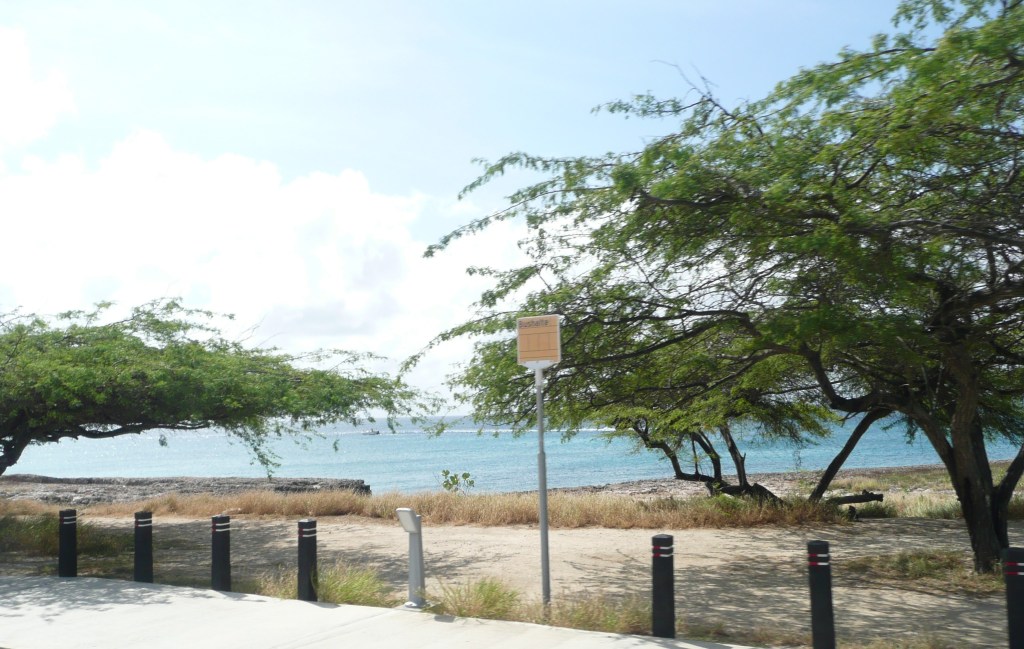
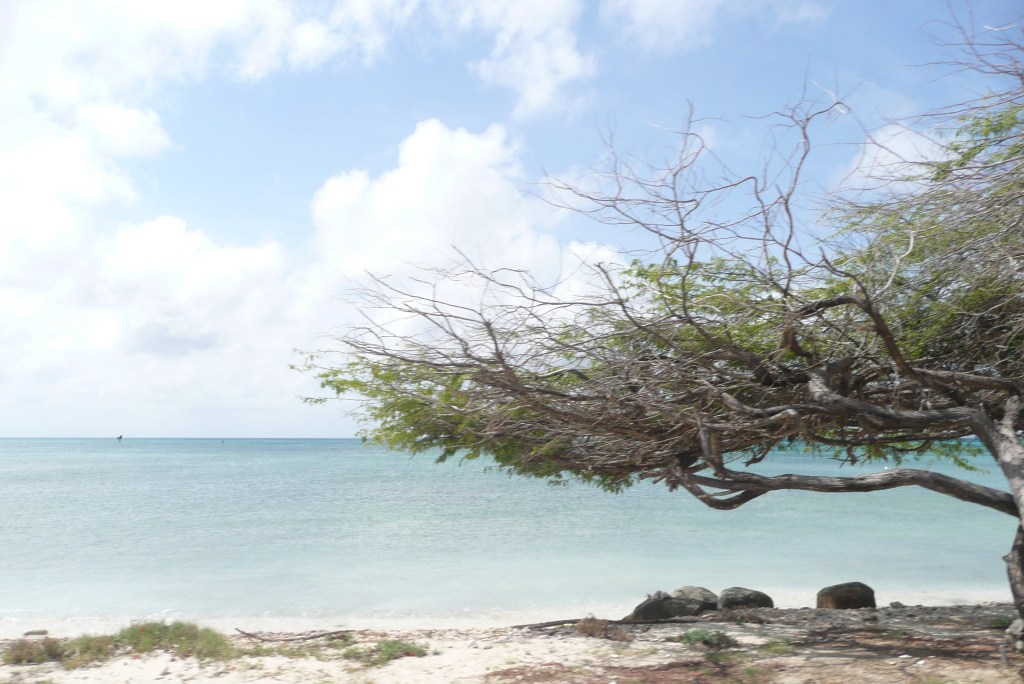
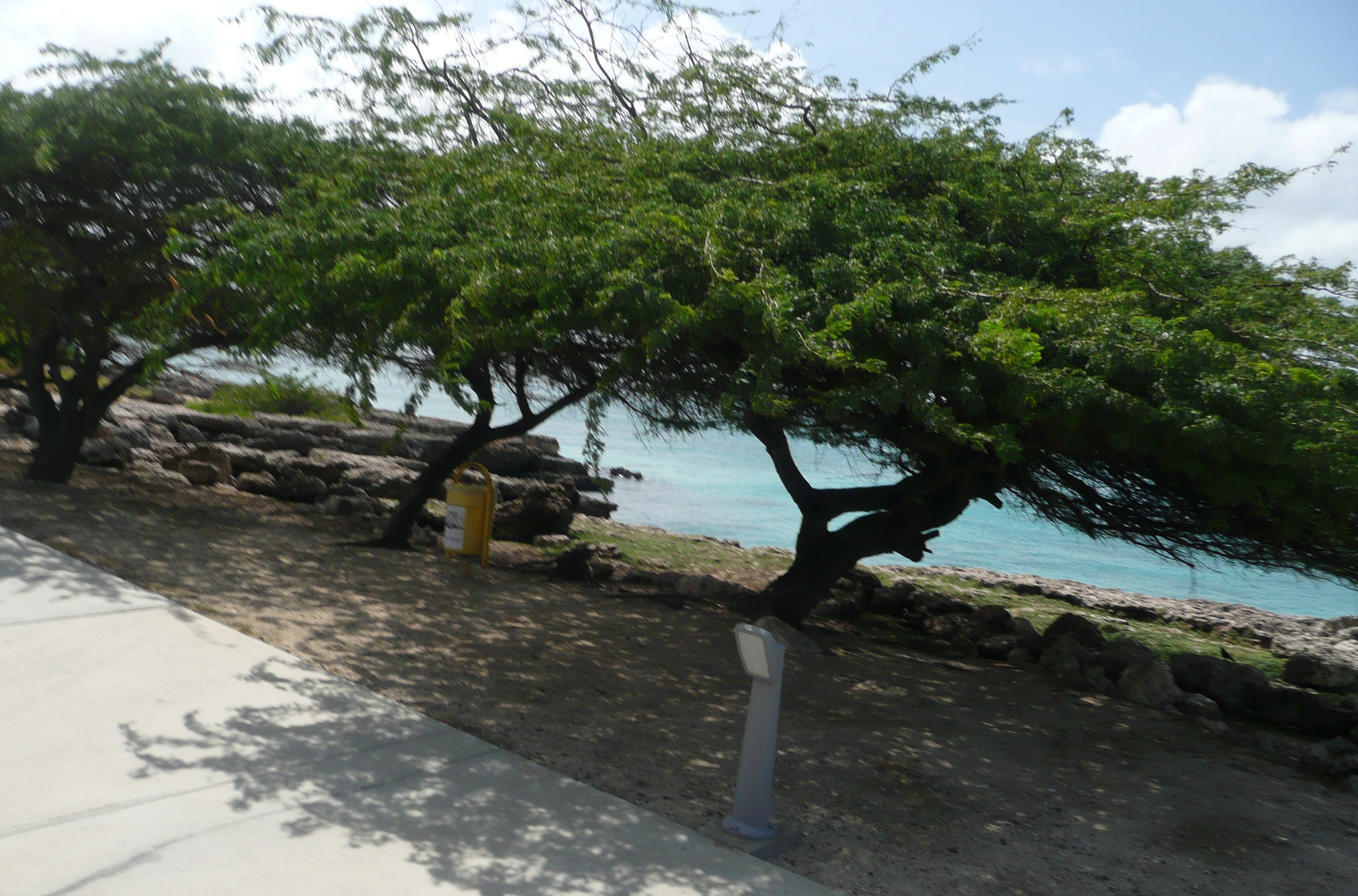
Aruba to jedno z niewielu miejsc, gdzie można spotkać divi-divi. Nazywa się tak drzewa, które rosną głównie tutaj i rosną w bardzo charakterystyczny sposób – w kierunku południowo-zachodnim.
Aruba is one of the few places where you can find divi-divi trees. This is the name given to the trees that grow primarily here and grow in a very distinctive way – towards the southwest.
Aruba and divi-divi
Ładne, prawda? Ponoć próby sadzenia tych drzew w innych rejonach geograficznych skończyły się niepowodzeniem. A ja się cieszę, że nie muszę się już suszyć na słońcu i możemy wracać na statek wesołym autobusem, przy przerażających dźwiękach „Rivers of Babylon” Boney M.
Pretty, right? Apparently, attempts to plant these trees in other geographic regions have failed. And I’m glad I don’t have to dry out in the sun anymore, and we can ride back to the ship in a fun bus, to the haunting sounds of Boney M’s „Rivers of Babylon.”
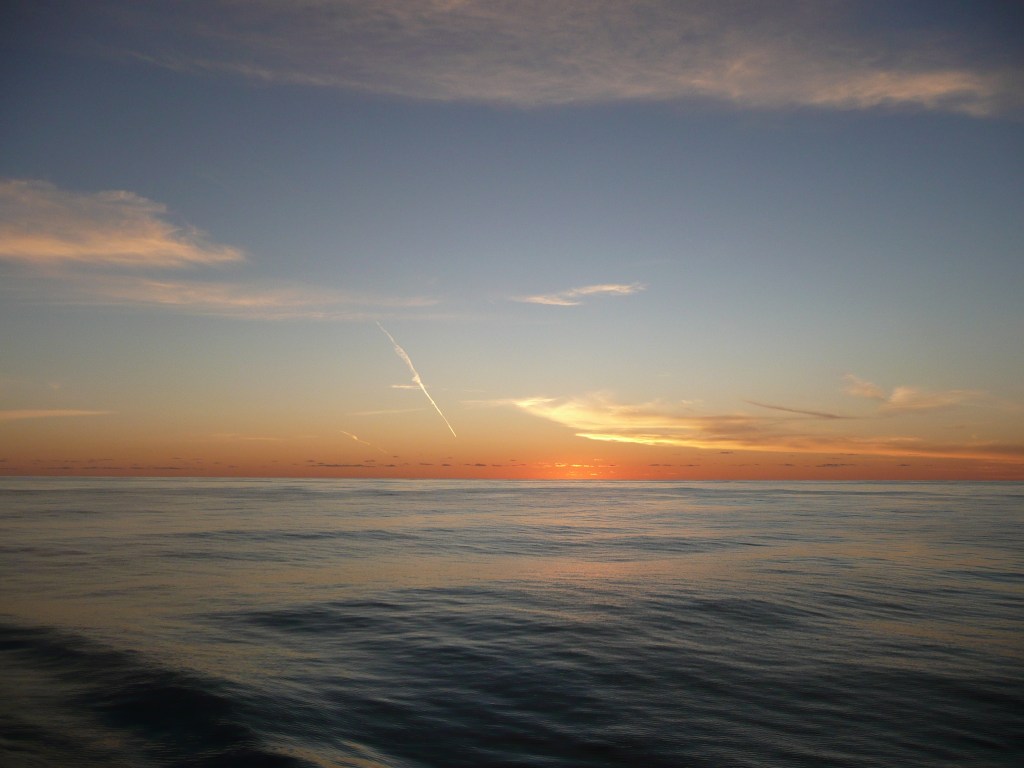
Odpływamy o zachodzie słońca, niezmiennie przy wtórze „Sail away” Enyi. Mamy do przepłynięcia 365 mil morskich (676 km) do następnej wyspy.
We set sail at sunset, always accompanied by Enya’s „Sail Away.” We have 365 nautical miles (676 km) to sail to the next island.


































 distantcruise