Rejs statkiem wielkim lub małym. Kto o tym nie marzył, czytając o wielkich odkrywcach, dalekich lądach, skarbach ukrytych na bezludnych wyspach. Gdzie odnaleźć ślady romantyzmu ery żaglowców i odkrywania nowych lądów? Przecież nie w lotach samolotem.
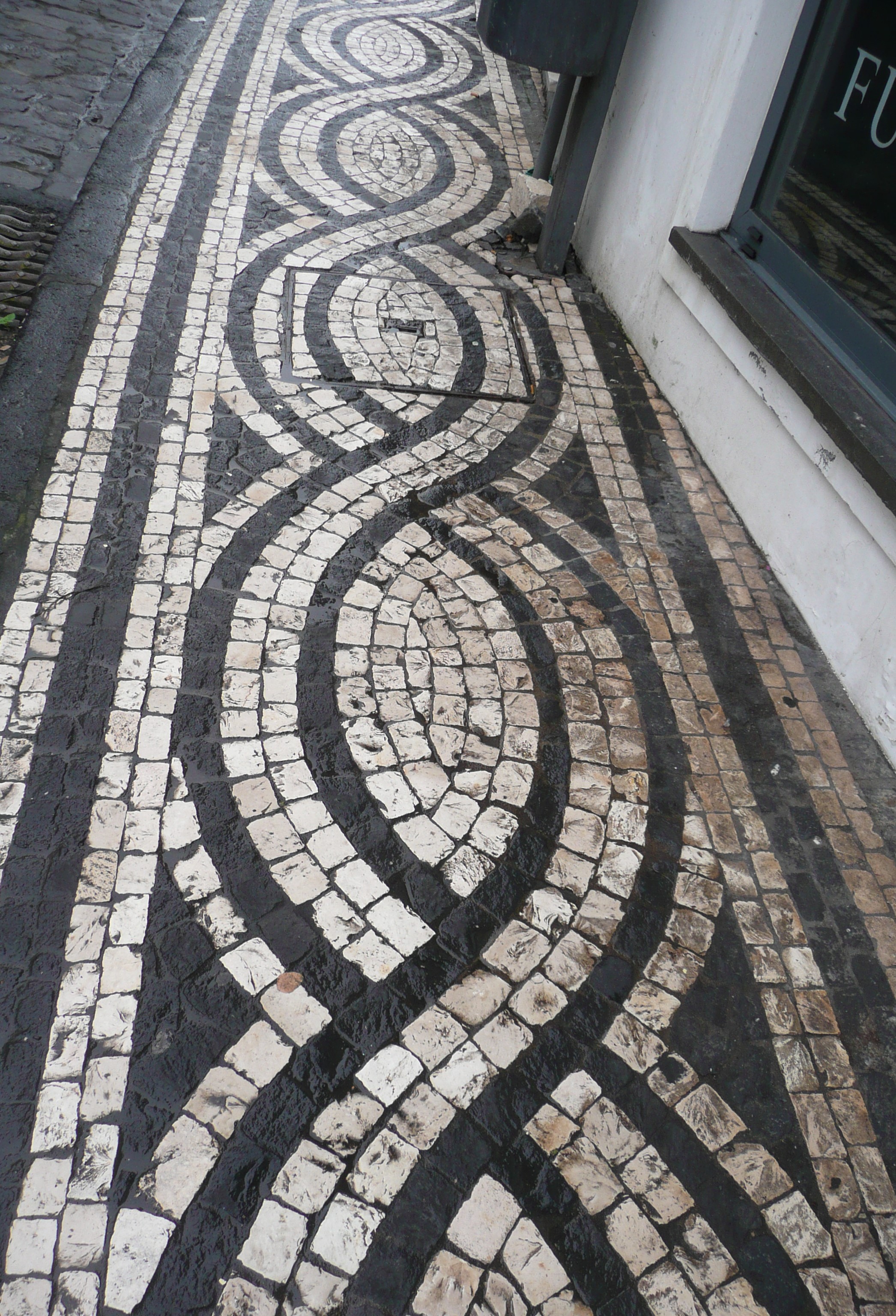
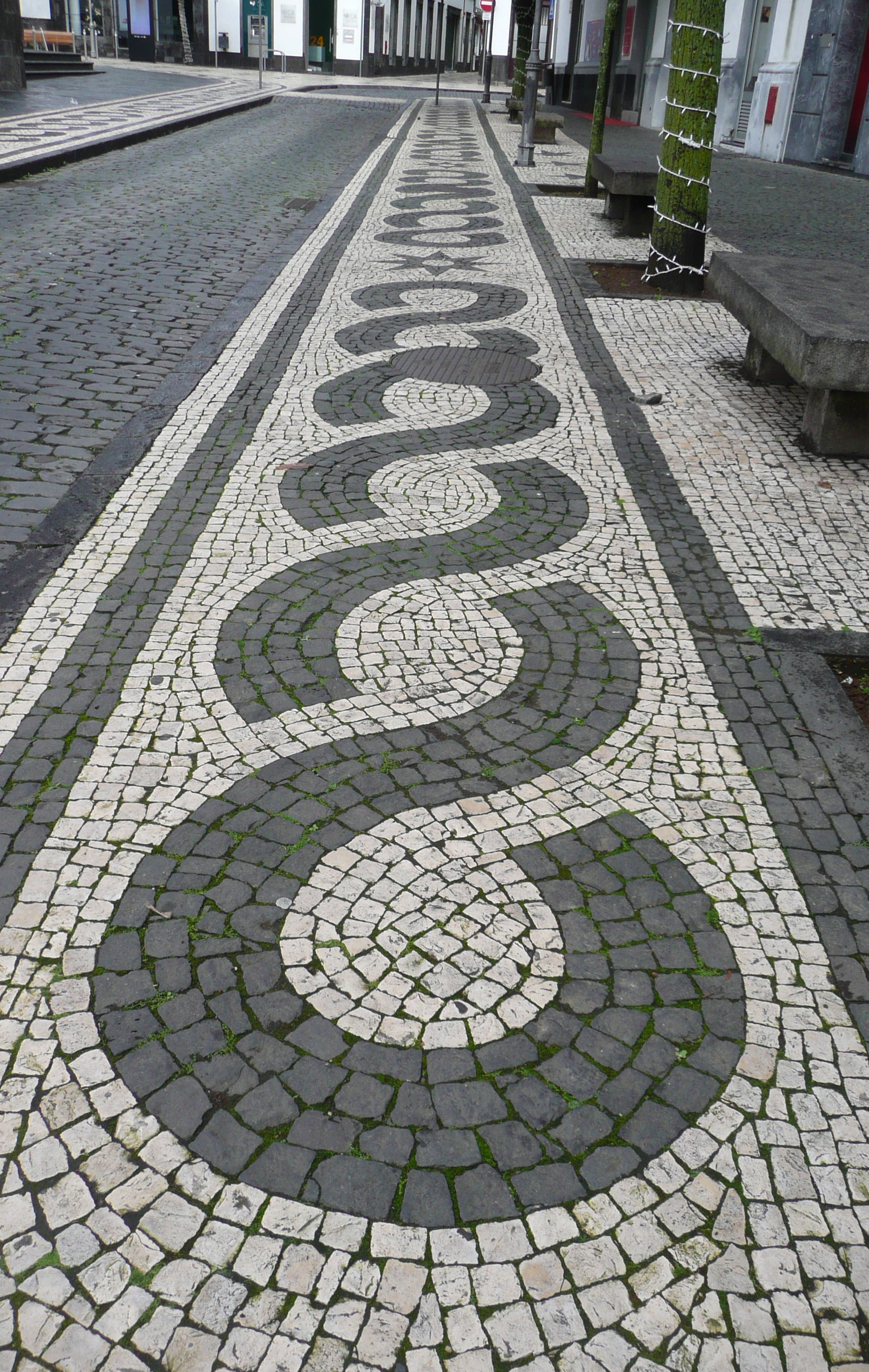
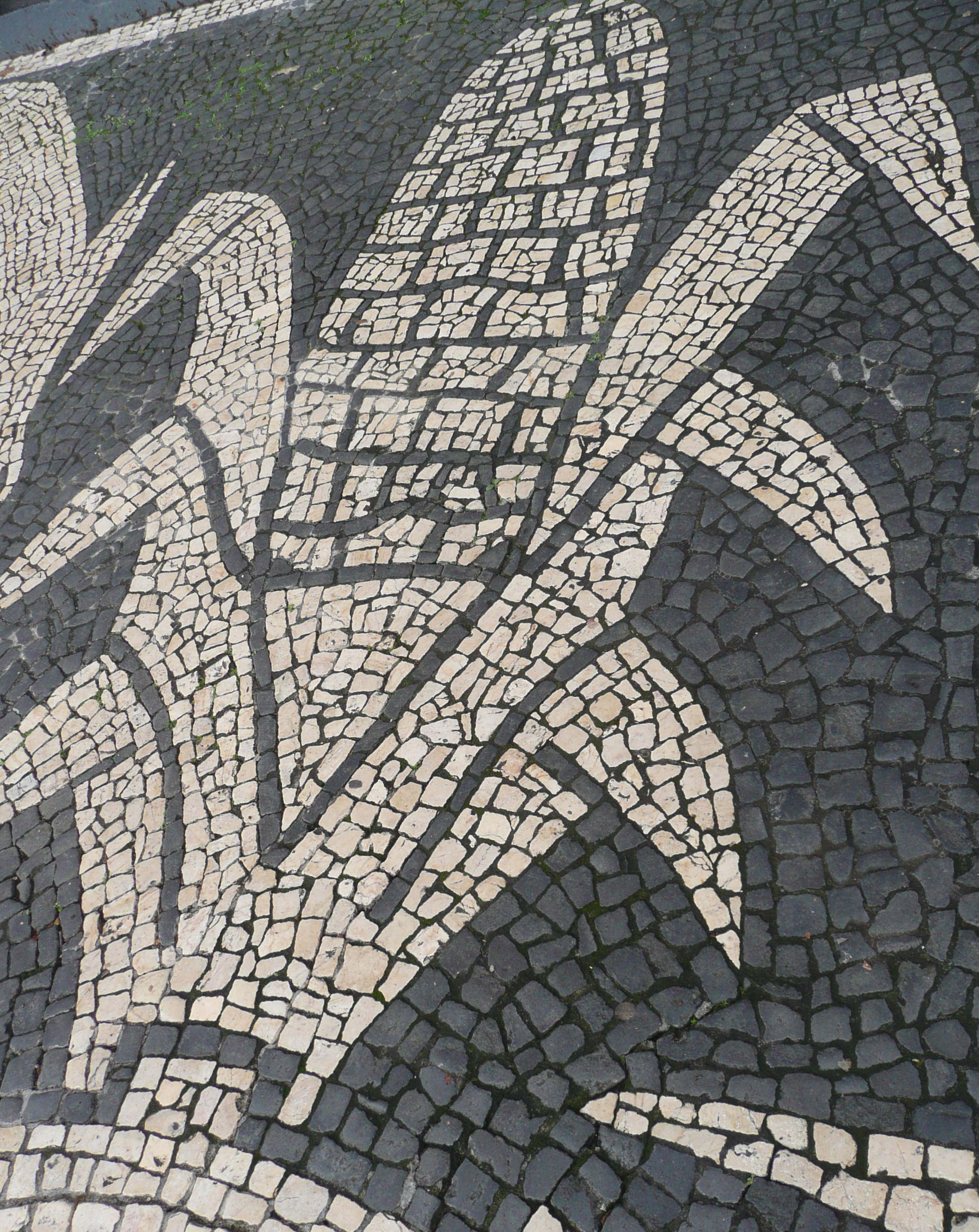
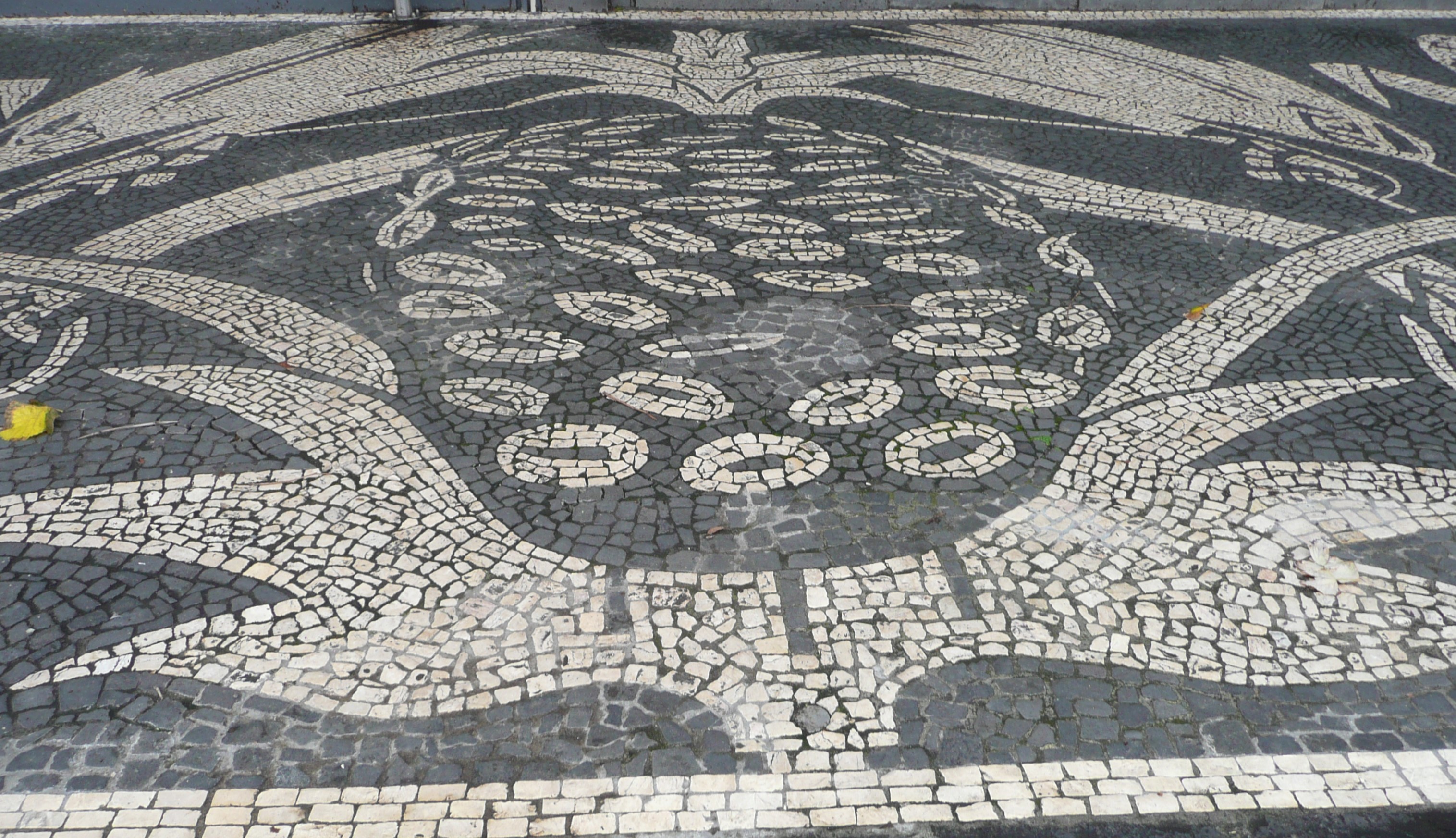
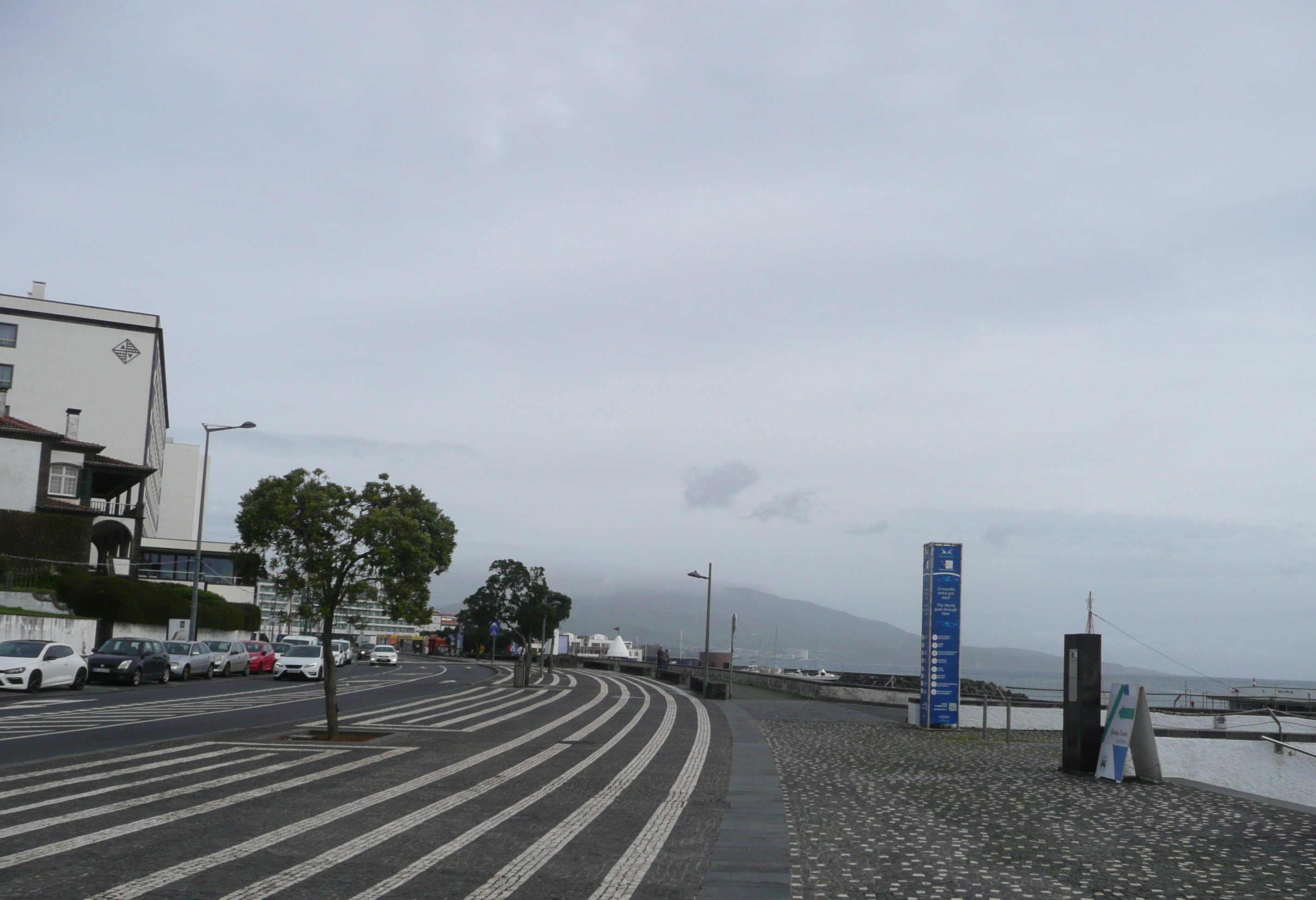
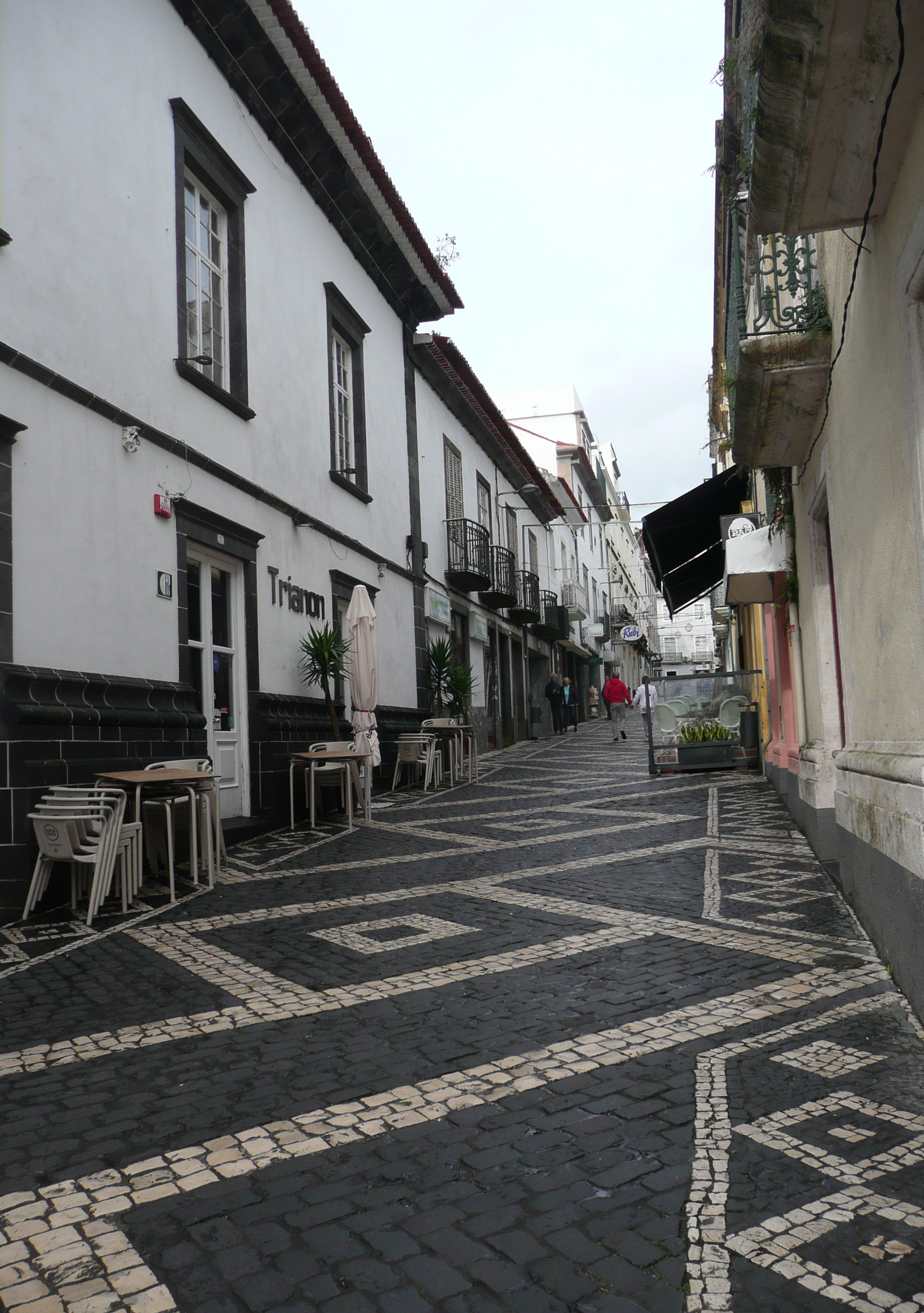
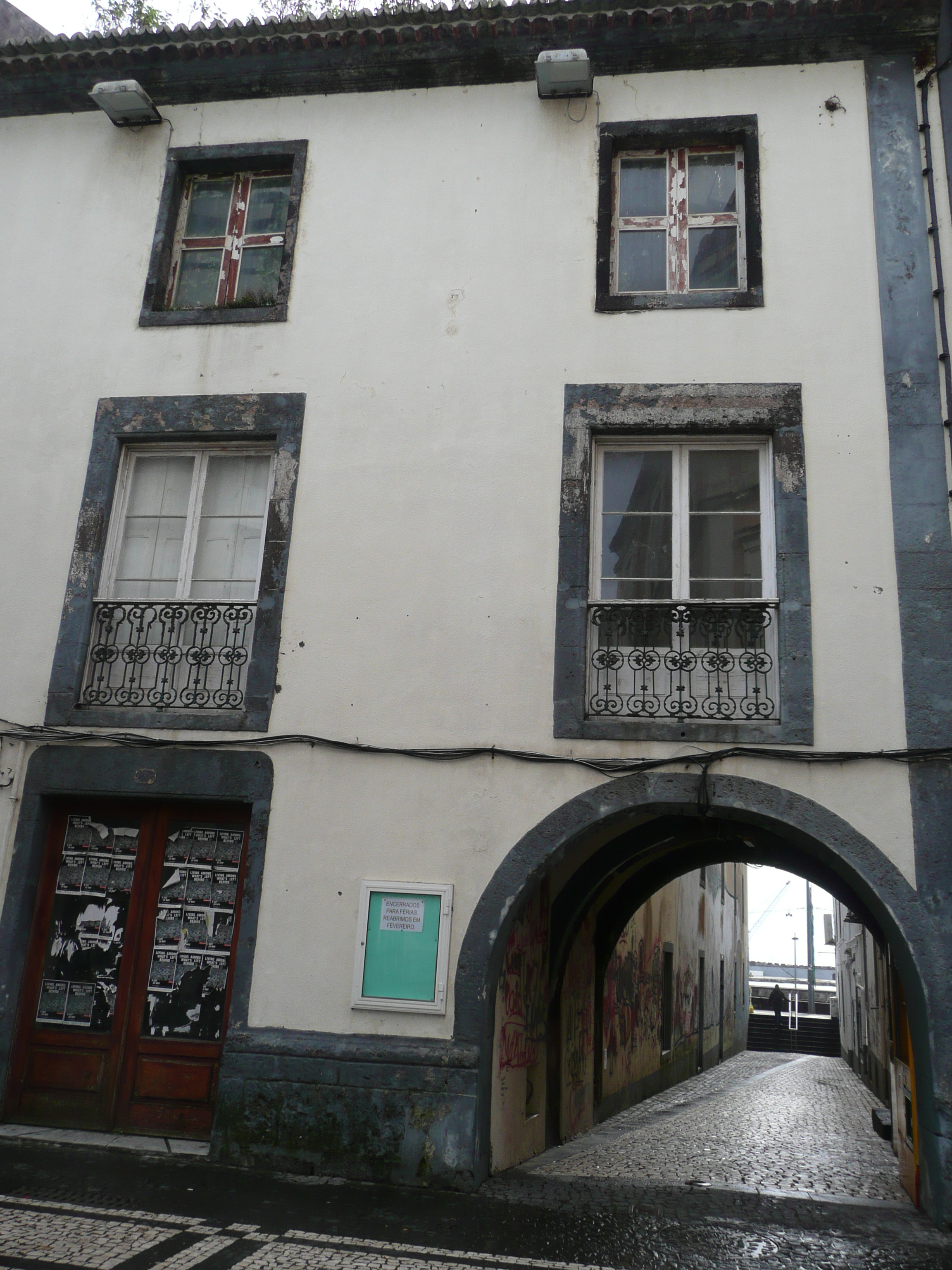
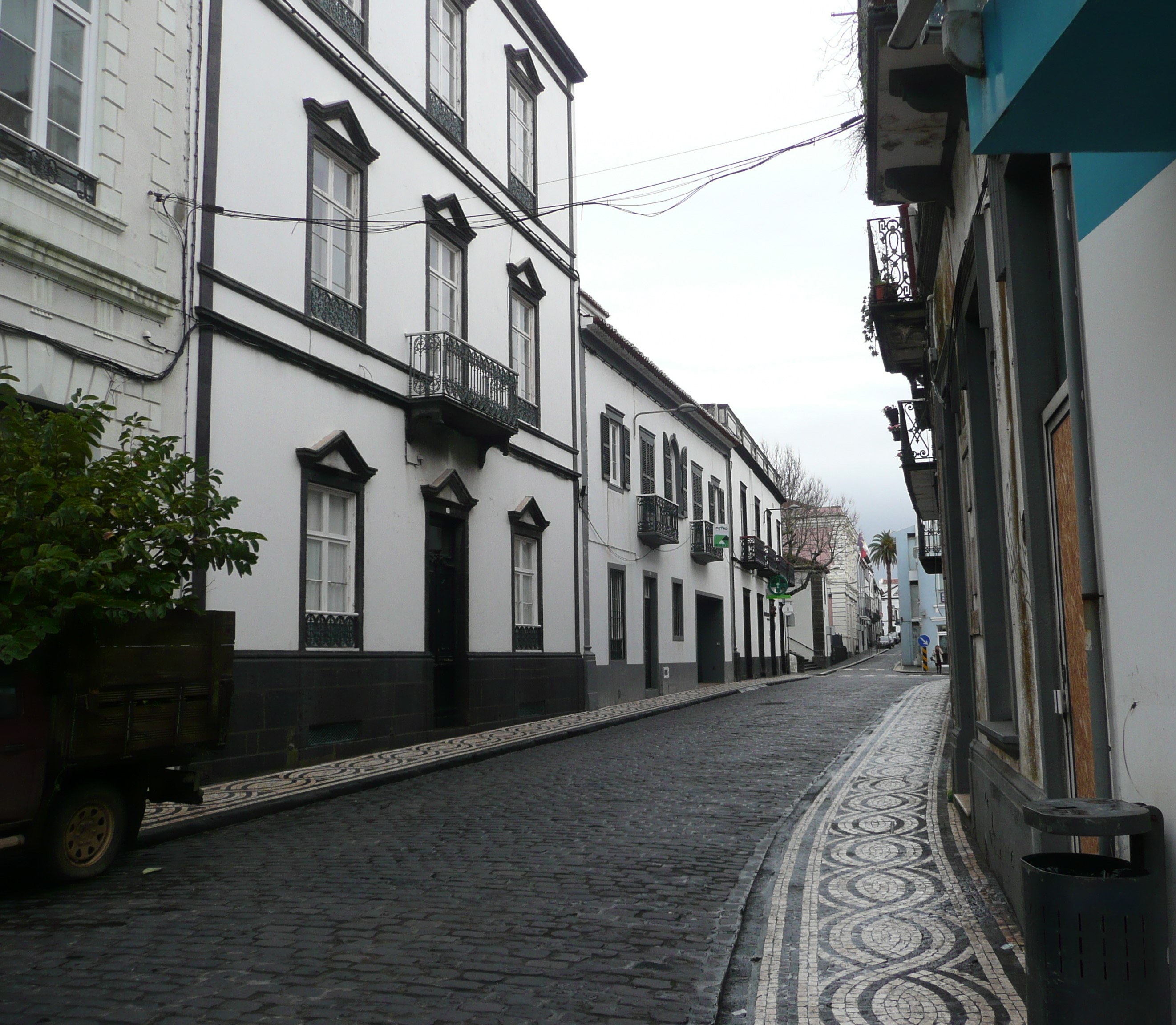
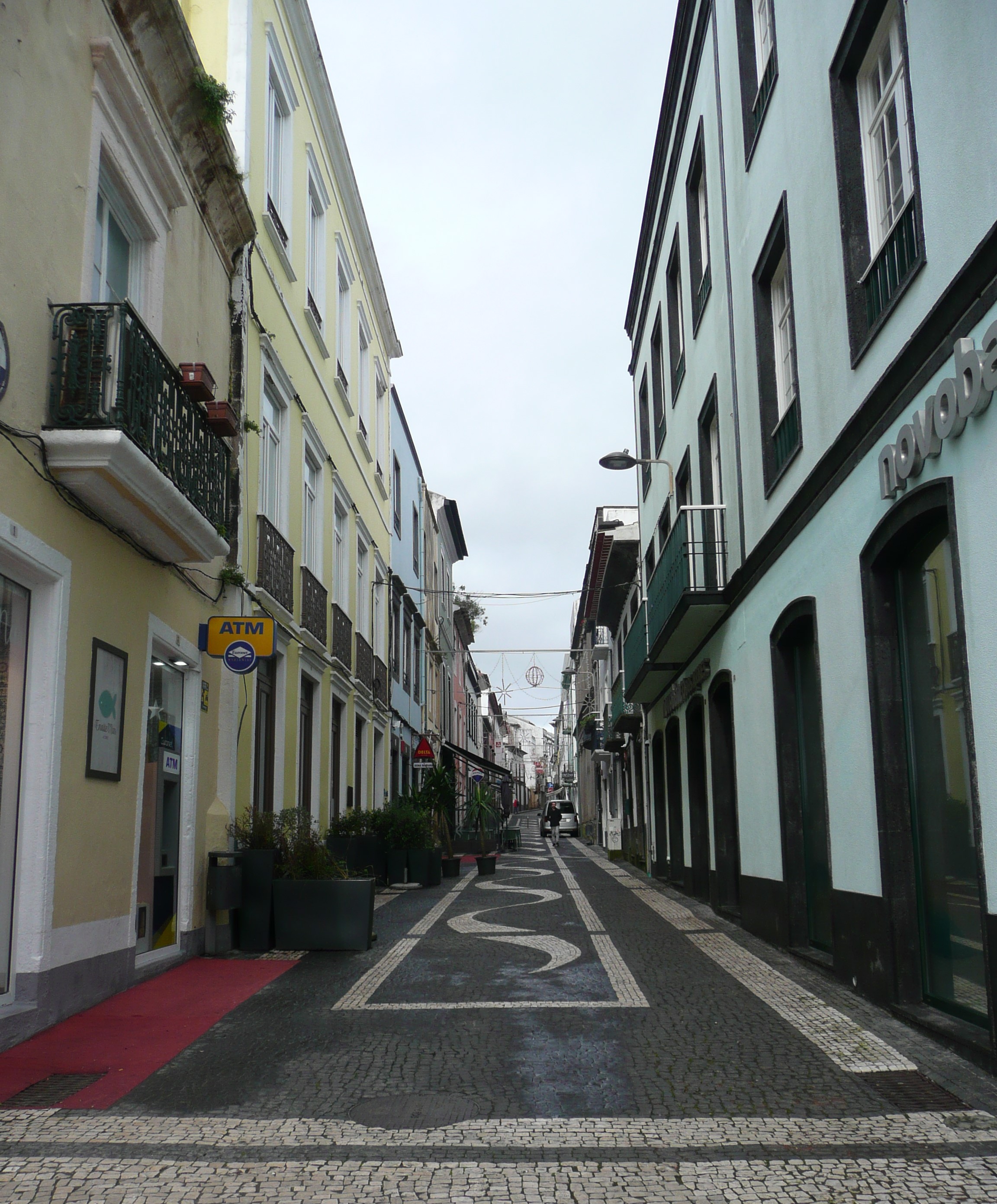
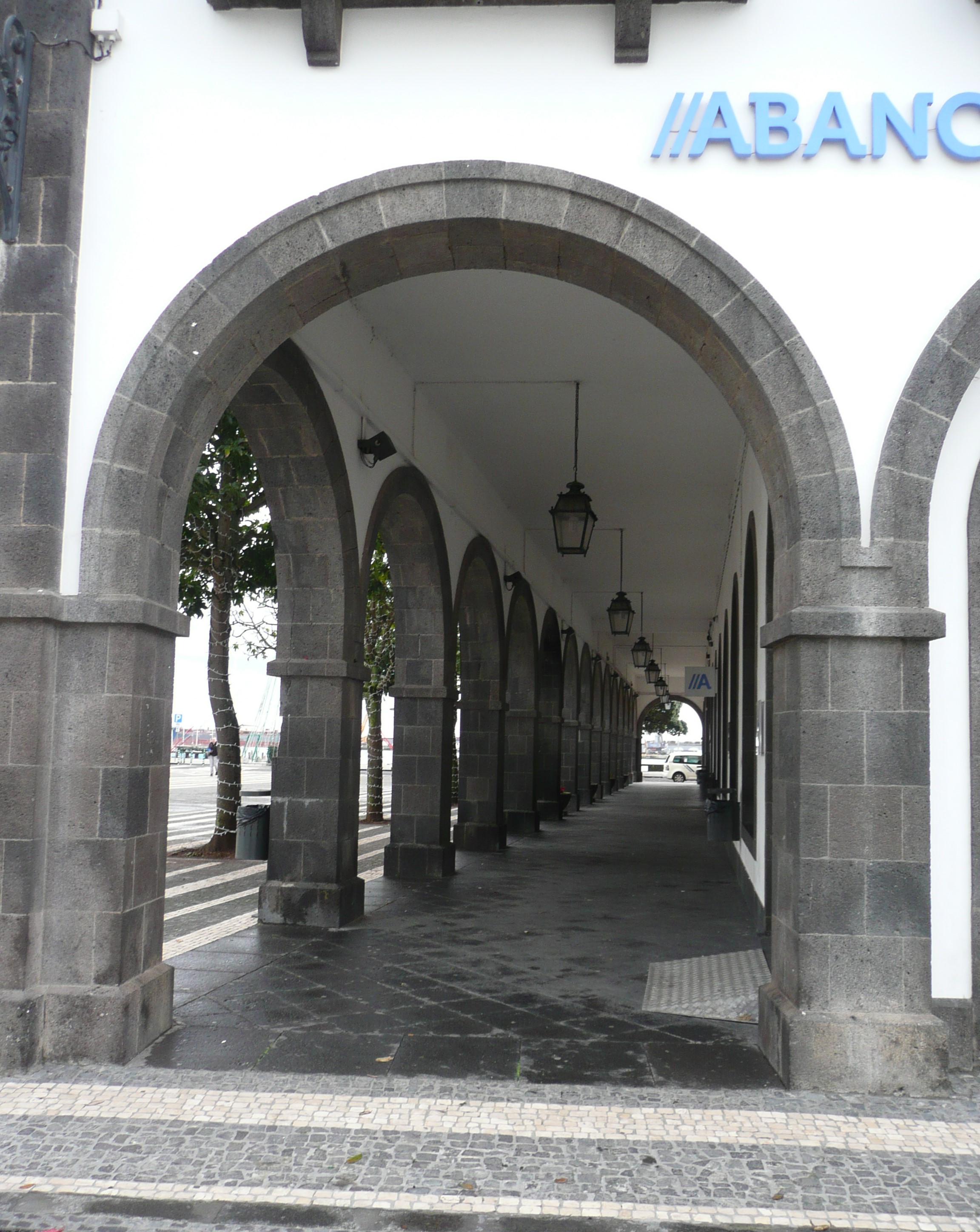
W 2007 roku Azory zostały uznane przez National Geografic za jeden z najatrakcyjniejszych rejonów świata. Trudno się dziwić, bo mają tam nie tylko gorące żródła, gejzery i wulkany, ale jeszcze czarne plaże, hortensje, jedyne w Europie plantacje herbaty i wiecznie zielone krajobrazy. Mają także (jak niektórzy zauważyli) piękne chodniki:
In 2007, the Azores were named one of the most attractive regions in the world by National Geographic. It’s no surprise, considering they boast not only hot springs, geysers, and volcanoes, but also black sand beaches, hydrangeas, the only tea plantations in Europe, and evergreen landscapes. They also have (as some have noted) beautiful walkways:
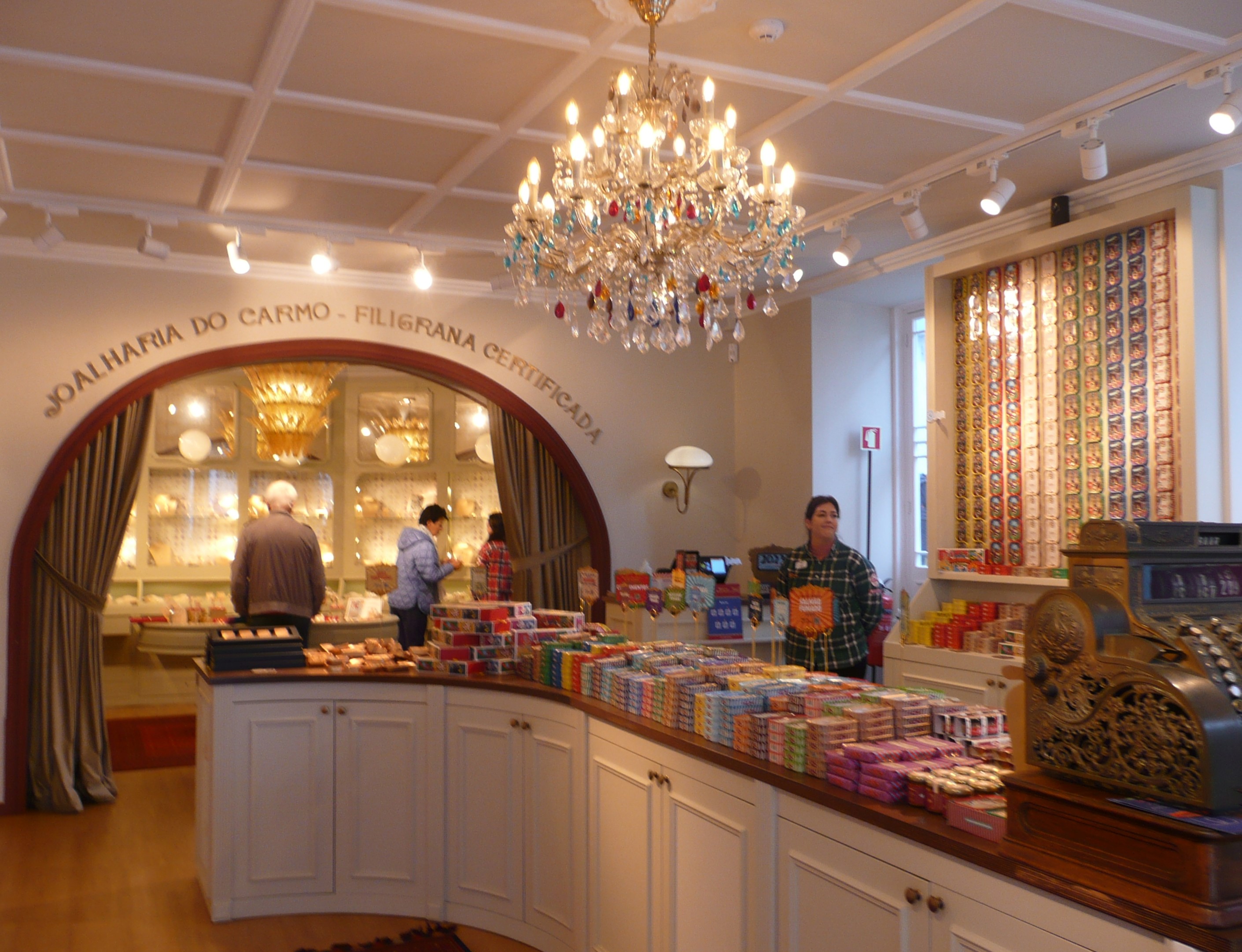
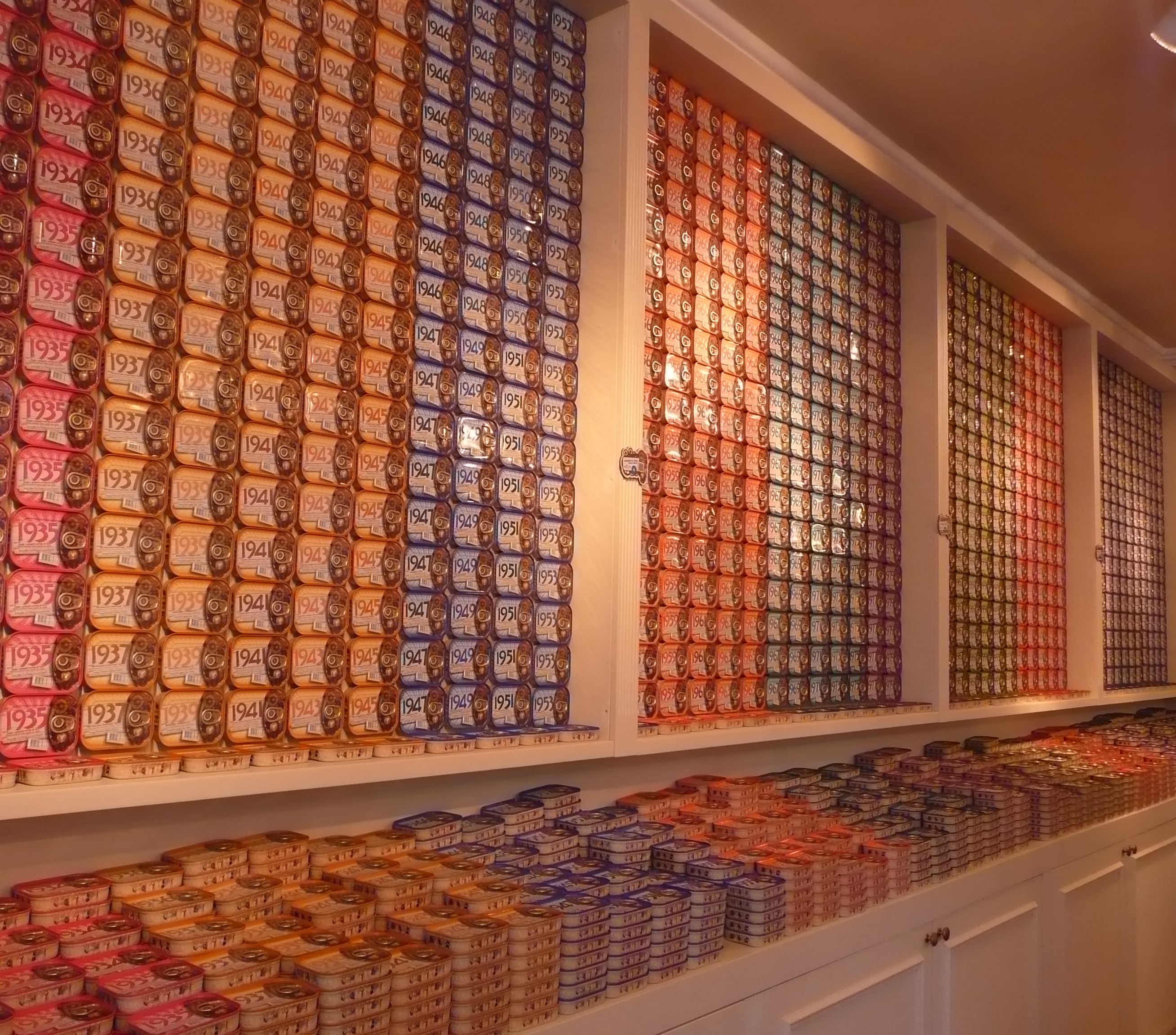
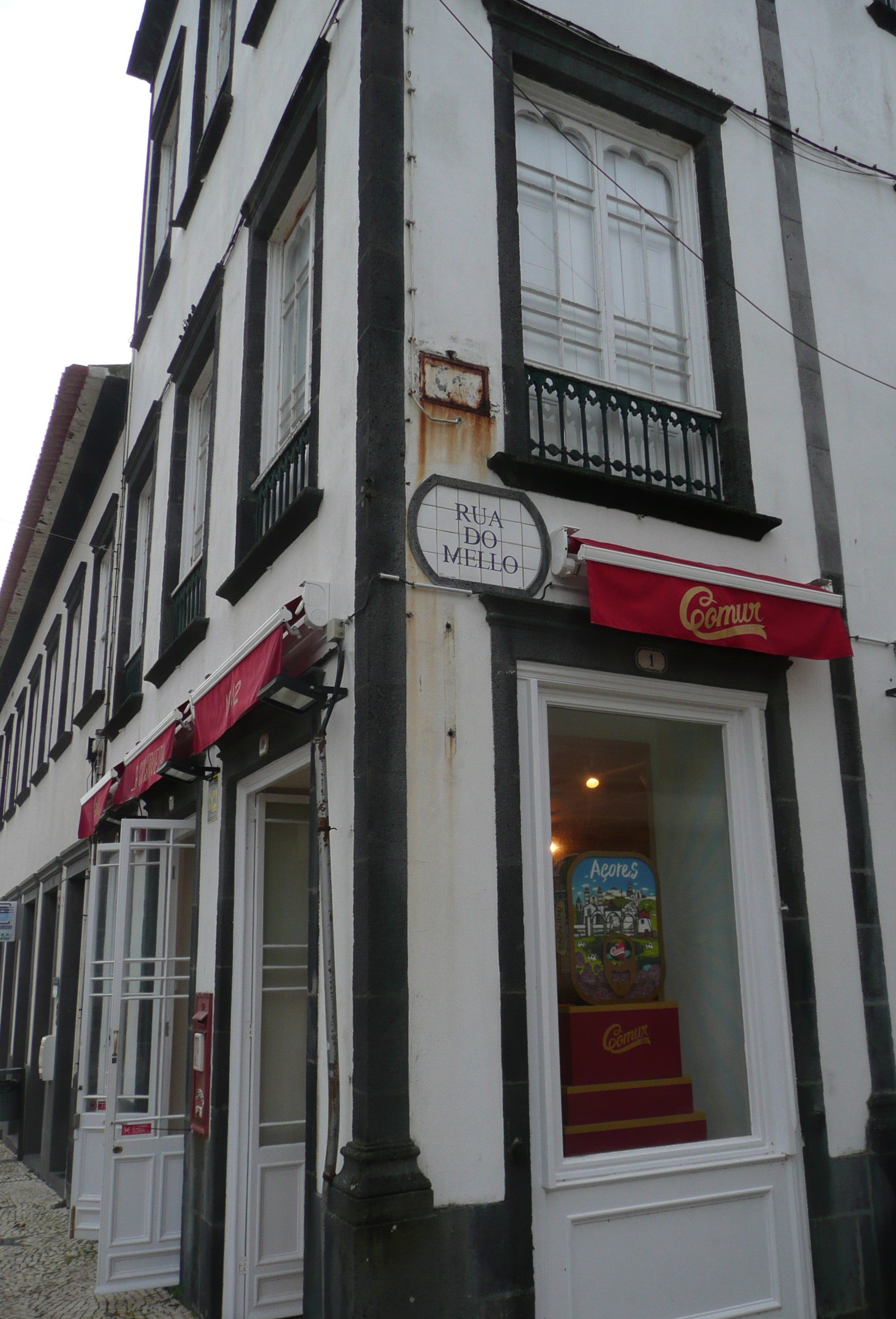
Tak samo piękne były na Maderze i zapewne są w innych portugalskich miastach. Odkryliśmy też niezwykły sklep, w którym od sufitu po podłogę są tylko sardynki:
They were just as beautiful in Madeira, and they’re probably in other Portuguese cities. We also discovered an unusual shop filled with nothing but sardines from floor to ceiling:
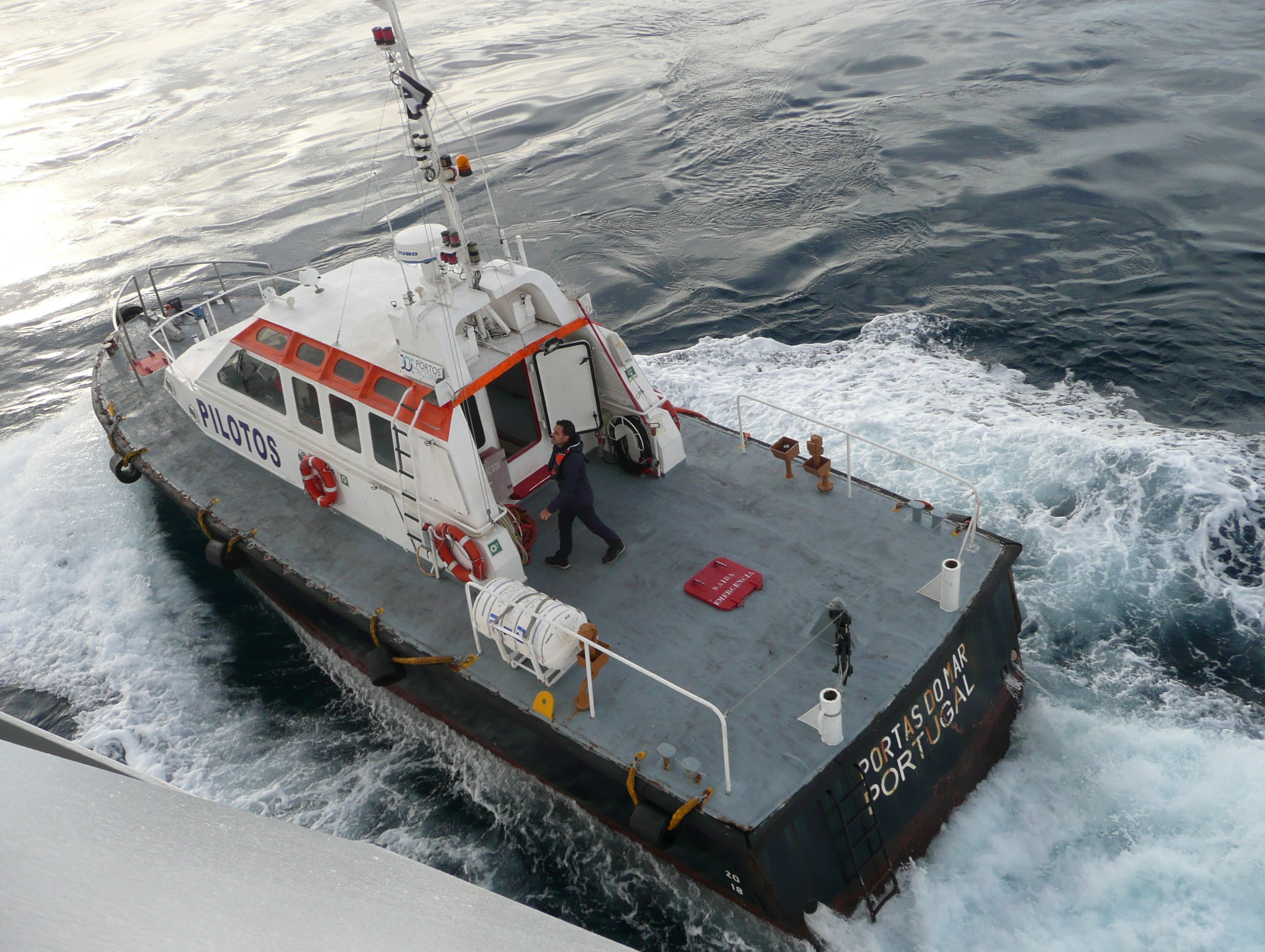
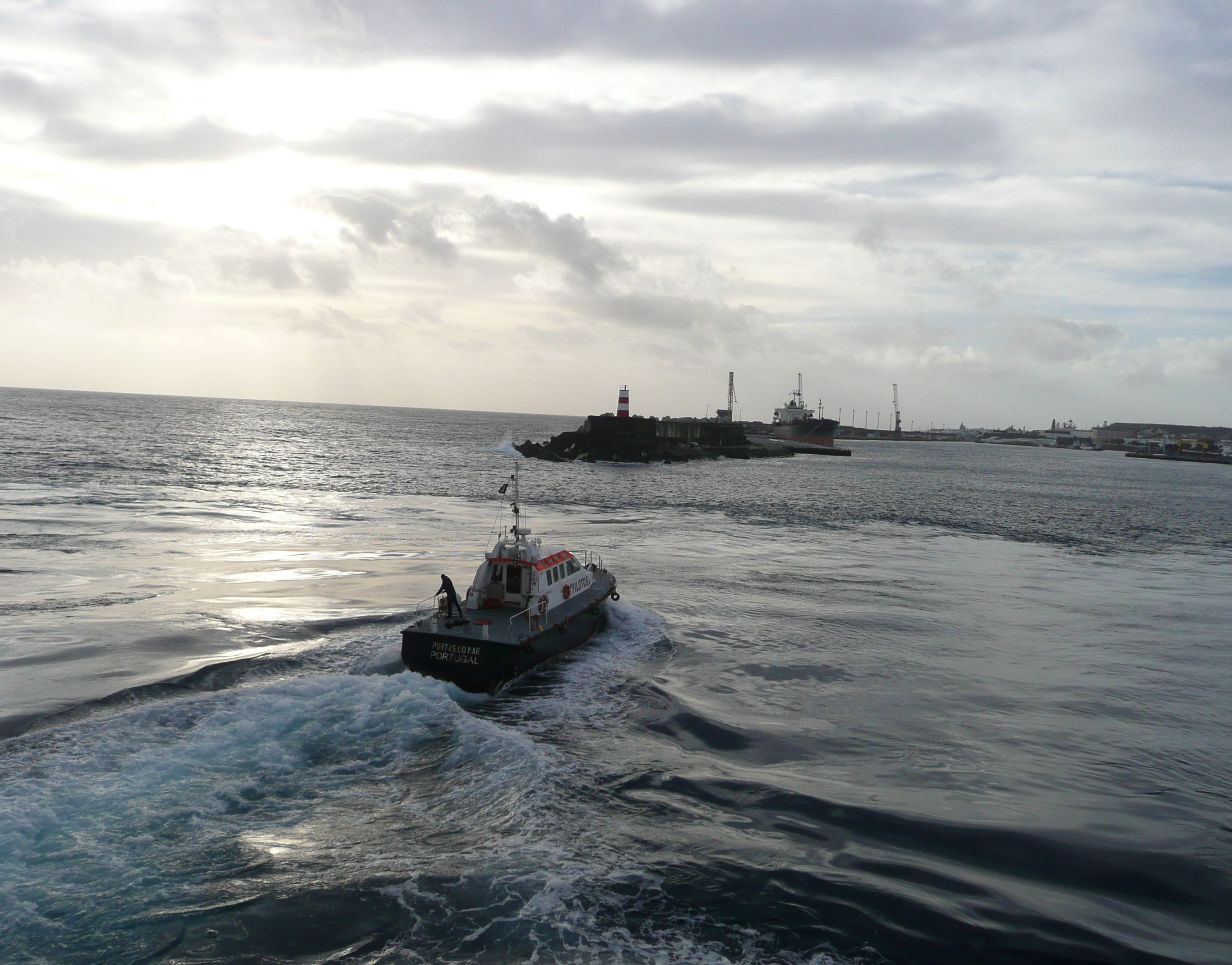
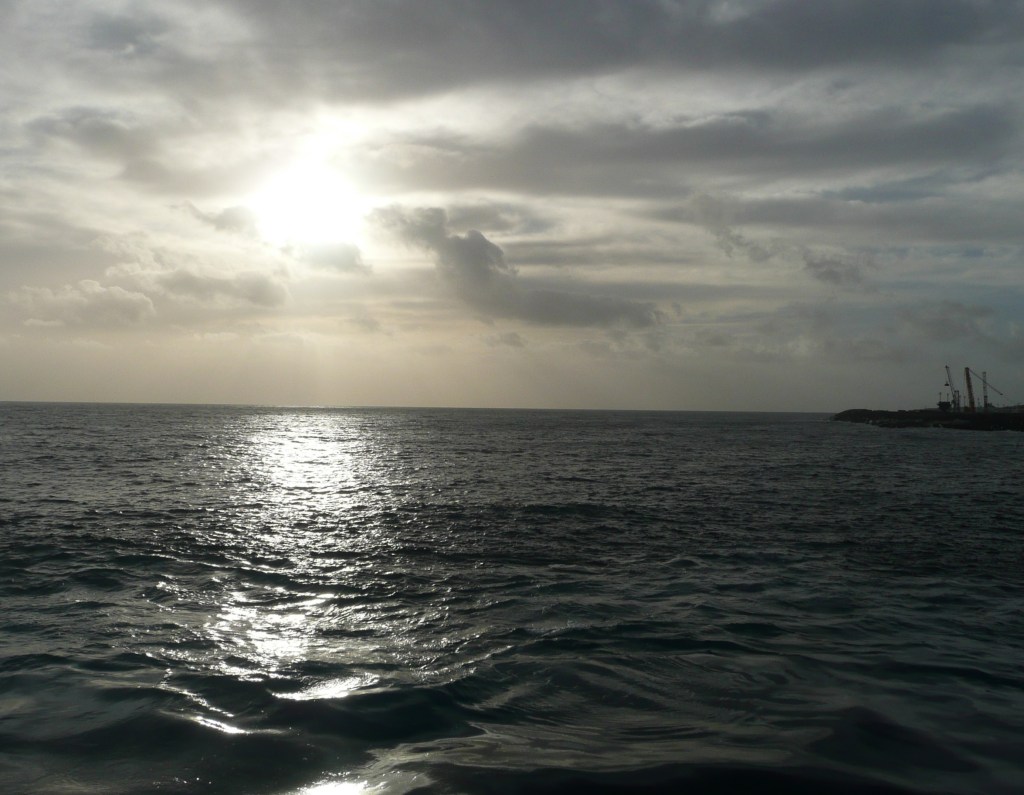
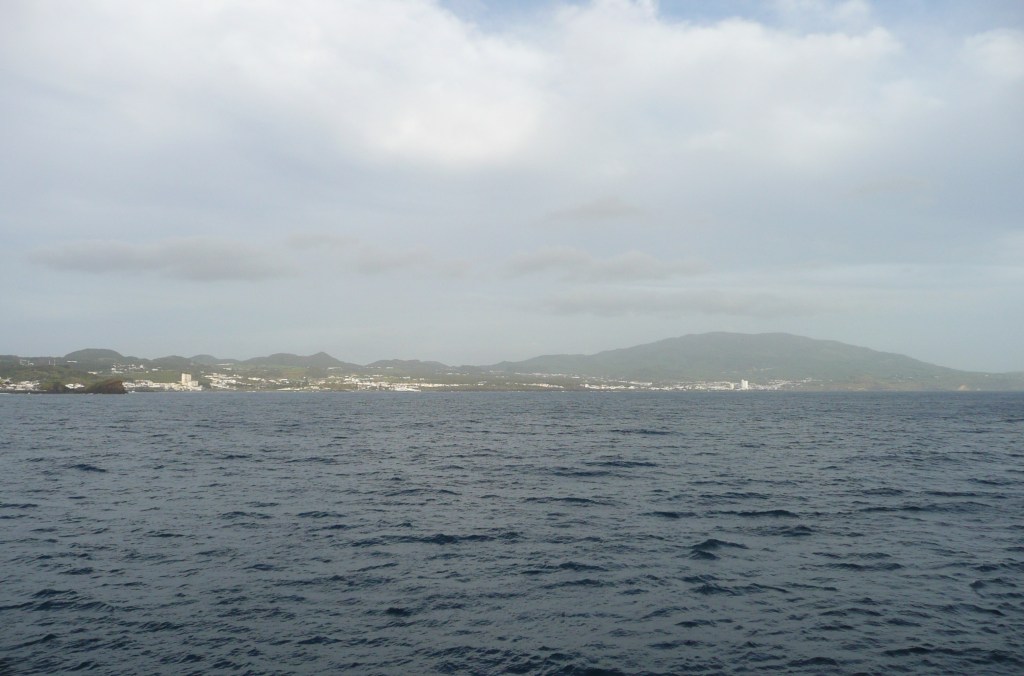
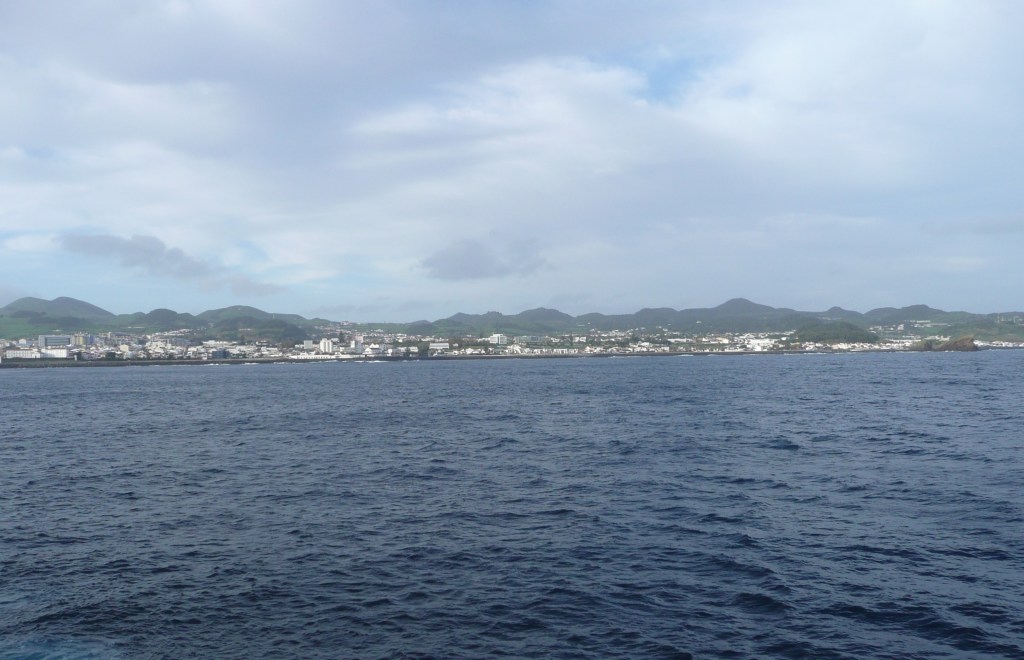
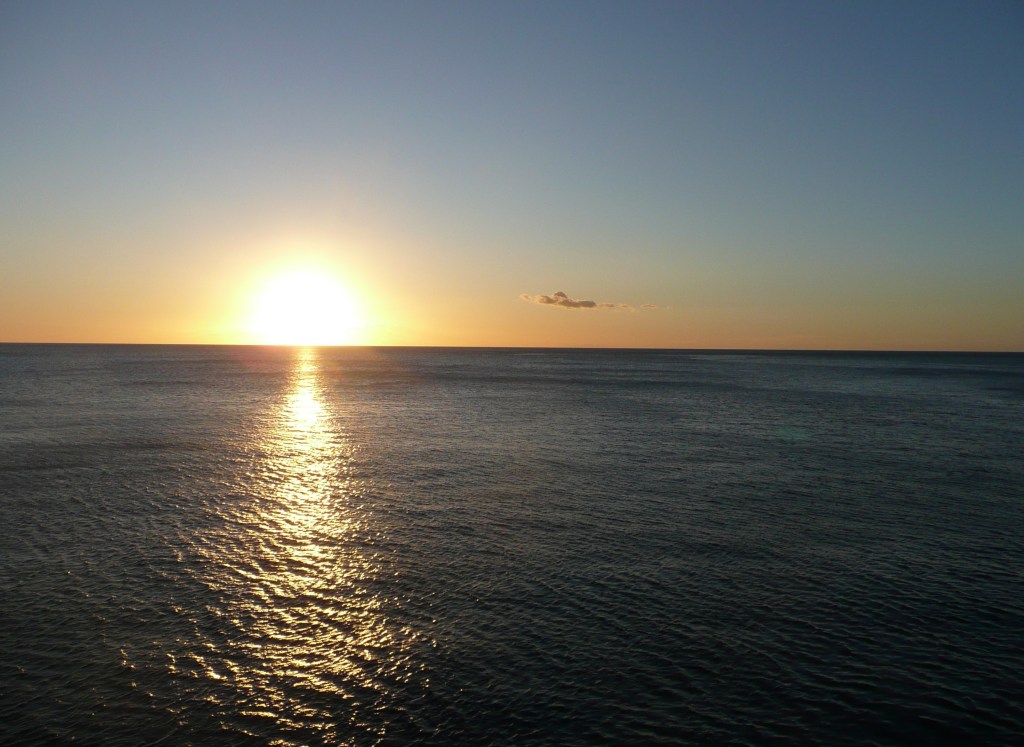
Po tradycyjnym wypiciu kawy w lokalnej kawiarni i kupieniu Azorskich herbat (zielonej i czarnej) odpłynęliśmy z wieczne zielonej wyspy Sao Miguel, odprowadzeni przez malutki stateczek pilota i popłynęliśmy w stronę zachodzącego słońca do następnej wy… Do następnego portu. Do przepłynięcia mamy 789 mil morskich (1461 kilometrów). Łatwizna.
After the traditional coffee at a local café and buying Azorean teas (green and black), we departed the eternally green island of Sao Miguel, escorted by a tiny pilot boat, and sailed into the sunset to the next port of call. To the next port of call. We had 789 nautical miles (1,461 kilometers) to sail. Easy.
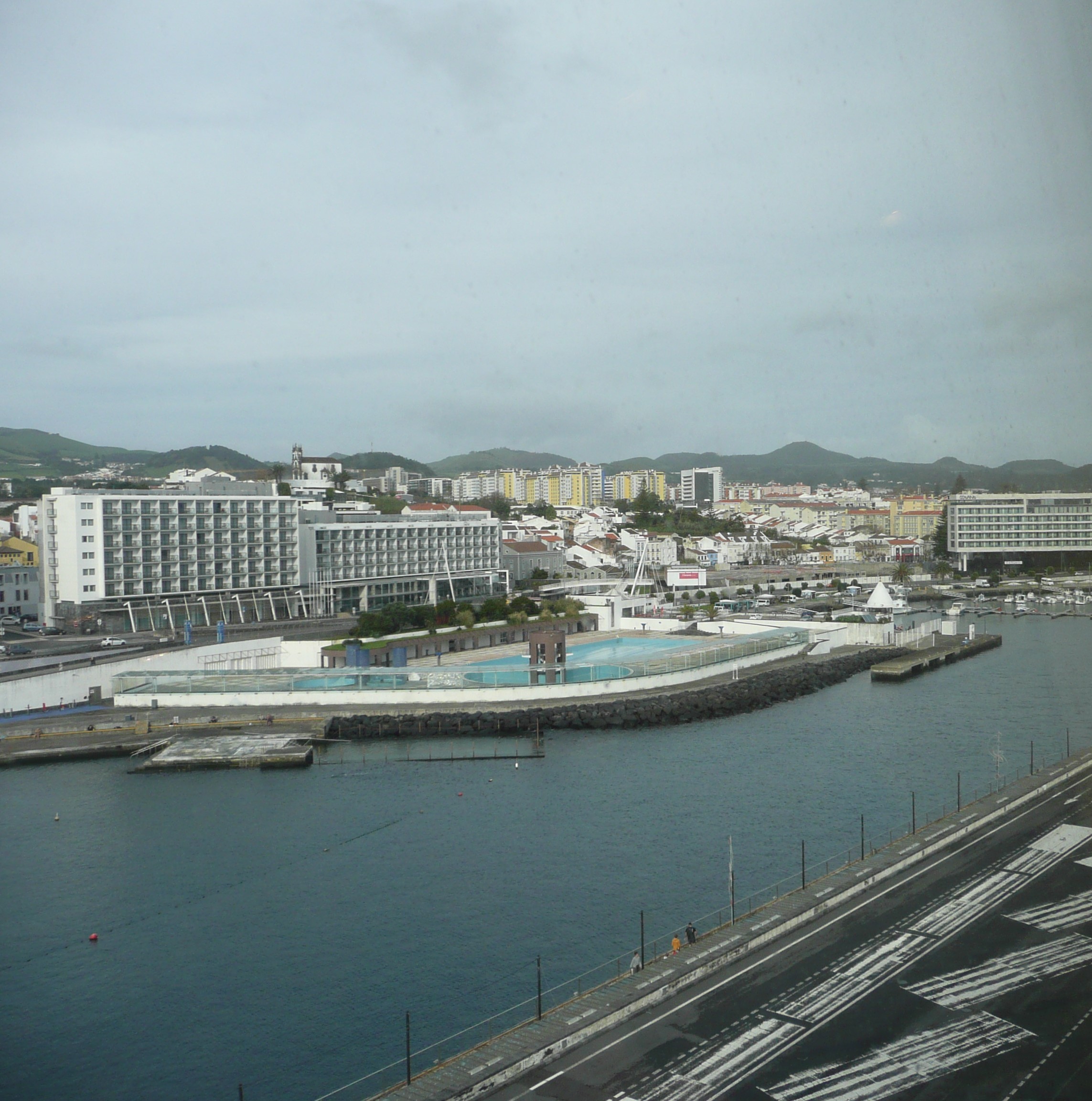
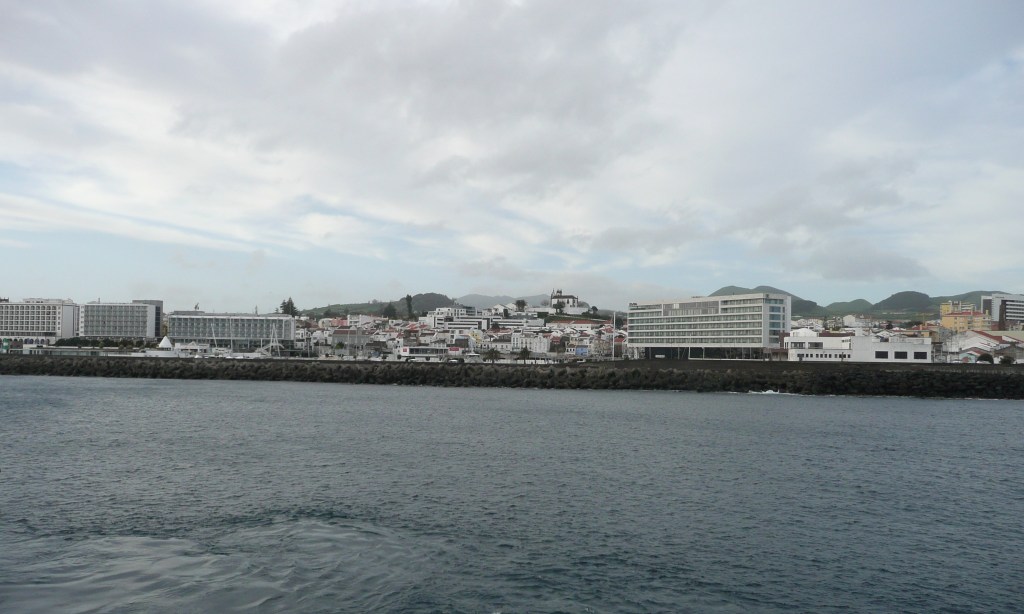
Na południowo-zachodnim krańcu wyspy São Miguel jest stolica Azorów zwana Ponta Delgada, co po portugalsku znaczy „wąski przylądek”. Zeszliśmy na ląd rano, w zimnej mżawce miasto wydawało się ponure, ale było chłodno i wilgotno, czyli dla mnie cudownie.
On the southwestern tip of São Miguel Island lies the capital of the Azores, Ponta Delgada, which means „narrow cape” in Portuguese. We disembarked in the morning, and the city seemed gloomy in the cold drizzle, but it was cool and humid, which, to me, was wonderful.
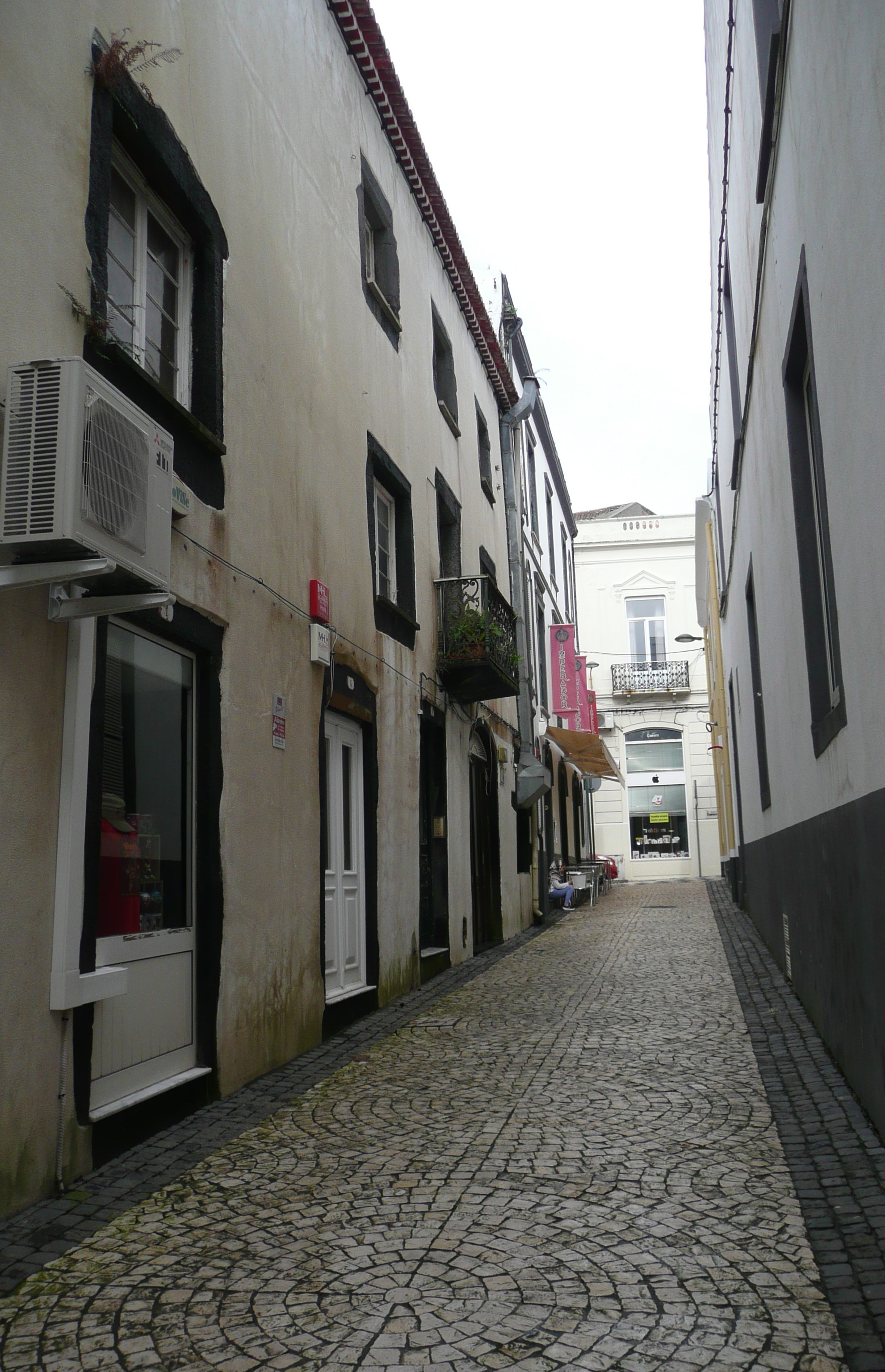
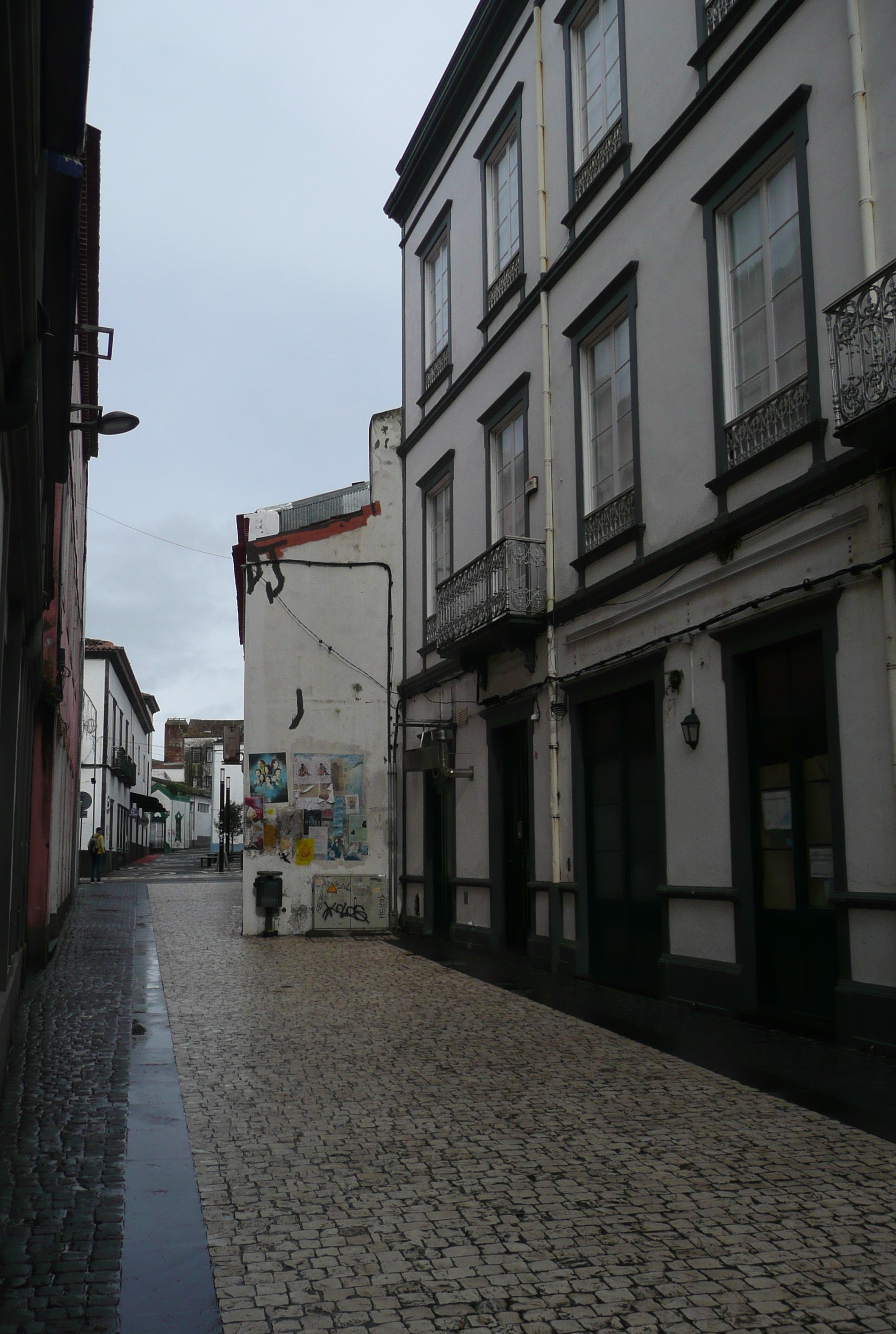
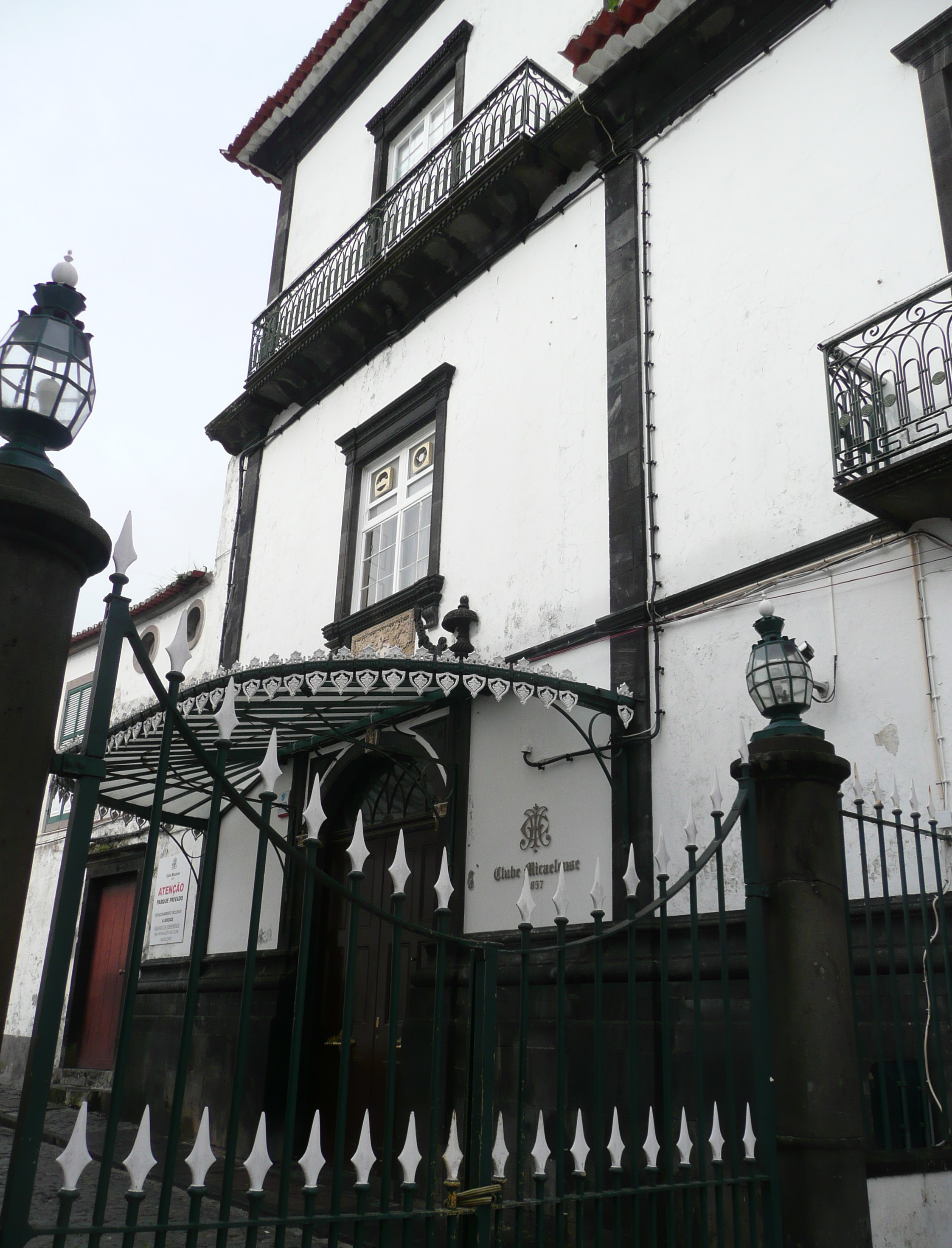
Pięknymi chodnikami ruszyliśmy w stronę domniemanego centrum, mijając po drodze zamknięte sklepy, kawiarnie i restauracje. Uliczki starego miasta były prawie puste, ale zważywszy na wczesną porę nie można było oczekiwać tłumów. Miasto ma około 67 tysięcy mieszkańców, ale widocznie nikomu nie chciało się wychodzić z domu. Jedynym człowiekiem, który przywitał nas osobiście na jednej z ulic był nawalony żul, który okazał się Amerykaninem z Chicago mieszkającym na wyspie od wielu lat.
We set off along the beautiful sidewalks toward the supposed center, passing closed shops, cafes, and restaurants along the way. The streets of the old town were almost empty, but considering the early hour, crowds were unpredictable. The city has a population of about 67,000, but apparently no one wanted to leave their homes. The only person who greeted us in person on one of the streets was a drunken bum who turned out to be an American from Chicago who had lived on the island for many years.
Zbliżaliśmy się do centrum, poznając to po coraz szerszych ulicach i czystszych fasadach domów. Było też więcej ludzi, a niektóre kawiarnie były już otwarte.
As we approached the city center, the streets were getting wider and the facades cleaner. There were more people there, and some cafes were already open.
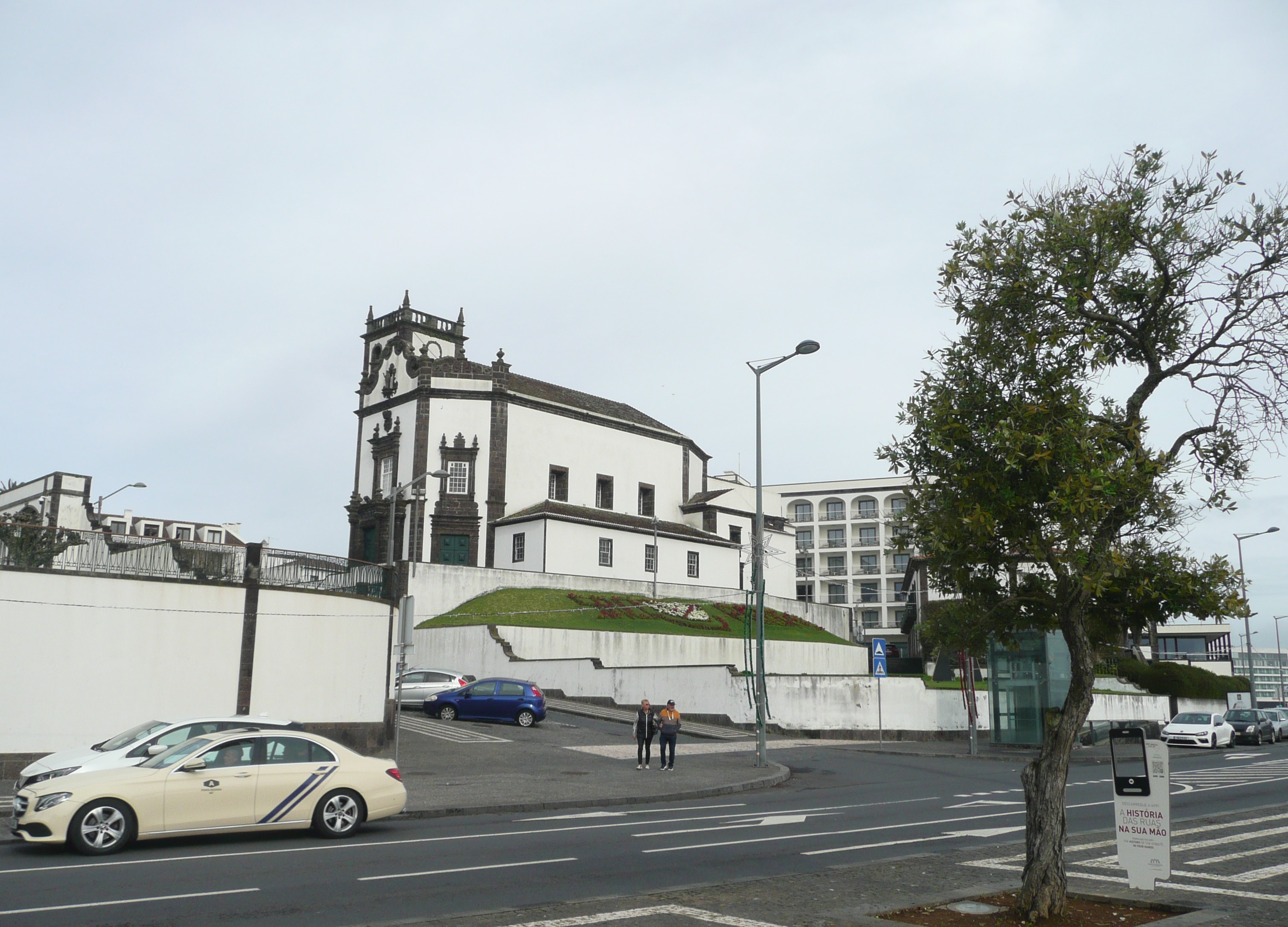
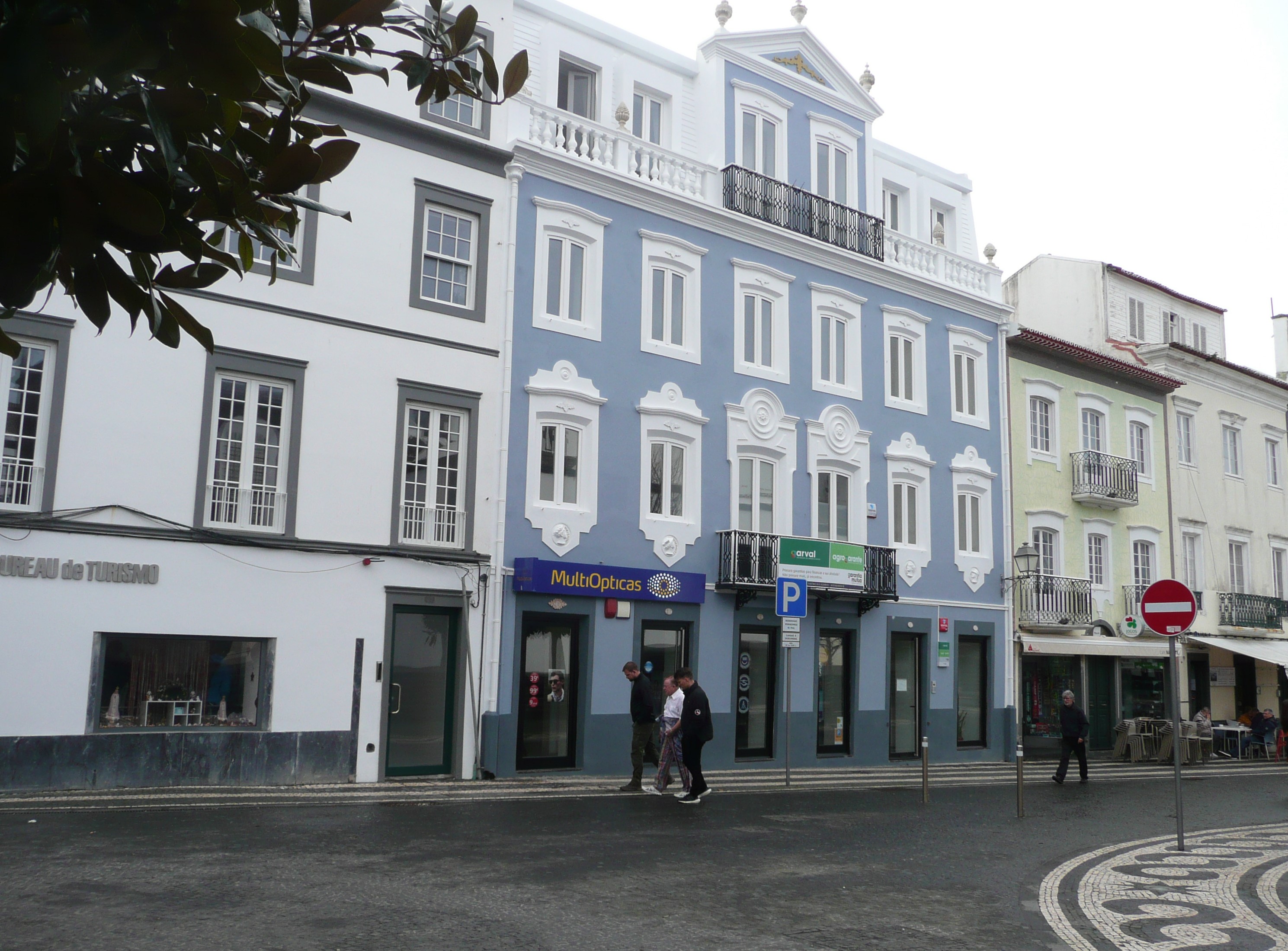
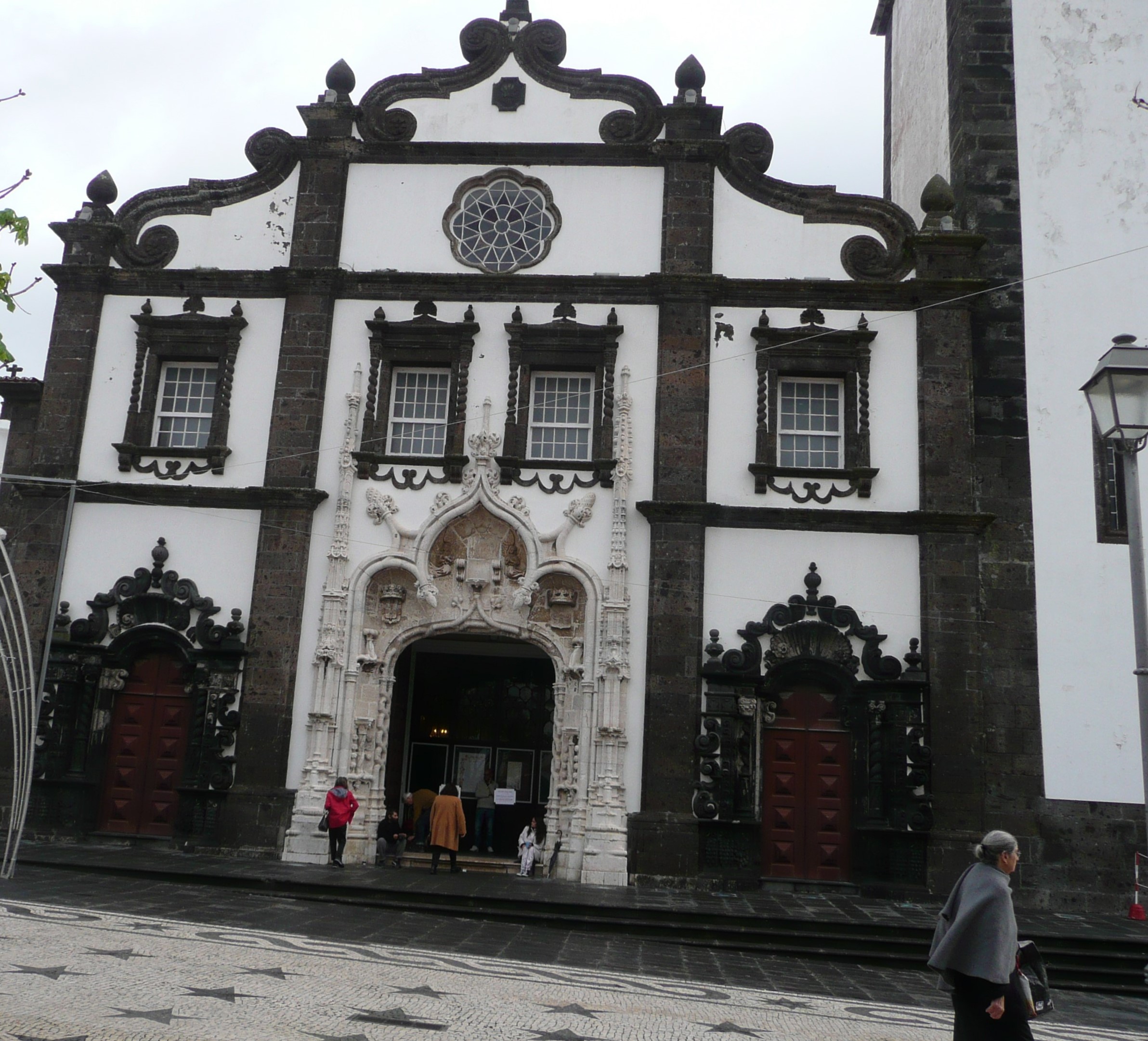
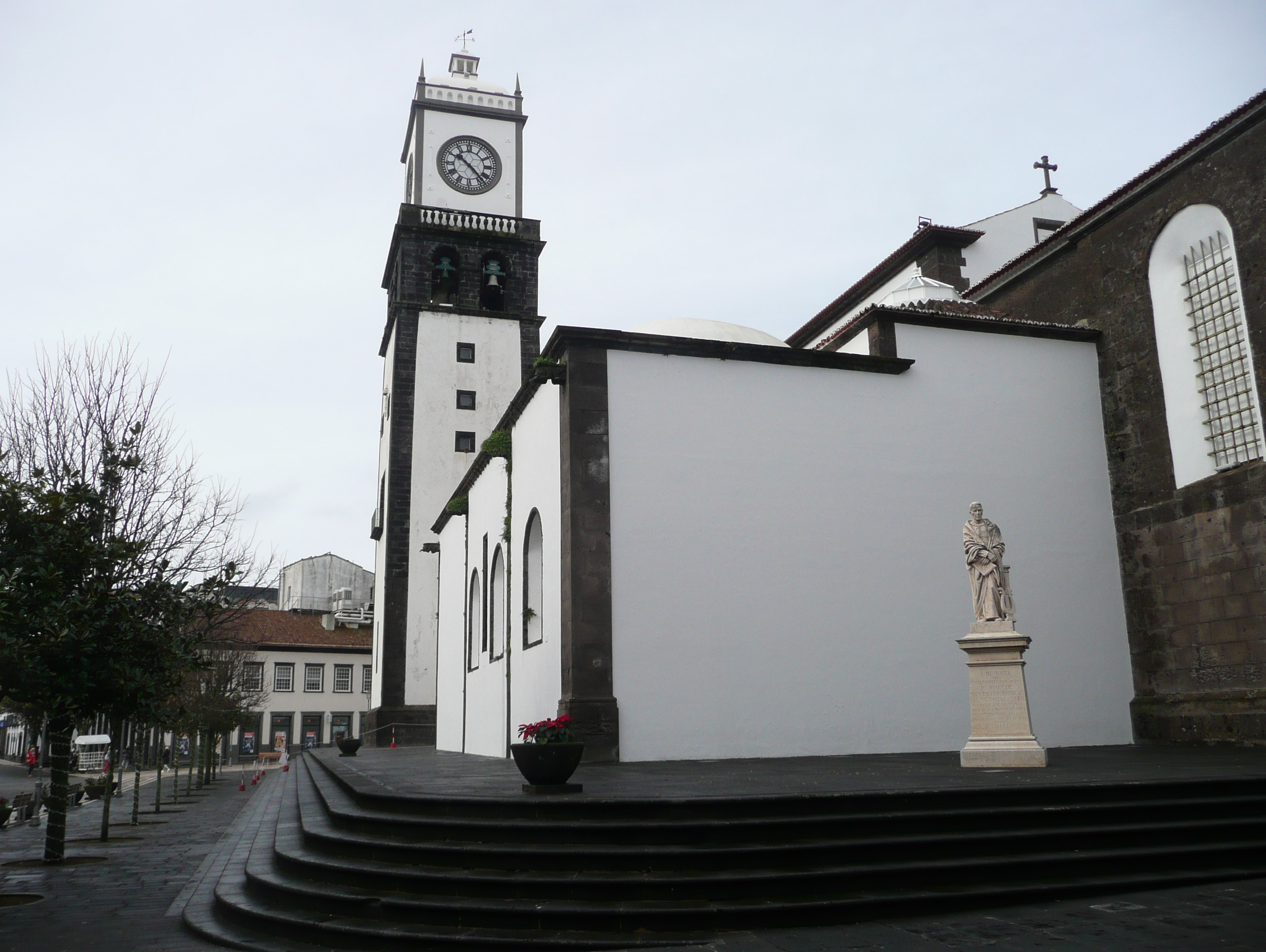
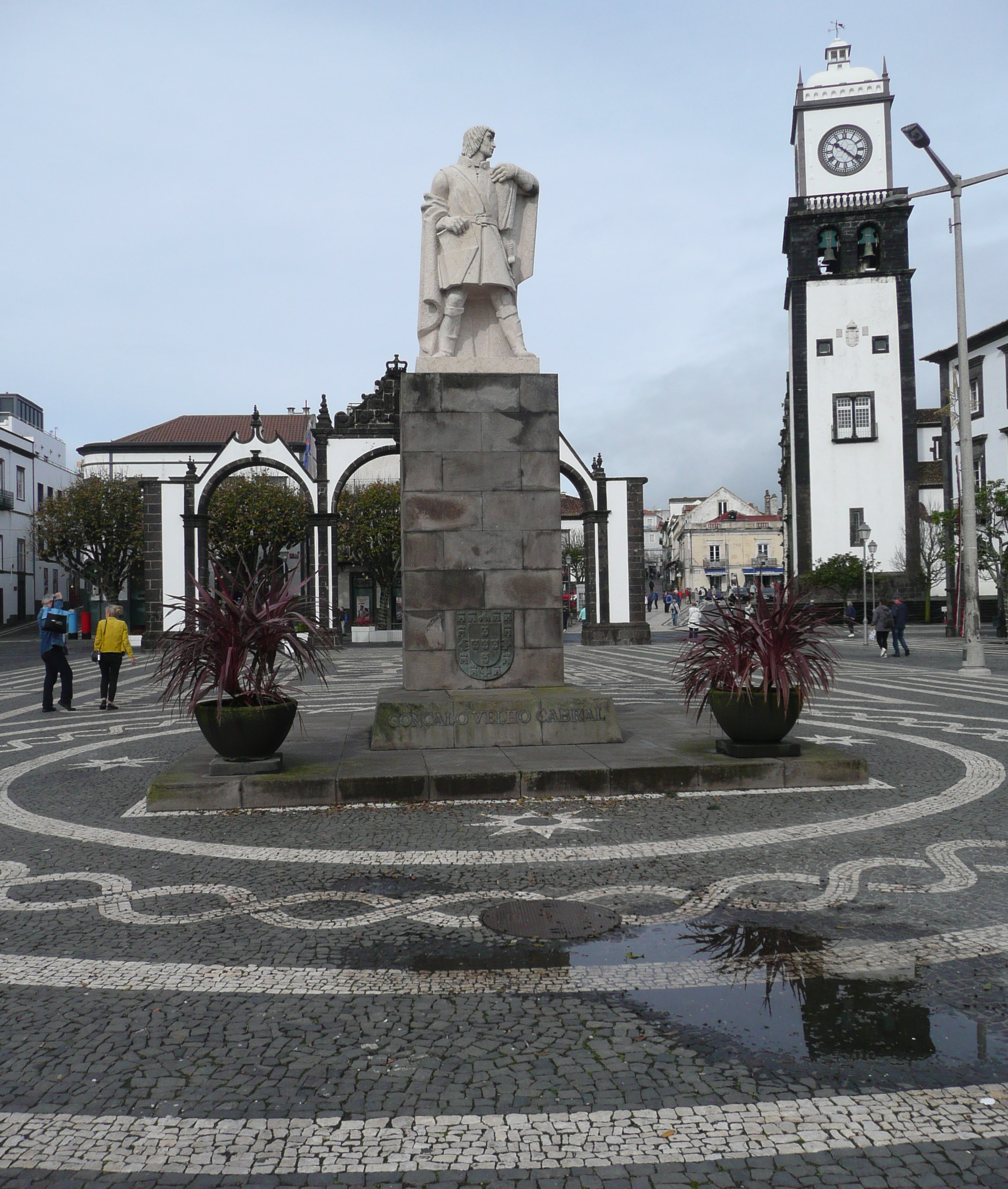
No i wreszcie trafiliśmy na główny plac miasta, ten z kościołem i innymi okazałymi budynkami, które są fotografowane przez każdego turystę.
And finally we reached the main square of the city, the one with the church and other impressive buildings that are photographed by every tourist.
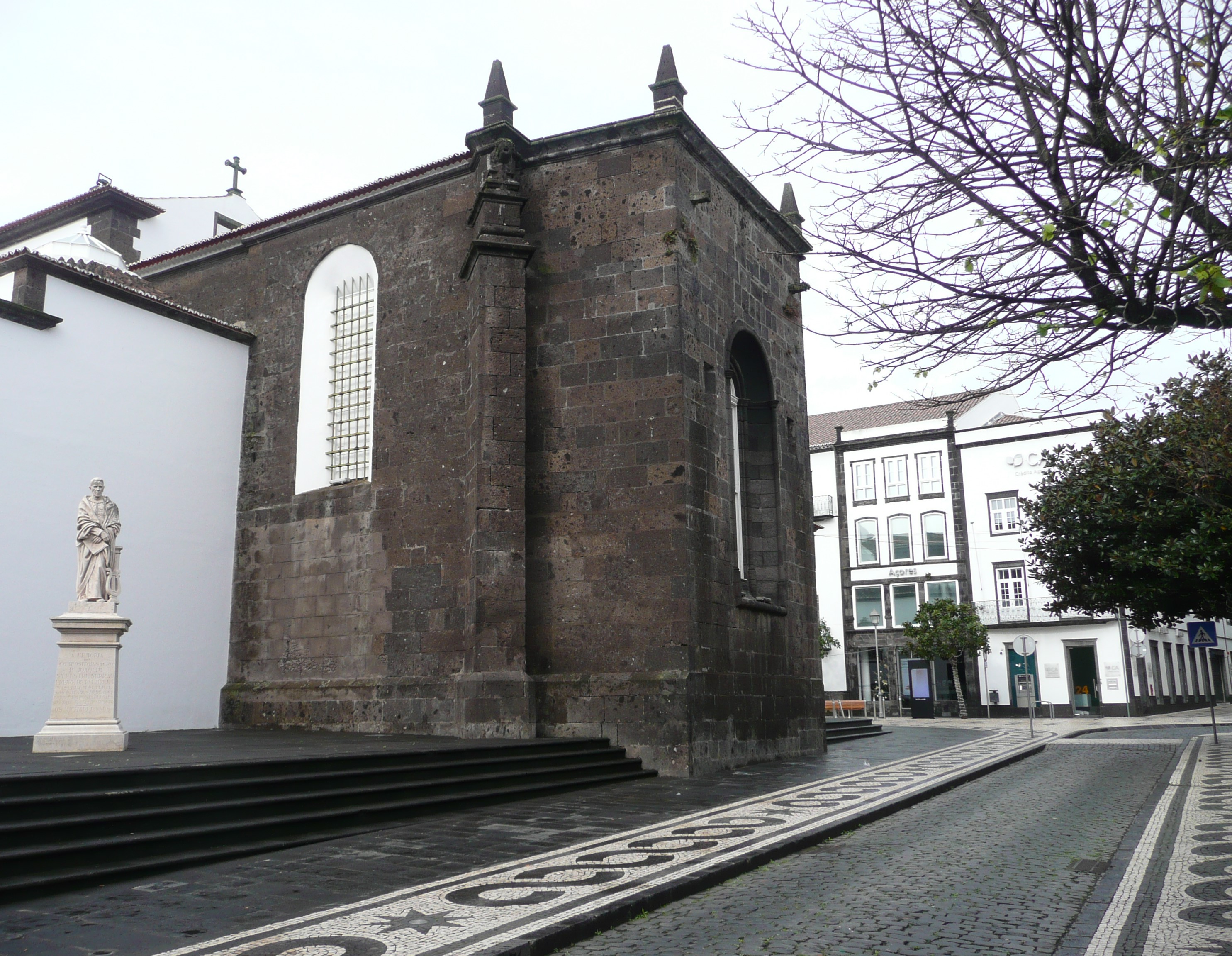
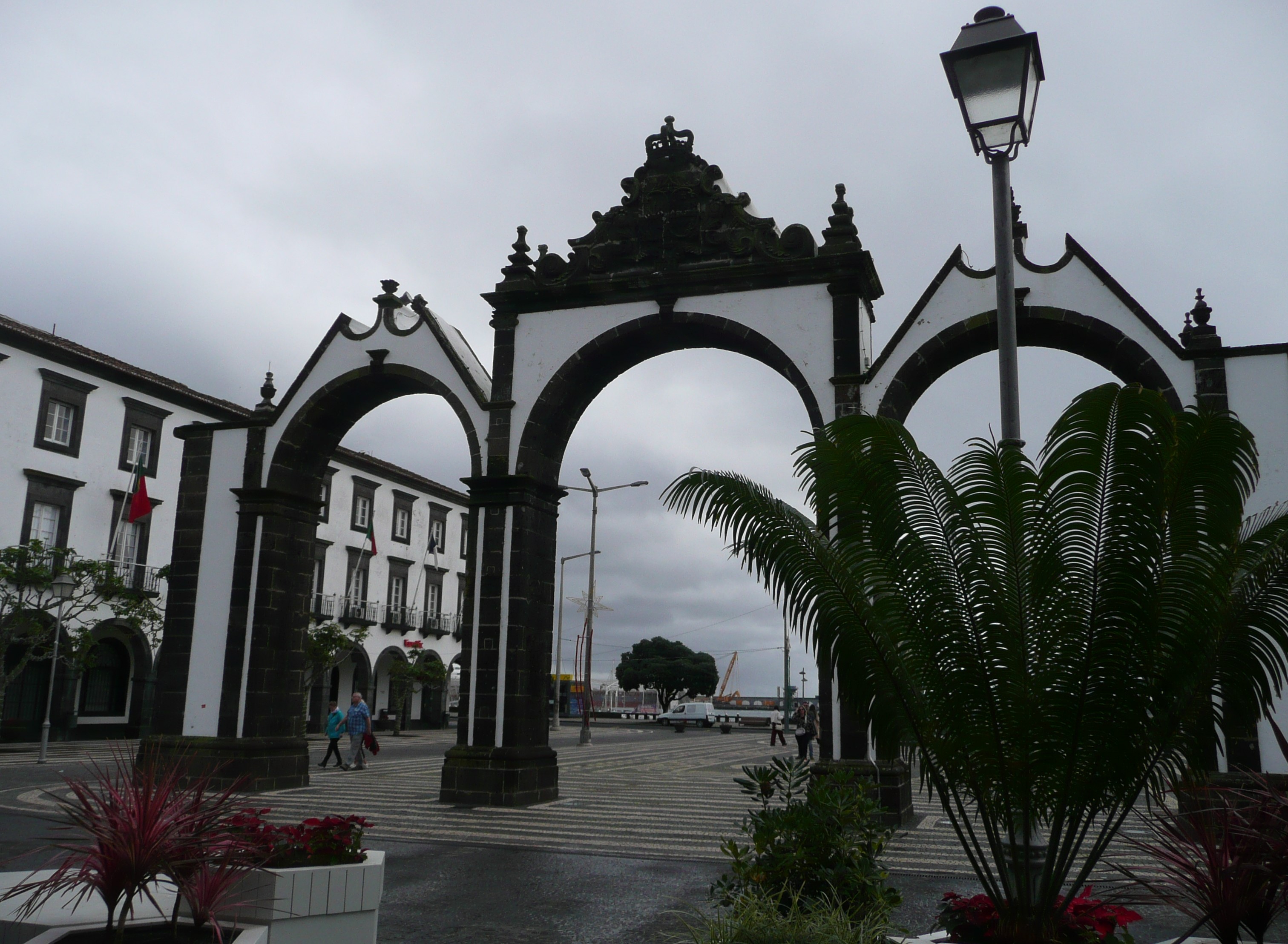
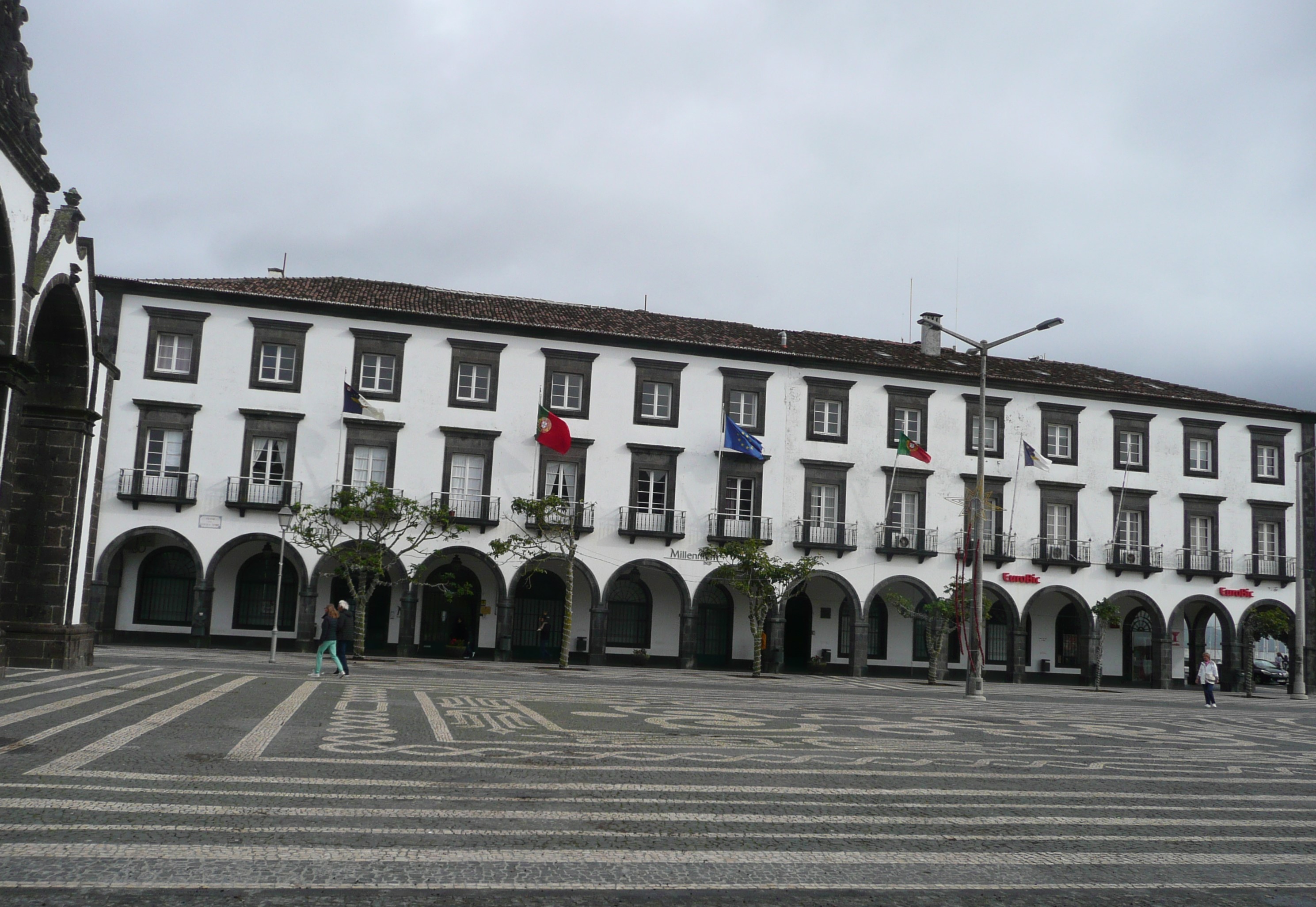
Powyżej: kościół z trzech stron, poniżej: główny plac miasta, czyli Portas da Cidade, z widokiem na ocean i z budynkiem władz, siedzibą banków i pomnikiem kapitana Donatário Gonçalo Velho Cabral, który zmarł około 1460 roku. No i przestało padać.
Above: the church on three sides, below: the city’s main square, Portas da Cidade, overlooking the ocean and featuring the government building, the bank headquarters, and the monument to Captain Donatário Gonçalo Velho Cabral, who died around 1460. And then it stopped raining.
Jesteśmy w Portugalii, około 1400 kilometrów na zachód od Lizbony i około 1900 kilometrów na południe od Nowej Funlandii. Niedaleko na zachód jest najmniejsza z wysp archipelagu – Corvo, z wielkim kraterem wulkanu zalanym wodą. Jest Flores, wyrzeźbiona wieloma dolinami i ostrymi zboczami. W środku jest Faial, z wielkim wulkanem Caldeira, wyspa Pico, z najwyższym szczytem w Portugalii (2351 m), Graciosa z czynnym wulkanem Furnas, São Jorge, „szczupła” wyspa powstała po wielkiej erupcji, Terceira, prawie okrągła z jednym z największych kraterów w regionie. I wreszcie na wschodzie jest Santa Maria, najstarsza w archipelagu, z plażami z brązowym piaskiem i São Miguel, największa, z wieloma wystygłymi kraterami i polami małych stożków wulkanicznych.
We’re in Portugal, about 1,400 kilometers west of Lisbon and about 1,900 kilometers south of Newfoundland. Not far to the west is the smallest island in the archipelago, Corvo, with a large volcanic crater flooded by water. Flores is carved with numerous valleys and sharp slopes. In the center is Faial, with the massive Caldeira volcano; Pico Island, with the highest peak in Portugal (2,351 m); Graciosa with the active Furnas volcano; São Jorge, a „slim” island formed after a major eruption; Terceira, almost circular with one of the largest craters in the region. And finally, to the east is Santa Maria, the oldest in the archipelago, with brown sand beaches; and São Miguel, the largest, with many cooled craters and fields of small volcanic cones.
Sao Miguel, Azores
Przybyliśmy na Sao Miguel w pochmurny, wietrzny i deszczowy dzień. Stary Świat przywitał nas moją ulubioną pogodą, nareszcie! Można było wyjąć ciepłe ciuchy i nie musieć chronić się przed słońcem. Prawie jak w domu…
We arrived in São Miguel on a cloudy, windy, and rainy day. The Old World welcomed us with my favorite weather, finally! We could put on warm clothes and not have to protect ourselves from the sun. It felt almost like home…
Atlantyk to mój ulubiony ocean. Zawsze był dla mnie łaskawy i traktował mnie przyjaźnie. Na Pacyfik też nie mogę narzekać, choć znaliśmy się krótko, bo zaledwie miesiąc w czasie mojego pobytu w Kalifornii, ale pamiętam jak strasznie był zimny i mało towarzyski. A co robić na oceanie kiedy najbliższa nam ziemia to dno, na horyzoncie nie ma żadnych okrętów ani ptaków, ani nawet morskich stworzeń?
The Atlantic is my favorite ocean. It’s always been kind to me and friendly. I can’t complain about the Pacific either. Although we only knew each other for a month during my stay in California, I remember how terribly cold and unsociable it was. And what do you do on the ocean when the closest land is the bottom, with no ships, birds, or even sea creatures on the horizon?
Atlantic Ocean
Ilość rzeczy, które można robić podczas podróży przez ocean jest ograniczona. Poza wylegiwaniem się na piątym pokładzie nie mamy zbyt wielu zajęć. Ogladanie bezmiaru wód jest oczywiście fascynujące, ocean ciągle się zmienia, a wypatrywanie wielorybów, na trasie wędrówek których jesteśmy jest cudowne, ale nie można robić tego cały dzień. Snujemy się po korytarzach, zaglądamy do barów i restauracji, ucinamy pogawędki ze współpasażerami i załogą. Chodzimy na siłownię na dziesiątym pokładzie, skąd widok jest bajeczny. Robię pranie w okrętowej pralni, co jest wielkim wydarzeniem towarzyskim. Pan i Władca wysłuchuje prelekcji w statkowym amfiteatrze. Prelekcje odbywają się codziennie, ale niestety po niemiecku, a to jeden z tych nielicznych języków, których nie znam (hihi), a Pan i Władca tak. Wieczorami są występy artystów, tancerzy i śpiewaków różnej maści, ale jest to raczej rozrywka niskich lotów i szybko mi się znudziła. Na pokładzie jest kilka polskich par i kilkoro Polaków wśród załogi, ale na tak wielkim statku nie spotykamy się za często.
The number of things you can do on an ocean voyage is limited. Besides lounging on deck five, there’s not much to do. Gazing at the vast expanse of water is, of course, fascinating; the ocean is constantly changing, and spotting whales, along whose migration path we’re on, is wonderful, but you can’t do it all day. We wander the corridors, visit bars and restaurants, and chat with fellow passengers and crew. We go to the gym on deck ten, where the view is fabulous. I do laundry in the ship’s laundry, which is a major social event. The Lord and Commander listens to lectures in the ship’s amphitheater. The lectures are held daily, but unfortunately, in German, which is one of the few languages I don’t speak (haha), and the Lord and Commander does. In the evenings, there are performances by artists, dancers, and singers of all stripes, but it’s rather low-class entertainment and I quickly got bored. There are a few Polish couples on board and a few Poles among the crew, but on such a large ship we don’t meet very often.
Atlantic Ocean
Wspaniałą rozrywką są posiłki, które celebrujemy starannie i długodystansowo. Dużo czasu zajmuje mi znajdowanie potraw wegetariańskich, rozrzuconych bez planu na niekończących się ladach z jedzeniem. I tak toczy się dzień za dniem, leniwie i raczej nudnie. Czasem mam ochotę iść do kuchni i poprosić o jakąś marchewkę do obierania.
Meals are a wonderful pastime, celebrated carefully and with great care. It takes me a long time to find vegetarian dishes scattered haphazardly across the endless food counters. And so it goes, day after day, lazily and rather dull. Sometimes I feel like going to the kitchen and asking for a carrot to peel.
Atlantic Ocean
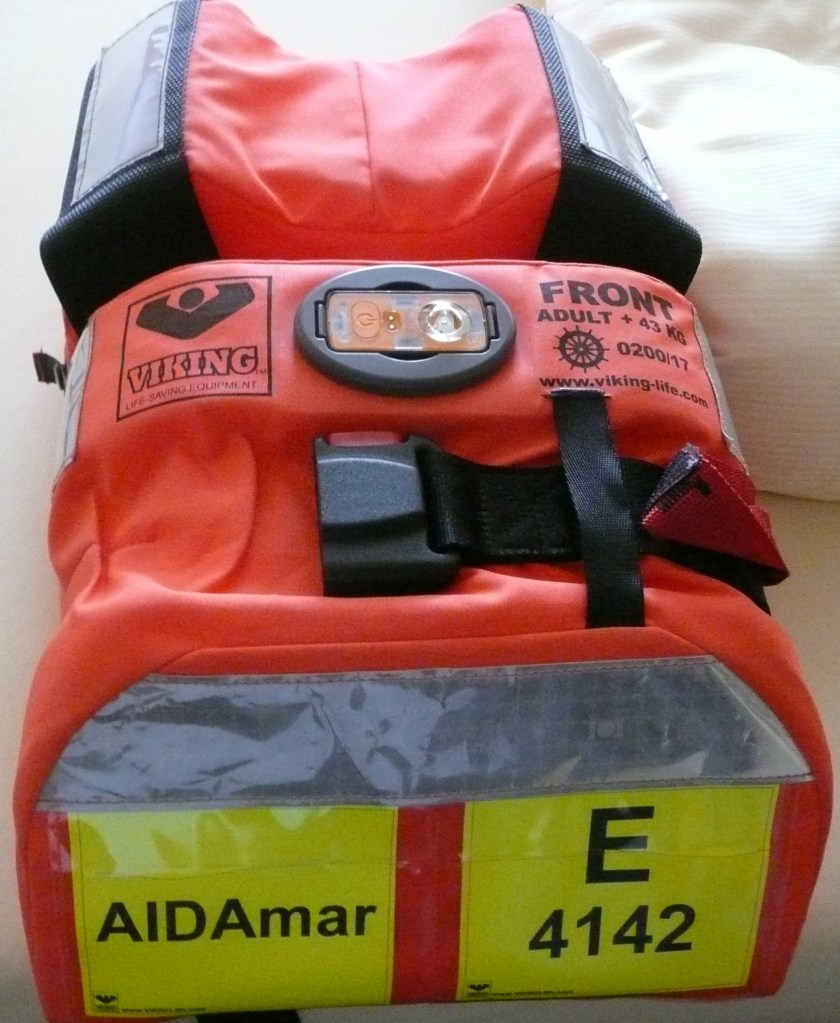
Pewnego dnia zarządzono ćwiczenia dla załogi i pasażerów. Wszyscy musieli iść na swoje miejsca ewakuacyjne na różnych pokładach. W kajutach trzeba było założyć kamizelki ratunkowe i w tych okropnych utensyliach iść długimi korytarzami i schodami do miejsca docelowego. Już samo założenie tego okropieństwa było wyzwaniem, a co dopiero łażenie i stanie wśród tłumu. Ale po dwóch godzinach zostaliśmy uratowani i mogliśmy wrócić do bezproduktywnego życia.
One day, a drill was ordered for the crew and passengers. Everyone had to go to their evacuation points on various decks. In our cabins, we had to don life jackets and, in these awful gear, walk through long corridors and up stairs to our destination. Just putting on this monstrosity was a challenge, let alone walking and standing among the crowds. But after two hours, we were rescued and could return to our unproductive lives.
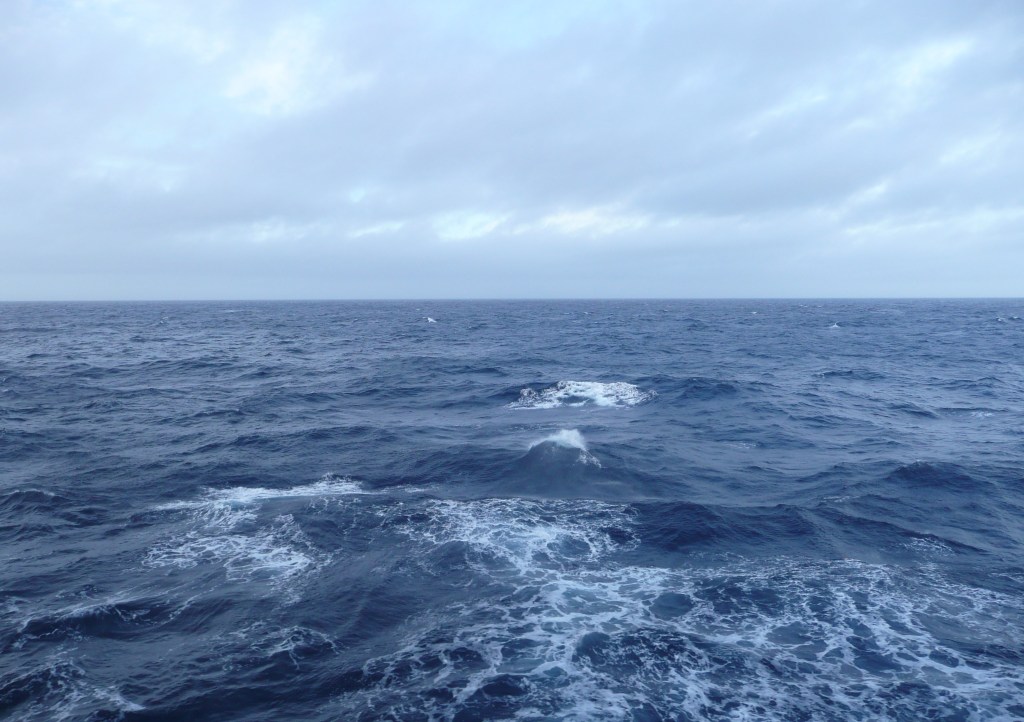
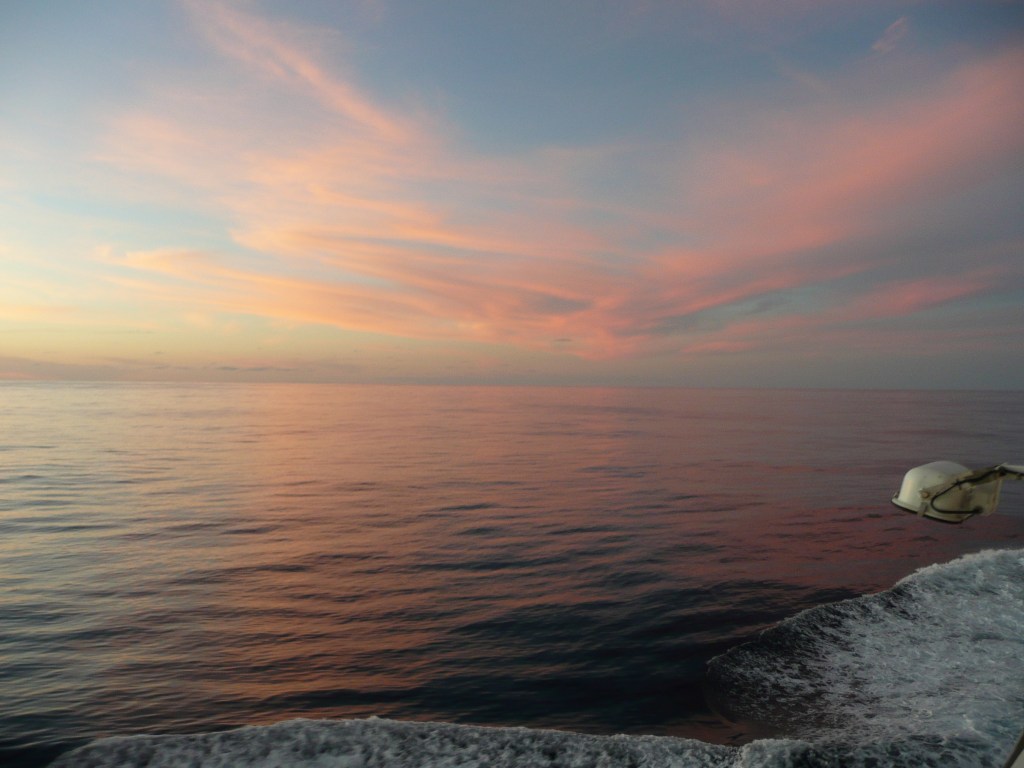
A ocean niezmiennie zachwycał. / And the ocean was always delightful.
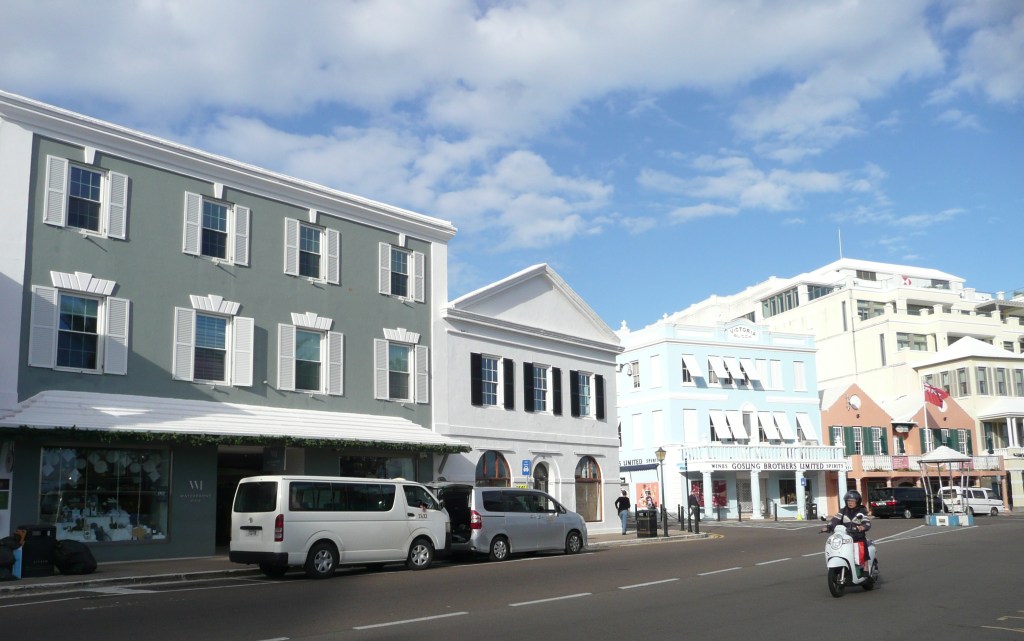
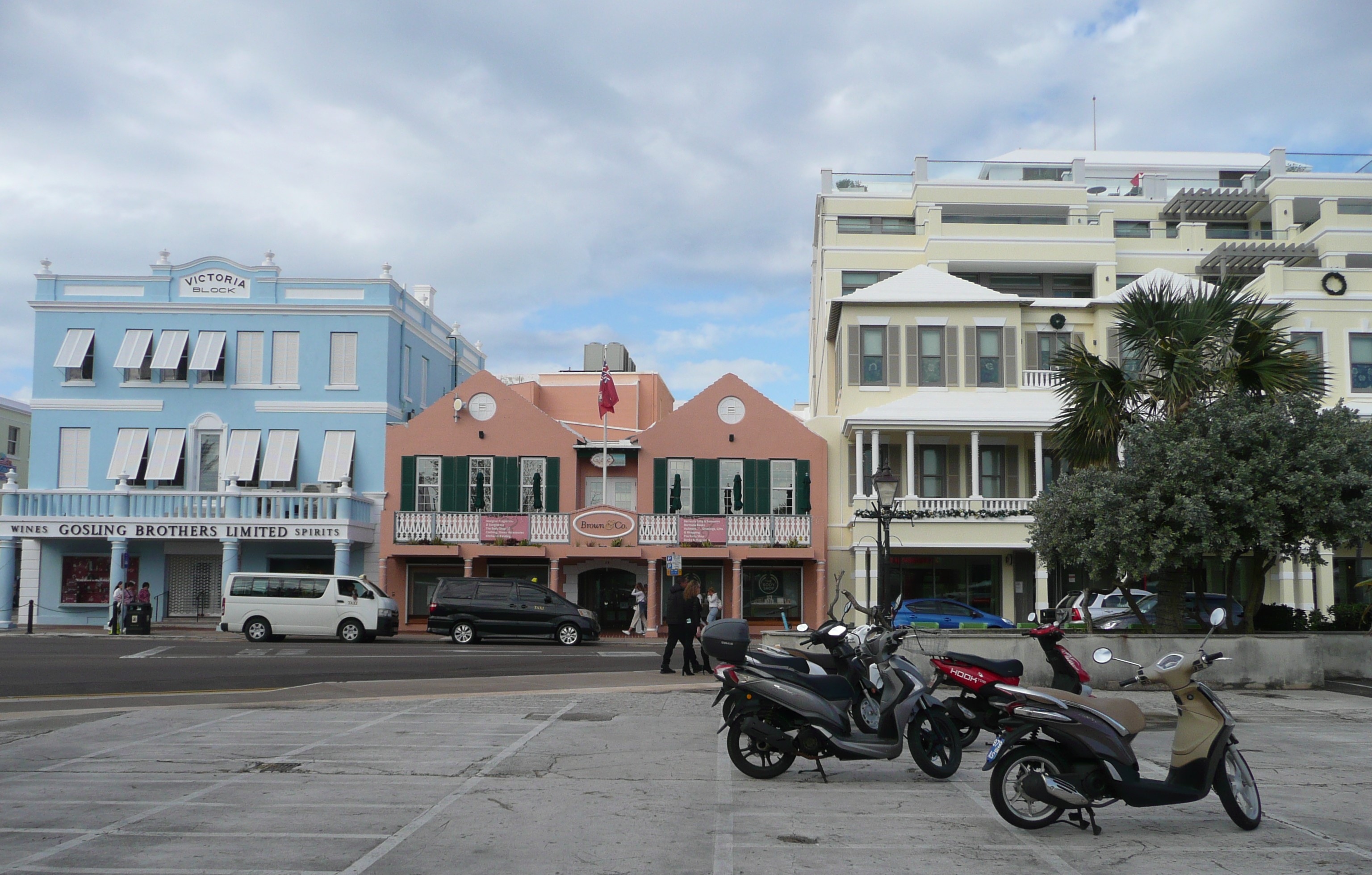
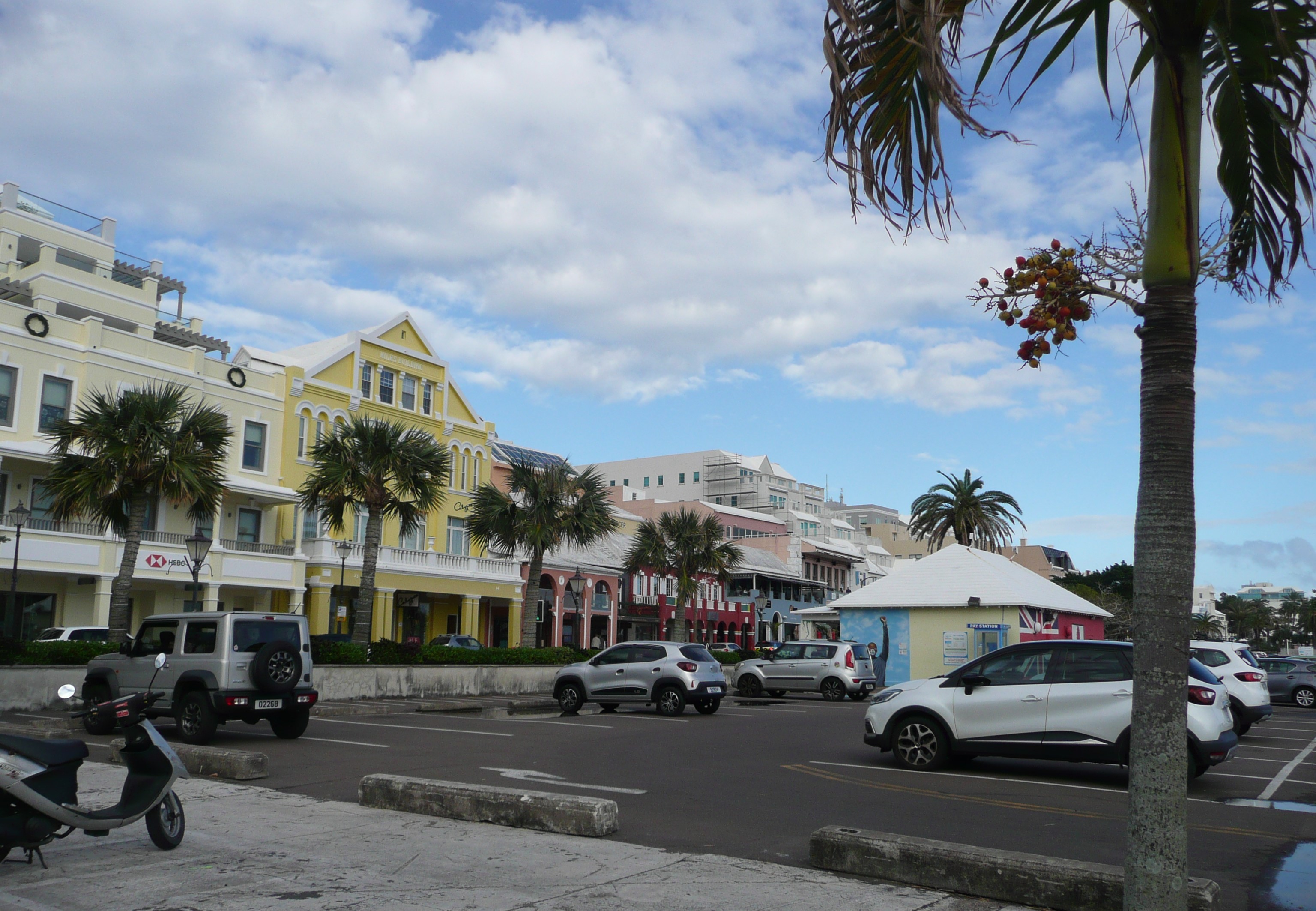
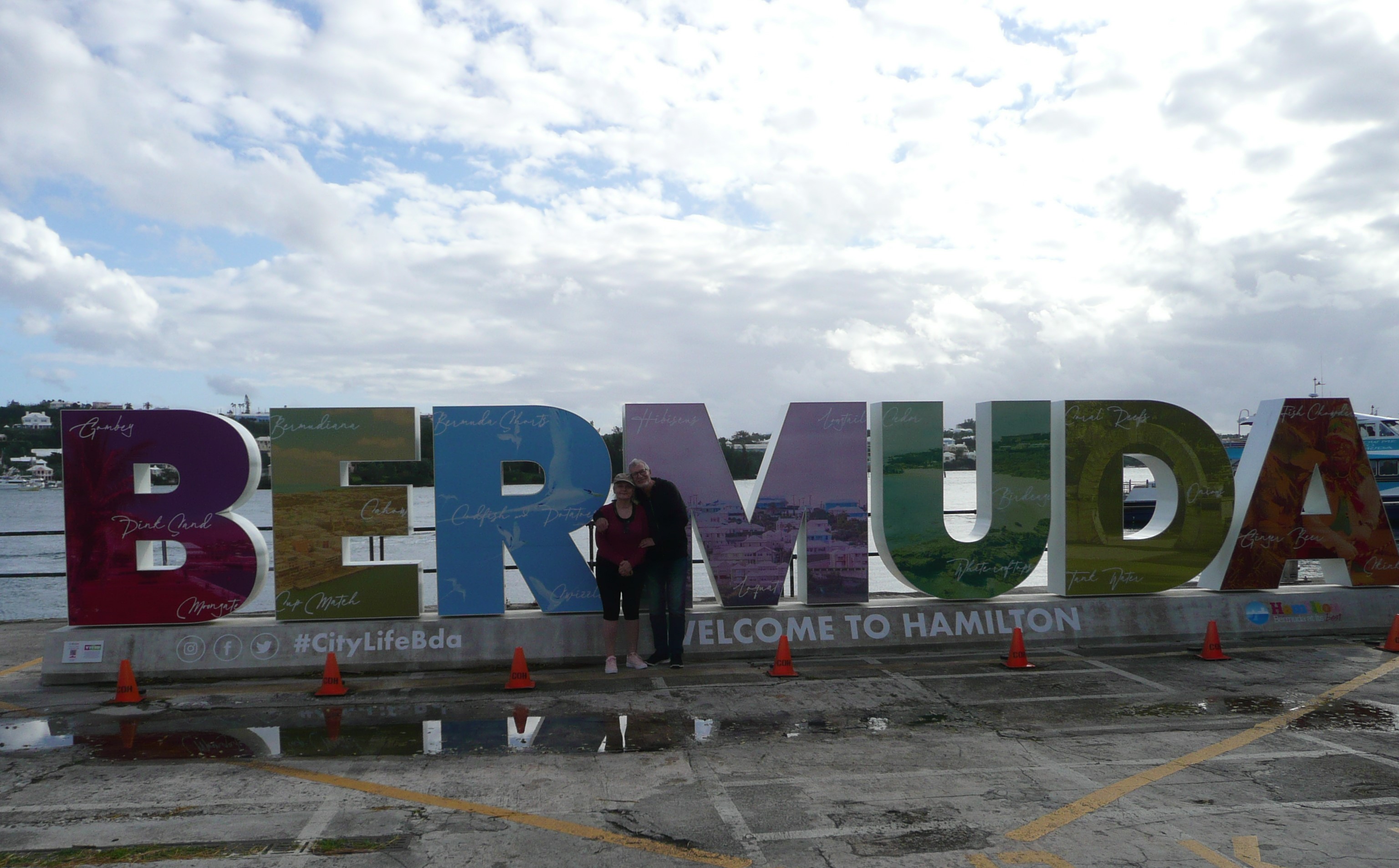
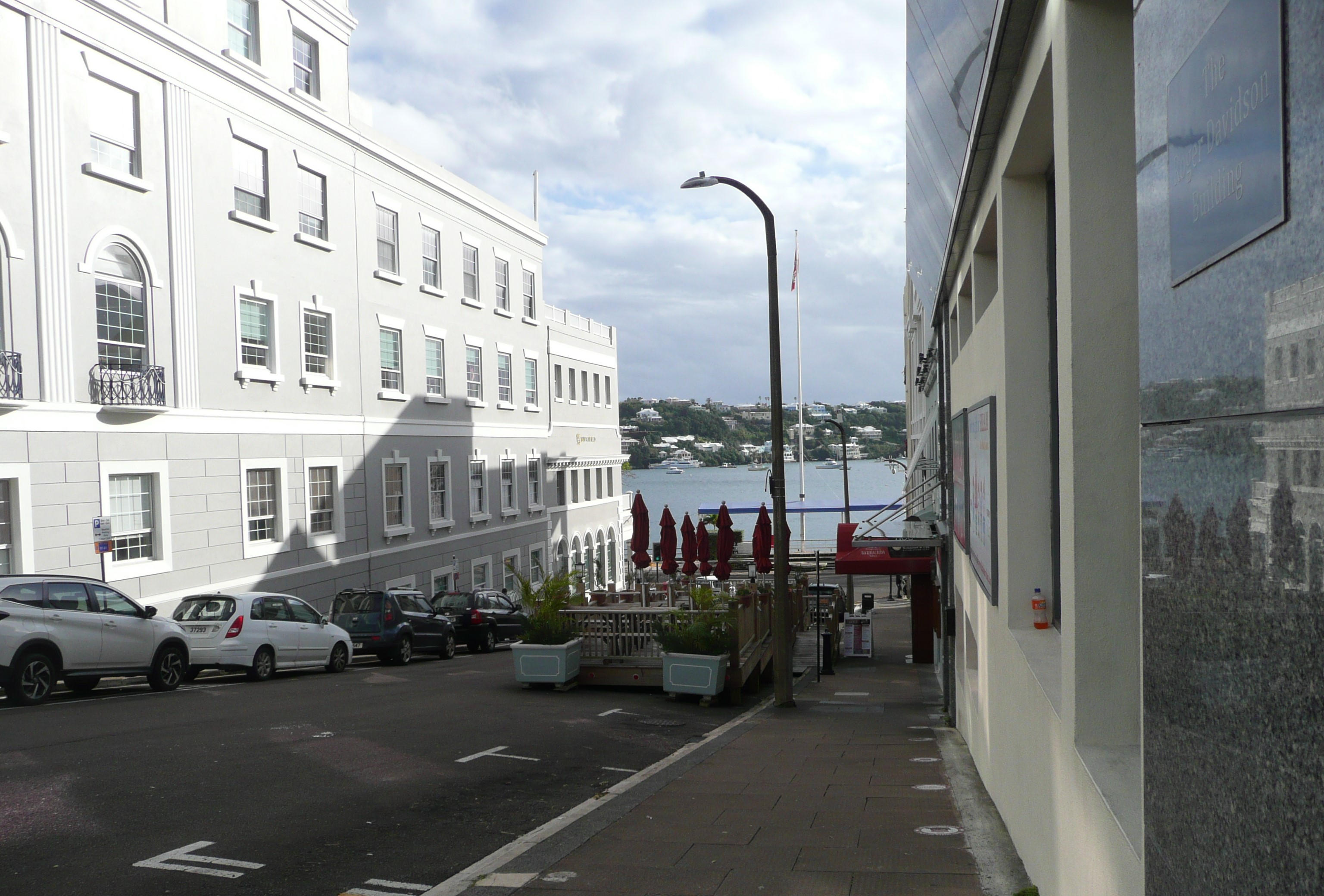
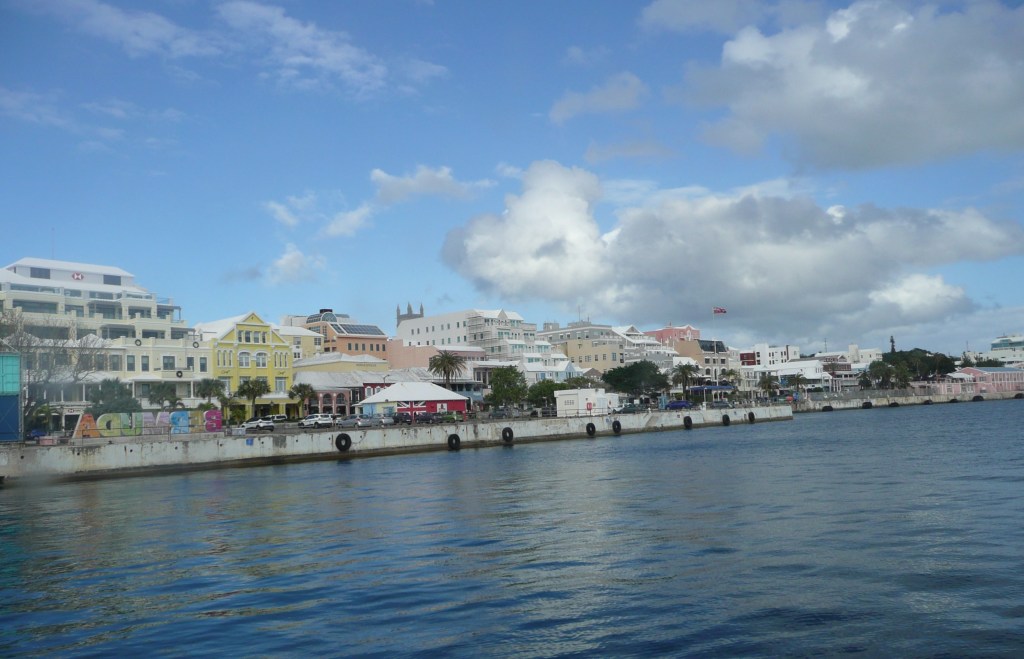
Wyobrażacie sobie stolicę kraju mającą 850 mieszkańców? Tyle właśnie ma Hamilton. Już tylko ten fakt zachęciłby mnie do zamieszkania tutaj. A widok głównej ulicy, przy której znajduje się przystań dla taksówek wodnych utwierdził mnie w tym.
Can you imagine a capital city with a population of 850? That’s exactly what Hamilton has. That fact alone would make me want to live here. And the sight of Main Street, where the water taxi dock is, confirmed my belief.
Hamilton, Bermuda
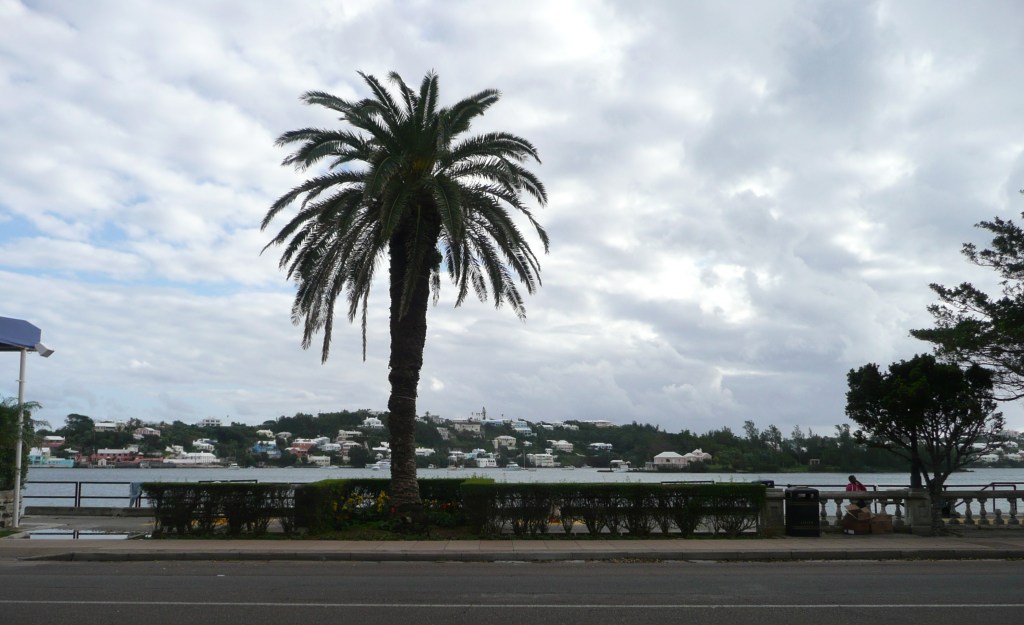
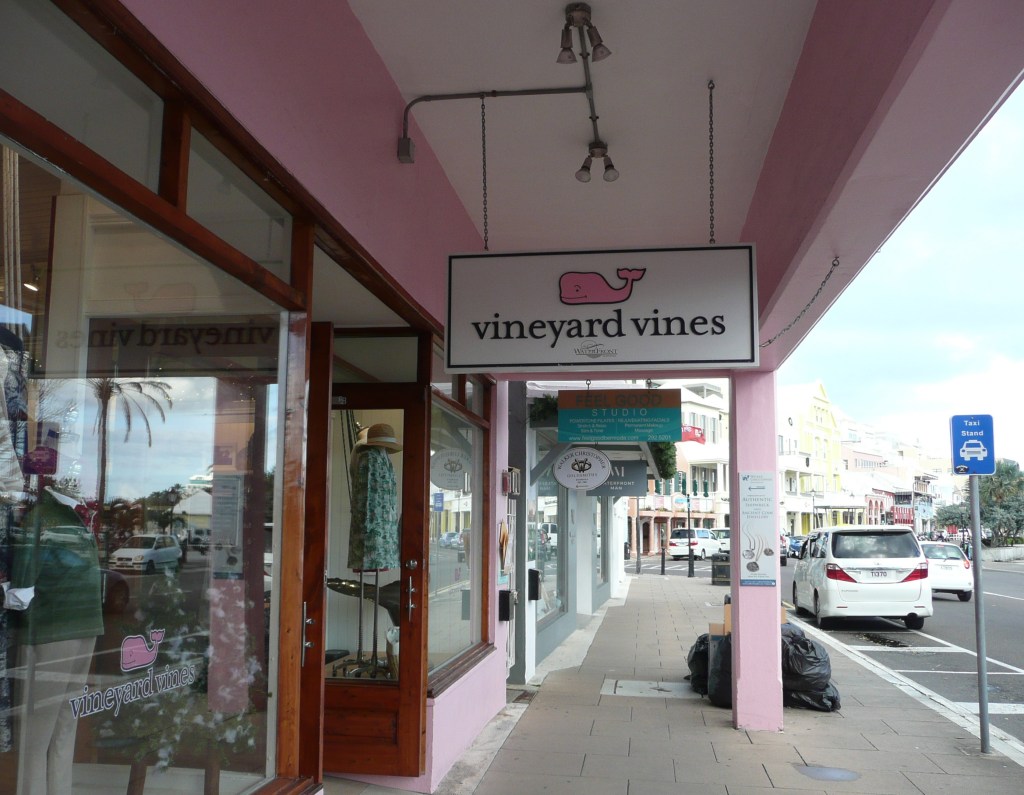
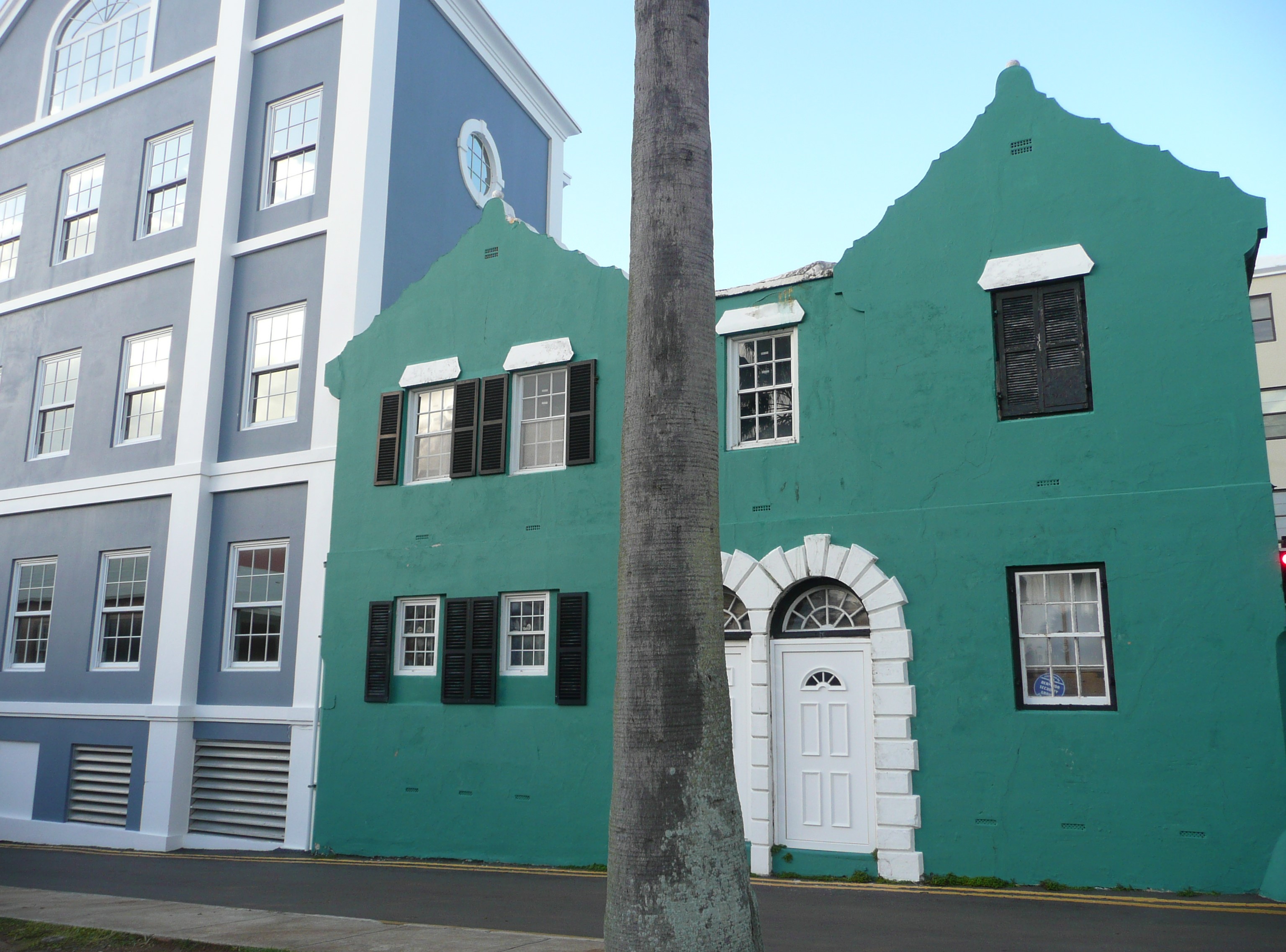
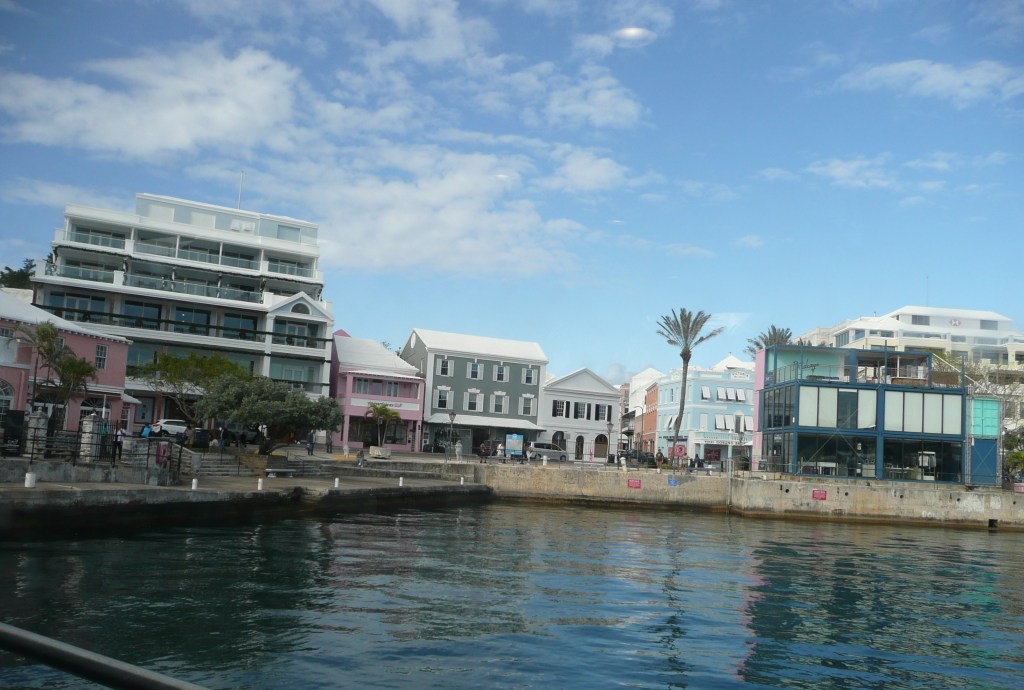
Ruszyliśmy tą główną ulicą przed siebie, mając po prawej stronie zatokę, po lewej zadbane budynki. Ulice były prawie puste, nie wszystkie sklepy były otwarte. Przypomniałam sobie, że jest niedziela, więc pewnie większość mieszkańców wyleguje się na plażach, albo w innych bermudzkich miejscach pełnych milionerów.
We set off down the main street, with the bay on our right and well-maintained buildings on our left. The streets were almost empty, and not all the shops were open. I remembered it was Sunday, so most of the locals were probably lounging on the beaches or in other Bermudian spots crowded with millionaires.
Hamilton, Bermuda
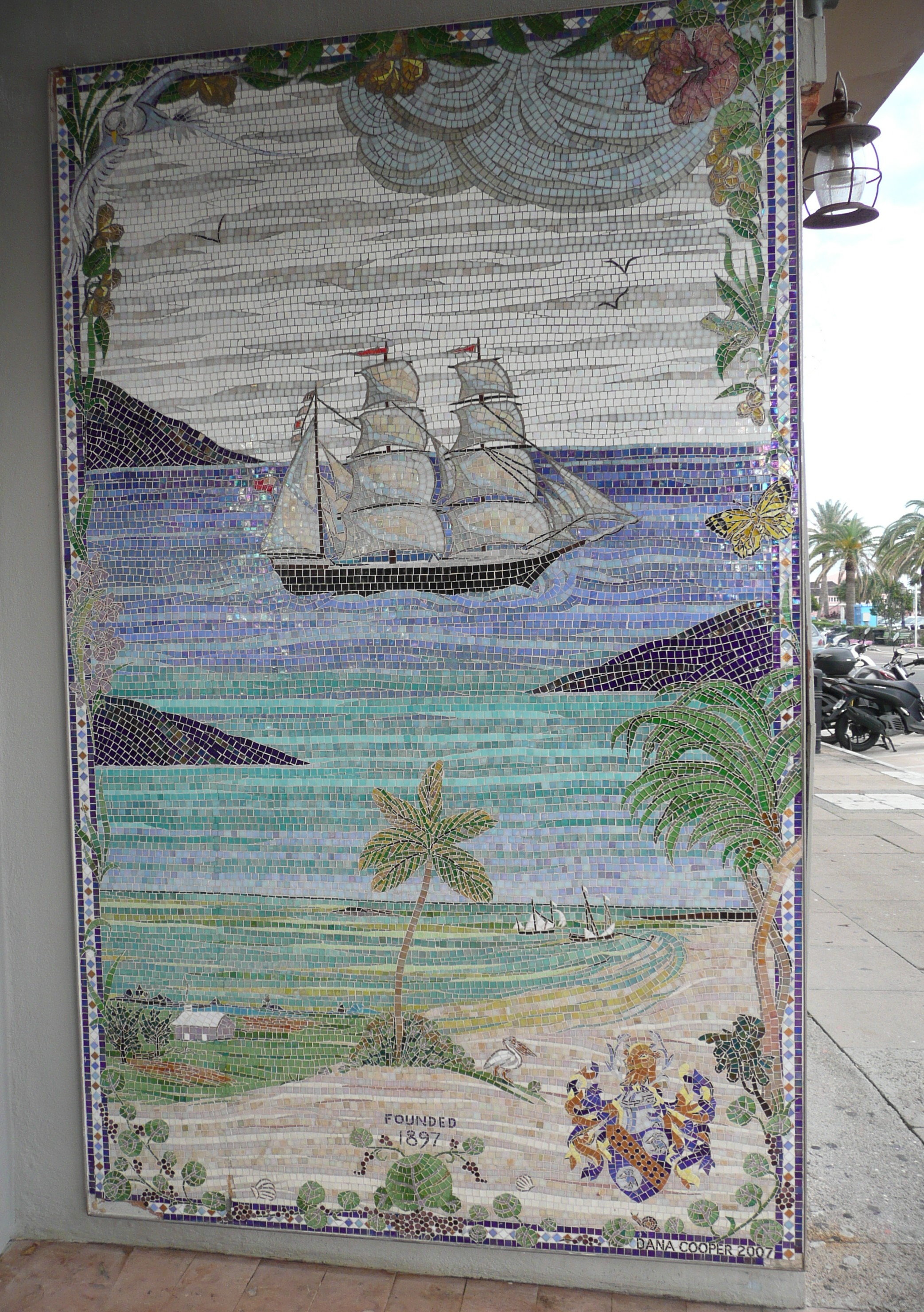
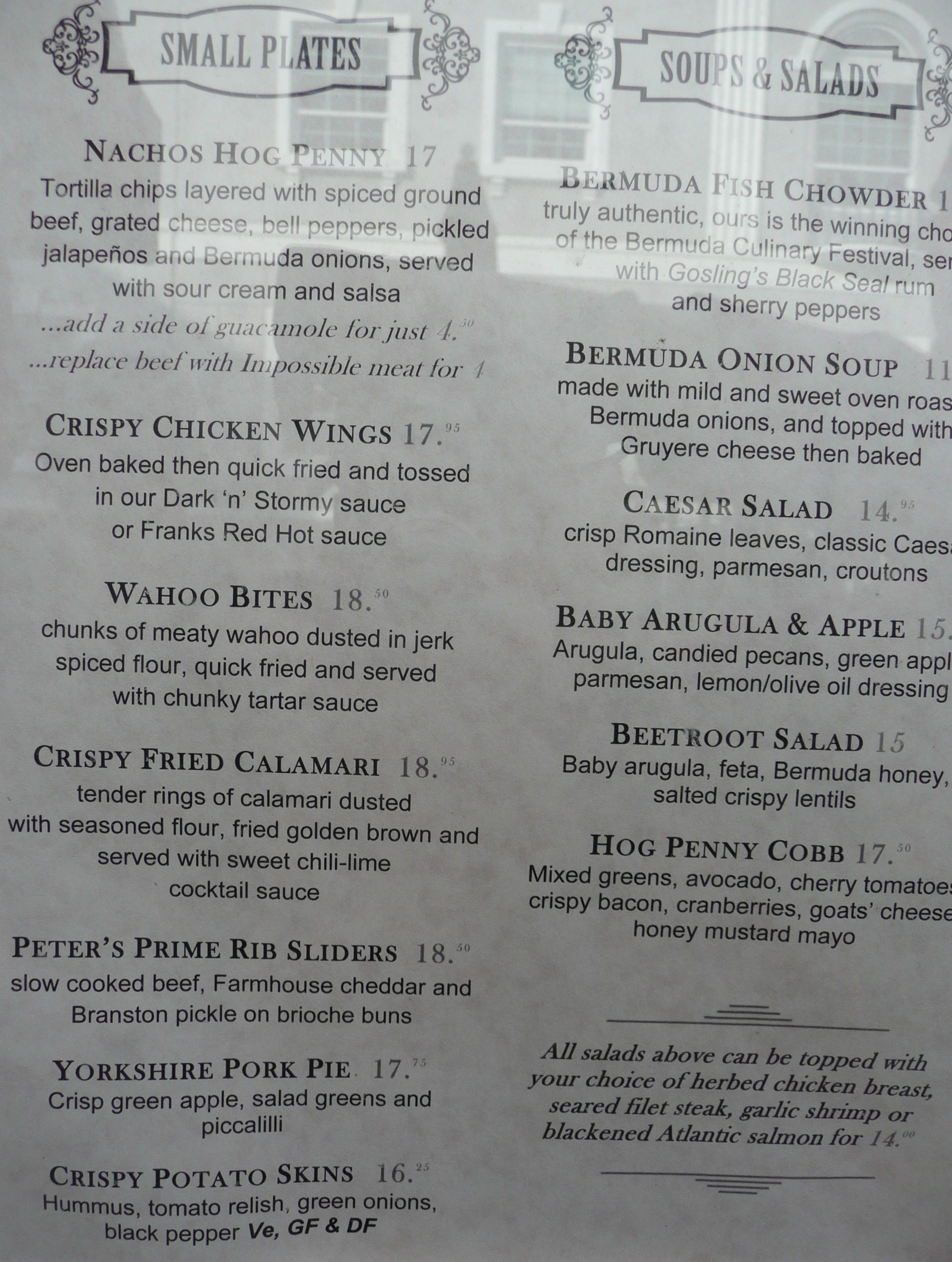
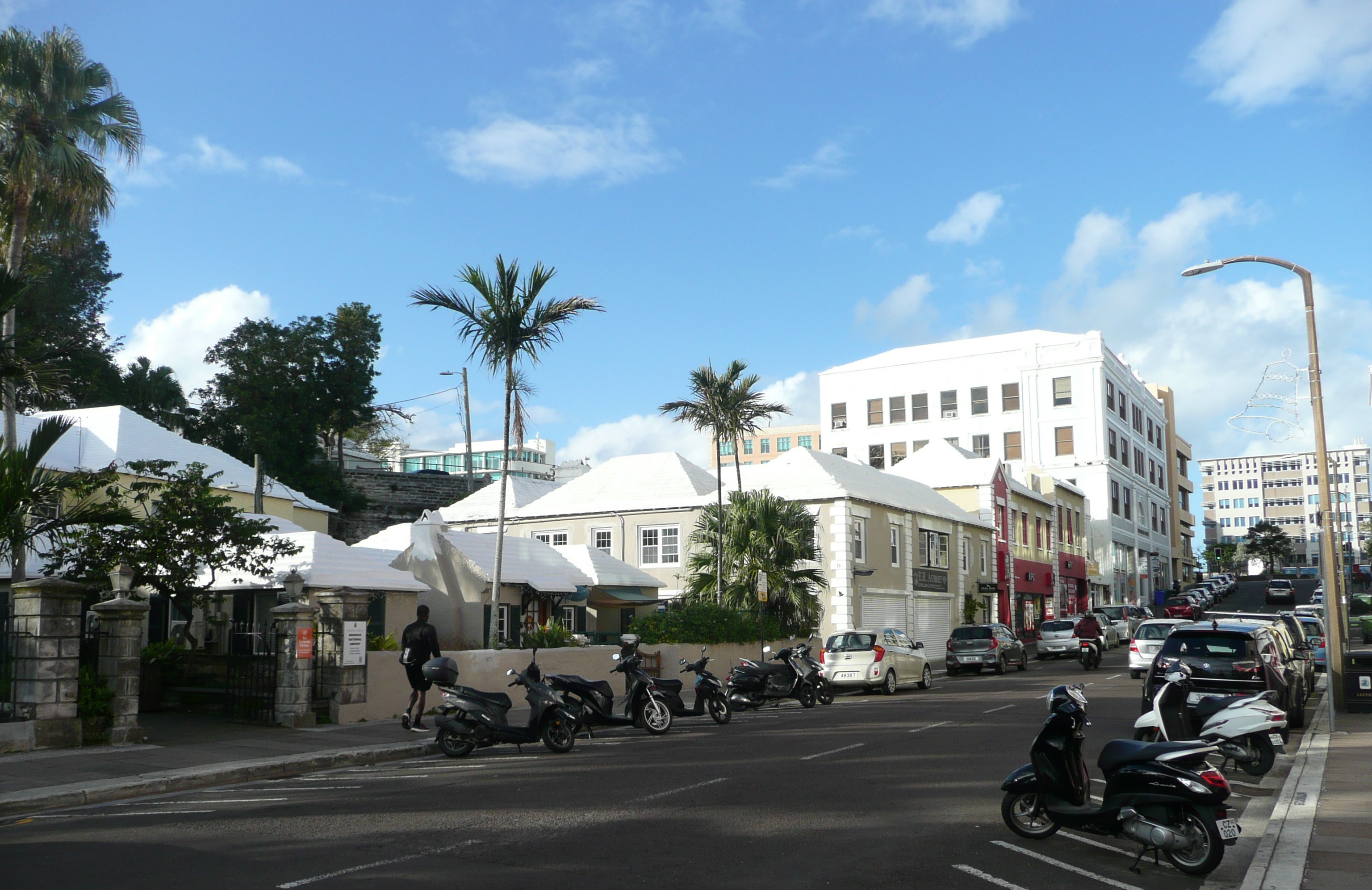
Kiedy znudziła nam się główna ulica (mimo że na murach były piękne mozaiki przy niektórych sklepach), skręciliśmy w lewo (w prawo nie mogliśmy, bo woda), ulica wiodła lekko pod górę, minęliśmy kilka knajp (ceny rzeczywiście nie były zbyt niskie, możecie zobaczyć), przysiedliśmy na ławeczce (na zdjęciu: prawie wszystkie ławki w Hamilton są podobne do tej) i spotkaliśmy Polaka, który mieszka w Hamilton. Bardzo się śpieszył, więc poszliśmy dalej.
When we got tired of the main street (even though there were beautiful mosaics on the walls near some of the shops), we turned left (we couldn’t turn right because of the water), the street went slightly uphill, passed a few pubs (the prices weren’t exactly cheap, as you can see), sat down on a bench (pictured: almost all benches in Hamilton are similar to this one), and met a Polish man who lives in Hamilton. He was in a hurry, so we moved on.
Jak większość małych wysp Bermudy, jakkolwiek śmiesznie to brzmi, ma problem z wodą. Pozyskuje się ją z odsalania wody morskiej (jak w Curacao lub Arubie), z wielkich ekranów łapiących mgłę (jak na Kanarach), lub jak w Hamilton – z łapania wody deszczowej. Wszystkie dachy w mieście są przystosowane do gromadzenia wody – są pomalowane na biało i zaopatrzone w odpowiednie jej odprowadzenie.
Like most small islands, Bermuda, as ridiculous as it sounds, has a water problem. It’s obtained by desalination of seawater (as in Curacao or Aruba), large fog screens (as in the Canary Islands), or, as in Hamilton, by collecting rainwater. All roofs in the city are designed to collect water—they’re painted white and have drainage systems.
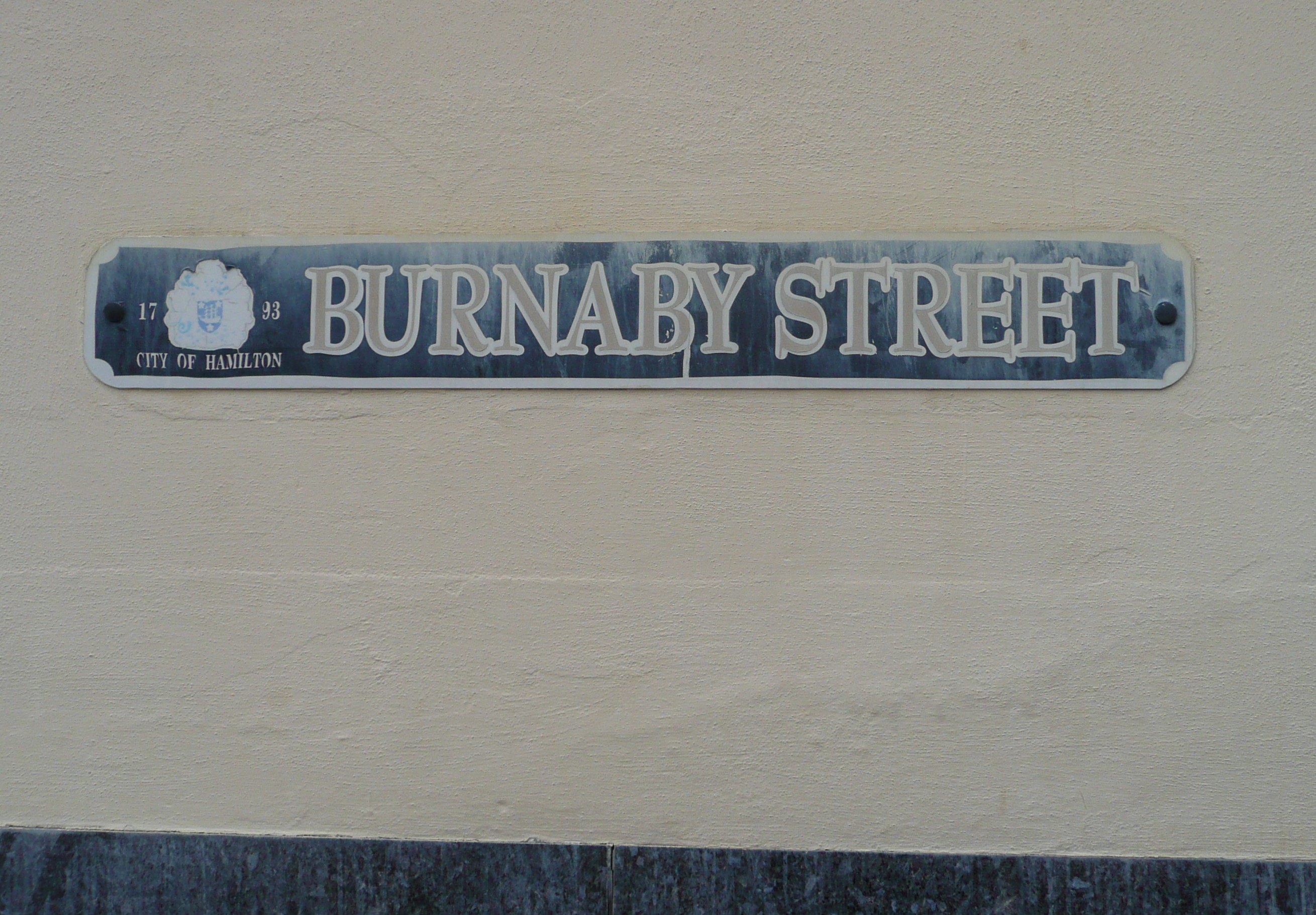
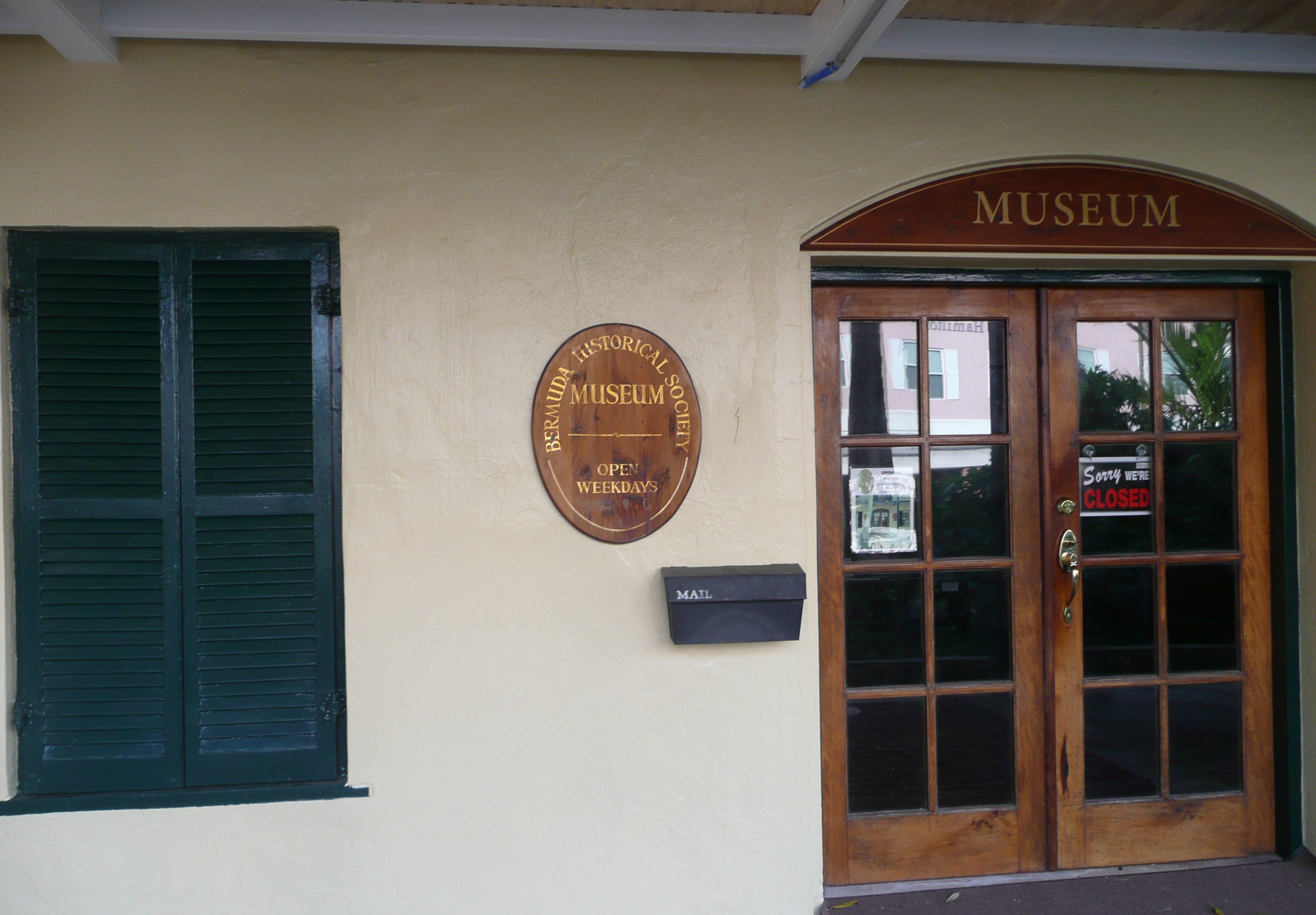
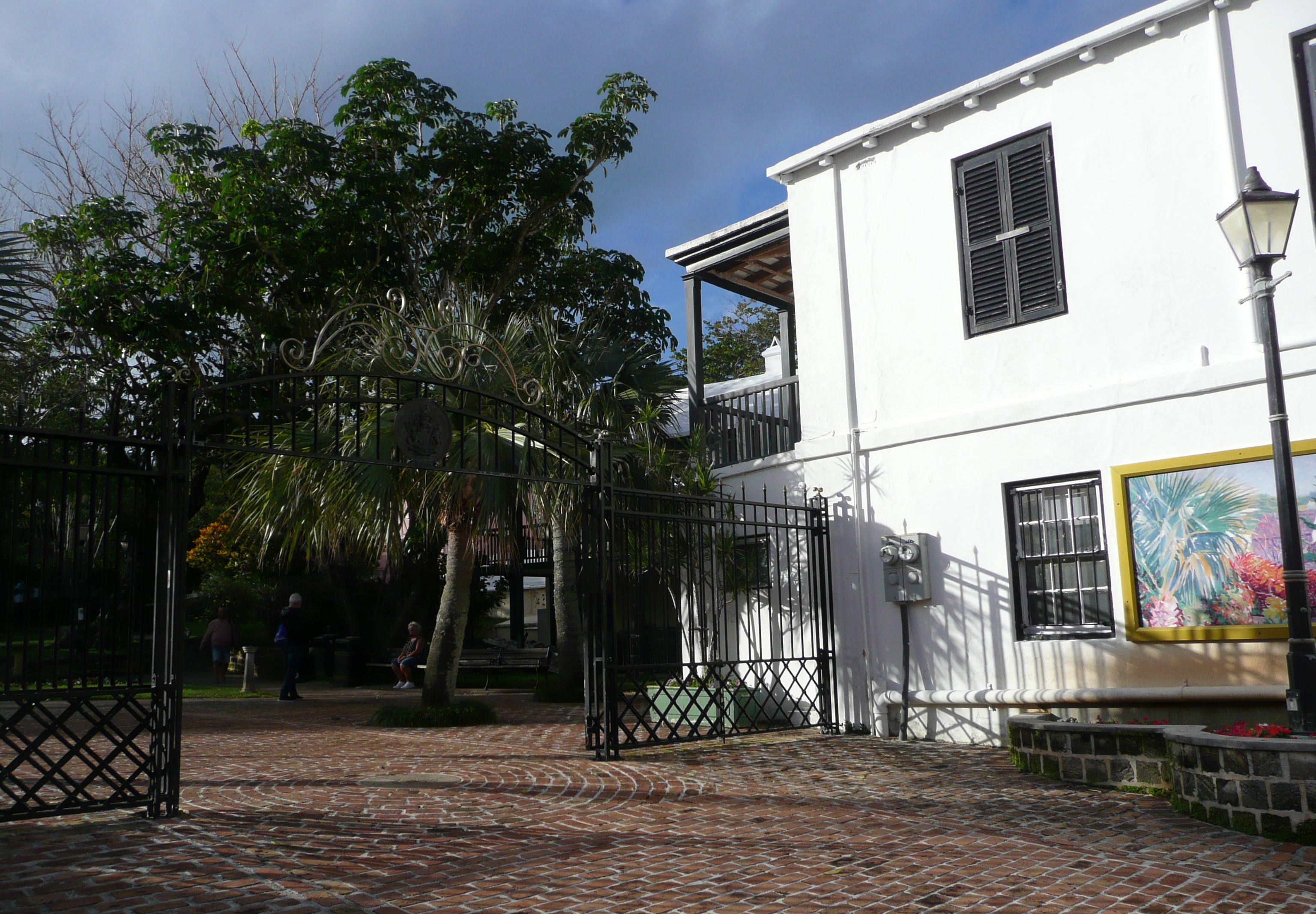
Miasto zostało nazwane na cześć gubernatora Henry’ego Hamiltona w 1793 roku. Ale miasto zostało miastem dopiero na początku XX wieku, kiedy konsekrowano katedrę Przenajświętszej Trójcy, czy jakoś tak (The Cathedral of the Most Holy Trinity). Do katedry nie dotarliśmy, choć widzieliśmy z daleka jej wieżę, ale dotarliśmy do muzeum (zamkniętego) i parku Wiktorii.
The town was named after Governor Henry Hamilton in 1793. But it didn’t become a city until the early 20th century, when the Cathedral of the Most Holy Trinity was consecrated. We didn’t get to the cathedral, though we saw its tower from a distance, but we did get to the museum (which is closed) and Victoria Park.
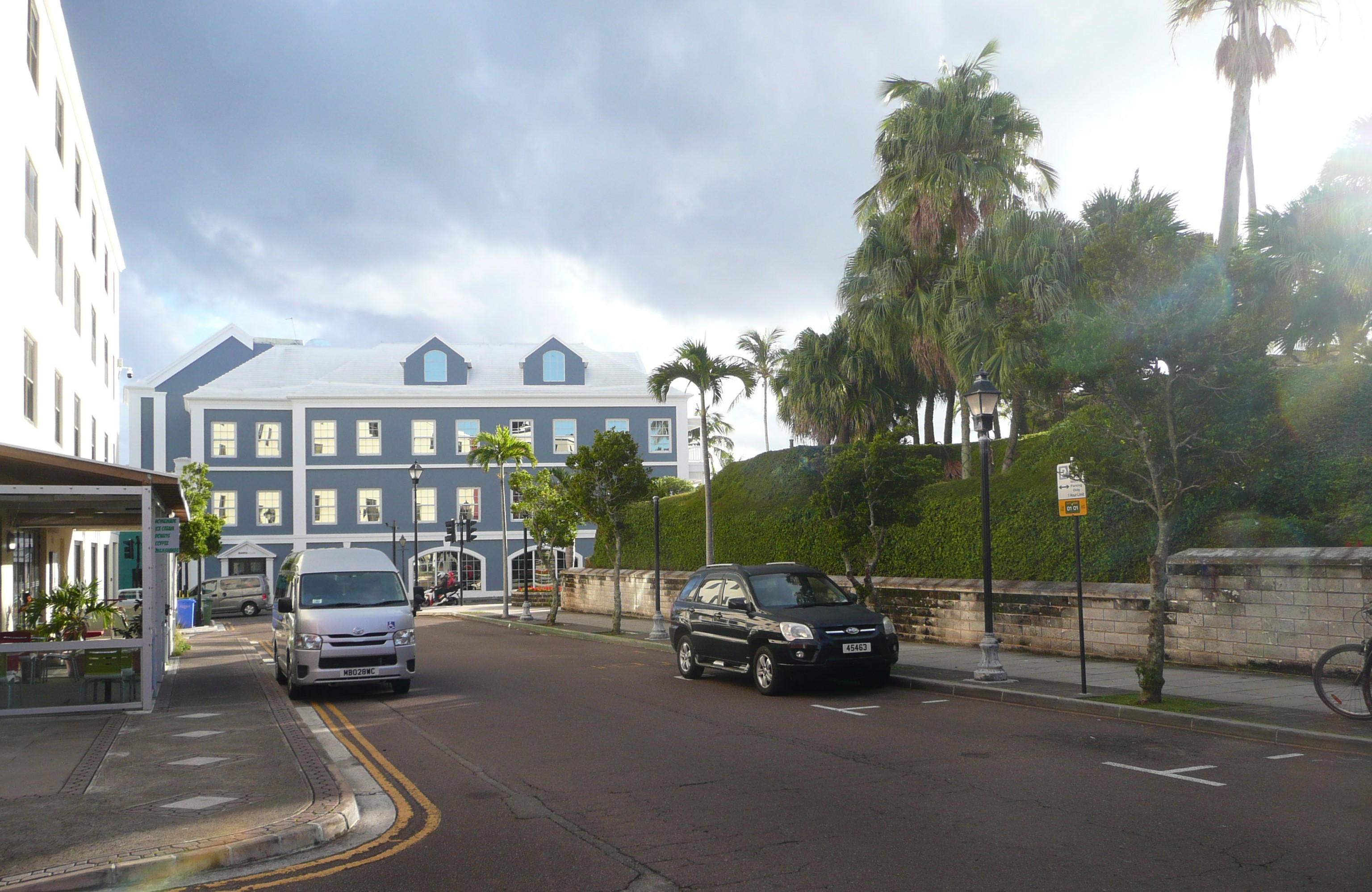
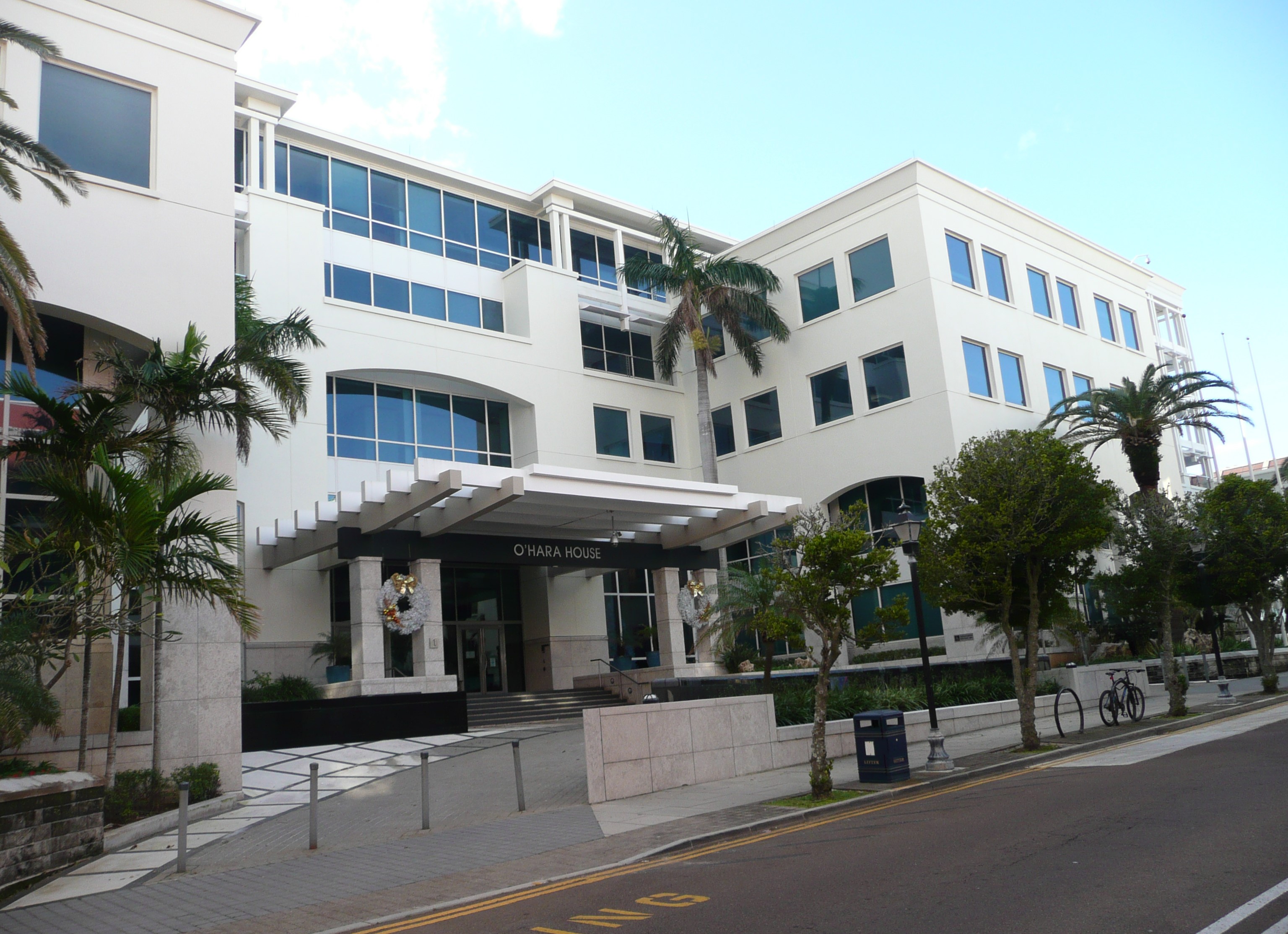
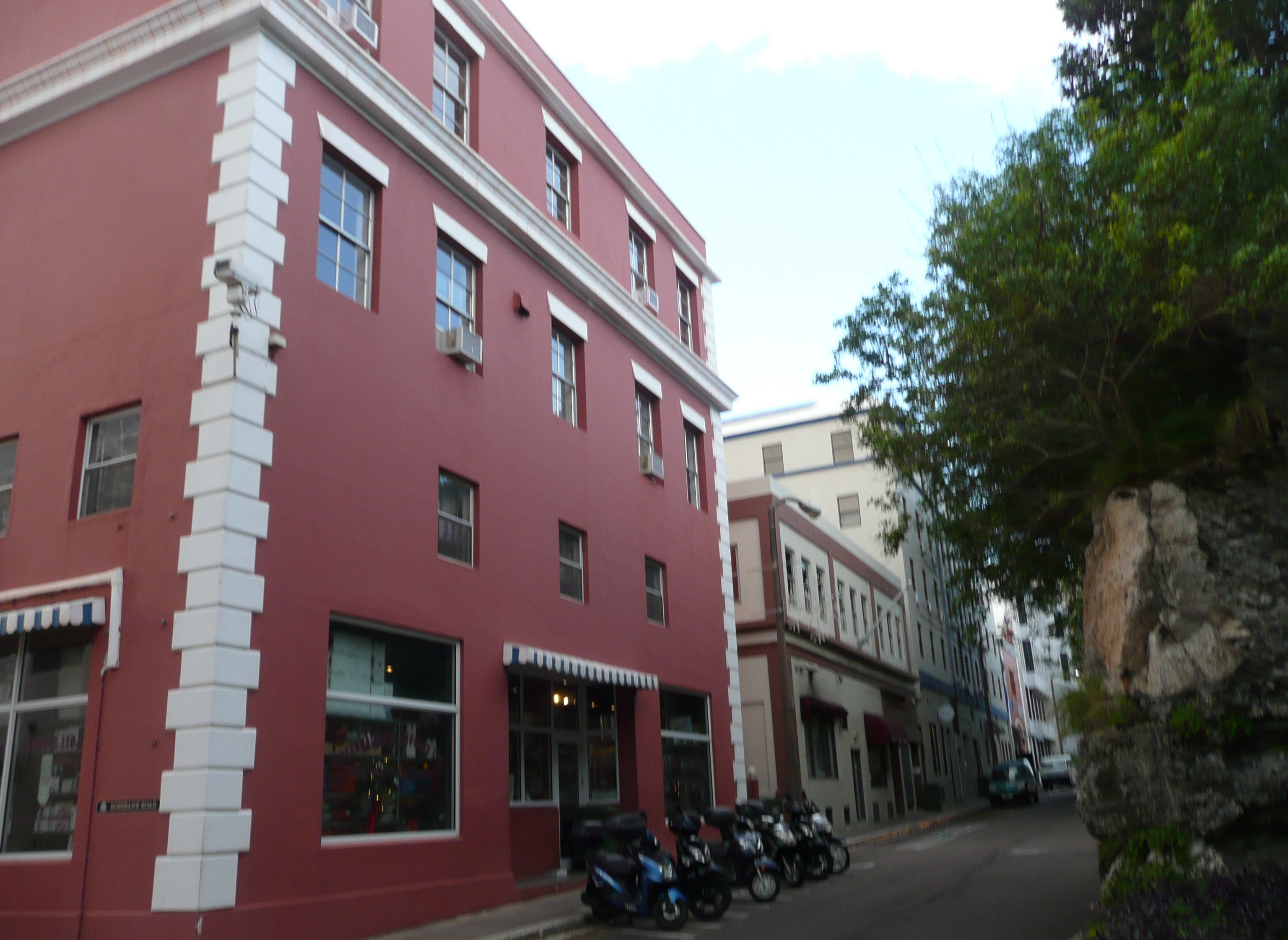
Hamilton jest nie tylko stolicą Bermudów, jest także ośrodkiem usług finansowych, siedzibą wielu międzynarodowych firm ubezpieczeniowych, funduszy inwestycyjnych, firmy Bacardi i wielkiej firmy reasekuracyjnej Tokio Millenium. Businesowa część miasta jest bardzo nowoczesna i jakoś nie kojarzy się z wyspiarskim luzem.
Hamilton is not only Bermuda’s capital, but also a financial services center, home to numerous international insurance companies, investment funds, Bacardi, and the major reinsurance company Tokio Millennium. The business district is very modern and doesn’t evoke the relaxed island vibe.
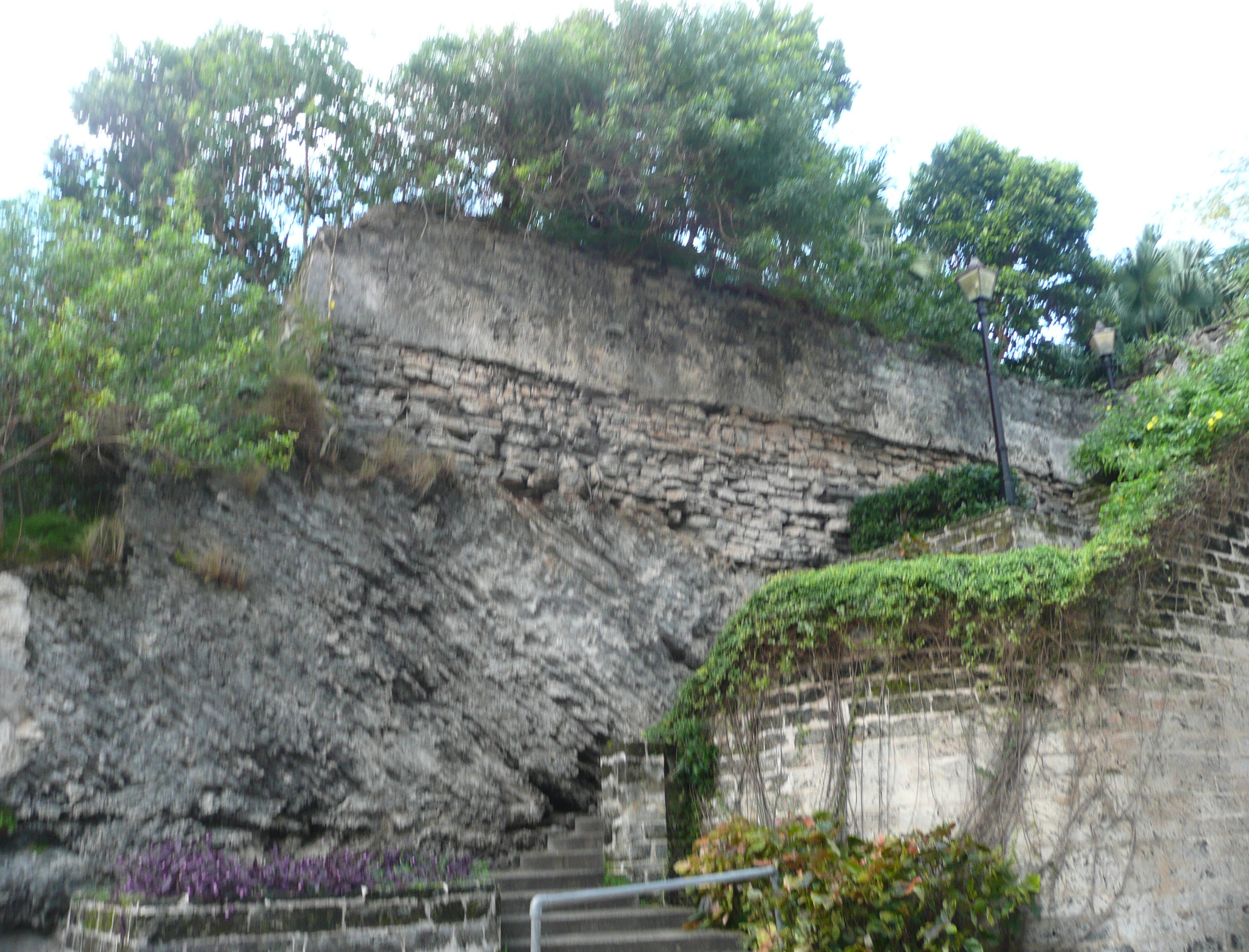
Bocznymi uliczkami, mijając mury starego fortu i inne fajne rzeczy, wróciliśmy nad zatokę, chcąc być w pobliżu przystani, żeby zdążyć na ostatni stateczek do portu Royal Navy.
We walked back down the side streets, past the walls of the old fort and other cool things, to the bay, wanting to be near the marina to catch the last boat to the Royal Navy port.
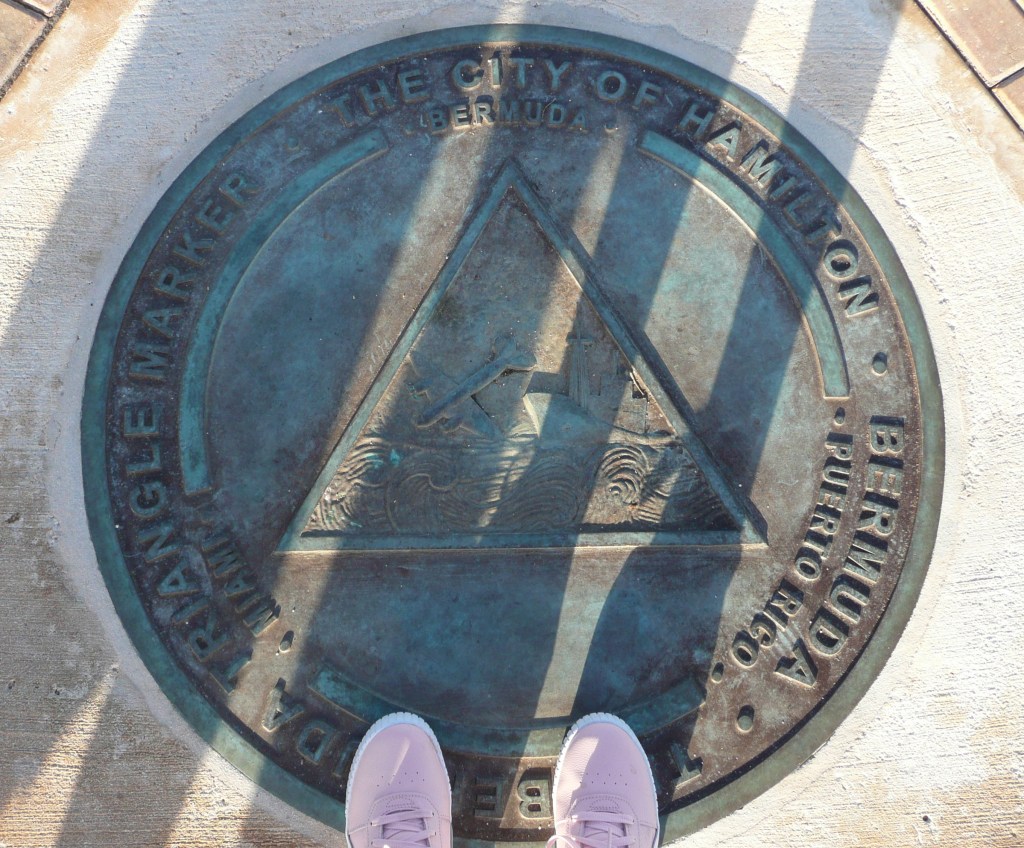
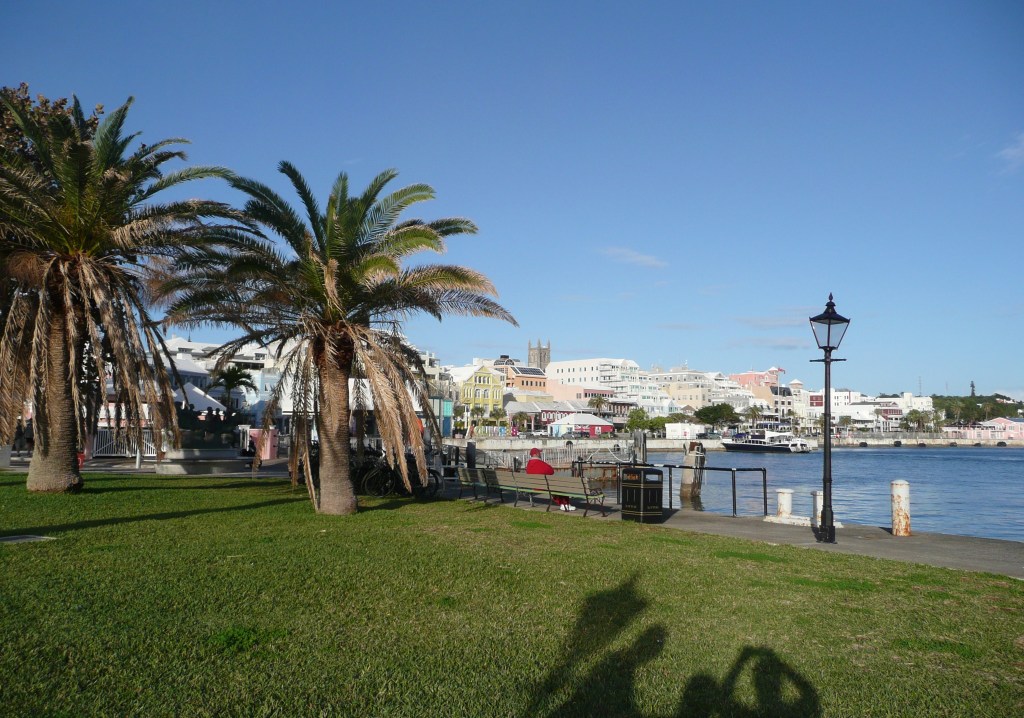
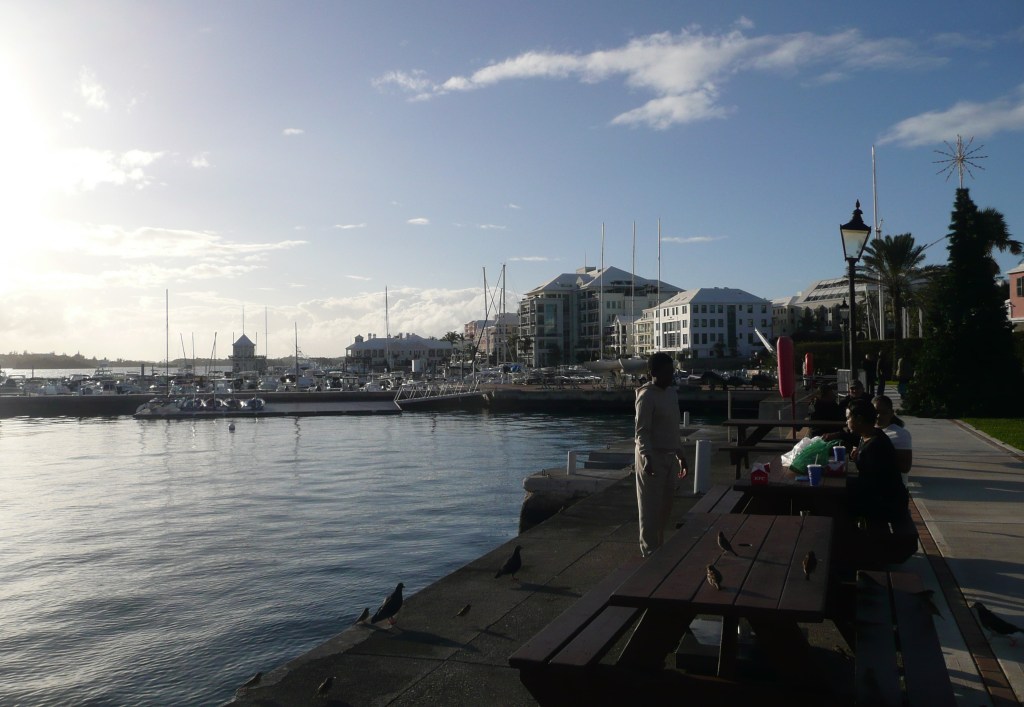
Nad zatoką było spokojnie i chłodno, zachodzące słońce pięknie oświetlało główną ulicę Hamilton. Ludzie siedzieli na ławkach, gołębie łaziły nam pod nogami, nawet trójkąt bermudzki wydawał się zupełnie niegroźny.
It was calm and cool by the bay, the setting sun beautifully illuminating Hamilton’s main street. People sat on benches, pigeons darted underfoot, and even the Bermuda Triangle seemed completely harmless.
Hamilton, Bermuda Triangle
Hamilton, Bermuda
Hamilton, Bermuda
Wieczorem mieliśmy wyruszyć w dalszą podróż, tym razem dłuuugą. Znowu mieliśmy przepłynąć Atlantyk, tym razem z zachodu na wschód. Do pokonania mieliśmy 1.948 mil morskich (3.608 kilometrów). Dokąd? Do następnej wyspy oczywiście.
That evening, we were to set off on another journey, this time a looong one. We were to cross the Atlantic again, this time from west to east. We had 1,948 nautical miles (3,608 kilometers) to cover. Where to? To the next island, of course.
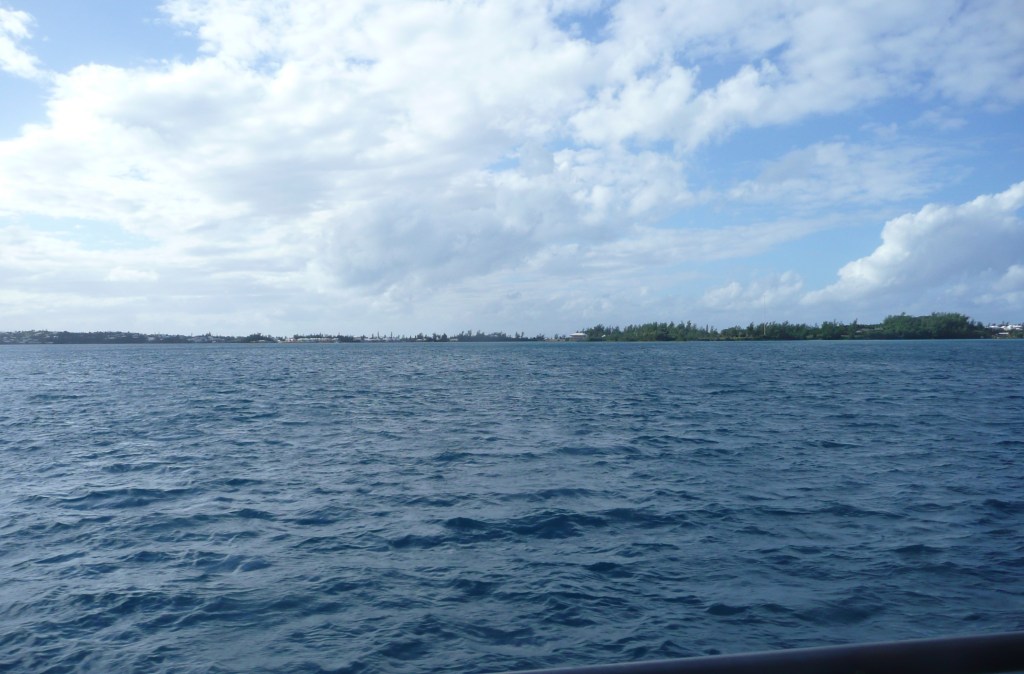
Do stolicy Bermudów, Hamilton, postanowiliśmy wyruszyć po południu, jako że zrobiło się gorąco i trochę mnie to zaskoczyło, bo naiwnie myślałam, że te 23 stopnie tak sobie zostaną na cały dzień. Najlepszym i najtańszym środkiem transportu okazał się tramwaj wodny, więc nabywszy drogą kupna bilety (w kiosku obok fortu, gdybyście kiedyś nie mogli znaleźć) popłynęliśmy. Droga (wodna) wiodła wśród dziesiątek niewielkich i całkiem malutkich wysepek porośniętych głównie trzcinami.
We decided to head to the capital of Bermuda, Hamilton, in the afternoon, as it had become hot, which surprised me a bit, as I naively thought those 23 degrees Celsius (73 degrees Fahrenheit) would stay that way all day. The best and cheapest means of transportation turned out to be the water bus, so after purchasing tickets (at the kiosk near the fort, in case you ever couldn’t find them), we set off. The water route led among dozens of small and quite tiny islands, mostly covered with reeds.
Way to Hamilton, Bermuda
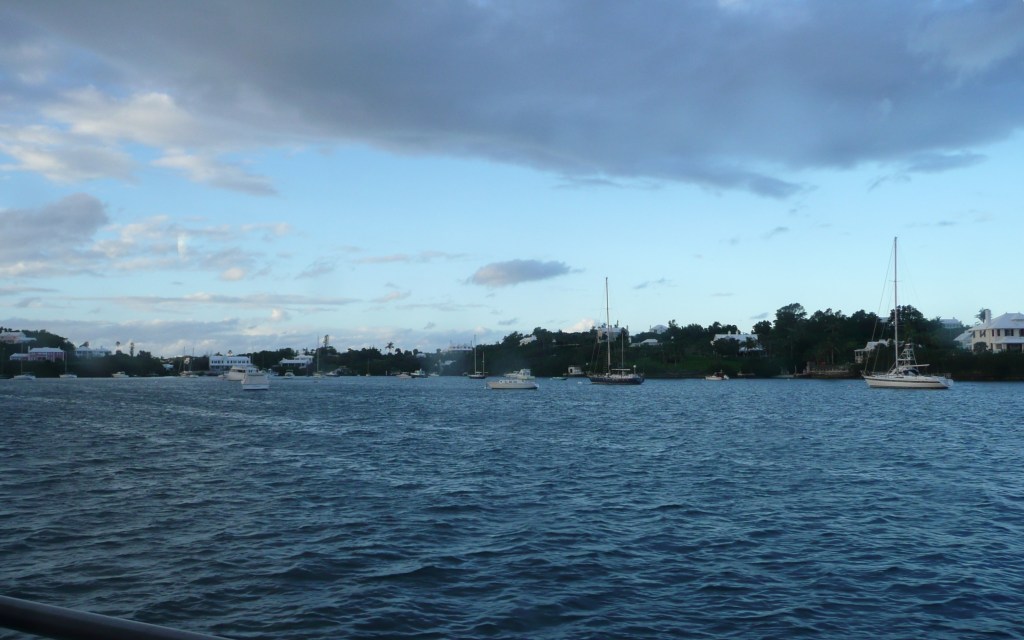
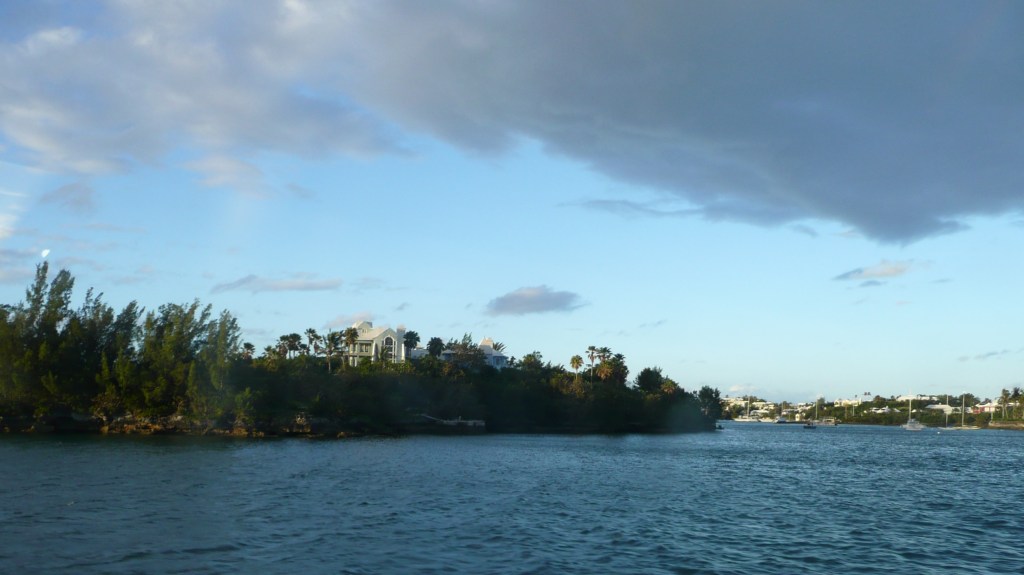
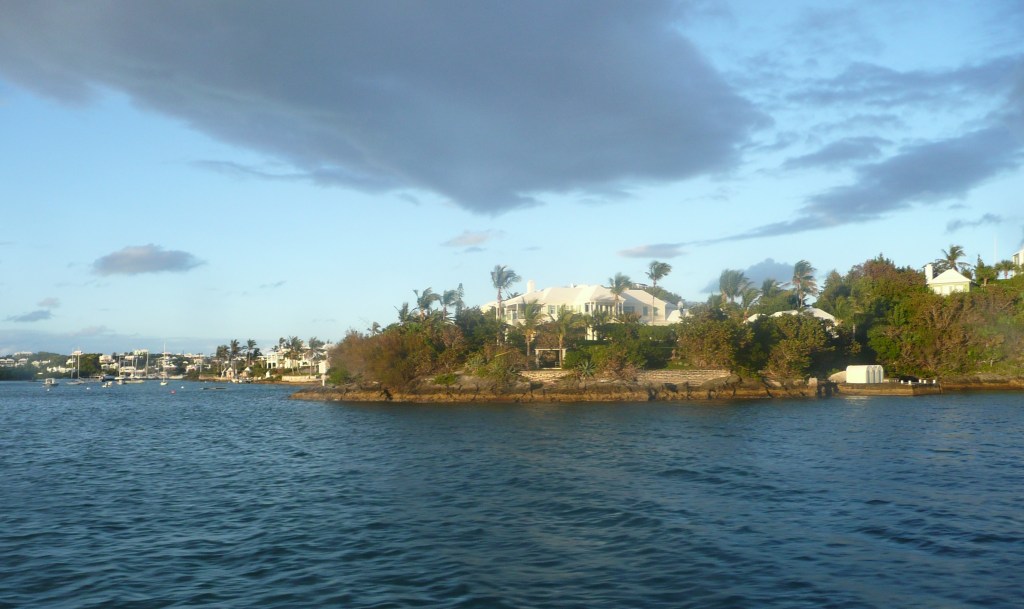
Potem droga wiodła wśród łodzi i jachtów tamtejszych mieszkańców. Większe wysepki i sama wyspa porośnięta jest wielkimi i trochę mniejszymi domami, które mają własne przystanie dla owych łodzi i jachtów, często z malutkimi domkami tuż na brzegu.
The road then led past the locals’ boats and yachts. The larger islands and the island itself are dotted with large and slightly smaller houses, each with its own marina for these boats and yachts, often with tiny houses right on the shore.
Way to Hamilton, Bermuda
Way to Hamilton, Bermuda
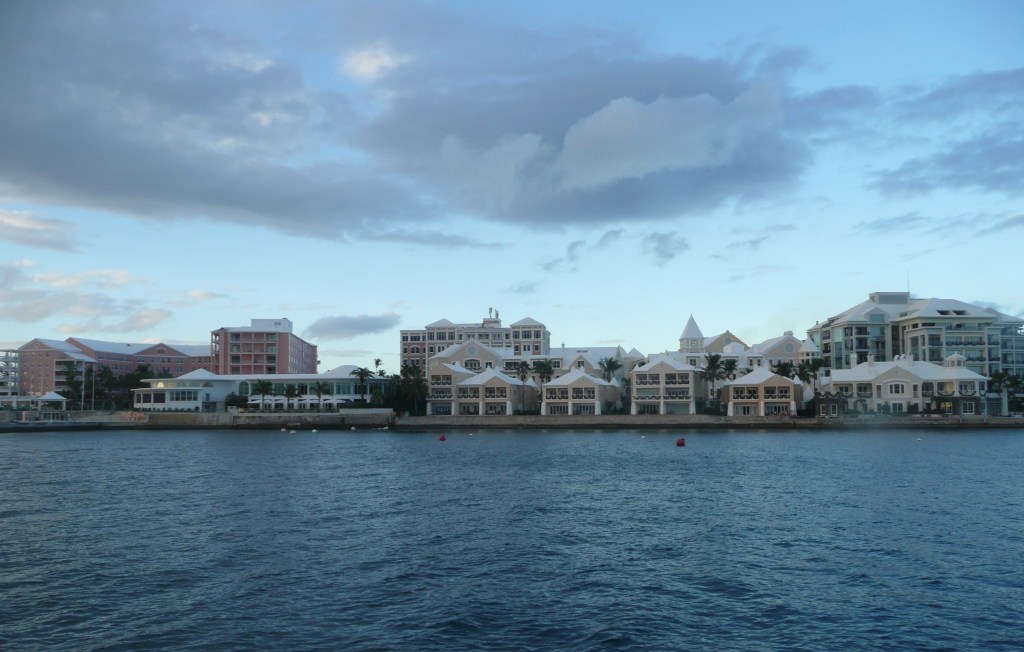
Po kilkunastu minutach zobaczyliśmy miasto Hamilton. Przez wiele lat stolica Bermudów uważana była za najdroższe miasto na świecie (teraz zostało zdetronizowane przez Zurych, Genewę i resztę szwajcarskich miast). Za bardzo nie wiem dlaczego było uznane za najdroższe, ale o tym następnym razem.
After a few minutes, we saw the city of Hamilton. For many years, the capital of Bermuda was considered the most expensive city in the world (now dethroned by Zurich, Geneva, and other Swiss cities). I’m not entirely sure why it was considered the most expensive, but more on that next time.
70 większych wysp i około 170 małych. Archipelag odkryty przypadkowo przez załogę angielskiego statku „Sea Venture” w 1609, choć Hiszpanie twierdzą, że byli na wyspach sto lat wcześniej. Tak czy inaczej wyspy zostały brytyjską kolonią i co warto zauważyć – są jednym z niewielu krajów, które nie mają oficjalnej religii. Żyje tam około 70 tysięcy ludzi, w tym wielu słynnych (np. Zeta-Jones i Michael Douglas). Kiedyś miał tam dom Charlie Chaplin i wielu miliarderów, ale to zupełnie nieistotne. Istotne było to, że przypłynęliśmy do portu wcześnie rano i… nie było gorąco!
70 larger islands and about 170 smaller ones. The archipelago was discovered accidentally by the crew of the English ship „Sea Venture” in 1609, although the Spanish claim to have been there a century earlier. In any case, the islands became a British colony, and it’s worth noting that they are one of the few countries without an official religion. Around 70,000 people live there, including many famous people (e.g., Zeta-Jones and Michael Douglas). Charlie Chaplin and many billionaires once had a home there, but that’s completely irrelevant. The important thing was that we arrived at port early in the morning, and… it wasn’t hot!
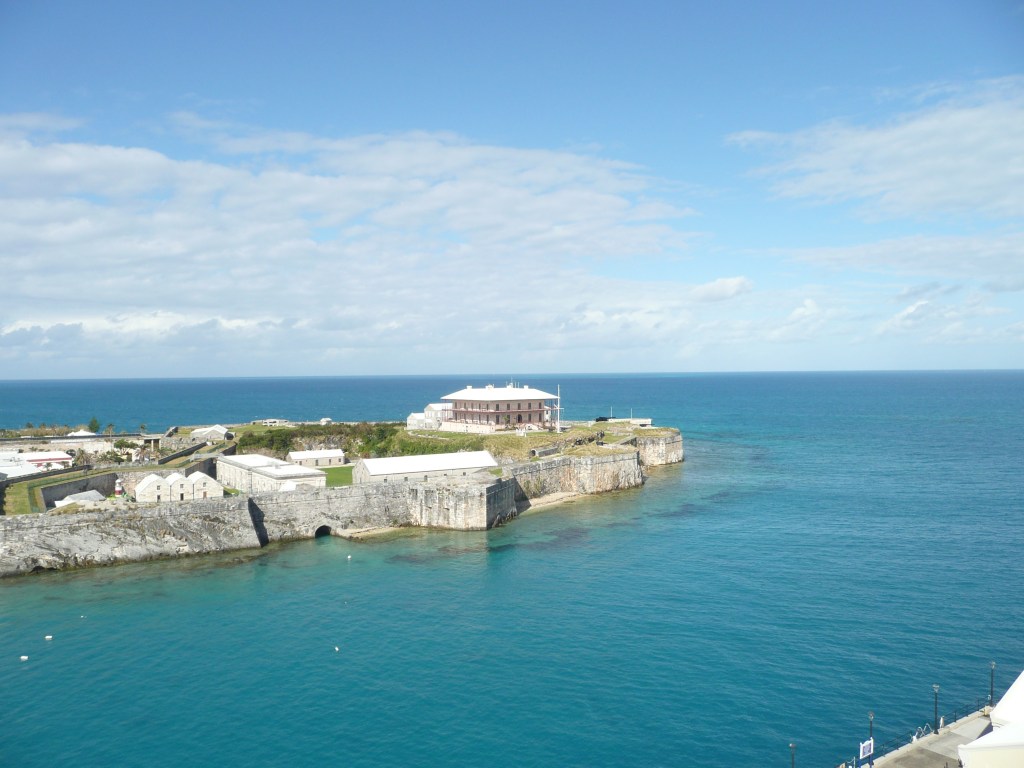
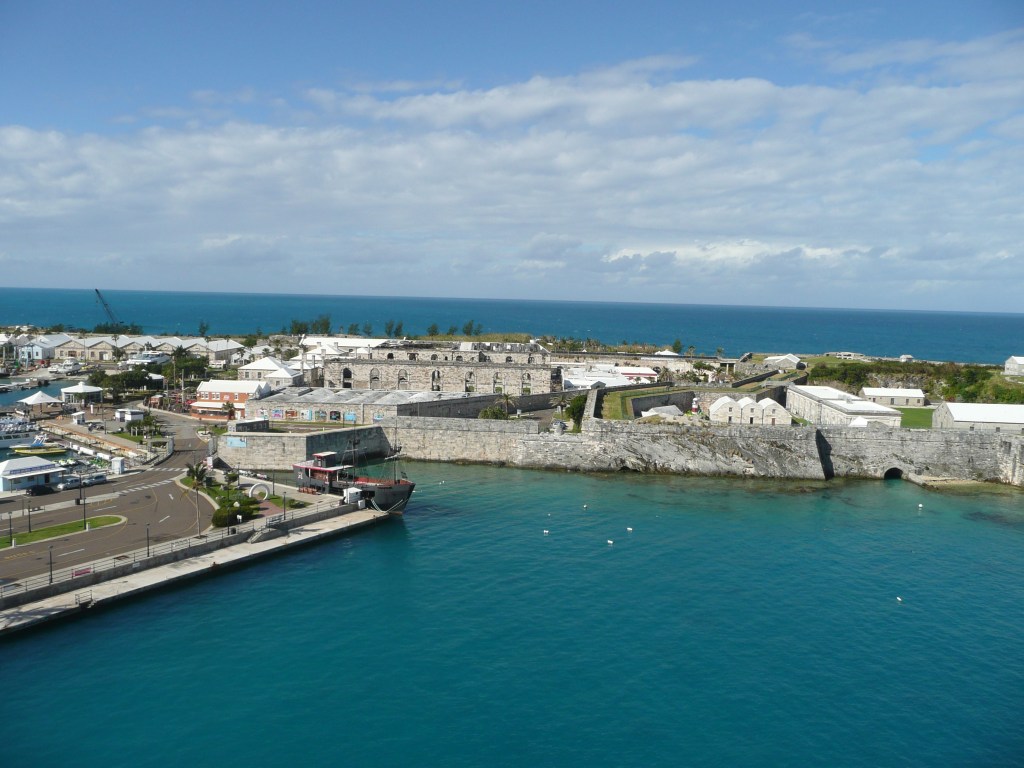
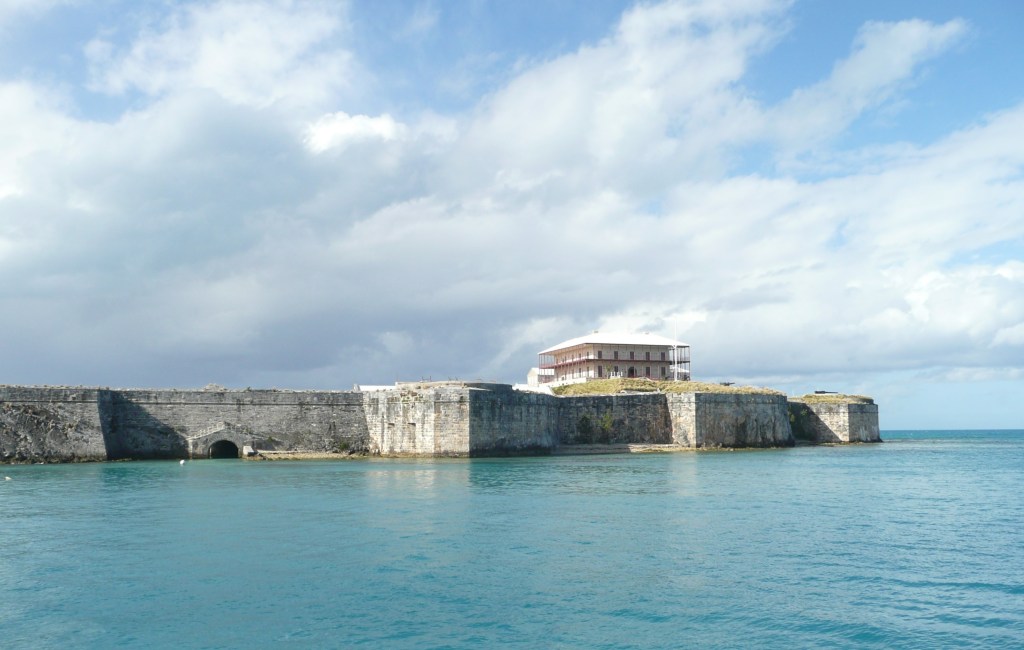
This is what the harbor entrance looks like from deck eleven. These structures are an old fort, which no longer seems to serve any military purpose beyond storing supplies. Up close, the buildings appear to be in ruins, but from a distance, they look charming.
Tak wygląda wejście do portu z jedenastego pokładu. Te budowle to stary fort, który raczej nie spełnia już żadnych wojskowych funkcji, poza magazynowaniem czegoś. Z bliska okazuje się, że budynki są w ruinie, ale z daleka wyglądają uroczo.
Royal Naval Dockyard, Bermuda
Bermuda Dockyard
Dockyard Bermuda
Zeszliśmy na ląd około dziesiątej, ja z nową energią, jaką dała mi temperatura 24 stopni (czy wspominałam już, że było chłodniej?). Bardzo miłe celniczki przy wyjściu z terminala, okutane w szaliki i kurtki, w ciepłych czapkach naciągniętych prawie na oczy poinformowały mnie, że jest dziś strasznie zimno. Pożartowałyśmy na temat pogody, życzyłyśmy sobie miłego dnia i nawet nie obejrzały mojego paszportu.
We disembarked around 10:00, feeling re-energized by the 24-degree Celsius temperature (did I mention it was cooler?). At the terminal exit, the very kind customs officers, bundled up in scarves and jackets, with warm hats pulled down almost over their eyes, informed me that it was terribly cold today. We joked about the weather, wished each other a good day, and didn’t even look at my passport.
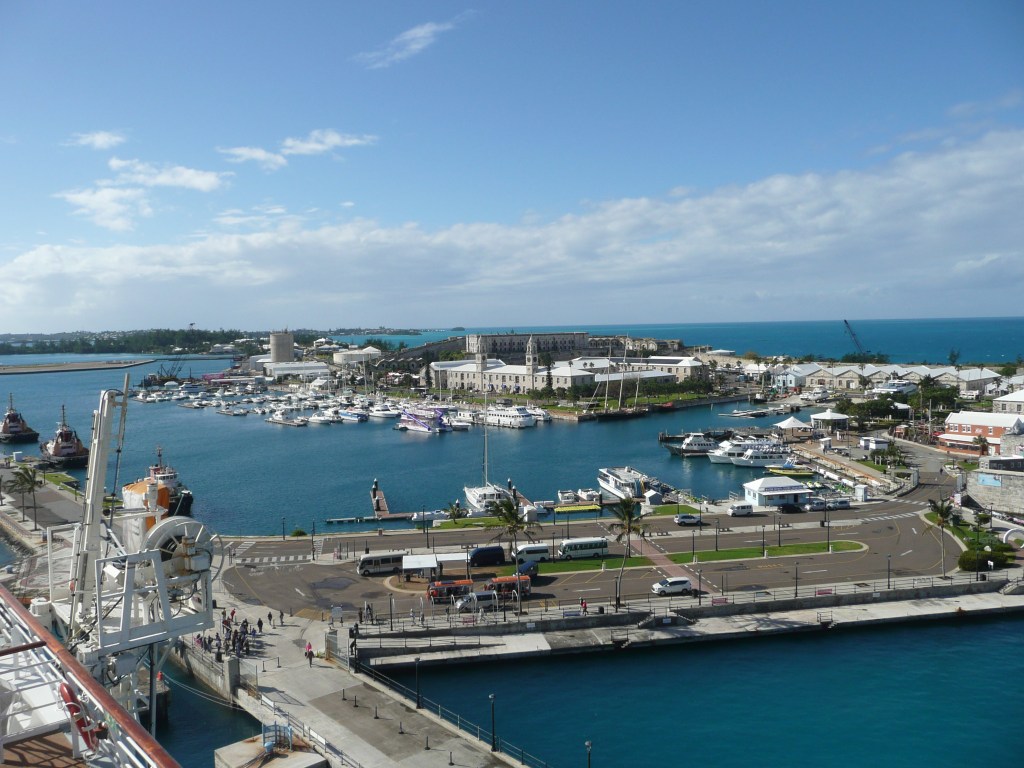
Po dłuuuugim, betonowym pomoście dotarliśmy na stały ląd. Wyspa przypomina kształtem haczyk i ma 22 kilometry długości i tylko 1,5 szerokości, więc nawet ja mogę ją przejść w dwie godziny. Ale żeby dotrzeć do stolicy wyspy, potrzebowaliśmy szybkiego środka transportu. A port był główną bazą Royal Navy na zachodnim Atlantyku i zostało w nim wiele ciekawych miejsc do zobaczenia.
We reached the mainland via a loooong concrete jetty. The island, shaped like a hook, is 22 kilometers long and only 1.5 kilometers wide, so even I could cross it in two hours. But to reach the island’s capital, we needed fast transport. The port was the Royal Navy’s main base in the western Atlantic, and there were many interesting sites to see.
Z poziomu ziemi fort wygląda tak: / From ground level the fort looks like this:
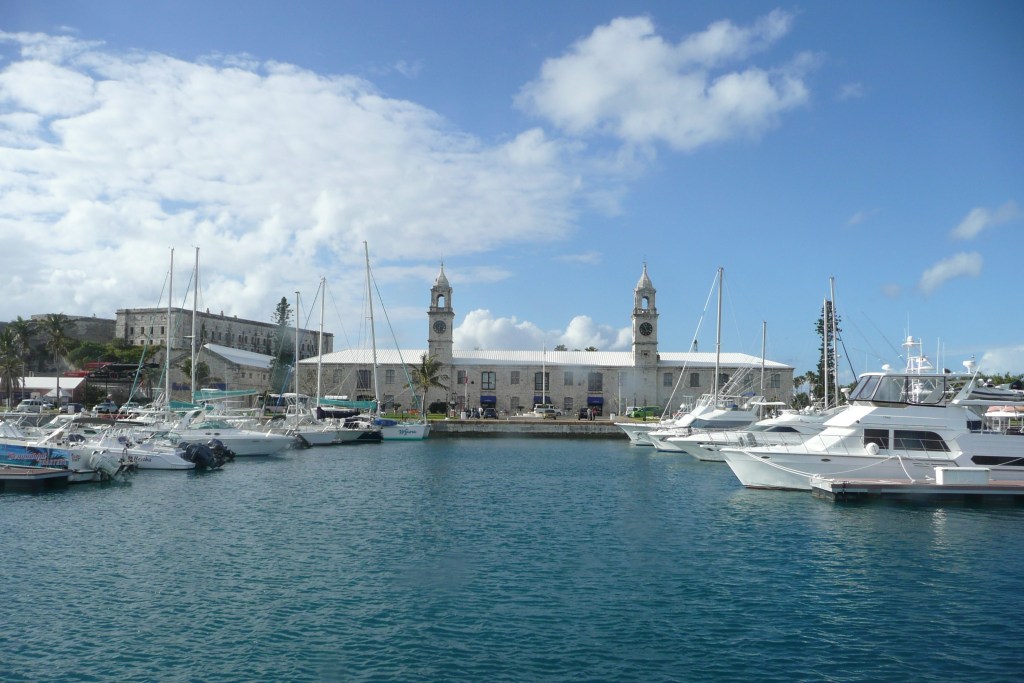
W wielkim budynku, najlepiej widocznym od strony wody mieści się centrum handlowe i turystyczne zwane Clock Tower, są tam sklepy z pamiątkami, restauracje i kawiarnie, w których jest niesamowicie drogo. Naprawdę drogo. Poza tym jest muzeum marynarki (wtedy zamknięte), browar i kilka firm remontowych.
The large building, best visible from the water, houses a shopping and tourist center called the Clock Tower. It’s home to souvenir shops, restaurants, and cafes, some of which are incredibly expensive. Seriously expensive. Besides that, there’s a naval museum (then closed), a brewery, and several renovation companies.
Royal Dockyard, Bermuda
A, i nie wiem, czy wspominałam, ale było chłodniej niż na Karaibach. Nareszcie. / Oh, and I don’t know if I mentioned it, but it was colder than the Caribbean. Finally.
znany także jako Trójkąt Bermudzki to nieokreślony obszar gdzieś między Florydą, Puerto Rico i Bermudami. W rejonie tym odnajdywano puste statki błąkające się po tamtych wodach, znikały statki i samoloty. Wszystko zaczęło się od zniknięcia HMS Atalanta w 1880 roku. A potem już poszło: statki, samoloty (w tym cała eskadra amerykańskich myśliwców, słynny Lot 19) ginęły bez śladu, ludzie znikali z pokładów jachtów, samoloty znikały z radarów i nigdy nie zostały odnalezione. Nawet okręt podwodny z napędem atomowym gdzieś się zapodział w tamtych stronach… („Scorpion”, maj 1968). Incydenty lotnicze, zaginięcia, zatonięcia wszelkiego typu pływających jednostek, niewyjaśnione wypadki, awarie systemów nawigacyjnych, silników i znikanie rzeczy i ludzi.
Also known as the Bermuda Triangle, this undefined area somewhere between Florida, Puerto Rico, and Bermuda. In this region, empty ships have been found wandering the waters, and ships and planes have disappeared. It all began with the disappearance of the HMS Atalanta in 1880. And then it all went downhill: ships and planes (including an entire squadron of American fighters, the famous Flight 19) vanished without a trace, people vanished from yachts, planes disappeared from radar and were never found. Even a nuclear-powered submarine disappeared somewhere in those parts… („Scorpion,” May 1968). Aircraft incidents, disappearances, sinkings of all types of vessels, unexplained accidents, failures of navigation systems and engines, and the disappearance of objects and people.
Bermuda Triangle
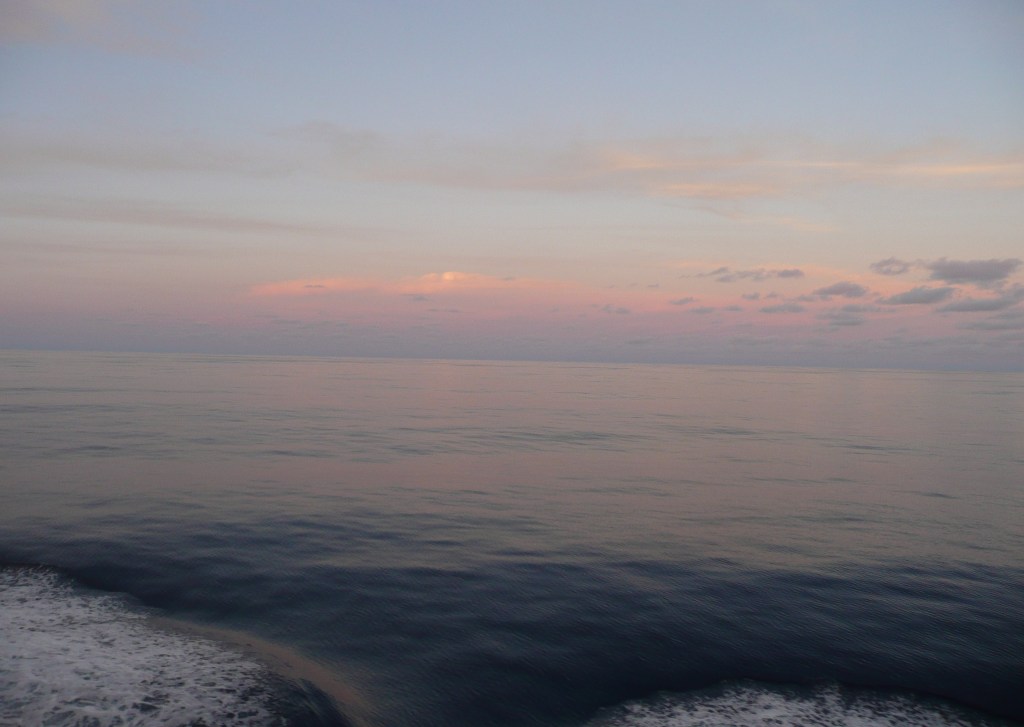
My wpłynęliśmy na diabelskie wody w nocy, niczego nieświadomi i bez ostrzeżenia. O poranku morze było (podejrzanie !) spokojne, statek płynął prosto na północ, a dno pod stępką było w odległości 1800 metrów. Słońce w czerwonej mgle wyglądało jak wrota do innego świata…
We entered the devil’s waters at night, unaware and without warning. In the morning, the sea was (suspiciously!) calm, the ship was sailing due north, and the seabed beneath the keel was 1,800 meters away. The sun in the red haze looked like a portal to another world…
Sobota, 26 sierpnia 2017 roku był pięknym dniem na Karaibach, jak to na Karaibach. Mnóstwo turystów okupowało hotele, bary, plaże były pełne, życie toczyło się zwyczajnie, jak na tropikalne wyspy przystało…
Saturday, August 26, 2017, was a beautiful day in the Caribbean, as it always is in the Caribbean. Hotels and bars were packed, the beaches were full, and life went on as usual, as befits a tropical island…
Tymczasem 4240 kilometrów na wschód od Karaibów, nad innym turystycznym rajem zaczął się sztorm tropikalny, który poczatkowo nie budził niepokoju. Ale już 31 sierpnia ów sztorm zaczął gwałtownie przemieszczać się znad Wysp Zielonego Przylądka na zachód, pędząc przez Atlantyk z rosnącą siłą. 4 września dostał piątą, najwyższą huraganową kategorię i imię Irma. Wiał już wtedy z prędkością 300 km/h i nie zamierzał zwolnić.
Meanwhile, 4,240 kilometers east of the Caribbean, another tourist paradise, a tropical storm had begun to brew. Initially, it didn’t raise any alarm. But by August 31st, the storm began to rapidly move westward from the Cape Verde Islands, racing across the Atlantic with increasing strength. On September 4th, it was upgraded to Category 5, the highest hurricane, and named Irma. By then, it was already gusting to 300 km/h (186 mph) and showed no signs of slowing down.
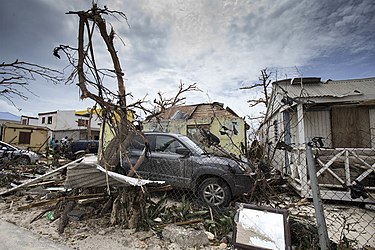
Pierwszym krajem na drodze Irmy była Antigua i Barbuda. Irma zniszczyła 90 % budynków. 6 września dotarła do Sint Maarten, zabijając 15 osób i niszcząc całą wyspę. 8 września straty oszacowano na 4 miliardy dolarów.
The first country in Irma’s path was Antigua and Barbuda. Irma destroyed 90% of its buildings. On September 6, it reached Sint Maarten, killing 15 people and devastating the entire island. By September 8, damage was estimated at $4 billion.
Sint-Maarten, 7 september 2017..Steunverlening na passage van orkaan Irma. De koninklijke marine levert hulp met oa Zr.Ms. Zeeland en Zr.Ms. Pelikaan.
Potem Irma powiała do Anguilli, Kubę, Haiti, Puerto Rico, Barbados aż dotarła do wybrzeży USA i tam straciła impet. Ale zniszczenia oszacowano na 25 miliardów dolarów, a nie wzięto pod uwagę strat na Haiti (brak danych) i zabiła ponad 80 osób.
Irma then swept through Anguilla, Cuba, Haiti, Puerto Rico, and Barbados before reaching the US coast, where it lost momentum. However, damage was estimated at $25 billion, excluding losses in Haiti (unavailable data), and it killed over 80 people.
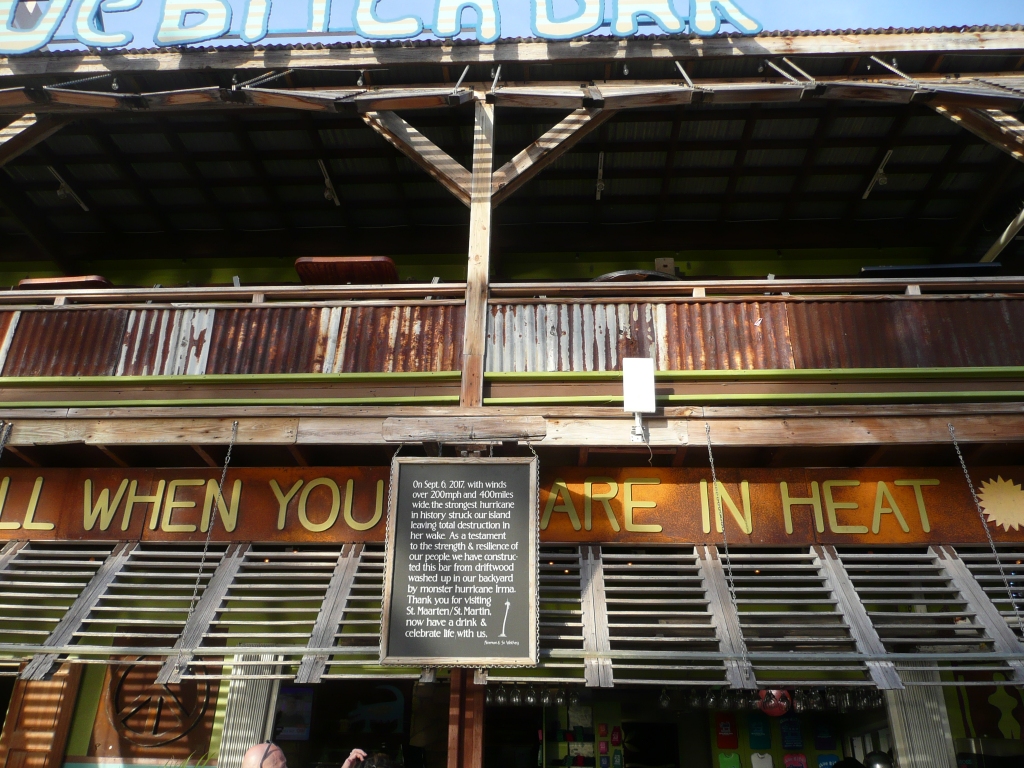
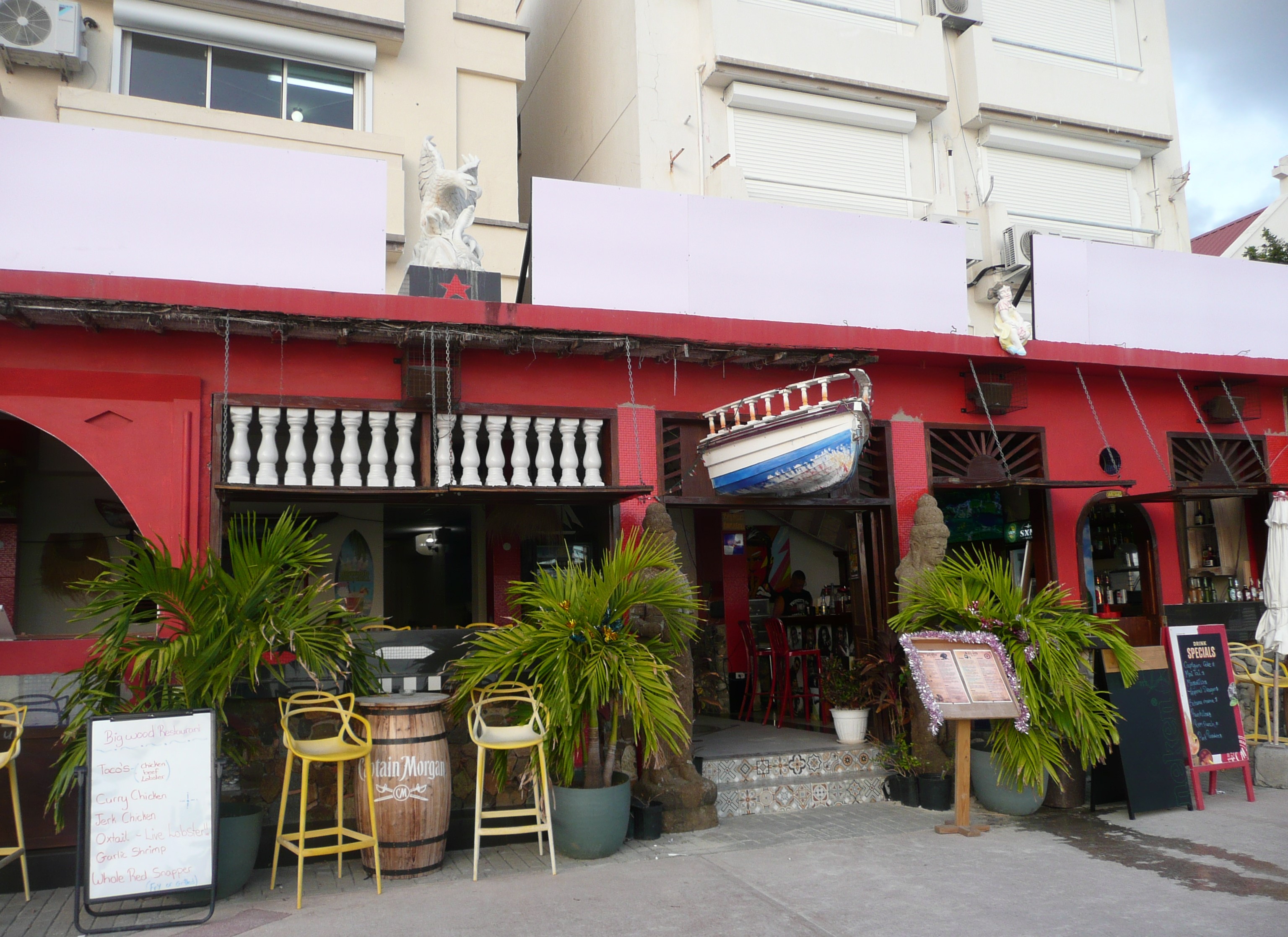
Siedem lat później idziemy wzdłuż głównej promenady wyspy Sint Maarten. Niektóre budynki zostały odbudowane po kompletnym zniszczeniu, tak jak ta restauracja, na której wisi tablica upamietniająca tamtą katastrofę. Jest na niej napisane, że budynek powstał z drewna znalezionego w okolicy i jest świadectwem determinacji i siły tamtejszych ludzi. „Now have a drink and celebrate life with us” – „teraz napij się i świętuj z nami życie”. Wzruszające…
Seven years later, we walk along the main promenade of St. Maarten. Some buildings have been rebuilt after being completely destroyed, like this restaurant, which sports a plaque commemorating the disaster. It says that the building was constructed from wood found in the area and is a testament to the determination and strength of the local people. „Now have a drink and celebrate life with us.” Touching…
Sint Maarten
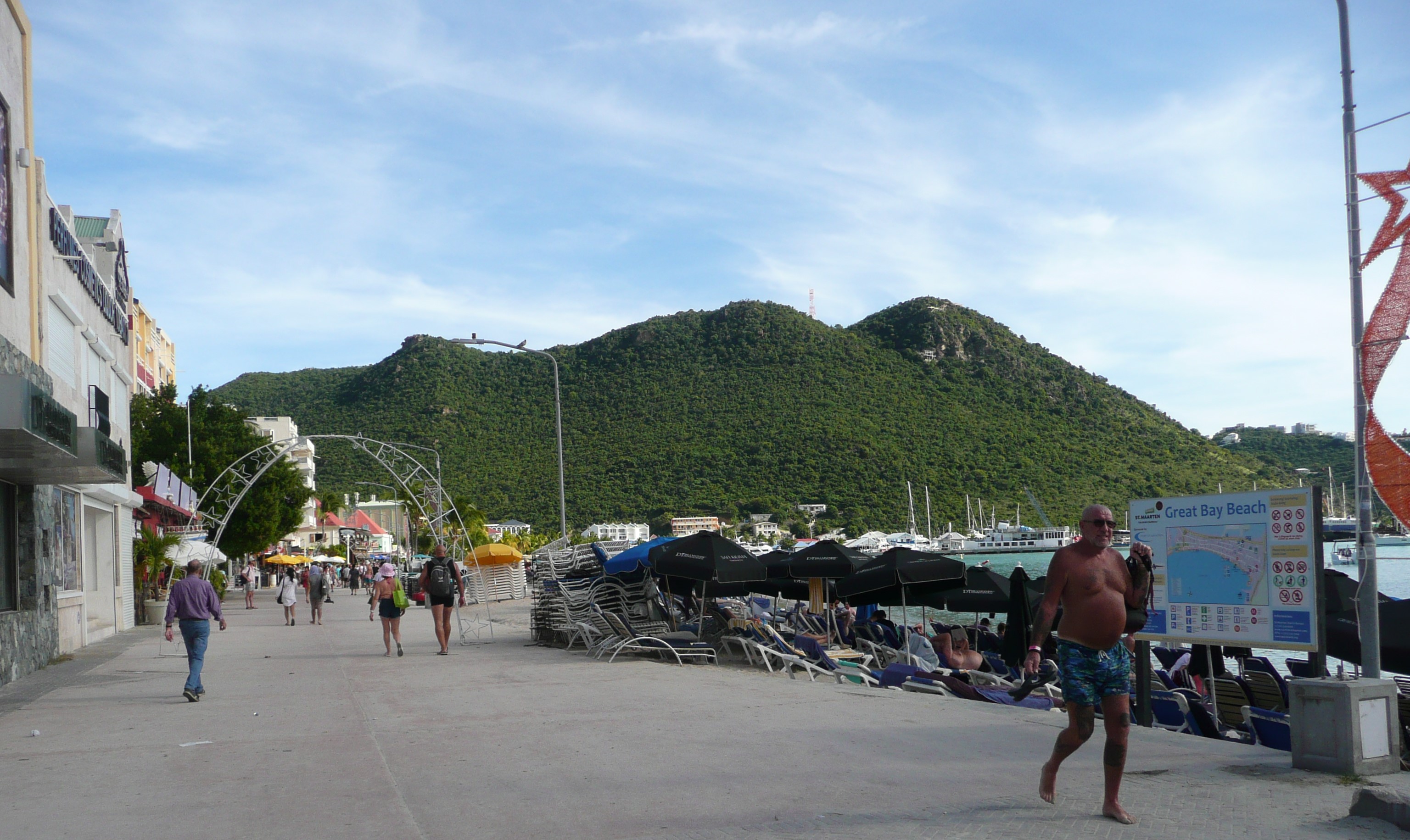
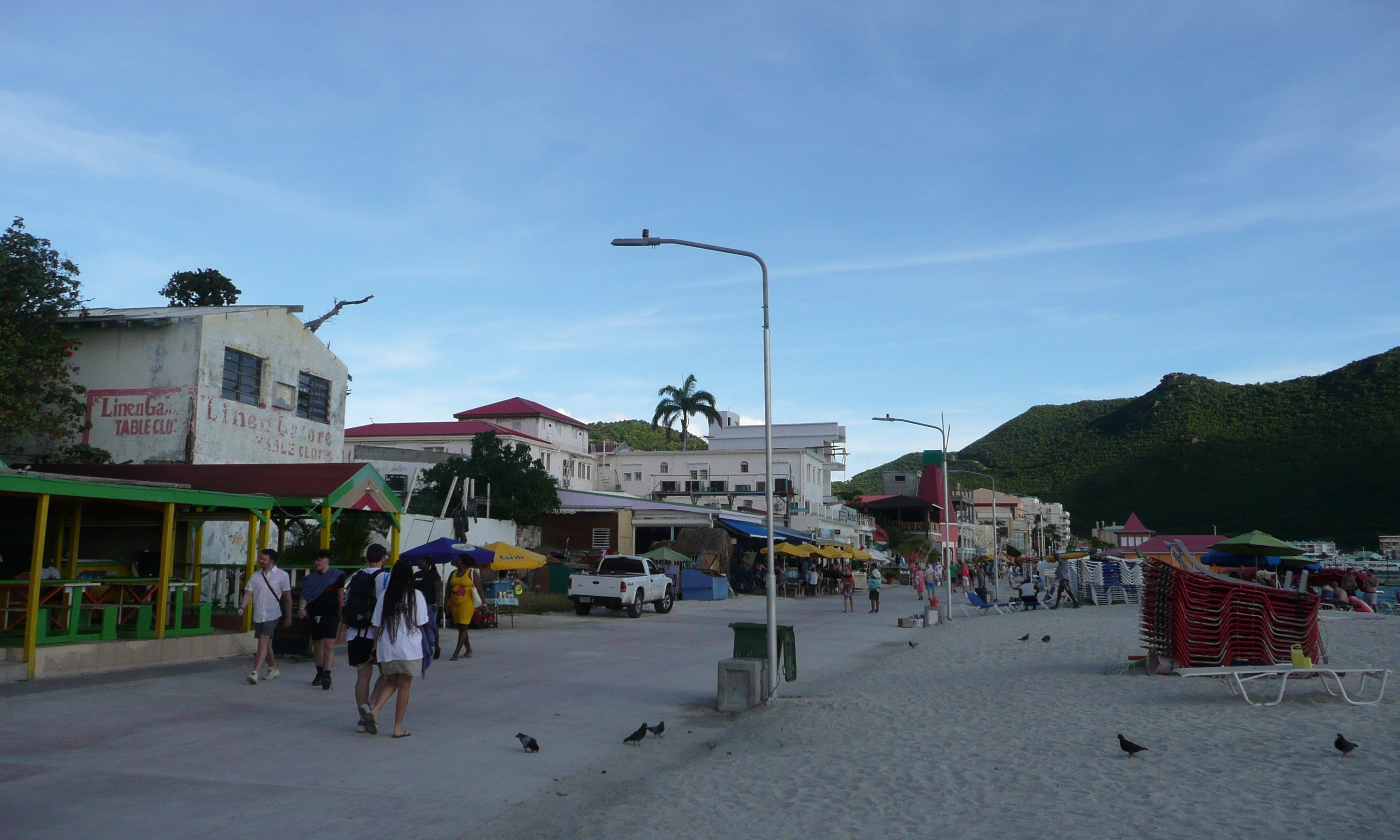
Na promenadzie jest spokojnie, niedługo zajdzie słońce, na plaży bawi się grupa młodzieży, przechadzają się staruszkowie, woda jest ciepła i pluszcze cicho, w knajpkach siedzą zadowoleni ludzie… W kawiarni Pan i Władca pije karaibskie piwo, ja kawę, rozmawiamy z młodą Holenderką, która pracuje jako kelnerka. Tęskni za Amsterdamem, ale nie chce wracać…
The promenade is quiet, the sun will soon set, a group of young people are having fun on the beach, old people are strolling, the water is warm and the splash is gentle, and people are happy in the pubs… At the cafe, the Master and the Lord are drinking a Caribbean beer, I’m drinking coffee, and we’re talking to a young Dutch woman who works as a waitress. She misses Amsterdam but doesn’t want to go back…
Sint Maarten
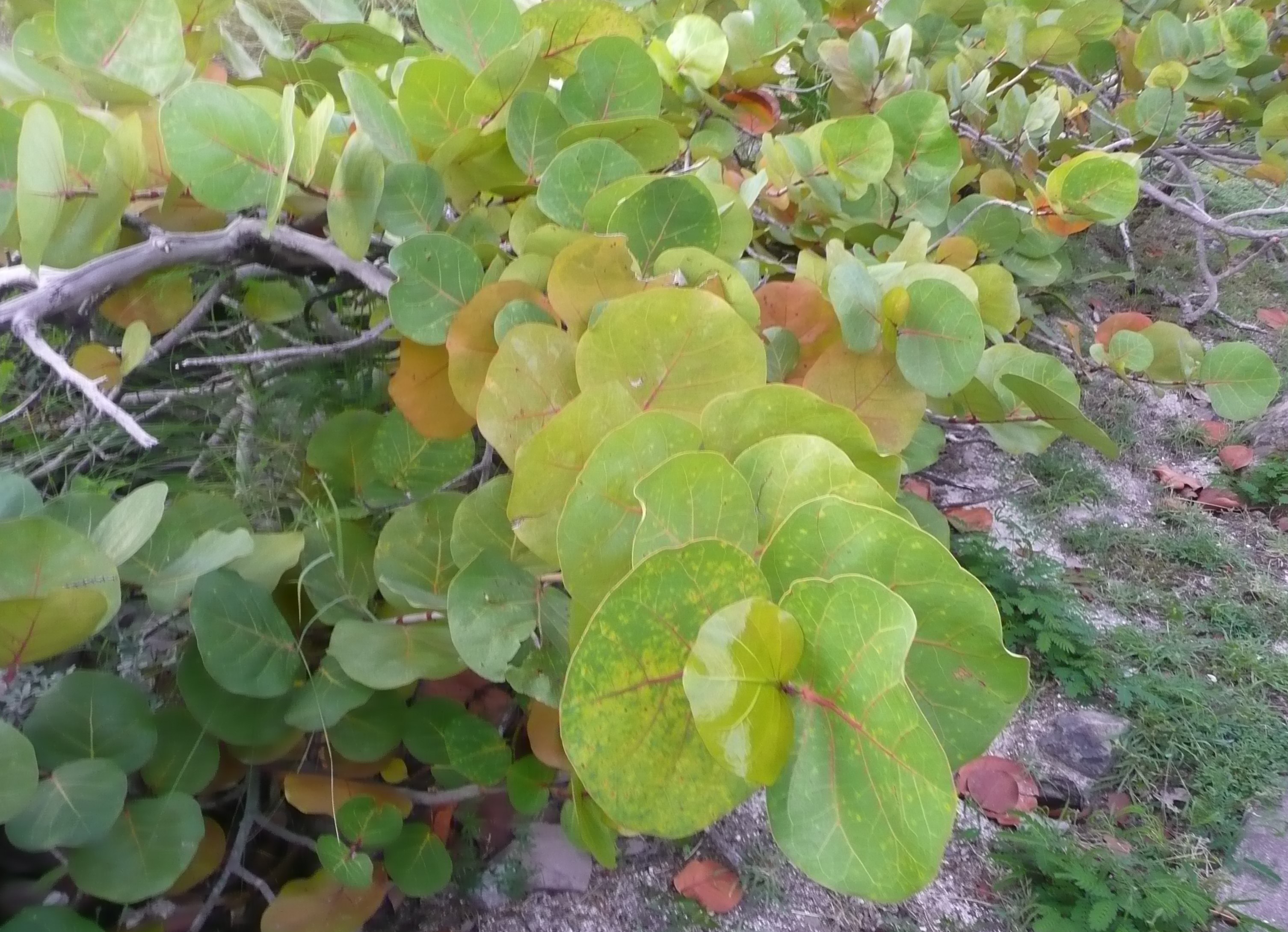
Przyroda też odrodziła się po zniszczeniach i możemy ją podziwiać w całej okazałości, choć może nie miała jeszcze czasu, żeby osiągnąć wspaniałość sprzed katastrofy, ale wygląda nieźle.
Nature has also recovered from the devastation and we can admire it in all its glory, although it may not have had time to reach its pre-disaster splendor yet, but it looks good.
Musimy wracać na statek, bo niedługo wyruszamy… na następną wyspę. Opuszczamy nie tylko Philipsburg i Sint Maarten, ale też Karaiby. Popłyniemy 888 mil morskich (1645 kilometrów) prawie całkiem na północ, mijając Bahamy i Florydę… Na północ! Może wreszcie będzie chłodniej!
We have to get back to the ship, because soon we’ll be leaving… for the next island. We’re leaving not only Philipsburg and Sint Maarten, but also the Caribbean. We’ll sail 888 nautical miles (1,645 kilometers) almost due north, passing the Bahamas and Florida… North! Maybe it will finally be cooler!
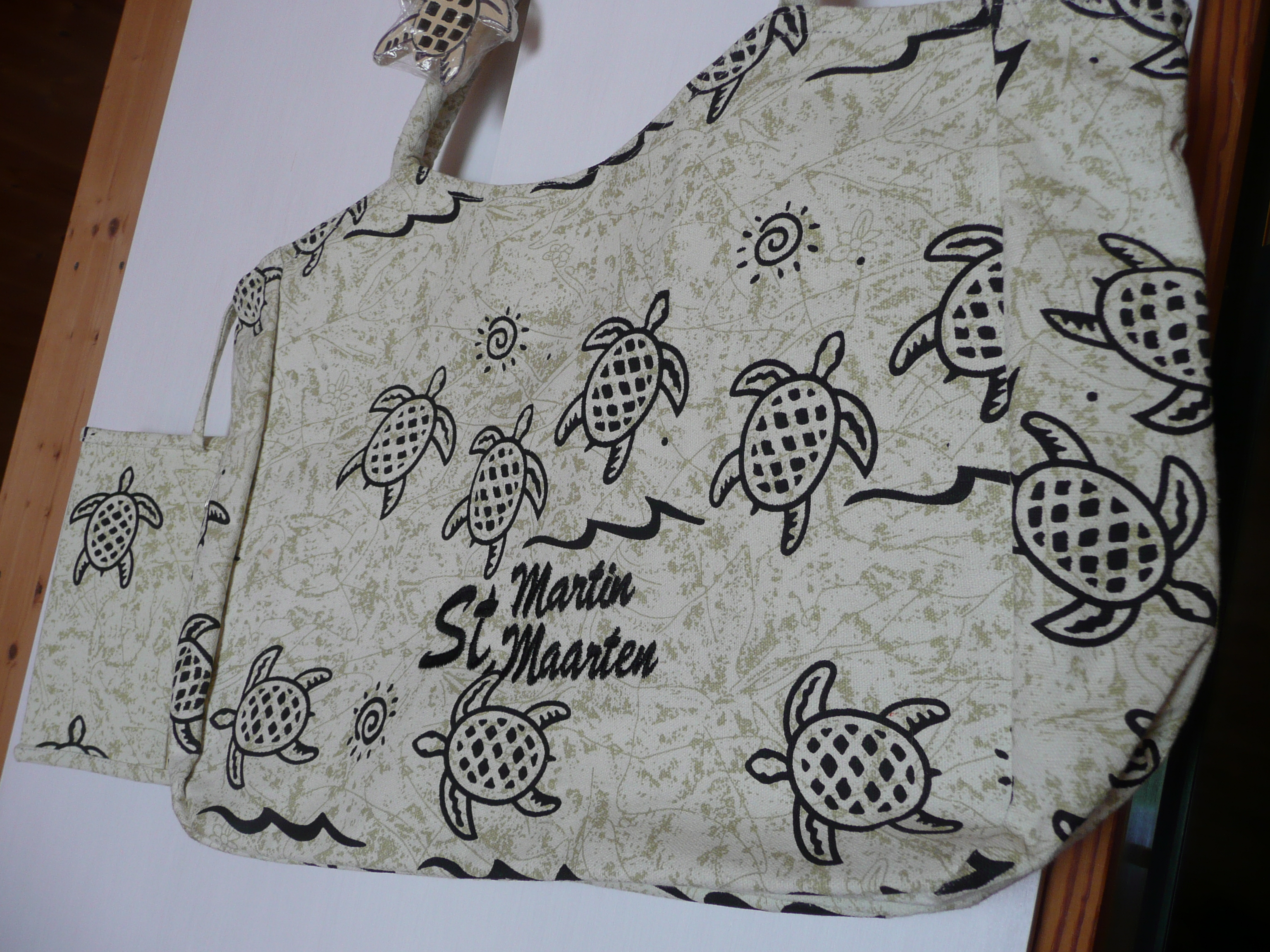
A, jeszcze obiecane zdjęcie torby z żółwiami (torba oprócz namalowanych żółwi ma jeszcze małego żółwia przyczepionego do ucha, widać go po lewej stronie u góry) i delfiny o zachodzie słońca.
Oh, and the promised photo of the bag with turtles (in addition to the painted turtles, the bag also has a small turtle attached to its ear, you can see it on the top left) and dolphins at sunset.
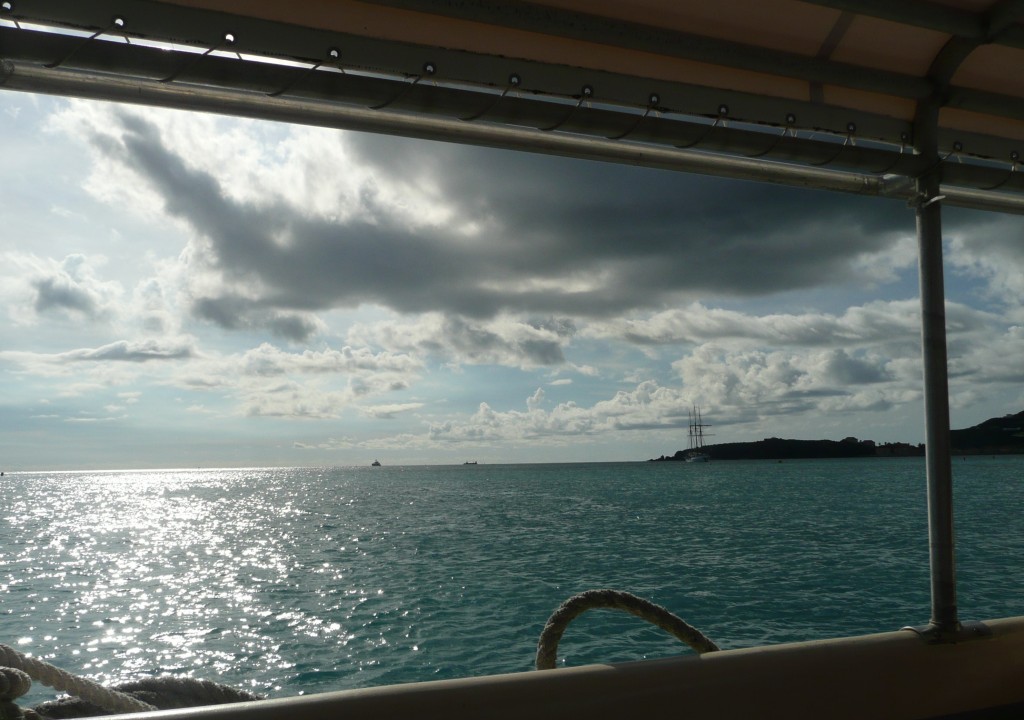
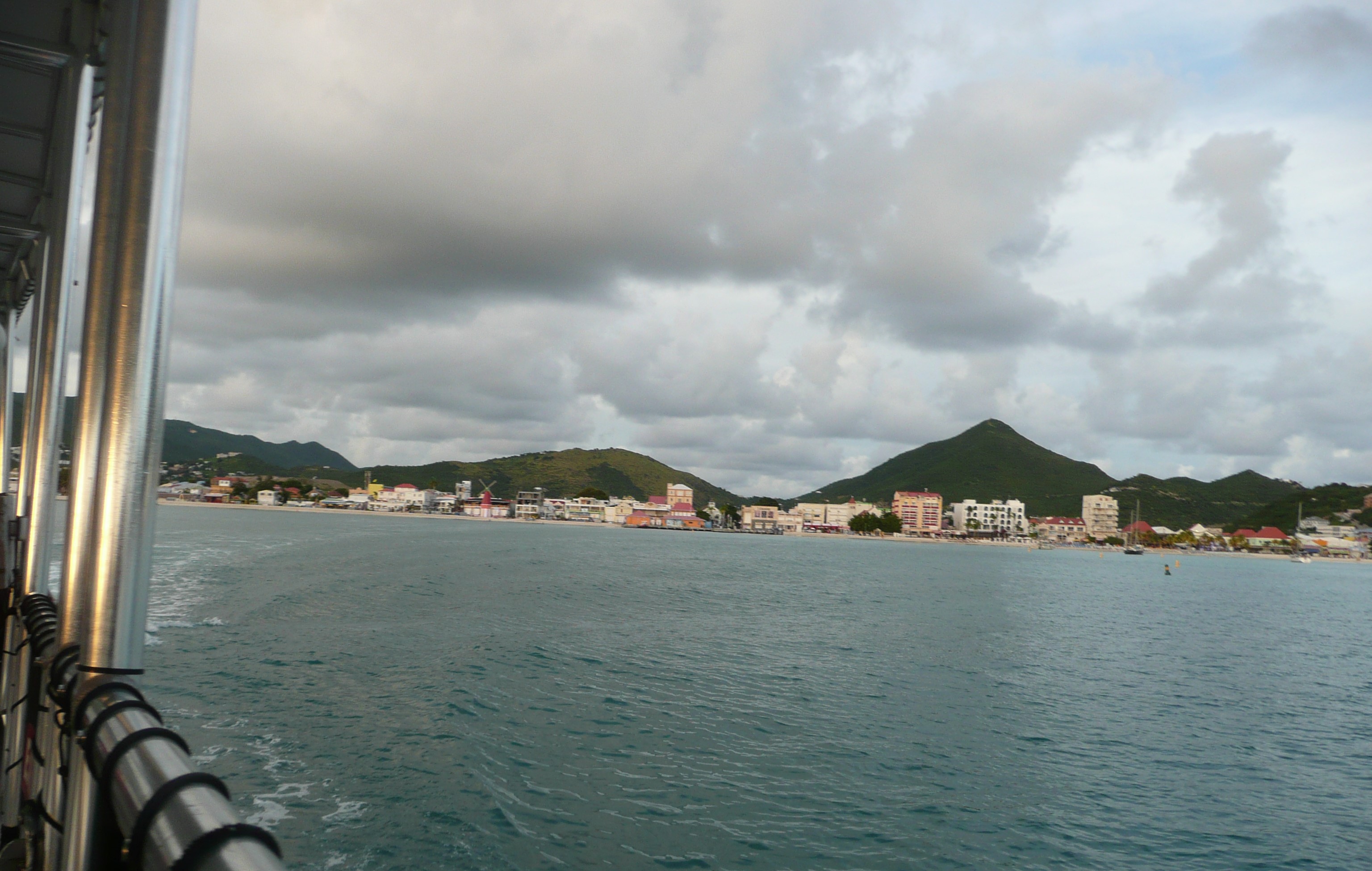
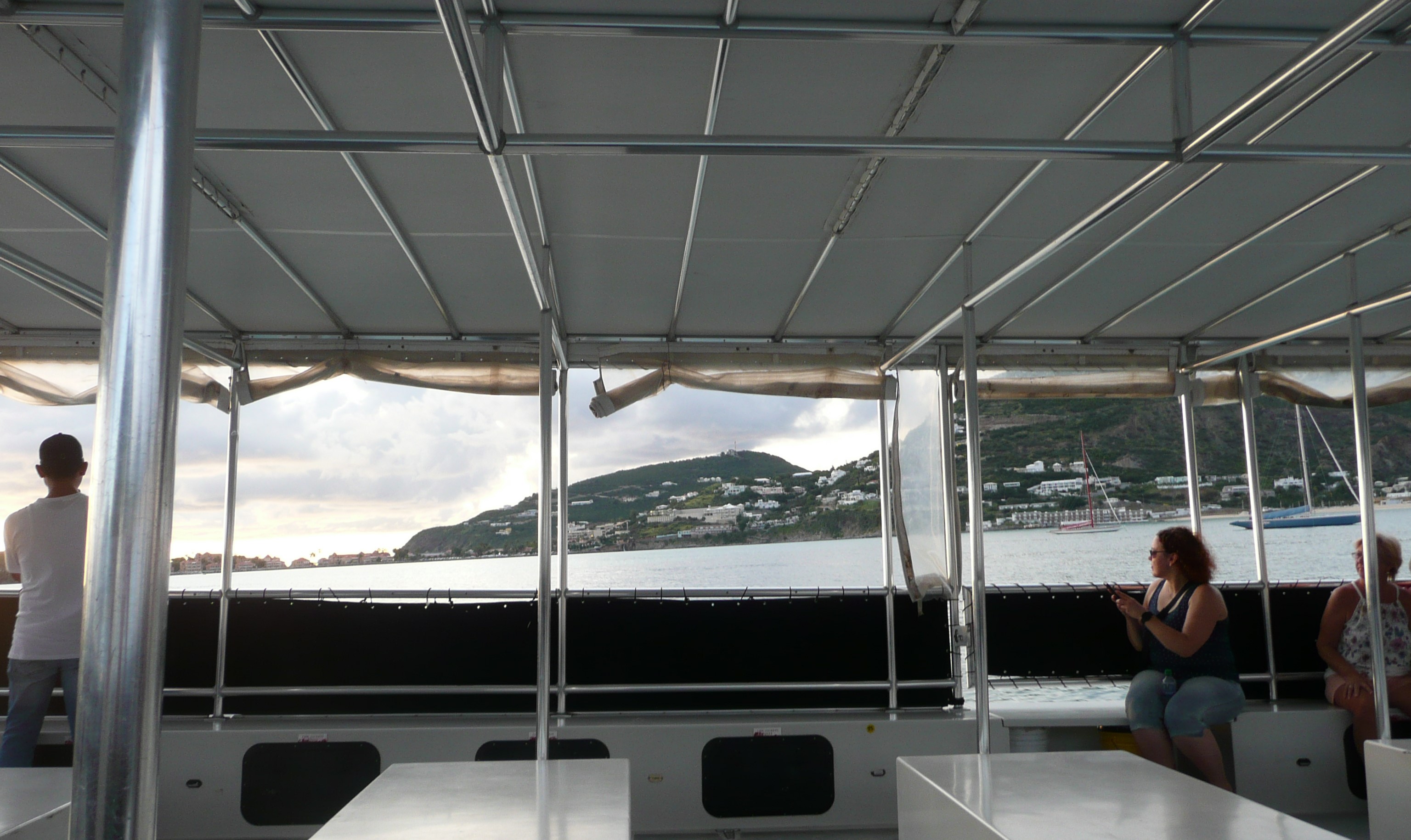
Z portu do stolicy południowej części wyspy jest dość daleko, na pewno za daleko dla mnie, więc po krótkiej naradzie i długich poszukiwaniach przystani wzięliśmy wodną taksówkę (jakby nam było mało wody). Bilet w postaci papierowej opaski na rękę kosztował 4 dolary na osobę i za tę kwotę mogliśmy płynąć do wszystkich „taksówkowych” postojów.
It’s quite a long way from the port to the capital of the southern part of the island, certainly too far for me, so after a short deliberation and a long search for a dock, we took a water taxi (as if we weren’t getting enough water). The ticket, which was a paper wristband, cost $4 per person, and for that amount we could sail to all the „taxi” stops.
Sint Maarten’s water taxi
Podróż trwała niecałe 10 minut i wylądowaliśmy na pomoście w stolicy Sint Maarten – Philipsburgu. Nazwa pochodzi od nazwiska szkockiego kapitana holenderskiej floty Johna Philipsa. Miasto ma około 1600 mieszkańców i jest rajem dla zakupowiczów, pełne wolnocłowych sklepów, bazarów i kramów. Oprócz upału miasto przywitało nas wrzaskami jakiejś nawiedzonej kobiety, która na przemian przeklinała i błogosławiła każdego z przechodniów i mapą wyspy na trotuarze.
The journey took less than 10 minutes, and we landed on the pier in Sint Maarten’s capital, Philipsburg. Named after the Scottish captain of the Dutch navy, John Philips, the town has about 1,600 inhabitants and is a shopper’s paradise, filled with duty-free shops, markets, and stalls. Besides the heat, the city greeted us with the shrieks of a haunted woman, who alternately cursed and blessed every passerby, and with a map of the island on the sidewalk.
Philipsburg, Sint Maarten
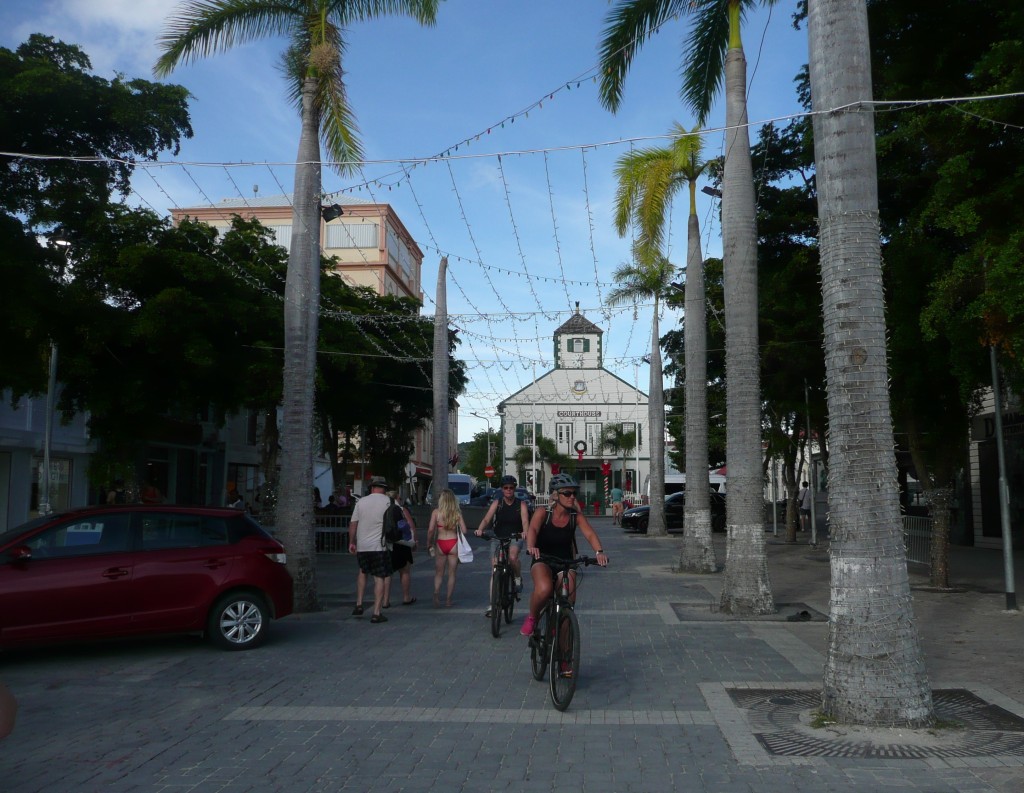
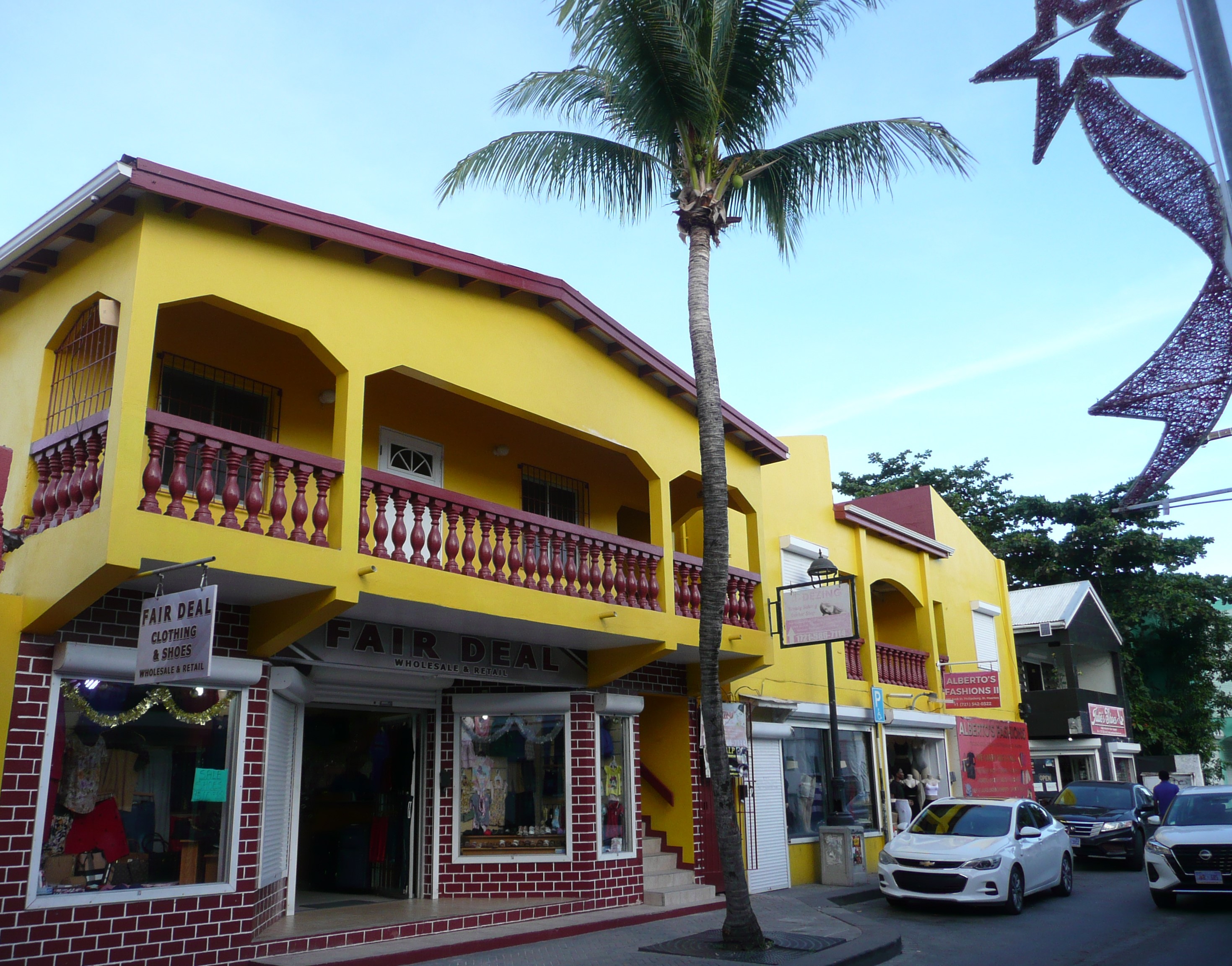
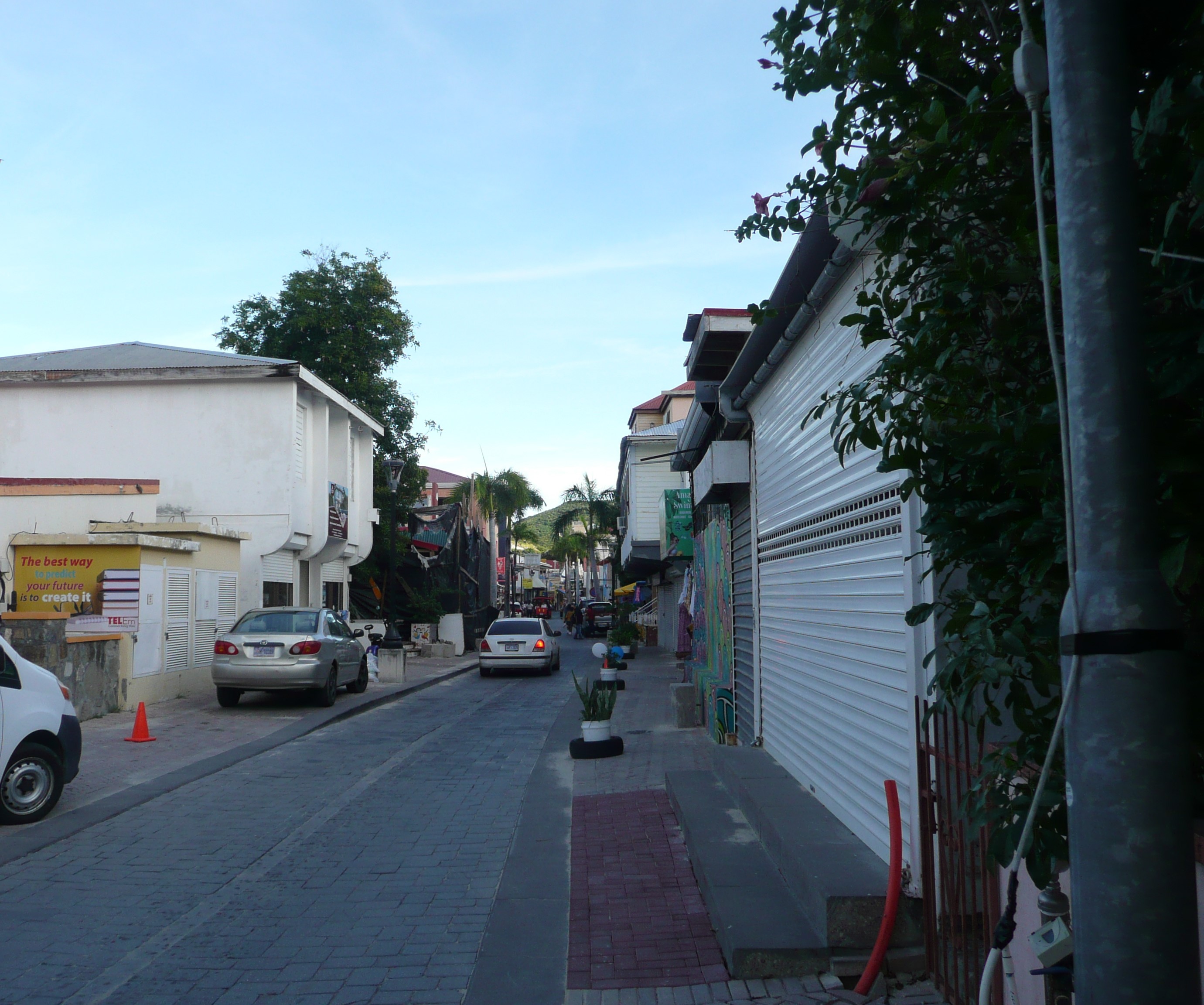
Główna ulica miasta to nadmorska promenada ciągnąca się dłuuuugo i mająca po jednej stronie bary, restauracje, hotele, puby i inne knajpy, a po drugiej plażę i oczywiście morze. Karaibskie. Postanawiamy najpierw zagłębić się wąskie uliczki, pełne poruszających się w żółwim tempie samochodów z francuskimi i sintmartenowskimi rejestracjami. Ładna ulica prowadzi do budynku sądu.
The town’s main street is a long seaside promenade lined with bars, restaurants, hotels, pubs, and other eateries on one side, and the beach and, of course, the Caribbean Sea on the other. We decide to explore the narrow streets first, filled with cars with French and Sint-Marten license plates moving at a snail’s pace. The pretty street leads to the courthouse.
Philipsburg, Sint Maarten
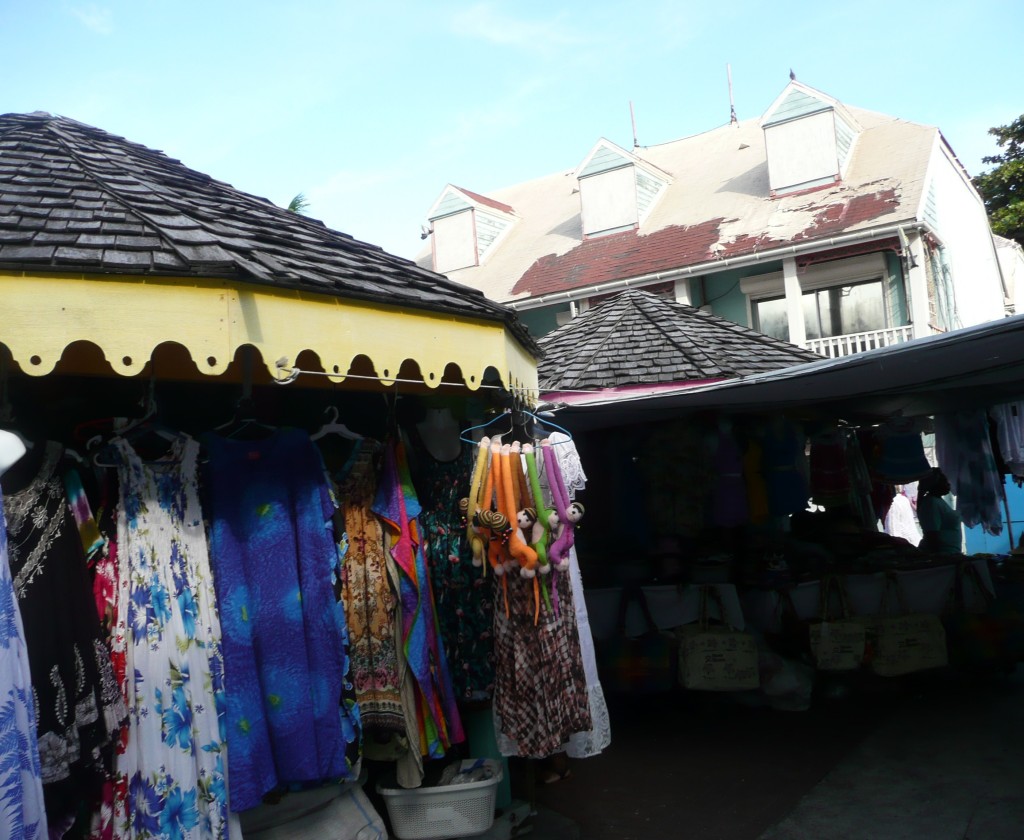
Skręcamy w lewo i w prawo i trafiamy na bazar pełen ciuchów wszelkiego rodzaju. Zwykle nie kupuję niczego, (bo cóż może kupić kobieta, która ma wszystko?), ale dostrzegam wielką, płócienną torbę w stylu Birkin (dziewczyny zrozumieją), która spełni moje marzenia o schowaniu wszystkiego w jednej przepastnej przestrzeni i pytam o cenę. Dwadzieścia… trochę dużo… Pani proponuje osiemnaście… nadal zbyt wiele, moje skąpa dusza każe mi zrezygnować. Dziękuję i odchodzę. Wtedy kobieta ze stoiska obok szepcze do mnie, że sprzeda taką samą za dwanaście… Odchodzę z torbą na ramieniu, słysząc jak kobiety zaczynają się kłócić…
We turn left and right and find ourselves in a bazaar filled with all sorts of clothes. I usually don’t buy anything (because what can a woman who has everything buy?), but I spot a large, canvas Birkin-style bag (girls will understand), which will fulfill my dream of storing everything in one cavernous space, and I ask the price. Twenty… a bit much… The lady offers eighteen… still too much, my stingy soul tells me to pass. I thank her and leave. Then the woman at the next stall whispers to me that she’ll sell the same one for twelve… I walk away with the bag over my shoulder, hearing the women start arguing…
Philipsburg bazaar, Sint Maarten
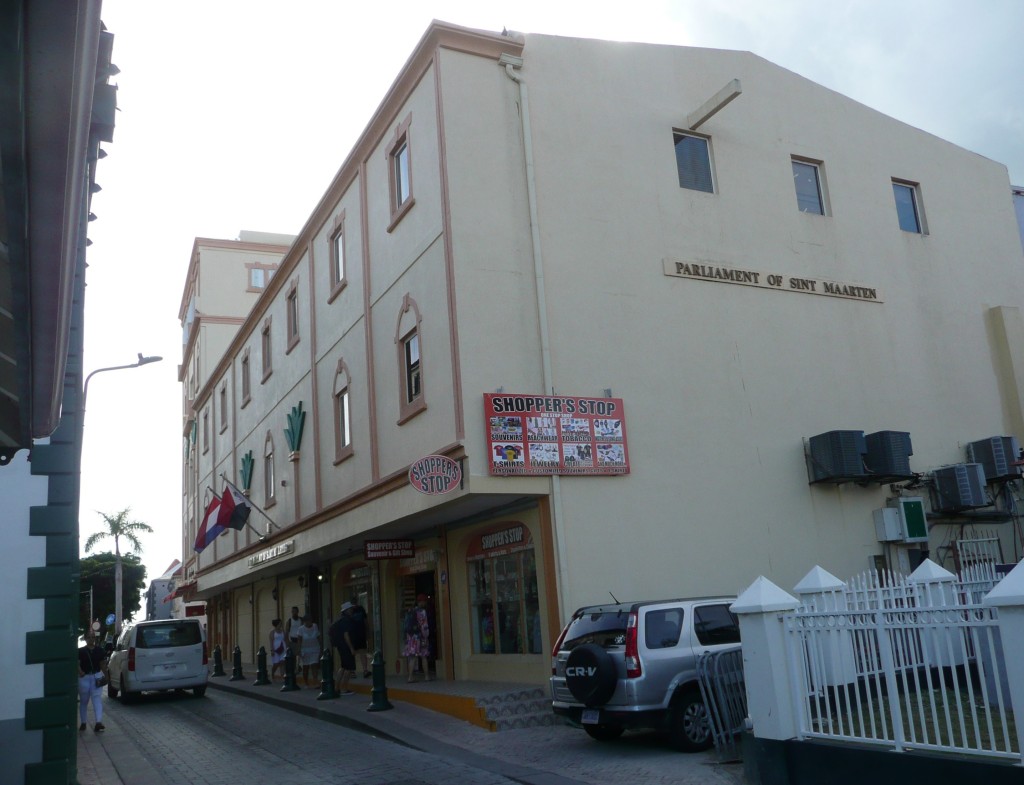
Mijamy parlament wyspy (składa się z dziesięciu członków, wybieranych co cztery lata i obecnie przewodniczy mu Ajamu Baly). / We pass the island’s parliament (it consists of ten members, elected every four years and is currently chaired by Ajamu Baly).
Parliament of Sint Maarten
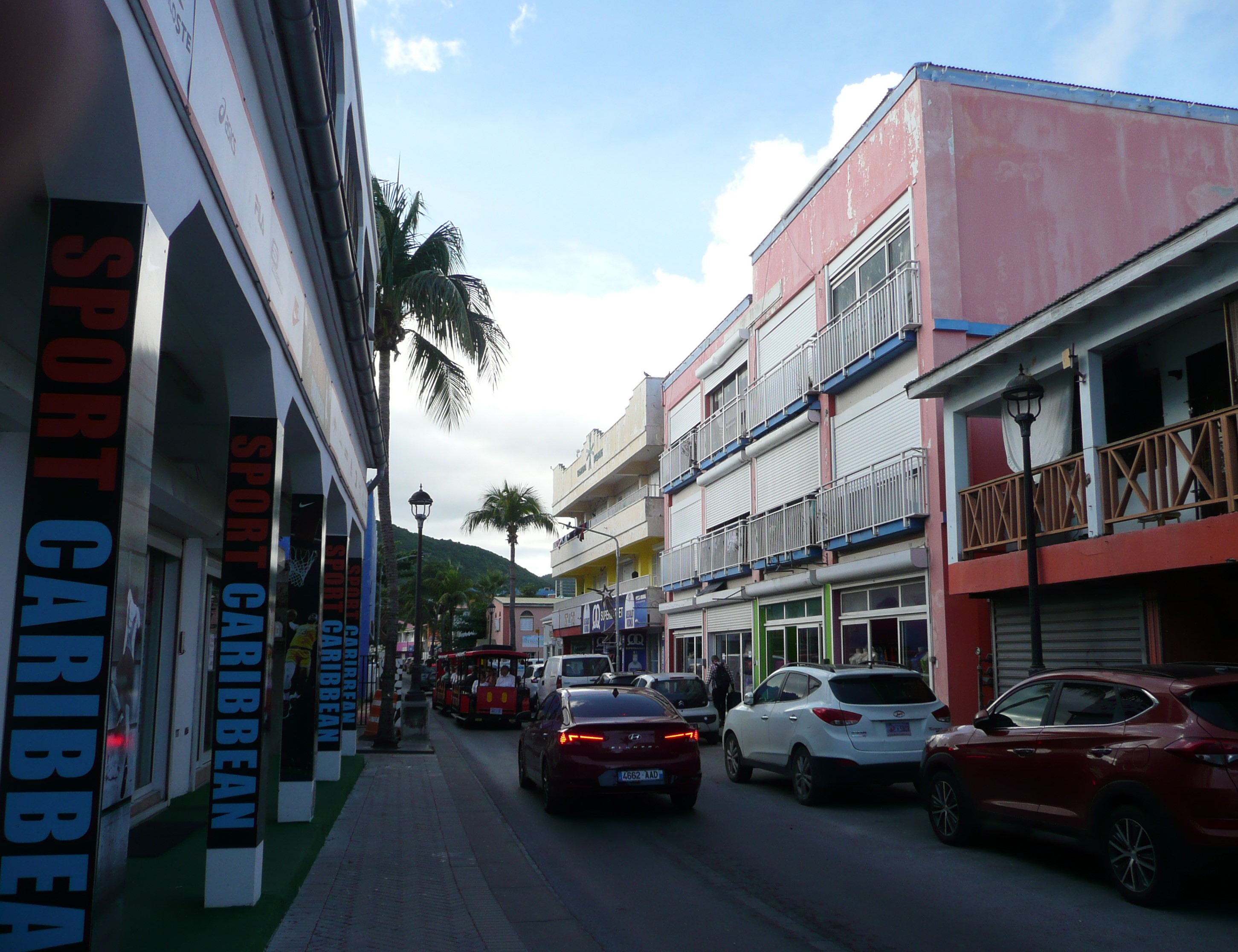
Uliczki są rzeczywiście pełne sklepów i małych barów z karaibskim jedzeniem. Od zapachów aż kręci się w głowie i mam ochotę spróbować tych karaibskich przysmaków. Rozsądek zwycięża i idziemy dalej i dalej, aż kończą się elegancke sklepy, a zaczynają się małe i biedniej wyglądające, w chodniku jest coraz więcej dziur, a ruch uliczny właściwie ustaje. W zaułkach walają się śmieci, domy są bardziej odrapane i robi się jakoś mało wakacyjnie…
The streets are indeed full of shops and small bars serving Caribbean food. The aromas make me dizzy, and I long to try these Caribbean delicacies. Common sense prevails, and we walk further and further, until the elegant shops end and the smaller, more shabby-looking ones begin. The sidewalks become increasingly potholed, and traffic practically ceases. Trash strewn across the alleys, the houses become more dilapidated, and the feeling becomes less than holiday-like…
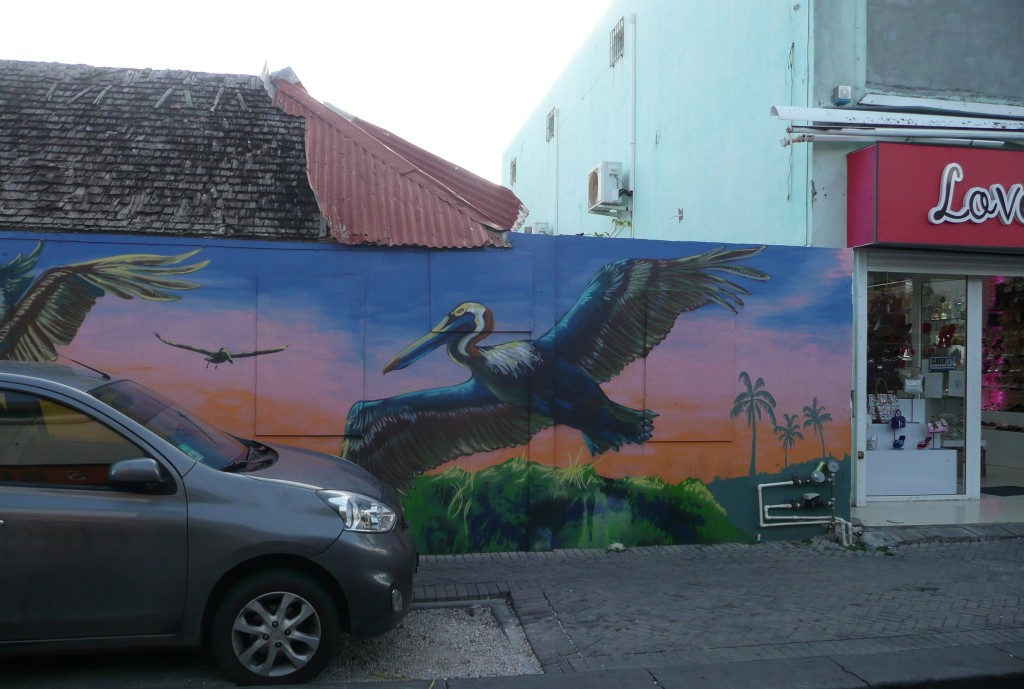
Postanawiamy zawrócić i dotrzeć z powrotem na nadmorską promenadę, co okazuje się trochę skomplikowane… Po drodze natykamy się na jeden z pięknych murali: / We decide to turn around and get back to the seaside promenade, which turns out to be a bit complicated… On the way we come across one of the beautiful murals:
Philipsburg, Sint Maarten
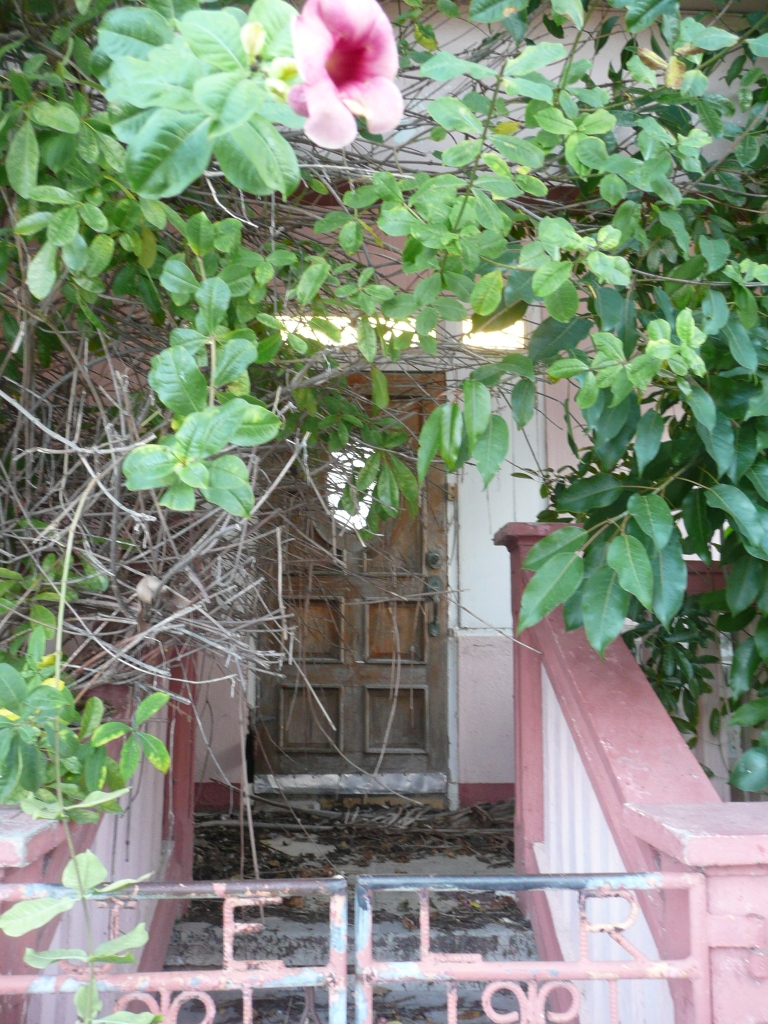
i na opuszczony dom na jednej z bocznych uliczek. Gdybym miała mieszkać na tej wyspie, to poproszę o ten właśnie dom pod kwitnącym hibiskusem. / and an abandoned house on one of the side streets. If I were to live on this island, I would ask for this very house under the blooming hibiscus.