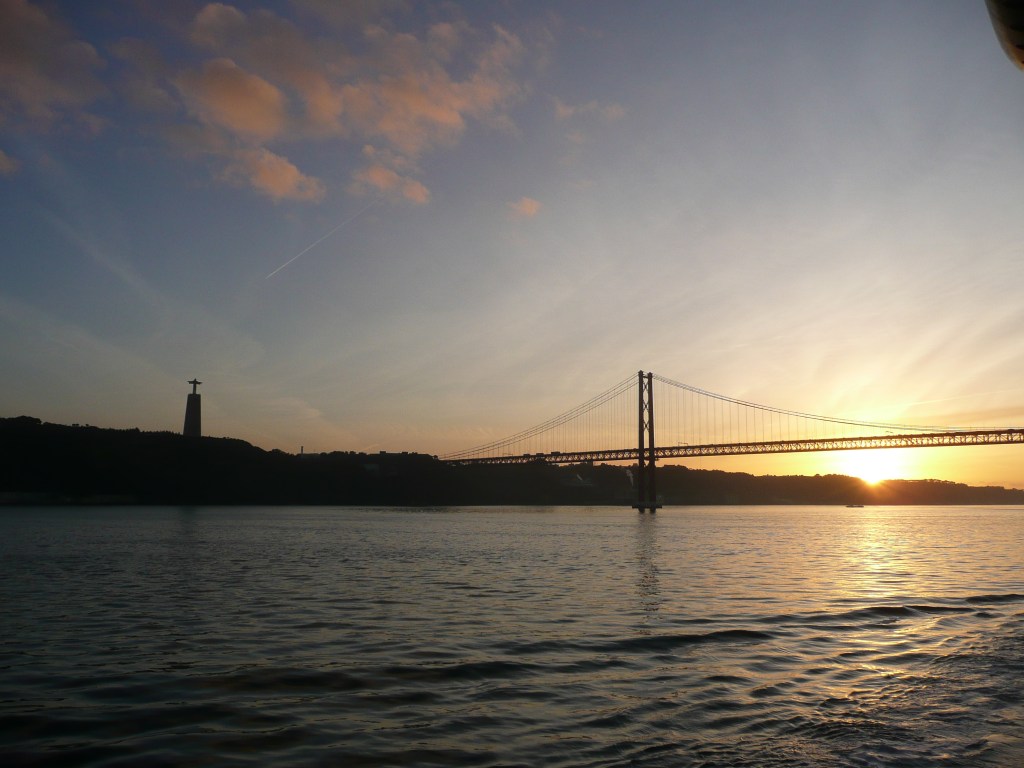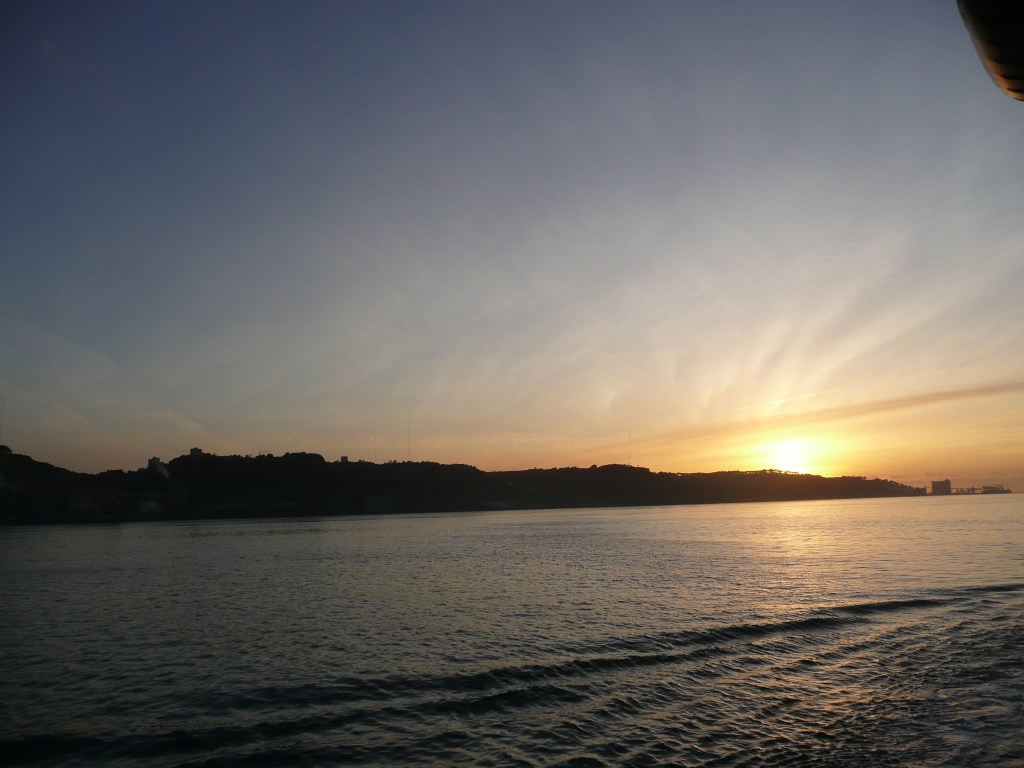

Mam wrażenie, że Islandia w ciągu krótkiego czasu przeżyła transformację od średniowiecza do XXI wieku, że Islandczycy z koni przesiedli się do SUV, manuskrypty zastąpili telefonami komórkowymi, a to wszystko w mgnieniu oka. Jestem już stara i niewiele rzeczy jest mnie w stanie zdziwić, ale stolica Islandii zaskoczyła mnie bardzo. Ale po kolei…
I feel like Iceland has transformed from the Middle Ages to the 21st century in a short space of time, with Icelanders moving from horses to SUVs, and replacing manuscripts with cell phones—all in the blink of an eye. I’m old now, and few things surprise me, but Iceland’s capital surprised me greatly. But first things first…

Zeszliśmy ze statku skoro świt, czyli koło 11. Pogoda była wspaniała, nawet jak na Islandię. Przeszliśmy przez portowy terminal składający się z niewielkiego baraku i dwóch znudzonych celników. Na ulicy czekał autokar, który (za darmo!) wozi pasażerów z portu do centrum i niespodzianka… zaczepiła nas para, która wracała już na statek i dała nam 24-godzinne bilety na busy do zwiedzania miasta!
We disembarked the ship at dawn, around 11 a.m. The weather was gorgeous, even for Iceland. We passed through the port terminal, which consisted of a small hut and two bored customs officers. A bus was waiting on the street (for free!), taking passengers from the port to the city center, and surprise… we were approached by a couple who were already returning to the ship and gave us 24-hour bus tickets for sightseeing!
Spójrzcie na te wieżowce nad zatoką… Miasto jeszcze niedawno będące jak rybacka wioska przekształciło krajobraz w wizjonerską i śmiałą architektoniczną fantazję, w której nie ma kiczu ani przesady.
Look at those skyscrapers overlooking the bay… What was once a fishing village has transformed the landscape into a visionary and bold architectural fantasy, devoid of kitsch or excess.
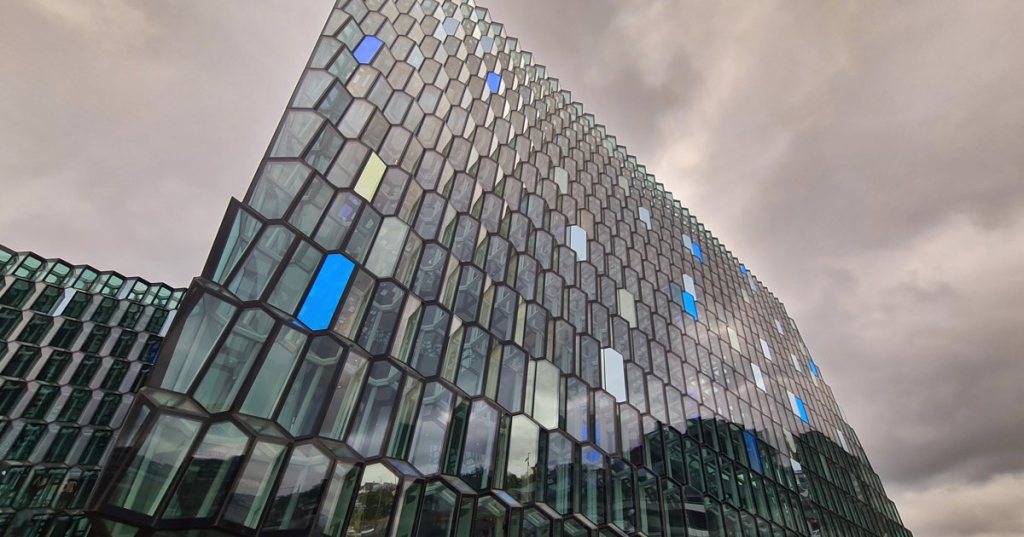
Autobus po dziesięciu minutach zatrzymał się przed ogromnym budynkiem. To Harpa, symfonia szkła i stali, budynek mieszczący sale koncertowe i centrum konferencyjne. A przede wszystkim darmowy internet! (na statku oczywiście jest wi-fi, ale ponieważ dostarczany jest przez Starlink, więc cena jest raczej wysoka, więc postanowiliśmy przeznaczyć tę kasę na inne cele).
Ten minutes later, the bus stopped in front of a massive building. It was Harpa, a symphony of glass and steel, housing concert halls and a conference center. And, most importantly, free internet! (There’s Wi-Fi on the ship, of course, but since it’s provided by Starlink, the price is rather high, so we decided to use the money for other things.)
Po wysłaniu zdjęć i pogaduszkach przez WhatsApp ruszamy dalej. Nie będę was zanudzać opisem trasy wędrówki, ale muszę pokazać kilka miejsc, które szczególnie mi się spodobały. Stolica Islandii kryje tyle niespodzianek, że nie sposób pokazać wszystkiego. Jest pięknym, nowoczesnym miastem z fajnymi, miłymi ludźmi, pełnymi tolerancji i niezwykłą atmosferą i zachowującą równowagę między przeszłością a teraźniejszością.
After sending photos and chatting on WhatsApp, we set off. I won’t bore you with a description of the hike, but I have to show you a few places I particularly enjoyed. Iceland’s capital holds so many surprises that it’s impossible to show them all. It’s a beautiful, modern city with cool, kind people, full of tolerance, and a unique atmosphere that maintains a balance between the past and the present.
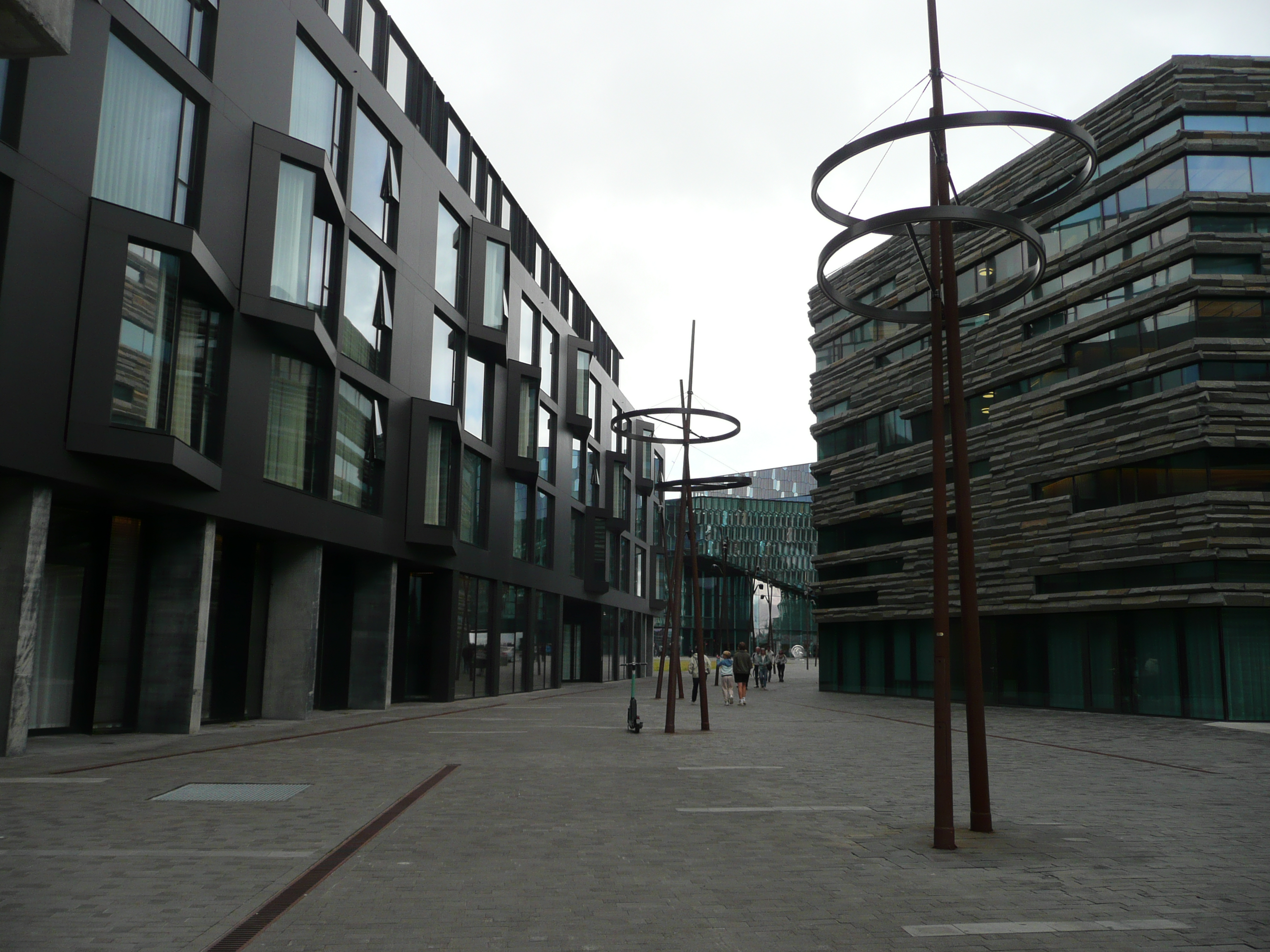
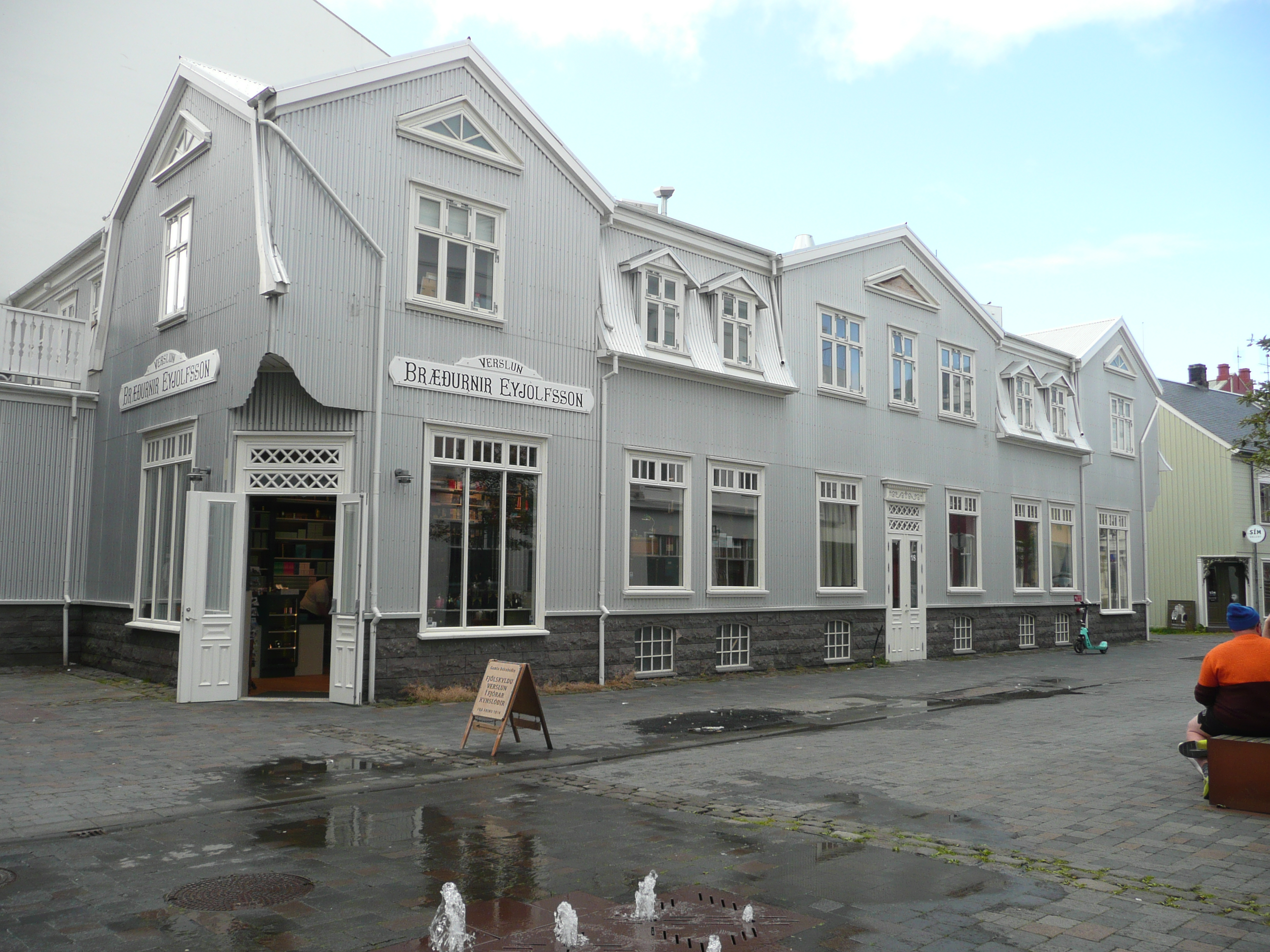
Poniżej: nowoczesna ulica i najstarsza księgarnia w mieście / Below: a modern street and the oldest bookstore in the city
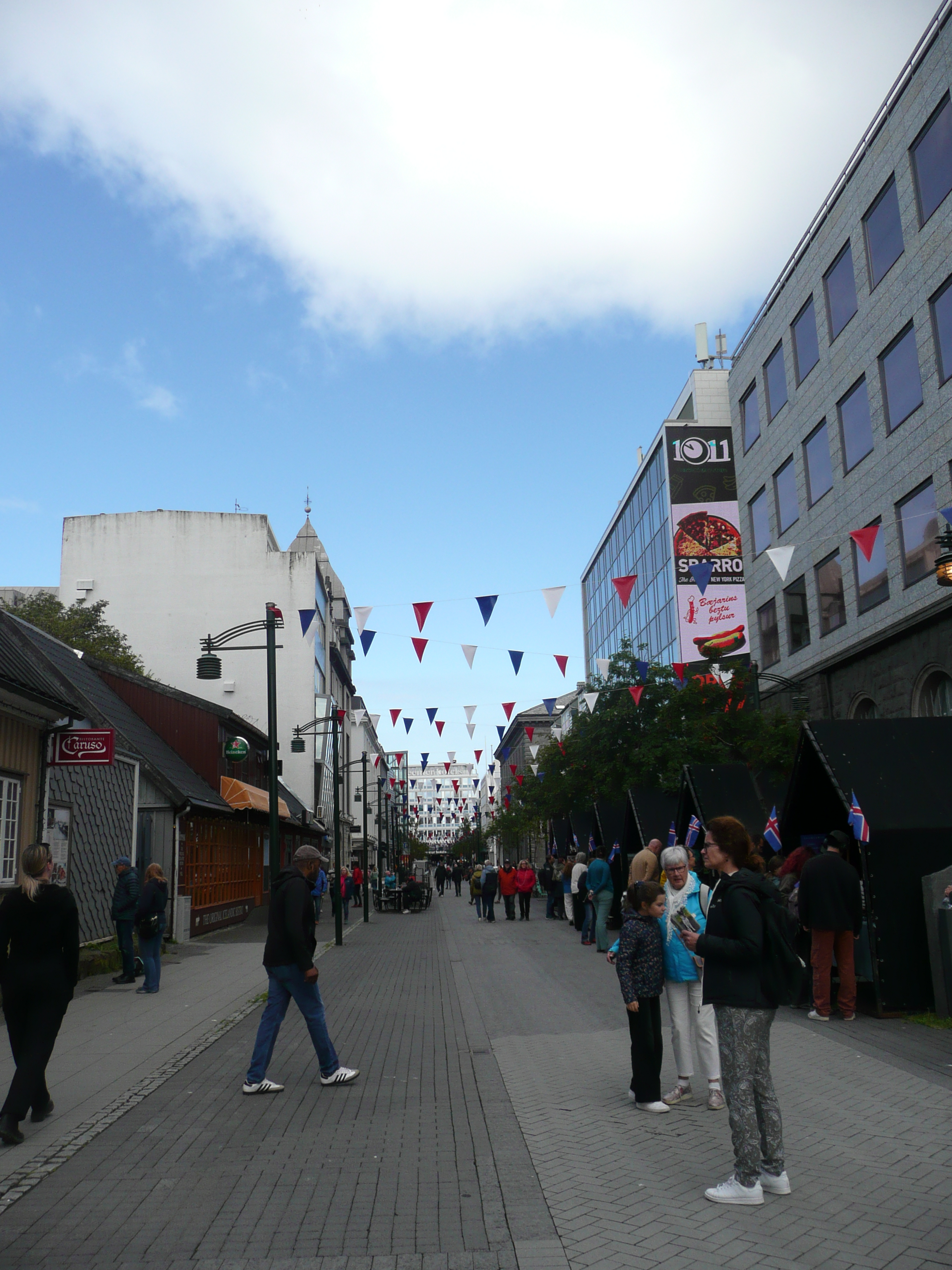
Ulica, na której są stragany z wyrobami lokalnych artystów, między innymi biżuteria robiona z …lawy / A street with stalls selling products by local artists, including jewelry made from… lava.
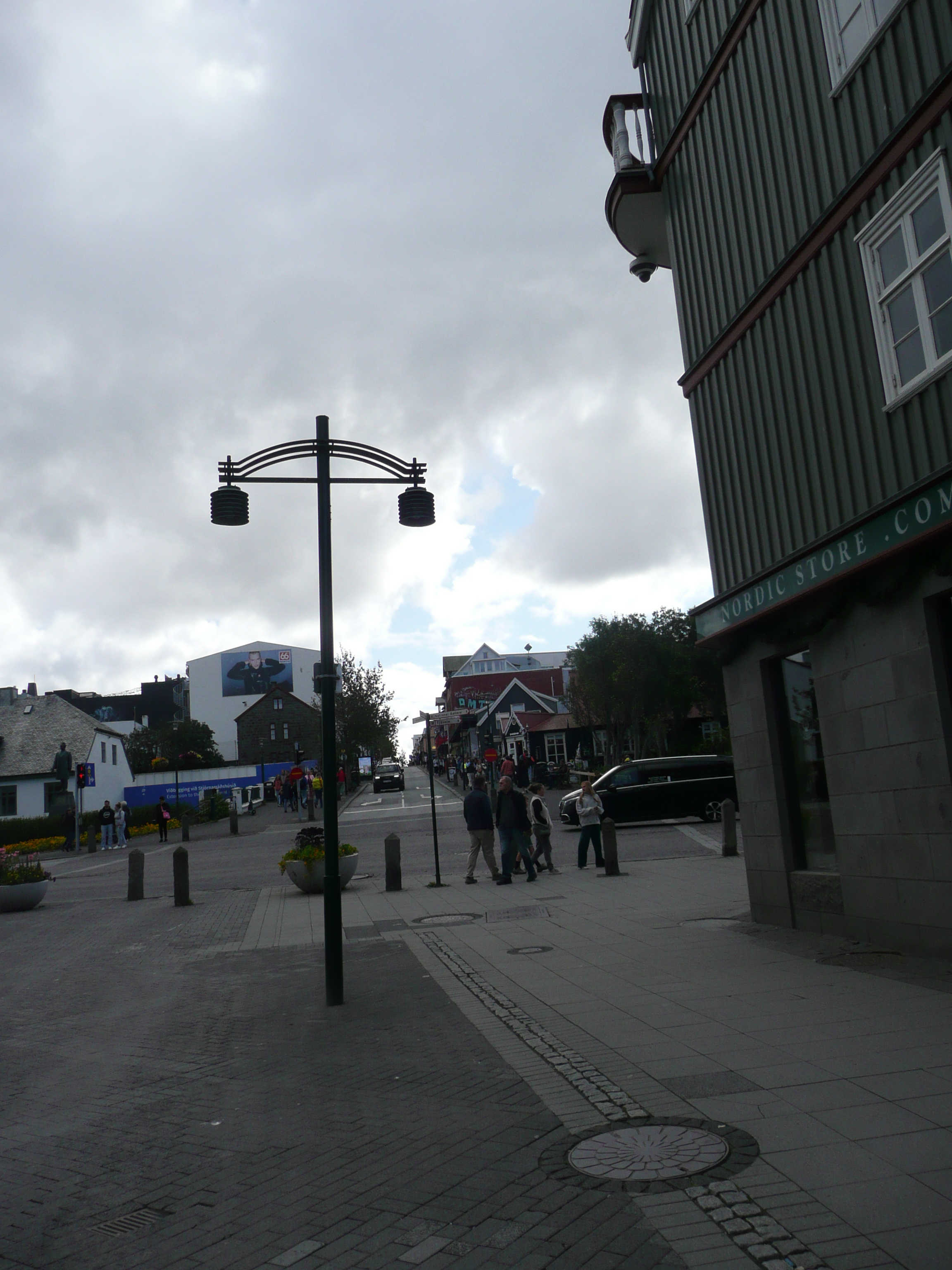
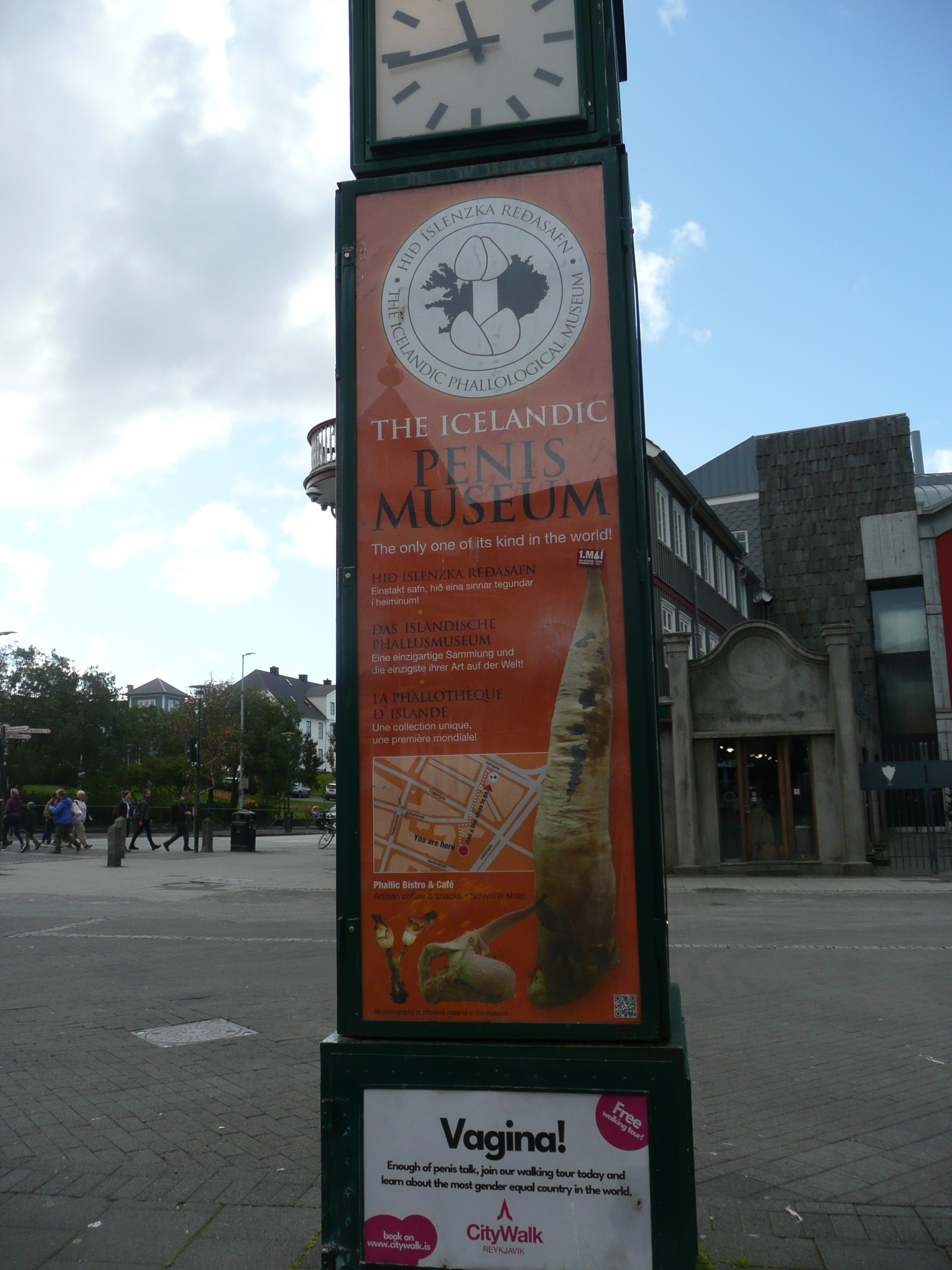
Reklama Muzeum Fallogicznego (zbiór ponad 200 penisów i ich części obejmujący niemal wszystkie gatunki ssaków lądowych i morskich Islandii, biedne zwierzaki) i miejsce dla miłośników ogrodów / Advertisement The Phallological Museum (A collection of over 200 penises and their parts, covering almost every species of land and sea mammals in Iceland, poor animals) and a place for garden lovers:
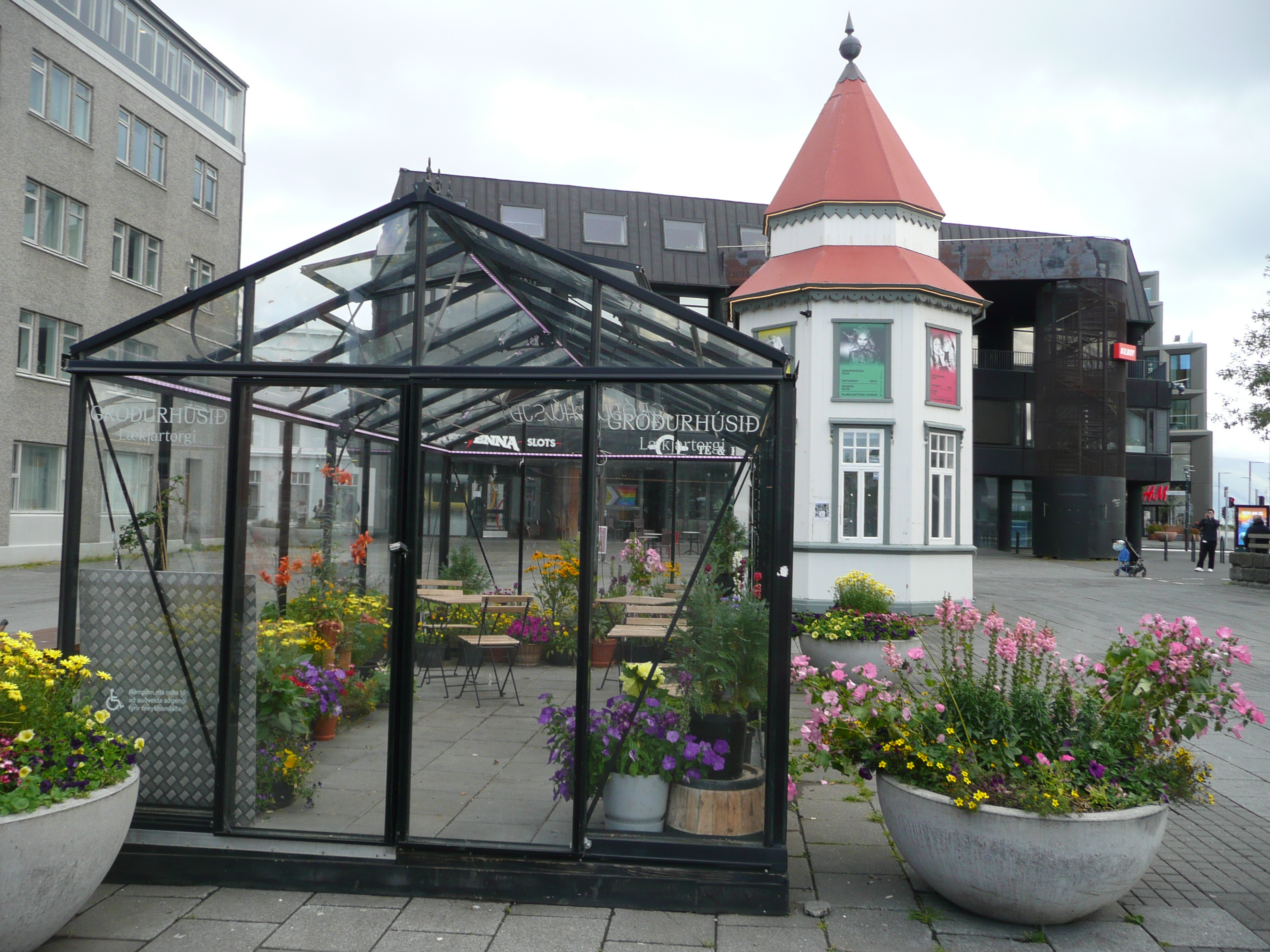
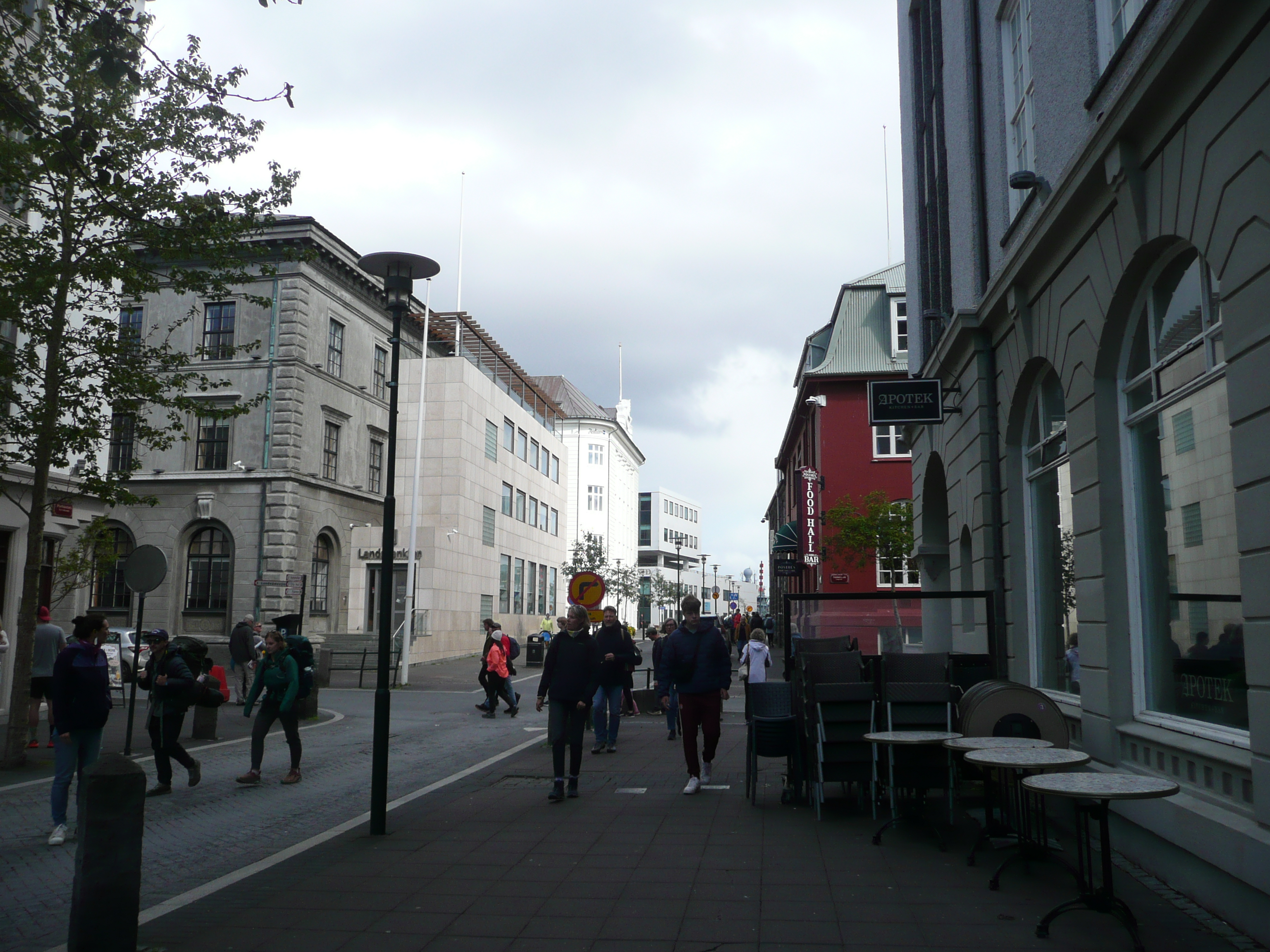

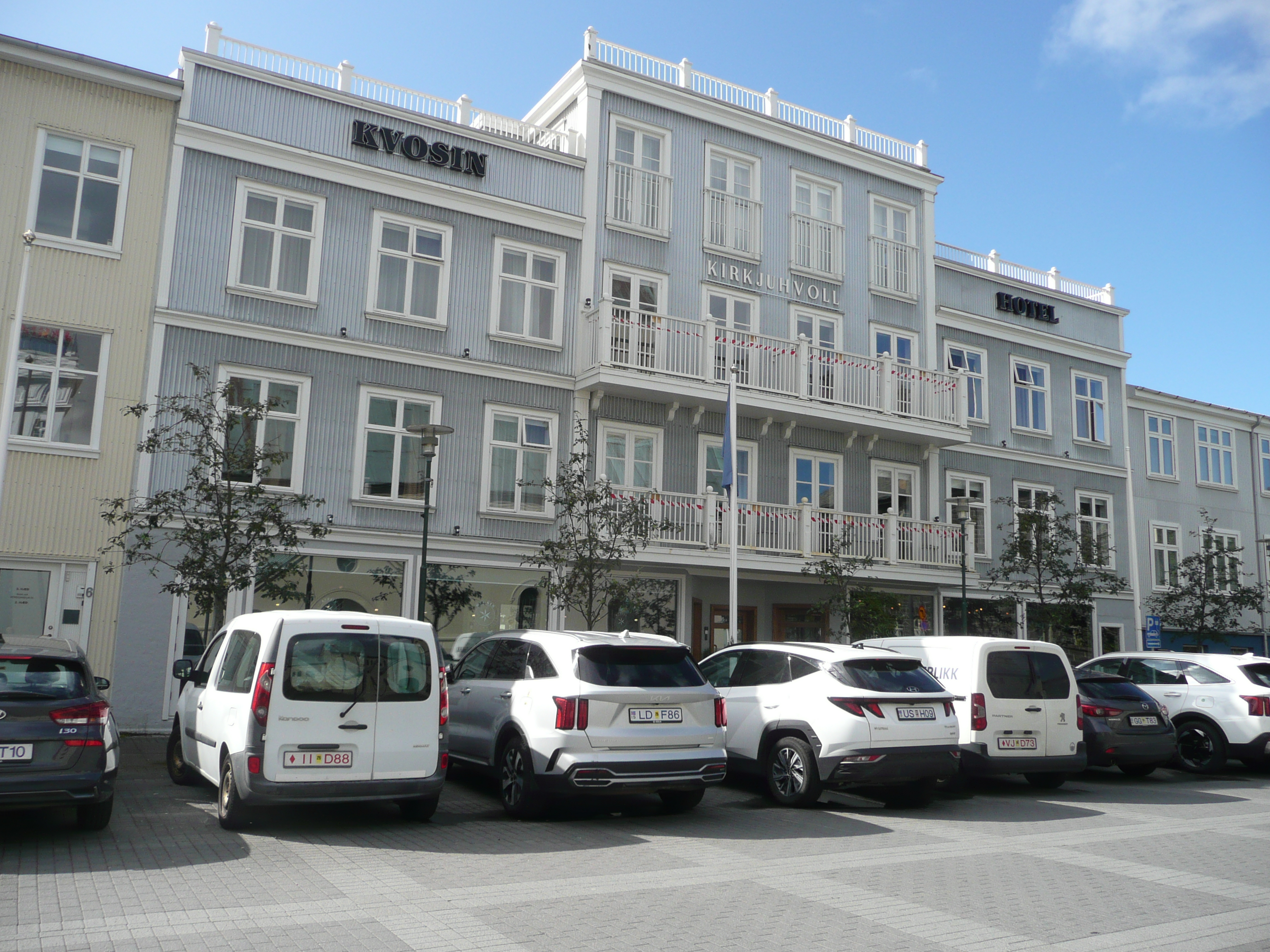
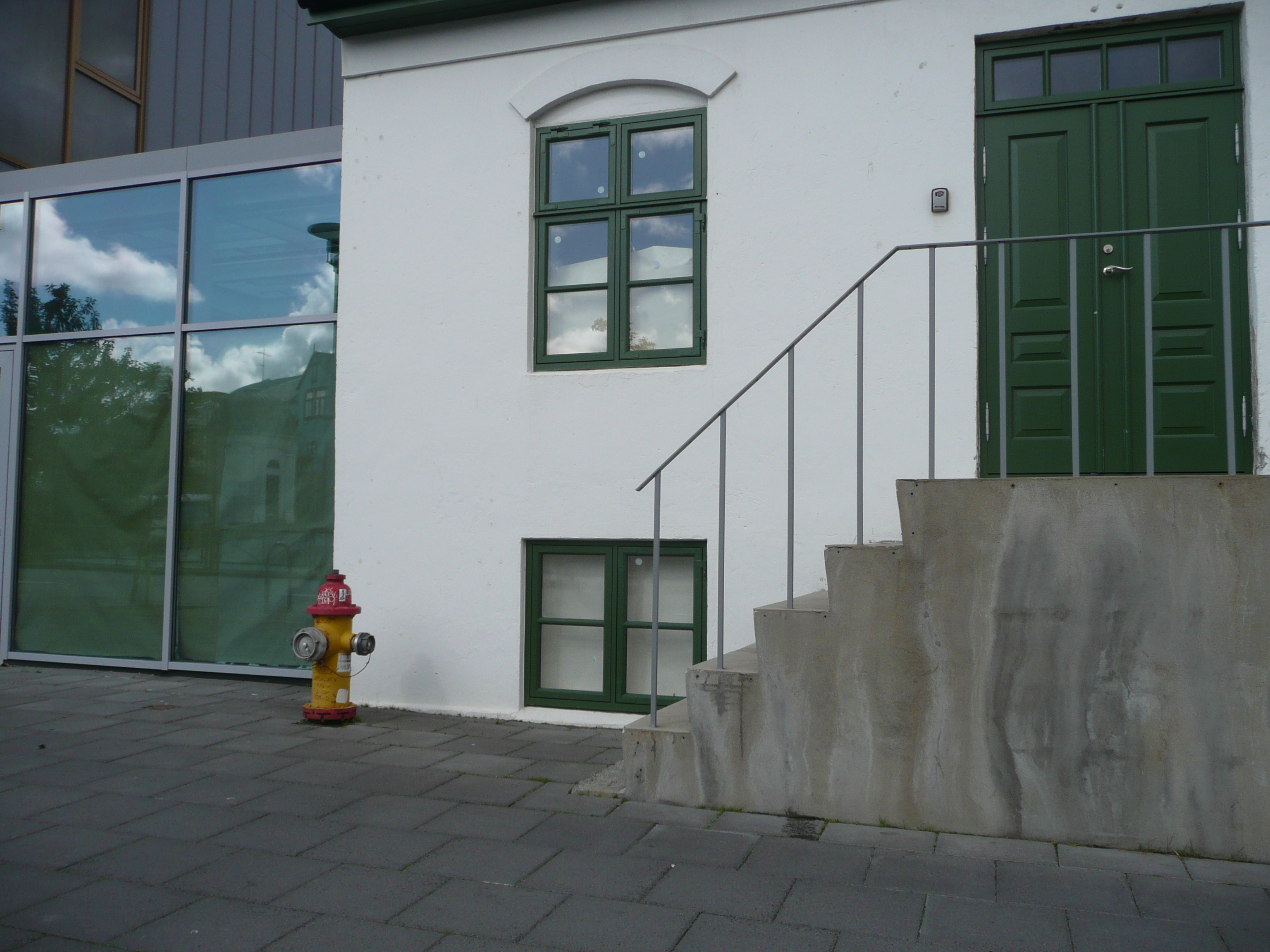
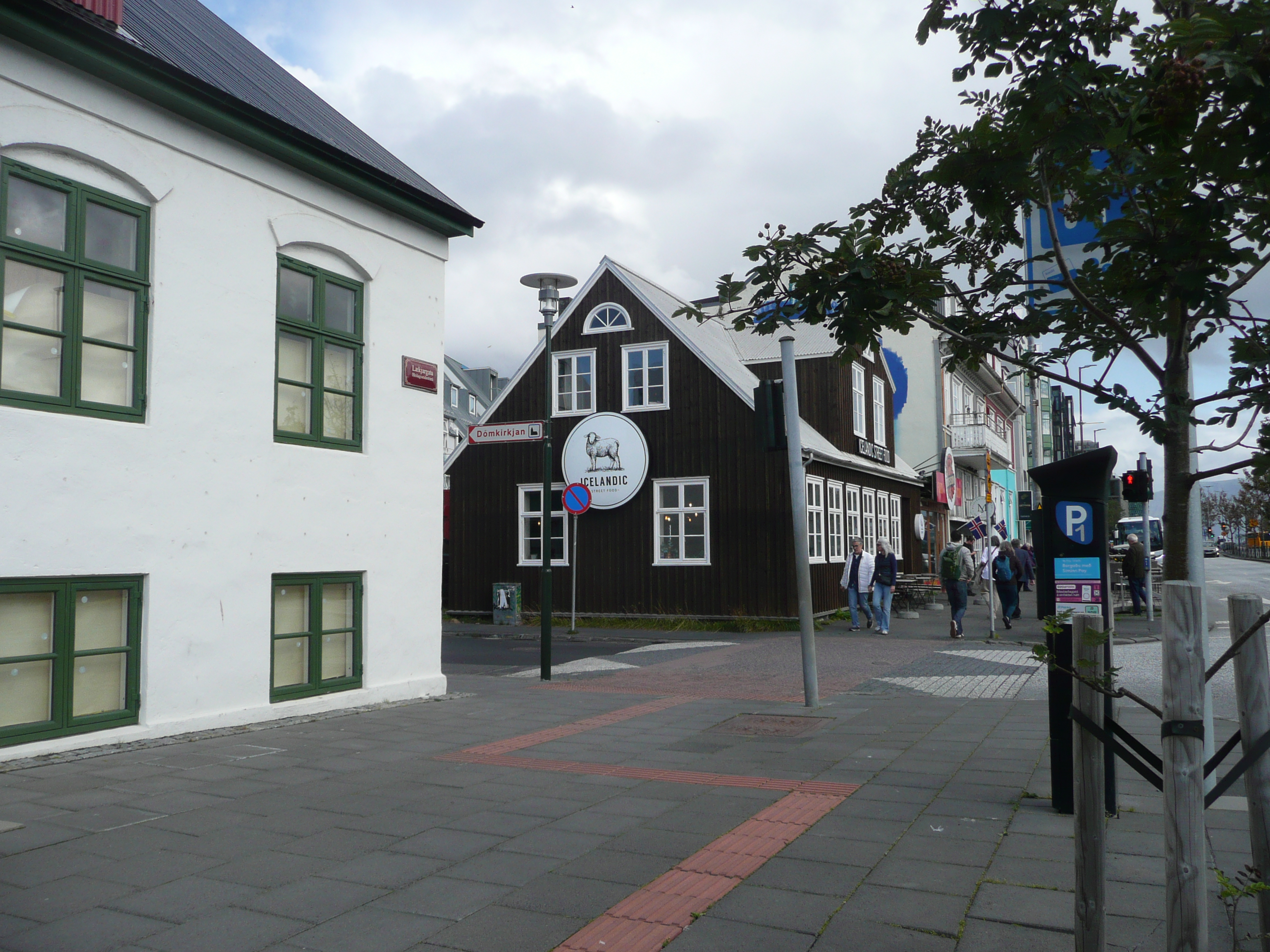
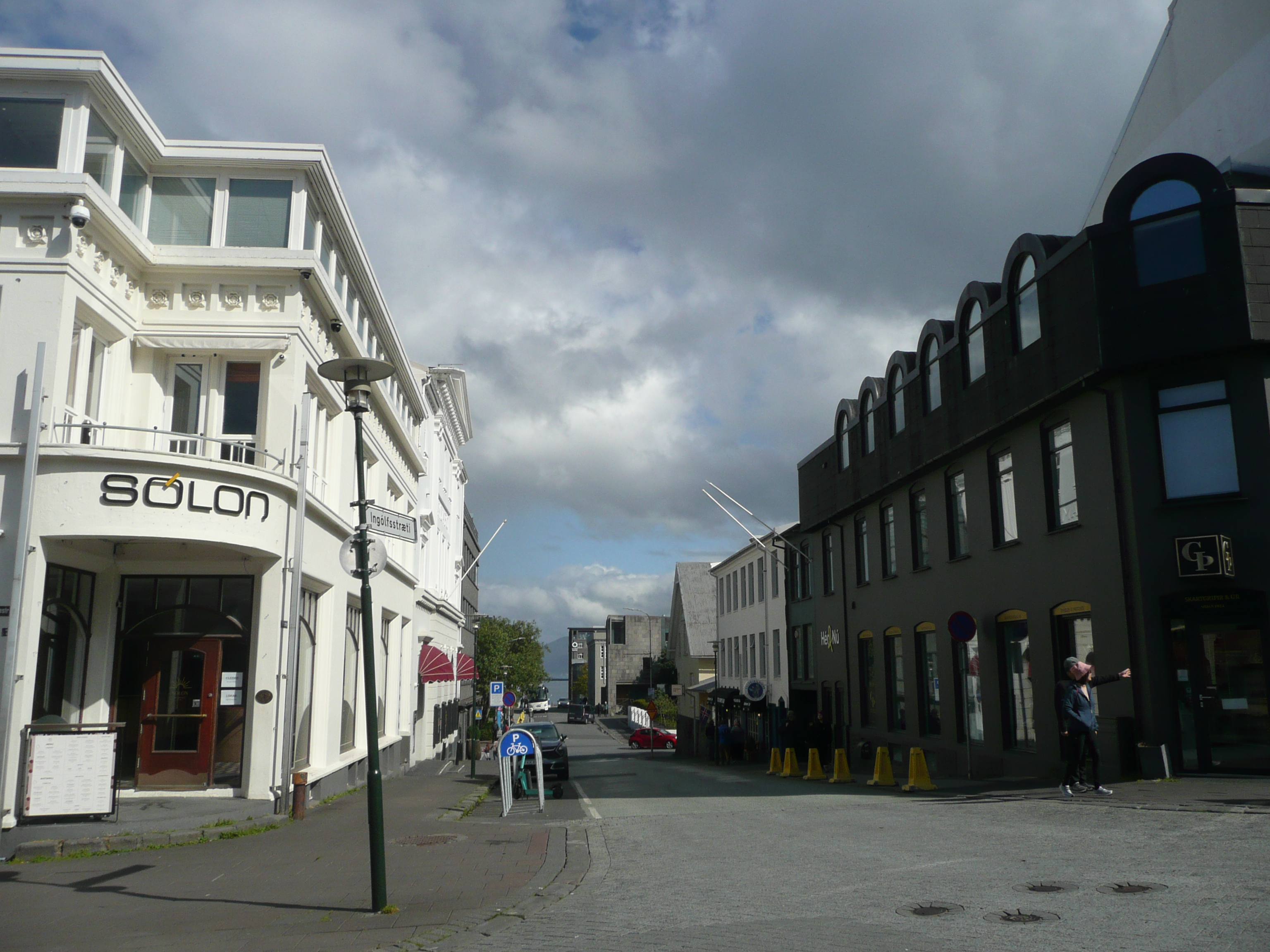
Powyżej: reykjavikowe impresje. / Above: Reykjavik impressions.
To jeszcze nie koniec wędrówki, ale zanim ruszymy ulicą prowadzącą pod górę, chciałabym wam powiedzieć, że jeszcze 30 lat temu piwo na Islandii było nielegalne, a wszystkie bary były zamknięte w środę. Obywatele miasta nie mogli mieć psów, a jedyna stacja telewizyjna na wyspie nie nadawała niczego w czwartki i przez cały lipiec. A, i Islandczycy piją średnio najwięcej Coca – coli na świecie…
This isn’t the end of the journey, but before we head up the hill, I’d like to tell you that just 30 years ago, beer was illegal in Iceland, and all bars were closed on Wednesdays. Citizens weren’t allowed to own dogs, and the island’s only television station didn’t broadcast anything on Thursdays and entire month of July. Oh, and Icelanders drink, on average, the most Coca-Cola in the world…