
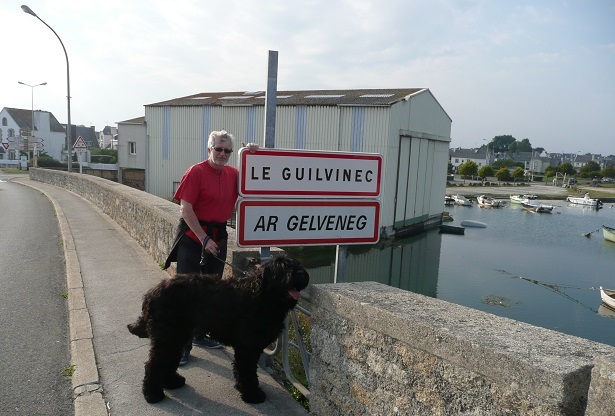
Le Guilvinec is, above all, a fishing port—a place of winding streets whose layout remains a mystery to us to this day, and of incredibly friendly people. And there is a profound sense of calm: there are hardly any tourists, and no snobs with massive yachts and even bigger egos. In the morning, when I go out with my dog, it is still grey. All the shutters are closed, and there isn’t a soul around. Closer to the port, I usually run into a few people walking to or from the bakery. We exchange a „bonjour,” and I turn off with Quattro onto a tiny beach—almost completely submerged by the high tide—to watch the small fishing boats heading out to sea or returning to port just as the sun comes up. On the way back, we buy a baguette for a mid-morning snack, and that is how our day begins. Such peace.
Le Guilvinec to przede wszystkim port rybacki, zaplątane uliczki, których planu nie potrafimy do dziś odgadnąć i niesamowicie mili ludzie. I wielki spokój – prawie nie ma turystów, nie ma snobów z wielkimi jachtami i jeszcze większym ego. Rano, kiedy wychodzę z psem jest jeszcze szaro. Wszystkie okiennice zamknięte i nigdzie nikogo. Trochę bliżej portu spotykam zwykle kilka osób, które idą do lub z piekarni. Mówimy sobie „bonjour”, ja skręcam z Quattro na maleńką plażę zalaną prawie zupełnie przez przypływ, obserwujemy małe kutry wyruszające w morze, albo wracające do portu i wtedy wstaje słońce. Wracając kupujemy bagietkę na drugie śniadanie i tak zaczyna się nasz dzień. Spoooookój.
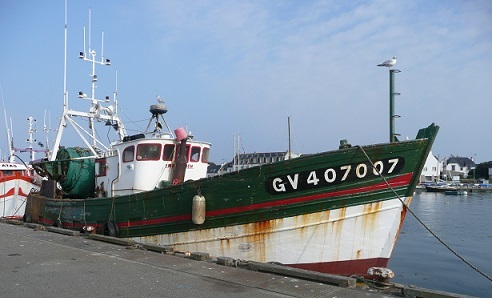
Le Guilvinec is one of the last places in France where only small vessels—like this one—are allowed to fish:
Le Guilvinec to jeden z ostatnich miejsc we Francji, gdzie mogą łowić tylko małe jednostki, takie jak ta:
The port is small, and there isn’t much to see. However, you can book a 12-hour fishing trip and fish alongside the crew—though enduring the rocking motion, the smell of fish and diesel fumes, and the actual work involved might be tough; still, to each their own.
Port jest niewielki i niewiele tu do oglądania. Ale można wykupić 12-godzinny rejs i łowić wraz z załogą kutra, ale chyba trudno znieść kołysanie, zapach ryb i silnika diesla i do tego jeszcze pracować, ale cóż, każda rozrywka ma swoich amatorów.
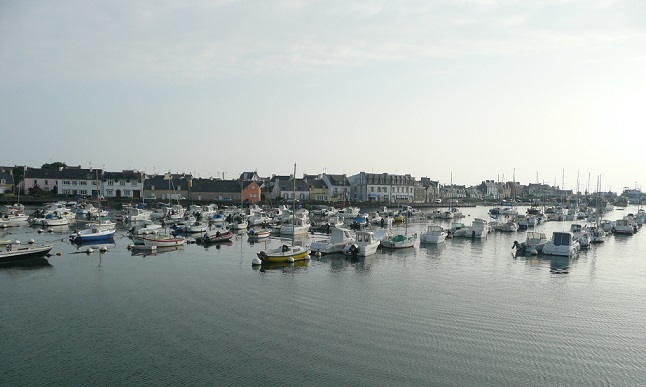
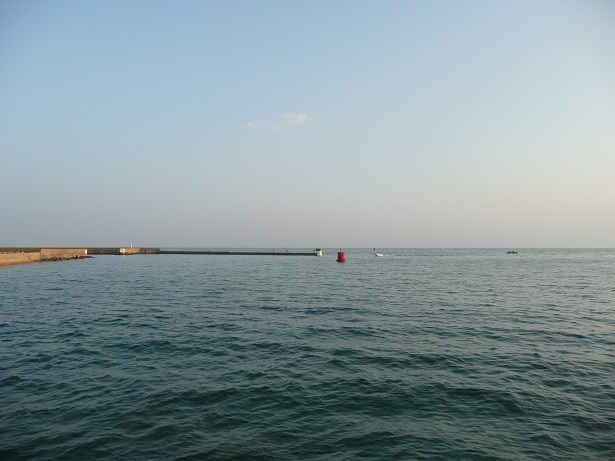
Above: the harbor exit. You can see cutters and boats sailing to and from the port. I only photographed two boats, but believe me, there are many more a little further out. The photo below is a continuation of the one above, just taken shortly before sunset.
Powyżej: wyjście z portu. Widać kutry i łodzie płynące z portu i do portu. Sfotografowałam tylko dwie łodzie, ale wierzcie mi, trochę dalej jest ich wiele. Zdjęcie poniżej to kontynuacja tego powyżej, tylko niedługo przed zachodem słońca.
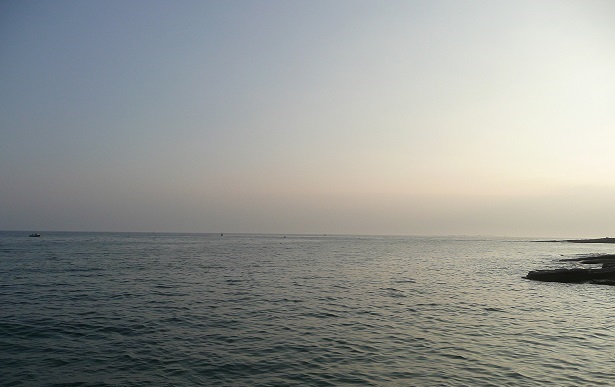
Guilvinec is home to one of the few remaining fishing schools—and one of the last in France. It’s those buildings on the right, right out on the headland. The rocks are submerged by the tide every day, and at those times, the town seems closer. Almost all the houses are tiny and cozy, with shutters, and I would love so much to own one of them—even the ugliest one.
W Guilvinec jest jedna z niewielu szkół rybołóstwa i jedna z ostatnich we Francji. To te budynki po prawej stronie, na samym cyplu. Skały są codziennie zalewane przez przypływ i wtedy miasteczko wydaje się bliżej. Prawie wszystkie domy są malutkie, przytulne, mają okiennice i strasznie chciałabym mieć jeden z nich, choćby najbrzydszy.
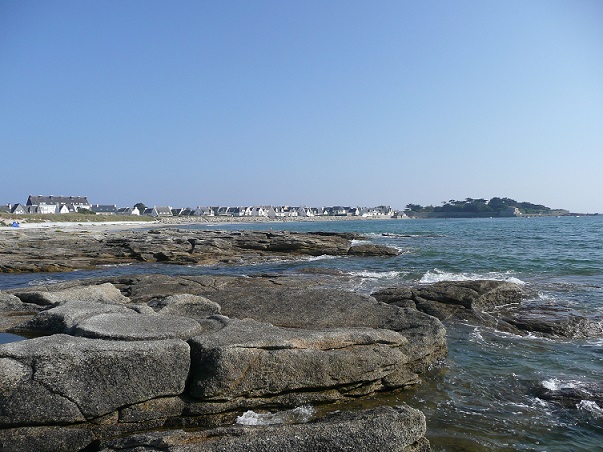
I’ll write more about the little houses later, as they’ve always been a huge passion of mine. For now, we’re heading back to the hotel because the dog is tired… / O domkach jeszcze napiszę, bo to moja wielka pasja zawsze. Na razie wracamy do hotelu, bo pies zmęczony…
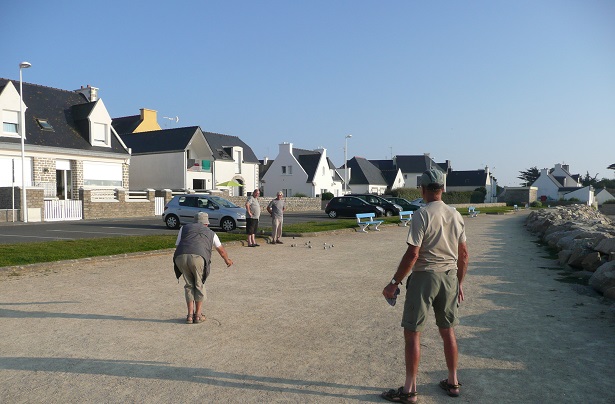
You can find players like this in practically every small town in France. It’s the game of boules—also known as pétanque, depending on the region. The men explained the rules to me: you have to throw your ball as close as possible to a small target ball. Each player has three balls, and the winner is the one who lands theirs closest. Very complicated stuff.
Chyba w każdym miasteczku we Francji można spotkać takich graczy. To gra w bule (les boulles), znana również pod nazwą Petanque (w zależności od regionu). Panowie tłumaczyli mi na czym to polega – trzeba rzucić jak najbliżej małej kulki. Każdy ma 3 kule i wygrywa ten, kto dorzuci najbliżej. Bardzo skomplikowane.

